

Something quiet has been happening in real estate offices, mortgage departments, and kitchen tables across America and beyond. Homeowners are opening renewal letters and finding their insurance cancelled, their premiums tripled, or their coverage simply gone. It doesn’t feel like a crisis until it happens to you, but the numbers tell a story that’s been building for years.
Leading global reinsurers such as Swiss Re and Munich Re are no longer just adjusting premiums for climate volatility – they are actively declaring that certain geographical areas, once considered viable for coverage, are becoming “uninsurable” due to the spiraling costs and frequency of climate-related risks, including devastating floods, catastrophic wildfires, and destructive landslides. This isn’t abstract forecasting. It’s already reshaping property markets, mortgage availability, and the long-term habitability of entire communities.
The Numbers Behind the Crisis

Insured losses in the United States reached $112.7 billion in 2024, a 36 percent increase over the prior year. As the likelihood of extreme, correlated losses grows, insurers are reducing coverage, raising premiums, and retreating from risky markets, spurring availability and affordability challenges. That isn’t a blip. That’s a structural shift.
The global protection gap in 2024 reached $210 billion, representing roughly three-fifths of total disaster losses going uninsured. Even within the eurozone, one of the world’s most developed insurance markets, only about €13 billion of €30 billion in disaster losses were covered – a protection gap of more than half. The gap between what gets insured and what actually gets destroyed keeps widening.
Florida: The Canary in the Coal Mine
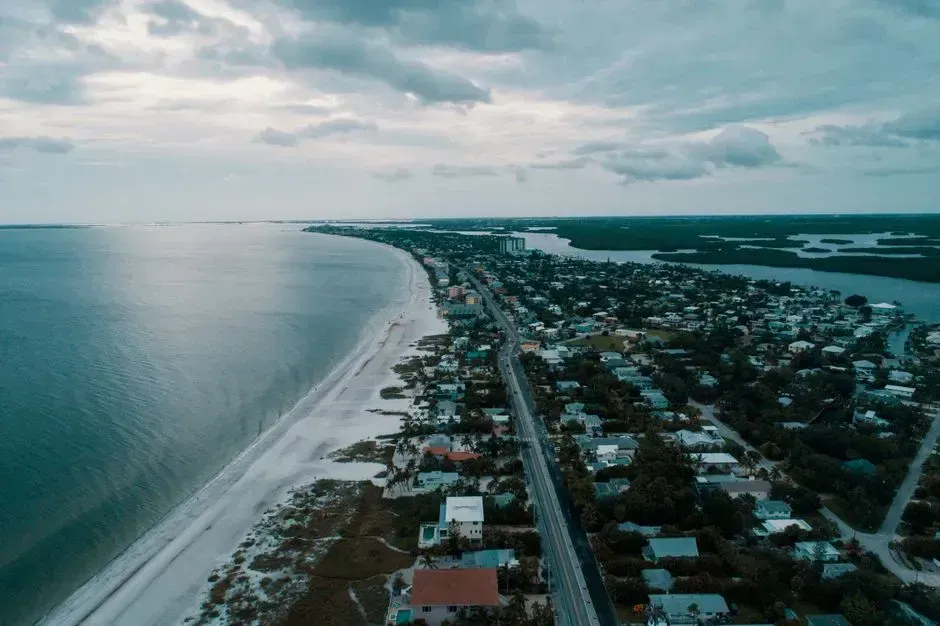
More than a dozen insurers withdrew from Florida since 2020, and Hurricane Ian caused tens of billions in losses. Citizens Property Insurance, Florida’s equivalent of the insurer of last resort, now covers 1.3 million policies. That’s not a functioning private market – that’s a state-managed emergency backstop holding together a collapsing system.
In Miami-Dade County, the average home insurance cost is already $17,000 per year. First Street, a climate risk financial modeling firm, predicts that cost could triple over the course of a 30-year mortgage secured in 2025. Major insurance companies have already left Florida, and small pop-up companies are unable to fill the gap. For many Miami homeowners, the practical question isn’t whether insurance is expensive – it’s whether it will exist at all.
Los Angeles: When Wildfire Risk Exceeds the Market’s Capacity
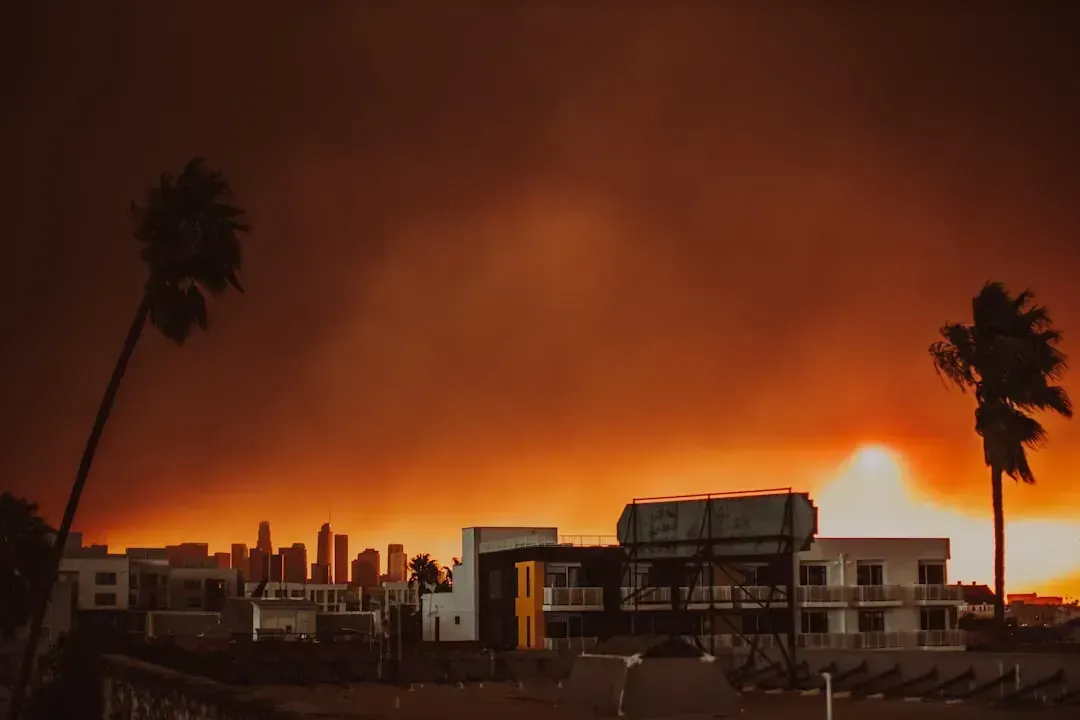
The Los Angeles wildfires of January 2025 killed at least thirty-one people and destroyed over 16,000 structures. Estimates put economic losses as high as $250 billion. Insurance companies are expected to pay $40 billion in claims – the largest insured loss from a wildfire anywhere, ever. The scale of that event shook an already strained system to its core.
In particularly fire-prone areas of California, non-renewals increased by more than 200 percent between 2018 and 2022, forcing homeowners to the FAIR Plan – California’s state-backed insurer of last resort offering coverage for high premiums. Ten of the 20 largest wildfires in California have occurred in the last five years, including the devastating 2025 L.A. fires. The trend is not slowing down.
Louisiana and New Orleans: A Region Already on the Edge
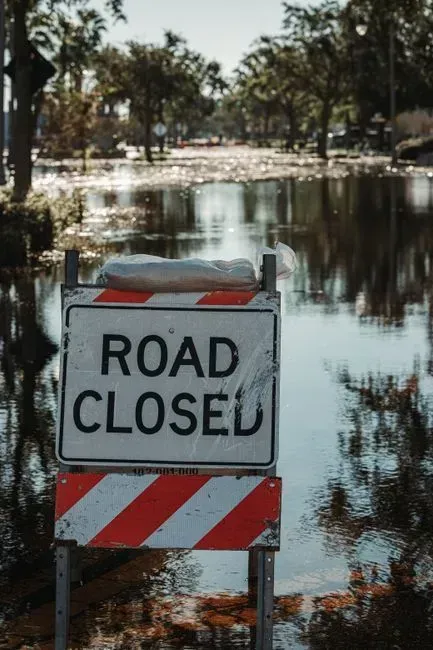
After repeated hurricanes, including Hurricane Ida in 2021, over 20 insurance companies exited the Louisiana market, leaving tens of thousands of homes without coverage. Property transactions slowed dramatically in flood-prone parishes, with lenders refusing to finance uninsured homes. That combination – no insurance, no mortgage – effectively makes a home worthless on the open market.
Skyrocketing costs of National Flood Insurance Program coverage have spurred significant departure from the program, with about 70,000 policies dropped in Louisiana from 2022 to 2024. When paired with the ongoing home insurance crisis in Louisiana, this raises premium costs even more. Many are dropping insurance, contributing to a cycle of higher payments for those who need to maintain flood coverage. The people left holding policies end up subsidizing an ever-shrinking pool.
Houston: The City That Floods Every Few Years
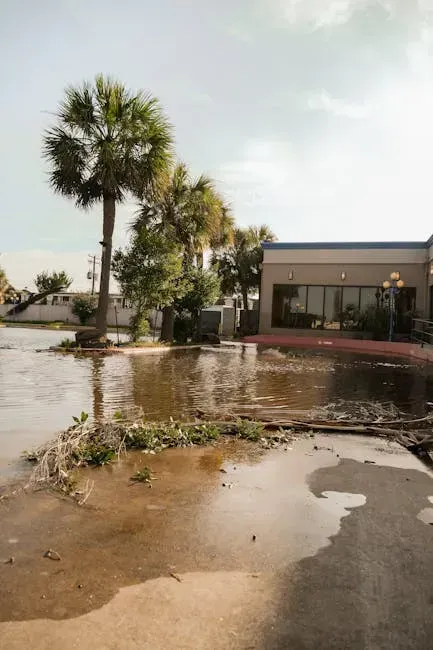
As of October 2025, the National Flood Insurance Program lost its authority to operate. For Houston – a city that floods somewhere in Harris County approximately every two years – this created an immediate crisis. Houston is one of the most flood-prone metropolitan areas in the United States, yet its insurance infrastructure remains dangerously thin.
Harris County accounts for nearly half of all NFIP payouts statewide, yet over 78 percent of homes remain uninsured. Texas has identified over $54.5 billion in needed flood risk reduction solutions, yet only $10.6 billion in available funding has been identified. Texas flooding in 2025 generated estimated economic losses of between $18 billion and $22 billion, most of it uninsured. The gap between exposure and coverage is staggering.
Jakarta: When a City Starts Sinking Beneath the Water Line

Severe land subsidence due to excessive groundwater extraction affects parts of Jakarta to such an extent that land has sunk by several meters in some locations over past decades. Adding to sea level rise, extreme rainfall during monsoon seasons leads to an immense increase in flood occurrences. Already, 40 percent of Jakarta sits below sea level, with seasonal flooding affecting residents, streets, companies, and public transportation systems alike.
The decision to move Indonesia’s capital to the new city of Nusantara is in part a recognition of the challenges Jakarta will continue to face in coming decades unless major investment is made in effective flood protection and sustainable water management. In March 2025, torrential rains caused severe flooding in Jakarta, leading to the evacuation of thousands of residents, with floodwaters submerging over 1,000 houses and reaching up to 3 meters in certain areas. For practical purposes, large parts of the city are already functionally uninsurable.
Australia: Flood Premiums That Price Out Entire Suburbs
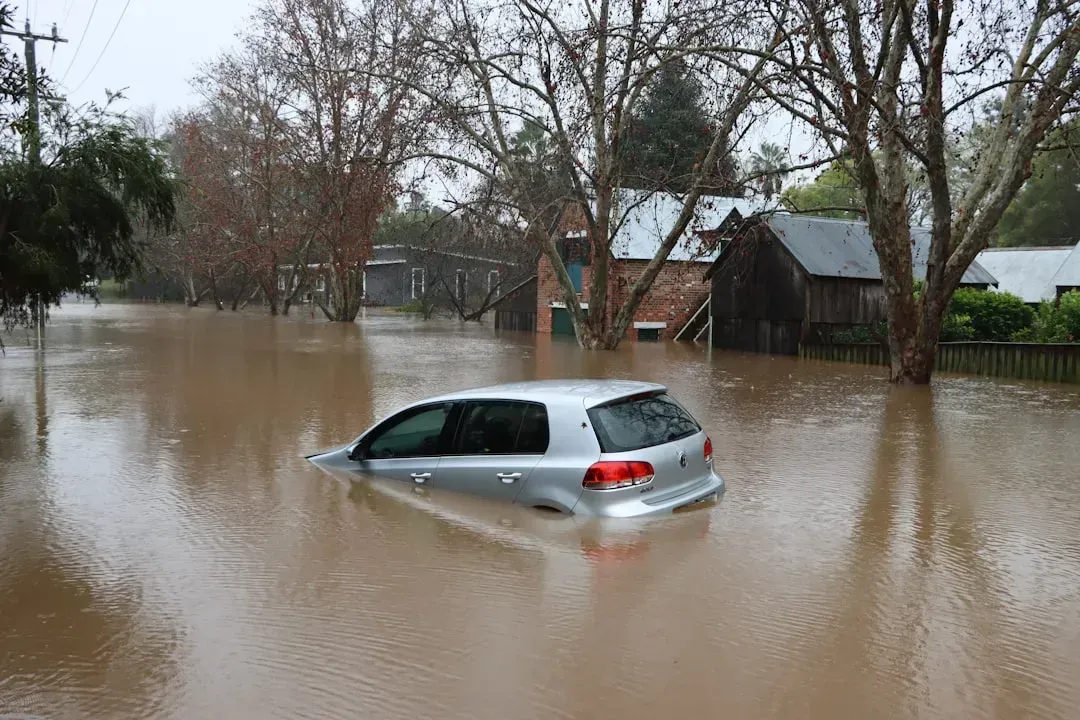
Following the 2022 east coast floods, which caused over $4.8 billion in insured losses, insurers raised premiums to unaffordable levels or withdrew entirely from flood-prone regions of Queensland and New South Wales. Some households reported annual premiums exceeding $10,000, rendering properties effectively unmarketable. When a house can’t be sold and can’t be insured, it ceases to function as an asset.
In Canada, insurers paid out a record-breaking $7.7 billion for extreme weather claims in 2024, including for flooding, wildfires, and hailstorms, leading to warnings of higher premiums in 2025 on top of already inflated levels endured over the past decade. The pattern stretches well beyond the United States – this is a global market under synchronized pressure.
The Broader Economic Consequences

When insurance becomes unaffordable or unavailable, households are exposed, property values fall, mortgages become harder to secure, and the risk of a wider financial crisis grows. Insurance isn’t just a policy document – it’s the invisible infrastructure that makes the housing market function at all.
A 2024 Consumer Federation of America analysis found that 1 in 13 homeowners is uninsured, leaving at least $1.6 trillion in unprotected market value. Lower-income families bear the brunt of this crisis, as they are more likely to be uninsured and thus suffer total losses without support. In California, affordable housing developers have reported laying off staff and selling off rent-controlled properties to private landlords due to rapidly rising insurance costs, further exacerbating the dangers posed to low-income families.
The Uninsurability Threshold: What the Industry Is Warning

In a February 2025 interview, Allianz board member Günther Thallinger outlined what he describes as the “uninsurability threshold” – the point at which climate risks become so frequent, severe, or unpredictable that they cannot be effectively managed through traditional insurance approaches. This threshold is not a single global phenomenon but rather a series of regional and sectoral tipping points that could occur at different times and in different ways.
The combined capacity of the world’s insurance and reinsurance markets is estimated at roughly $6 trillion, but in severe climate scenarios, potential losses would easily surpass that figure. Even if risk were managed flawlessly, the sheer magnitude of possible climate-related disasters could overwhelm the system. The danger is greatest when multiple catastrophic events strike in close succession, draining reserves and leaving vast segments of the economy exposed. At some point, the math simply doesn’t work anymore.
What Comes Next – and Who Pays
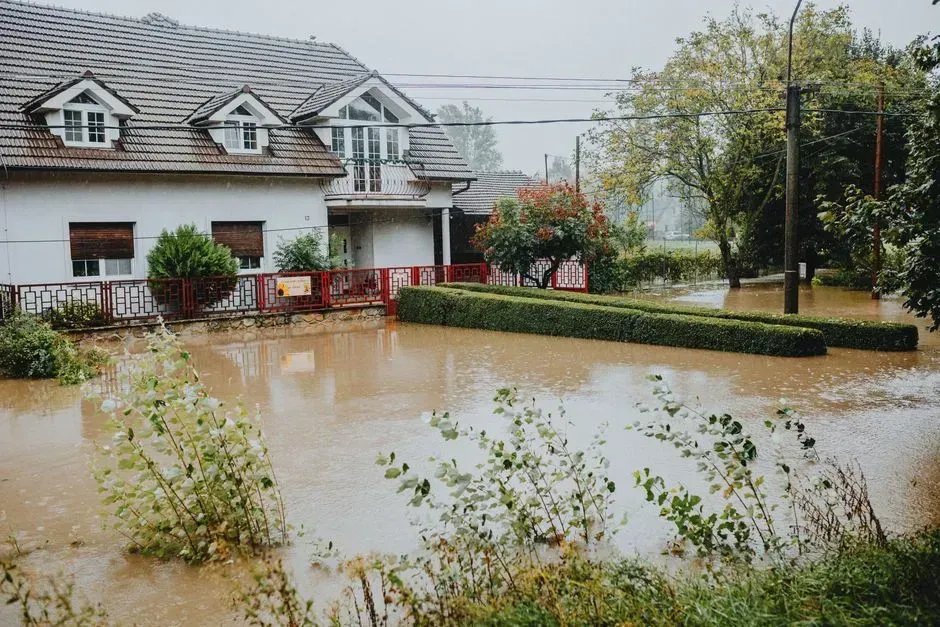
The interplay between climate change and insurance is creating a dangerous self-reinforcing spiral that threatens to accelerate both environmental damage and economic instability. As premiums soar or coverage disappears altogether, businesses and homeowners have fewer resources and incentives to invest in climate resilience. That underinvestment leaves them increasingly exposed to the next disaster, driving losses higher.
Insurance prices rose 74 percent from 2008 to 2024, while home prices increased 40 percent during the same period, according to the Joint Center for Housing Studies at Harvard University, making it harder to realize the dream of home ownership. Aggregated uninsured residential flood losses across the U.S. could exceed $375 billion under a one-in-100-year flood scenario and surpass $1 trillion in rarer, higher-severity events, according to Moody’s analysis. The financial exposure sitting unprotected in American communities alone is almost impossible to comprehend – and the 2035 horizon isn’t far off at all.

- The Shoreline Sucked Dry in Seconds – 5 Tsunami Signals Beachgoers Mistake for Low Tide - November 14, 2026
- 9 Dark-Sky Destinations Around the World Where the Stars Look Unreal - November 14, 2026
- The Fault Line That Never Slips – 7 Locked Seismic Zones Overdue for a Massive Release - November 14, 2026
