

- The Planet Where It Rains Liquid Glass – 7 Alien Worlds Defying Known Physics - November 14, 2026
- Stars Consuming Entire Worlds – 6 Planetary Systems Swallowing Their Own Worlds - November 14, 2026
- The Ground Liquefies Like Water – 6 Silent Fault Lines Geologists Watch Closely - November 14, 2026
There’s a version of off-grid life that lives on social media: golden-hour gardens, crackling wood stoves, and mugs of something hot on a porch with a view. It looks peaceful. It looks deliberate. It looks, frankly, like a very long vacation. What those posts don’t show is the week your batteries die in December, or the morning you realize your water pump has frozen solid, or the quiet Tuesday when you haven’t spoken to another human being in four days.
I spent a full year living off the electrical grid, managing my own water, waste, and power. It changed me in ways I didn’t expect, mostly for the better. Still, there were realities nobody spelled out clearly before I made the leap. These are the eleven things I wish someone had told me first.
1. The Upfront Costs Are Genuinely Staggering
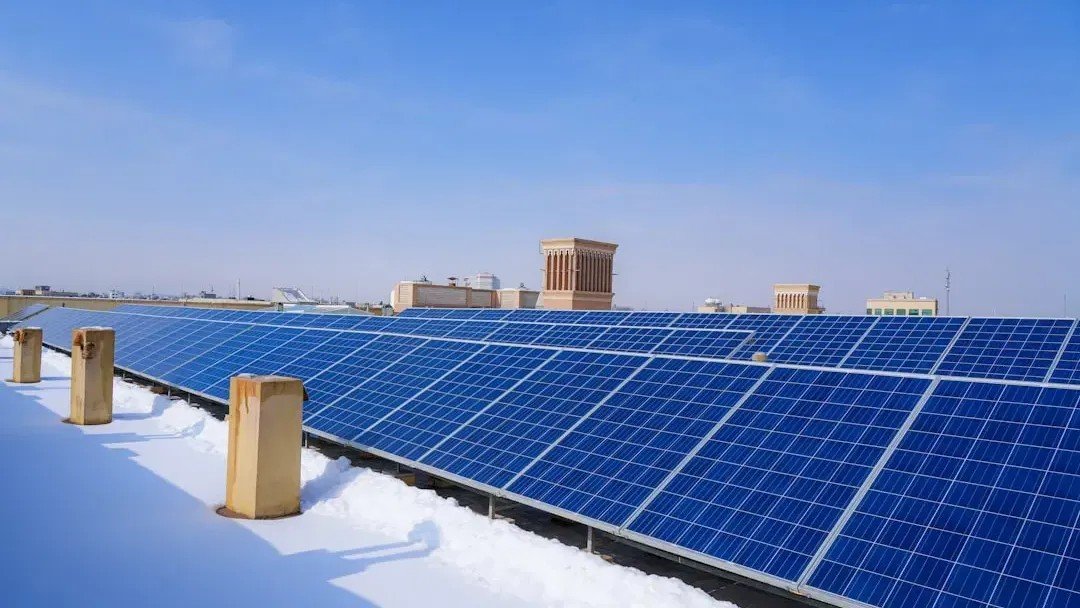
Most people who research off-grid living focus on the eventual savings. The monthly bills disappear. While the initial setup can be costly, it leads to substantial long-term savings, since eliminating monthly utility bills and reducing reliance on external resources means more money stays in your pocket over time. That part is real. What blindsided me was the sheer weight of the entry costs before any of those savings materialized.
Basic off-grid systems start around $15,000 to $25,000 for a small cabin, while comprehensive setups for full-sized homes range from $50,000 to $150,000 or more. The biggest expenses are the electrical system, which accounts for roughly forty to fifty percent of total costs, followed by water infrastructure at twenty to thirty percent, and waste management at ten to fifteen percent. Having a realistic number in your head before you buy land changes everything about the planning process.
2. Solar Power Has a Weather Problem Nobody Warns You About
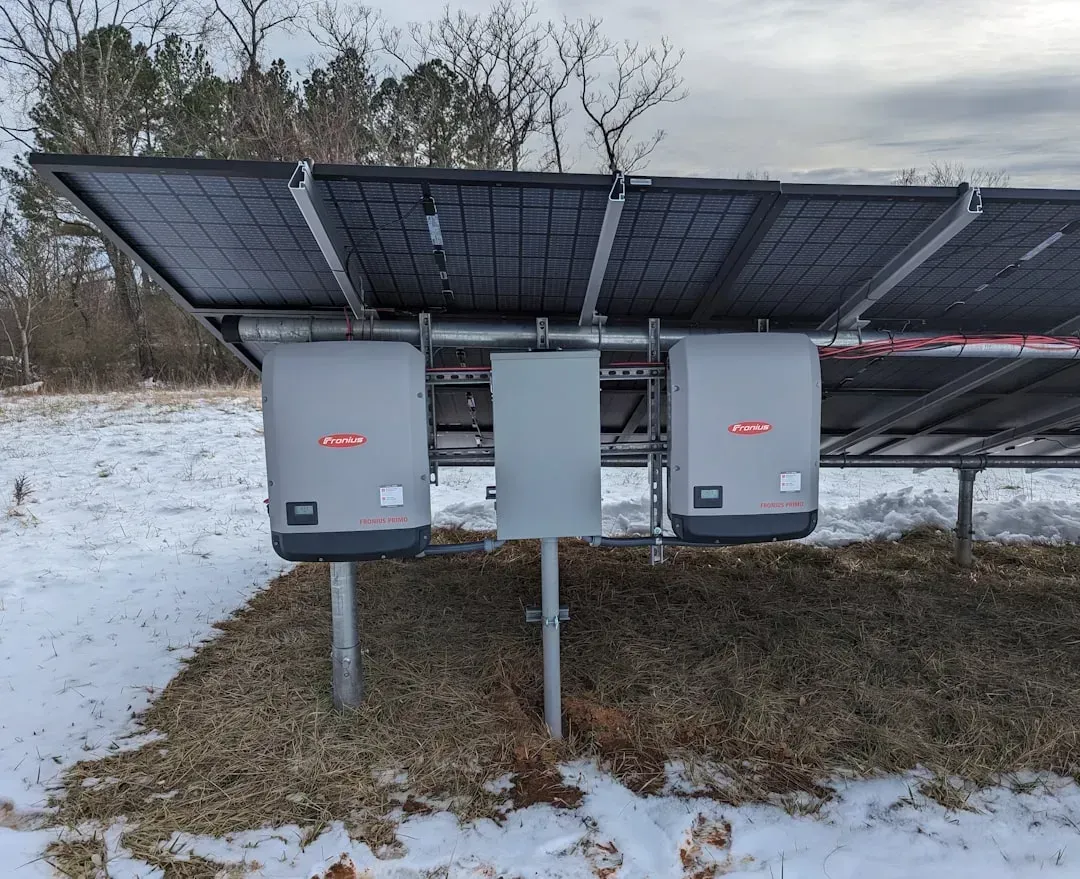
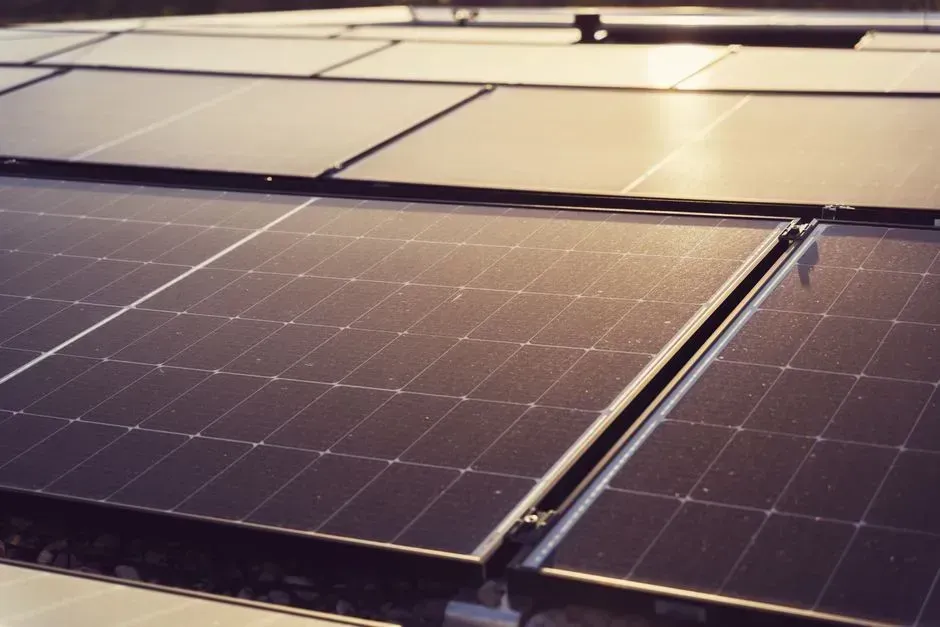
Solar is the backbone of most off-grid setups, and it works remarkably well most of the time. Most off-grid homes employ solar panel systems in the four to twelve kilowatt range, producing ten to forty kilowatt-hours per day with minimal maintenance over a twenty-five to thirty year lifespan. That sounds stable. Then comes the first long cloudy stretch of winter.
Off-grid living often depends on nature. Solar panels do not produce as much power during long cloudy spells. I went through a two-week overcast period in November where my battery bank dropped to critical levels repeatedly. You can’t draw power from utility lines when your batteries run low or your solar production drops. A backup generator isn’t optional – it’s infrastructure.
3. Water Is Far More Complicated Than a Well

Before I moved, I assumed that drilling a well solved the water question permanently. It doesn’t. A close, reliable water source is critical. Without water, there will be no harvest, no livestock and more importantly, nothing to keep you alive. Land located near a large freshwater source can be difficult to come by, so most off-grid homesteads manage by boring a well and using hand pumps to draw water as needed.
Rainwater can contain contaminants from your roof, including bacteria, dirt, and chemicals. To make it safe for drinking, you need a multi-step filtration system with sediment filters, carbon filters, and UV or reverse osmosis purification. Then there’s the seasonal challenge: wells can dry up in droughts. You need storage tanks, filtration, backup systems, and a real plan for every season.
4. The Paperwork and Legal Hurdles Are Relentless

Nobody tells you that going off-grid involves a surprising amount of bureaucracy. When first planning to live off-grid, the assumption is that the biggest challenges will be technical – solar arrays, water systems, waste management. The real obstacles are often legal. Regulations can turn a dream of independence into a costly, frustrating fight with permits, inspections, and forced utility connections.
Off-grid living laws vary by state but also vary greatly in municipalities and counties. Generally, urban areas have the most restrictions regarding off-grid living, as well as affluent suburban areas, especially those with homeowners associations. Building permits create the legal record that a home and its systems were reviewed and approved. Skipping permits can lead to fines, correction orders, denied utilities, insurance problems, and resale issues. Research your specific county before you purchase a single acre.
5. Loneliness Hits Differently Out There

I expected to miss convenience stores and fast internet. I did not expect to miss the low-level hum of other people simply existing nearby. Remote location is a recognized risk factor for social isolation. Individuals who live in remote areas or who are geographically separated from family and friends can experience genuine feelings of isolation. That abstract fact becomes very concrete when you’re twenty minutes from the nearest neighbor.
Loneliness and social isolation increase the risk of stroke, heart disease, diabetes, cognitive decline, and premature death. It also affects mental health, with people who are lonely twice as likely to get depressed. Building intentional social rhythms – a weekly trip to town, a standing phone call with friends – matters just as much as getting your solar system right.
6. Everything Takes Twice as Long as You Think
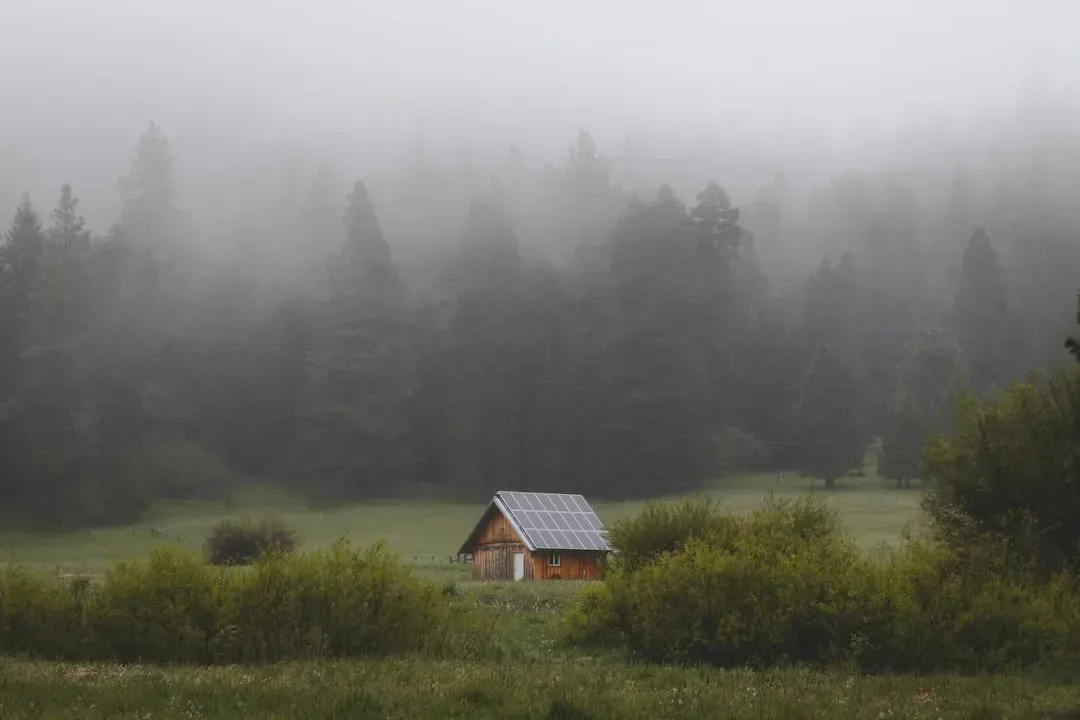
The work required to live off-grid is equivalent to multiple full-time jobs that require expert time management skills. Procrastination has no place in off-grid living; seeds need to be sown in season, animals must be fed and milked on regular schedules, shelter and fences are needed to keep out predators, and overabundant harvests need to be preserved for colder months.
A simple task like fetching and filtering water, splitting firewood, or checking solar system output becomes a daily commitment rather than a two-second flick of a switch. Cooking on a wood stove, repairing solar systems, or canning a large harvest all take practice. Mistakes are part of the process, but they can be frustrating and costly. Plan for every task to run long, especially in year one.
7. Battery Banks Fail Without Warning
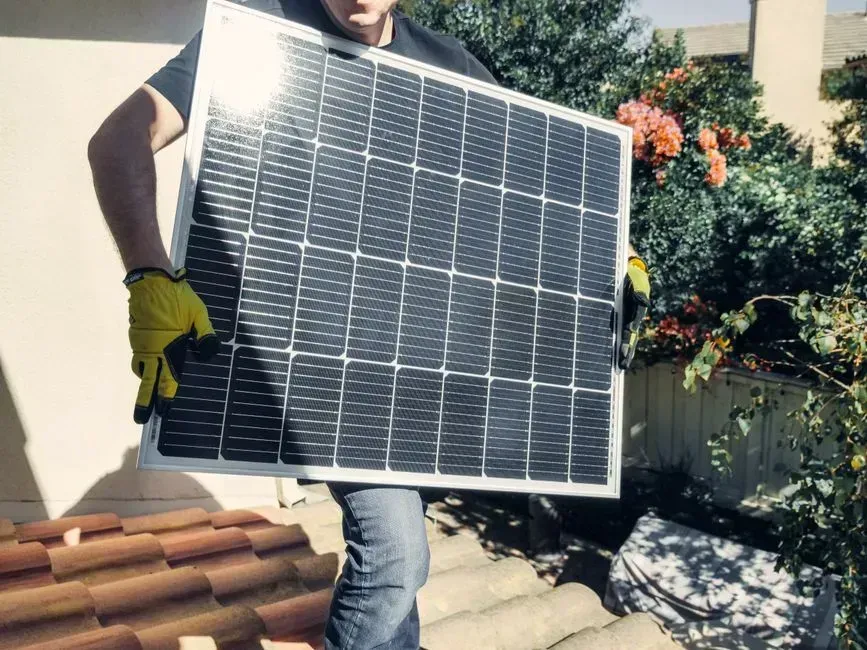
The battery bank is the heart of an off-grid electrical system and, quite possibly, its most expensive failure point. Batteries die without warning. Backup systems are essential to avoid total loss of power. I had a bank of lithium batteries that showed healthy charge readings until one cell failed quietly overnight, and the whole system undervoltage-tripped in the early hours of a January morning.
Even with careful planning, things break. Batteries fail, roofs leak, animals need veterinary care, or storms damage structures. These surprises can add financial stress, especially if you rely on a tight budget. Keep spares on hand and build an emergency fund specifically for system failures – because they will happen, and they won’t wait for a convenient time.
8. Greywater and Waste Management Are Surprisingly Complex
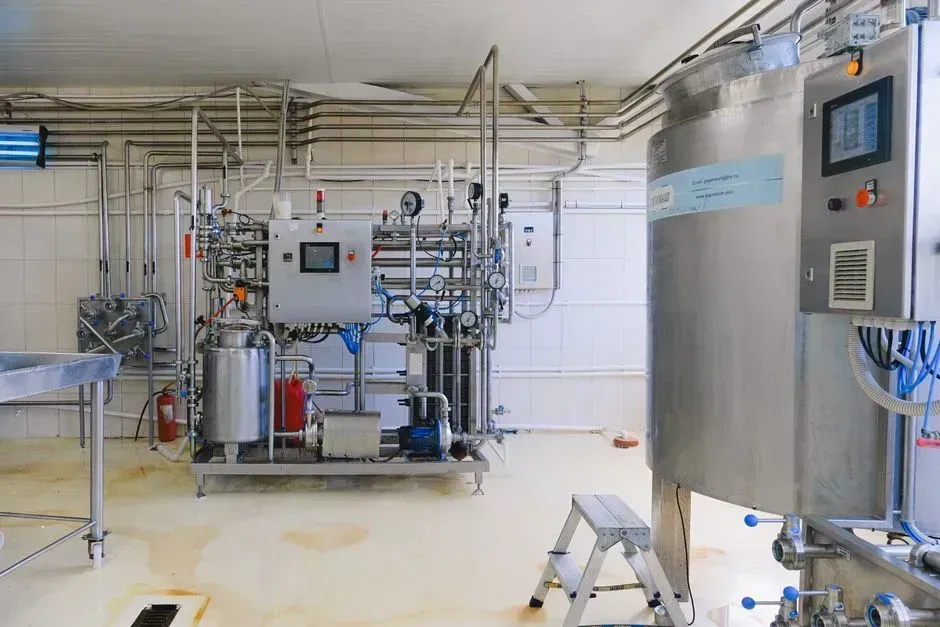
Composting toilets sound simple in theory. In practice, managing waste in a fully off-grid setup involves navigating local regulations, seasonal temperature changes, and ongoing maintenance that most beginners underestimate. Composting toilets are a common solution for off-grid households because they minimize water use and recycle human waste into compost. These systems work by breaking down waste with the help of natural processes, turning it into a soil-like material. Unlike traditional flush toilets, composting toilets don’t rely on sewage systems, making them eco-friendly and practical for remote living.
Greywater systems route washing machine and sink water to irrigation systems or constructed wetlands. This reduces freshwater needs by roughly forty to sixty percent and helps significantly with overall waste management. That’s a real gain, but only if the system is sized correctly, maintained properly, and permitted in your jurisdiction. Composting toilets may be allowed, but they usually do not eliminate the need to manage greywater from sinks, showers, and laundry.
9. Your Relationship with Energy Completely Transforms
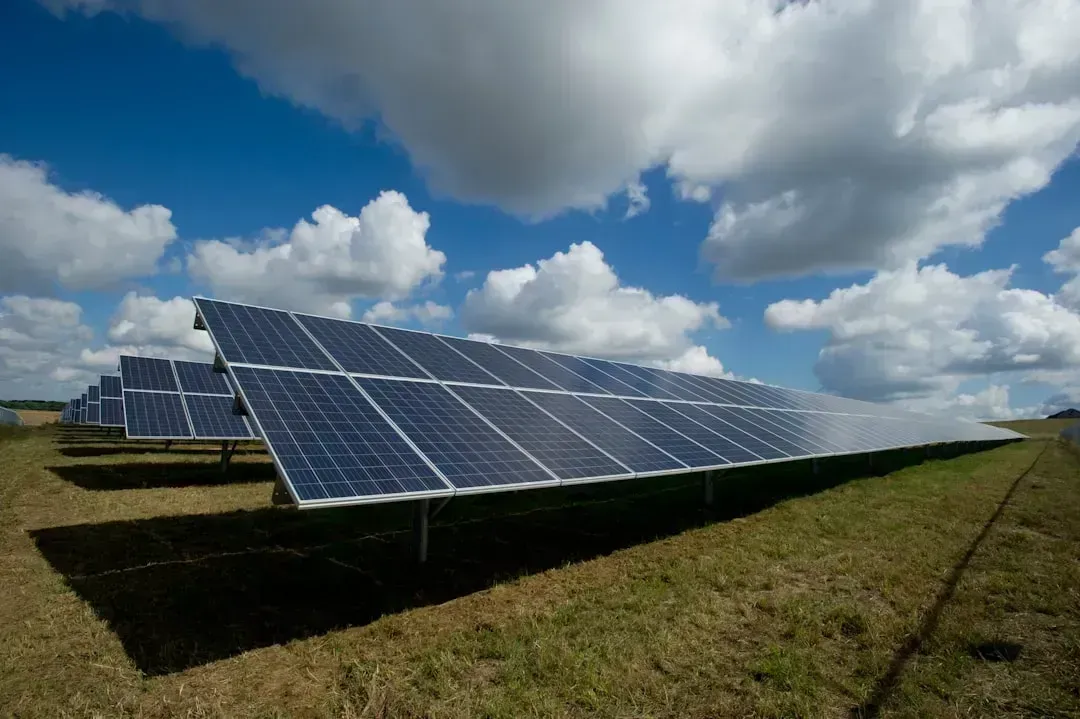
Living on grid, electricity is invisible. You flip switches without thought. Off-grid, energy becomes a finite, trackable resource you think about constantly. Households typically use energy-efficient appliances, LED lighting, and careful monitoring of usage to ensure electricity is not wasted. Activities like running laundry or cooking may be timed to match peak solar energy production. These habits not only extend the life of stored energy but also encourage a more mindful approach to consumption. Energy conservation becomes second nature.
This shift is not a burden. It’s actually one of the most meaningful changes off-grid living produces. You start to understand exactly where energy comes from and what it costs to make it. Once your power source is established, you may find you are consuming more energy than you have available. To help conserve energy, only run one appliance at a time and try to do so during daylight hours to make the most of the solar energy. Using a wood stove for heating and gas for the stovetop rather than electricity makes a real difference.
10. Internet Connectivity Becomes a Real Professional Problem

If you work remotely, freelance, or run any kind of online business, your internet situation off-grid deserves serious advance planning. The internet is usually slower than urban connections in rural off-grid locations. Satellite internet has improved considerably with newer low-orbit options available as of 2026, but connectivity still drops during heavy weather and latency can still disrupt video calls at critical moments.
Most off-grid homes are found in rural or remote areas where utility connections are either unavailable or too expensive to install. These locations often provide the space needed for renewable energy systems and land for gardening, but living far from urban centers requires careful planning for supplies, transportation, and communication. Before you commit to a property, run internet speed tests from the exact land parcel. A fast satellite plan is worth every dollar if your income depends on it.
11. The Psychological Shift Is the Hardest Part – and the Best Part
Nobody prepares you for what happens to your mind when you become responsible for every essential system that keeps you alive. It’s disorienting at first. Then, slowly, it becomes grounding. Living off the grid is as much about personal growth as it is about producing food or energy. It teaches patience, resilience, and creativity. Over time, you will find yourself less stressed by problems and more confident in your ability to adapt.
The lifestyle promotes physical fitness and mental clarity through nature connection, yet requires strong psychological resilience to handle the silence and stress of self-sufficiency. That tension is real. The silence that unsettles you in month one becomes the thing you protect most fiercely by month twelve. Nearly 180,000 American households now live completely off the electrical grid, and that number has doubled since 2020. Most of those people will tell you the same thing: the hardest adjustment was internal, and it was worth it.
A year off-grid taught me that self-sufficiency is less a destination than a daily practice. The systems you build – solar, water, waste, food – are really just the scaffolding. What you’re actually constructing, slowly and imperfectly, is a different relationship with the resources you consume and the life you choose to live.
