


- Phantom Energy Sucking Power 24/7 – 7 Home Electronics Quietly Inflating Utility Bills - November 14, 2026
- A Million-Mile Storm Raging for Centuries – 6 Violent Weather Wonders in Our System - November 14, 2026
- Animals Flee Hours Before the Tremor – 7 Natural Warnings Before Disasters Strike - November 14, 2026
Glacier National Park’s ice is running out of time
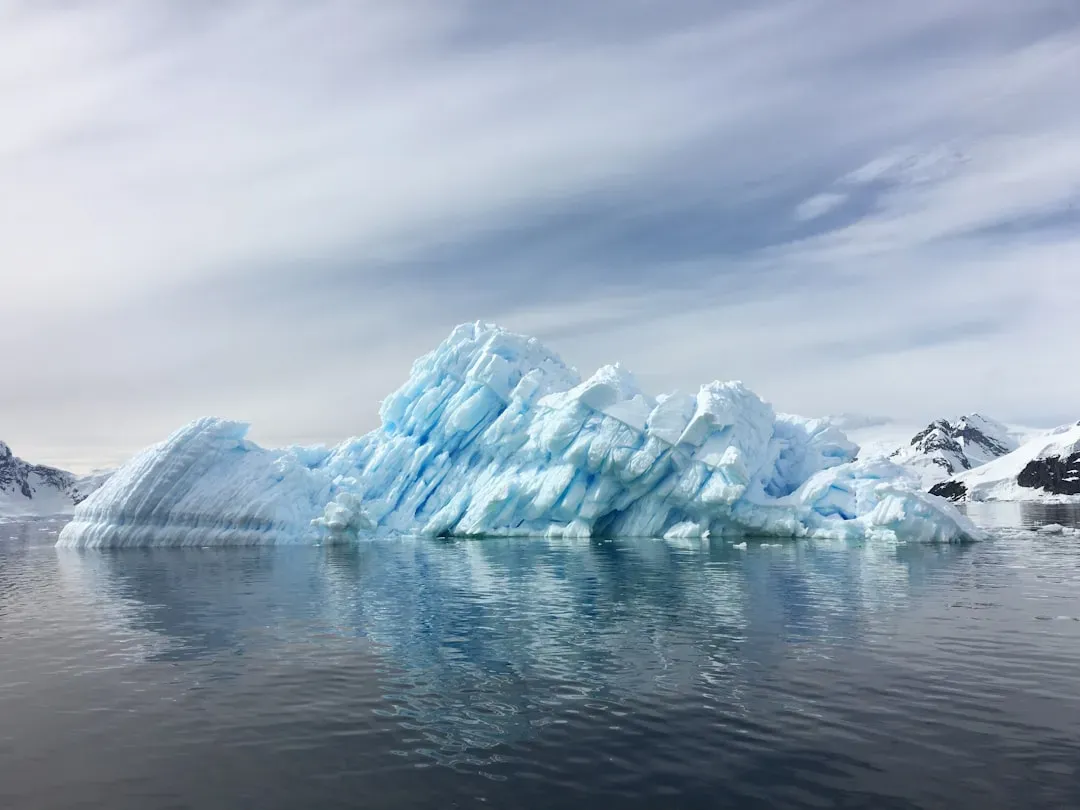
Glacier National Park’s identity is quite literally built on ice, which makes its trajectory especially striking. In 1850, there were about 150 documented glaciers in the area, and by 1968 a USGS aerial survey counted 83 ice-and-snow bodies larger than 0.1 square kilometers. Today the number of ice bodies is 25. That is a staggering collapse for features that once defined the entire landscape.
Newer research has actually walked back the old “gone by 2030” headline, but not because the news got better. More recent research led by the World Heritage Programme forecast twenty-first century glacier fate across UNESCO World Heritage sites, and this physical modeling predicts near total Glacier National Park glacier disappearance by 2100. Along the way, the park is already warming fast enough that Glacier National Park has warmed by 2 to 3 degrees Fahrenheit since 1950, happening at double the global rate, a shift that is already reshaping habitat for mountain goats and wolverines that depend on cold, snowy refuges.
Joshua Tree National Park may lose its namesake tree
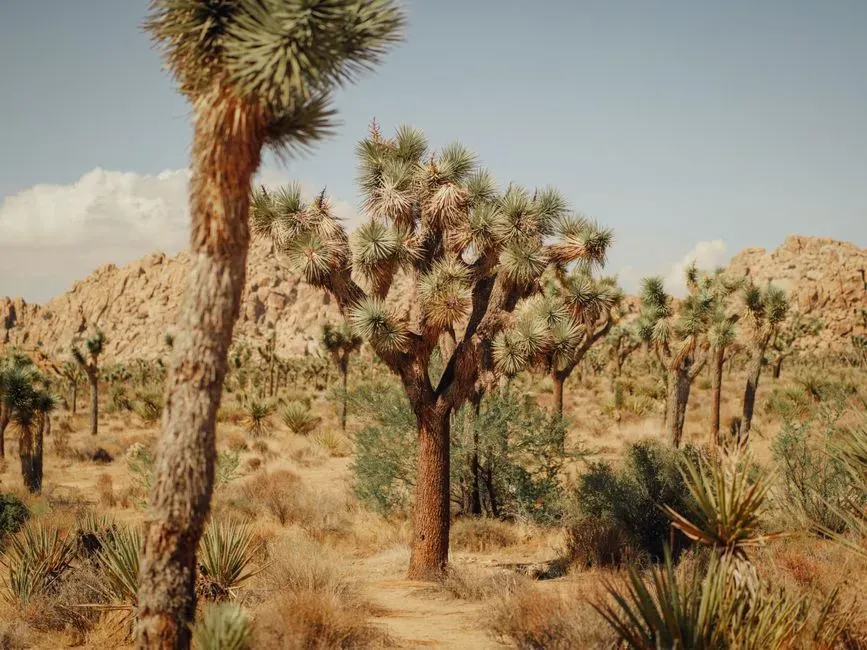
The irony of Joshua Tree losing its Joshua trees is not lost on the scientists studying it. Joshua trees are projected to lose as much as 80 percent of their habitat by the end of this century, according to a study published in recent years. Researchers at the University of California, Riverside have put similar numbers on the park specifically, describing a sharp reduction in the tree’s range within park boundaries under current warming trends.
Fire has become an accelerant on top of drought. The York Fire burned roughly a million Joshua trees in Mojave National Preserve in August 2023. Scientists studying refugia, the higher, cooler pockets where trees might persist, remain cautiously hopeful that some populations will survive locally, but by 2100, scientists predict that Joshua Tree National Park will lose almost all of its Joshua tree habitat to climate change across the broader landscape.
Everglades National Park is fighting rising seas
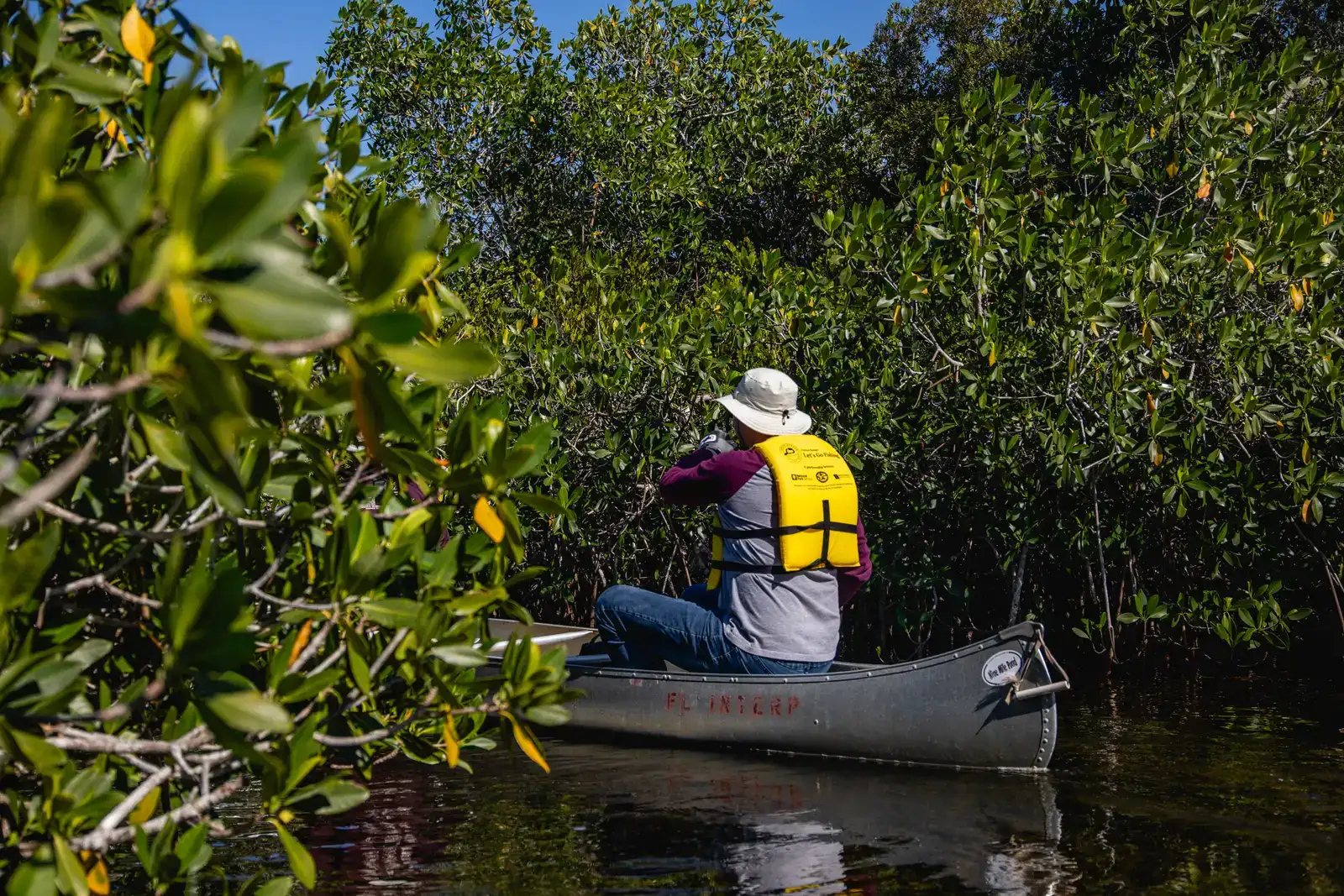
Everglades National Park sits so close to sea level that even modest changes in tide can reshape entire ecosystems. By 2100 the projected sea level rise is 30 inches for the low projection and 63 inches for the high scenario, and it is likely that widespread ecological changes will be evident around the coastal Everglades as Florida Bay expands. Freshwater marshes that support sawgrass and countless wading birds are already showing signs of stress.
Saltwater does not wait patiently at the coastline either. Saltwater intrusion threatens drinking water supplies and drives mangrove forests to spread inland, pushing into the Everglades’ freshwater marshes at a worrying pace, killing sawgrass and other freshwater plants that form the backbone of the ecosystem. Infrastructure is not immune either, since projections show Everglades facilities such as the main visitor center would be tidally inundated under the high sea level rise projection at horizons from 2075 to 2100.
Yellowstone National Park is losing its snowpack
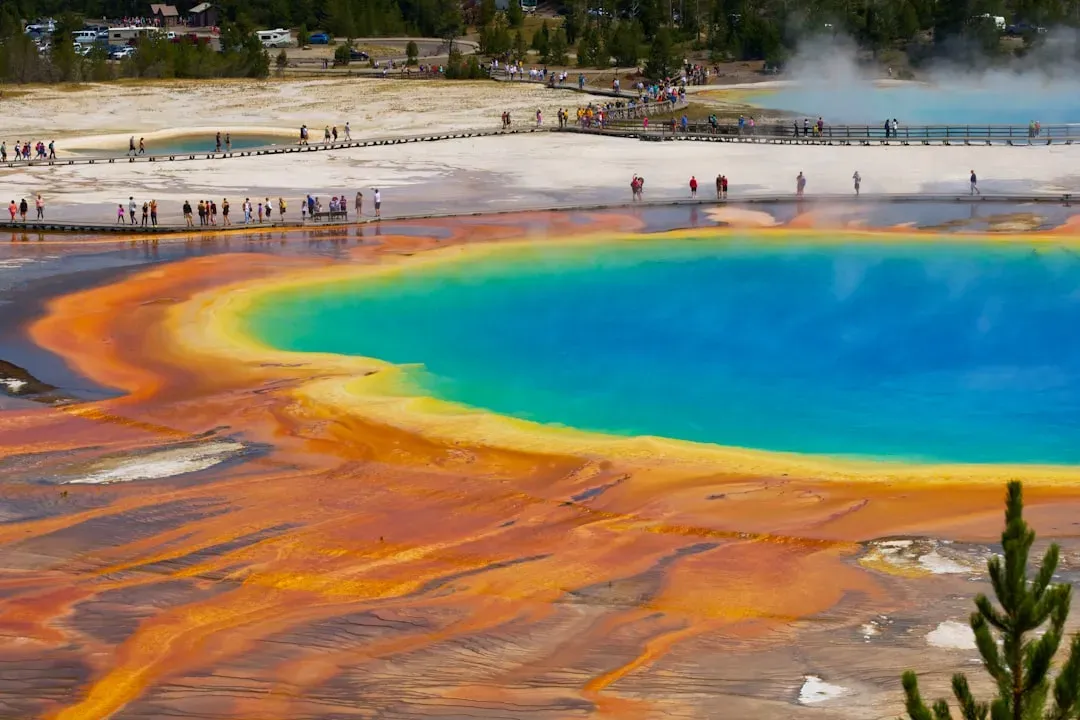
Yellowstone’s identity has always been tied to snow, geysers, and rivers fed by mountain runoff, and all three are shifting. Average temperatures across the region have increased 2.3 degrees Fahrenheit since 1950, and annual snowfall has dropped by about two feet, or 24 percent, since 1950. Climate scientists tracking the Greater Yellowstone Ecosystem describe this as a foundational change rather than a passing dry spell.
The trajectory does not level off anytime soon. Projections indicate that temperatures could warm an additional 2.7 degrees Fahrenheit by 2050, depending on greenhouse gas emissions during the coming decades. That warming feeds directly into longer fire seasons and warmer streams, changes that are already forcing fishing restrictions and altering habitat for native trout populations.
Rocky Mountain National Park’s forests are dying in place
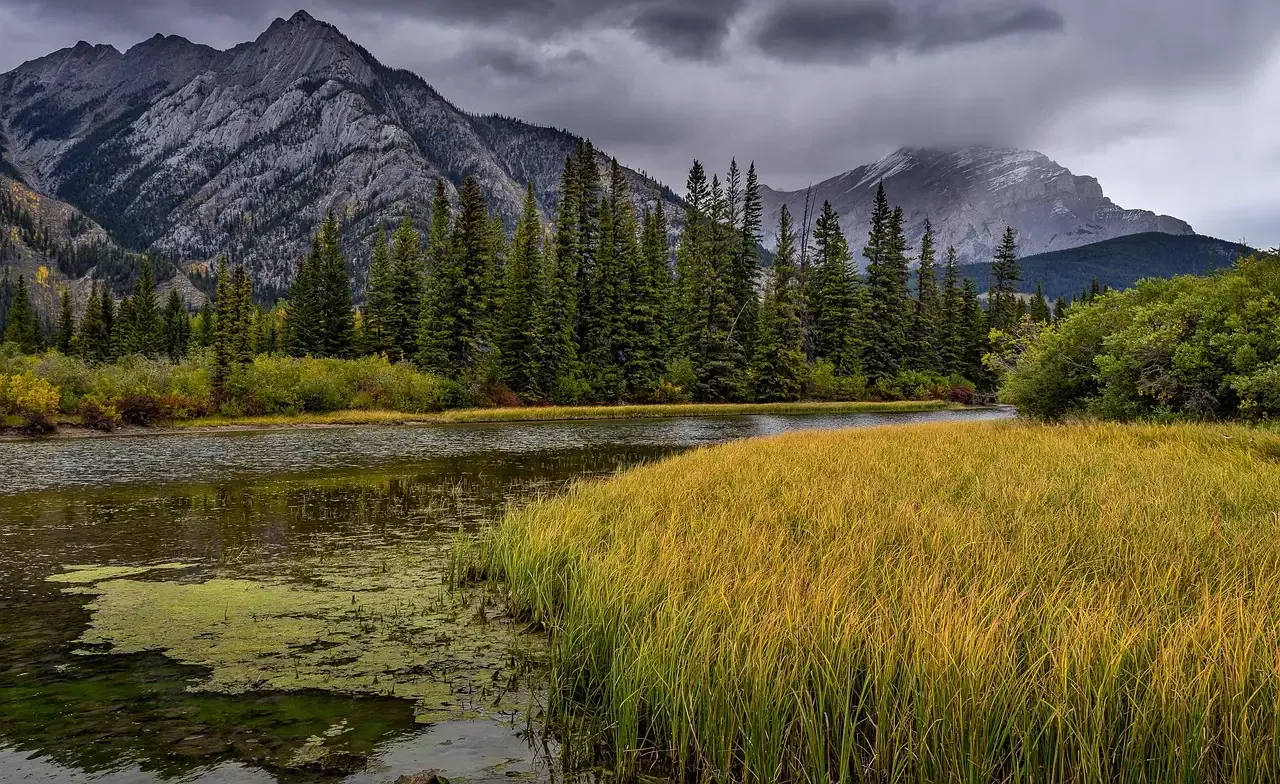
Rocky Mountain National Park has become a case study in how a warming climate can unleash pests that used to be kept in check by cold winters. Swaths of Rocky Mountain National Park in Colorado have suffered massive die-offs of white pine and spruce as warming-related bark beetle infestations have killed an estimated 834 million trees across the state. Entire hillsides that once looked deep green now show wide bands of rust colored, dead timber.
Dead trees do more than change the view. They also change fire behavior, since dry standing timber and dense deadfall burn hotter and spread faster than living forest. Researchers monitoring the Rocky Mountain region expect these beetle outbreaks to keep expanding as winters continue to warm, meaning the forest composition visitors see decades from now may look markedly thinner and more fragmented than today’s.
Yosemite National Park is heating up faster than expected
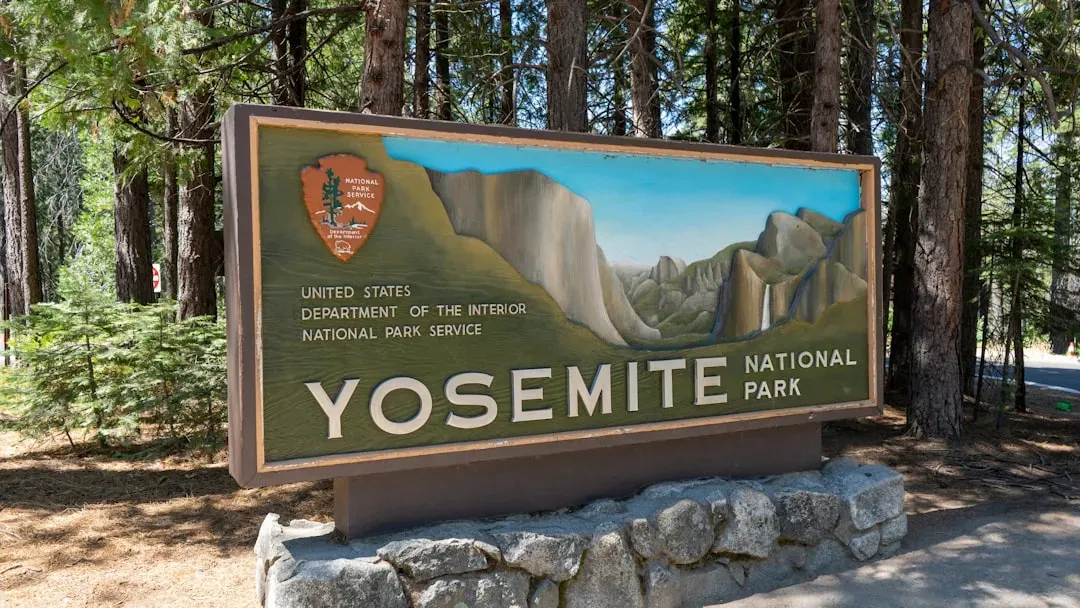
Yosemite’s granite cliffs might look permanent, but the ecosystem wrapped around them is warming unusually fast. The rate of warming in Yosemite has doubled since 1950 to 3.4 degrees Fahrenheit per century, and the park is experiencing 88 more frost-free days than it did in 1907. Longer frost-free stretches sound pleasant for visitors, but they also extend the window for pests, drought stress, and wildfire risk.
The long-range outlook is not gentle either. The National Park Service says that temperatures could soar by 6.7 to 10.3 degrees Fahrenheit from 2000 to 2100, with profound impacts on the Yosemite ecosystem. Snowpack that once lingered into summer is shrinking, and the park’s remaining glaciers, small as they already are, continue to retreat year after year.
Mount Rainier National Park’s glaciers are melting six times faster
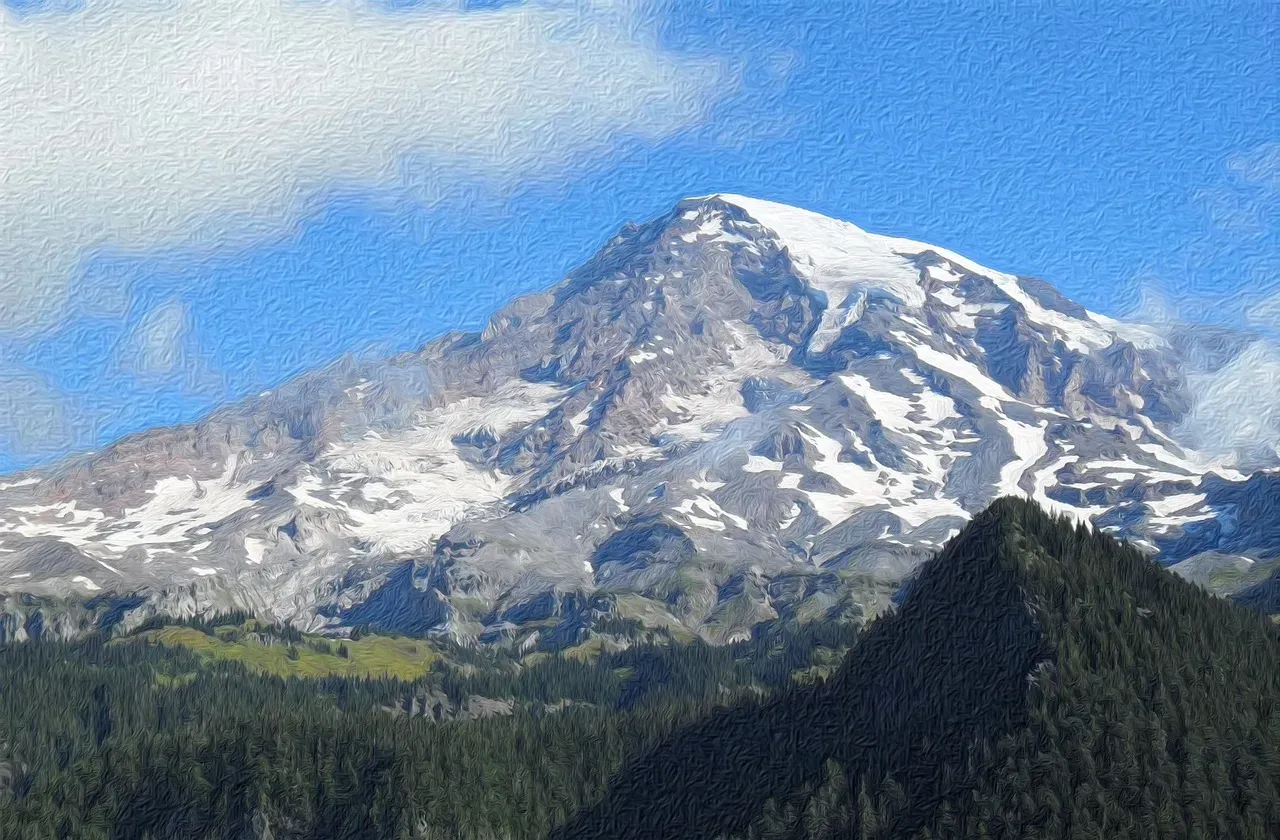
Mount Rainier hosts more glaciers than any other peak in the contiguous United States, which makes its recent melt rate especially alarming to researchers. This mountain is home to 25 major glaciers, and as the climate crisis worsens, warming temperatures are causing these glaciers to melt at six times their historic rate. That is not a subtle shift, it is a dramatic acceleration compressed into just a few decades.
All that meltwater has to go somewhere, and it is not going quietly. This extreme melting has sent large amounts of water cascading down the mountain, along with rocks and debris, killing old-growth trees, tearing up roads and trails, and threatening historic structures, with some 200 billion gallons of water melting from Mount Rainier’s glaciers between 2003 and 2014 alone. Park engineers now design infrastructure with the expectation that floods and mudslides tied to glacial melt will keep becoming more frequent.
Saguaro National Park may eventually lose its saguaros
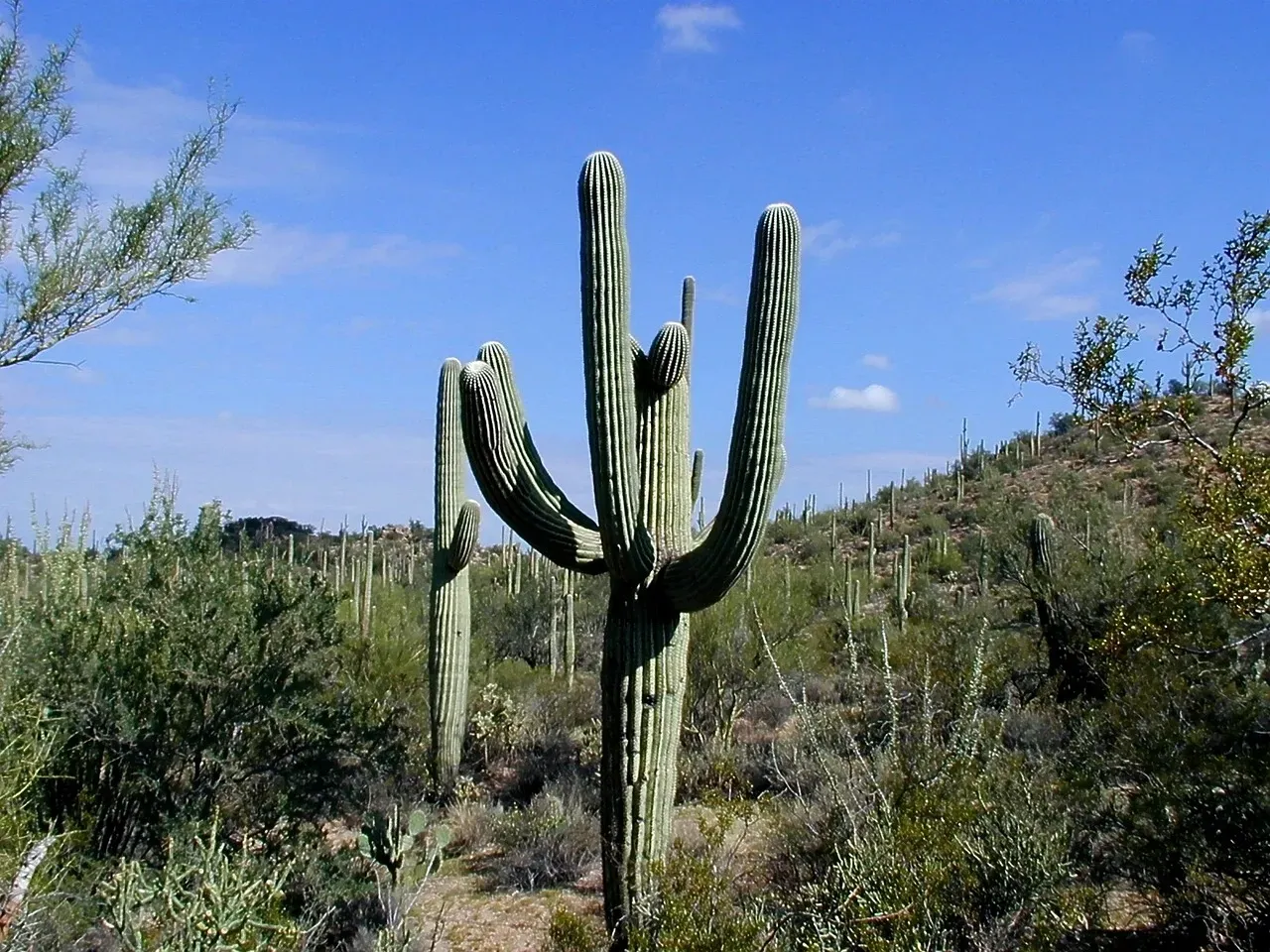
Saguaro National Park’s namesake cactus has survived the Sonoran Desert’s heat for centuries, but researchers studying long-term climate trends are no longer confident it will keep doing so indefinitely. If current trends continue, then at a certain point park scientists warn we won’t have saguaros in Saguaro National Park. That is a blunt assessment from an ecologist directly involved in monitoring the park’s ecosystem.
The stakes go beyond scenery. Beyond the ecological devastation, the loss of saguaros would carry far-reaching cultural consequences, since the Tohono O’odham people consider saguaros their ancestors and rely on their fruit to make ceremonial syrup. Hotter, drier conditions combined with more intense monsoon storms are stressing seedling survival, which is often the weakest link in the cactus’s decades-long life cycle.
Denali National Park’s road is sinking beneath it
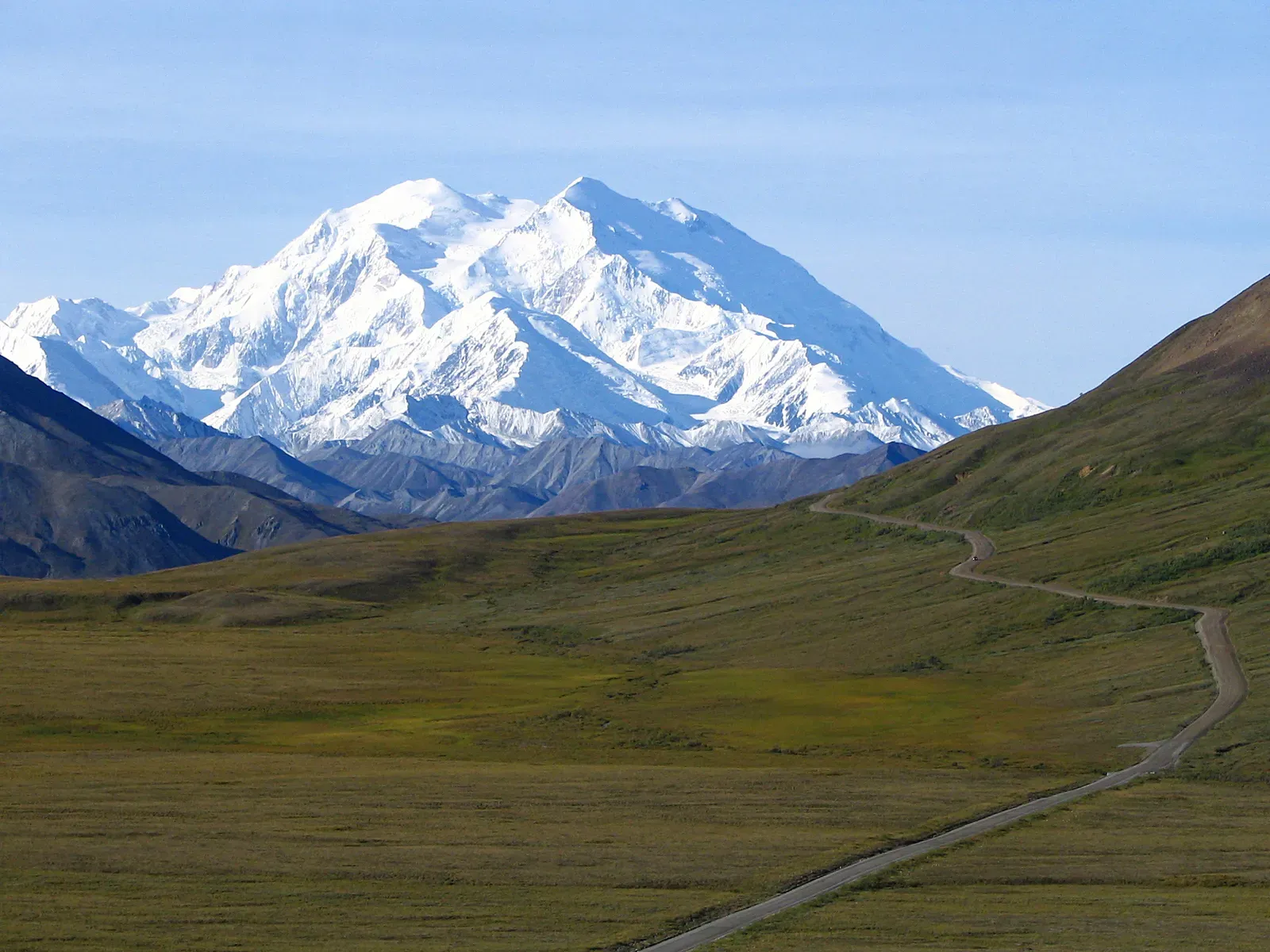
Denali offers one of the clearest examples of permafrost thaw turning solid ground into a moving hazard. In the 1950s, 75 percent of Denali had near-surface permafrost, and that figure dropped to around 50 percent in the 2000s and is projected to drop to 6 percent by the 2050s. That kind of collapse in frozen ground does not stay abstract for long, it shows up directly under the park’s only road.
The most visible casualty so far is the Pretty Rocks landslide, a section of the Denali Park Road that has become increasingly unstable as the frozen soil beneath it turns to slurry. Climate modeling specific to the region adds a hard deadline to the trend, since researchers found that the risk is more immediate in both Denali and Wrangell-St. Elias, where by 2060 the freezing threshold will be consistently met, and by 2060, Denali may become 5.8 degrees Fahrenheit warmer and see almost 6 inches more summer precipitation, a combination that all but guarantees more landslides across the park’s fragile terrain.
