

- Atlantic Hurricane Activity Has Often Rebounded After Strong El Niño Years, Records Show - November 15, 2026
- The Planet Where It Rains Liquid Glass – 7 Alien Worlds Defying Known Physics - November 14, 2026
- Stars Consuming Entire Worlds – 6 Planetary Systems Swallowing Their Own Worlds - November 14, 2026
Winter Park, Colorado: from quiet weekend getaway to transit hub
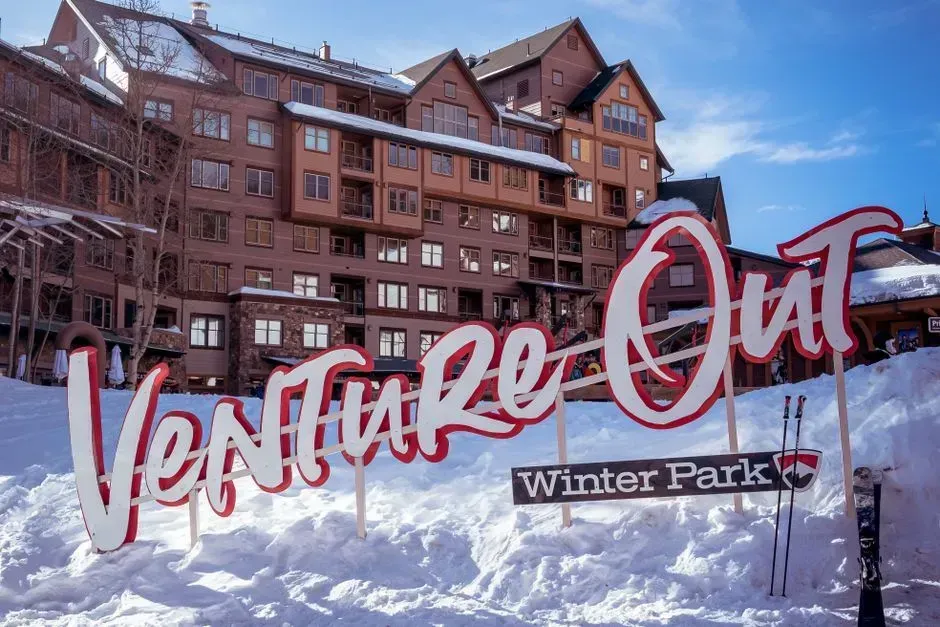
Winter Park has spent decades as the low key alternative to flashier Colorado resorts, a place Denver residents drove up to for a day of skiing without the Vail price tag. That identity is shifting fast. Alterra Mountain Company has announced a $2 billion expansion of Winter Park Resort that would push the 3,000 acre terrain west into Vasquez Ridge, connected by an aerial transit system to the Town of Winter Park.
The physical arrival of passenger rail adds another layer entirely. Not many ski resorts in the world have direct train access, and the coming service is pushing Alterra to rethink its master plan for the area. Planners are already discussing a parking garage with 1,500 spots, more shops and restaurants, a park around the Fraser River, and a mountain center with a private ski club, condos, hotels and skier services. A town once defined by its unpretentious simplicity is being rebuilt around a very different kind of ambition.
Park City and Deer Valley, Utah: the new center of American ski money
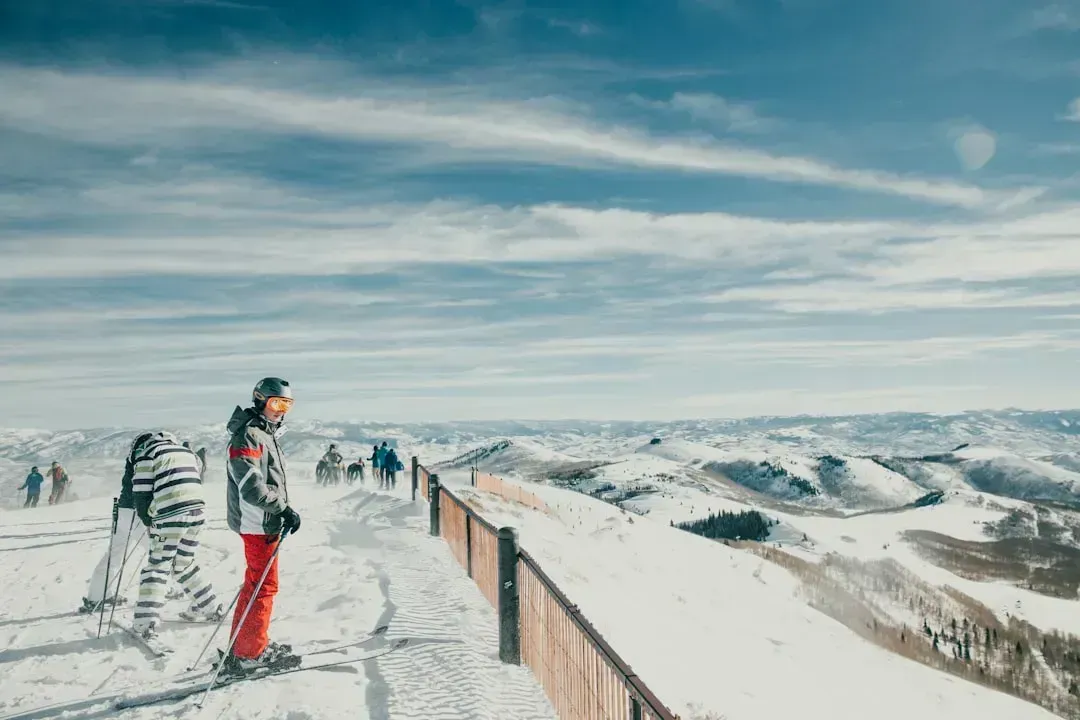
Park City has quietly become the biggest money mover in American mountain real estate. According to Sotheby’s 2026 Resort Report, Park City moves the most money of any Mountain West ski market, reporting $4.9 billion in sales last year, almost five times the sales around Big and Little Cottonwood Canyon. That volume is beating out other marquee names, since the region as a whole is outperforming North Lake Tahoe, California, Aspen, Colorado, and Jackson, Wyoming, in terms of sales volume.
Much of that momentum centers on one specific project. Deer Valley’s East Village development alone generated 750 million dollars in pre-construction sales during 2025, meaning buyers are committing early, before homes or condos are even complete. The resort is simultaneously adding three new lifts and a new base area as part of its multi-year Expanded Excellence project. By 2035, the sleepy mining town character that once defined Park City may be almost entirely absorbed into a year round luxury circuit built for buyers who now include a noticeably younger generation of wealthy clients.
Aspen, Colorado: climate risk meets record real estate prices
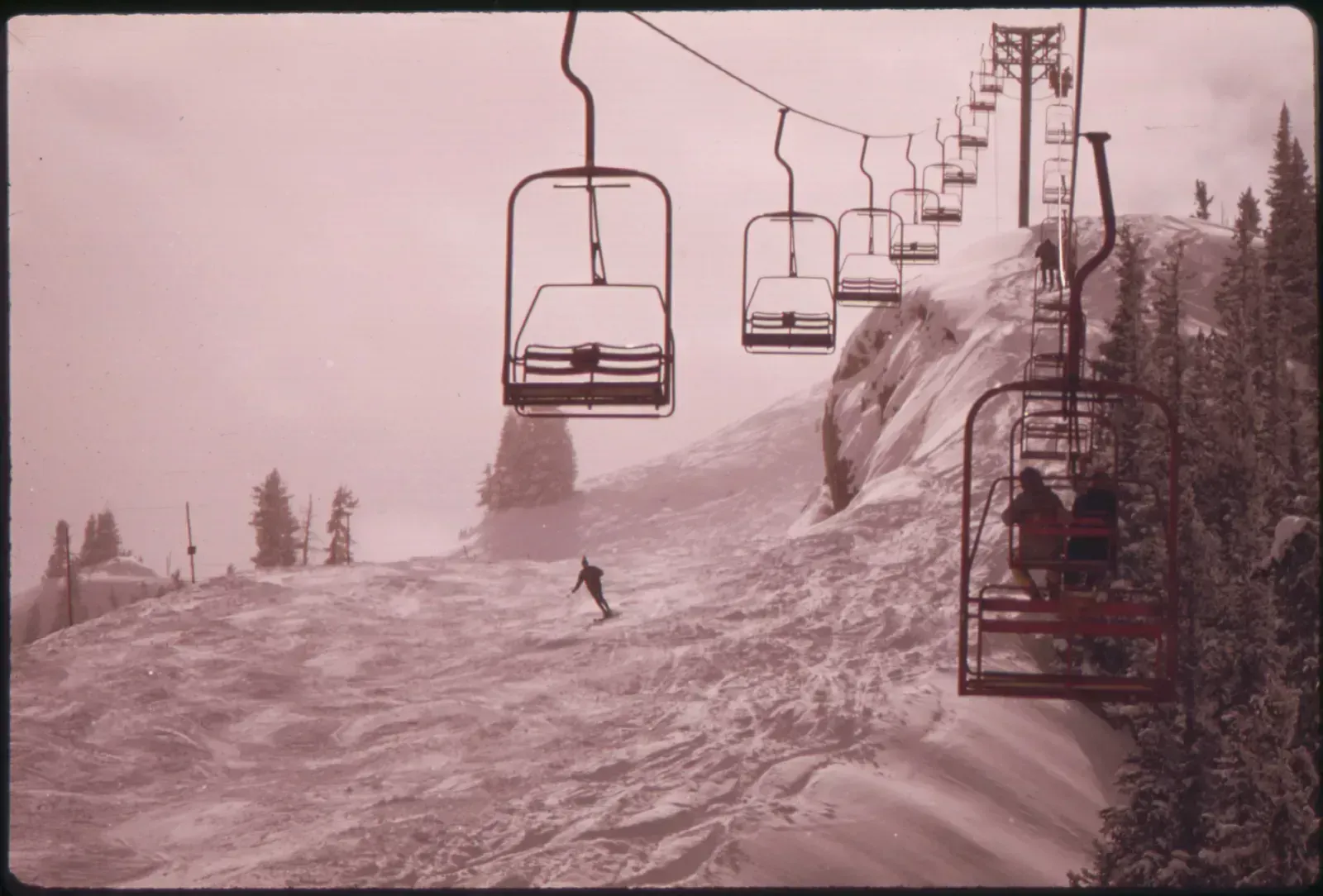
Aspen presents a strange contradiction. It remains the undisputed leader of ultra luxury ski real estate, with average ultra prime home prices topping $7,400 per square foot, the highest of any ski market tracked globally. Colorado overall is seeing markets like Aspen and Snowmass continue to lead the ultra luxury segment, with average single family home prices topping 17 million dollars.
Yet the same climate research that flags Aspen as a top destination also flags it as a top risk. One widely cited estimate suggests the US ski industry has already suffered a 3.796 billion pound loss tied to climate change, with Aspen a substantial contributor, and that Aspen may no longer be a winter playground in the way it once was. Elevation gives Aspen more of a buffer than lower altitude resorts, since researchers generally note that high elevation Rocky Mountain terrain is more resilient than most, but the tension between record breaking prices and an uncertain snow future is not going away by 2035.
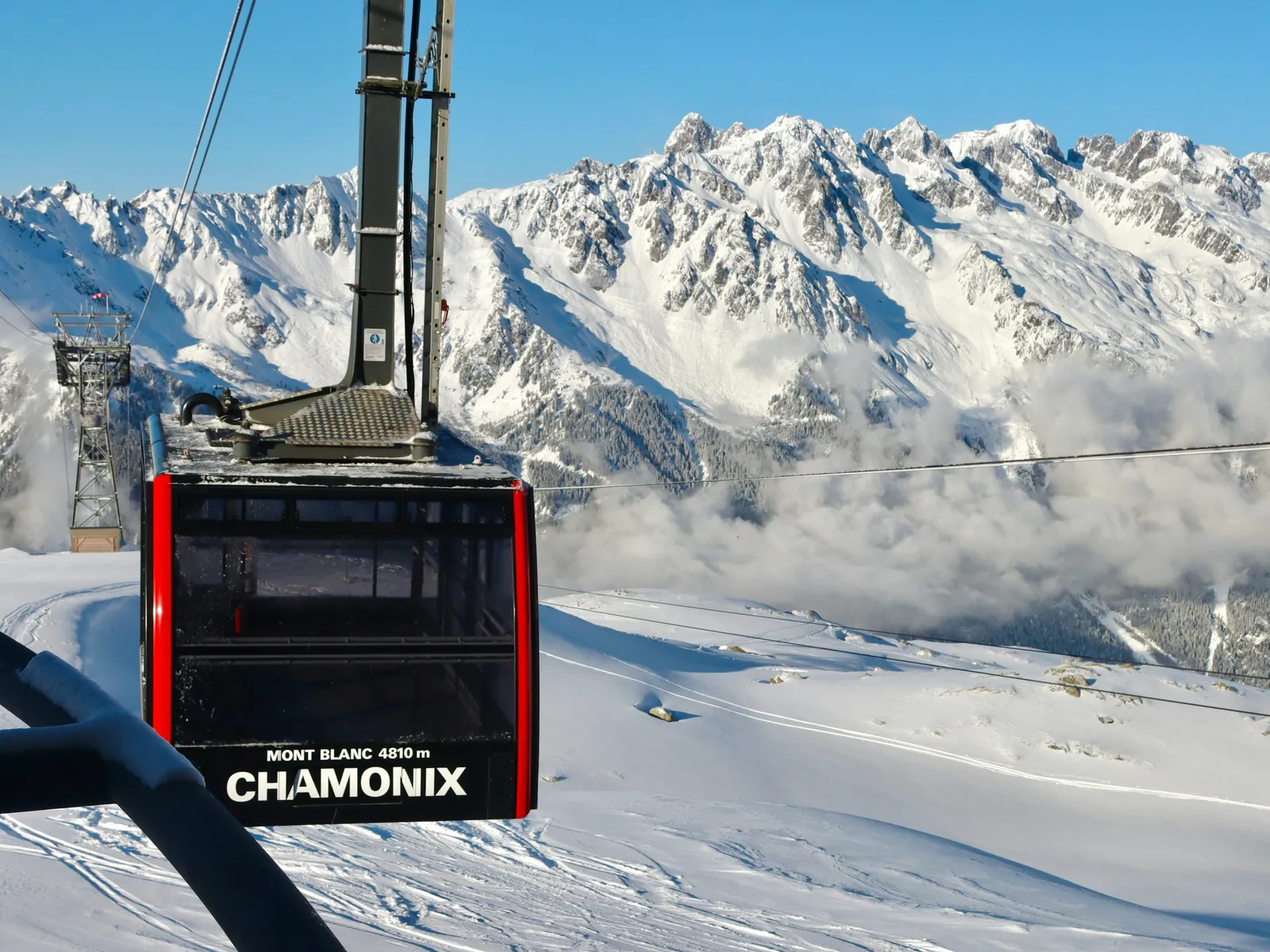
Chamonix, France: a mountain economy facing a shorter winter
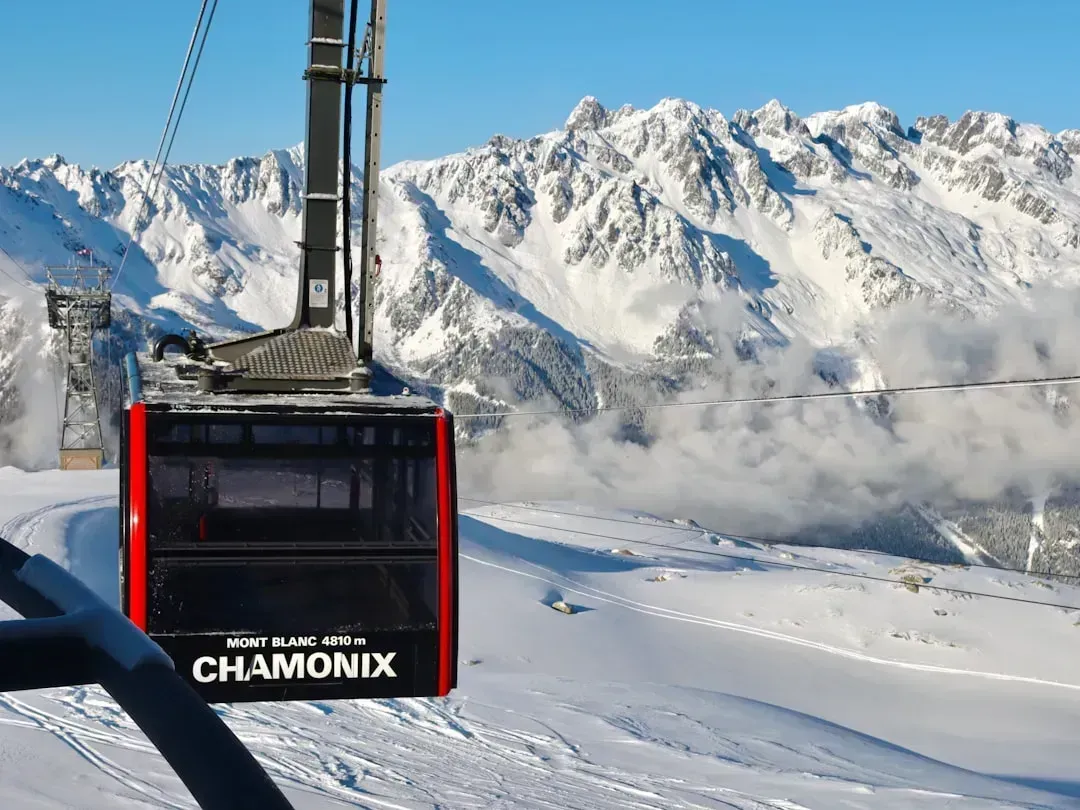
Chamonix sits at the foot of Mont Blanc and has built an entire regional economy around glaciers and reliable snowfall. That foundation is eroding. Researchers project glacial retreat and warming temperatures will bring a 25% decline in snow reliability by 2035, driven by warming temperatures between 5 and 15 degrees Celsius.
The stakes are significant because Chamonix is not a niche destination. The valley attracts about 3 million visitors annually, and tourism generates direct expenditure of 731 million pounds a year, with an additional 344 million pounds in indirect spending. If snow conditions keep deteriorating at the pace scientists describe, around 6,000 jobs in the Chamonix Valley will be at risk. The town will likely still exist as a mountaineering and hiking hub by 2035, but its identity as a dependable ski destination is genuinely in question.
Niseko, Japan: a foreign investment boom reshaping a rural town
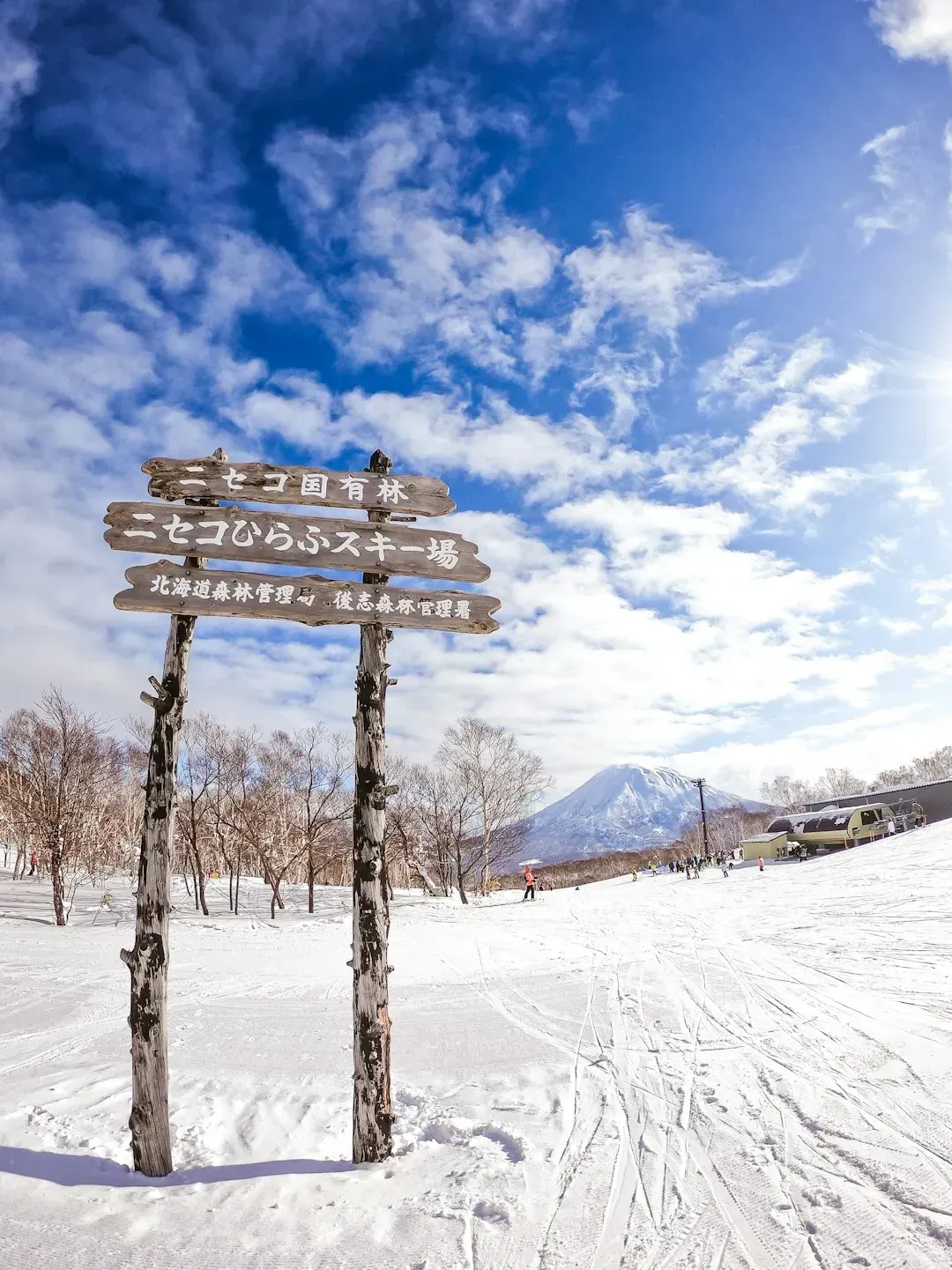
Niseko’s transformation is arguably the most dramatic on this list, and it has almost nothing to do with a lack of snow. A weak yen combined with global demand for powder skiing has triggered what locals now openly call a property boom. In the town of Kutchan, the central hub of the Niseko area, land prices have consistently posted the highest increases in all of Japan, with a commercial site recording a staggering 30% year on year jump in one recent survey.
The scale of foreign ownership is now large enough to change local finances outright. In fiscal year 2024, fixed asset tax revenue from foreigners in Kutchan Town surpassed that collected from Japanese residents for the first time, with 1.283 billion yen paid by overseas investors compared to 1.147 billion yen from domestic owners. Foreign owned territory in the town’s resort areas grew by 28% over that same fiscal year, reaching more than 10.8 million square meters. Luxury brands have followed the money, with hotels like the Park Hyatt Niseko Hanazono and a Ritz Carlton Reserve cementing the area’s status as a top tier destination. By 2035, a town that Australian skiers quietly discovered decades ago may function more like an international resort enclave than a rural Hokkaido community.
What ties these five towns together
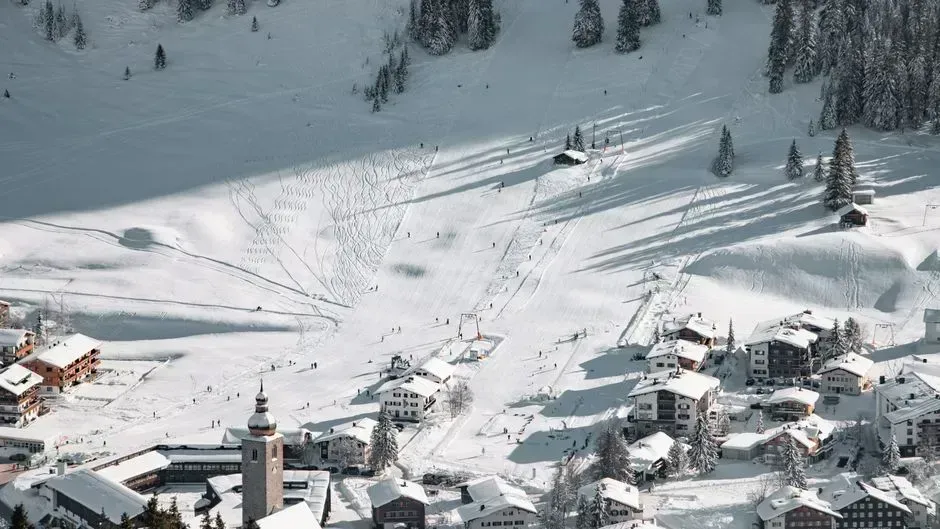
None of these places are collapsing, and none are turning into ghost towns. What links Winter Park, Park City, Aspen, Chamonix, and Niseko is a shared sense that the forces reshaping them, whether that is rail infrastructure, currency shifts, glacier retreat, or capital chasing a hedge against inflation, are moving faster than the slow, seasonal rhythm mountain towns are used to. Some of these changes bring real economic upside for local communities, and some bring real strain, often both at once.
What seems consistent across all five is that the ski town of 2035 will be judged less by snowfall totals alone and more by how well it manages growth, water, housing for workers, and a shorter, less predictable winter window. The mountains themselves are not going anywhere. The towns built around them, though, are entering a decade of change unlike anything they have seen before.
