
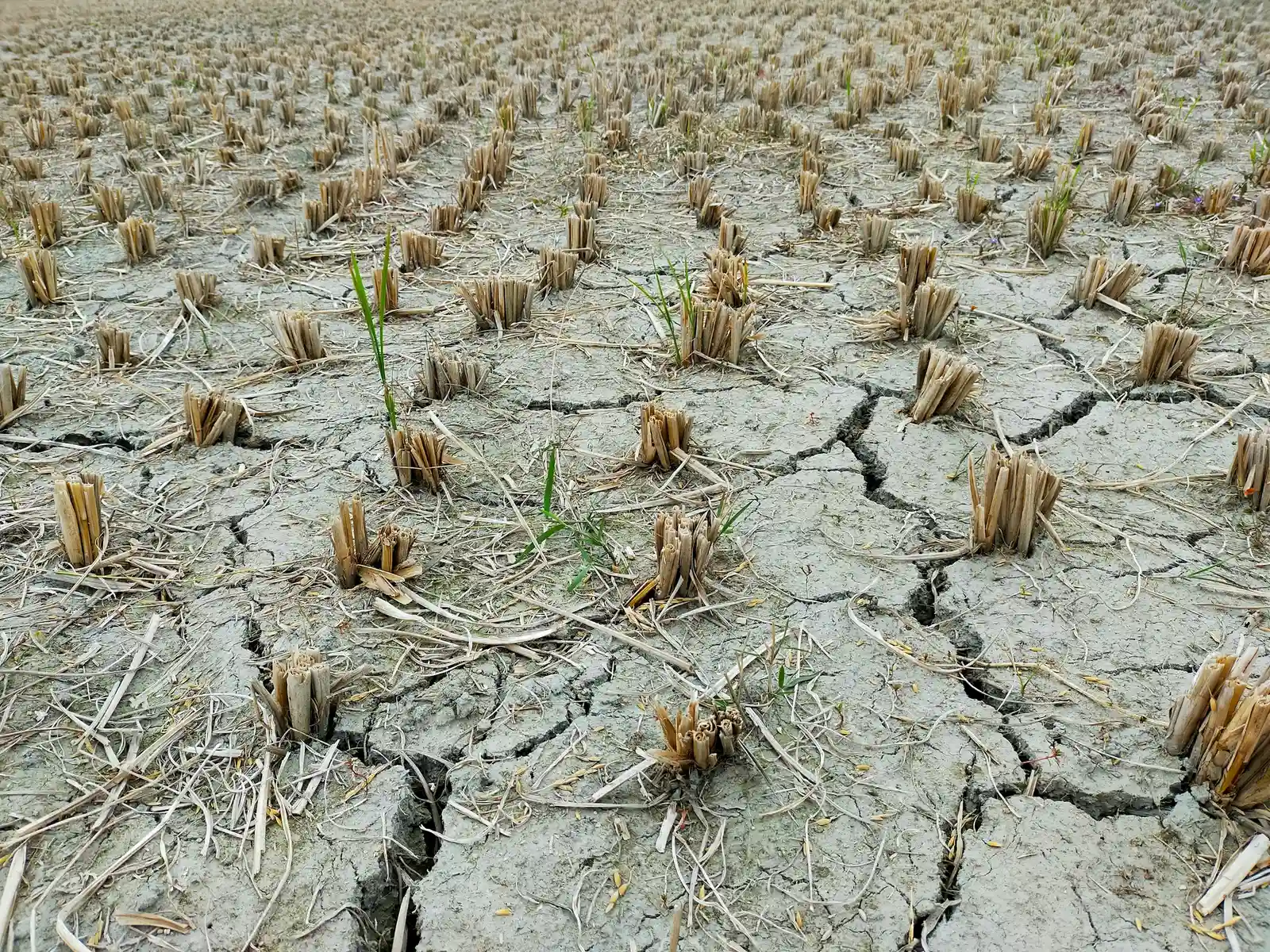
$11.5 billion is the average price tag of a single drought
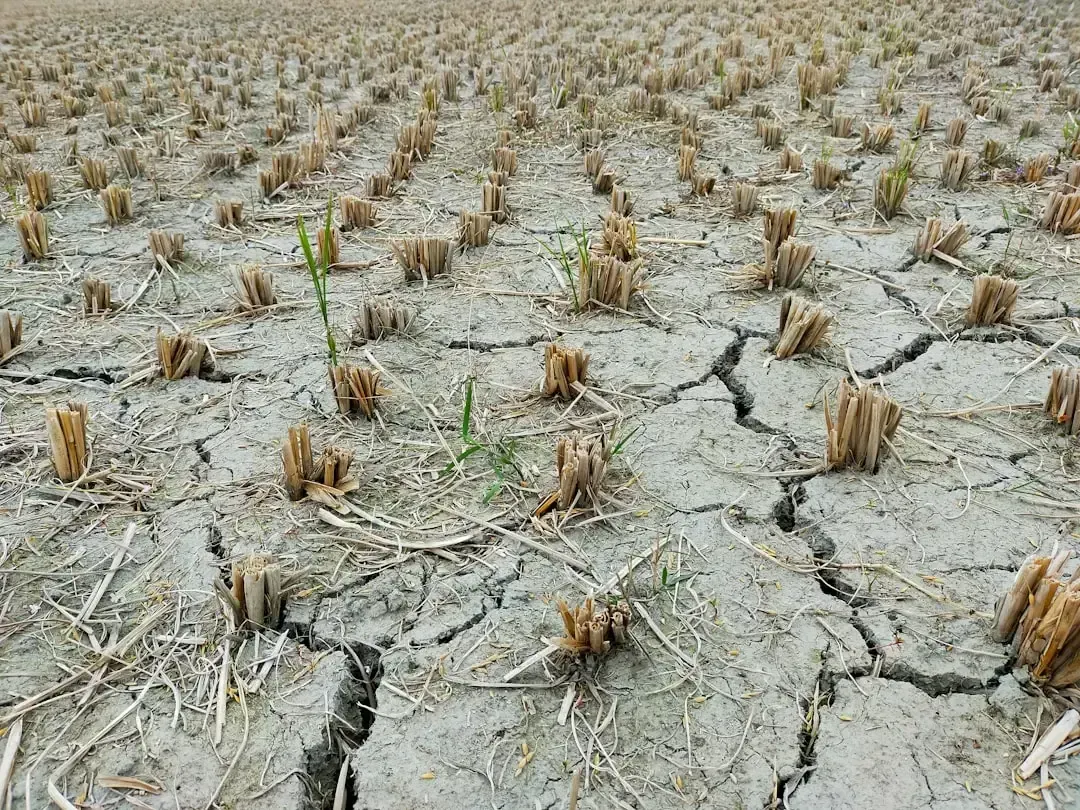
Drought doesn’t get the headlines that hurricanes do, but it’s arguably the more expensive habit. Droughts are the second costliest natural disaster in the United States after hurricanes, with the average individual drought costing $11.5 billion in seasonal economic damages. That figure covers more than crop loss.
These costs include business interruptions, lost crops and livestock, damage to buildings and infrastructure, and the cost of emergency relief funding. It’s a reminder that drought isn’t just a farming problem. It ripples into construction, shipping, energy production, and municipal budgets, often for months after the dry spell technically ends.
$367.6 billion in cumulative losses since 1980
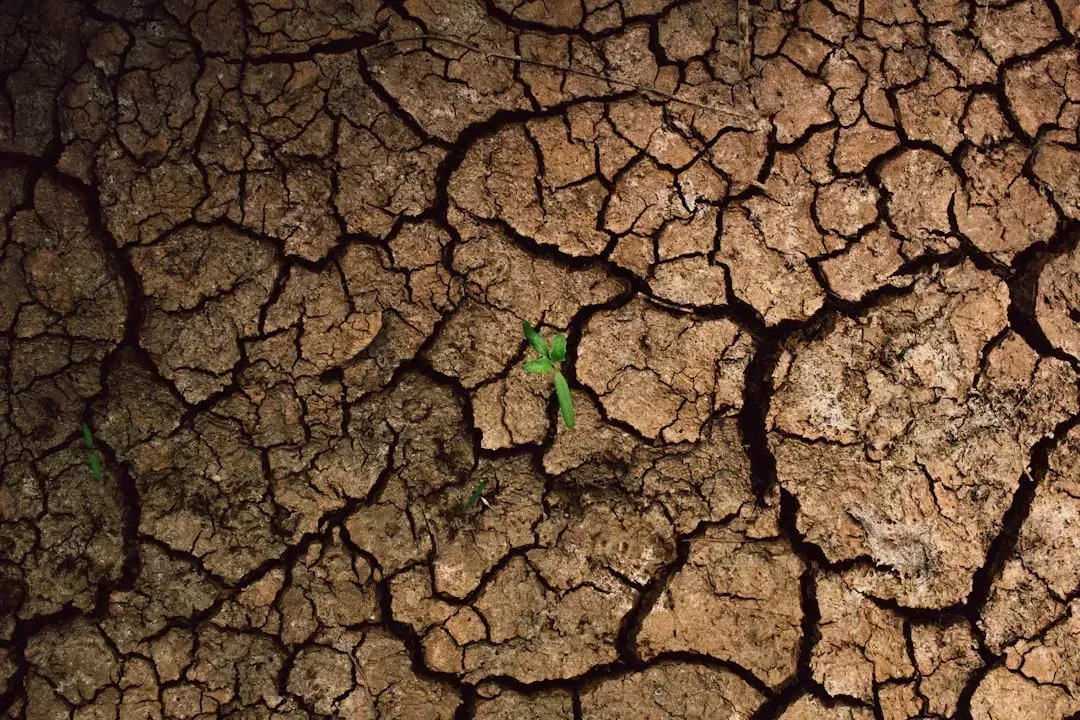
Zoom out far enough and the scale becomes almost abstract. NOAA’s Billion Dollar Weather and Climate Disasters database identifies 32 recorded regional droughts with combined insured and uninsured losses of over $1 billion between 1980 and 2024, for a total damage cost of $367.6 billion. That’s roughly four decades of accumulated damage, concentrated in relatively few but severe events.
What stands out is how unevenly that cost lands. The distribution of drought costs by state highlights vast regional differences in the socioeconomic impacts. Some states absorb the bulk of the damage year after year, while others feel drought mostly as an occasional, sharp shock rather than a chronic condition.
$23.6 billion lost across Texas, Oklahoma, and Kansas alone
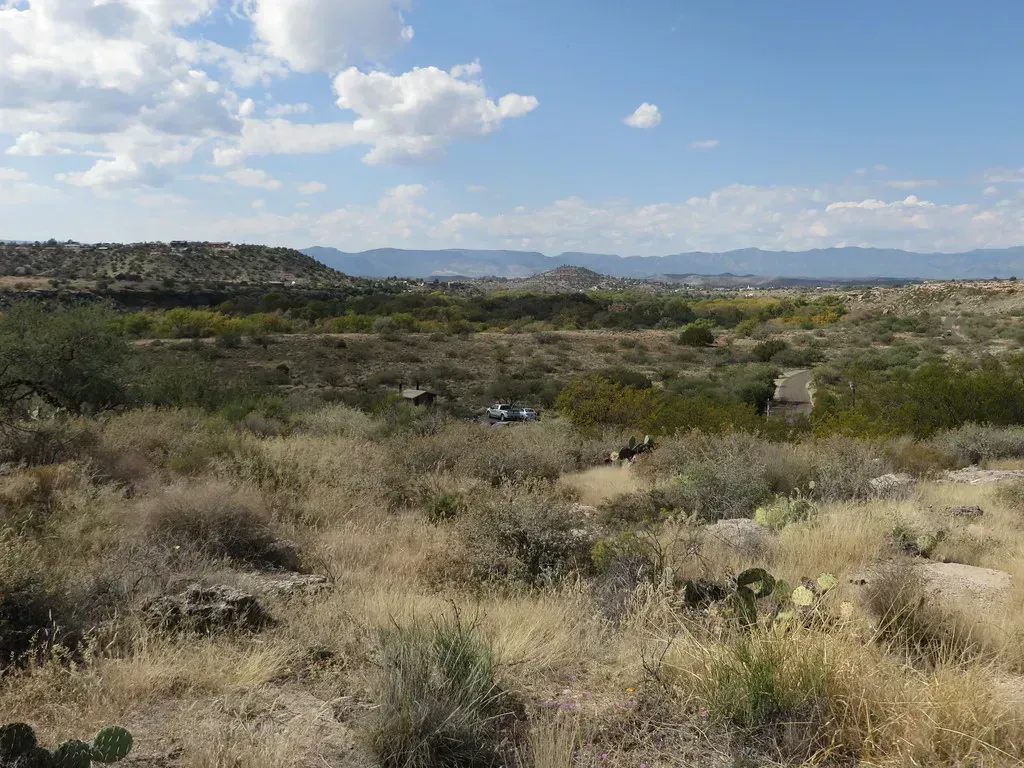
The Southern Plains has become something of a case study in what happens when drought stops being a temporary event and turns into a structural feature of the landscape. The six-year drought across Texas, Oklahoma, and Kansas is not a weather anomaly anymore, it is a structural regional crisis. Researchers point to a mix of causes behind it.
Rising temperatures amplified by a La Niña climate pattern, chronic water supply shortages, and lingering economic damage from the previous drought left farms, ranches, and water systems with no recovery buffer before the next cycle hit. The financial toll from just those three states over a five year stretch is staggering. The $23.6 billion in agricultural losses across Kansas, Oklahoma, and Texas from 2020 through 2024 alone, before 2025 and 2026 losses are even tallied, represents generational damage to ranching and farming communities.
$18 billion in emergency aid paid to farmers in a single year
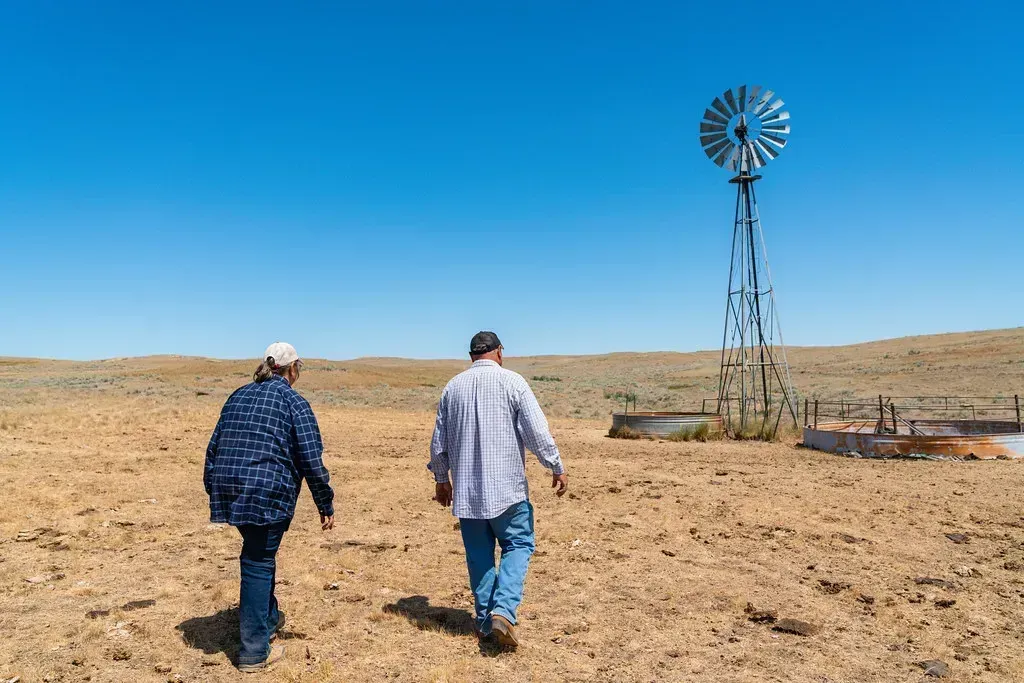
When drought hits hard enough, taxpayers end up footing part of the bill, whether they realize it or not. As farmers contend with drought, the Federal Crop and Livestock Insurance Program, subsidized by taxpayers, has to step in to provide a backstop, and the Government Accountability Office has consistently flagged the crop insurance program as an area of high risk for the federal government. That risk has translated into real spending.
Over the past year, the USDA paid out nearly $18 billion in supplemental disaster assistance to farmers and ranchers under the American Relief Act passed by Congress in 2025. And the bill may not be closed yet. Taxpayers may be on the hook for even more if the summer stays hot and dry, since the USDA has extended that program’s application deadline to August.
82 percent of Florida is in extreme or exceptional drought
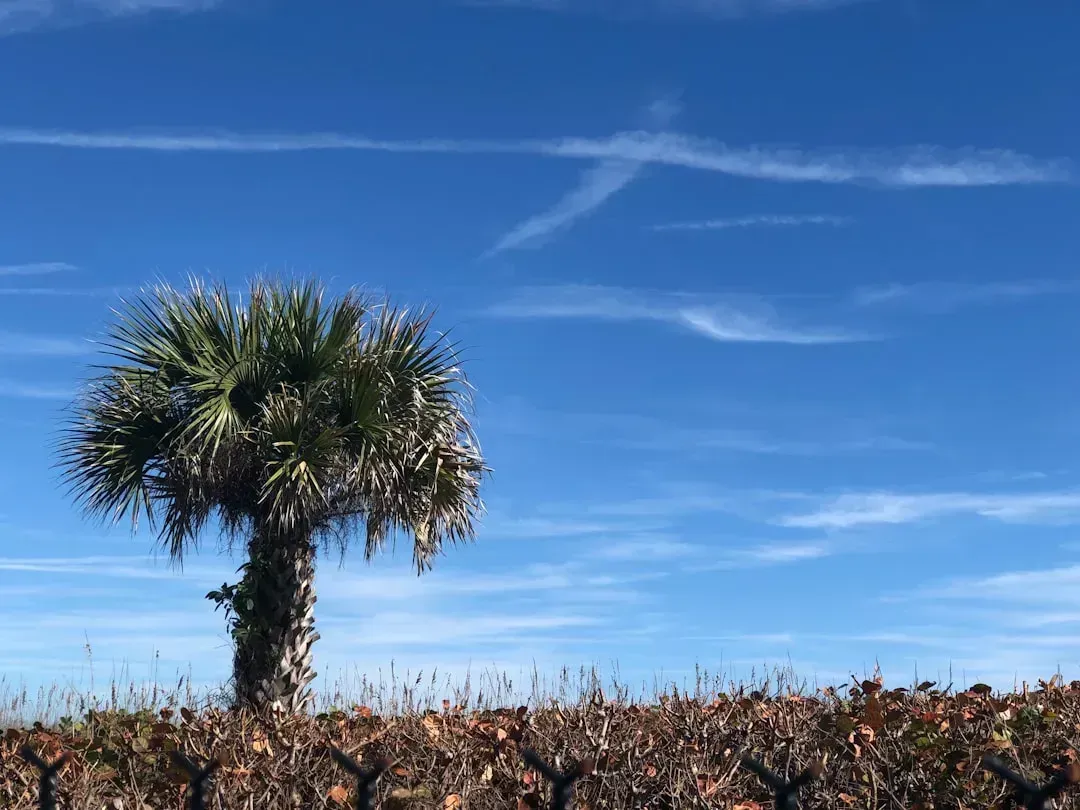
Florida isn’t usually the state people associate with drought, which makes its current situation genuinely striking. Drought conditions in Florida are especially dire, with nearly 82 percent of the state in extreme or exceptional drought. That’s an unusual position for a state better known for hurricanes and humidity.
The consequences go well beyond dry lawns. NASA satellite data show that this is already taking a severe toll on groundwater supplies, vital for drinking water and farming. The dry conditions have already had a negative impact on the state’s citrus crop, which was also affected by an early season freeze. Combined, the two hazards have pushed one of Florida’s signature industries into a genuinely precarious spot.
Snowmelt arriving up to 34 days early across the West
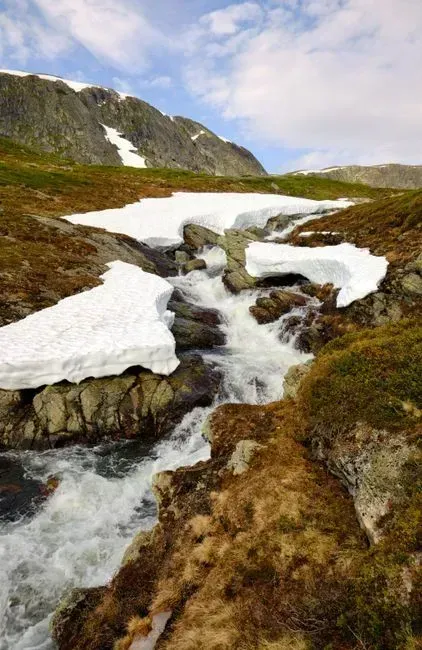
Not every number in this story is measured in dollars. Some of the most consequential figures involve timing, and in the western United States, timing has gone badly off schedule. Mountain snowpack functions as a natural reservoir for western communities, accumulating in winter and melting slowly through spring and early summer to feed rivers, reservoirs, farms, and cities. When that schedule breaks down, everything downstream feels it.
A snow drought report documented that a record shattering heat wave combined with already historically low snowpack caused peak snowmelt to arrive 21 to 34 days ahead of schedule across the West. The practical effect is a mismatch between water availability and water demand. Early melt means rivers run higher and faster in April and May, then drop sharply in June, July, and August, exactly when agricultural water demand peaks.
$2.8 billion a year in drought related farm losses, and rising
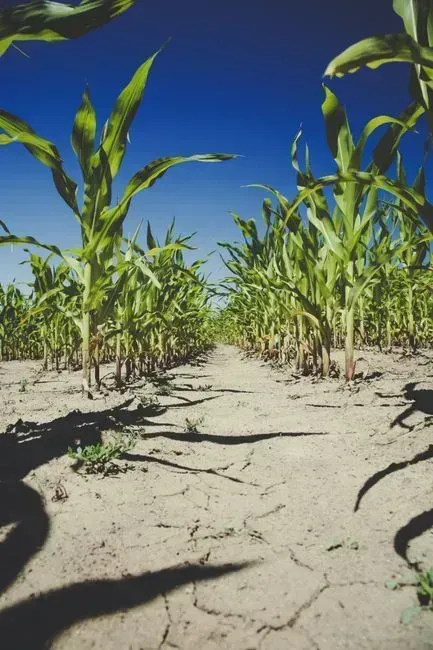
Even in a country full of natural hazards, drought has quietly become agriculture’s most expensive recurring problem. Drought stands as the largest single contributor to farm losses, averaging $2.8 billion each year. That figure sits above hail, cold waves, and hurricanes combined in most annual breakdowns.
The burden isn’t spread evenly across the map. California leads the nation in agricultural losses, with an estimated $1.2 billion in damages annually. Drought presents a persistent challenge on the West Coast, particularly in California, as well as in the Southwest and parts of the Southern Plains. Given how much of the nation’s produce and specialty crops come from those regions, the losses show up far beyond the farm gate, eventually reaching grocery store shelves nationwide.

- The Shoreline Sucked Dry in Seconds – 5 Tsunami Signals Beachgoers Mistake for Low Tide - November 14, 2026
- 9 Dark-Sky Destinations Around the World Where the Stars Look Unreal - November 14, 2026
- The Fault Line That Never Slips – 7 Locked Seismic Zones Overdue for a Massive Release - November 14, 2026
