

- Phantom Energy Sucking Power 24/7 – 7 Home Electronics Quietly Inflating Utility Bills - November 14, 2026
- A Million-Mile Storm Raging for Centuries – 6 Violent Weather Wonders in Our System - November 14, 2026
- Animals Flee Hours Before the Tremor – 7 Natural Warnings Before Disasters Strike - November 14, 2026
Miami, Florida
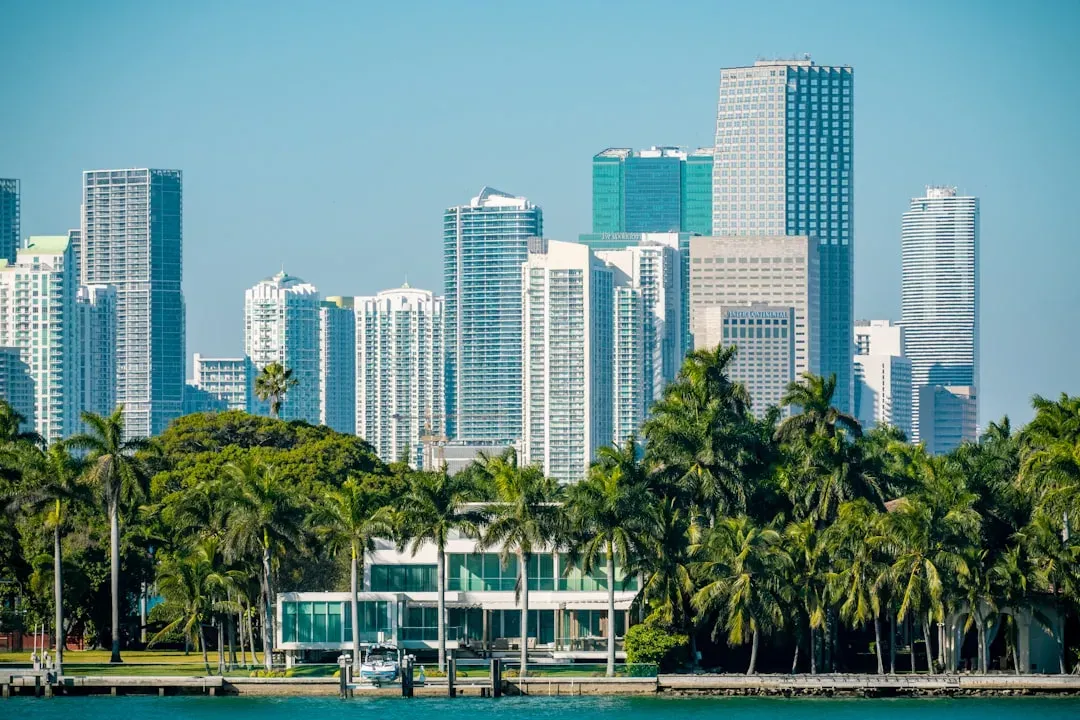
Miami-Dade County lost more residents than any other high-risk flood county in the country in 2025, with outflow topping more than 70,000 residents last year. That’s not a small dip. It’s the largest single-county exodus tracked in a national migration analysis built around flood exposure and climate risk.
Insurance is doing a lot of the pushing. Florida premiums average $7,136 for $300K coverage, compared to a national average of $2,543. The squeeze has gotten so intense that cash buyers represent 67% of all transactions in Miami-Dade, since cash-heavy markets are more sensitive to carrying-cost surprises like insurance than to mortgage rates.
Houston, Texas
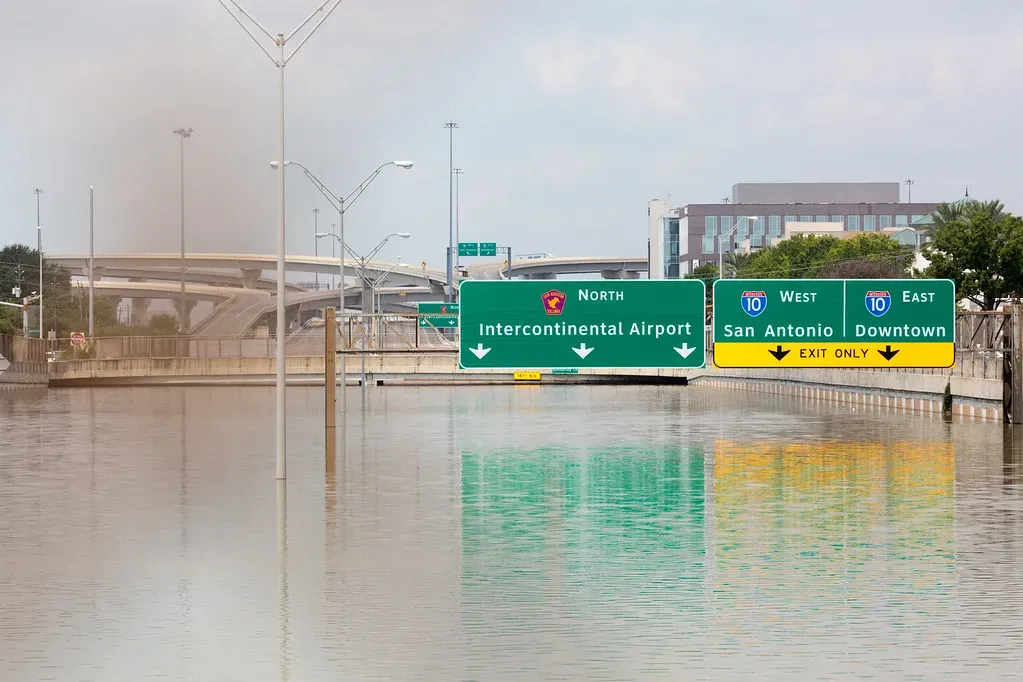
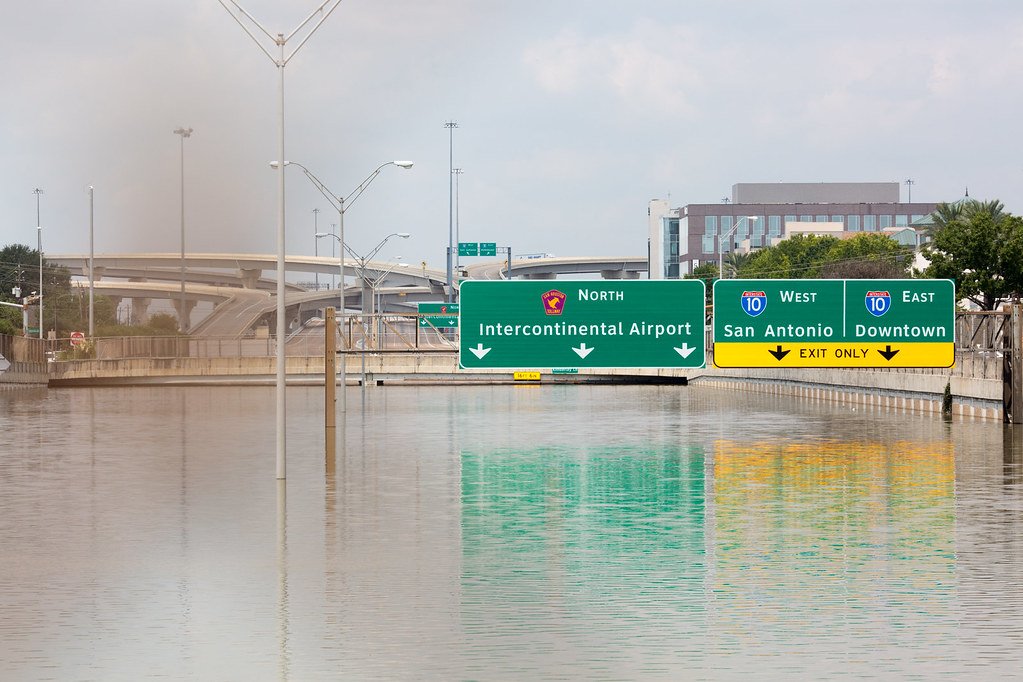
Houston made the short list of flood-prone metros that lost the most residents in 2025, according to Redfin’s climate migration research. Meanwhile, the cost of staying put keeps climbing. The average homeowners premium in Houston was about $5,653 in 2025, and that’s before the next round of hikes lands.
Local analysts aren’t expecting relief anytime soon. Some analysts expect an 8% increase in 2026 followed by another 8% in 2027, a one-two punch that keeps stretching household budgets. Research from Rice University’s Kinder Institute found that Harris County homeowners paid about $3,325 in property insurance premiums in 2023, and concluded rising insurance costs are becoming a central affordability problem for the region.
New Orleans, Louisiana

Louisiana’s insurance market has been unraveling for years, and New Orleans sits at the center of it. Homeowners across the state are now paying roughly three times the national average for coverage, a burden tied directly to the fact that the state suffered more than $115 billion in hurricane-related damages since 2020.
The math behind those premiums is brutal. For every $100 insurers collect in premiums in Louisiana, they pay out approximately $159 in claims, a model that simply isn’t sustainable long term. Orleans Parish was one of only two counties nationally where outflow didn’t accelerate in 2025, but it’s still losing residents, just at a slightly slower pace than the surrounding region.
Tampa, Florida

Tampa’s housing boom has cooled noticeably, and insurance costs are a big part of the story. Home values in the area have already felt it, with Case-Shiller data showing Tampa prices down 3.9% year over year even as medians elsewhere held steadier.
Rental vacancies tell a similar story of people pulling back. Tampa vacancies hit 8.9%, the highest among major metros in the state. Local agents have noticed the shift too, pointing out that in fast growing metros like Tampa Bay, the cost advantage over other big cities has mostly disappeared, which helps explain why fewer people are choosing to move there in the first place, and why some who already live there are looking elsewhere.
Los Angeles, California

Wildfire risk has reshaped the insurance conversation in Los Angeles faster than almost anywhere else. Some homeowners discovered the hard way that coverage can vanish right before disaster strikes; the Justice Department recently backed a case in California accusing insurers of allegedly conspiring to cancel homeowners’ fire coverage and push customers onto the California FAIR Plan.
The financial toll is showing up in home values, not just premiums. Research shows that since 2018, rising premiums and local risk factors have reduced home values by roughly $20,500 in the top 25% of homes most exposed to catastrophic hurricanes and wildfires, and by $43,900 in the top 10%. Los Angeles County now carries the state’s highest average insurance cost among counties, and forecasters expect California rates to keep climbing as insurers try to recoup wildfire losses.
Oklahoma City, Oklahoma
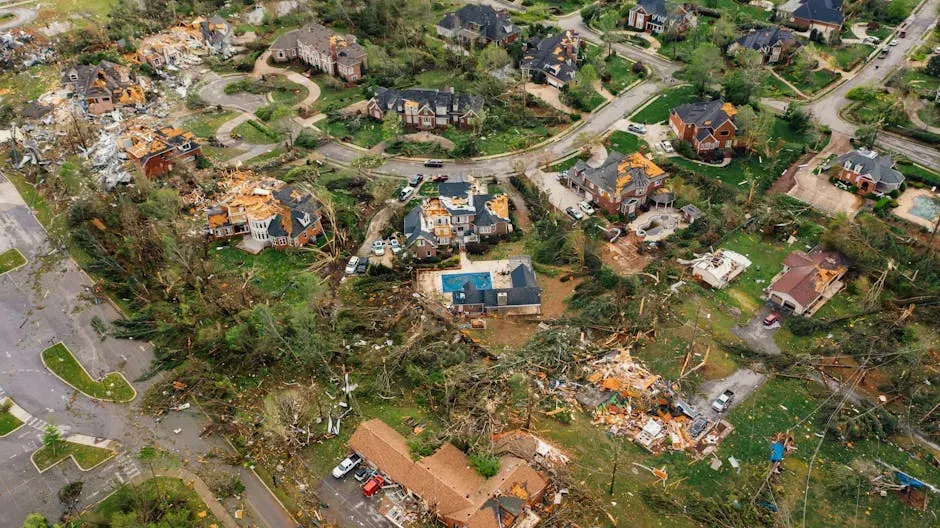
Oklahoma City has quietly become one of the most expensive places in the entire country to insure a home, a fact that surprises a lot of people who assume coastal states carry that title. Among major metro areas analyzed by NerdWallet, Oklahoma City topped the list at $9,770 a year, or about $814 a month.
The state’s exposure to severe weather explains a lot of it. In 2024, Oklahoma led the nation with 151 tornadoes and had the third-most hailstorms of any state, with 767. That kind of frequency adds up fast, and insurance costs in the state jumped 24% in 2025 alone, pushing more longtime homeowners to reconsider whether staying still makes financial sense.
Minneapolis-Saint Paul, Minnesota

Minnesota isn’t the state most people picture when they think about a home insurance crisis, but the numbers there have moved faster than almost anywhere else. Minnesota home insurers have raised rates an average of 64% in the past two years, the largest increase of any state.
That jump has real consequences for how the state ranks nationally. Since the end of 2023, Minnesota has gone from the 21st most expensive state for home insurance to the ninth most expensive. The shift traces back to a brutal stretch of storms, including a year when Minnesota storms caused over $6 billion in damage from hail and winds, followed by a Twin Cities hailstorm that added another billion dollars in losses the following year.
The pattern across these seven cities isn’t identical, but the underlying story rhymes. Insurance costs have stopped being a background expense and started functioning like a second mortgage payment, one that can rise faster than paychecks and, in some cases, faster than the value of the home itself. Whether the trigger is hurricanes, wildfires, hailstorms, or tornadoes, the outcome tends to look the same: quieter neighborhoods, more for-sale signs, and homeowners doing math they never expected to have to do just to stay where they already live.