
- The Planet Where It Rains Liquid Glass – 7 Alien Worlds Defying Known Physics - November 14, 2026
- Stars Consuming Entire Worlds – 6 Planetary Systems Swallowing Their Own Worlds - November 14, 2026
- The Ground Liquefies Like Water – 6 Silent Fault Lines Geologists Watch Closely - November 14, 2026
The bigger picture: nearly half of US cities are already losing people
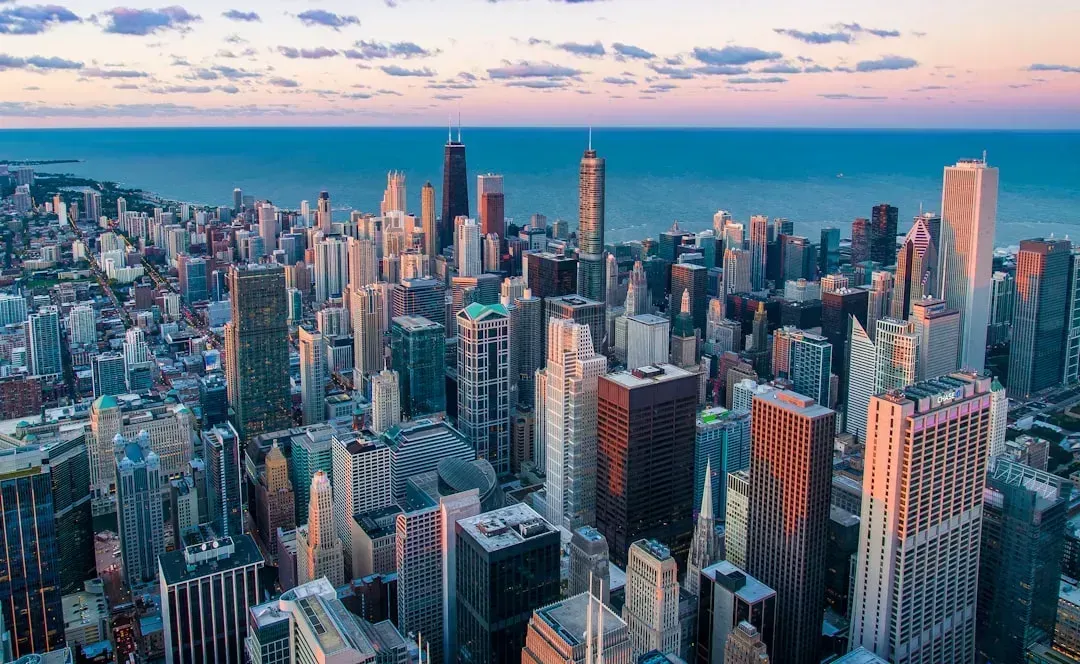
The scale of this trend is larger than most people realize. While the authors’ analysis of current trends found that 43 percent of the more than 24,000 cities are losing residents, around 40 percent are now growing, including major cities such as New York City, Chicago, Phoenix and Houston. That leaves a smaller share fluctuating without a clear direction either way.
The long-range projections are even more striking. According to findings published in Nature Cities, the populations of some 15,000 cities around the country could dwindle to mere fractions of what they are now. The authors’ resulting projections indicated that around half of cities in the U.S., including Cleveland, Ohio, Buffalo, N.Y., and Pittsburgh, Pa., are likely to experience depopulation of 12 to 23 percent by 2100. Climate change isn’t the only factor behind these numbers, but researchers consistently list it among the handful of forces driving the pattern.
Flood-prone counties are emptying out at nearly twice last year’s pace
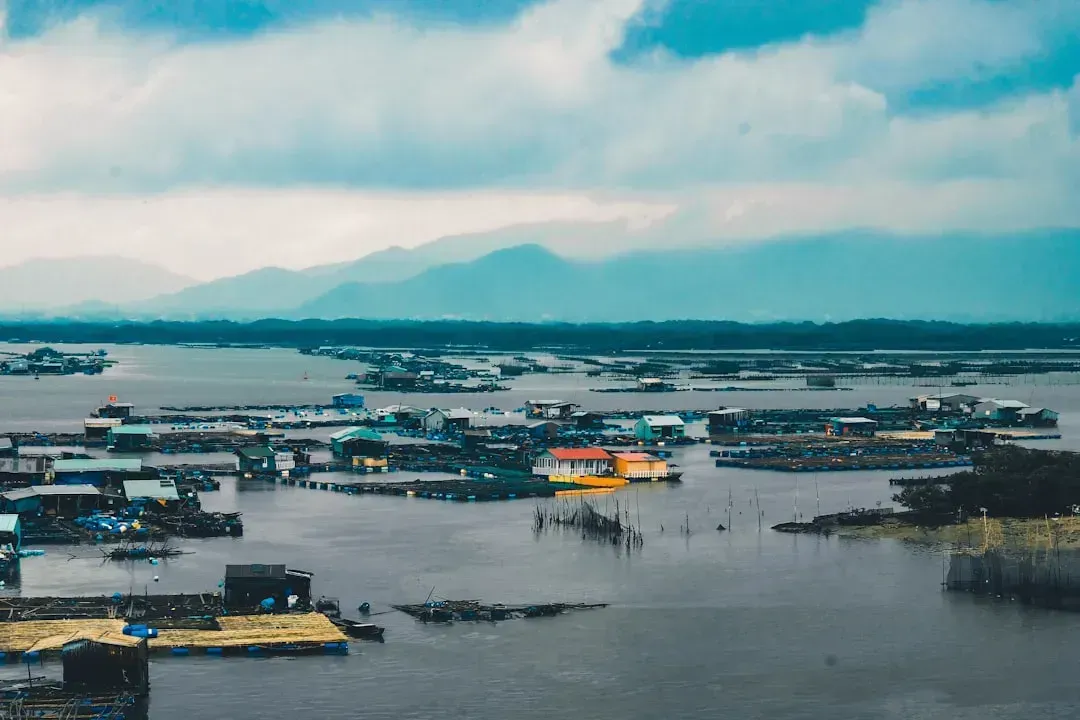
The clearest recent signal comes from Redfin’s analysis of Census migration data paired with First Street’s climate-risk scores. High-flood-risk U.S. counties – those classified in the top 10% for their share of homes that are very vulnerable to flooding – lost a net 63,357 domestic residents from mid-2024 to mid-2025, nearly double the outflow recorded over the previous 12-month period. That’s not a one-year blip either. In 2024, flood-prone counties collectively posted a net population loss for the first time in five years.
Meanwhile, the places people are moving toward tell the opposite story. Low-flood-risk counties gained 69,857 more people than they lost last year, the biggest gain since 2018. This reverses what happened during the pandemic years, when low mortgage rates and remote work fueled migration to many coastal and Sun Belt destinations despite growing climate risks, and from 2020 through 2023, flood-prone counties generally gained residents. The tide, quite literally, has turned back.
Louisiana’s coastline is disappearing one community at a time
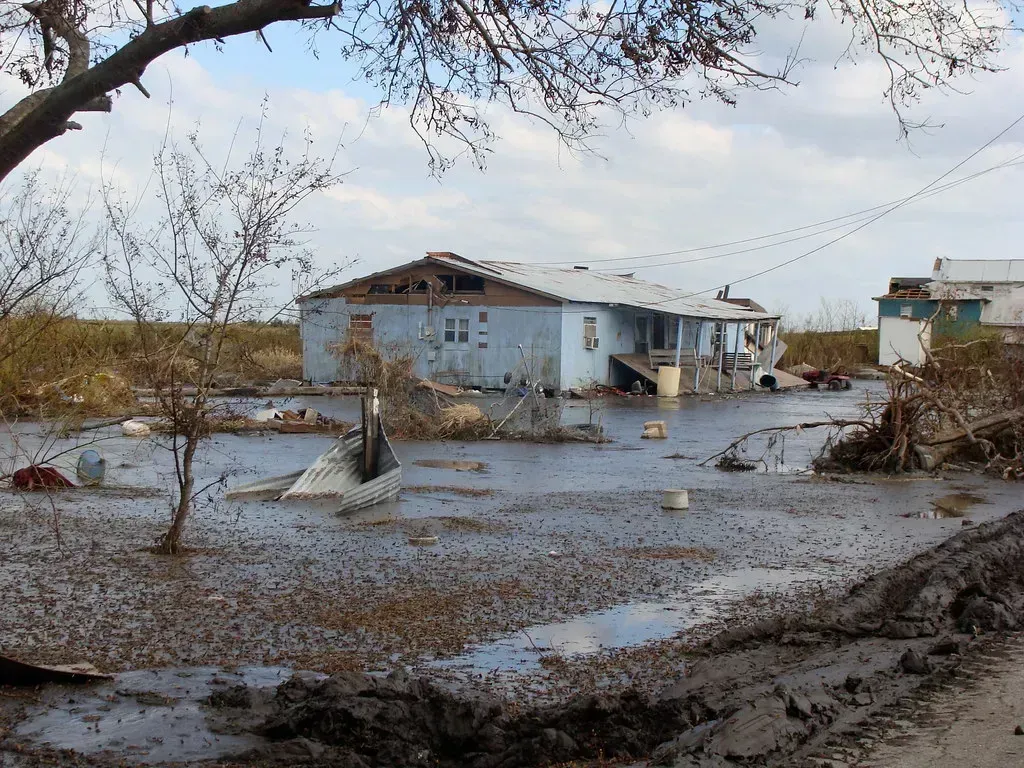
Few places illustrate the physical reality of climate-driven shrinkage better than Isle de Jean Charles in Terrebonne Parish. The island used to encompass more than 22,000 acres but has shrunk to about 320 acres due to erosion, land loss caused by severe storms, manmade canals and sea level rise spurred by climate change. This wasn’t a gradual, unnoticed decline; it became the first federally funded relocation of an entire American community.
In 2016, Louisiana received $48.3 million in federal Community Development Block Grant money to relocate 37 residents or families of Isle de Jean Charles as climate-charged hurricanes and sea-level rise made the once thriving fishing community uninhabitable. Today the old island is mostly empty. Isle de Jean Charles is a shell of a place once filled with life, with the remaining strip now dotted with the dilapidated homes of those who fled. Nearby tribal communities like Pointe-au-Chien are watching the same erosion but choosing, for now, to adapt in place rather than leave.
Alaska’s villages face a slower, colder version of the same crisis
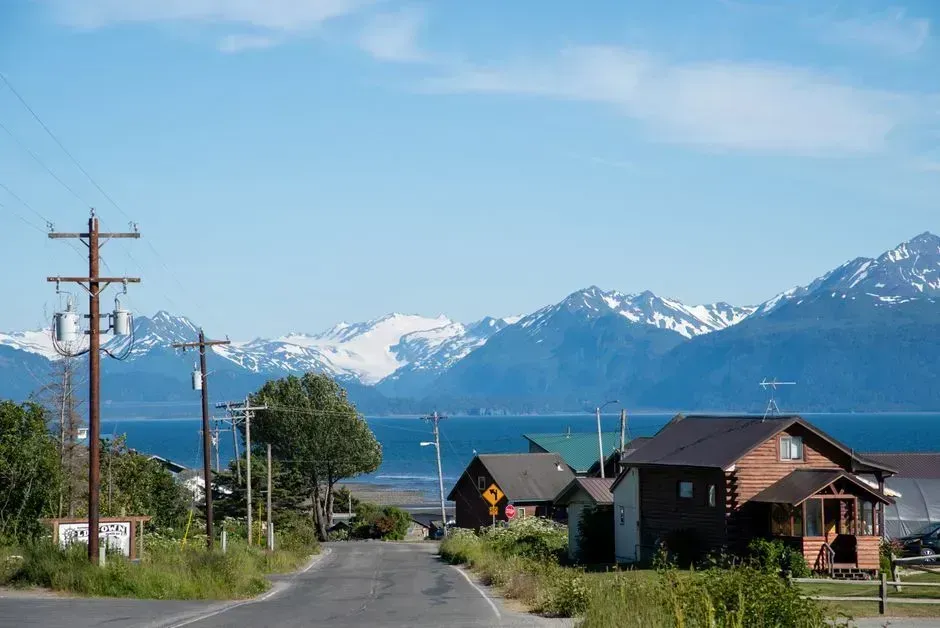
Four thousand miles away, a similar reckoning is unfolding on permafrost instead of marshland. In Alaska, more than 30 indigenous villages face imminent relocation due to flooding, land erosion, permafrost thaw or combinations of all the above because of climate change. Only one has actually managed to move so far.
Thus far, only one village, Newtok, has made successful strides in that direction, and even that took nearly two decades and about $60 million in federal funds. Other villages, including Nunapitchuk, are still scoping out what a move would even require, without dedicated funding yet in place. The timeline gap between recognizing the danger and actually relocating a community, sometimes twenty years or more, is itself part of why these towns keep shrinking rather than moving cleanly all at once.
When wildfire takes a town, insurance decides whether it comes back
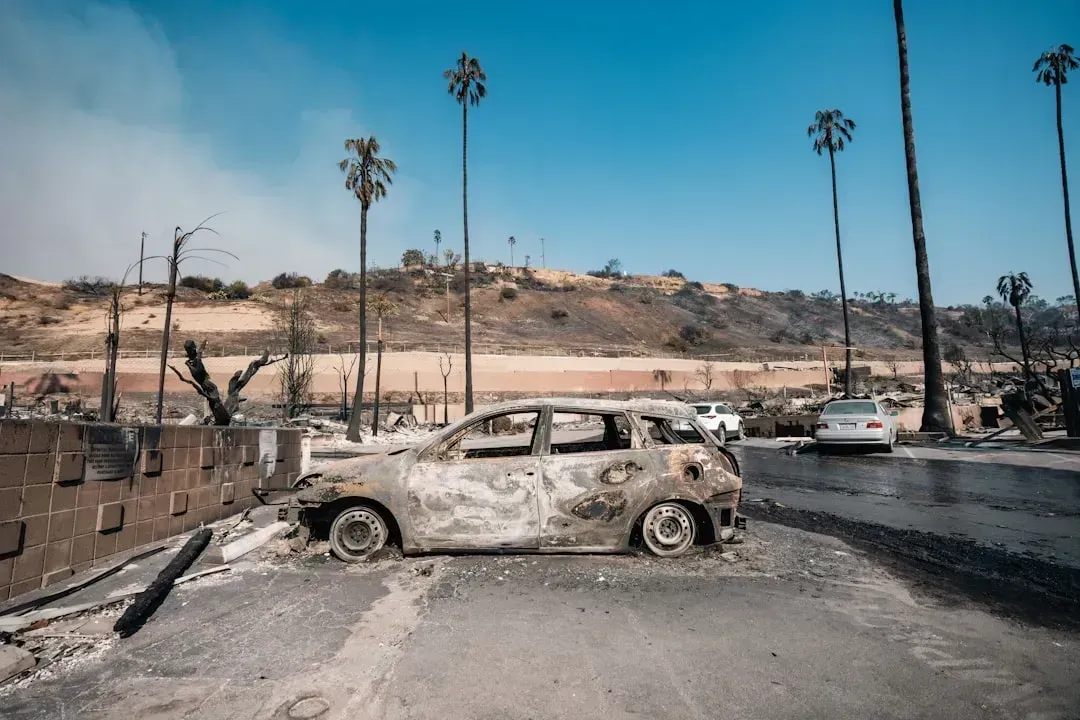
Paradise, California remains the starkest modern example of a single climate disaster erasing a community almost overnight. The Town of Paradise had a 2018 population of around 26,600 residents, many of whom were lower income retirees or commuters, before the Camp Fire destroyed over 90% of the town within six hours. The fire killed dozens and left survivors fighting with insurers over rebuilding costs for years afterward.
Recovery has been slow and uneven, tied directly to whether coverage exists at all. Insurance companies have been gradually returning to write new policies in Paradise, but only for homeowners who meet strict wildfire-resilience standards, a sign of how tightly insurance availability and repopulation are now linked. Towns that can’t attract coverage simply can’t attract residents back at the same pace, no matter how much they want to rebuild.
California’s broader insurance unraveling is pushing people out ahead of any fire
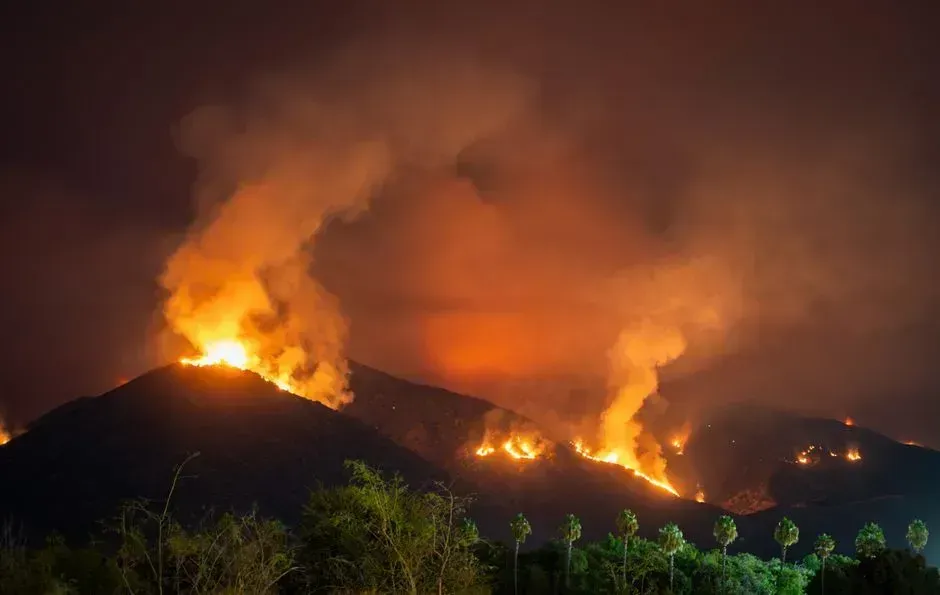
The Paradise story is no longer an isolated case; it’s become a preview of a statewide pattern. Average California homeowner insurance premiums rose 84% between the end of 2020 and March 2026, while average deductibles climbed from $1,813 to $2,553 over the same period. In California alone, nearly 400,000 insurance policies have been canceled since 2021.
The state’s insurer of last resort has absorbed much of that overflow. While the FAIR Plan as of March 2026 covers about 5% of California’s single-family homes, up from 1.5% in December 2020, it backed approximately 6% of new single-family mortgage originations. From 2019 to 2024, more than 100,000 homeowners lost coverage due to carrier exits and nonrenewals. When a mortgage requires insurance and insurance becomes unaffordable or unavailable, staying put stops being a real option for many households.
Legacy industrial cities carry an added climate burden on top of old decline

Not every shrinking town fits the coastal or wildfire narrative. Places like Buffalo, Cleveland, and Pittsburgh were already losing population decades before climate risk entered the conversation, tied to deindustrialization and shifting job markets. Researchers now suggest climate stress is layering onto that older story rather than replacing it.
Interestingly, some of these same cold-weather cities are seeing a partial counter-trend. Affordable housing is pulling some newcomers in while climate refugees from hotter, flood-prone regions discover that the Great Lakes region has something to offer. That doesn’t erase decades of population loss, and researchers caution that in the Northeast and Midwest, urban cities with lower median household income are more likely to experience depopulation over time, which could exacerbate socioeconomic challenges given that population decline can create affordability concerns with infrastructure services.
The South and Southwest show a different, harsher version of the trend

Some of the country’s steepest recent losses have nothing to do with coastal flooding and everything to do with economic collapse compounding heat and drought stress. Big Spring, Texas, lost 15.3% of its population since 2020, the steepest percentage drop of any U.S. city of 20,000 or more. Greenville, Miss., was second, falling 10.6%, dropping from 29,690 to 26,530.
Gallup, New Mexico offers another example worth noting. Gallup, N.M., the largest city on the Navajo Nation’s edge and a hub for Indigenous commerce along Route 66, lost 8.8% of its residents. Many of the fastest-declining cities are majority-Black communities in the Deep South, working-class Mexican American and Native American cities in the Southwest, or legacy industrial towns in the Midwest. Climate stress rarely acts alone in these places; it tends to accelerate declines that economic hardship had already set in motion.
How to check whether your own town is on this trajectory
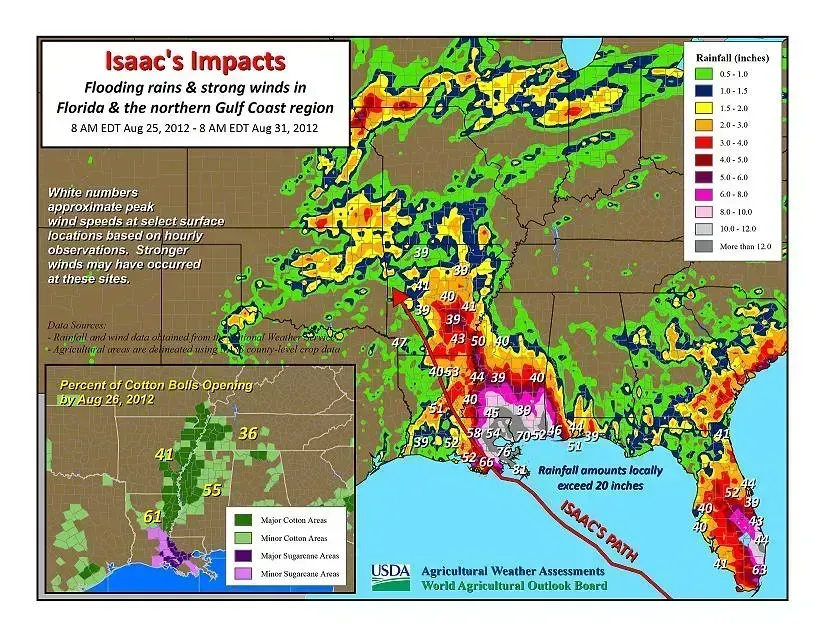
The good news is that none of this data is hidden behind a paywall or locked in an academic journal nobody reads. First Street’s public risk tool ranks properties across six categories, from minimal to extreme, covering flood, fire, heat, and wind exposure, and it’s a reasonable first stop for anyone curious about their own address. FEMA’s flood maps and your county’s building permit and population records fill in the rest of the picture.
Insurance behavior is often the earliest warning sign, arriving well before the Census Bureau catches up. A non-renewal notice, a sudden jump in premiums, or a neighbor mentioning their carrier “isn’t writing policies here anymore” tends to show up years before population figures reflect the change. If several of these signals appear at once in your area, it’s worth treating the climate angle as more than background noise.
The takeaway for anyone watching their hometown change