


- Real Estate Analysts Just Changed Their Mind About the Safest Places to Buy – Here’s Why - November 12, 2026
- Black Holes Firing Beams at Near-Light Speed – 5 Cosmic Engines Warping Spacetime - November 12, 2026
- Silent Rogue Worlds Drifting in Total Dark – 6 Planets Ejected From Their Star Systems - November 12, 2026
The American coastline has always been a gamble between beauty and exposure, but the odds have shifted noticeably in the past few years. Insurance companies are pulling out of entire zip codes, houses are literally falling into the ocean on camera, and federal flood maps keep getting redrawn to catch up with reality. This isn’t speculation about some distant future; it’s happening in real time, town by town, in 2026.
What follows is a closer look at eight coastal communities where the risk isn’t theoretical anymore. Some are losing land at a measurable pace every year. Others are becoming financially untenable as insurance premiums climb past what many homeowners can afford. Together they paint a picture of what living on the edge of America actually looks like right now.
1. Isle de Jean Charles, Louisiana
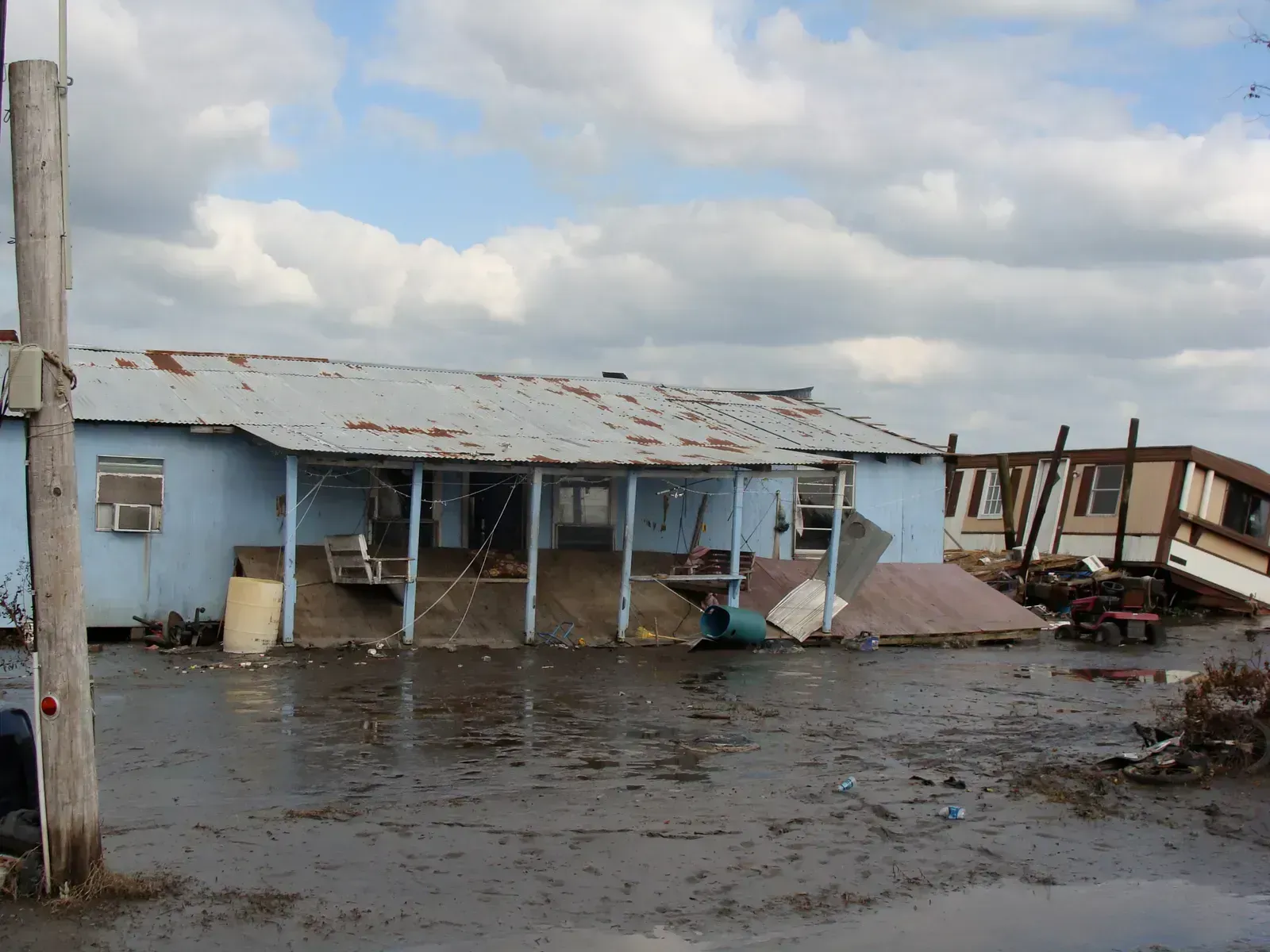
No community on this list has lost more ground, literally, than Isle de Jean Charles. Isle de Jean Charles, a narrow strip of land about 90 miles southwest of New Orleans in Terrebonne Parish, Louisiana, has lost 98 percent of its landmass to rising waters of the Gulf of Mexico since 1955, when tracking began. An island that once encompassed more than 22,000 acres, now is only 320 acres.
The people who once called this place home have largely already left. Since 1955, the Isle de Jean Charles has shrunk by 98 percent, and at a mere quarter mile across by two miles long, the isle continues to slip into the Gulf of Mexico, making living here increasingly difficult. A federal grant eventually funded a resettlement community miles inland, but a handful of longtime residents have chosen to stay, watching the water creep closer with each storm.
2. Rodanthe and Buxton, North Carolina
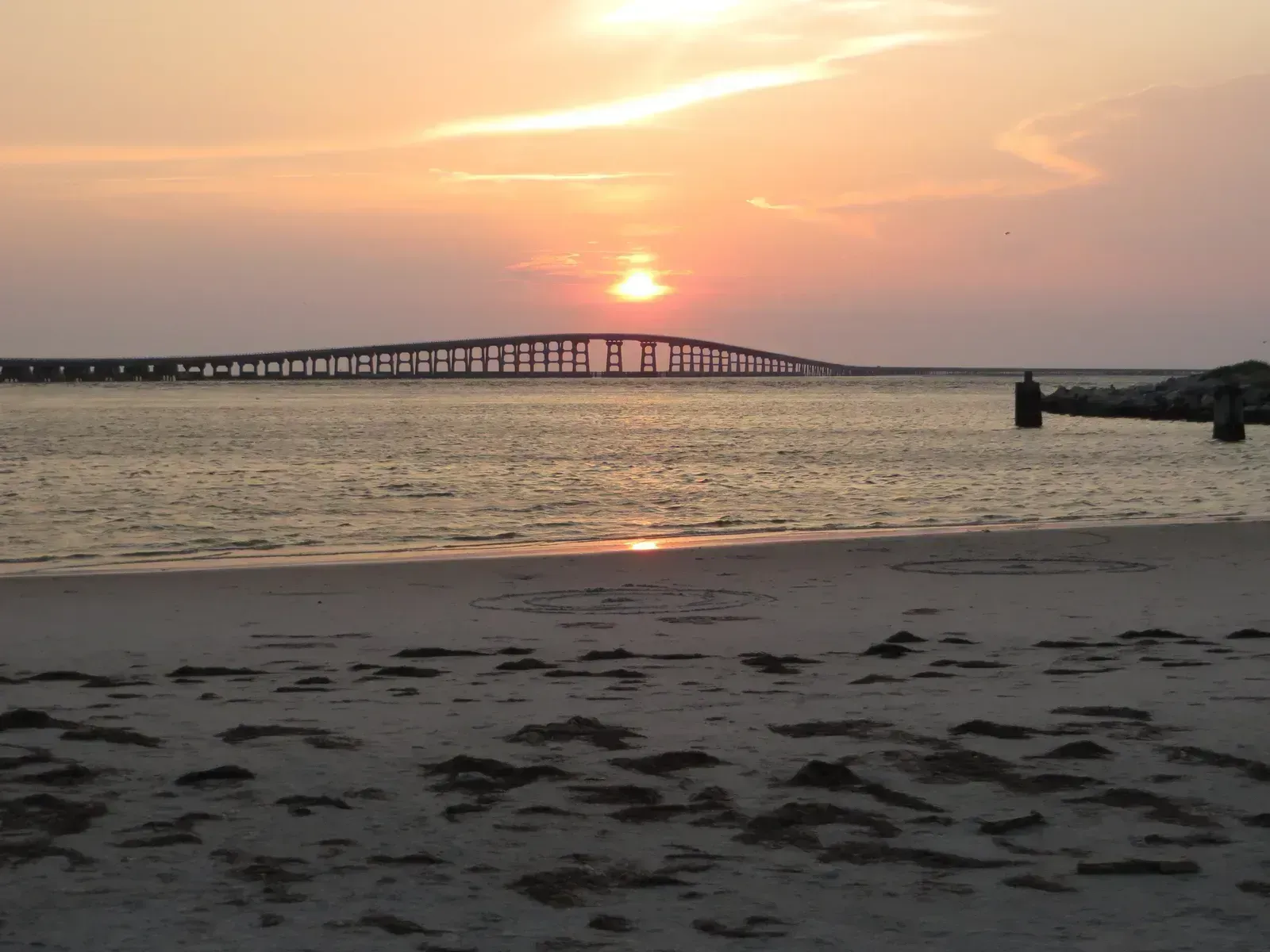
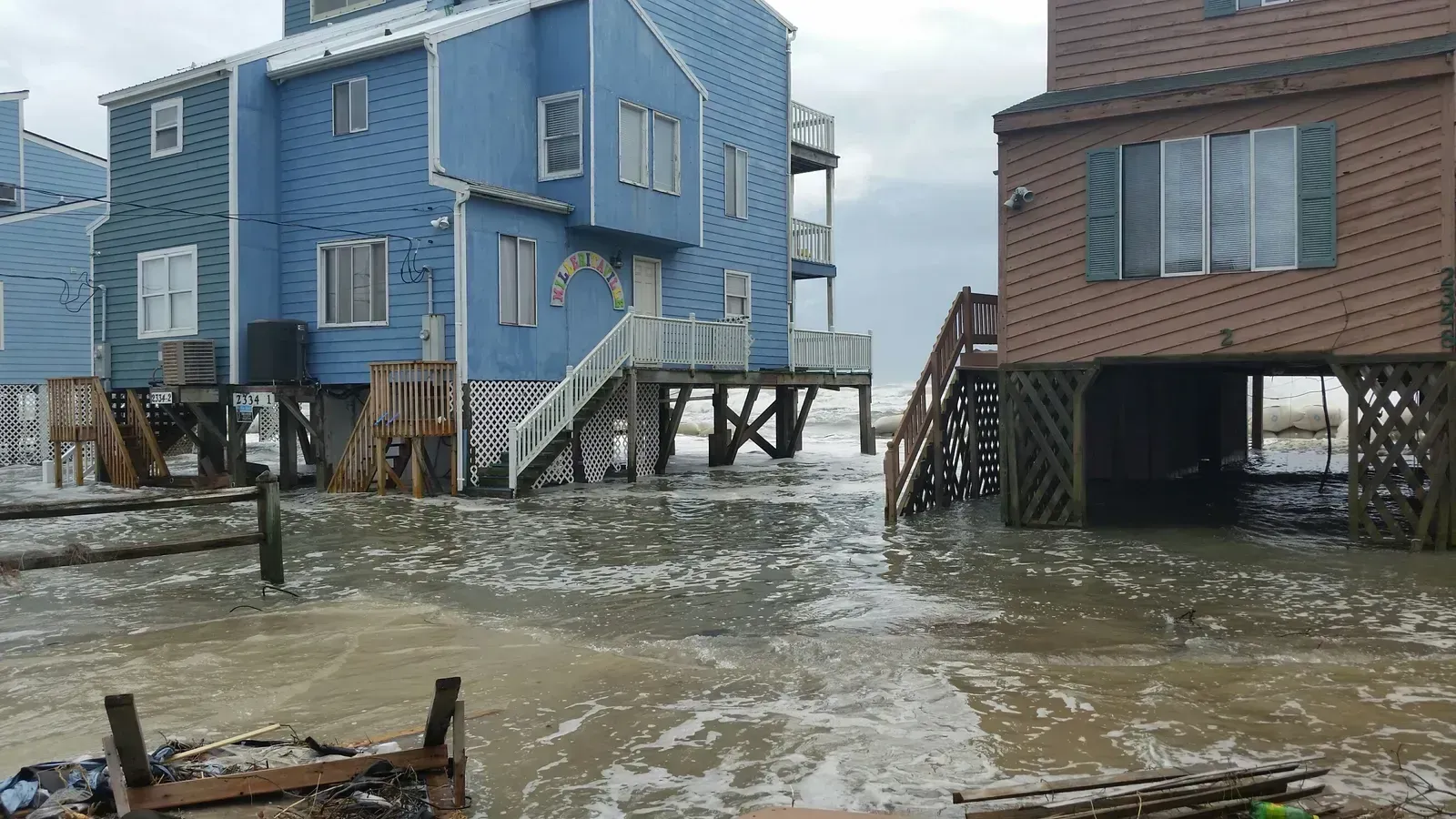
On North Carolina’s Outer Banks, the risk isn’t abstract. It shows up as splintered wood and broken glass on the beach. According to a 2024 NC Department of Environmental Quality report, 750 oceanfront structures along the NC coast are at risk from the rising seas, and in the last five and a half years, a total of 31 privately-owned homes along the Outer Banks have collapsed, with the majority of the losses occurring in 2024 and 2025.
The pace has not slowed heading into 2026. The first beach home on the Outer Banks collapsed in early 2026, following 16 homes that collapsed between Buxton and Rodanthe in 2025 alone. Erosion here is measurable and fast, with the shoreline in Rodanthe now retreating as much as 15 feet per year according to reporting cited by local officials.
3. New Orleans, Louisiana
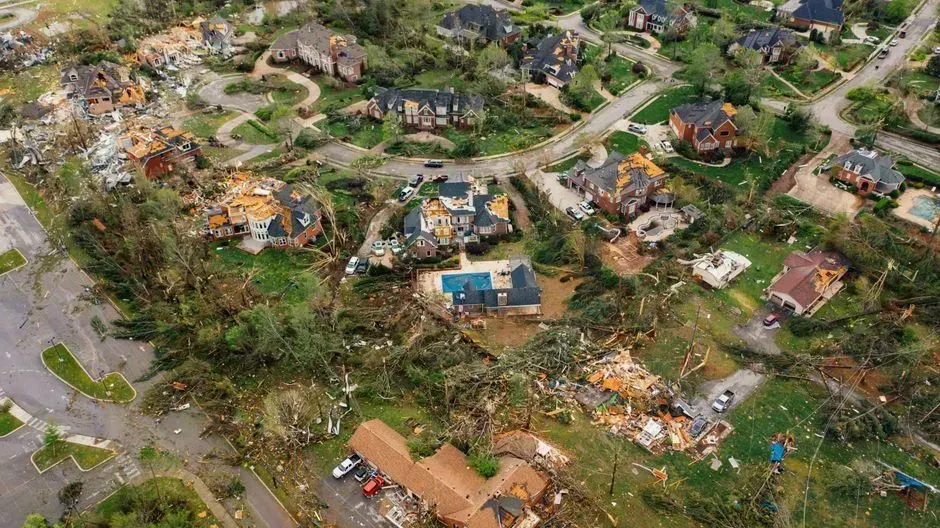
New Orleans has spent two decades rebuilding its reputation for flood defense, but geography keeps working against it. New Orleans sits six feet below sea level, and as a result, the city relies on levees and pumps in order to keep the city from experiencing catastrophic floods. The scars from Hurricane Katrina remain a constant reference point for engineers and residents alike.
Even with improved infrastructure, the underlying vulnerability hasn’t gone away. New Orleans and the state of Louisiana are at high risk of flooding because the state is experiencing coastal erosion and rising sea levels. Louisiana as a whole continues to lose wetlands that once buffered the city from storm surge, meaning New Orleans absorbs more of the impact with every passing hurricane season.
4. Fort Myers Beach, Florida
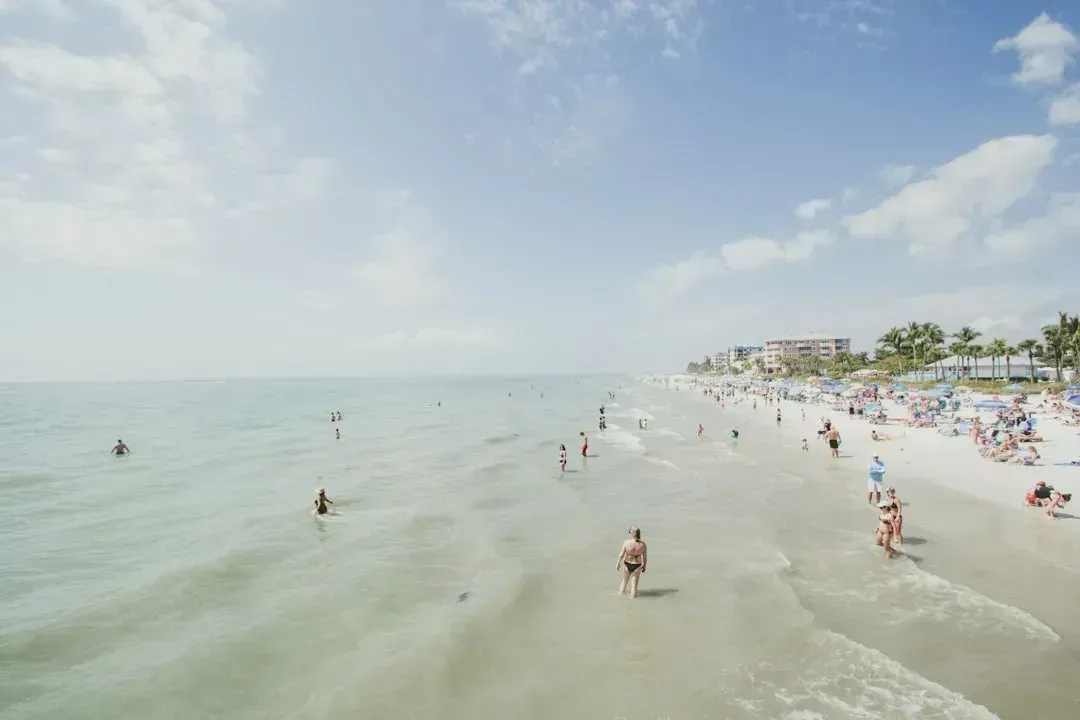
Hurricane Ian in 2022 turned Fort Myers Beach into a case study of how quickly a coastal economy can unravel. Homeowners in Fort Myers Beach, Cape Coral, and Punta Gorda received over $1 billion in flood payouts, records show. Rebuilding has been slow, expensive, and shaped by tougher federal standards that followed the storm.
The financial strain has pushed longtime residents out. One client sold her house after the cost of home and flood insurance climbed to about $10,000 a year, after the house filled up with about 5 feet of water during Hurricane Ian and then took on several inches of water again during hurricanes Milton and Helene, and she was only able to sell after spending about $20,000 on flood gates. Homes in the area are also sitting on the market far longer than they used to, a sign that buyers are increasingly wary of the risk.
5. North Miami, Florida
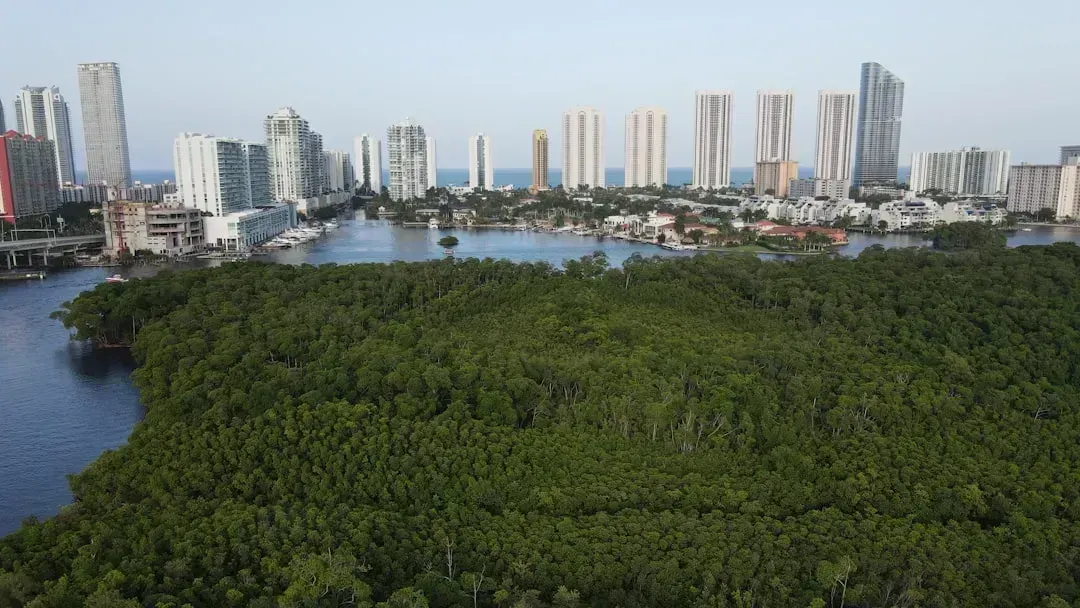
Florida dominates almost every ranking of vulnerable coastal cities, and North Miami sits near the top for a combination of storm exposure and aging infrastructure. North Miami, FL, ranks as the least resilient coastal city in America, with 11 FEMA disaster declarations in the past 10 years, an average home age of 55 years, and a high insurance premium of $4,704.
It isn’t an isolated case within the state. Ten out of the top 15 least resilient coastal cities are located in Florida, underscoring the state’s disproportionate exposure to hurricanes and flooding, and the average insurance premium of the 15 least resilient cities is $3,901, well above the broader average. Older housing stock combined with repeated disaster declarations makes North Miami a particularly difficult place for insurers to price risk accurately.
6. Norfolk, Virginia
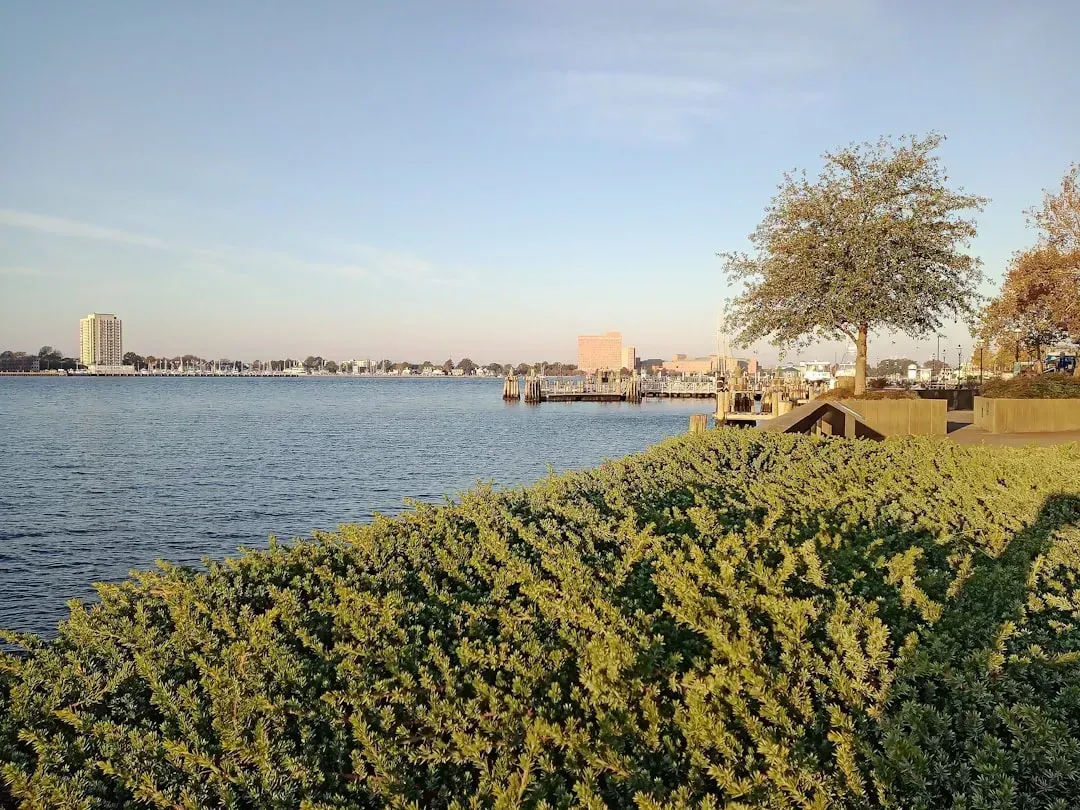
Norfolk carries a unique kind of risk because it combines sea level rise with land that is actively sinking, a double hit that few other US cities face at the same scale. It also hosts one of the largest naval bases in the world, which raises the stakes considerably when floodwaters start creeping toward runways and piers. Charleston, South Carolina; Savannah, Georgia; Norfolk and Virginia Beach, Virginia; Wilmington, North Carolina; Baltimore, Maryland; and parts of New Jersey, Delaware and Mississippi all appear on projections of coastal cities that would face major flooding impacts under higher sea level scenarios.
What makes Norfolk’s situation particularly tricky is the timeline. Unlike a hurricane that arrives and then passes, the subsidence problem here is slow and constant, meaning streets that used to flood only during storms now flood on unusually high tides even without a drop of rain. City planners have started factoring “nuisance flooding” into everyday infrastructure decisions rather than treating it as an occasional inconvenience.
7. Charleston, South Carolina
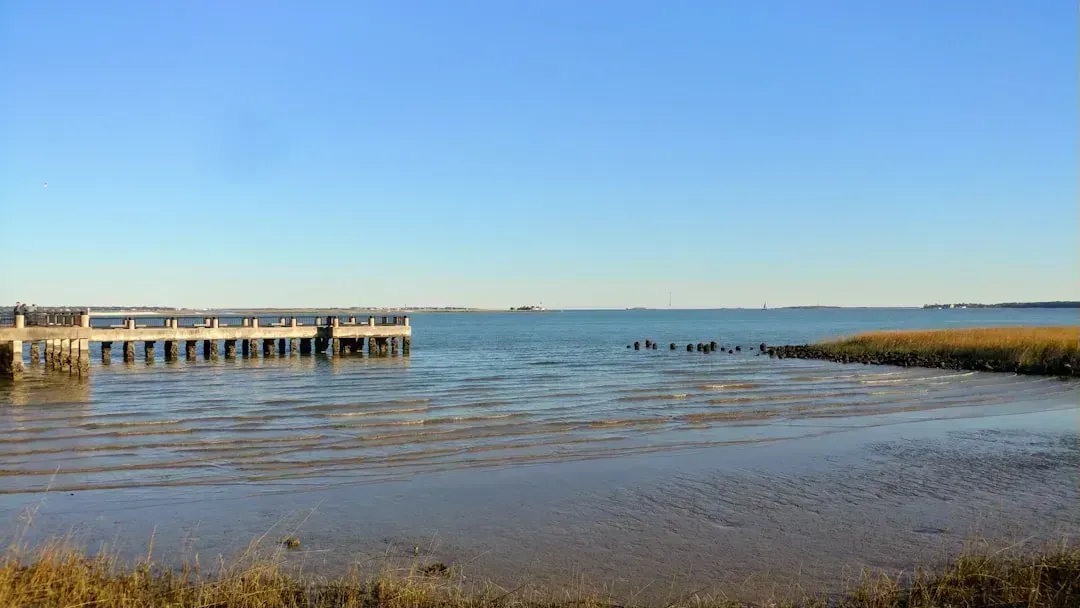
Charleston’s historic downtown was built for a different climate than the one it faces today. The city sits at the confluence of two rivers and the Atlantic, and it shows up repeatedly in flood-risk assessments alongside Norfolk and Savannah as one of the East Coast cities most exposed to rising water. Charleston, South Carolina is specifically named among the coastal cities facing major impacts under NOAA’s sea level projections.
Local officials have already invested heavily in pump stations and drainage upgrades, and those investments have helped in smaller storms. Still, the fundamental math of a low-lying peninsula city surrounded by rising tidal water doesn’t change easily, no matter how much infrastructure gets built. Charleston’s tourism-heavy economy adds another layer of pressure, since flooded streets in the historic district have a direct financial cost beyond just property damage.
8. Galveston, Texas
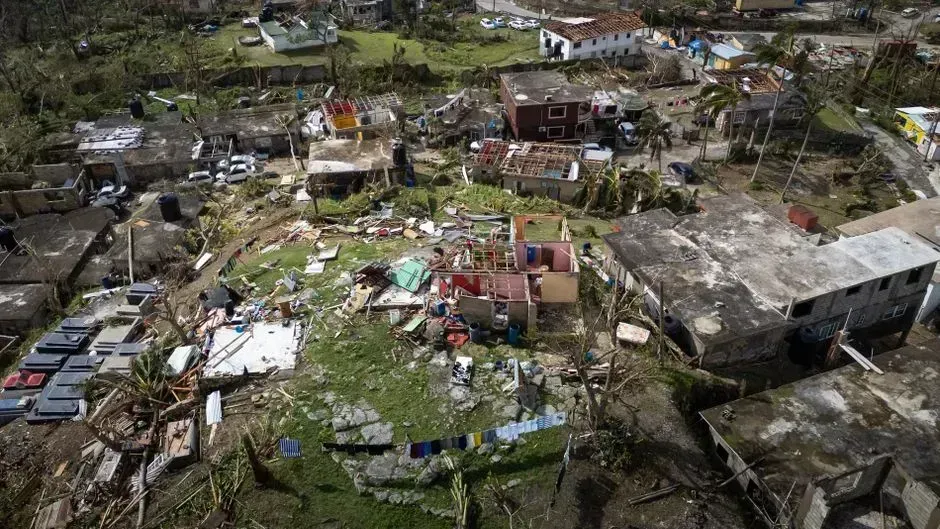
Galveston has a long, difficult history with the Gulf of Mexico, dating back to the catastrophic 1900 hurricane that remains the deadliest natural disaster in US history. The island city sits on a narrow barrier strip just a few feet above sea level, which leaves it acutely vulnerable to storm surge whenever a major hurricane tracks toward the upper Texas coast. Its seawall, built after that 1900 disaster, has helped protect the immediate waterfront but does little for the bay side of the island, which floods regularly during even moderate storms.
What sets Galveston apart from many towns on this list is the combination of a growing population and a static, low-elevation footprint. New development continues along the bay side and on the west end, areas with the least storm protection, even as regional forecasters warn that Gulf hurricanes are trending more intense. That mismatch between growth and geography is exactly the kind of pattern that has turned other coastal towns into cautionary tales.
What This Means for Coastal Living in 2026
These eight towns don’t share identical problems, but they share a common thread: the gap between how coastal communities were built and how the coastline actually behaves now is widening every year. Insurance markets are responding faster than most local governments can adapt, which means financial risk is often the first warning sign long before the water physically arrives. For homeowners, renters, and local officials alike, the practical question in 2026 isn’t whether these risks are real, but how much time is left to plan around them.
