
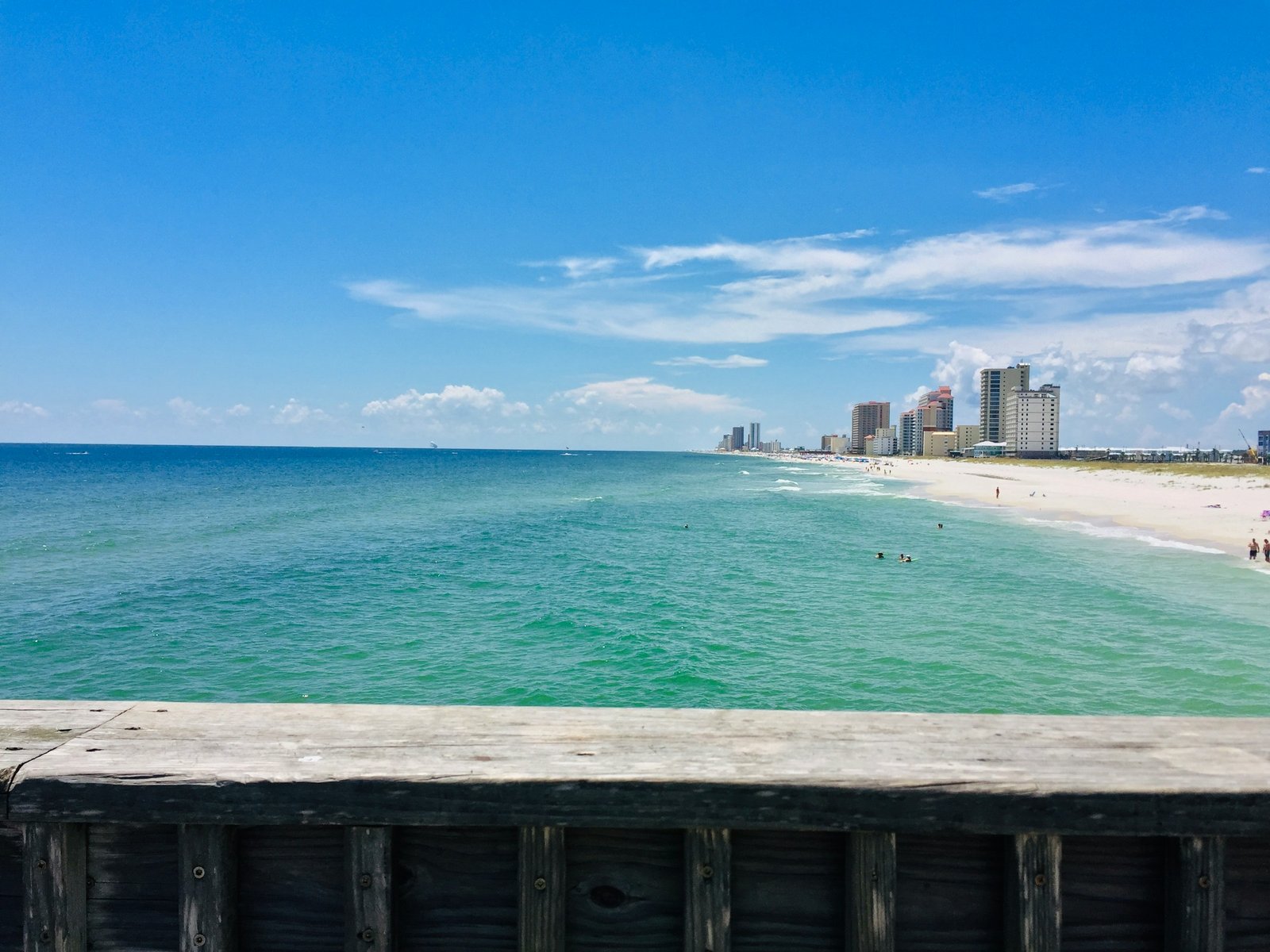
Flood maps get scarier every year, insurance premiums keep climbing, and yet the for-sale signs along many American shorelines barely last a week. It’s a strange contradiction that keeps showing up in housing data: buyers know the water is coming, and they’re still writing offers.
Part of the answer lies in timing, infrastructure spending, and a simple fact that finite coastline never gets any bigger no matter how much the ocean does. The six towns below show how that logic plays out on the ground, from historic peninsulas bracing for tidal creeks to purpose-built communities betting on elevation over luck.
1. Charleston, South Carolina
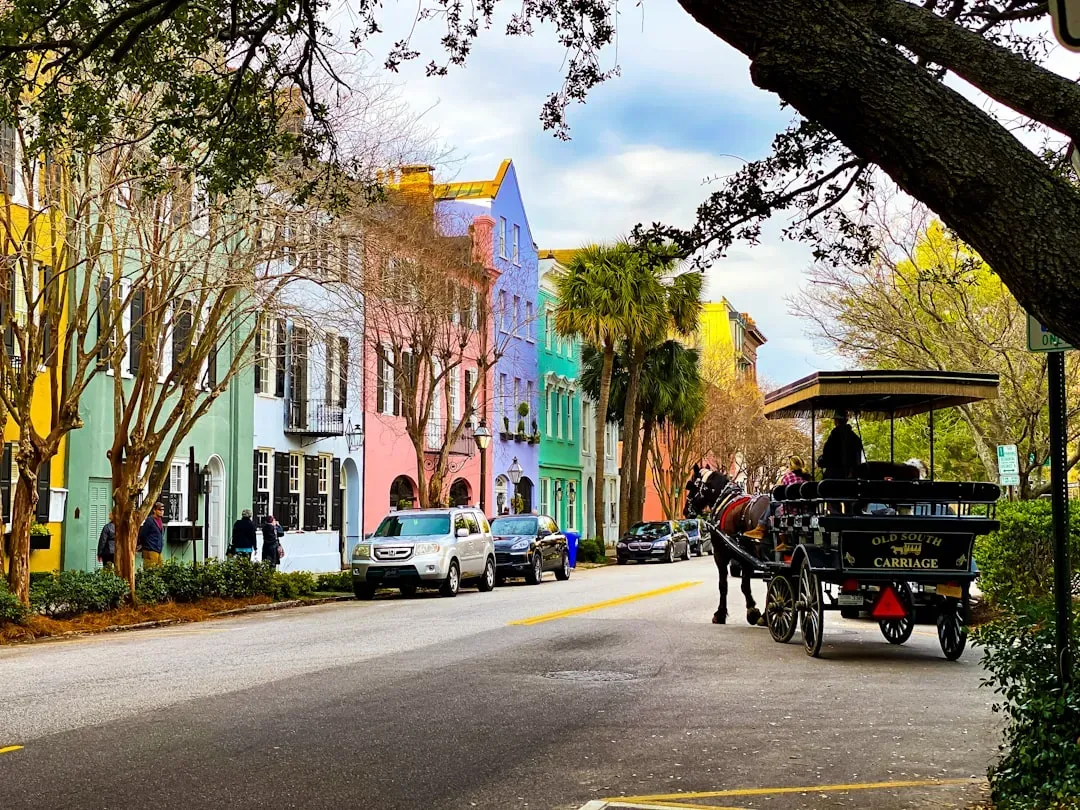
Charleston’s historic peninsula sits in a genuinely tricky spot. Recent high-resolution flood mapping from the Federal Reserve Bank of Richmond found that tidal creeks and marshlands amplify risk around the city’s historic peninsula and nearby barrier islands. That’s not a minor footnote either, since the same research links these detailed inundation maps directly to housing data to estimate when specific properties could face regular flooding.
Even so, money keeps moving into the market. A widely cited Nature Communications study found that despite increasing risks from sea-level rise and storms, US coastal communities continue to attract relatively high-income residents, and coastal property values continue to rise. The same research points to a specific mechanism behind that resilience, noting that subsidies for coastal management, such as beach nourishment, tax advantages for high-income property owners, and stable or increasing property values outside the coastal zone all dampen the effects of sea-level rise on coastal property values. Charleston, with its deep pockets and steady tourism economy, fits that pattern almost perfectly.
2. Miami, Florida
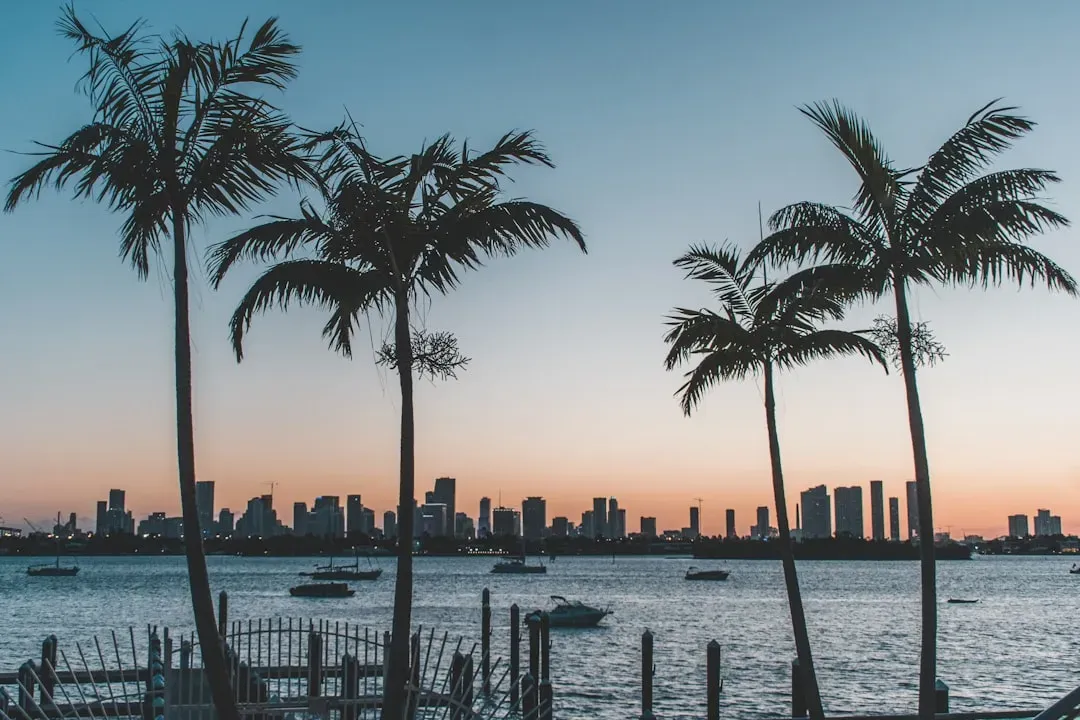
Miami’s exposure isn’t subtle. Federal Reserve researchers mapping the city found that the gradual rise in water levels expands inland from Biscayne Bay, affecting extensive low-lying residential areas. National Geographic’s education materials go further, showing projected flooding across South Florida’s largest metro area through the middle and end of the century using maps that depict projected sea level rise in Miami, Florida, in 2030, 2060, and 2100.
None of that has slowed the money flowing into neighborhoods like Brickell and Wynwood. Market analysts heading into 2026 note that Miami continues to attract global capital, its luxury property demand remains resilient, and areas like Brickell and Wynwood boast strong rental markets. The same analysis is upfront about the tradeoffs involved, cautioning that entry prices are high, and insurance costs can be significant, but the potential for robust, long-term appreciation is undeniable for those who can afford it.
3. Cape Coral, Florida
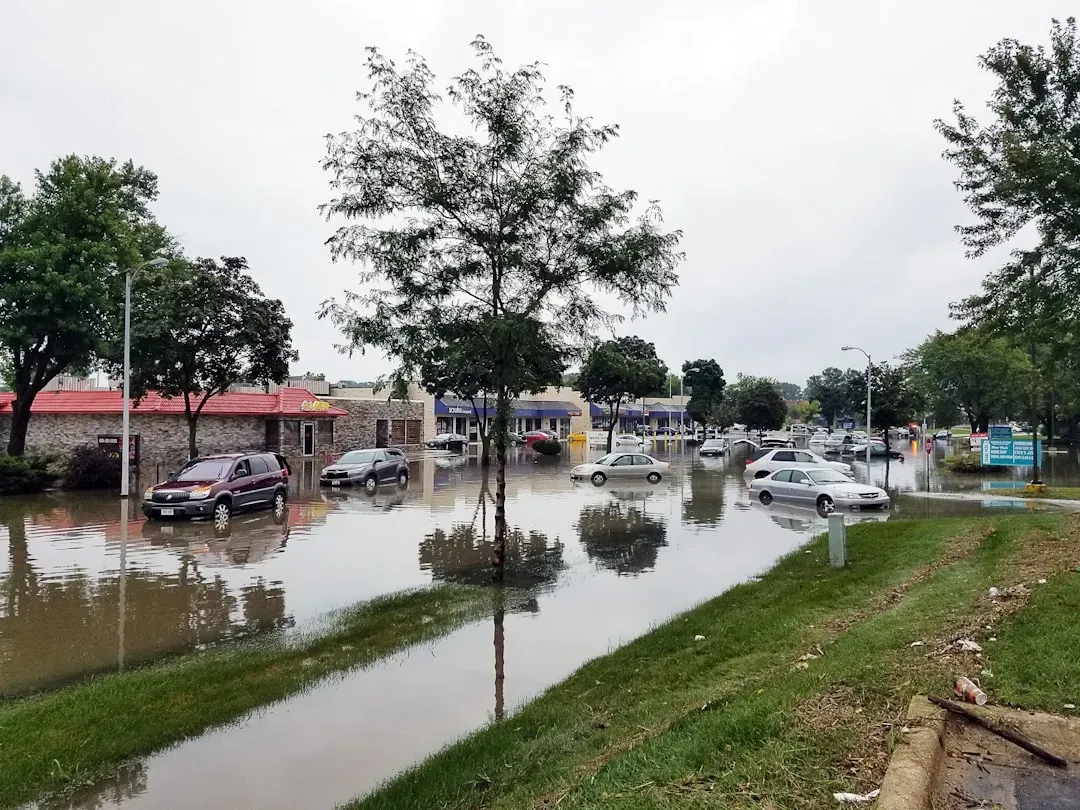
Cape Coral is almost a cautionary tale and an investment darling at the same time. TIME’s reporting on climate-proof planning notes that the town was sold by its developers as a “Waterfront Wonderland,” but severe planning failures have made it one of the most flood-vulnerable towns in the U.S., adding that it suffered extensive damage during Ian. Those are not small warnings coming from a national publication tracking climate resilience.
Yet heading into 2026, real estate coverage still frames Cape Coral as a market worth watching closely. One analysis calls it a perennial favorite, and for 2026, it continues to shine, especially for those eyeing both cash flow from rentals and the appeal of short-term vacation rentals. The same report points to practical numbers behind that optimism, noting Cape Coral is often a buyer’s market, meaning there’s a good amount of inventory to choose from… The median sale price is around $345,000… With homes moving to pending status in about 65 days, the market is active.
4. Myrtle Beach, South Carolina
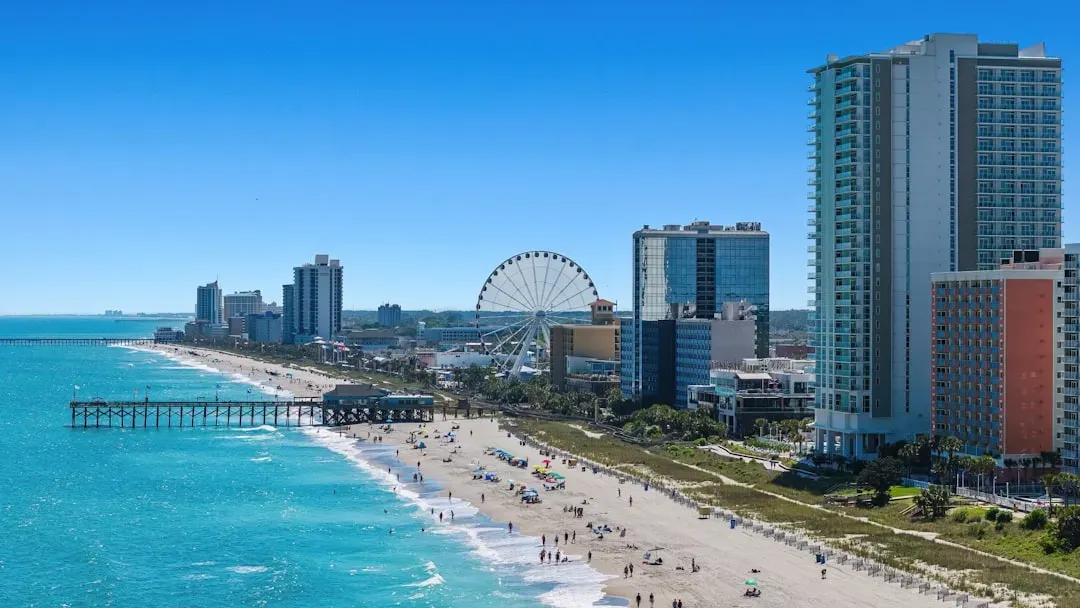
Myrtle Beach doesn’t get the glamour headlines that Miami or Charleston do, but it keeps showing up on investor shortlists for a simple reason: price. Industry research on beach property investment describes it plainly, noting that Myrtle Beach is the most affordable beach house market on this list, and its vibrant tourism industry makes it a consistent performer. That combination of low entry cost and steady visitor traffic is rare along the East Coast.
Regulatory stability has helped too. The same research notes that direct flights have expanded in 2025, and proposed short-term rental caps were shelved after successful lobbying, which removed a major source of investor anxiety. More broadly, analysts observe that climate, insurance costs, and drive-to accessibility are shaping investor decisions, pushing demand toward resilient, car-accessible coastal markets, and Myrtle Beach checks nearly every one of those boxes.
5. Gulf Shores, Alabama
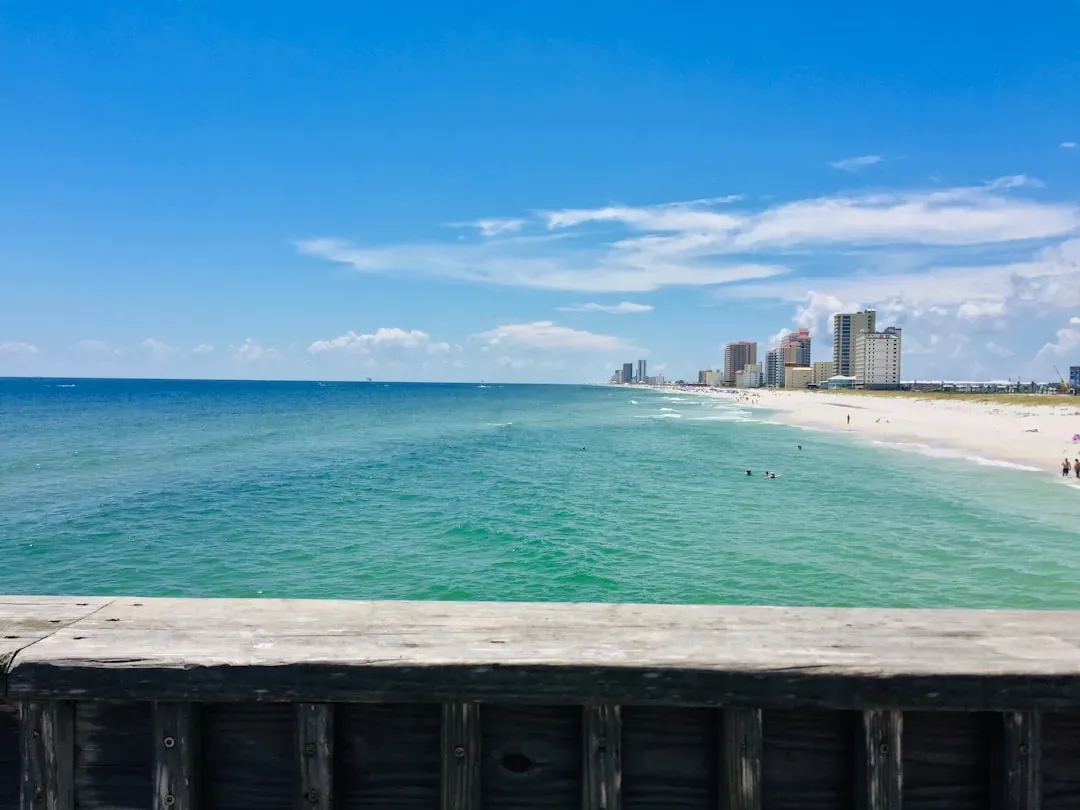
Gulf Shores has quietly built a reputation as one of the more dependable Gulf Coast markets for buy-and-hold investors. Recent industry analysis describes how the vibrant coastal town draws a steady influx of tourists year-round thanks to its warm climate, family-friendly beaches and reputation as a top-tier vacation destination in the Gulf region. Local infrastructure investment has reinforced that appeal, with the same report noting that the revamped Gulf State Park conference center also helps boost off-season bookings.
What keeps investors coming back isn’t just the scenery. The same analysis credits Gulf Shores with a perfect blend of affordability, steady rental income and clear zoning regulations, concluding that for investors seeking vacation rental properties with high yields and lower risk, Gulf Shores is a prime location. That kind of regulatory predictability matters more than people might assume when insurance markets are shifting so fast elsewhere.
6. Portsmouth, New Hampshire
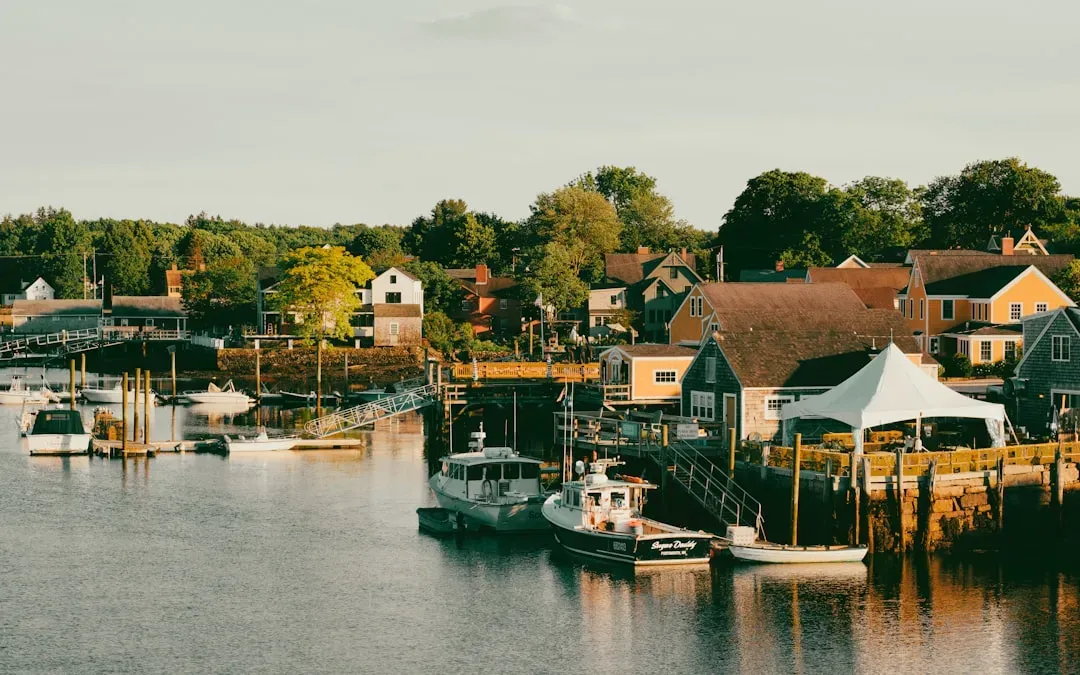
Portsmouth represents a different strategy entirely: get ahead of the water instead of gambling on it staying away. A recent resilience report on climate-safe housing markets notes that coastal climate-resilient cities like Portsmouth invest in infrastructure to help prepare for potential sea-level rise, distinguishing it from towns that are simply hoping for the best. New Hampshire’s broader climate posture backs that up, with state policy explicitly targeting key sectors like transportation and residential buildings to strengthen long-term climate resilience across the state.
The state’s geography helps as well. New Hampshire benefits from being one of the most forested in the country, with 82% of land covered in woods, which offers natural protection against extreme heat, and its insurance market reflects a comparatively lower-risk profile than the Gulf or South Atlantic coast. For investors thinking in decades rather than seasons, Portsmouth’s mix of proactive infrastructure spending and modest coastal exposure has made it a quiet favorite among buyers who read the flood maps before they read the listing photos.

- Crows Remembering Human Faces for Decades – 6 Bird Behaviors Far Smarter Than We Knew - November 15, 2026
- 8 Things Astronauts Do on Their First Day in Orbit That Rookies Find Strange - November 15, 2026
- 11 Everyday Routines That Are Completely Normal on the Space Station but Baffle Everyone on Earth - November 15, 2026
