
- Phantom Energy Sucking Power 24/7 – 7 Home Electronics Quietly Inflating Utility Bills - November 14, 2026
- A Million-Mile Storm Raging for Centuries – 6 Violent Weather Wonders in Our System - November 14, 2026
- Animals Flee Hours Before the Tremor – 7 Natural Warnings Before Disasters Strike - November 14, 2026
1. The insurance gap that hasn’t closed yet
Insurance is one of the first places EV owners get a real surprise. EVs average $3,159 a year to insure versus $2,218 for gas cars in 2026, according to Insurify’s data drawn from its network of insurance partners, a gap of 42% across all model years on the road. That gap narrows when you compare like with like.
Comparing only 2024 and newer models, Insurify found EVs cost 18% more to insure than similarly new gas cars, a difference of about $501 a year. The reason isn’t that EV drivers crash more often. Higher repair costs, proprietary parts, a smaller certified repair network, and higher vehicle replacement values drive the difference, not higher accident rates. Choosing a mainstream model over a luxury badge makes a real difference here too, since a Hyundai Ioniq 5 or Chevrolet Silverado EV insures far closer to gas-car pricing than a Tesla or Audi e-tron, for reasons tied to replacement value and repair networks.
2. What it actually costs to charge at home
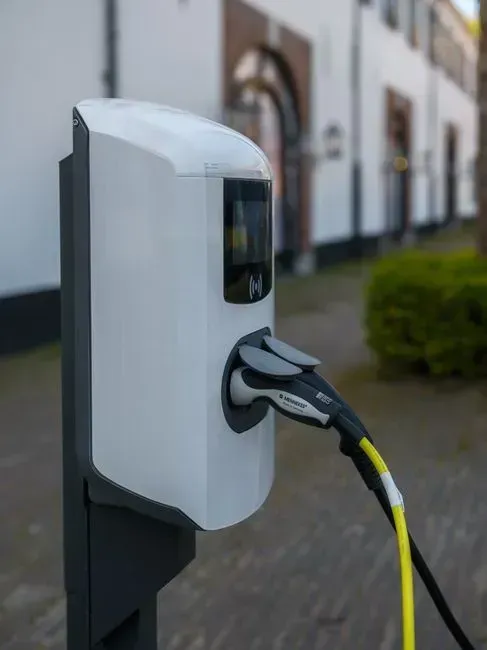
Everyone budgets for the car. Fewer people budget for the wiring behind it. The typical cost to install an EV charger ranges from $800 to $3,000, depending on your home’s electrical setup, based on data from Qmerit, the nation’s largest EV charger installation network. That range depends heavily on one factor most buyers never think to check before they sign a purchase agreement.
The charger’s distance from your home’s electrical panel is generally the biggest cost factor, the closer the charger to the panel, the lower the installation cost. Older homes complicate things further. Roughly 45% of installations require panel upgrades, which can add $1,500 to $3,000 if not planned for initially. Add permitting, which varies widely by state, from $45 to $720, with an average cost of $297 as of 2026, and the “just plug it in” fantasy starts looking more like a home renovation line item.
3. The tax credit that quietly disappeared
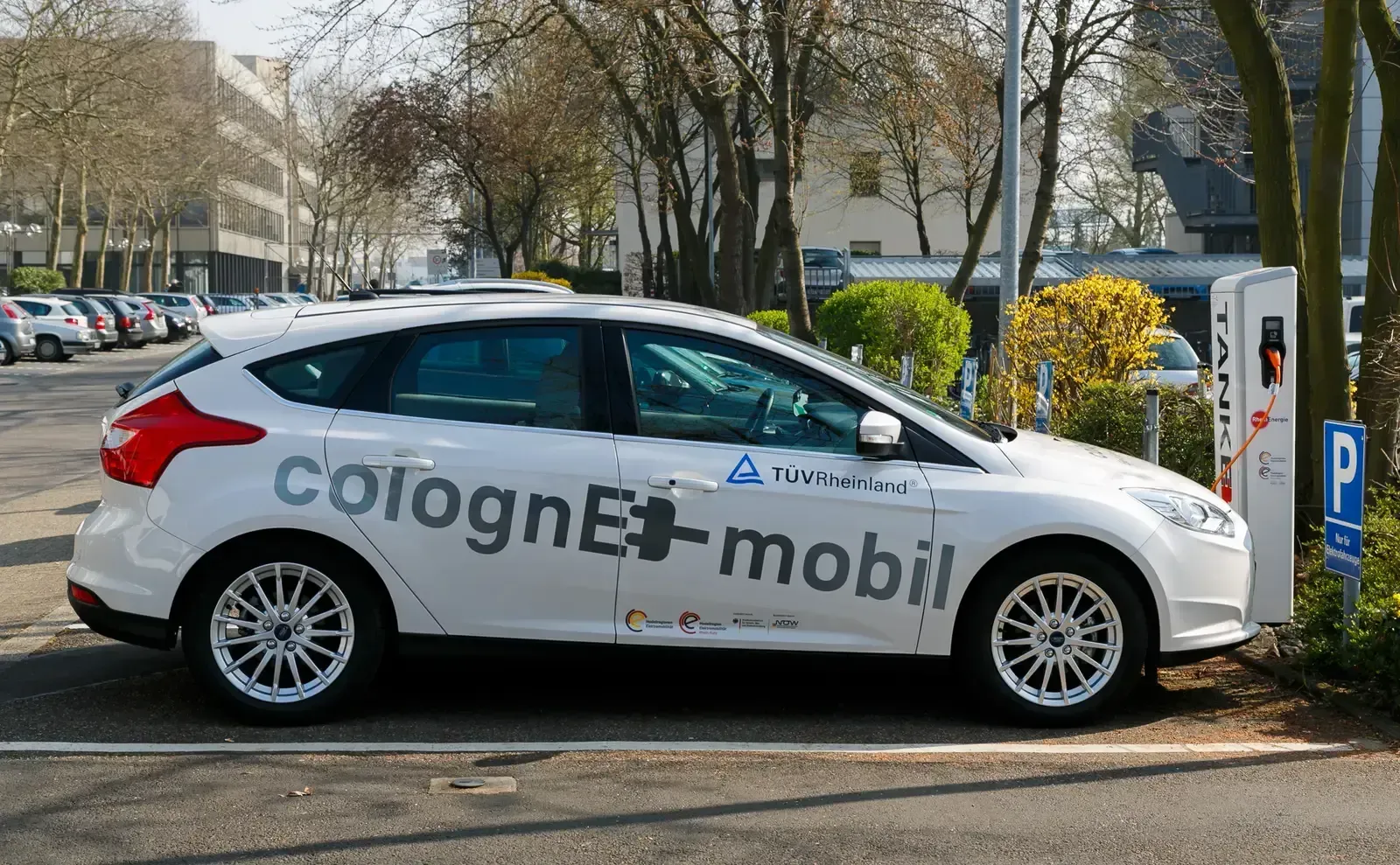
For years, federal incentives softened the blow of a higher EV sticker price. That cushion is now gone for most new buyers. The $7,500 federal credit for new EVs (Section 30D) and the $4,000 credit for used EVs (Section 25E) ended for vehicles acquired after September 30, 2025, per the IRS, following the One Big Beautiful Bill Act.
That timing matters more than it might seem. A 2026 EV purchase carries no federal purchase credit to offset the sticker price, while insurance still runs higher than a comparable gas car, though state and utility incentives may still apply and are worth checking before you buy. Buyers who assumed the credit would simply reduce their purchase price by thousands of dollars, as it did for much of the early 2020s, need to rework that math from scratch.
4. Tires that wear out faster than anyone expects

Nobody mentions tires during the test drive, yet they’re one of the more predictable recurring costs of EV ownership. Between the weight, torque, and lack of coasting, tires on an EV wear 20 to 30% faster than they would on a conventional car, according to Bridgestone’s chief engineer for consumer replacement tires. The physics is straightforward: heavier batteries plus instant torque equals more stress on rubber.
In practical terms, that means budgeting sooner than you’d think. For many mainstream EVs, you might budget for a full set of tires every 30,000 to 40,000 miles at roughly $900 to $1,600 installed, depending on size and brand. Some owners notice the difference even sooner than that. In the real world, owners of heavier, torquier EVs often discover their first set of tires needs replacement sooner, sometimes around the 25,000 to 30,000 mile mark.
5. The battery replacement number nobody wants to say out loud

Most EV batteries will outlast the car’s typical ownership window, and manufacturer warranties generally cover them for eight years or more. Still, buyers considering an older or out-of-warranty EV deserve to know the real number behind a worst-case scenario. MotorTrend reports that a 75-kWh Tesla battery pack costs $5,999 while a 100-kWh pack costs as much as $15,500.
That number matters beyond just the replacement bill itself, because it shapes how insurers treat accidents too. In most EVs, the traction battery is the single most valuable component, often representing 30 to 40% of the vehicle’s value. Even a fender bender near the battery enclosure can trigger a costly inspection rather than a simple bumper swap, which is part of why insurance premiums and total-loss risk both climb once a pack is involved.
Weighing the numbers against the savings