

- The Planet Where It Rains Liquid Glass – 7 Alien Worlds Defying Known Physics - November 14, 2026
- Stars Consuming Entire Worlds – 6 Planetary Systems Swallowing Their Own Worlds - November 14, 2026
- The Ground Liquefies Like Water – 6 Silent Fault Lines Geologists Watch Closely - November 14, 2026
Why homeowners insurance was never built for flood damage
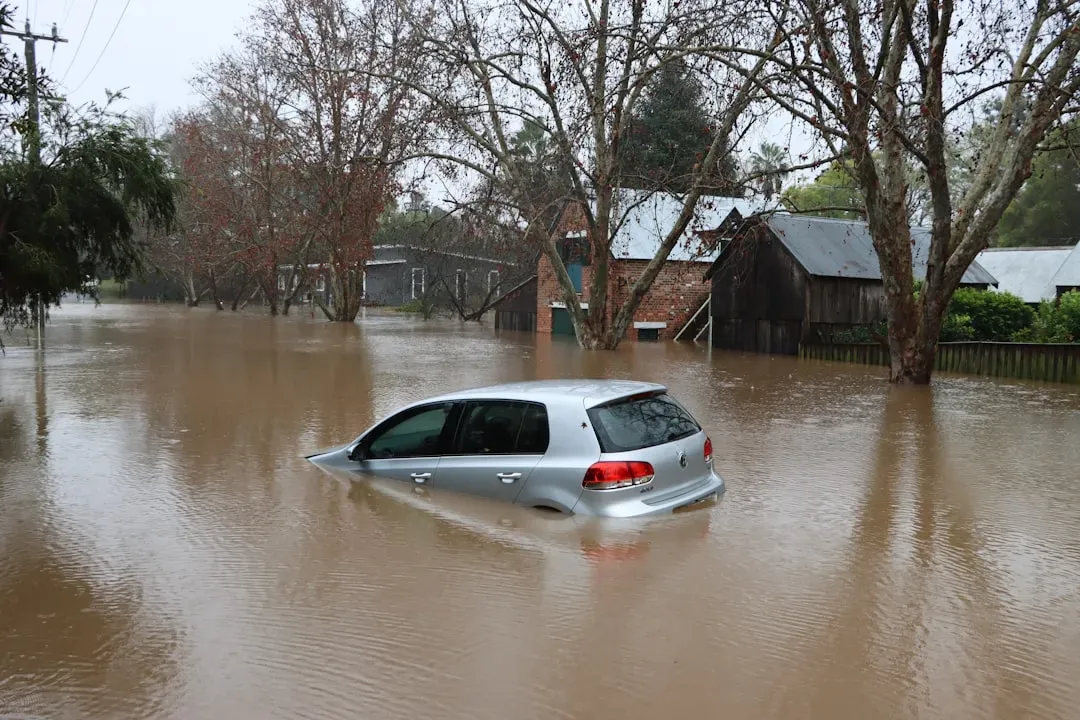
Standard homeowners insurance was designed around fire, wind, theft, and certain sudden water events like a burst pipe. Flooding was deliberately carved out of that model decades ago, which is why most homeowners and renters insurance does not cover flood damage. This isn’t a loophole or an oversight by any single insurer. It’s a structural feature of how the entire industry prices risk.
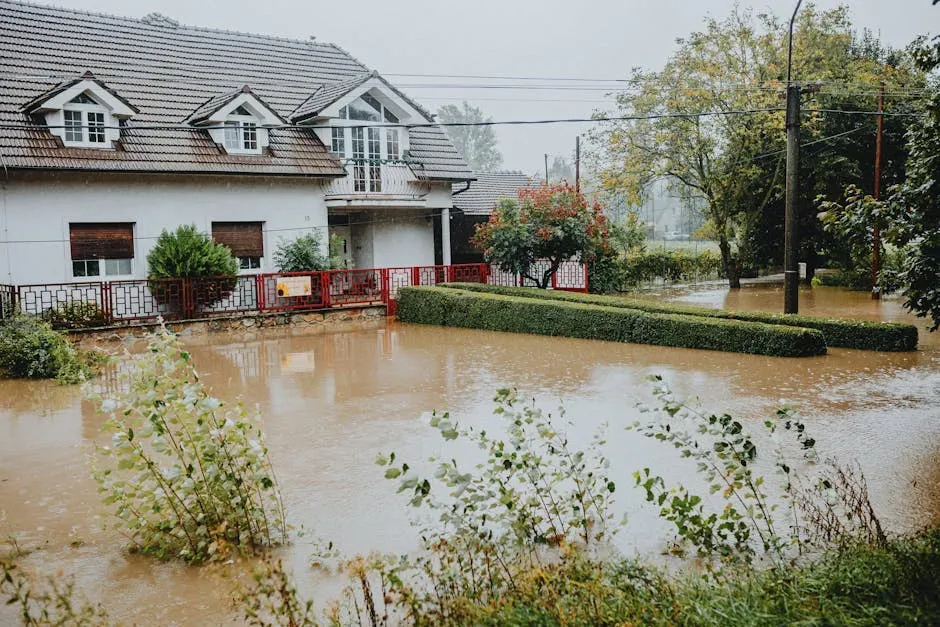
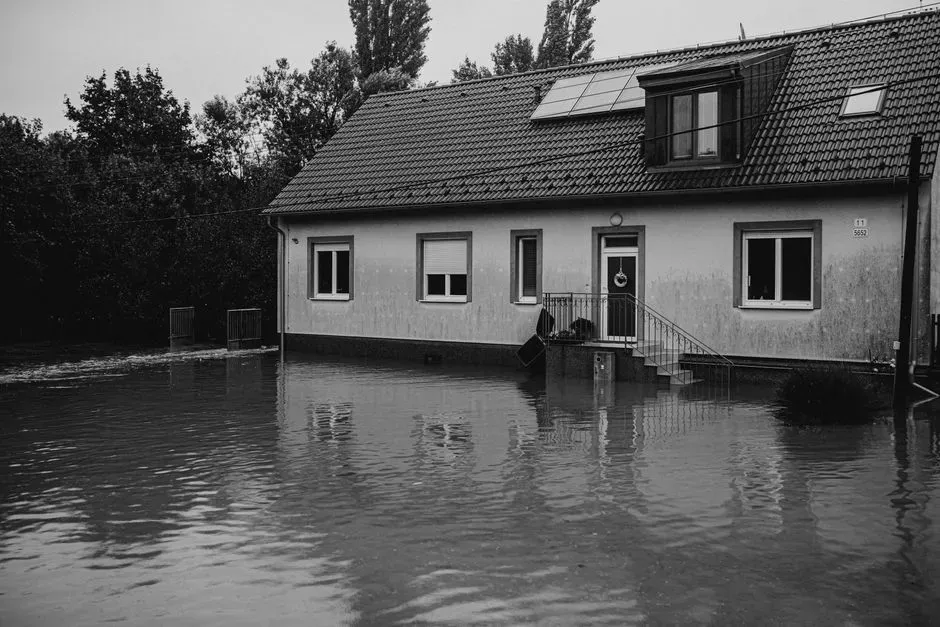
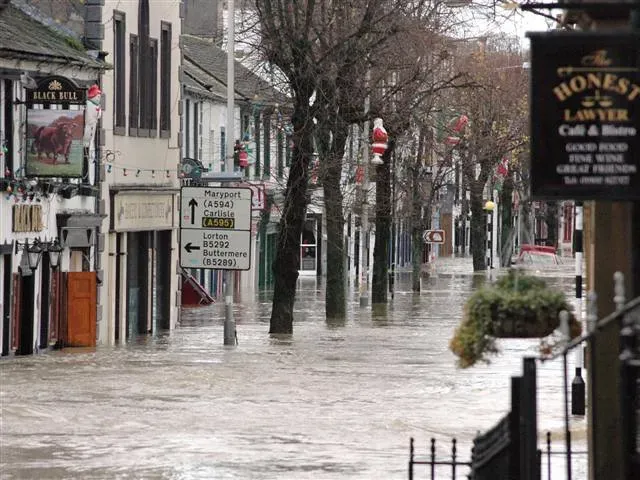
The distinction insurers draw is between water that comes from inside a home versus water that comes from outside it. A pipe bursting under your sink is typically covered. Water rising from a swollen creek, a storm surge, or rainfall pooling around your foundation and seeping into a basement is a different category entirely, and homeowners insurance policies do not cover flood damage caused by external water sources like heavy rain, overflowing rivers or any body of water, or storm surges in any of the flood zone designated areas.
The coverage gap is far larger than most people realize
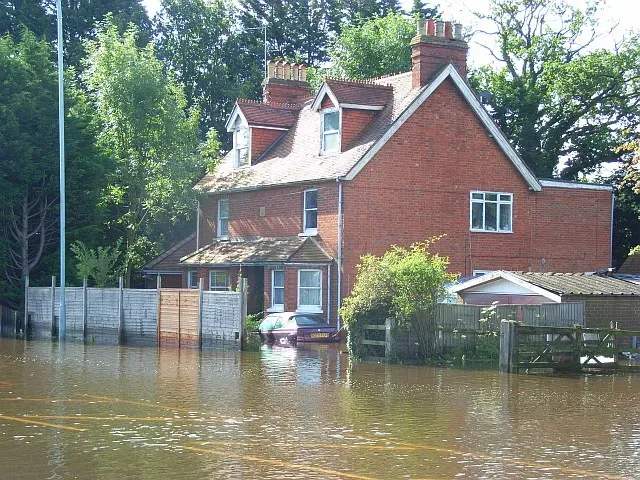
The numbers here are almost startling once you see them laid out. Despite flooding being described as involved in the vast majority of natural disasters, flooding is the most common and costly natural disaster in the U.S., involved in 90% of natural disasters, yet only about 4% of U.S. homeowners carry flood insurance. Some industry estimates push that gap even wider, with regulators noting that it is estimated that between 85% and 95% of homeowners do not have flood insurance.
That mismatch between risk and coverage doesn’t resolve itself quietly. It shows up loudly after every major flood event, when homeowners discover the gap in real time. Industry observers have described this exact pattern repeatedly, noting that many properties that should have flood coverage do not, a problem that tends to surface only when it’s already too late to fix cheaply.
Flood risk isn’t confined to the zones people assume
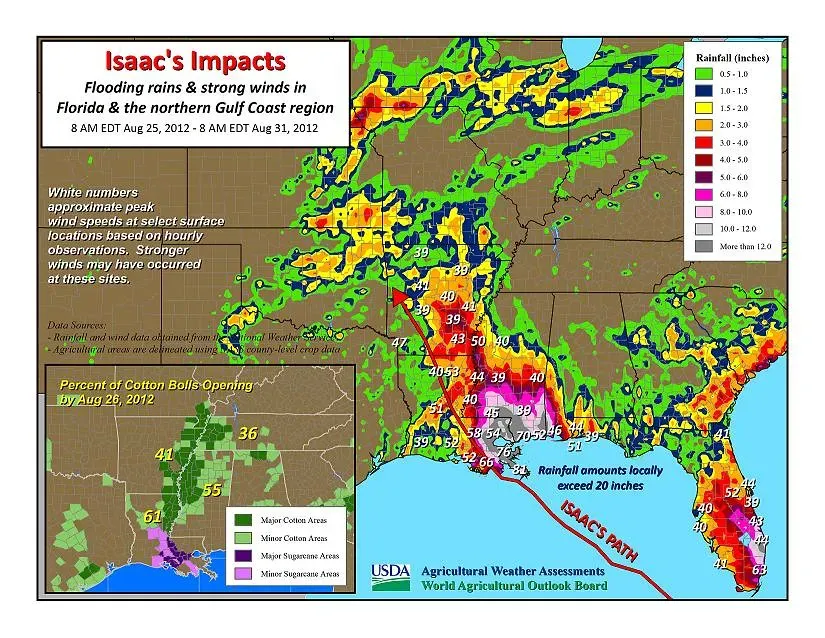
One of the most persistent parts of the myth is geographic. People in coastal towns or river valleys tend to assume they’re at risk, while everyone else assumes they’re not. That assumption doesn’t hold up against the claims data, since almost one-third of NFIP flood insurance claims come from OUTSIDE high-risk flood areas.
Other analyses push that figure even higher depending on the year and region examined. Some flood-focused research groups have found that 29–40% of NFIP claims come from outside designated high-risk zones. Poor drainage, rapid development that removes natural absorption, and increasingly intense storm patterns all mean flood risk is far more diffuse than the official maps suggest.
The maps homeowners rely on are already out of date
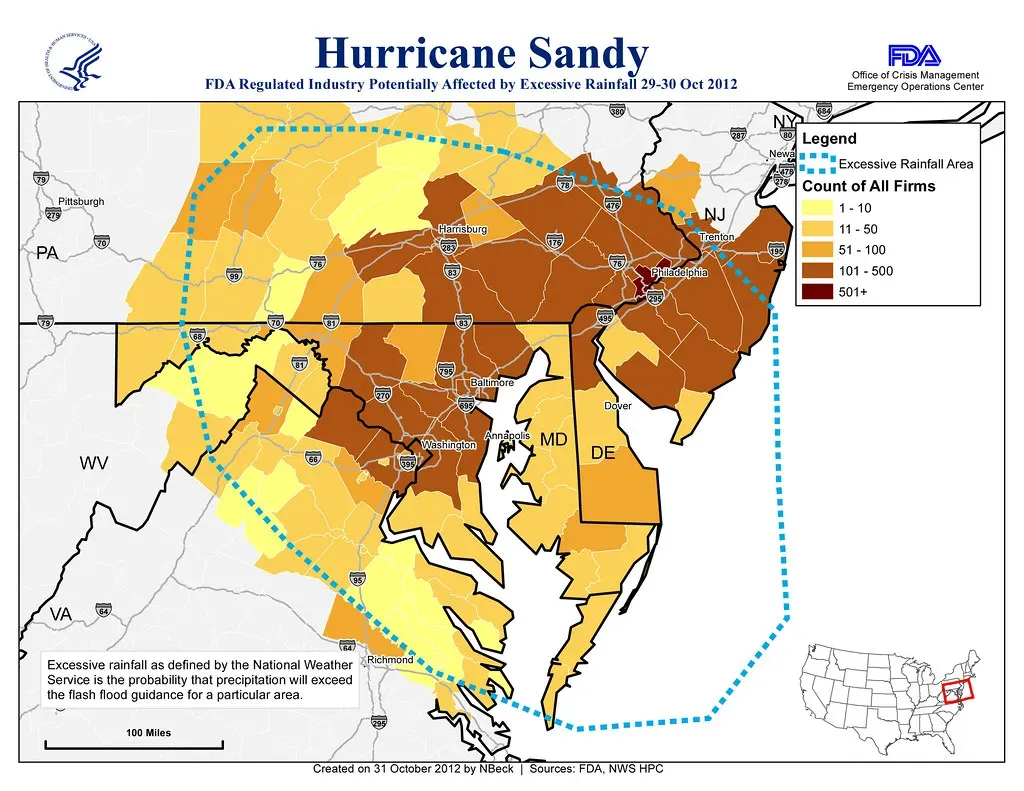
FEMA’s flood maps are the backbone of the entire system, determining who’s legally required to buy flood insurance and who isn’t. The problem is that those maps were never designed to capture the pace of change happening now. Independent flood modeling groups have argued that FEMA’s flood maps undercount real risk by up to 67%, a gap wide enough to leave entire neighborhoods unaware of their true exposure.
The scale of the disagreement between official estimates and independent modeling is striking on its own. Where FEMA says 8.7M properties are at risk, First Street Foundation says 14.6M, a difference attributed to methodology limits and, some argue, political pressure on how maps get updated. Inland cities have felt this shift acutely, with risk modeling groups pointing to explosive growth in exposure for Baltimore (+614%), Detroit (+525%), and Dallas (+456%), places most residents would never have associated with flood danger a decade ago.
Recent disasters have made the gap impossible to ignore
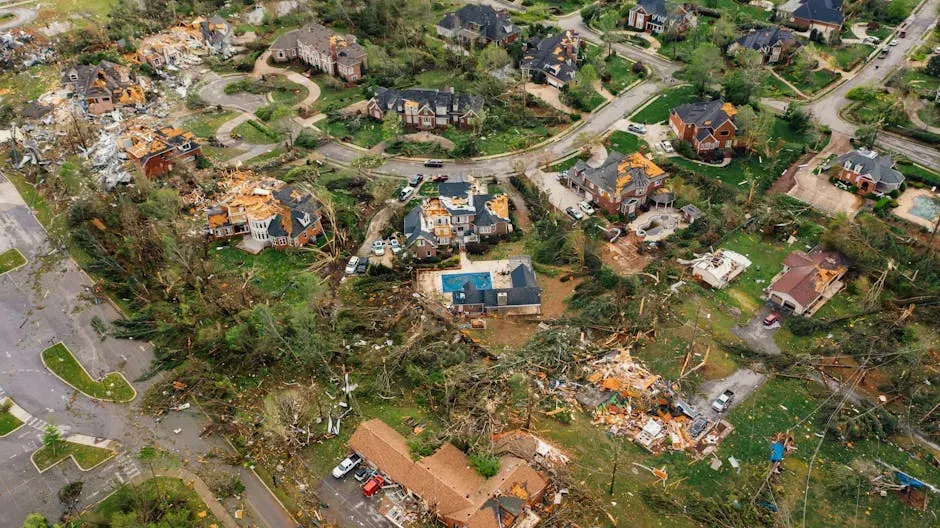
Abstract statistics are one thing. Actual disasters are another, and 2024 and 2025 delivered several reminders of just how expensive this myth can become. When Hurricane Helene tore through the southeast in late 2024, thousands of homeowners discovered their policies didn’t cover the damage, and the storm caused billions in losses, with the majority uninsured.
The financial scale of that single storm is sobering on its own. Analysts noted that Hurricane Helene caused overall losses of $89 billion, with insured losses estimated at $23 billion, meaning most of the damage landed directly on homeowners and public assistance programs rather than insurers. The pattern repeated again in July 2025, when central Texas flooding caused an estimated $18 billion to $22 billion in economic damage, with NFIP take-up estimated at or below 5% in the affected regions.
Even “safe” areas are seeing unprecedented flood activity
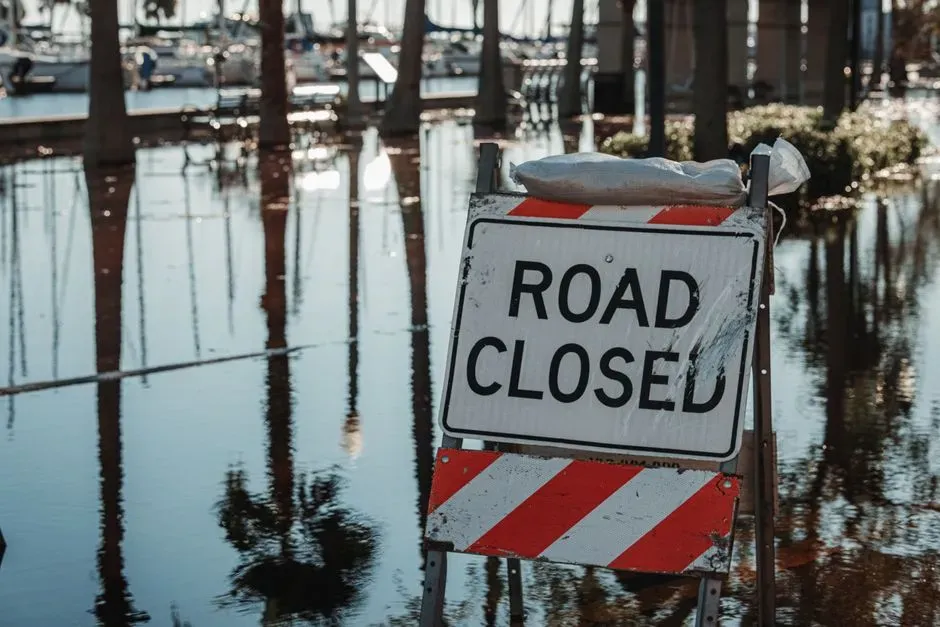
2025 wasn’t a fluke year for flooding, and the data backs that up in a way that’s hard to dismiss. According to industry catastrophe analysts, the National Weather Service issued more flood warnings than in any other year dating back to 1986, with flood-driven events accounting for roughly $100 billion or more in US economic losses in 2025.
That volume of warnings signals something beyond isolated bad luck. Storms are behaving differently than the historical baseline most flood maps and insurance models were built around, and researchers tracking this shift describe conditions where storms are wetter, slower, and more destructive. Slower storms sit over regions longer, dumping more total rainfall on areas that weren’t engineered to drain it quickly.
Rising premiums are pushing people to drop coverage entirely
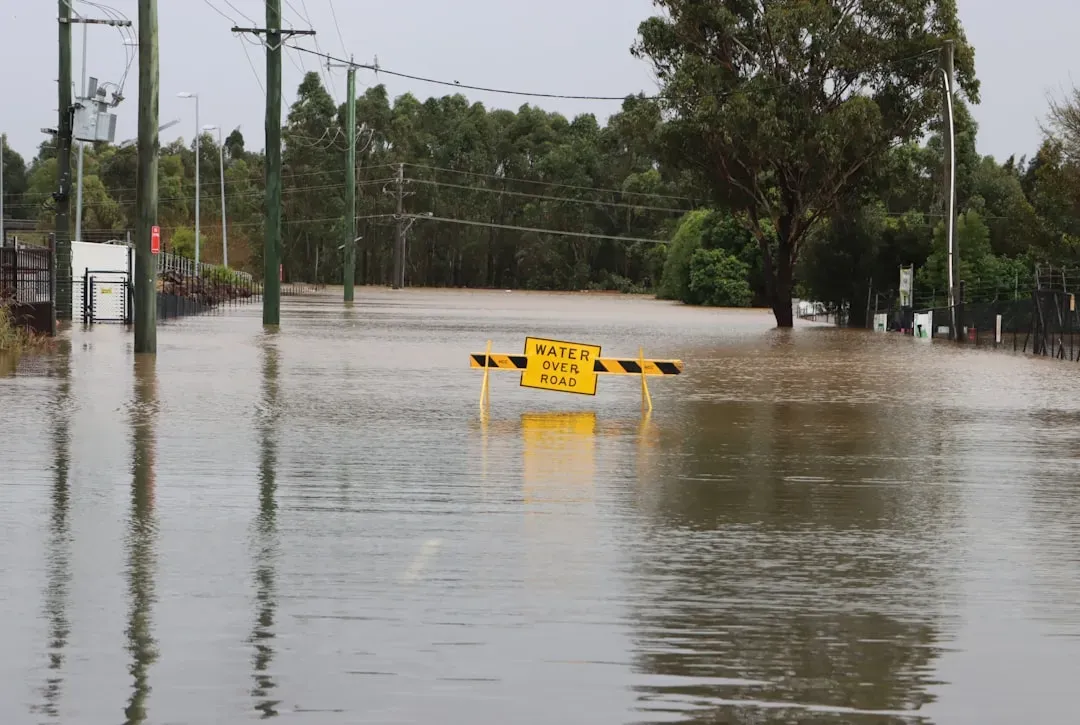
Even homeowners who understand the risk and try to buy flood insurance are running into a second problem: affordability. Since FEMA rolled out its Risk Rating 2.0 pricing model, premiums have climbed sharply across the board, and lawmakers reviewing the program’s data have found that flood insurance premiums have increased in every state, and FEMA estimates that approximately 77 percent of policyholders now pay more than they would have under the prior system.
In some of the hardest-hit states, the increases haven’t just been noticeable, they’ve been prohibitive. Congressional correspondence on the issue noted that in Louisiana and other flood-prone states, premium increases of well over 100 percent have forced tens of thousands of homeowners to drop coverage. That creates a troubling cycle, since a shrinking pool of policyholders means the remaining risk gets more concentrated, which then pushes rates even higher for everyone left in the system.
The NFIP’s own stability has become part of the problem
Beyond pricing, there’s a more basic issue that surfaced in 2025 and rippled into 2026: whether the federal flood program can even stay open without interruption. During the government shutdown that year, the NFIP, which provides flood coverage for nearly 5 million properties across the United States, officially lapsed, and as of midnight on September 30, FEMA could no longer issue new or renew existing flood insurance policies.
That lapse landed hardest in states with the heaviest concentration of policies. Florida alone accounted for a huge share of exposure, since 1.8 million people hold NFIP policies there, more than any other state, and any gap in issuance during hurricane season put real properties at real risk. The program was eventually patched back into operation, with reports confirming that the National Flood Insurance Program has been reauthorized until the end of January 2026, temporarily extended through HR 5371 after the 43-day federal government shutdown, though the underlying instability hasn’t gone away.
Coverage limits often fall short of actual rebuilding costs

Buying a policy is only half the equation. The other half is whether that policy’s limits actually match what it costs to rebuild in 2026, and for a lot of homeowners, they don’t. Standard NFIP policies cap out at levels that haven’t kept pace with construction inflation, since building policies cover up to $250,000 of flood damage and contents policies cover up to $100,000 of flood damage for belongings kept inside your home.
In higher-cost markets, that $250,000 ceiling can fall well short of what it actually takes to rebuild a home from the studs up. Insurance analysts have flagged this exact issue heading into 2026, warning that even when flood insurance is in place, coverage limits may not reflect current rebuilding costs, and pointing directly to how construction materials, labor rates, and other inputs have simply outpaced NFIP’s coverage caps.
Private insurers are stepping into the gap, unevenly
As NFIP has wobbled through reauthorization fights and premium backlash, private flood insurers have quietly expanded their footprint. That growth has been real, though it’s still a small slice of the overall market. Recent market data shows the private flood insurance market expanding, with roughly 569,000 residential policies in place as of 2024, almost double the number from 2020.
Private policies can offer higher limits and faster claims handling than NFIP in some cases, which is appealing to homeowners in higher-value properties. But they’re not universally available, and pricing varies enormously by region and insurer appetite. Analysts tracking this shift describe a market where private flood insurance is also profitable for insurers, with loss ratios typically below 50 percent, which is drawing more competition into areas NFIP alone used to cover almost by default.
Closing the Gap Between Assumption and Reality
The core problem isn’t complicated, even if the insurance language around it often is. Homeowners insurance was never designed to absorb flood losses, and no amount of premium payment on a standard policy changes that fact. The only real fix is a separate flood policy, purchased before water is already in the living room, not after.
What’s changed in 2026 isn’t the basic rule so much as the stakes around ignoring it. Storms are wetter, maps are lagging behind real risk, and premiums are climbing at the same time federal reauthorization keeps getting decided in short-term political deals rather than long-term fixes. For homeowners sitting just outside a marked flood zone, or inside one and assuming their existing policy has them covered, this is the year to actually check the fine print rather than take it on faith.
