

The question isn’t “is it at risk,” it’s “will it stay insurable”

Buyers have gotten reasonably good at asking about flood zones or wildfire history. What they rarely ask is a more uncomfortable version of that question: will a private insurer still write a policy on this house five or ten years from now, and at what price. That distinction matters because a home can look perfectly fine on paper while sitting in a market insurers are quietly retreating from.
American consumers are increasingly exposed to climate-related risks in the housing market, including from high immediate insurance costs that often do not become apparent until late in the home-buying process, and the problem can be even more severe in the later years of a thirty-year mortgage as climate risks increase and homeowners face sharply rising premiums or reduced availability of coverage, which disadvantages buyers already navigating an affordability crisis. The mortgage you sign at closing isn’t the same financial commitment you’ll be making in year fifteen.
The flood zone on the listing page isn’t the full story
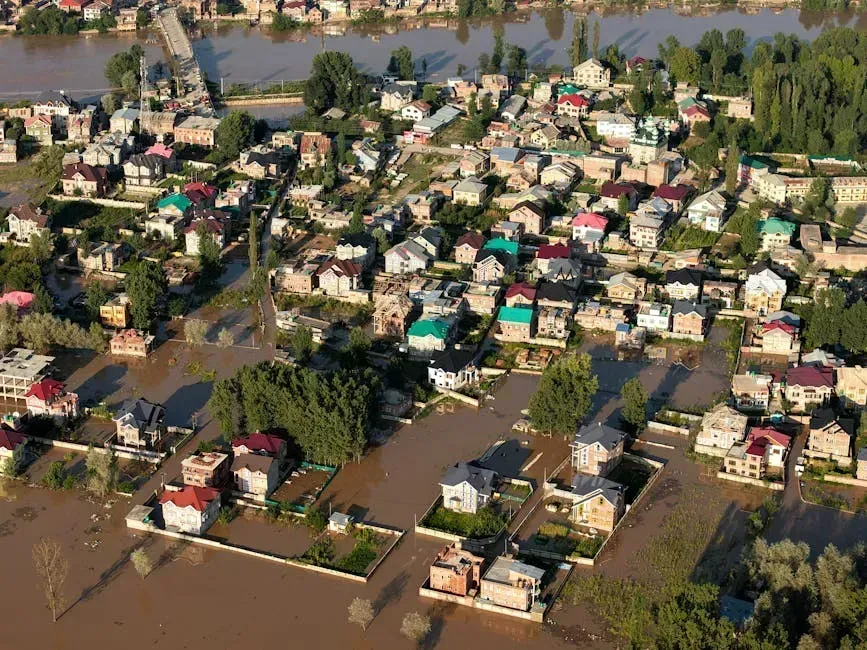
Plenty of buyers check whether a property sits in a FEMA flood zone and move on, satisfied. That’s a mistake, because the maps themselves have not kept pace with reality. Official maps identify 7.9 million properties as high-risk, but research from the First Street Foundation shows the real number is more than double at 17.7 million, meaning nearly 10 million high-risk properties fall outside official maps and bypass critical insurance and building requirements.
The mapping backlog is part of the problem. Neptune Research Group found that 84% of FEMA flood maps are outdated, with 6% dating back to the 1970s and 1980s, and that 40% of the continental United States remains unmapped, while 30% of National Flood Insurance Program claims over the past decade came from properties outside FEMA-designated high-risk zones. A clean flood zone designation tells you what the map says, not necessarily what the water will do.
Insurers are already voting with their feet
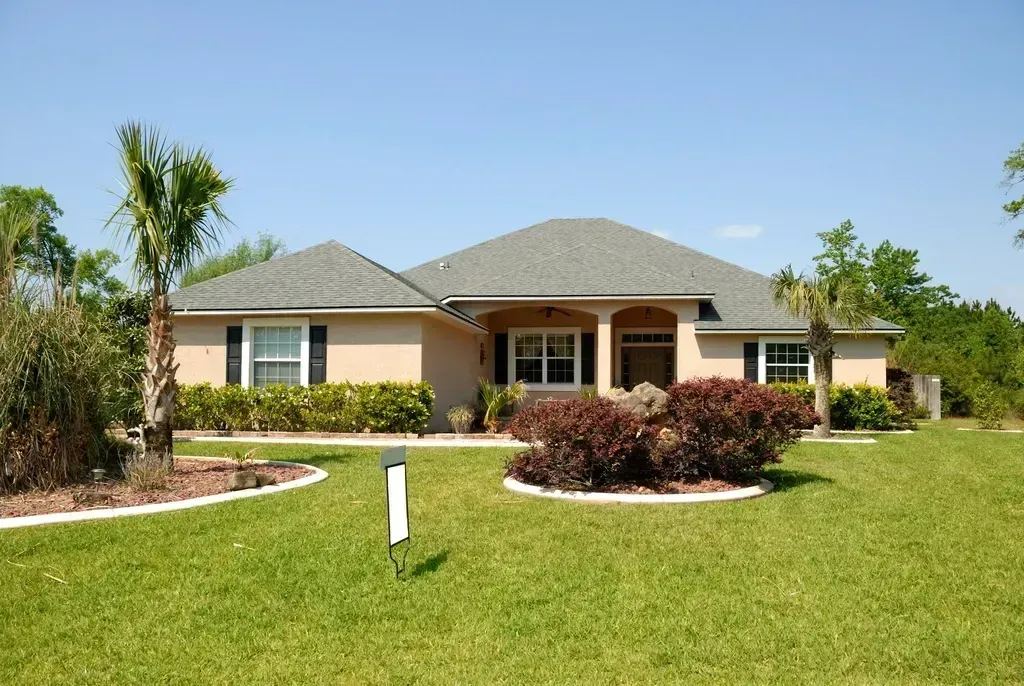
Before you fall for a house, it helps to know whether major insurers are still active in that zip code. Across several states, they increasingly are not. After major providers quit California, Florida, and Louisiana, insurers have started pulling back in other states, leaving homeowners struggling to find affordable cover for flood, wildfire, or hurricane risk, with retreats now hitting hurricane-prone North Carolina and western states like Oregon, Colorado, and Arizona.
Florida offers a useful preview of what this looks like on the ground. AAA has pulled back from renewing some auto and home insurance policies in Florida, joining a growing list of insurers dialing back their presence in the state, a sign that extreme weather linked to climate change is destabilizing the market. If a similar pattern shows up in the area you’re considering, it’s worth treating as a warning sign rather than background noise.
A non-renewal letter can cost you before you ever sell
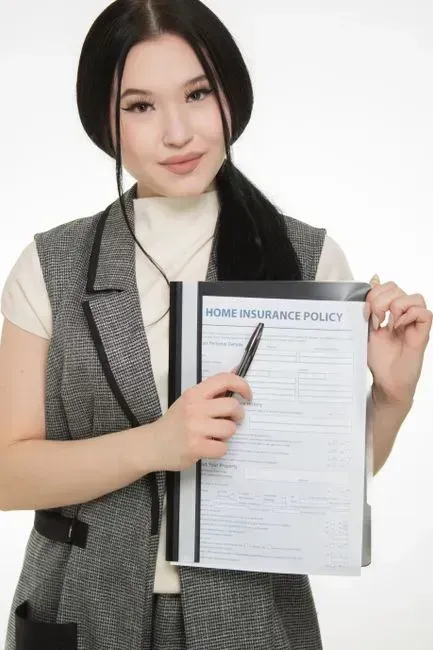
Here’s a detail that rarely comes up during a walkthrough: losing your private insurance policy can dent your home’s value immediately, not just your peace of mind. First Street Foundation’s research in California found that the moment an individual gets a non-renewal letter from the private insurance market, they essentially lose 12% of their property value.
That’s a striking number for something that has nothing to do with the condition of the house itself. It also means the risk isn’t purely theoretical or far off in the future. It can show up as a line item on an appraisal the same year the letter arrives, long before any actual storm or fire touches the property.
The math changes over the life of the loan, not just at closing

A thirty-year fixed mortgage has always been sold on the promise of predictability. That promise is fraying. For existing homeowners with mortgages, expenses are climbing each year due to the rapid rise in home insurance prices, and while the 30-year fixed-rate mortgage system has traditionally provided stable and predictable payments, that stability has now been undermined as surging premiums make payments increasingly less affordable and unpredictable.
This is exactly why the insurability question matters more than the sale price. A recent survey of home buyers and sellers found that nearly half of respondents encountered issues with home insurance, while 21 percent reported that a transaction fell through, and the problem is even more severe in high-risk states such as Louisiana, where 30 to 40 percent of mortgage loans fail because of high home insurance costs. A dream house that can’t get insured, or can’t get insured affordably, isn’t really available at the listed price.
Disclosure laws are tightening, but unevenly across states
Sellers are being asked to reveal more than they used to, though the rules still vary quite a bit depending on where you’re buying. Under California’s SB 382, effective January 1, 2026, sellers face tightened rules, and recent 2026 regulations have specifically targeted environmental risks like flood history and climate-related hazards. Other states are moving on the insurance side rather than the disclosure side of the equation.
Colorado’s 2025 bill, HB25-1182, requires insurance companies to be transparent about the models they use to calculate disaster risk, identify for the consumer what actions could reduce that risk, and factor both community and household mitigation measures into pricing and underwriting. That kind of transparency is spreading, but slowly. In 2026, at least 18 states have introduced legislation to reform insurance programs to be better prepared for disaster risk and enhance consumer protection. Until that patchwork evens out, the burden of asking the right questions still falls mostly on the buyer.
Risk scores are now sitting right on the listing page

The good news is that the information gap is closing, at least for buyers willing to look. Climate risk data has moved from niche research tools into mainstream real estate platforms. Zillow now provides climate risk data on for-sale property listings across the U.S., giving home shoppers insights into five key risks, flood, wildfire, wind, heat and air quality, directly from listing pages, complete with risk scores, interactive maps and insurance requirements.
Buyers are clearly starting to notice this information rather than skip past it. More than 80% of buyers now consider climate risks when purchasing a home, and this kind of feature helps them better assess long-term affordability and plan for the future. A risk score alone won’t tell you what your premium will be, but it’s a far better starting point than guessing.
Pull the claims history, not just the disclosure form
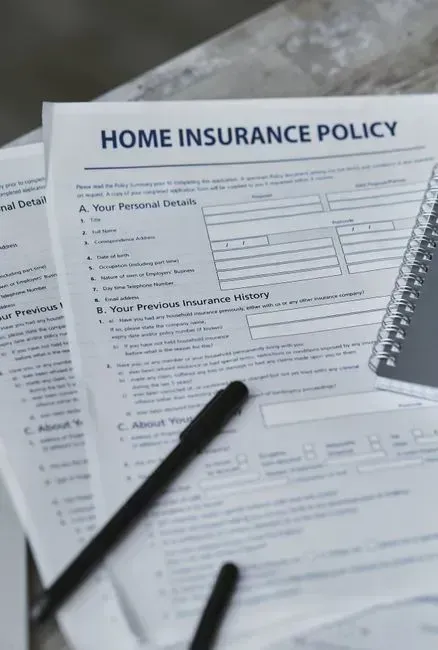
A seller’s disclosure form only tells you what the seller chose to write down. A CLUE report tells you what actually happened. Buyers can request a Comprehensive Loss Underwriting Exchange report, which lists seven years of insurance claims on a property, and since buyers will likely see this report anyway, sellers have an incentive to make sure their disclosure matches the insurance history.
This matters more than it might seem, since a home with a quiet-looking disclosure form can still carry a messy claims history underneath. If a property has filed multiple weather-related claims in recent years, that’s a far more reliable predictor of future insurance headaches than a seller’s memory or a real estate agent’s optimism. Ask for it before you go under contract, not after.
Prices in vulnerable areas haven’t fully caught up with the risk
Even where risk is disclosed, there’s reason to think it isn’t fully priced into what buyers are paying. Independent research keeps landing on the same conclusion. Sales prices of homes in places with disclosure requirements are generally lower than comparable homes in areas without such requirements, even though the required disclosures can provide incomplete information to home buyers.
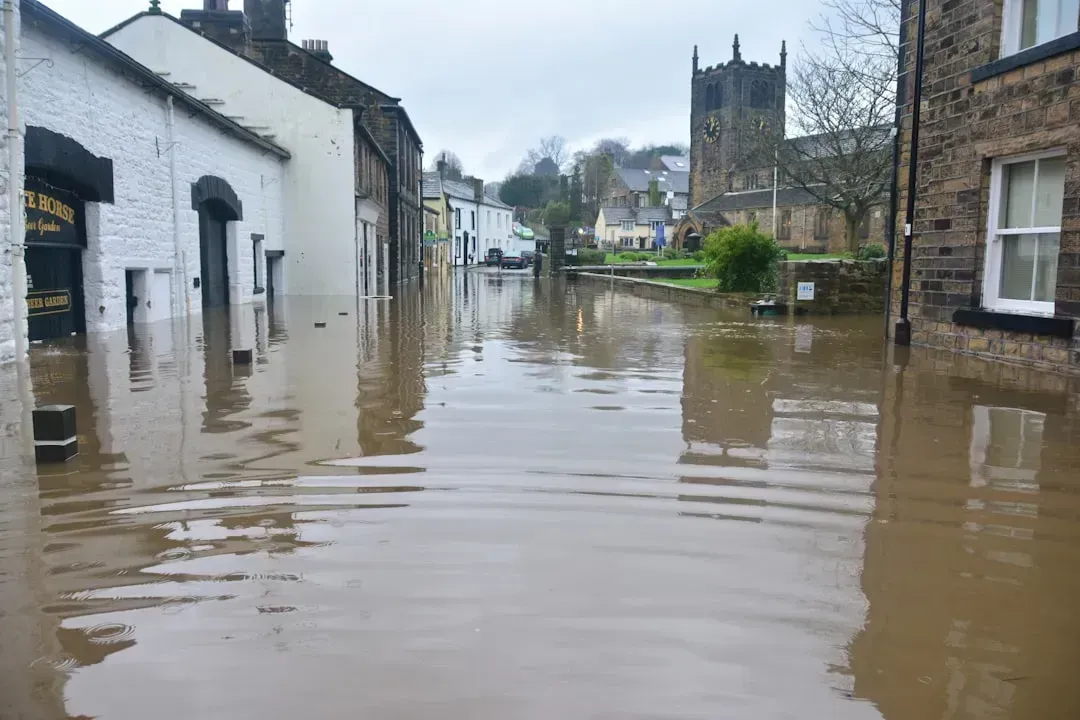
The gap between disclosed risk and actual risk shows up in dollar terms too. A Realtor.com Climate Risk Report found that 26% of U.S. homes are at severe or extreme risk, with flood risks particularly underestimated by the federal government, and nearly 6 million homes worth $3.4 trillion face severe flooding in the next 30 years, about 2 million more than FEMA estimates due to outdated flood maps. That’s a meaningful amount of value sitting on assumptions that may not hold.
A short list of questions worth asking before you sign

None of this means buyers need to become climate scientists before making an offer. It does mean adding a few specific questions to the usual checklist. Ask whether the seller’s current insurer plans to renew, ask for the CLUE report, and ask a local agent whether major carriers have recently pulled back from that zip code.
It’s also worth getting an actual insurance quote before waiving a financing contingency, not after. A house that looks affordable on the mortgage calculator can turn into something else entirely once a real premium quote lands in your inbox. Treat that quote as part of the offer process, not a formality to sort out after closing.

- The Shoreline Sucked Dry in Seconds – 5 Tsunami Signals Beachgoers Mistake for Low Tide - November 14, 2026
- 9 Dark-Sky Destinations Around the World Where the Stars Look Unreal - November 14, 2026
- The Fault Line That Never Slips – 7 Locked Seismic Zones Overdue for a Massive Release - November 14, 2026
