


- The Planet Where It Rains Liquid Glass – 7 Alien Worlds Defying Known Physics - November 14, 2026
- Stars Consuming Entire Worlds – 6 Planetary Systems Swallowing Their Own Worlds - November 14, 2026
- The Ground Liquefies Like Water – 6 Silent Fault Lines Geologists Watch Closely - November 14, 2026
Summer used to mean a few sweaty weeks and then relief. That’s not really how it works anymore. Heat waves now stretch longer, hit harder, and show up in places that never used to plan around triple-digit stretches, which has forced city halls across the country to treat rising temperatures as a public health emergency rather than an inconvenience.
A handful of cities have gotten serious about this shift years before it became unavoidable. They’ve hired dedicated staff, rewritten emergency plans, and poured money into shade, cooling centers, and early warning systems. Here’s a look at eight places that have built real infrastructure around surviving the hottest days of the year.
Phoenix, Arizona: The nation’s heat response blueprint

No American city has been forced to confront extreme heat as directly as Phoenix, and it shows in the machinery the city has built. In 2024 the city endured 113 consecutive days at or above 100 degrees and 70 days above 110 degrees, yet a coordinated response plan still produced a 20 percent drop in heat related 911 calls and the first decline in heat deaths in a decade. That work is overseen by a dedicated agency, since the Office of Heat Response and Mitigation is led by Dr. David Hondula, who treats heat as a seasonal chronic hazard requiring planning and resources structured accordingly.
The city doesn’t wait for a crisis to open its doors. Phoenix operates a 24/7 Heat Respite and Navigation Center for the entire heat season, serving as a safe, cool indoor space that provides water along with resources for people experiencing homelessness, including navigation and transportation help. On top of that, three Phoenix libraries extend their hours as cooling oases into the late evening, with all centers handing out water and heat relief supplies.
Miami-Dade County, Florida: Where the chief heat officer concept began
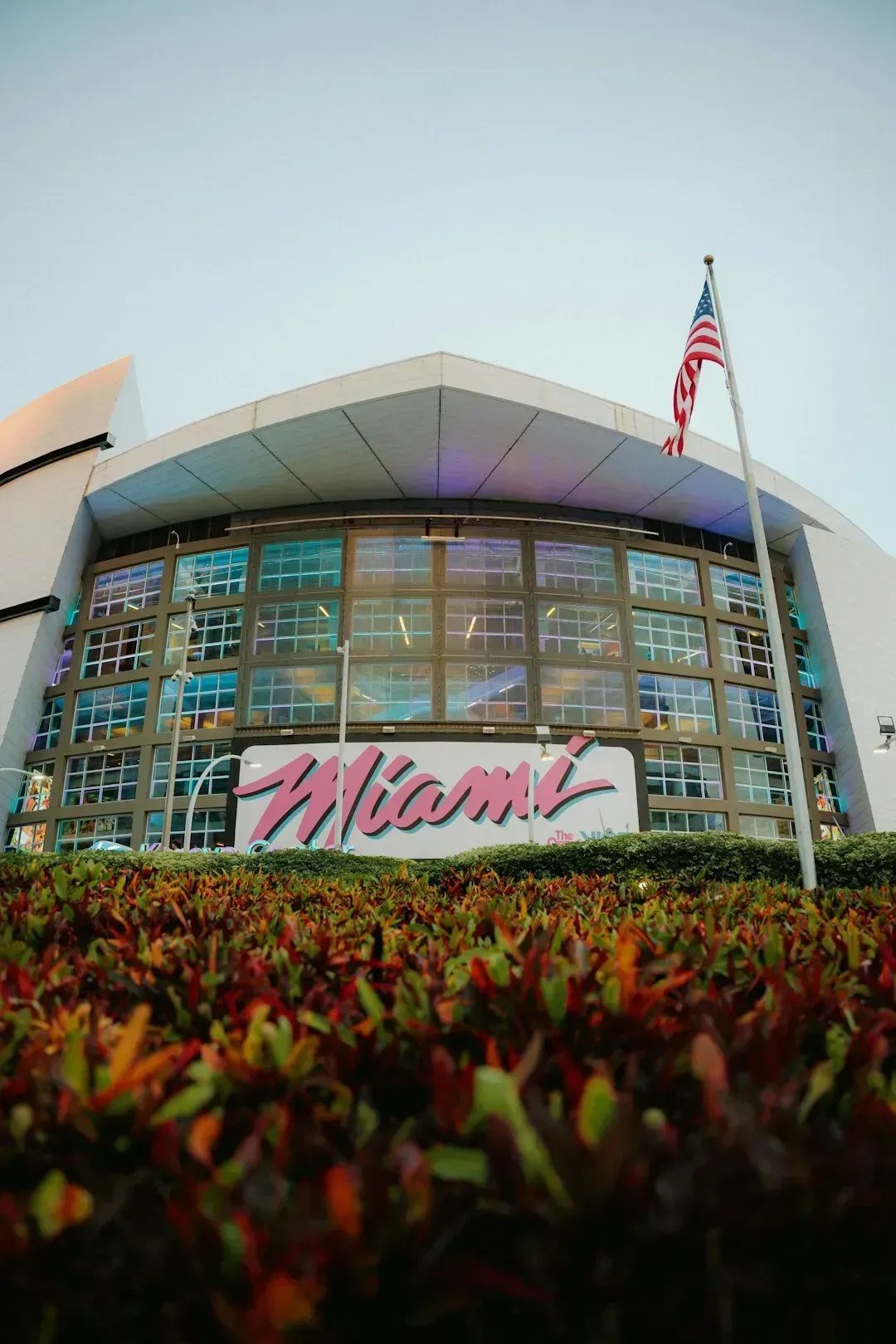
Miami-Dade holds a distinction few counties can claim. In 2021, Miami became the first city in the world to appoint a chief heat officer, a role that grew into a countywide strategy grounded in hard data. Over the past 40 years, the annual average temperature in Miami-Dade County has risen by 2.2 degrees Fahrenheit, a trend that pushed officials to act before the problem got worse.
The county’s planning went beyond symbolism. Miami-Dade launched its countywide Extreme Heat Action Plan in 2022, built on an assessment of historic temperature and heat index trends, locations where residents faced the highest risk of illness or death, and compound risks such as hurricanes causing extended power outages. That mapping revealed stark inequities, since residents in ZIP codes with the highest poverty rates and hottest daytime surface temperatures saw three to four times more heat related emergency room visits and hospitalizations. Budget pressure has since forced changes, including the elimination of the dedicated chief heat officer position in 2025, but the underlying action plan and its risk maps remain the county’s operating framework.
Los Angeles, California: Mapping heat down to the neighborhood
Los Angeles took the heat officer model and gave it a distinctly local twist. The city appointed Marta Segura as its first chief heat officer in June 2022, tasking her with coordinating the city’s emergency response to extreme heat. Her office didn’t just issue warnings, it built tools residents could actually use.
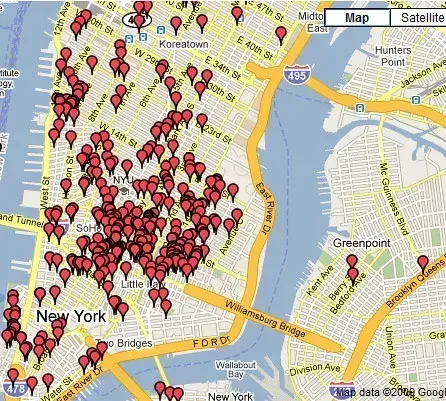
Chief among them is a mapping platform that turns data into action. The city launched an interactive app and web map displaying over 200 cooling centers and spots for refuge from extreme heat, with placement guided by a map showing areas of social vulnerability. LA has also looked outward for solutions, since Miami and Los Angeles are both part of the cool roadways partnership, a group of 25 cities working to install cooler building materials.
Philadelphia, Pennsylvania: Spreading responsibility across city government
Philadelphia has taken a different organizational approach than the single czar model used elsewhere. As chief resilience officer Abby Sullivan put it, in Philadelphia heat response is spread across all city departments and organizations, with each playing a key role in preparedness, emergency response, recovery, and addressing root causes. That structure reflects a belief that heat touches everything from public health to housing to transit, so no single office can own it alone.
The city leans on this network when temperatures spike, activating heat health emergency protocols that trigger extended hours at libraries, recreation centers, and senior centers across neighborhoods. Outreach teams check in on residents flagged as high risk, particularly those in older rowhouses without central air. The distributed model isn’t flashy, but it means heat planning doesn’t disappear if one office loses funding or staff.
Boston, Massachusetts: Preparing a cold weather city for hot summers
Boston isn’t the first place people think of when it comes to heat danger, but its own numbers are changing that assumption. Chief Climate Officer Brian Swett has pointed out that last June saw the hottest June day in recorded history for the city. That kind of record is exactly why Boston has built out a formal seasonal response rather than treating hot stretches as one off events.
City leadership frames the effort around equity as much as temperature. Ahead of forecasted high temperatures, Boston has announced extreme heat preparations and resources aimed particularly at older residents, pregnant people, infants and young children, people with disabilities, and people experiencing homelessness. Mayor Michelle Wu has said that while summer is an exciting time for residents and visitors, extreme heat is a health risk everyone should prepare for.
Jacksonville, Florida: Practicing for the worst before it happens
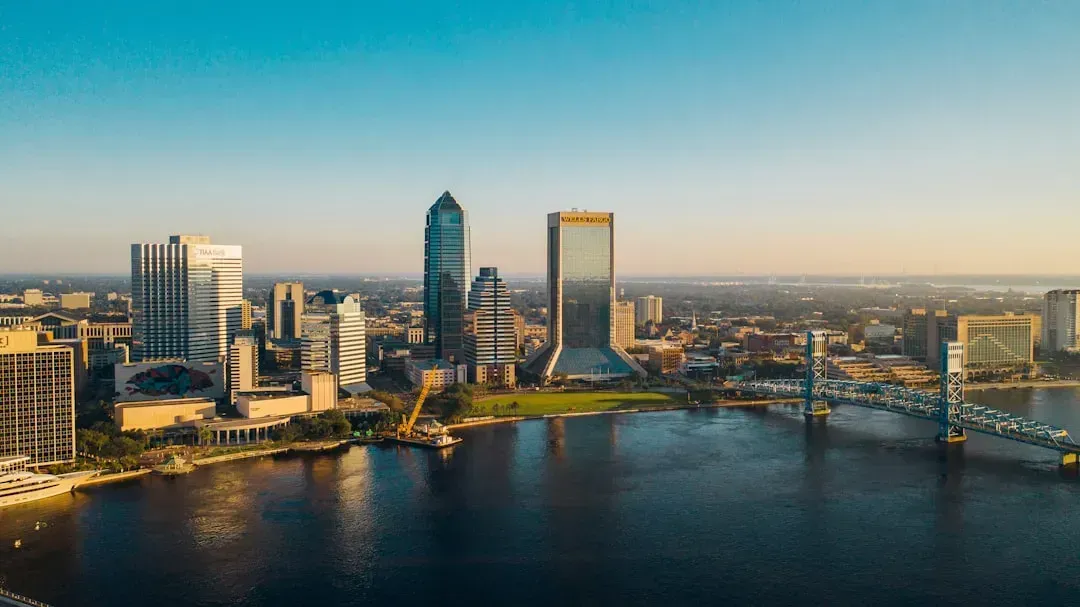
Jacksonville’s approach centers on rehearsal rather than reaction. City officials have run tabletop heat simulation exercises designed to expose gaps before a real crisis hits, an approach that matters given how deadly heat has become. Extreme heat is the most deadly climate risk in the United States, killing more people than hurricanes, tornadoes, and floods combined.
The city’s Chief Resilience Officer has described bringing lessons from these drills straight back into local operations. Anne Coglianese has said she plans to bring heat simulation exercises back to Jacksonville with public utilities, hospitals, and other partners around the table, so that when a simulated power outage hits, the city already knows how it will respond. That kind of scenario planning is meant to catch failure points, like what happens to a hospital’s cooling system, before they turn into real emergencies during an actual heat wave.
Las Vegas and Clark County, Nevada: Turning a new law into action
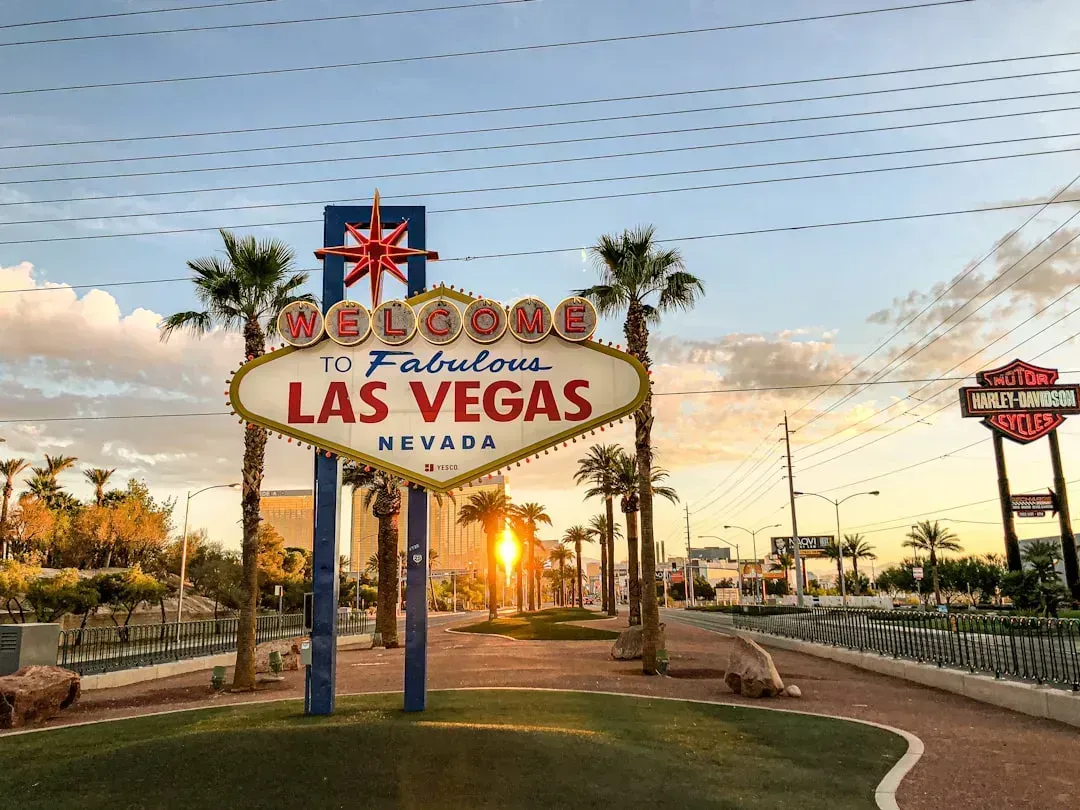
Nevada didn’t leave heat planning to individual city discretion, it made it mandatory. Assembly Bill 96 applies to jurisdictions with more than 100,000 people and requires heat mitigation strategies to be included in comprehensive master plans, covering access to drinking water and public cooling spaces. The law arrived after alarming mortality figures, since Clark County recorded 284 heat associated deaths in 2025 and a record 513 in 2024.
Money is starting to follow the mandate. Roughly 50 million dollars over five years has been dedicated toward shade structures for the region’s bus stops, though only about half of the RTC’s 3,700 stops currently have them. The Las Vegas Valley has also expanded its network of emergency cooling stations, including the Courtyard Homeless Resource Center, which remains available 24 hours a day alongside recreation centers and county libraries that convert into cooling centers during business hours.
New York City, New York: Long term investment in cooler neighborhoods
New York’s approach has been less about a single dramatic policy and more about steady, years long investment through its Cool Neighborhoods NYC initiative. The city built a heat vulnerability index that ranks neighborhoods by risk, factoring in tree canopy, surface temperature, income, and access to air conditioning, then used that data to direct tree planting and cooling resources toward the areas that need them most, largely lower income neighborhoods in the Bronx and parts of Brooklyn and Queens that run noticeably hotter than leafier districts.
When heat advisories hit, the city’s emergency management office activates a citywide network of cooling centers in libraries, community centers, and senior centers, coordinated closely with the health department’s outreach to residents most at risk of heat illness. The approach isn’t as centralized or headline grabbing as some other cities’ single heat officer model, but the consistency of the investment, spread across more than a decade now, has made it one of the more durable heat adaptation programs in the country.
The common thread among these cities
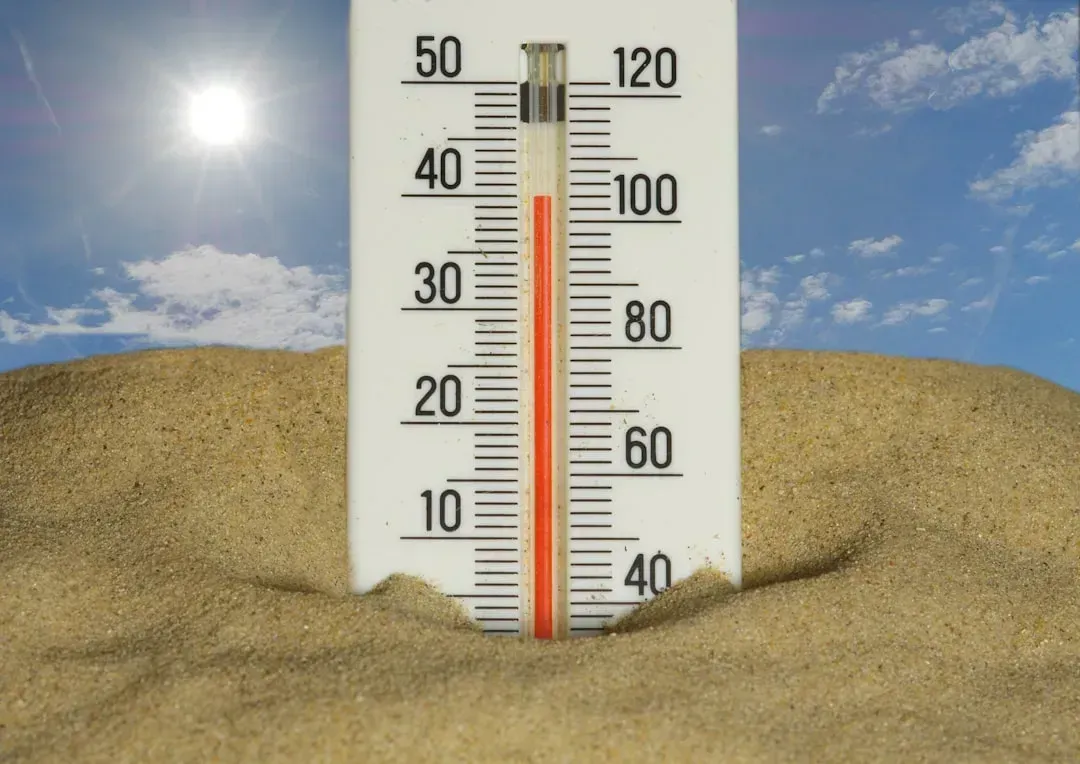
What separates these eight places from cities still catching up isn’t a single tool or a single hire. It’s the willingness to treat heat as a recurring, predictable hazard deserving the same seriousness as a hurricane or a blizzard, with dedicated staff, funded infrastructure, and plans that get updated every single year rather than dusted off when a crisis hits.
Funding pressures are real, and some programs, like Miami-Dade’s chief heat officer role, have already been scaled back as pandemic era money runs out. Still, the underlying playbooks these cities built, the mapping, the cooling networks, the interagency coordination, are proving hard to unwind even when budgets tighten, which may be the clearest sign of how essential this work has become.
