


- The Planet Where It Rains Liquid Glass – 7 Alien Worlds Defying Known Physics - November 14, 2026
- Stars Consuming Entire Worlds – 6 Planetary Systems Swallowing Their Own Worlds - November 14, 2026
- The Ground Liquefies Like Water – 6 Silent Fault Lines Geologists Watch Closely - November 14, 2026
Studded tires go on by the calendar, not by the first snowfall
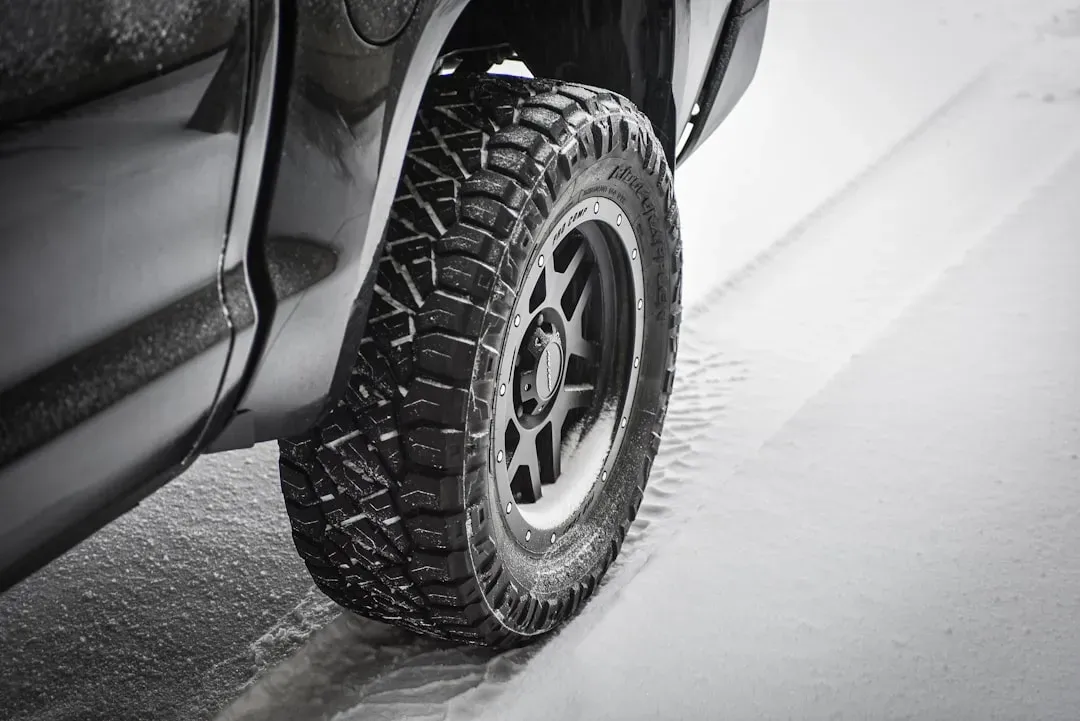
In much of the country, winter tires get mentioned as a nice-to-have, something drivers consider after they’ve already slid through an intersection. Alaska treats the timing differently, with actual dates written into law. North of the 60th parallel, studded tires are legal from September 16 to April 30, while in Anchorage and areas south of that line, they’re legal from October 1 to April 14.
That structure exists because waiting for the first bad storm is already too late. Communities above 60 degrees north latitude have been allowed to use studded tires since September 16, while Anchorage held off until October 1 under a 2019 ordinance change. The lesson translates easily to anywhere with real winters: switch tires before you need them, not during the drive when you finally realize you do.
The studded versus studless debate is taken seriously, not skipped
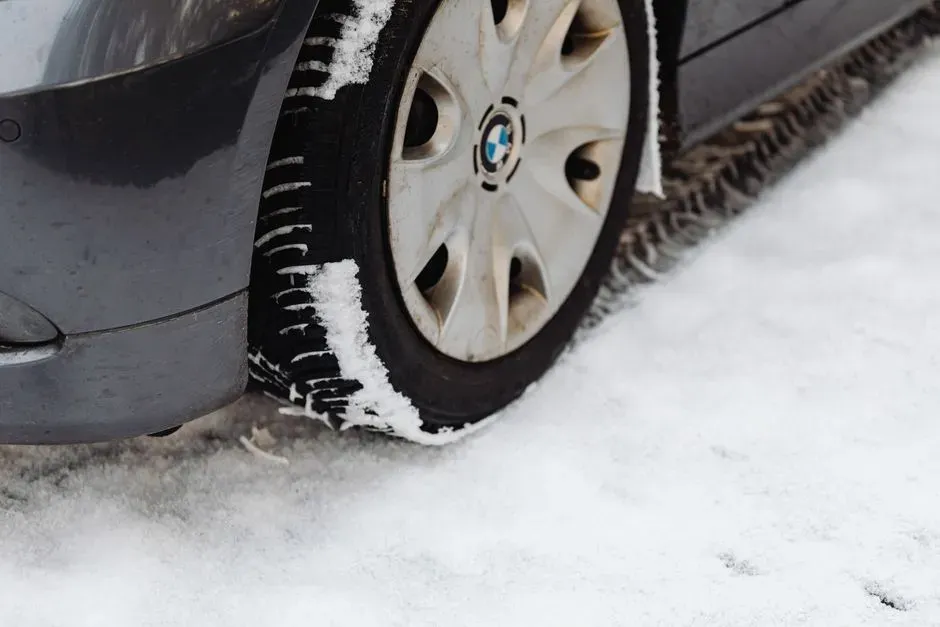
Plenty of drivers elsewhere buy whatever all-season tire is cheapest and call it done. Alaskans actually argue about which winter tire performs better, and the debate has real research behind it. Alaskans in major cities seem to prefer studless winter tires, though residents were closely divided on the topic according to surveys led by a University of Alaska Anchorage engineering professor whose research was conducted for the state transportation department.
The findings aren’t simple, and that’s part of the point. Studless tires like Blizzaks perform better on slushy, wet, or snowy roads, while studded tires perform better on slippery glare ice. Even driving schools weigh in on the practical side, with one Anchorage instructor noting that studded tires are the way to go when teaching young people how to drive, and the school uses only studded tires in winter. Choosing tires based on the specific roads you drive, rather than habit, is a small shift that pays off.
Block heaters are treated as basic equipment, not a luxury
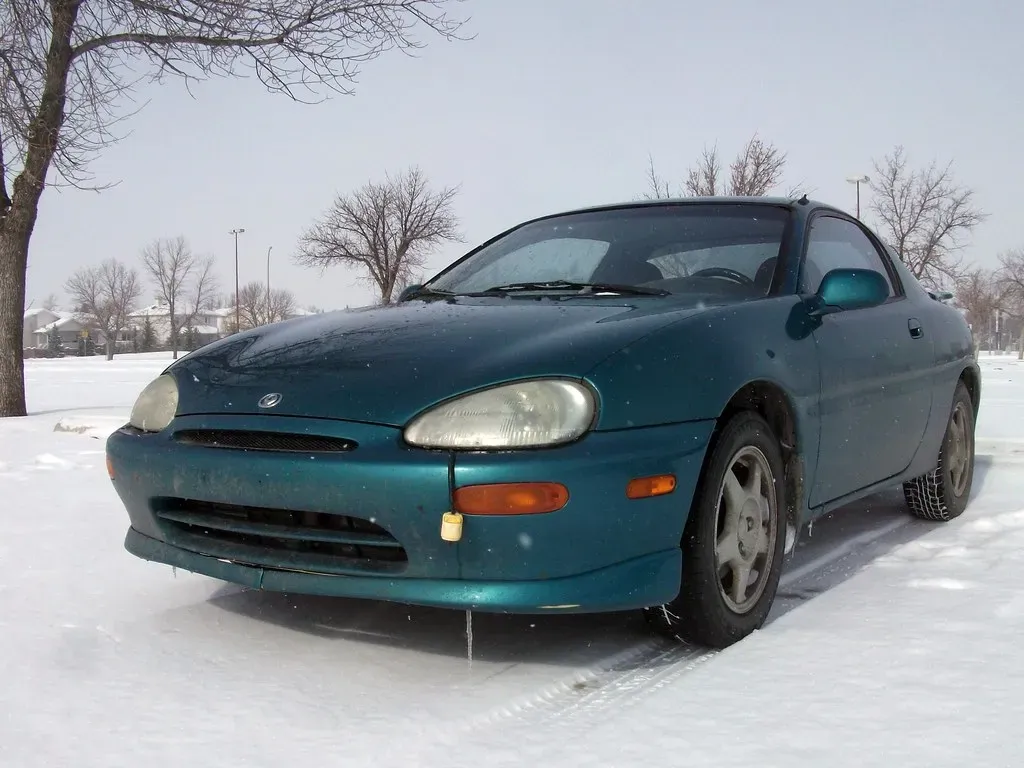
Few drivers outside the far north have ever plugged in their engine before starting it. In Alaska, it’s routine, because the alternative can leave you stranded. Starting a car without a block heater in cold weather can cause mechanical problems that trap a driver in the cold, so checking for one before deciding whether to drive a vehicle is standard practice.
The reasoning is mechanical and unglamorous. Extreme lows can damage car engines in Alaska, and an engine block heater helps prevent the engine from freezing in low temperatures. A local police department in Kodiak puts it plainly too, suggesting drivers consider a block heater to avoid needlessly running a vehicle for warming it up, and to remember to unplug before driving away. It’s a habit that protects both the engine and the environment, since it beats letting a car idle in the driveway for twenty minutes.
Vehicle checks happen before winter, not during it
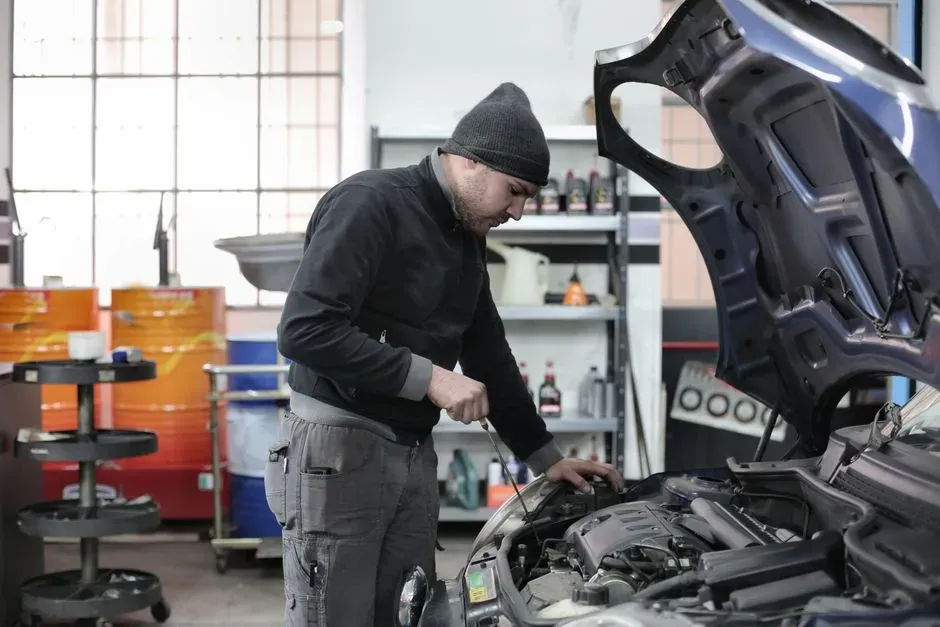
The state’s own transportation department doesn’t just suggest a general tune-up. It hands drivers a specific checklist to run through before the snow flies. Drivers are told to prepare their vehicle, make sure it’s properly equipped for winter conditions or emergencies, and read the owner’s manual to check tire pressure, defroster and heater, battery and lights, motor oil, antifreeze, belts, hoses, filters, brakes, brake fluid, wiper blades, and windshield washer fluid.
It sounds tedious, and it is. That’s exactly why most people elsewhere skip it, and exactly why Alaskans don’t. A car that starts reliably and stops predictably at minus fifteen degrees isn’t an accident. It’s the result of someone popping the hood in October instead of waiting for a warning light in January.
Every vehicle carries a real emergency kit, not a token one
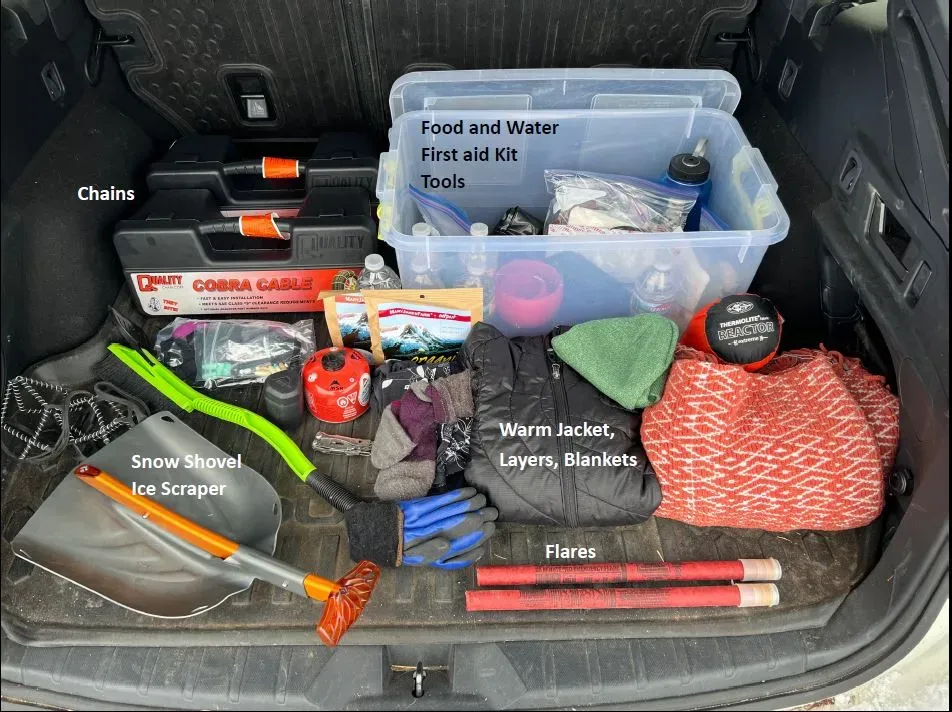
Plenty of drivers keep an ice scraper in the trunk and consider themselves prepared. Alaskans build kits meant to keep someone alive for hours, not minutes. A breakdown on a highway like the Seward or the Glenn in January at minus twenty degrees isn’t an inconvenience, it’s a life-threatening emergency, and that reality shapes what goes in the trunk.
The reasoning comes down to distance and silence. Cell coverage along many highway corridors is unreliable or nonexistent, and response times for highway assistance can be measured in hours. A properly stocked kit reflects that math, with essentials like jumper cables or a jump-starter pack, a shovel, sand or kitty litter for traction, wool blankets or a sleeping bag for hypothermia protection, and extra food and water for roughly a full day per person in the vehicle.
A charged phone is treated as a survival tool, not an afterthought

It sounds almost too simple to matter, yet Alaska transportation officials bring it up first, ahead of shovels and blankets. A dead phone battery in a remote stretch of highway isn’t a minor annoyance. It can be the difference between getting help and waiting alone in dangerous cold.
A spokesperson for the state’s Department of Transportation summed up the priority directly, explaining that making sure you have a charged cell phone or a way to charge it in the car matters because that’s the first thing you’re going to need if you get stuck somewhere, to call somebody. She also emphasized just how quickly the stakes rise once someone is stranded outdoors, noting that when temperatures drop to twenty or forty below, it can be very dangerous to be outside for even short periods of time. That single habit, keeping a charger in the car and a habit of topping off the battery, is one nearly every driver anywhere could adopt without effort.
Speed limits are read as suggestions for dry pavement, not fixed numbers
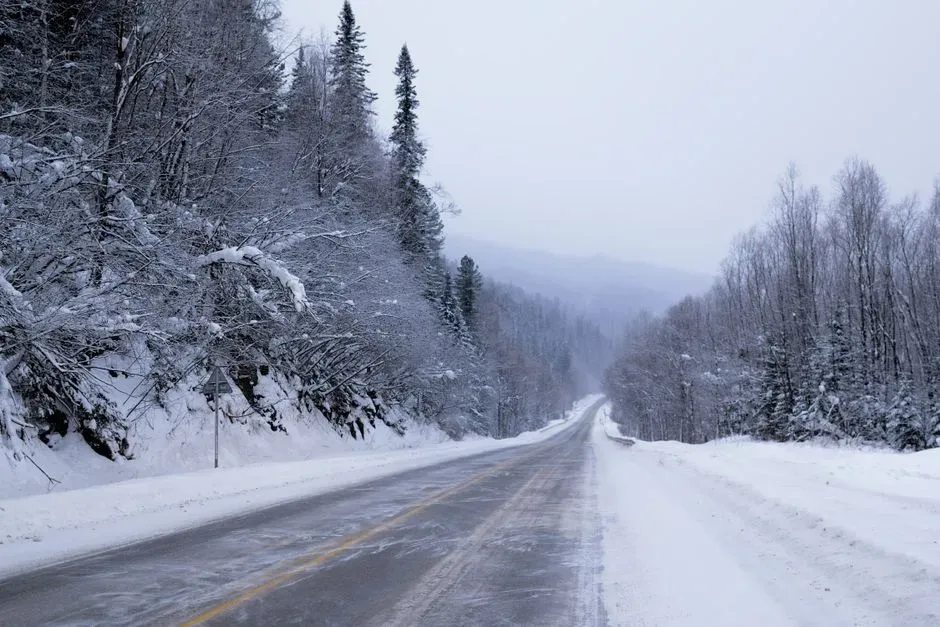
In a lot of places, drivers treat the posted speed limit as a right, something to hit regardless of what the road looks like. Alaska’s own guidance pushes back on that assumption directly, reminding drivers that conditions come first. The advice is simple: reduce speeds, drive according to road and weather conditions, and remember that posted speed limits are calculated for dry pavement.
It’s a small mental shift with a big effect. Treating the number on the sign as a ceiling rather than a target changes how a driver reacts to black ice, blowing snow, or a curve they can’t quite see through the dark. That habit alone, adjusted instinctively rather than resentfully, prevents a large share of winter crashes anywhere in the country.
Snowplows get a wide, deliberate berth
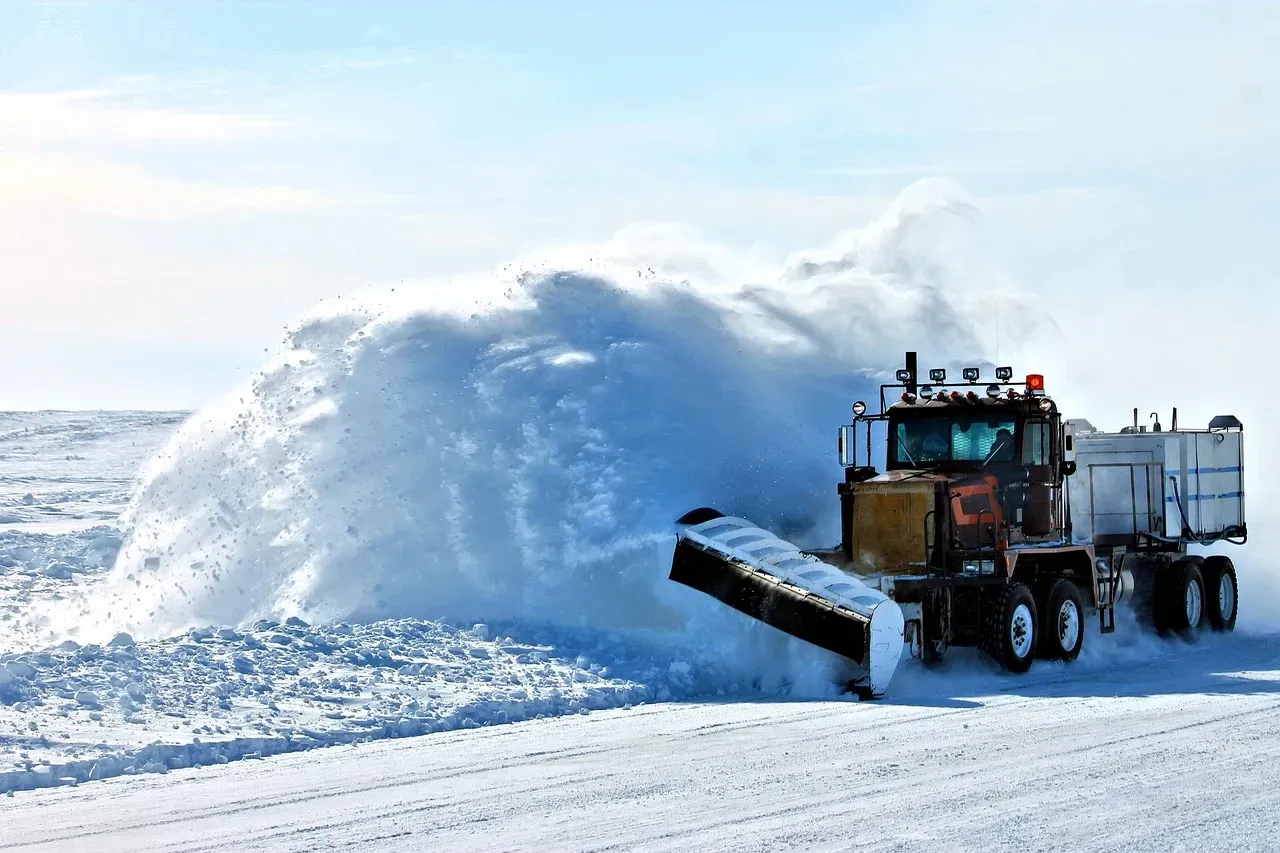
Impatience around snow removal equipment is a near-universal habit outside Alaska, where drivers dart around plows the moment they spot an opening. Alaska’s transportation department treats that instinct as a real hazard rather than a minor rudeness. The guidance is direct: watch for snow removal equipment and give it plenty of room, stay at least 200 feet back, and don’t pass on the right.
There’s a specific danger behind that distance requirement that many drivers never consider. Snow removal equipment can cause white out conditions when a vehicle drives too close to it. Give a plow room and you’re not just being polite. You’re avoiding a moment of total blindness at highway speed.
Trips get planned around wildlife, not just weather
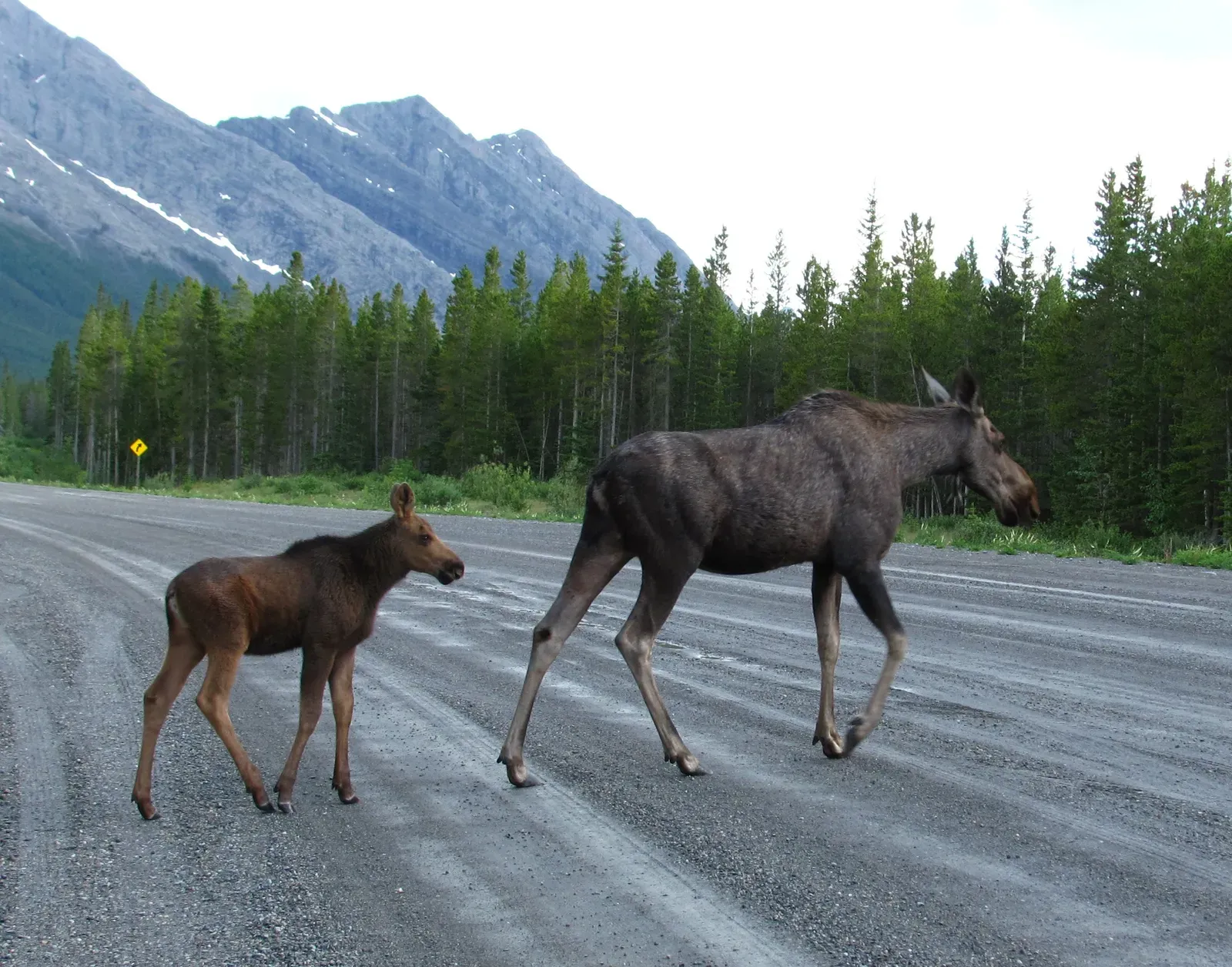
Winter driving anywhere means watching for ice and other cars. In Alaska, it also means watching for animals large enough to total a vehicle on impact. Large animals crossing Alaska’s highways occur often, including moose and caribou, and that risk factors directly into how residents plan and drive their routes.
A moose doesn’t move out of the way for headlights, and hitting one at speed is a different kind of collision than hitting a patch of ice. Alaskans build in extra following distance and slower speeds through known crossing areas almost automatically, treating wildlife as a fixed variable in every winter drive rather than a surprise. It’s a habit that would serve drivers well in any rural area where deer, elk, or other large animals share the road.
Fuel tanks stay full as a matter of routine, not a last-minute errand
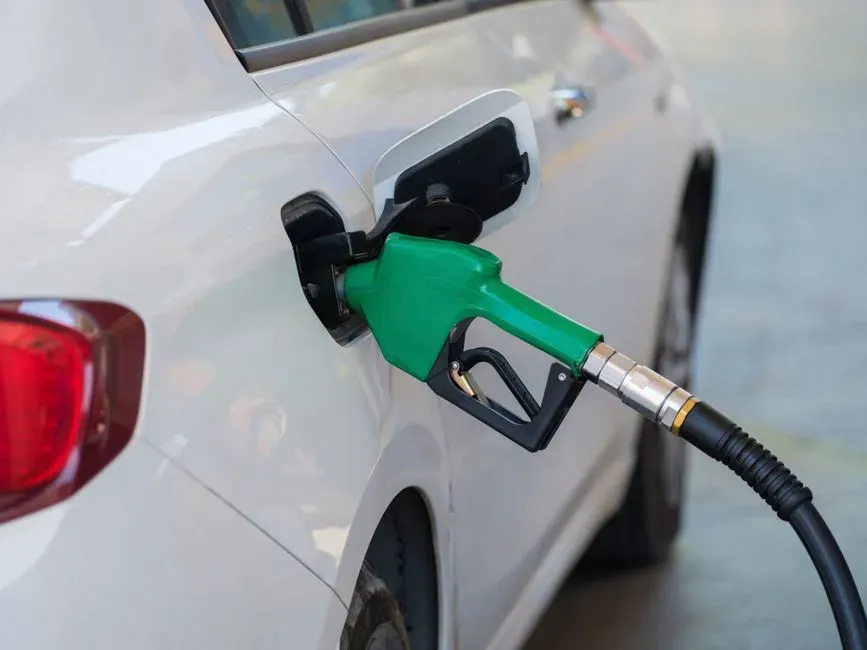
Running a tank down to the fumes before refueling is a habit plenty of drivers carry into winter without thinking twice. Alaska’s own safety guidance treats that habit as a real liability once temperatures drop and roads turn unpredictable. Local officials in Kodiak advise drivers directly to keep your gas tank topped off, or as full as possible.
A full tank does more than prevent an inconvenient stop. It provides a buffer of running time and heat if a vehicle gets stuck or stranded on a remote stretch of road, and it removes one more variable to manage during a storm. Treating fuel level as part of winter preparedness, rather than something to handle whenever it’s convenient, is a habit that costs nothing and solves a real problem before it starts.
