

- The Planet Where It Rains Liquid Glass – 7 Alien Worlds Defying Known Physics - November 14, 2026
- Stars Consuming Entire Worlds – 6 Planetary Systems Swallowing Their Own Worlds - November 14, 2026
- The Ground Liquefies Like Water – 6 Silent Fault Lines Geologists Watch Closely - November 14, 2026
San Diego, California
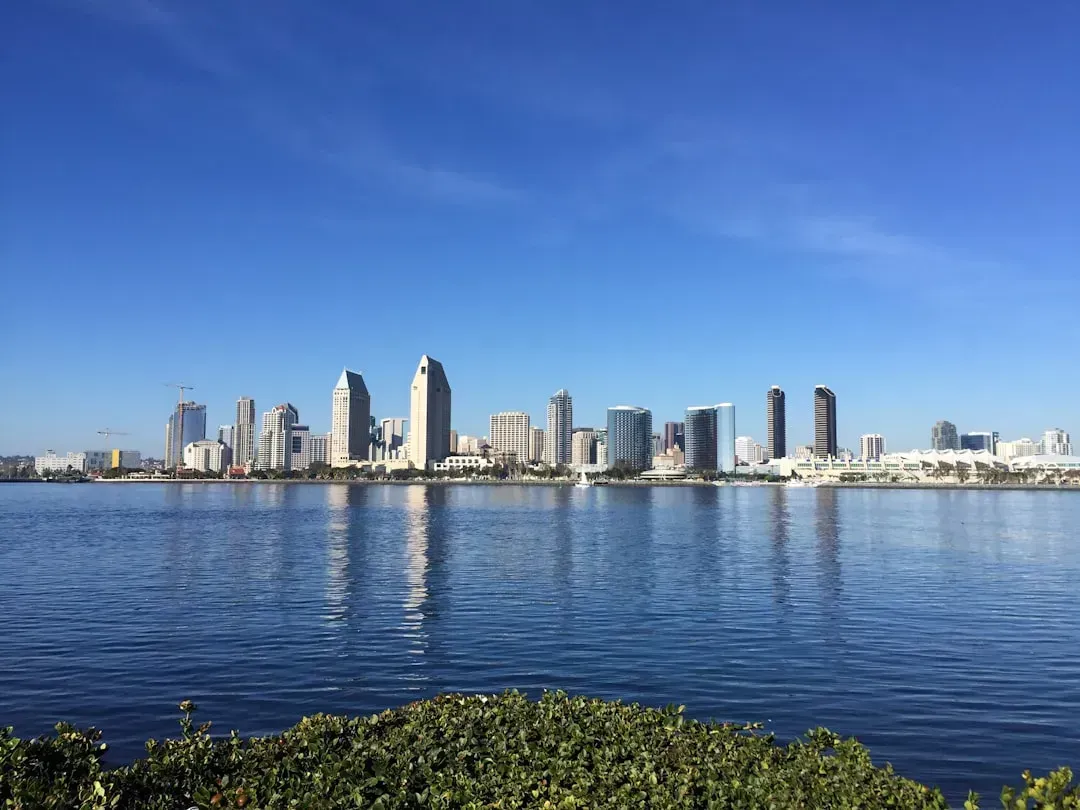
San Diego is often the first name that comes up in any conversation about consistent climate, and the numbers back that reputation. San Diego offers comfortable weather throughout the entire year, with temperatures consistently ranging from 19°C (66°F) to 26°C (79°F) across all twelve months. That kind of narrow band is unusual for a major American city, and it holds steady from January through December.
Cold weather is essentially a non-issue here. Every day in a typical year warms to at least 50 °F, the city averages just one night a year when the thermometer dips as low as 40 °F, and San Diego never gets cold enough to freeze. Add in relatively moderate year-round temps, beaches, parks, and low storm days, and it is easy to see why so many retirees treat San Diego as the gold standard.
Honolulu, Hawaii

Honolulu trades four seasons for one long, gentle stretch of warmth, and for many retirees that trade is an easy one to make. Honolulu, HI, enjoys tropical warmth and stunning beaches, though homes are pricier at $707,400. The ocean acts as a natural buffer, smoothing out the kind of temperature swings that inland cities experience.
Recent climate analysis backs up the sense that Honolulu belongs in a small club of truly stable-weather cities. The five US cities with the mildest climate year-round, including Honolulu, all keep their annual temperature spread under 16°F. For anyone whose joints or blood pressure react poorly to cold, that narrow range can matter as much as the scenery.
Santa Barbara, California
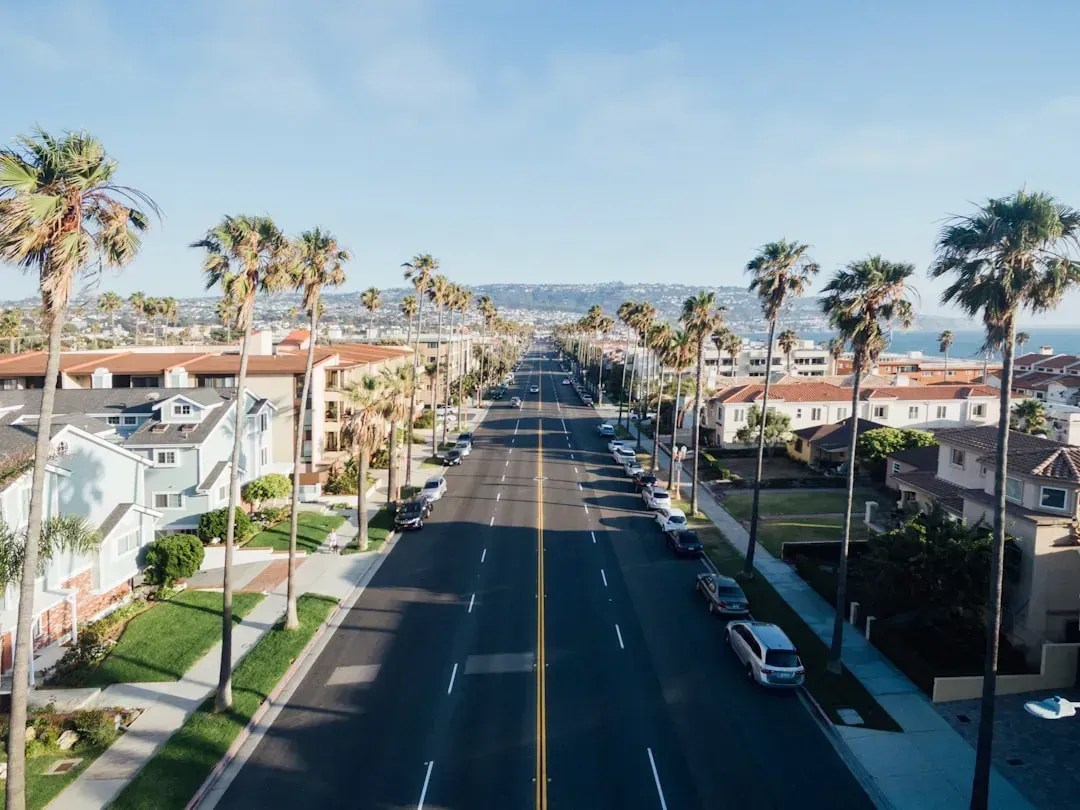
Tucked between the Pacific Ocean and the Santa Ynez Mountains, Santa Barbara has a reputation for weather that barely changes from month to month. Santa Barbara lies between the Pacific Ocean and the Santa Ynez Mountains, and it tends to have warmer winters and cooler summers than inland California cities. That geography does a lot of the work in keeping temperatures moderate.
The actual figures are modest by design. The average January low temperature is 46 degrees, and the average July high temperature is 76 degrees. A 30-degree spread between the coldest average night and the hottest average day is about as gentle as American weather gets.
San Francisco, California

San Francisco’s climate confuses newcomers before it wins them over. The Mediterranean climate of San Francisco is characterized by wet, mild winters and dry summers, ensuring there’s a comfortable year-round temperature. Fog rolls in off the bay through much of the summer, which keeps heat spikes from ever really taking hold.
Rainfall follows a predictable pattern rather than arriving in sudden bursts. Generally, the city has the most rainfall from November to April, with other months relatively dry. That kind of seasonal rhythm, wet in winter and dry in summer, is easier to plan a retirement lifestyle around than weather that swings unpredictably.
Santa Maria, California

Santa Maria sits far enough inland to avoid the thickest coastal fog, but close enough to the Pacific to keep its temperatures gentle. It has mild, dry summers, with an average high temperature of 85 degrees in July, and the temperature doesn’t fluctuate much throughout the year. For a retiree who wants warmth without the extremes of the desert, that balance is appealing.
Winters here stay noticeably mild for a mainland American city. The January average low temperature is 66 degrees, and the area tends to receive more rainfall in the winter. Combined with the region’s long growing season, it is a climate that rewards people who enjoy gardening and outdoor time on a near-daily basis.
Long Beach, California

Long Beach benefits from the same coastal moderation that defines much of Southern California, without the higher cost of some of its neighbors. Southern California cities are considerably warmer than those in the northern part of the state but residents still enjoy pleasant temperatures for much of the year. The Pacific keeps both summer highs and winter lows in check.
The seasonal numbers here are almost identical to Santa Barbara’s, which says a lot about the consistency of this stretch of coastline. Long Beach’s winter low temperature is an average of 47 degrees in January, and the summer high climbs to a warm but pleasant 81 degrees in July. Rain arrives mostly in winter, leaving long dry stretches the rest of the year.
Portland, Oregon

Portland does not get the same sunshine bragging rights as California’s coastal cities, but its temperature range is remarkably tame. The Pacific Northwest as a whole tends to avoid the extremes that plague much of the rest of the country. The Pacific Northwest also offers no temperature extremes, and Portland is among the Oregon cities that made a recent list of favorable-climate destinations analyzed from NOAA data.
Rain is the trade-off, not heat or cold. Winters rarely dip into the harsh cold that defines much of the northern half of the country, and summers stay comfortably short of the triple-digit heat that has become more common elsewhere in recent years. For retirees who do not mind gray skies in exchange for gentle temperatures, Portland offers a dependable middle ground.
Albuquerque, New Mexico
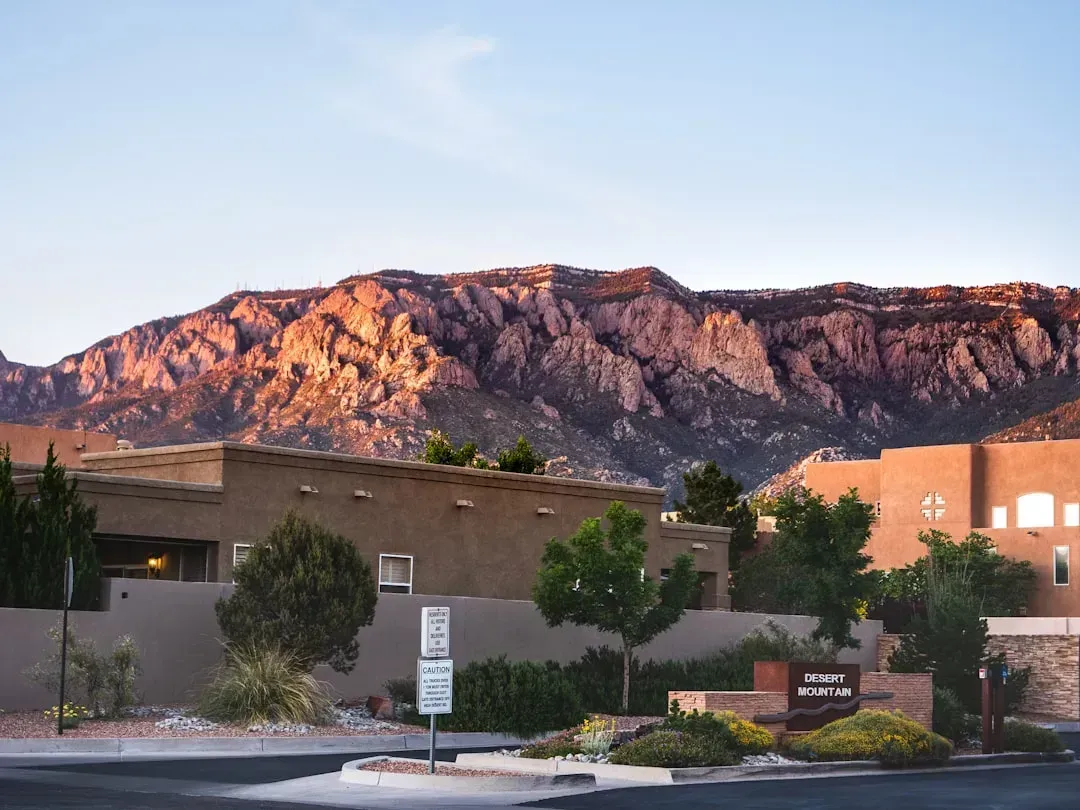
Albuquerque takes a different route to weather stability, relying on dry desert air rather than ocean influence. Albuquerque offers four gentle seasons, dry air, and a lower cost of living than the coast. The high elevation and low humidity mean temperature swings feel less punishing than they might elsewhere.
Sunshine is practically guaranteed here, which appeals to retirees tired of overcast winters. Albuquerque, NM, boasts 300 sunny days with a median home price of $204,100. That affordability, paired with a genuinely mild four-season climate, makes it one of the more practical picks on this list.
Boise, Idaho
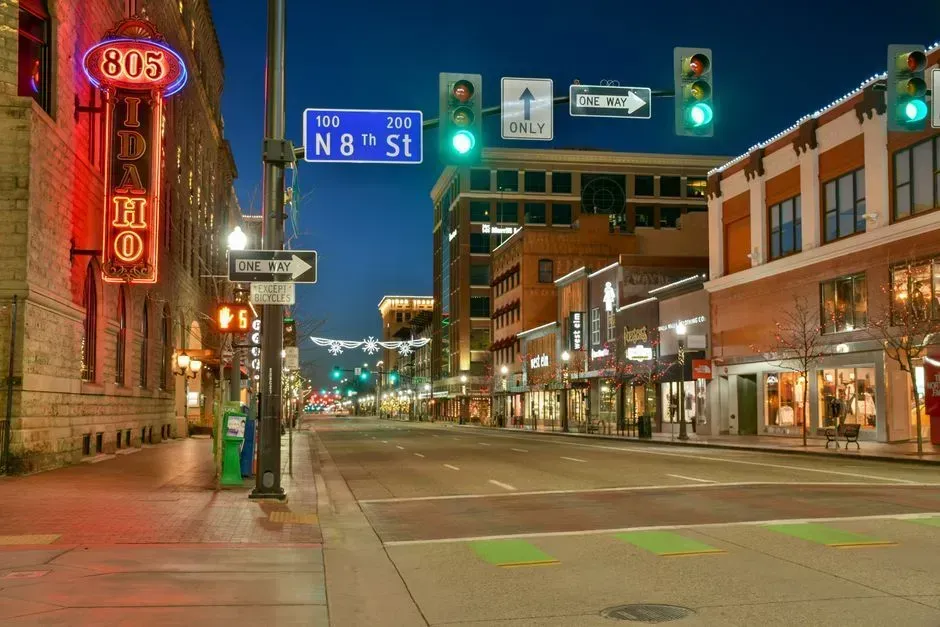
Boise is a slight departure from the coastal and desert cities above, offering real seasons without the harshness that usually comes with them. Boise, ID, nestled in the heart of Idaho, offers a remarkable living experience with its distinct climate patterns. Winters bring snow, but nothing close to the extended deep freezes seen farther east.
The averages tell the story of a climate that stays within reasonable bounds year-round. The city’s average annual high temperature of 64°F and average low of 41°F create a balanced canvas for its residents to enjoy. For retirees who want a change of seasons without brutal extremes, Boise threads that needle well.
Weighing your options