

- Phantom Energy Sucking Power 24/7 – 7 Home Electronics Quietly Inflating Utility Bills - November 14, 2026
- A Million-Mile Storm Raging for Centuries – 6 Violent Weather Wonders in Our System - November 14, 2026
- Animals Flee Hours Before the Tremor – 7 Natural Warnings Before Disasters Strike - November 14, 2026
Why Phoenix Gets the Blame
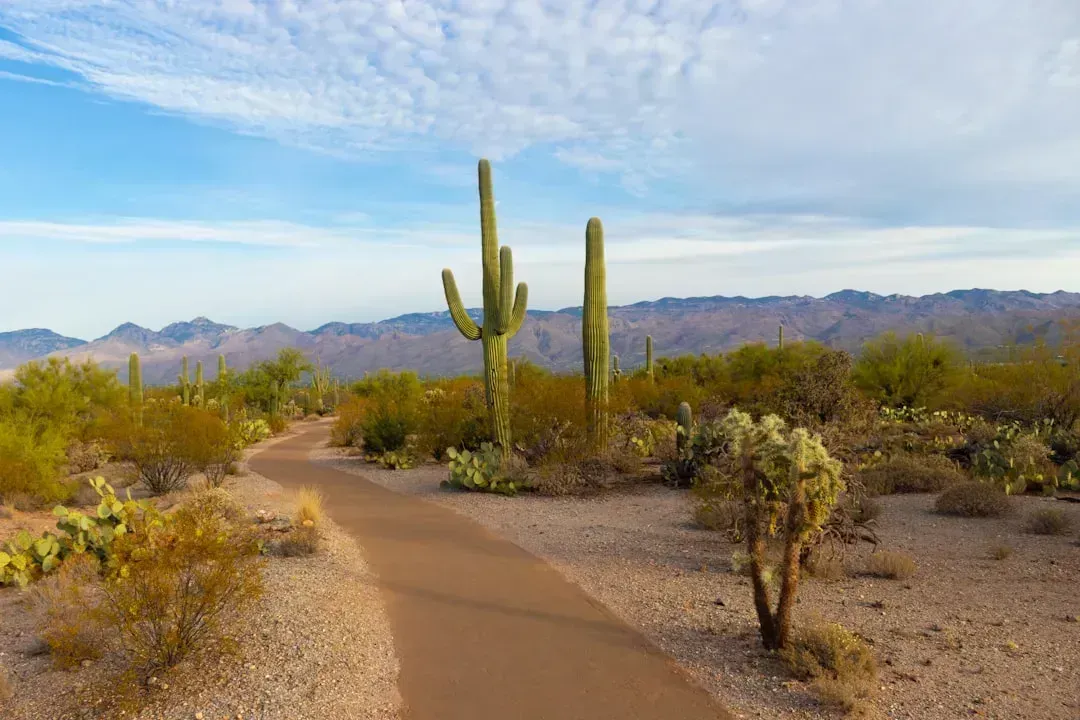
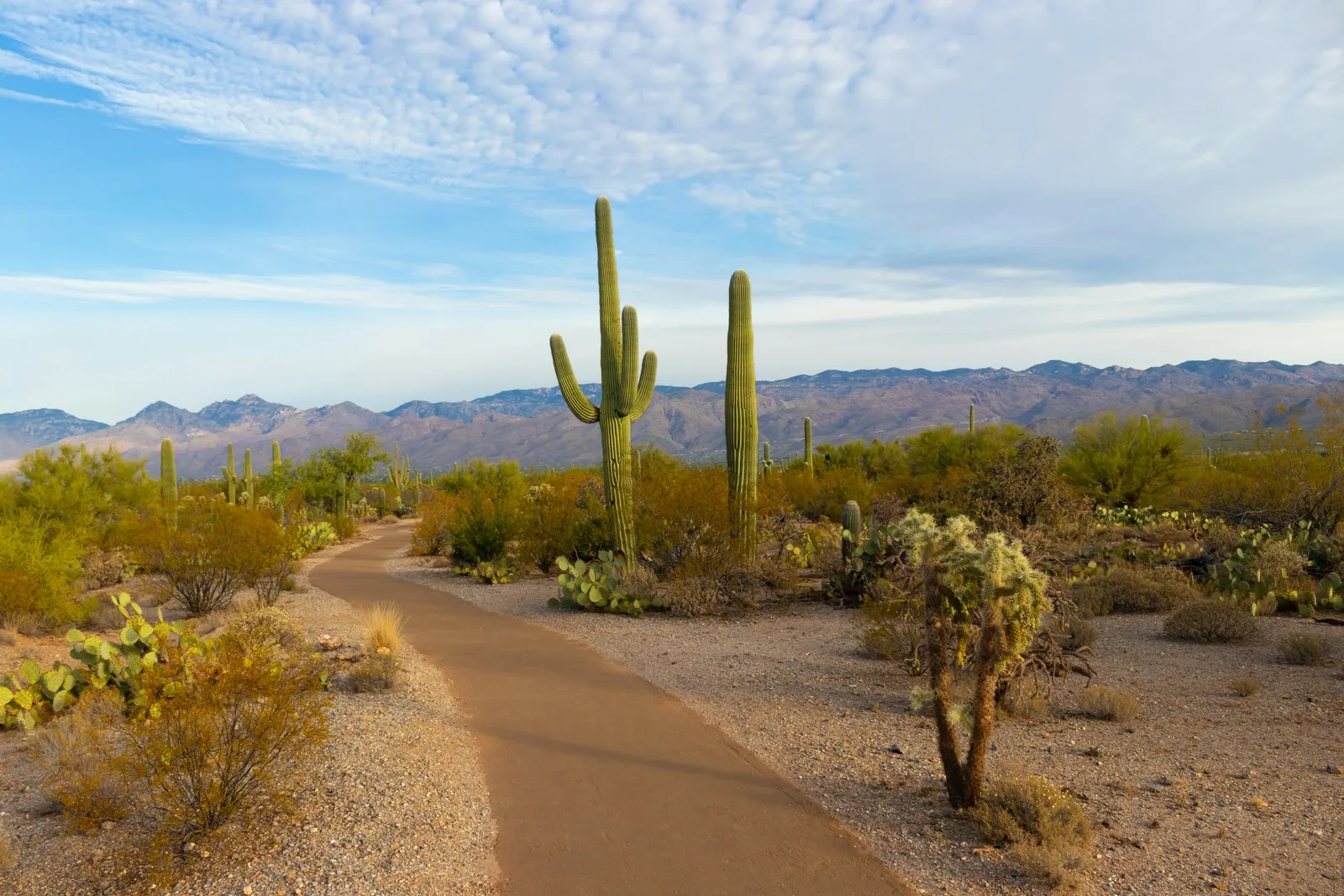
Phoenix earns its dry reputation honestly. Phoenix sits in the Sonoran Desert, which explains its low rainfall and high summer temperatures, with rain usually coming in short bursts during the late summer monsoon season that rarely last long enough to compensate for the overall dryness. Depending on which data set you check, the city averages somewhere between eight and eight and a third inches of rain a year, which is genuinely low by national standards.
That number, though, is not close to the bottom of the list. Several other Western cities receive noticeably less precipitation annually, and one in particular leaves Phoenix looking almost damp by comparison.
Meet Yuma, Arizona: America’s Actual Driest City
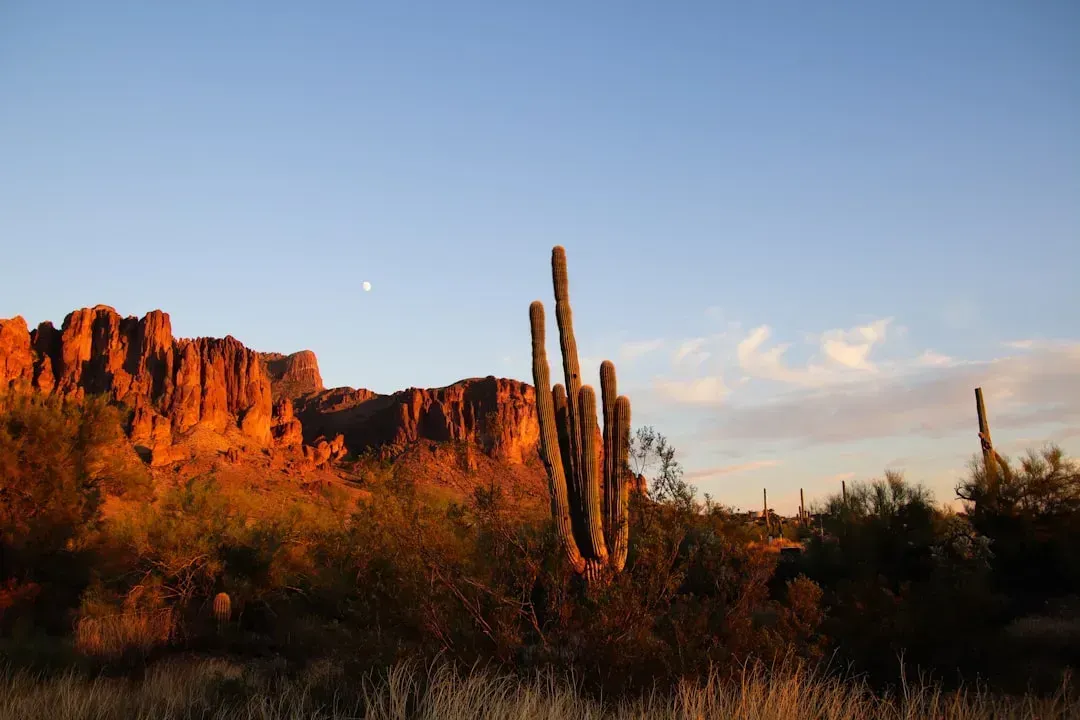
The title of driest city in the country belongs to Yuma, a smaller Arizona community tucked into the far southwestern corner of the state, right along the borders with California and Mexico. In Yuma, Arizona, average annual precipitation is just a few inches, making it the driest U.S. city among major metro areas. That is roughly half of what Phoenix receives in a typical year.
Yuma is not a tiny outpost either. The year-round population of Yuma is around 93,000, although winter visitors swell the ranks another 80,000 or so. Those seasonal visitors, often called snowbirds, know exactly what they are chasing: reliably dry, sunny weather for months on end.
The Numbers Behind Yuma’s Extreme Aridity
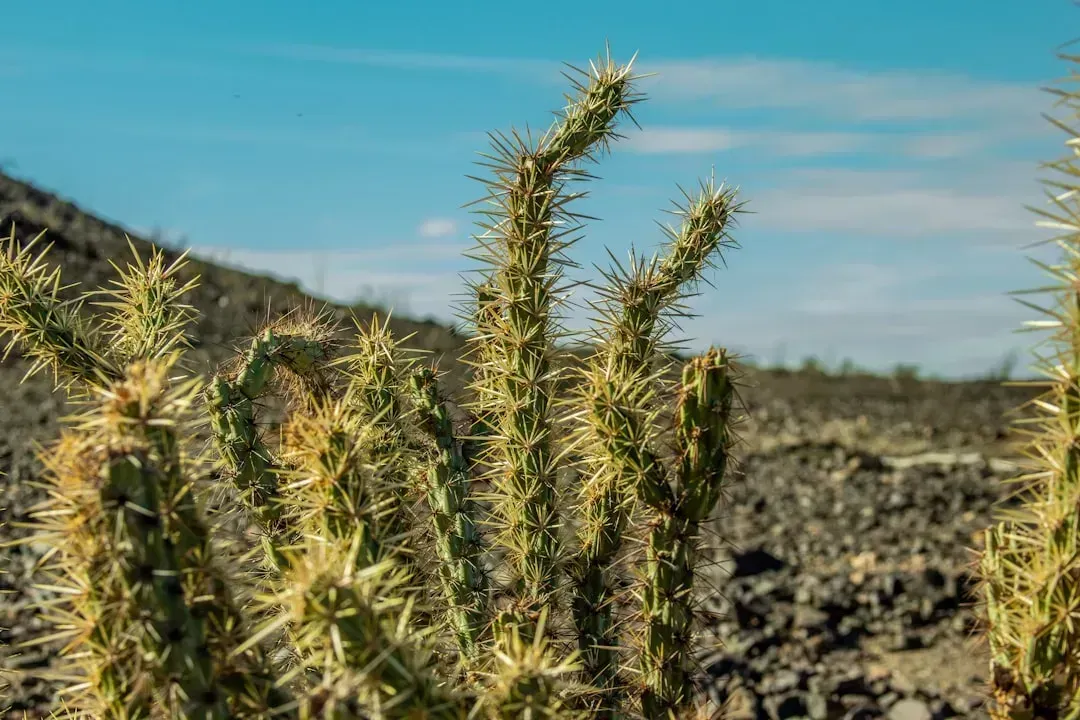
The specific rainfall figures vary slightly depending on the measurement period, but they all point in the same direction. Yuma, Arizona with only 3.3 inches (84 mm) of rain a year, ranks among the driest places to live in the USA. Some tourism sources round that even lower, noting that the city receives an annual rainfall of roughly three inches.
To put that in perspective, most of the country averages closer to thirty inches a year, meaning Yuma gets less than a tenth of what a typical American city sees. On average, Yuma only gets a little more than 3 inches of rain per year. Entire months can pass without a drop falling from the sky.
A Guinness World Record for Sunshine
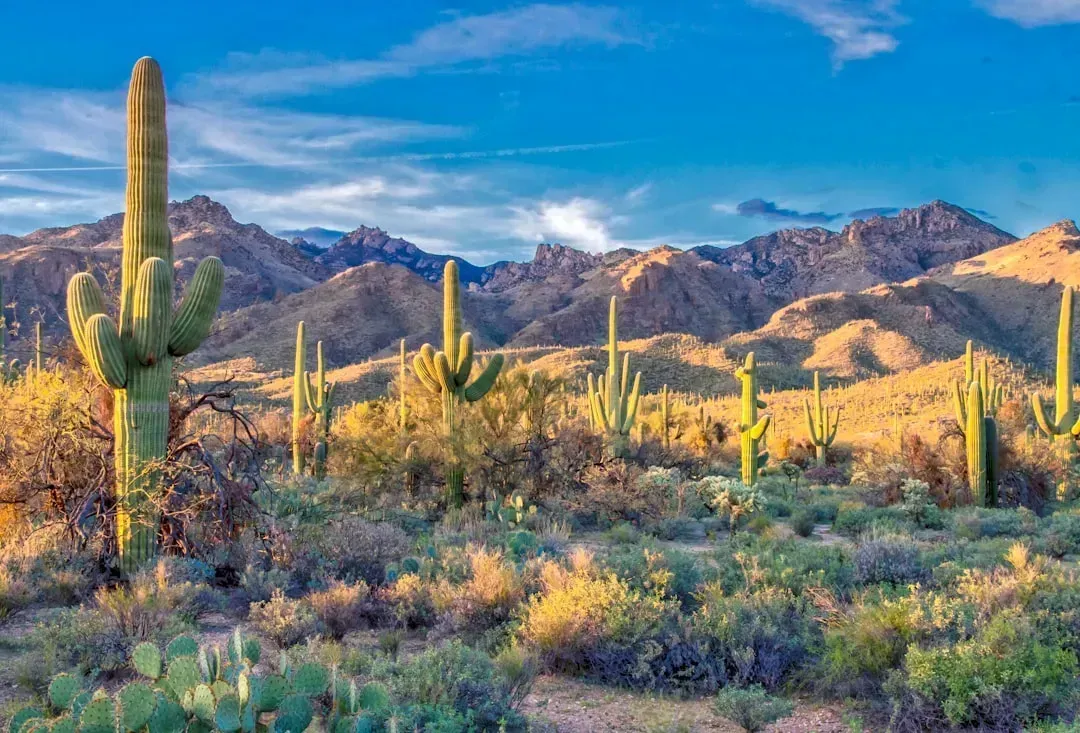
Dryness and sunshine tend to travel together, and Yuma has the paperwork to prove it. The annual average at Yuma, Arizona, USA is 91 per cent of the possible hours of sunshine, a mean of 4,055 hours out of 4,456 possible hours in a year. Guinness World Records has recognized the city for exactly that reason.
Locals sometimes translate the statistic into simpler terms. To put this into perspective, that’s about 350 days of full sun every year, making it an ideal location for solar energy projects and outdoor activities. It is one of the rare cases where a marketing slogan and a scientific record actually line up perfectly.
Why Yuma Is So Dry: The Geography Explanation
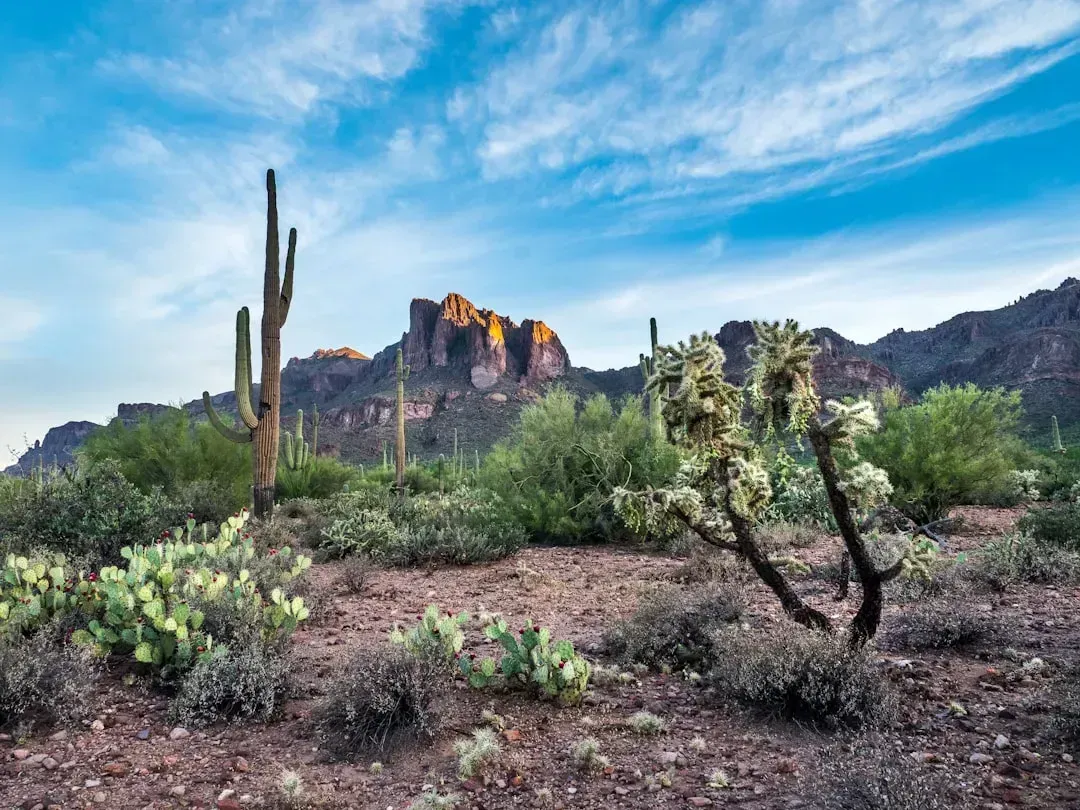
Yuma’s climate is not an accident of chance. The region lies deep within the Sonoran Desert, shielded from Pacific moisture by a combination of distance and elevation that keeps storm systems from ever reaching the valley floor with much water left in them.
The broader pattern shows up across the Southwest. The driest places and cities tend to be found right on or near mountain ranges, and it’s evident that these mountains contribute to the dryness of these US cities. Warm high-pressure systems tend to park over the region for long stretches, pushing rain clouds elsewhere and locking Yuma into a nearly permanent dry pattern.
How Phoenix Actually Compares
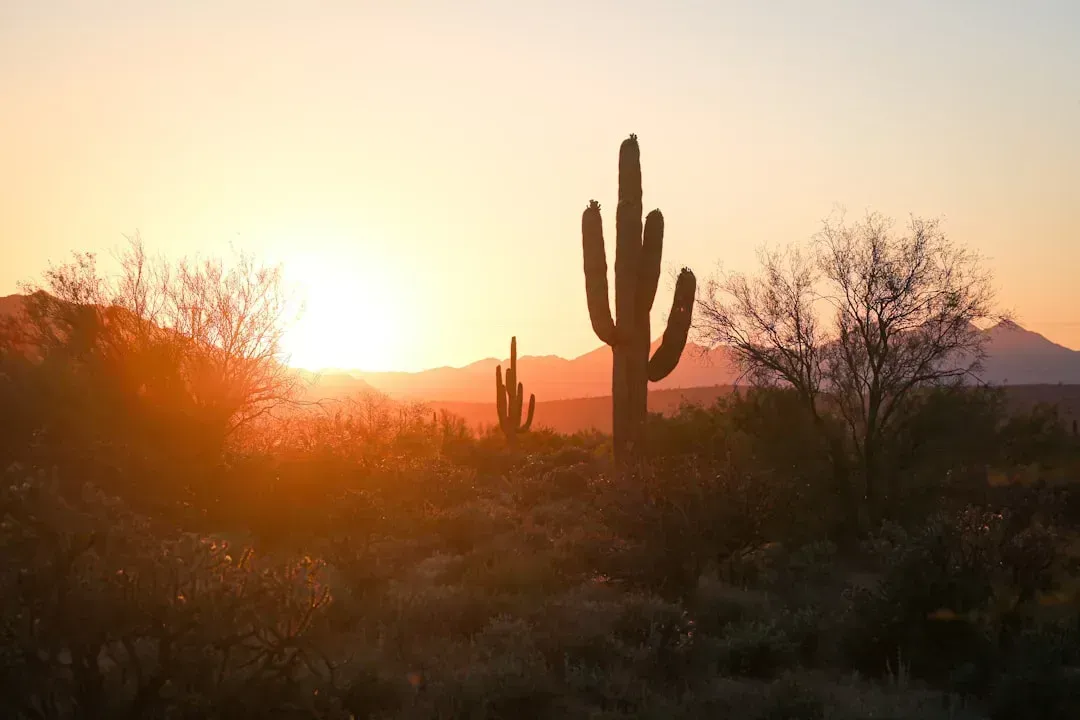
None of this means Phoenix is misleading anyone about its climate. It is still a legitimate desert city, just not the driest one wearing that particular crown. Phoenix only sees 8.03 inches of precipitation annually on average, according to NOAA.
That figure places Phoenix comfortably in the dry category nationally, but well behind Yuma’s totals. Las Vegas and Phoenix get so little rain or snow, less than 10 inches a year on average, that they’re considered deserts. The confusion likely comes down to size and visibility. Phoenix is one of the largest metro areas in the country, so it tends to dominate headlines about heat and drought even when smaller cities post more extreme numbers.
Other Cities Competing for the Title
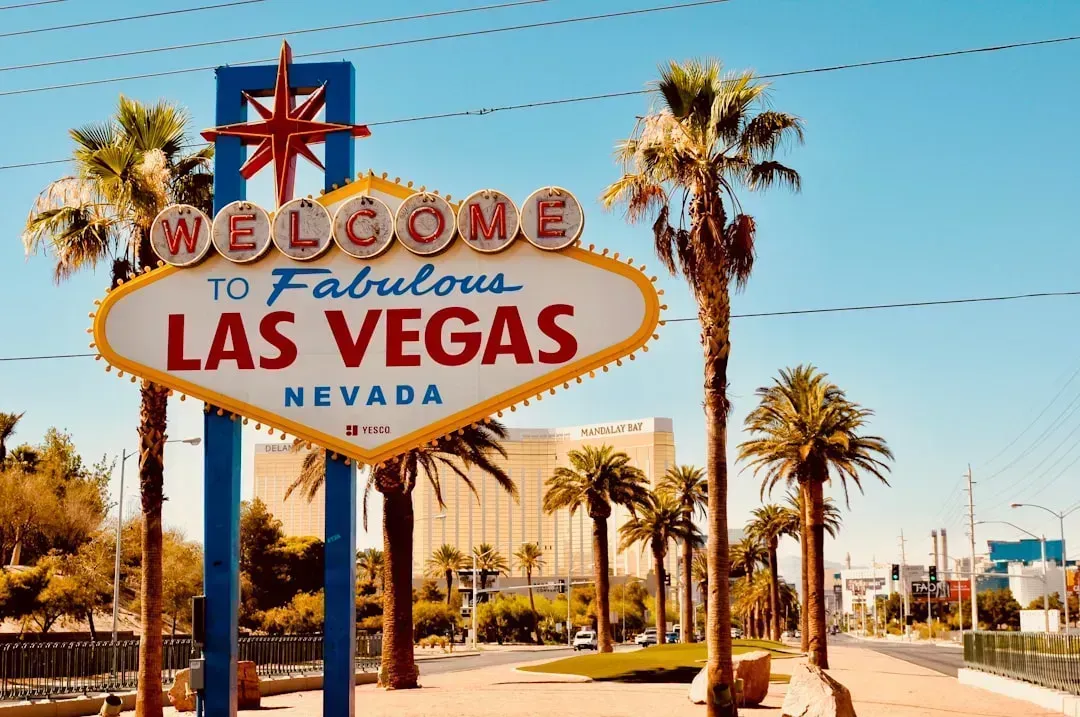
Yuma is not alone in the ultra-dry category, even if it sits at the very top. Las Vegas is frequently cited as the driest major metropolitan area once population size is factored in. Las Vegas is the driest major city in the United States, with mountain ranges to the west acting as natural barriers that block Pacific moisture from entering the valley, paired with summer temperatures frequently in the triple digits.
Bakersfield, Reno, and a handful of smaller cities in California and the Great Basin also post remarkably low totals. Other mid-sized cities averaging less than ten inches of precipitation a year include Reno Nevada, St George Utah, El Paso Texas, Albuquerque New Mexico, and Yakima Washington. What separates Yuma from that group is consistency. Its numbers stay near the bottom of the list year after year, rather than fluctuating with occasional wet winters.
Life in a City Built Around Sunshine and Farmland
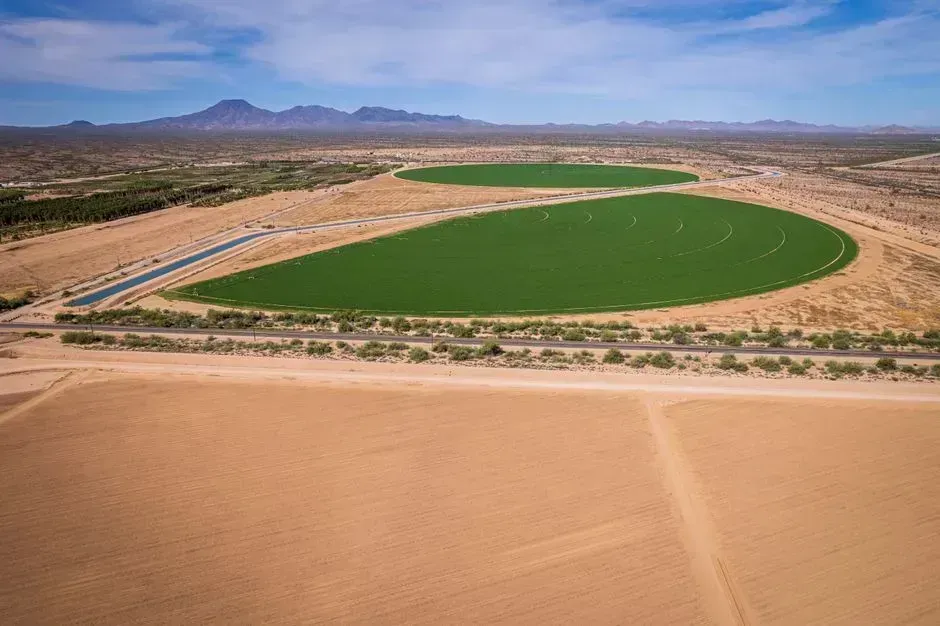
It would be easy to assume a place this dry struggles to support much of anything, but Yuma tells a different story thanks to one crucial resource running right through it. The military and the Colorado River still figure prominently in the city’s identity, but agriculture also defines Yuma, where you won’t drive the roads very long before you inhale the loam of farmland or meet a John Deere, and the city famously grows the majority of the nation’s winter lettuces, among 200 vegetables including squash, zucchini, and cauliflower, along with medjool dates. The Colorado River essentially turns an otherwise barren desert floor into one of the most productive winter farming regions in the entire country.
That irrigation-dependent farming economy exists in direct tension with the very climate that makes the region attractive to visitors. Warm winters and reliable sun are perfect for growing produce, but every drop of water used for irrigation has to be pulled from the river rather than counted on from rainfall. It is a delicate balancing act that has defined the region for well over a century.
What Yuma’s Climate Means for the Southwest’s Water Future
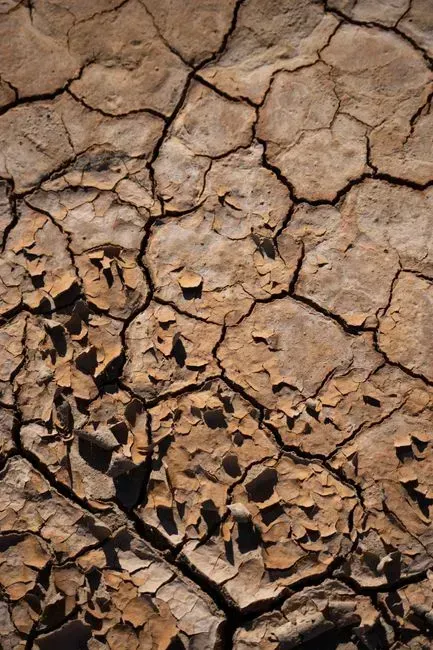
Yuma’s extreme dryness is not just a quirky fact for trivia nights. It is a preview of the pressures facing much of the American Southwest as populations grow and water resources tighten. Every dry city on the list is located in the American West, where rain shadows and desert climates shape daily life, and the region’s dry climate is reflected in things like the shrinking Great Salt Lake, an endorheic basin with no outlet that depends entirely on inflow, with water lost only through evaporation, and years of drought pushing levels to historic lows.
Cities like Yuma survive because of careful water management tied to the Colorado River, a river system that is itself under increasing strain from decades of overuse and drought across multiple states. The city functions as something of a case study in how far human engineering can stretch a genuinely inhospitable climate, and how much that stretch depends on a single river holding steady.
Final Thoughts
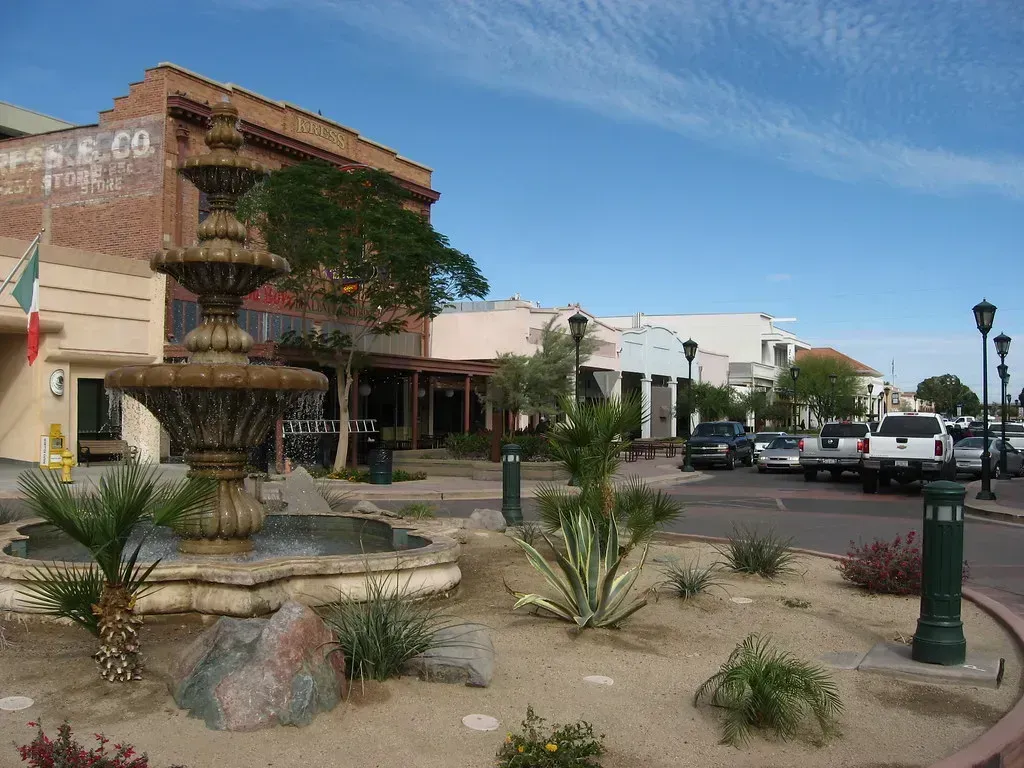
Phoenix will likely keep its reputation as America’s quintessential desert city, mostly because of its size and the sheer number of people who experience its summers firsthand. The actual title for driest city, though, belongs to a smaller, sun-drenched border town that most Americans have never spent much time thinking about. Yuma earns that distinction the hard way, through decades of consistent weather records rather than reputation, and it remains a striking example of how much life can still take root in a place where rain is closer to a rumor than a routine.
