

A volcano that never really stops
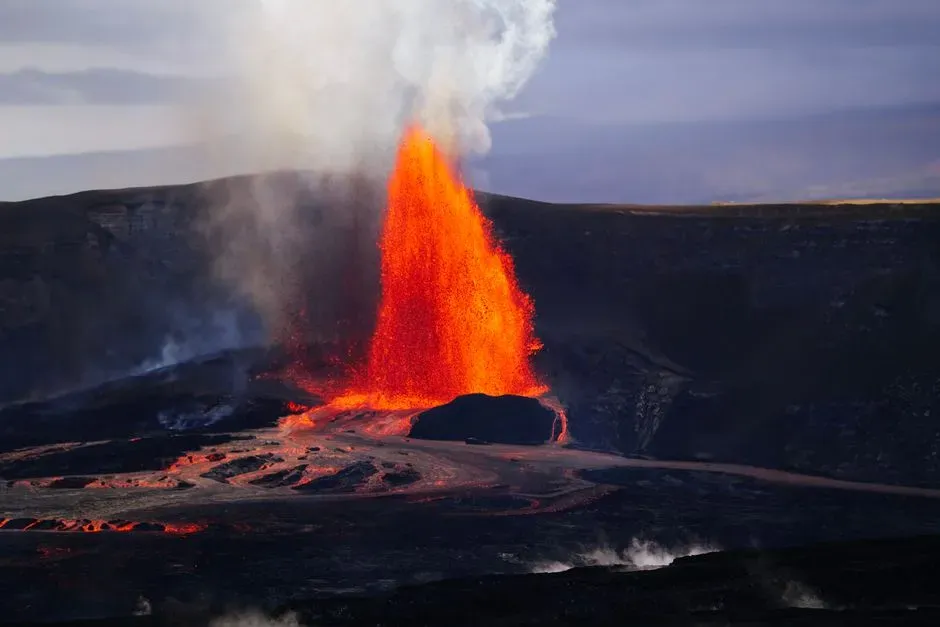
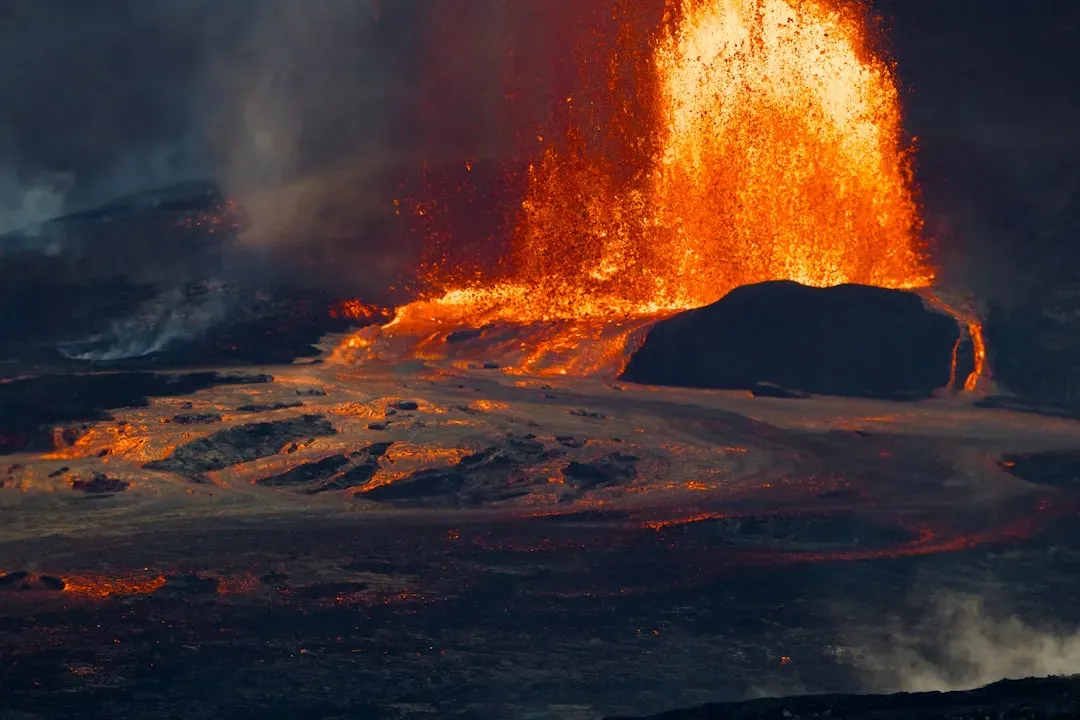
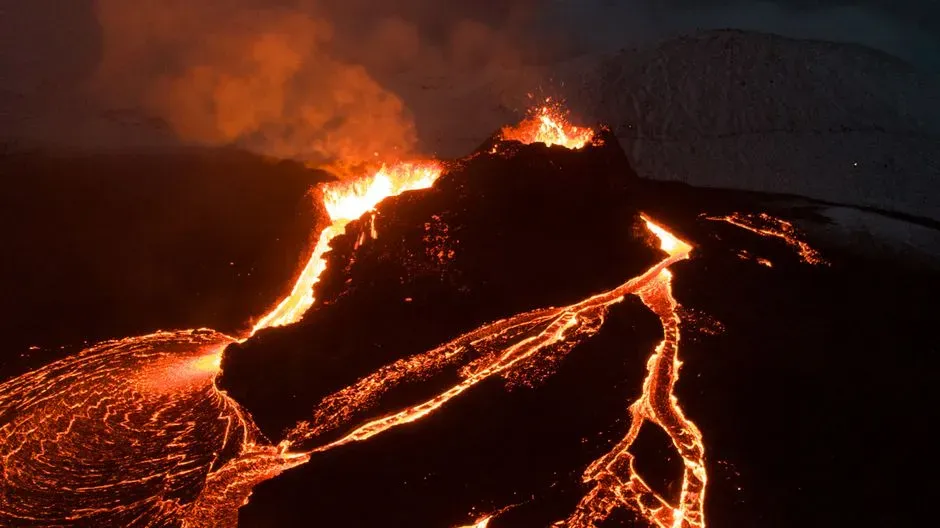
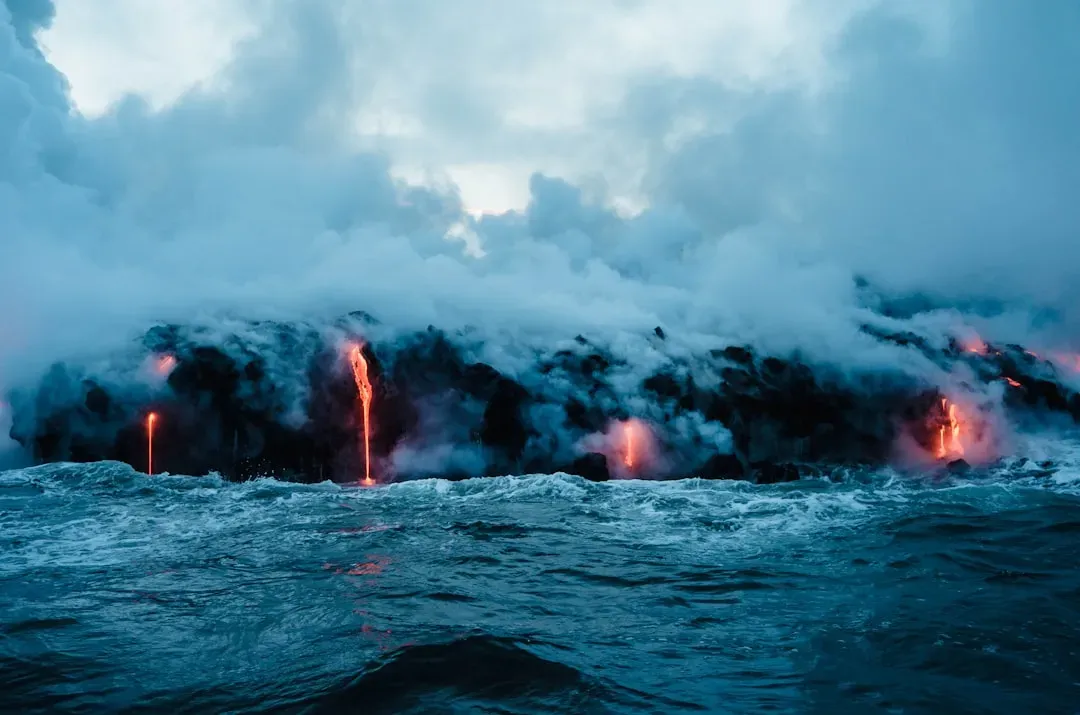
Kilauea has been erupting on and off since December 23, 2024, and by the summer of 2026 it had already run through more than fifty distinct episodes of lava fountaining. Kilauea has been in an active cycle of eruptions since December 23, 2024, with lava fountains shooting up from vents inside Halema’uma’u crater at the summit, lasting for hours, then pausing before the next episode begins. That start-stop rhythm is unusual even by Kilauea’s own restless standards.
It’s not the slow, continuous lava-into-the-ocean scene that many visitors expect from old footage. It’s not continuous lava flowing into the ocean the way some visitors expect, but it is a genuine volcanic spectacle that’s worth understanding before you make the drive. The eruption episode in mid July 2026, numbered 51, lasted just over eight hours before pausing again, a pattern that has held for most of 2025 and 2026.
Understanding vog, Hawaii’s volcanic smog
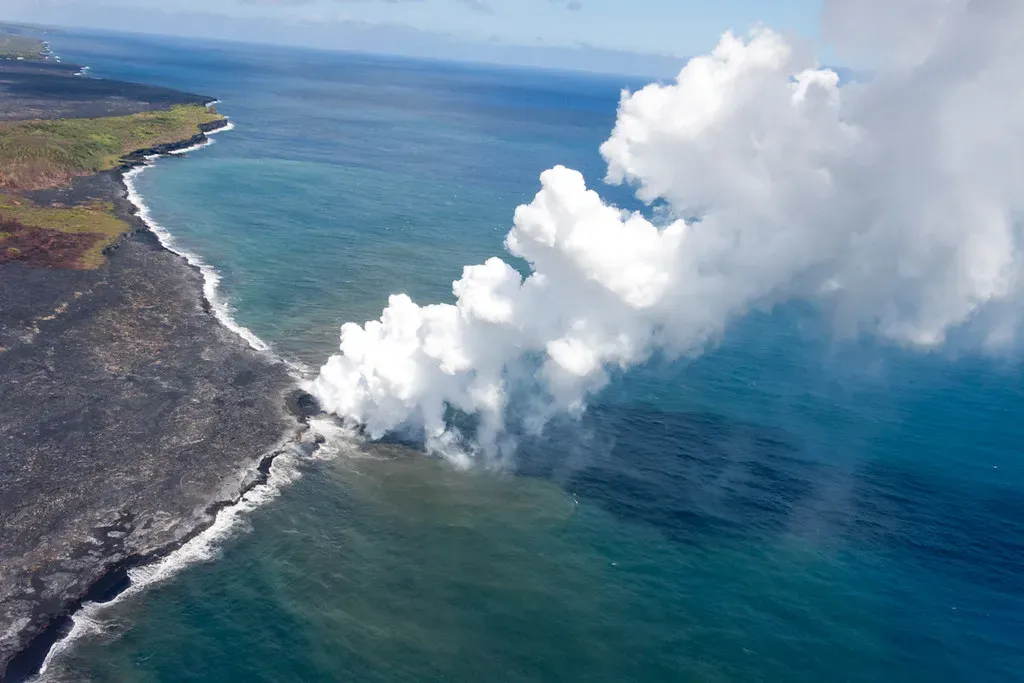
Ask any longtime Big Island resident what “vog” means and they’ll answer without hesitation. It’s the hazy, sometimes acrid air that settles over parts of the island when the volcano is active. Vog is created when sulfur dioxide emitted by the Kilauea volcano reacts with oxygen and moisture in the presence of sunlight.
The gases themselves come straight from the eruption. Water vapor, carbon dioxide, and sulfur dioxide are continuously released during an eruption, and SO2 reacts in the atmosphere to create the visible haze known as vog downwind, which may cause respiratory and other problems. Visitors driving toward the national park sometimes notice the change in air quality before they even see the crater.
Why vog reaches far beyond the Big Island
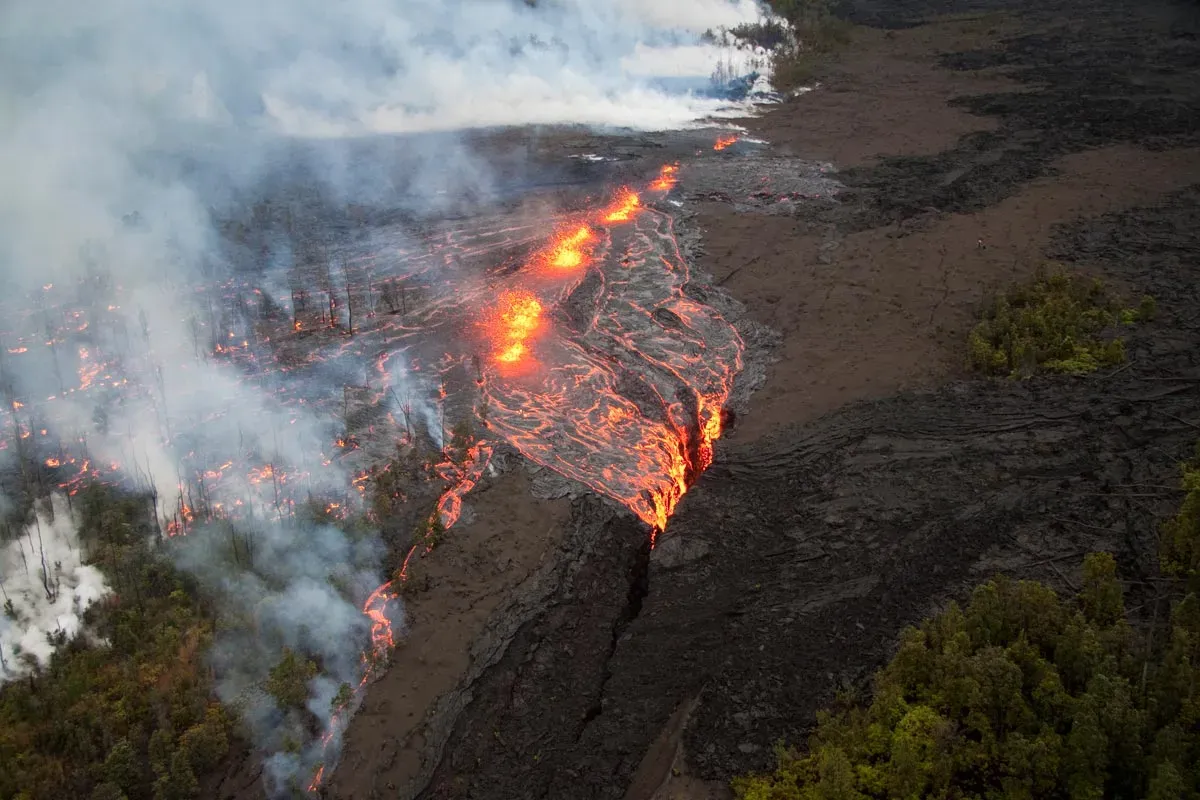
A common misconception is that vog stays put near the volcano. It doesn’t. Volcanic gases are present in their highest concentrations in the immediate area around the summit crater or vents, but they also combine with other particles to form vog, which can spread across the Big Island and even waft over to the state’s other islands.
That wider reach means someone vacationing on Oahu or Maui can still feel the effects during particularly heavy emission periods. Since the eruption began Dec. 23, 2024, air monitoring stations on Hawaii island, Maui and Oahu have recorded fluctuating air quality, with periodic increases in sulfur dioxide and fine particulate matter. Most days the readings stay mild, but they can shift quickly depending on the volcano’s mood.
Health effects visitors should know about
Vog isn’t just an inconvenience for photos. Vog can give healthy people burning eyes, headaches and sore throats, and it can send those with asthma or other respiratory problems to the hospital. Even travelers with no history of breathing trouble sometimes notice a scratchy throat or unexpected fatigue after a day near the summit.
The state health department has repeated similar warnings through 2025 and 2026 as episodic eruptions continued. Short term exposure to elevated levels of SO2 and PM2.5 may cause temporary eye, nose, or throat discomfort, coughing, or increased mucus production, and at higher concentrations or during prolonged exposure, more noticeable respiratory symptoms, including difficulty breathing or worsening of existing lung conditions, may occur. It’s worth taking seriously even on a short trip.
Sensitive groups face greater risks
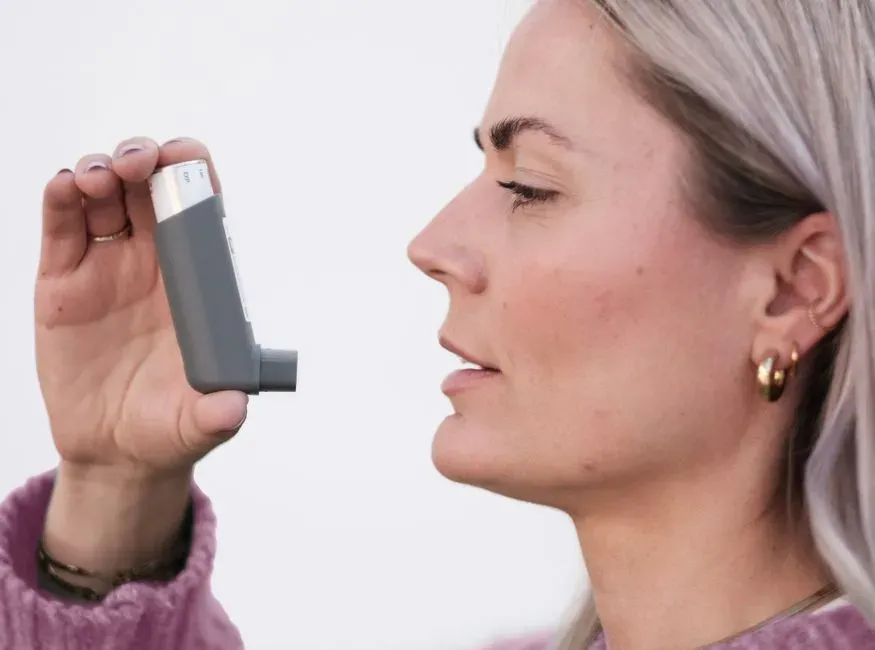
Not everyone reacts to vog the same way, and health officials have been clear about who needs to be more cautious. In healthy people, vog can cause irritation, coughing, fatigue, difficulty breathing, and other ailments, and it may have more serious effects on those with respiratory conditions, children, elderly, pregnant people, and others. That’s a broad list, and it covers a fair share of any given tour group.
Asthmatics in particular seem to draw the most attention from researchers who study vog. Physically-active asthmatics are most likely to experience serious health effects from SO2, and even short-term exposures can cause narrowing of the airways, causing asthma symptoms. Anyone with a history of asthma might want to rethink strenuous hikes on high vog days.
Pele’s hair, ash, and other airborne surprises
Vog gets most of the attention, but it isn’t the only airborne hazard tied to Kilauea’s activity. Additional eruption hazards may include windblown volcanic glass (Pele’s hair) and volcanic rock fragments and ash that can also impact surrounding communities. These strands of volcanic glass are thin enough to travel on the wind, which is exactly why they show up unexpectedly on cars and lawns miles from the vent.
Health officials have also had to clarify what actually helps during these episodes. Masks do not protect against volcanic gases such as sulfur dioxide, and residents should avoid sweeping or using blowers that could stir ash back into the air. It’s a small but telling detail that shows how different volcanic weather is from ordinary dust or pollen.
Elevation, rain shadows, and Hawaii’s volcanic microclimates
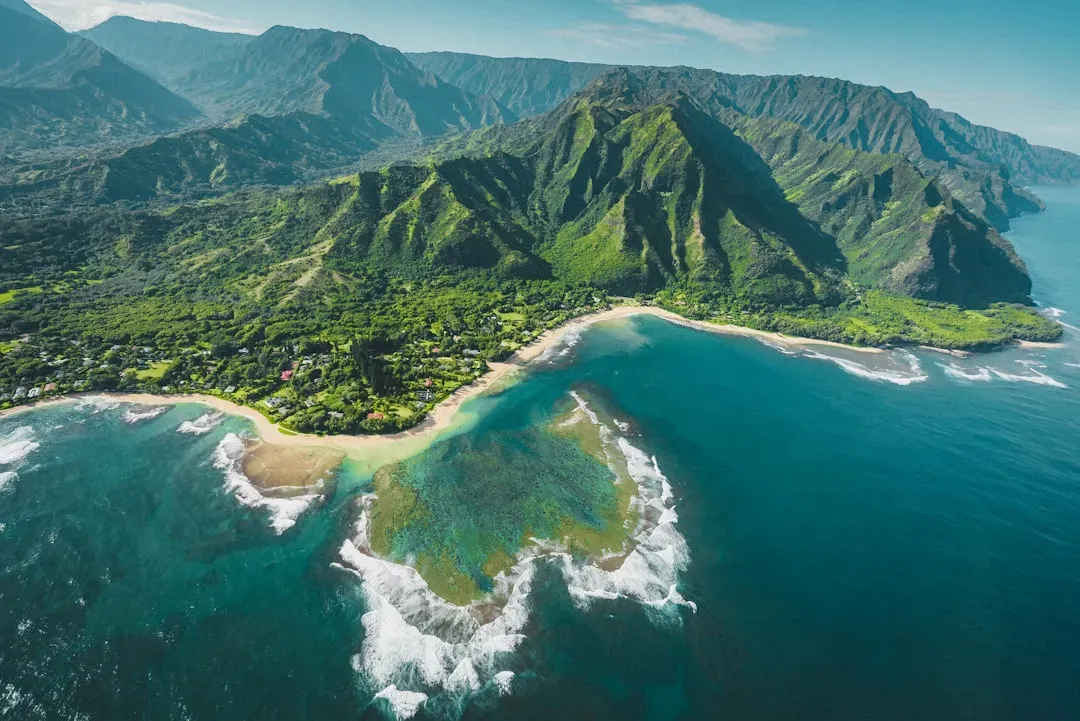
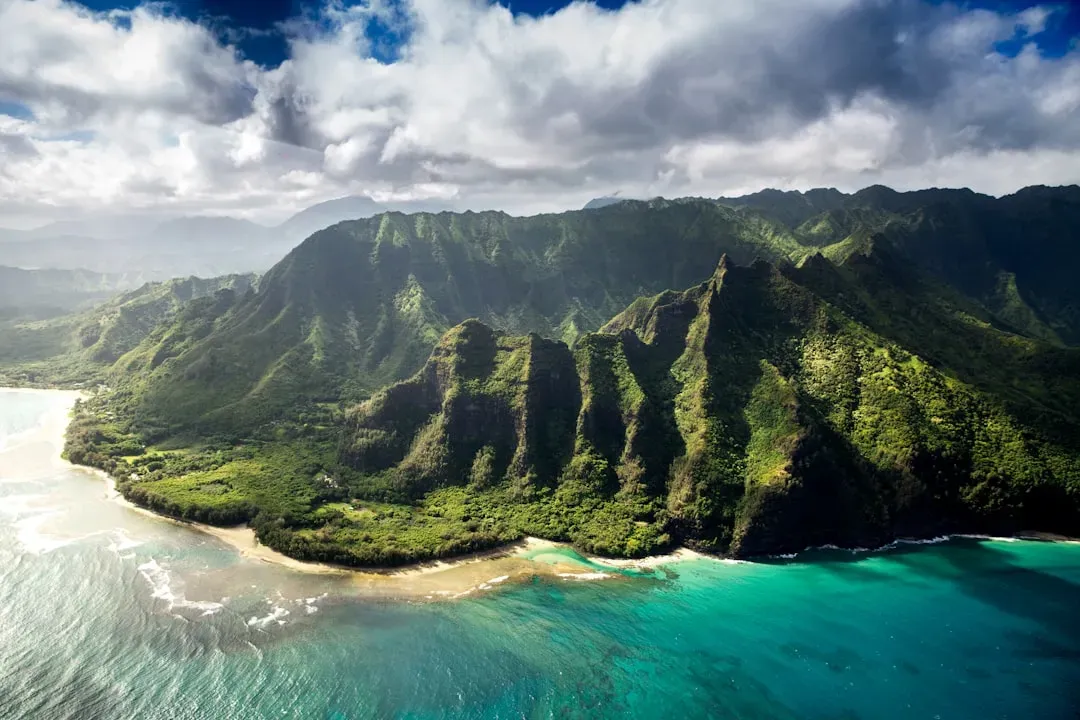
The Big Island’s volcanoes don’t just spit out gas and ash, they also physically block and redirect moisture, creating some of the sharpest microclimates in the United States. Driving from Hilo to Kona, travelers pass through rainforest, dry lava desert, and near-alpine cold within a couple of hours, largely because Mauna Loa and Mauna Kea interrupt the trade winds and force rain to fall on one side while leaving the other side parched. The Big Island alone is built from five volcanoes, Kilauea, Mauna Loa, Hualalai, Mauna Kea, and Kohala, with a sixth, the submarine Kamaehuakanaloa, growing offshore.
That volcanic geography is also why temperatures near Hawaii Volcanoes National Park can feel noticeably cooler and mistier than the beach towns most visitors picture. At roughly four thousand feet of elevation, the summit area sits in its own weather system entirely, and it isn’t unusual to layer up there after sunbathing at sea level that same morning.
Tracking conditions with real-time monitoring tools
Because vog and volcanic weather change so quickly, Hawaii has built out a fairly robust monitoring network for both residents and visitors. The Hawaii Department of Health encourages residents and visitors to access the Hawaii Air Quality Data on the Clean Air Branch website and the Hawaii Interagency Vog Information Dashboard for up-to-date information on vog and sulfur dioxide from volcanic activity. These tools update frequently enough to actually inform a same-day decision about outdoor plans.
There’s also a purpose-built forecasting tool specifically for the Big Island. The VMAP forecasts vog-related SO2 and particulate exposures for Hawaii Island and also provides animated maps of vog direction flow over the island in real time. Checking it before heading toward the volcano area has become fairly routine advice from tour operators and park staff alike.
Practical tips for travelers facing volcanic weather
The most useful habit for anyone visiting during an active episode is simply checking conditions the night before rather than assuming clear skies will hold. Checking the USGS site the night before, leaving Kona early, packing a lunch, and planning to stay until after dark if an episode is active is a practical approach that works for most visitors. Air quality maps, wind forecasts, and the USGS volcano notices together paint a fairly complete picture of what to expect that day.
Packing for the volcano region also means packing for genuine variability, not just sun protection. A light jacket for the cooler summit air, any personal asthma medication, and a flexible itinerary that allows for skipping strenuous trails on heavy vog days all go a long way. Contacting a medical provider if symptoms develop and having medications readily on hand are simple precautions that officials continue to recommend during active eruption periods.
The takeaway for anyone planning a trip
Hawaii’s volcanoes are part of what makes the islands extraordinary, but they also introduce a layer of environmental unpredictability that beach photos rarely capture. Vog, shifting trade winds, sudden elevation changes, and the occasional drift of volcanic glass are all part of the package when a place is still actively being built by lava. Understanding these patterns beforehand doesn’t diminish the experience. If anything, it makes the volcano feel less like scenery and more like the living, breathing force that shaped these islands in the first place.

- The Shoreline Sucked Dry in Seconds – 5 Tsunami Signals Beachgoers Mistake for Low Tide - November 14, 2026
- 9 Dark-Sky Destinations Around the World Where the Stars Look Unreal - November 14, 2026
- The Fault Line That Never Slips – 7 Locked Seismic Zones Overdue for a Massive Release - November 14, 2026
