

- These 6 Americas National Parks Rank Highest for Biodiversity - September 14, 2026
- Snowfall Is Declining Across 9 Andean Mountain Ranges, Data Shows - September 14, 2026
- 7 Electrical Upgrades That Can Help Homes Handle Extreme Heat and Storms - September 14, 2026
The following cities keep showing up in climate projections, heat mortality data, and risk models as places where summer by 2050 could look fundamentally different from what residents experience today. Some are already living a preview of that future.
1. Phoenix, Arizona

Phoenix is the closest thing America has to a heat laboratory, and the results are not subtle. In 2024, the city logged 70 days recorded temps at or above 110 degrees and 113 days in a row had temperatures in triple digits, a streak that shattered every prior record. That 113 day run was, as one report put it, “the longest such streak ever recorded, a month longer than the 1993 record of 76 days.”
The human cost has been staggering, though there are recent signs of progress. Maricopa County recorded 645 heat related deaths in 2023, a number that fell to 608 in 2024, and preliminary 2025 figures show a further drop to 427 deaths, which officials attribute partly to “expanded heat relief efforts primarily supported by American Rescue Plan Act (ARPA) funding beginning in summer 2024.” Even with better cooling infrastructure, the underlying trend line for temperature itself keeps climbing, and researchers note the city has averaged roughly forty days a year above 110 degrees over the last five years, compared with just a handful a century ago.
2. Miami, Florida
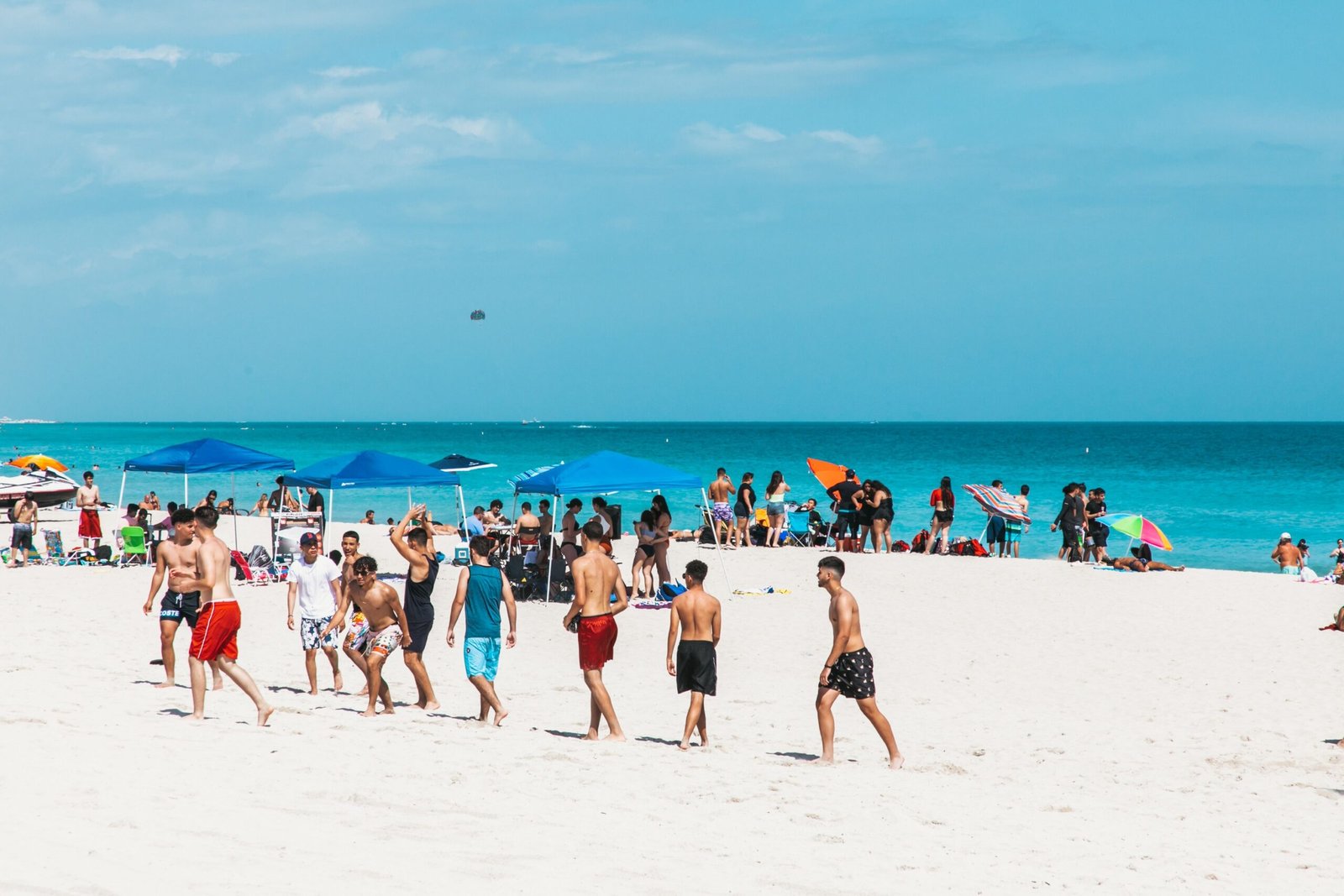
Miami’s danger comes less from raw thermometer readings and more from the suffocating combination of heat and humidity. First Street Foundation’s peer reviewed heat model found that “the most severe shift in local temperatures is found in Miami-Dade County where the 7 hottest days, currently at 103°F, will increase to 34 days at that same temperature by 2053.” That is not a modest uptick, it is roughly a fivefold jump in how often residents will face heat index readings that feel that oppressive.
What makes South Florida particularly tricky is that there is little relief once the sun goes down, since the surrounding water keeps humidity high around the clock. Broader national projections back up the concern, noting that “some places, like Florida, could experience up to 50 more days over 95°F per year” under a two degree Celsius warming scenario. For a region built on tourism and outdoor living, that shift changes the calculus of everyday life, from construction schedules to how long kids can safely play outside.
3. Dallas and Fort Worth, Texas
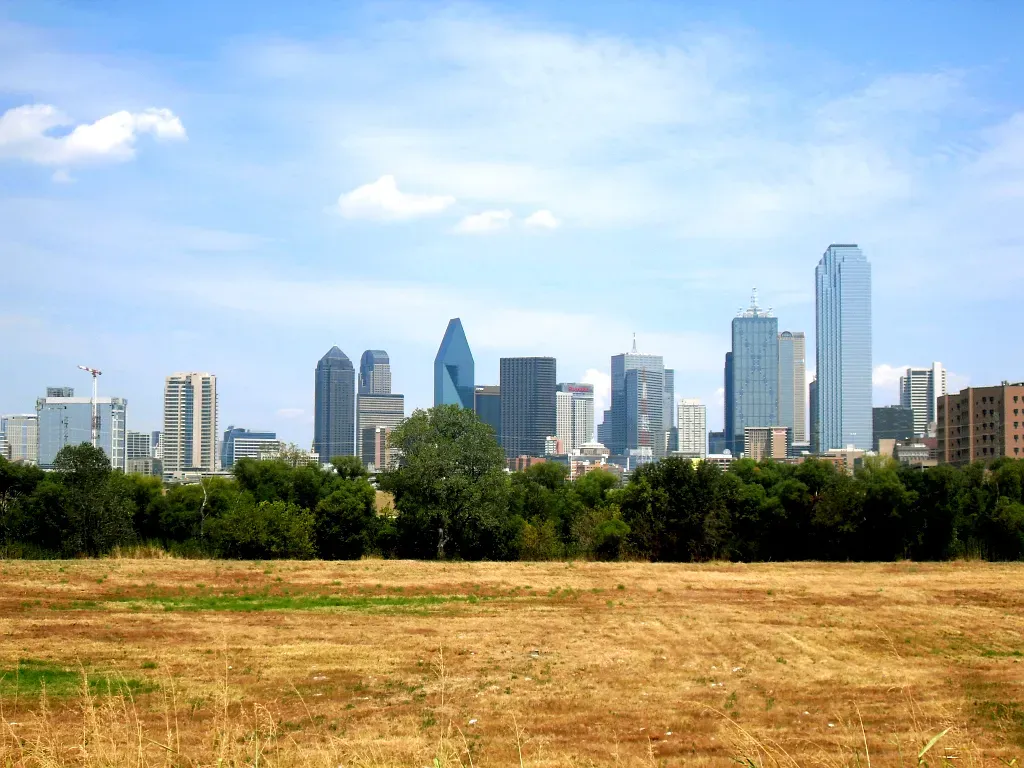
North Texas sits near the northern edge of what researchers now call the nation’s emerging extreme heat corridor. First Street Foundation’s analysis describes an “extreme heat belt,” which would stretch from the Northern Texas and Louisiana borders to Illinois, Indiana and Wisconsin, placing Dallas Fort Worth squarely inside a zone expected to see heat index readings above 125 degrees at least once a year by the early 2050s. That kind of heat index is rare today and largely confined to places like Death Valley.
Texas already ranks among the states most exposed to dangerous heat days, and the state shows up repeatedly in national risk assessments as one of the places “expected to see the largest number of dangerously hot days” in coming decades. Combine that with the region’s rapid population growth and sprawling, pavement heavy development, and the urban heat island effect is likely to compound whatever the atmosphere delivers on its own.
4. Houston, Texas
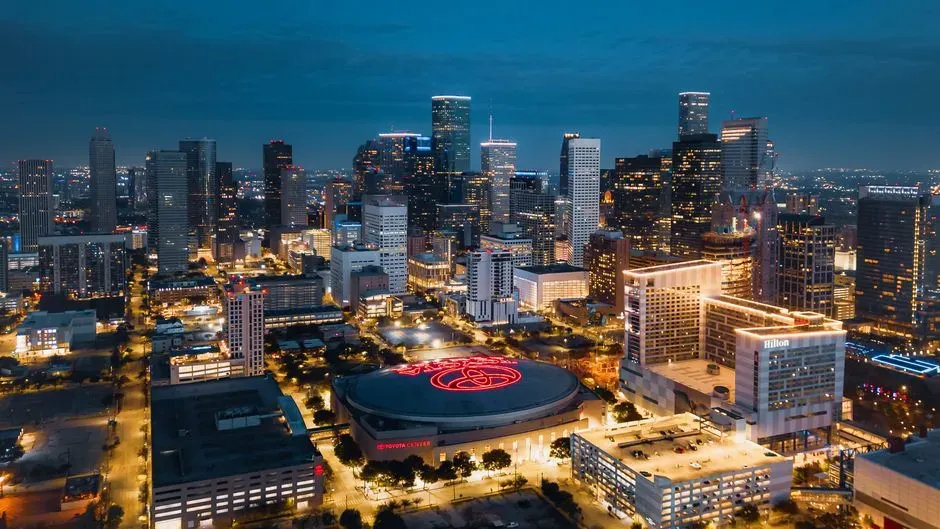
Houston shares Dallas’s spot inside the projected extreme heat belt, but it carries the added burden of Gulf Coast humidity, similar to Miami’s predicament. The city already deals with heat index days that regularly outpace the actual air temperature by ten degrees or more, and researchers expect that gap to widen as ocean temperatures rise. Some southern states, the data suggests, could see “more than 70 straight days of a heat index over 100 degrees” in coming decades, and Houston’s flat, humid geography makes it a strong candidate for that kind of extended stretch.
Unlike Phoenix, where dry heat at least allows for some nighttime cooling, Houston’s humidity tends to keep overnight lows uncomfortably high. That matters because bodies recover from heat stress during cooler nighttime hours, and when that recovery window shrinks, cumulative heat exposure becomes more dangerous even if daytime highs look similar to a drier city’s numbers.
5. Las Vegas, Nevada
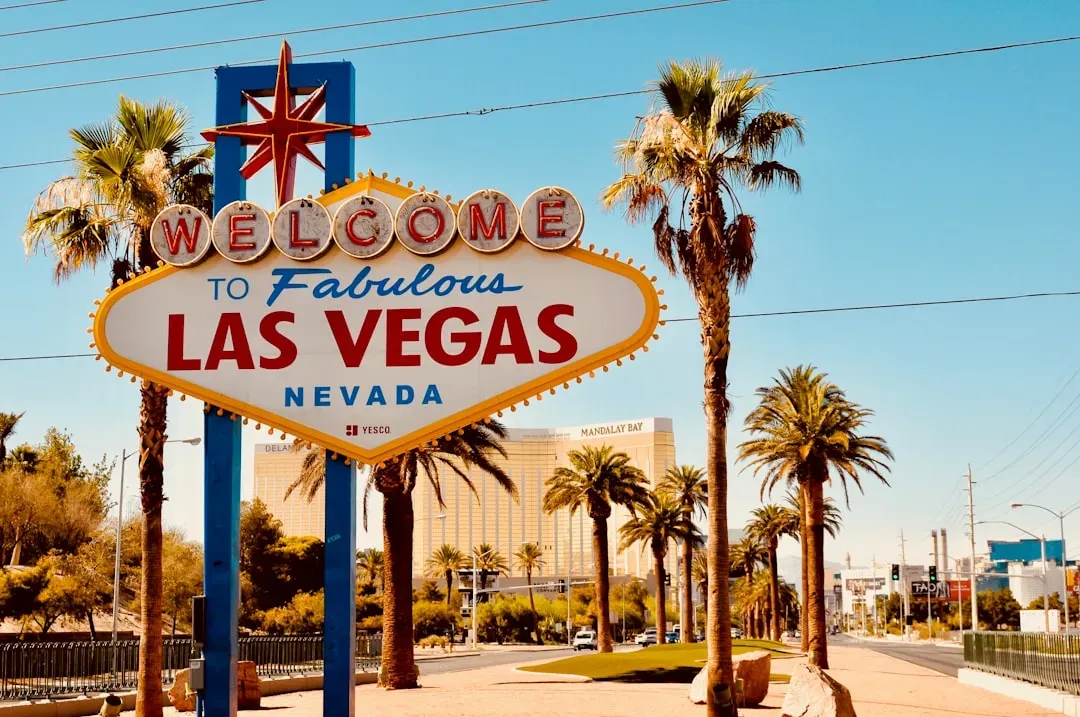
Las Vegas shares Phoenix’s desert climate and, increasingly, its record breaking summers. The city sits within a region where climate models consistently show some of the steepest increases in days above 100 degrees Fahrenheit through 2053, driven largely by the same dry air dynamics that make Phoenix’s heat so intense. Unlike its Arizona neighbor, Vegas also has to manage relentless tourism traffic, meaning cooling infrastructure has to serve both permanent residents and a constant flow of visitors unfamiliar with desert heat safety.
Water scarcity compounds the risk here in ways it does not in most other cities on this list. As Lake Mead’s levels have fluctuated with prolonged drought, the region’s ability to keep public cooling stations, parks, and green spaces running during peak heat has become an added strain, layering resource pressure on top of rising temperatures.
6. Sacramento and California’s Central Valley

California’s Central Valley, anchored by Sacramento, occupies an odd middle ground in climate discussions. It rarely gets the same media attention as Phoenix or Miami, yet the valley already regularly hits triple digit heat for extended stretches each summer, and projections show that pattern intensifying by midcentury. The combination of agricultural land use, minimal coastal cooling influence, and a bowl shaped geography that traps heat makes this one of the more overlooked hot spots in national climate modeling.
Agricultural workers bear a disproportionate share of the risk here, since so much of the region’s economy depends on outdoor labor during the hottest months. As national assessments note, most of the country should expect “15–30 more days over 95°F per year with 2°C of global warming,” and inland California valleys, lacking the coastal breezes that temper cities like Los Angeles or San Francisco, are likely to land on the higher end of that range.
7. St. Louis and the Central Heat Belt Corridor
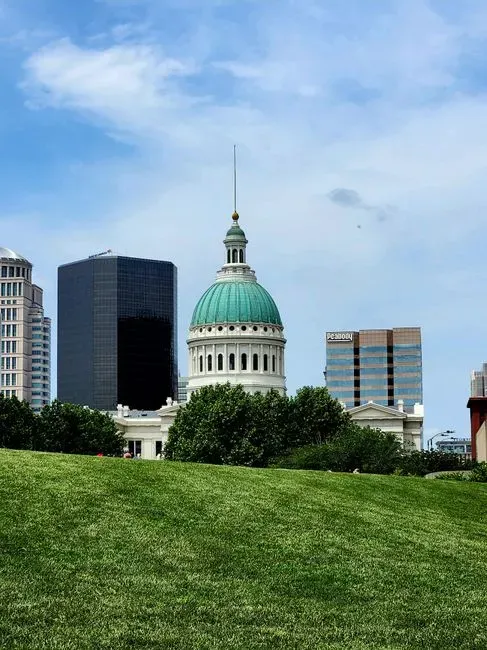
St. Louis represents the northern frontier of America’s shifting heat map, a city that historically thought of extreme heat as a rare summer nuisance rather than a defining seasonal feature. That is changing. First Street Foundation’s research specifically flagged the city as one of the metros expected to see the steepest rise in dangerous heat days, noting that the “expected to experience these Extreme Danger Days are St. Louis, MO; Kansas City, MO; Memphis, TN; Tulsa, OK; and Chicago, IL” among the top metros nationally for this kind of exposure.
What makes this region notable is that its infrastructure and building stock were never designed with this level of heat in mind. Older housing, limited air conditioning penetration in some neighborhoods, and a population less acclimated to extended heat waves compared to Sun Belt cities all suggest that the public health impact here could be disproportionate to the raw temperature numbers, especially as the extreme heat belt described by researchers pushes further north toward the Great Lakes region.
Taken together, these seven cities illustrate a pattern that climate researchers have been warning about for years now finally showing up in hard data. The Southwest gets hotter and drier, the Gulf Coast gets hotter and stickier, and a wide swath of the country’s middle, once considered climate moderate, starts absorbing heat extremes it was never built to handle. Whether that future arrives gradually or in sudden record shattering summers, the infrastructure, health systems, and daily habits of these cities will need to adapt well before 2050 actually arrives.
