

For decades, the story coming out of South America’s wild places has mostly been one of loss. Forests cleared, rivers dammed, predators shot on sight by ranchers protecting their herds. But scattered across the continent right now, a quieter story is unfolding, one where patient conservation work, cross-border cooperation, and a willingness to reintroduce animals that vanished decades ago are starting to pay off.
None of these recoveries happened overnight, and none of them are finished. Still, the data collected through 2025 and into 2026 show real, measurable gains for several species that not long ago seemed headed toward extinction in the wild. Here are seven of them.
1. Jaguar (Panthera onca)
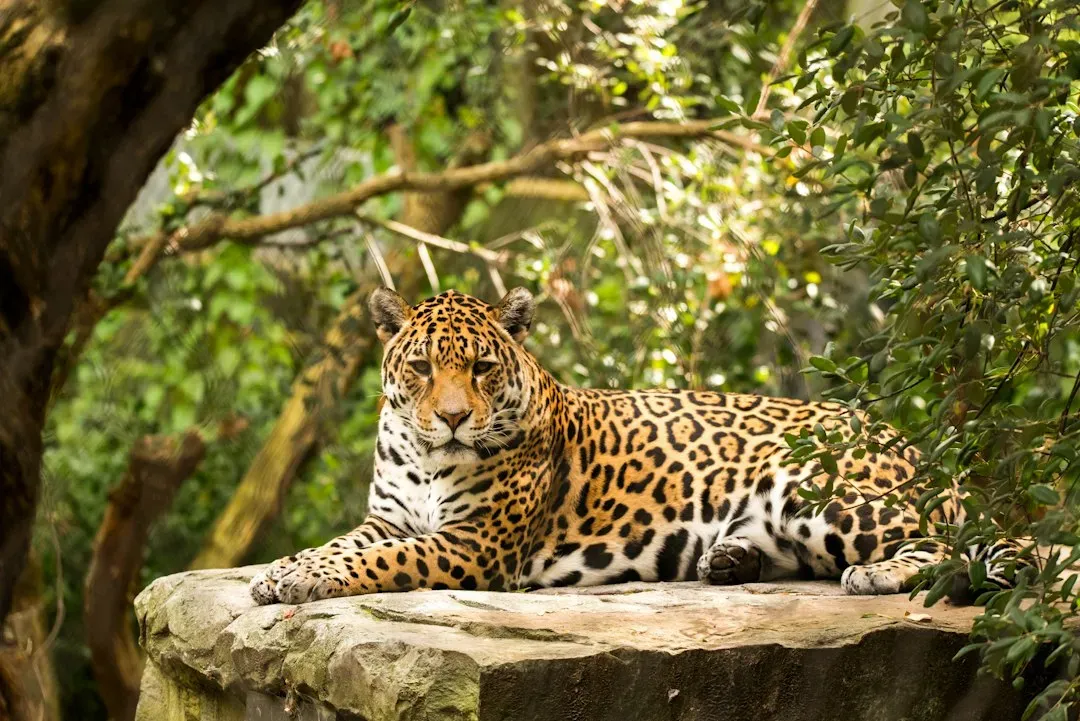
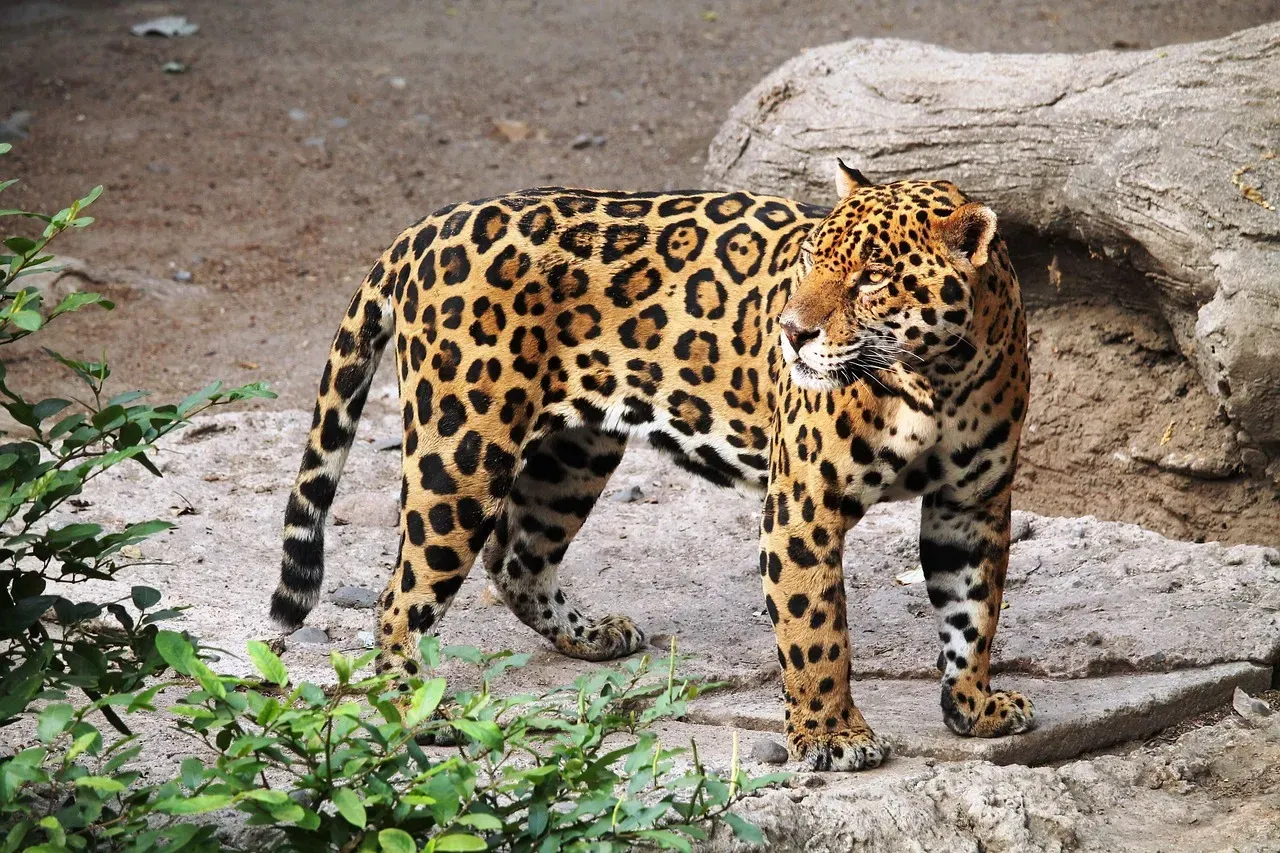
In Brazil’s Iguaçu National Park, jaguars were nearly gone by 2009, with researchers counting just nine to eleven jaguars by 2009 on the Brazilian side of the border corridor. Today the picture looks very different. The number of jaguars across the Brazil-Argentina Green Corridor has more than doubled in the last 13 years, with 93 individuals across the Iguaçu-Iguazú site.
Argentina’s Iberá National Park tells a similar story. Jaguars had disappeared from the park entirely, but since conservationists began restoring the species in 2021, Iberá’s jaguar population has grown to between 35 and 40 individuals spanning three generations, making it a promising source for rewilding other regions. One of those cats, a female named Mini, even became part of the first wild-to-wild jaguar translocation on record in the country.
2. Giant river otter (Pteronura brasiliensis)
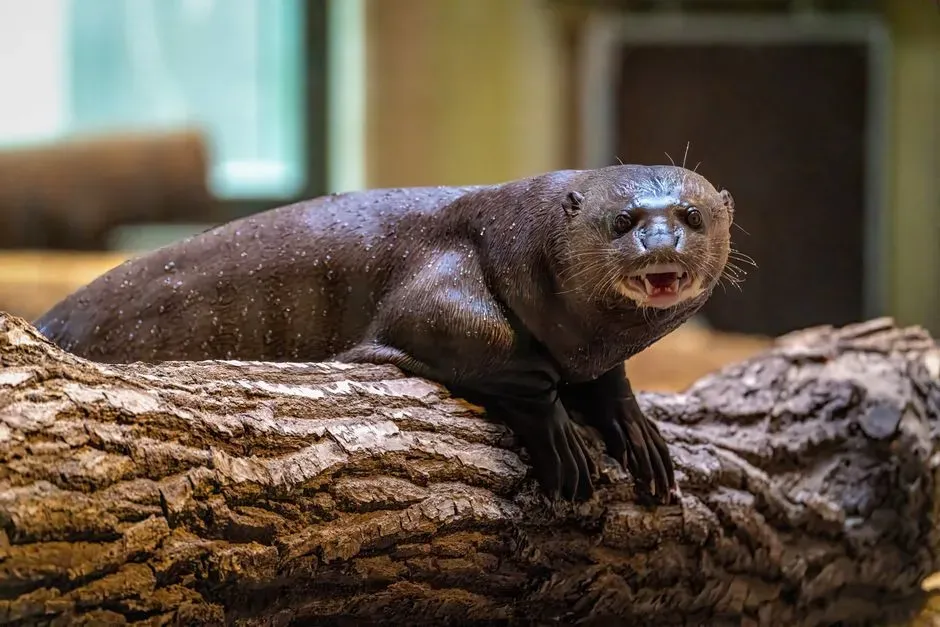
The giant river otter’s overall trend across South America has been grim, with the species suffering a 50% decline in the giant otter population over the last 25 years, according to a report cited when the animal was listed as a threatened migratory species in March 2026. It had been considered extinct in Argentina for roughly four decades.
Yet Argentina now has otters again. A family of giant river otters was released into the Iberá National Park in northeast Argentina, an endangered species with no known breeding populations in Argentina over the past 40 years, previously considered probably extinct in the country. It is a small start, but a breeding pair on the ground is exactly what a local recovery needs.
3. Southern right whale (Eubalaena australis)
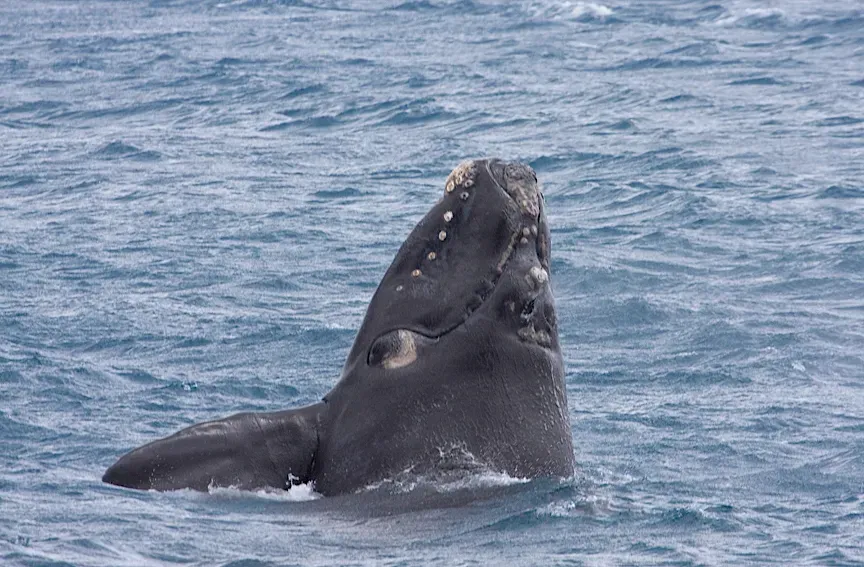
Few conservation stories from the South Atlantic are as encouraging as this one. Aerial surveys off the coast of Chubut, Argentina, in 2025 found 2,110 whales, out of which 826 were calves, a record count for researchers tracking the population.
The species was hunted to near collapse before international whaling bans took hold, and its numbers are still far below historic levels. Even so, scientists studying the Golfo San Matías population have documented signs of recovery during the last few decades, with the species now expanding its distribution range in Patagonia. The whales are not just surviving, they’re spreading into waters they had abandoned generations ago.
4. South American tapir (Tapirus terrestris)
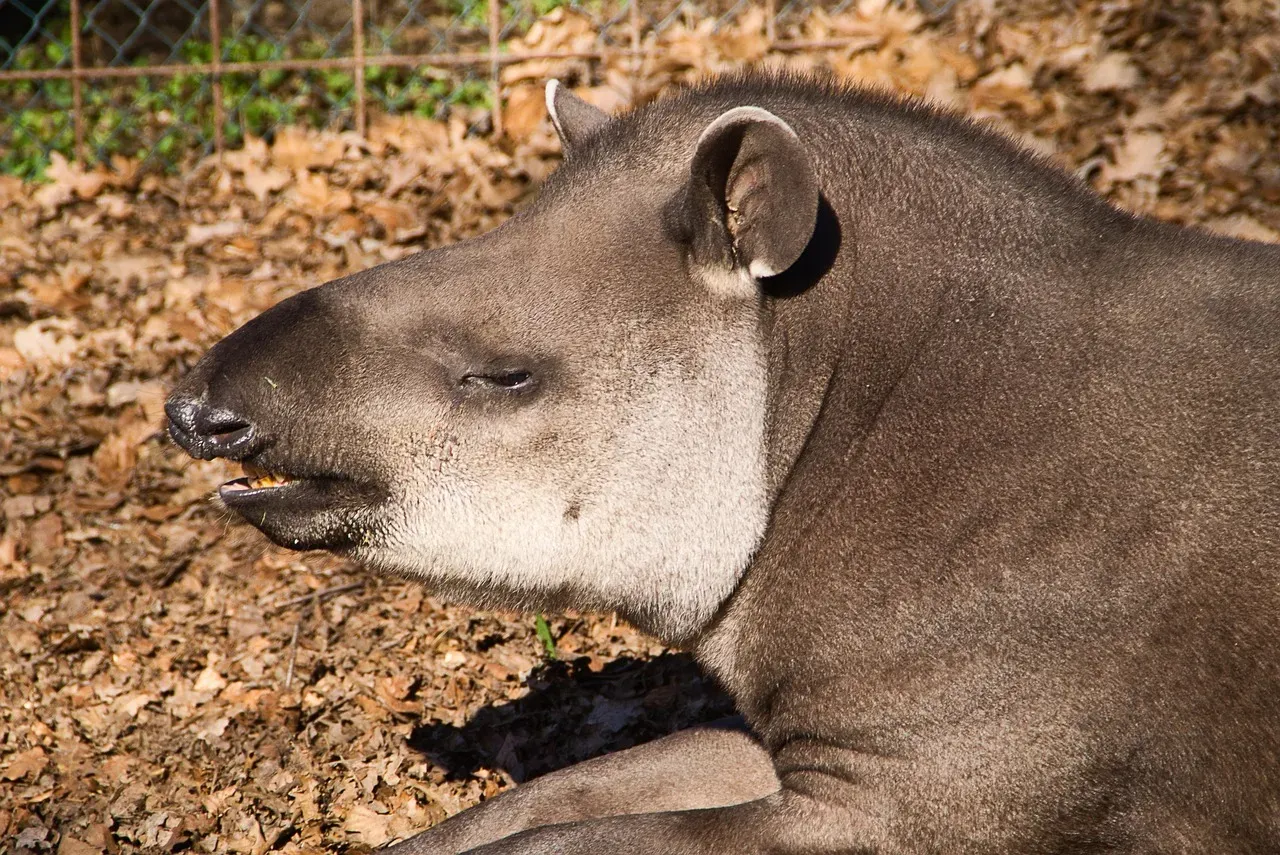
The tapir doesn’t get the headlines that jaguars do, but it plays an outsized role in seed dispersal across the forests and wetlands of the Gran Chaco and Paraná Basin. Its numbers had thinned out in areas hit hardest by cattle ranching and habitat fragmentation.
Through the newly launched Jaguar Rivers Initiative, a coalition of conservation groups working across Argentina, Bolivia, Brazil, and Paraguay has begun bringing tapirs back to areas where they had disappeared. Reintroduced species under the initiative include the South American tapir, alongside giant river otters, maned wolves, and other native animals. The hope is that as tapir numbers stabilize, the forests they help regenerate will recover too.
5. Maned wolf (Chrysocyon brachyurus)
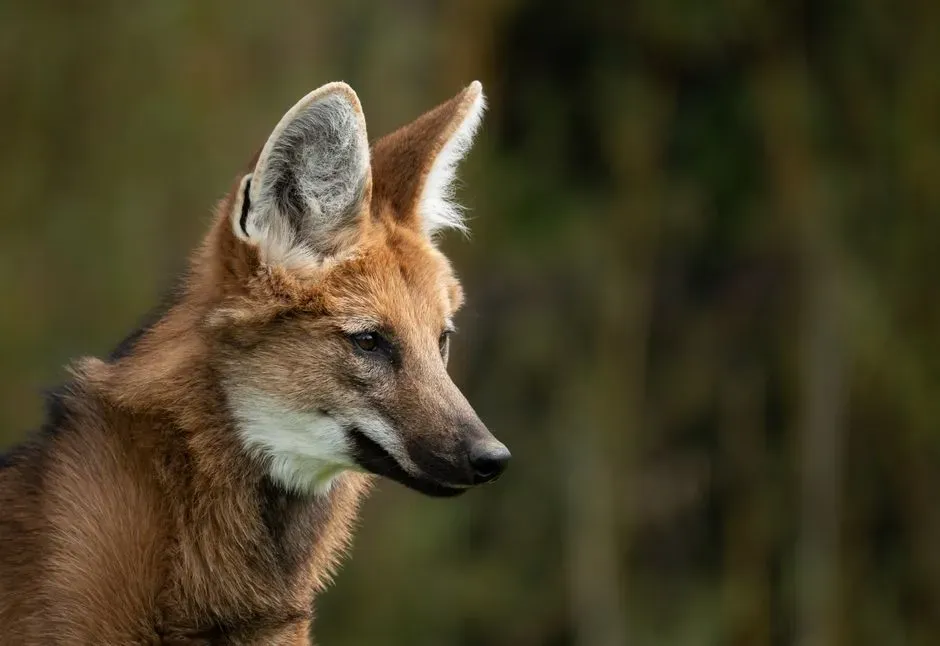
The maned wolf, South America’s largest canid despite its fox-like appearance, has lost ground steadily as grasslands and dry forests gave way to soy and cattle. It isn’t a pack hunter and doesn’t need vast territories the way jaguars do, but habitat loss still pushed local populations toward collapse in parts of its range.
The same coalition behind the tapir reintroductions has made the maned wolf one of its flagship recovery projects. Across the roughly 35,000 square kilometers of protected land the partner organizations manage, an area roughly the size of Taiwan, maned wolves are among the species being reintroduced to reconnect fragmented populations. Camera trap sightings in these corridors have become more frequent in the past two years, a small but telling sign.
6. Pampas deer (Ozotoceros bezoarticus)
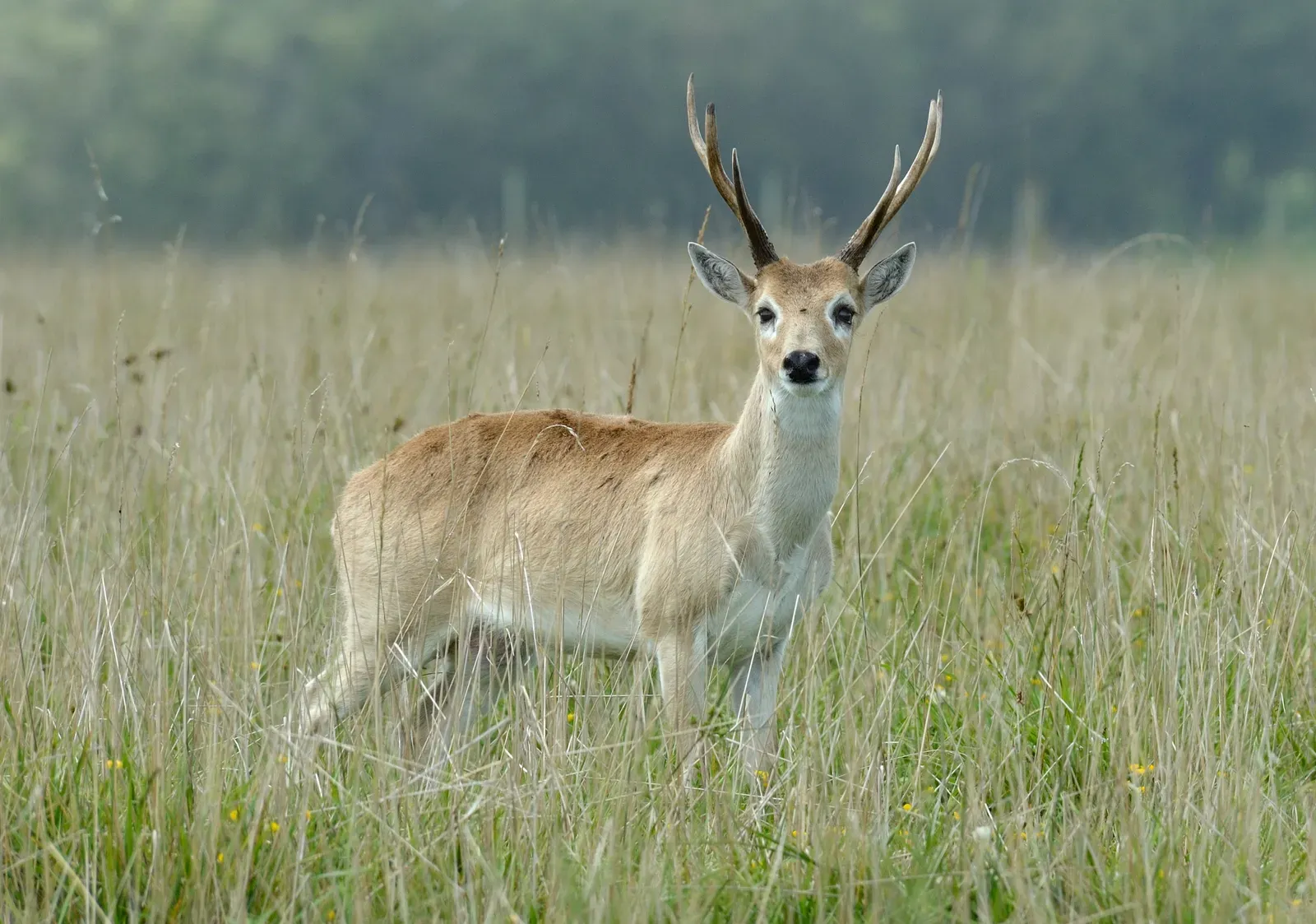
Once common across the grasslands of Argentina, Brazil, Paraguay, and Uruguay, the pampas deer suffered one of the steepest declines of any large mammal in the region during the twentieth century, driven out by hunting, disease from livestock, and the near total conversion of its grassland habitat to farmland. In much of its former range, it simply vanished.
Rewilding efforts tied to the Iberá wetlands project and the broader Jaguar Rivers Initiative have reintroduced pampas deer into protected grassland patches where they had been locally extinct for generations. The species is listed among those actively being reintroduced through the coalition’s work in the Gran Chaco and Paraná Basin. Herds established through these programs are now reproducing on their own, which conservationists treat as the real marker of success.
7. Red and green macaw (Ara chloropterus)
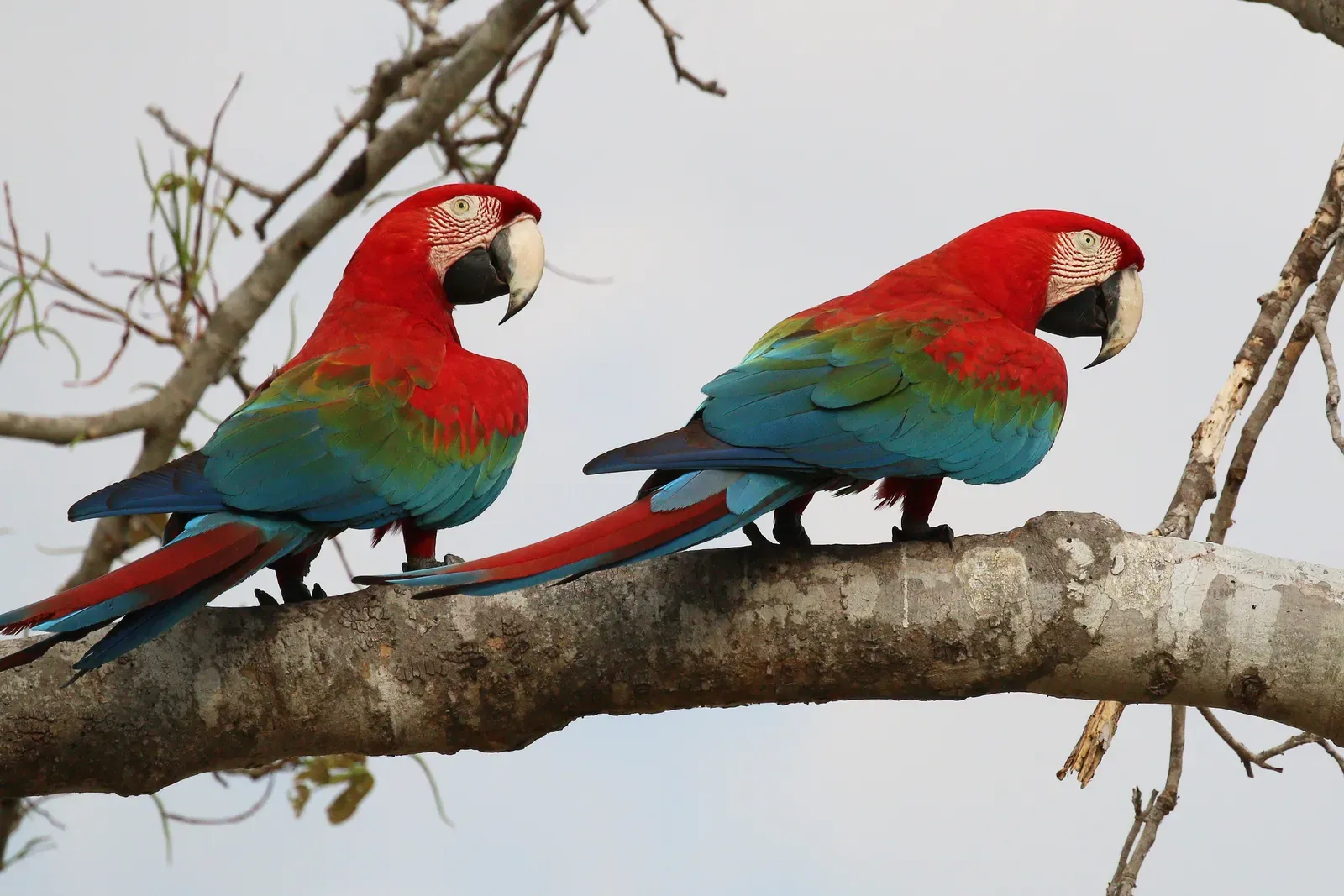
Brightly colored and long-lived, the red and green macaw suffered from a mix of poaching for the pet trade and the loss of the tall, hollow trees it depends on for nesting. In parts of Argentina’s wetlands, it had disappeared entirely by the late twentieth century.
Its return to Iberá has become one of the more visible symbols of the region’s rewilding push. Twelve extirpated species, including the jaguar, giant river otter, and red-and-green macaw, have been reintroduced and new territorial conservation models have been developed, helping to create four nature-based tourism destinations. Visitors to the park can now watch the macaws overhead, something that would have been unthinkable a generation ago.
The bigger picture behind these gains
What ties these seven recoveries together is not luck. It’s sustained, unglamorous work, decades of camera trapping, permit negotiations, community outreach, and cross-border coordination between countries that don’t always agree on much else. The Jaguar Rivers Initiative alone has already reintroduced 13 species and fostered the participation of more than 10,000 local people in nature-based economies, which suggests that conservation and local livelihoods don’t have to be at odds.
None of this erases the pressure these ecosystems remain under. Deforestation, illegal mining, and agricultural expansion continue to threaten the same landscapes where these species are just beginning to recover. But for a continent that has absorbed so much bad news about biodiversity loss, seven genuine comebacks, however fragile, are worth paying attention to.

- South America Sees 7 Animal Species Rebound After Years of Decline - September 14, 2026
- Marine Life Is Rebounding Faster Than Expected in 8 Coastal Regions - September 14, 2026
- U.S. Observatories Detect 8 Exoplanets With Earth-Like Characteristics - September 14, 2026
