


- Astronomers Track 5 Near-Earth Objects Passing This Year - September 14, 2026
- NOAA Data Reveals North America’s 6 Coldest Year-Round Inhabited Areas - September 14, 2026
- Why 9 Amazon Species Have Quietly Vanished From Their Native Habitats - September 14, 2026
1. Giant Otter: Driven From the Rivers That Once Echoed With Its Calls
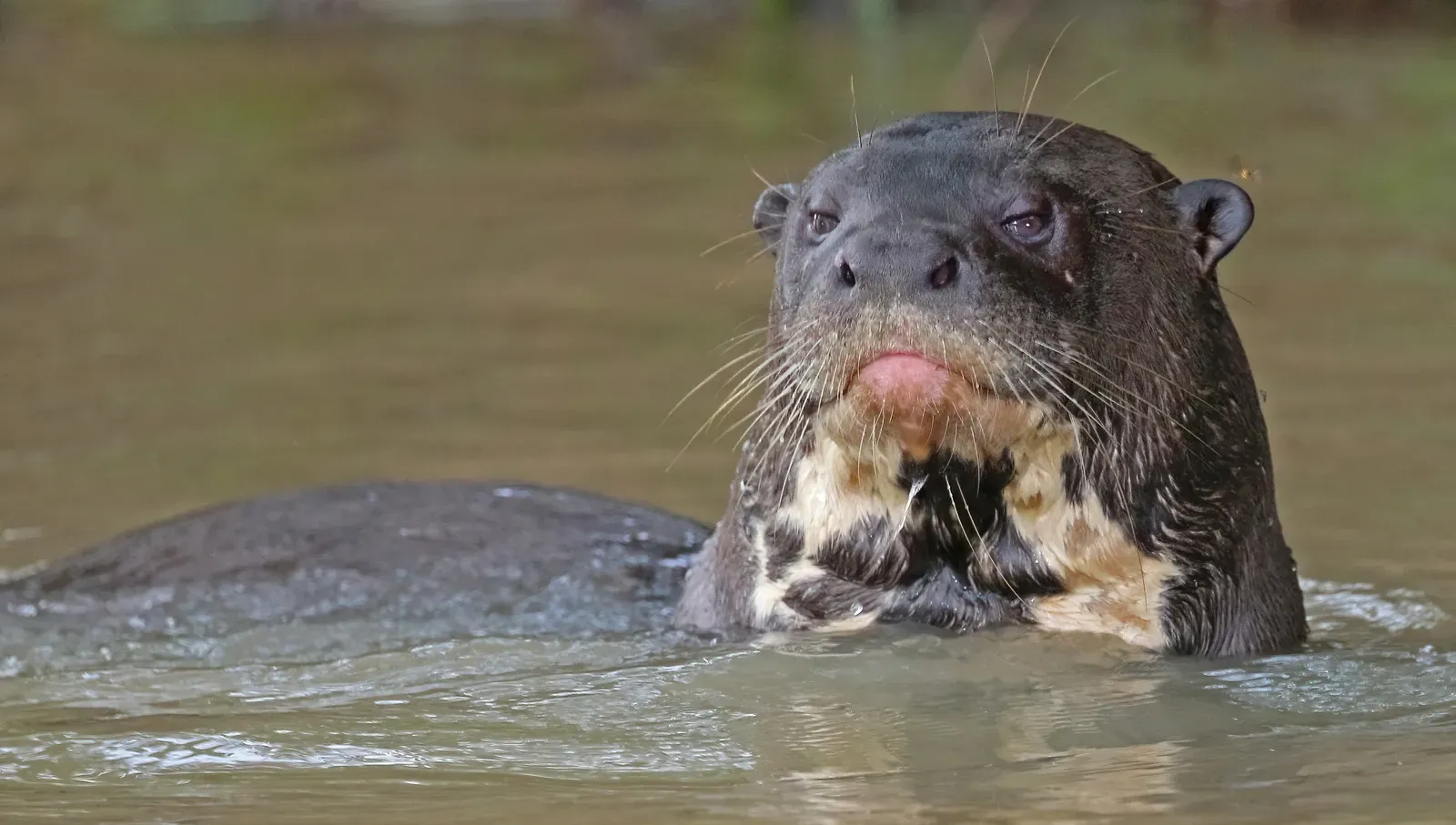
The giant otter, the loudest and largest member of the weasel family in South America, once patrolled slow rivers and oxbow lakes throughout the Amazon in noisy family groups. Commercial hunting for pelts during the twentieth century changed that dramatically. Giant otter populations were driven to local or regional extinction during the late 20th century by commercial hunting, while neotropical otters persisted.
The scale of the loss traces back to the international fur trade, which placed a high price on otter skins. The giant otter was hunted commercially for its pelt, and in the late 1960s a single giant otter skin would sell on the international market for the equivalent of 440 US dollars at 2015 values. Entire stretches of river were emptied of the species, a pattern researchers have called the “Empty River” scenario, though some populations have since started returning to parts of their old range.
2. Black Caiman: Nearly Wiped From Amazonian Waterways
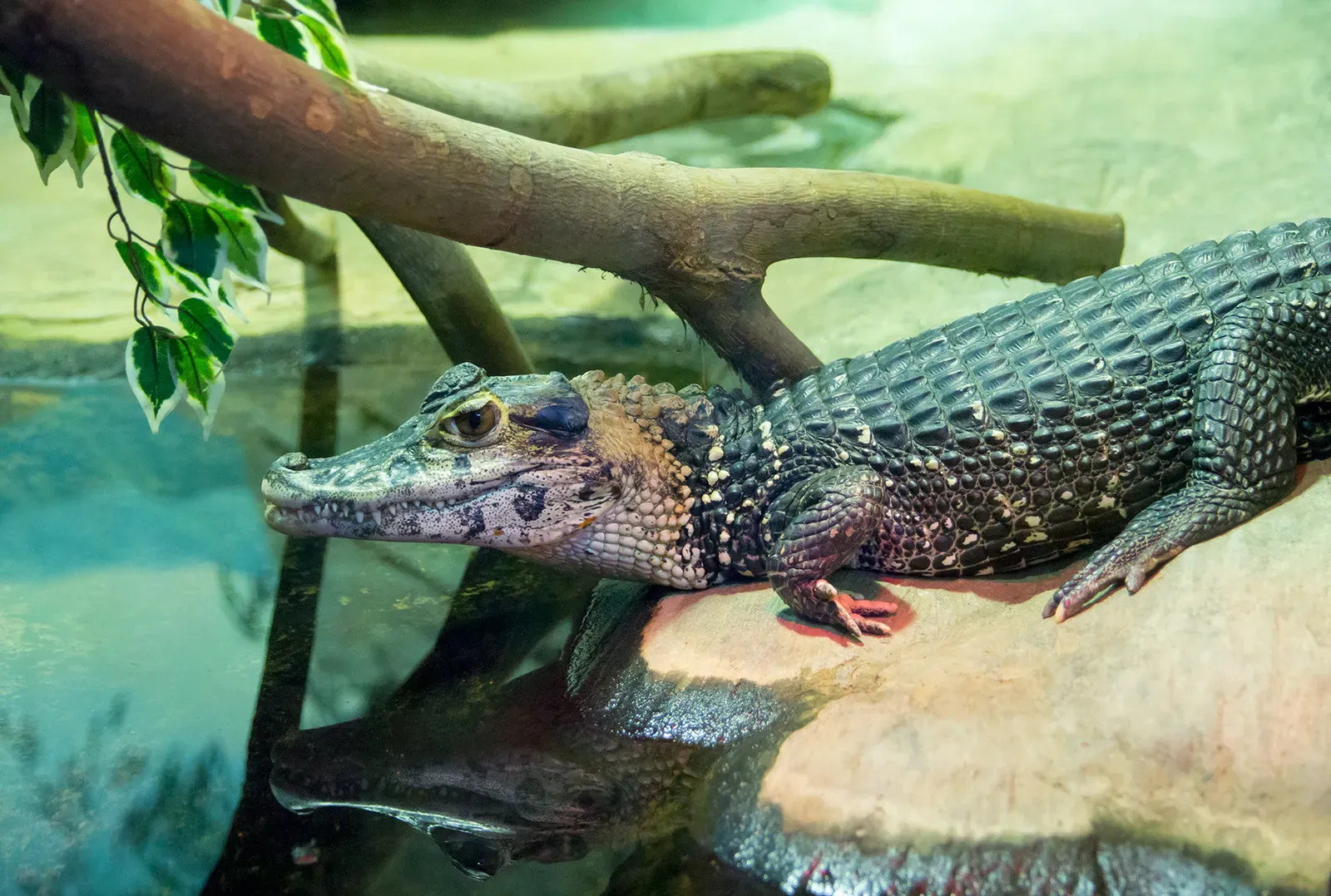
The black caiman is the largest predator in the Amazon River system, yet by the 1970s it had all but disappeared from many of the waters it once ruled. Hunted relentlessly for its dark hide from the 1950s through the 1970s, the black caiman lost as much as 99 percent of its numbers in heavily harvested areas. That is not a modest decline. It is close to a full local wipeout in some watersheds.
Protection came late but it came. Protection since the 1990s has turned that around, and the IUCN now lists it as Least Concern, one of the Amazon’s genuine conservation wins. Still, the species remains functionally absent from stretches of river where human settlement and past hunting pressure were heaviest, a reminder that recovery on paper doesn’t always mean recovery on the ground.
3. Harpy Eagle: Pushed Out of Deforested Canopies
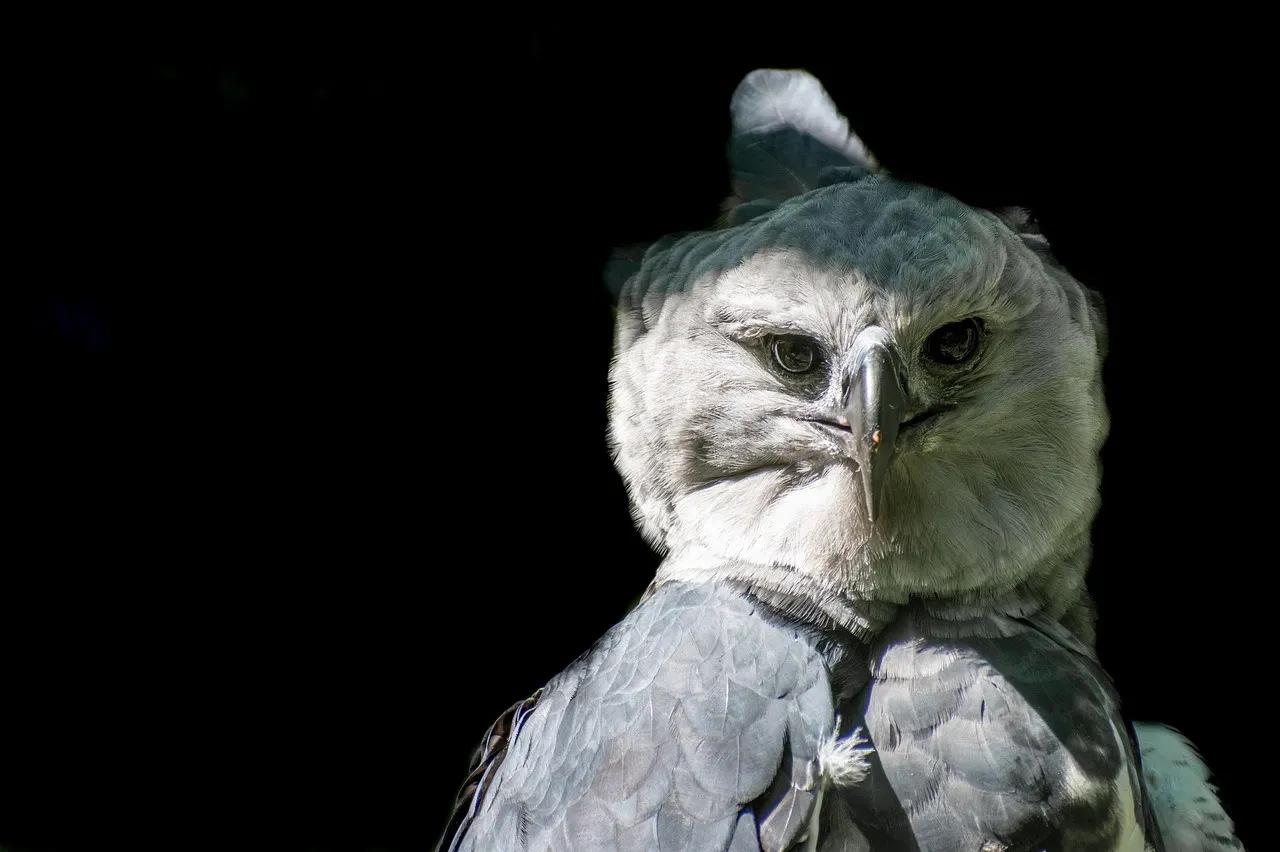
Harpy eagles need intact forest canopy to hunt sloths and monkeys, their primary prey. When that canopy disappears, so does the eagle, even if the bird itself is never directly harmed. Due to human interference and widespread deforestation, the eagles have disappeared from large parts of their native range.
Research following actual nests confirmed this isn’t speculation. Feeding rates decreased with forest loss, with three fledged individuals dying of starvation in landscapes that succumbed to 50 to 70 percent deforestation. The species’ historic range once stretched far beyond the Amazon, but since the 1800s their range has shrunk by more than 40 percent and is now limited mostly to the Amazon. The bird that couldn’t adapt its diet simply vanished from the places that changed fastest.
4. White-Lipped Peccary: The Herd That Disappears Without Warning
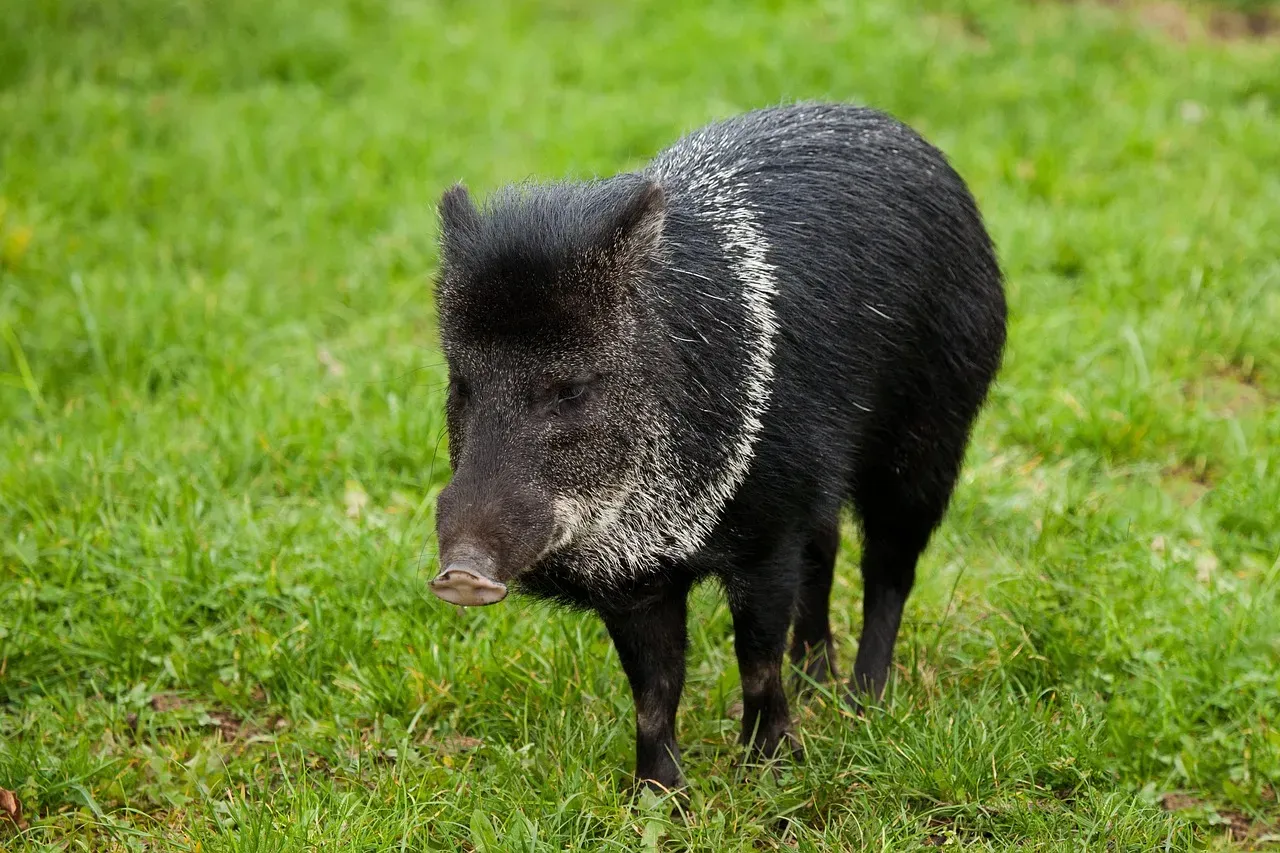
Few Amazon species have generated as much scientific head-scratching as the white-lipped peccary, a herd-forming, pig-like mammal that sometimes vanishes from entire regions seemingly overnight. Researchers documented dozens of these events across decades. By analyzing 43 disappearance events across the Neotropics and 88 years of commercial and subsistence harvest data for the Amazon, disappearances are widespread and occur regularly and at large spatiotemporal scales throughout the species’ range.
Overhunting compounds a phenomenon that may already be partly natural. Large-bodied vertebrates such as black caiman, giant otter, manatee, giant air-breathing fish, and white-lipped peccary succumbed to steep population declines due to overhunting and overfishing. Where peccary herds vanish and don’t return, the forest loses one of its main seed dispersers and a major prey source for jaguars.
5. Arapaima: Fished Out of Its Own Lakes
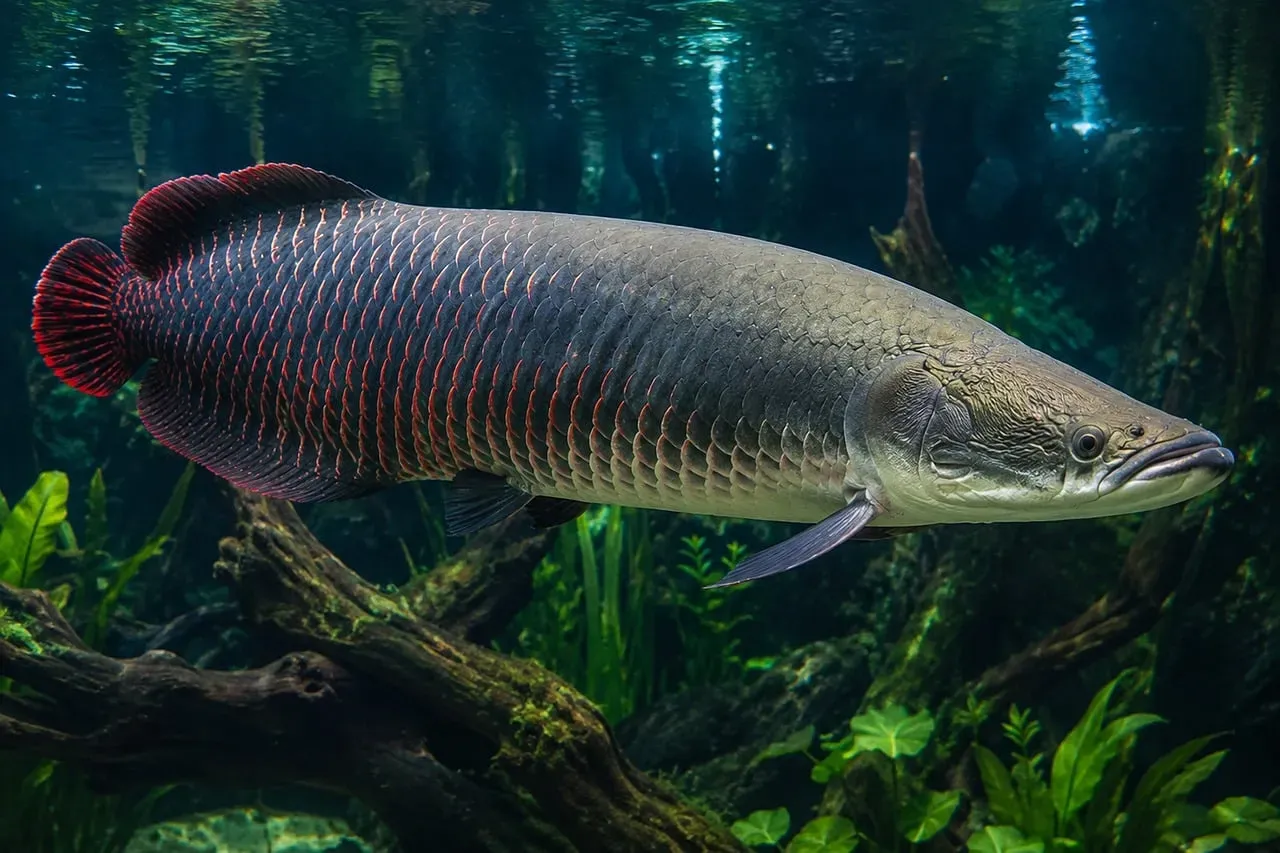
The arapaima, known locally as pirarucu, is one of the largest freshwater fish on the planet and a genuine giant of Amazonian waters. It can reach 3 metres, and the biggest historical specimens approached 4.5, weighing up to 200 kilograms. Its size made it an obvious commercial target, and that popularity became its undoing in many local lakes.
Overfishing was so severe in some areas that the species simply stopped appearing in nets and traditional fishing grounds. Because it is a popular food in Brazil, it has been fished nearly to extinction in some areas, prompting the Brazilian government to ban commercial fishing for it. Community-managed fisheries in parts of the Amazon have since helped some populations rebound, but plenty of lakes where the fish was once abundant remain quiet.
6. Giant Armadillo: A Ghost in Its Own Forest
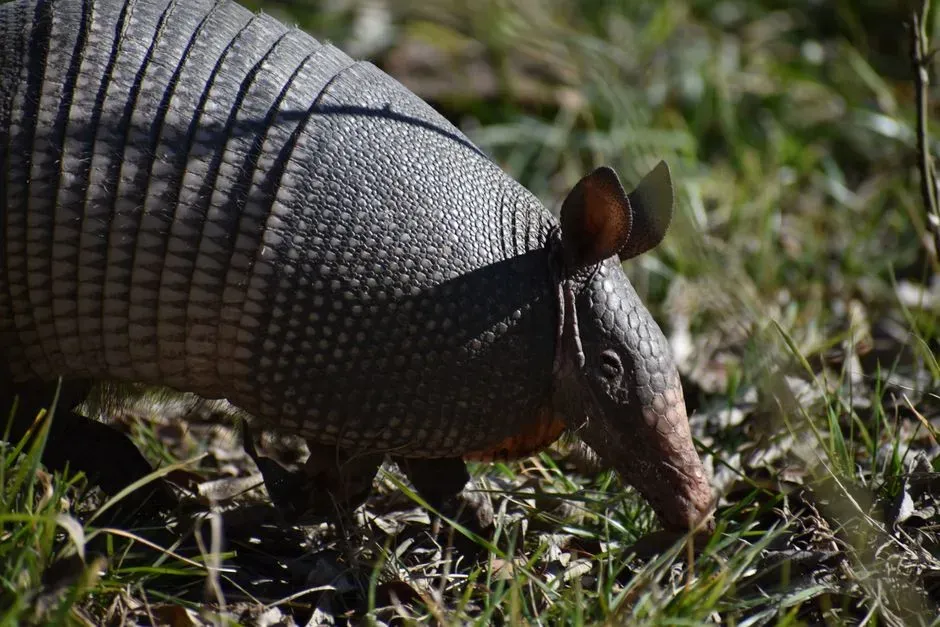
The giant armadillo is rarely seen even where it survives, which makes tracking its disappearance from parts of its range especially difficult. It depends on undisturbed soil for digging extensive burrow systems and on a diet of ants and termites that requires large, mostly undisturbed forest tracts. As logging roads and pasture expand, the species retreats into ever-shrinking pockets of old growth forest, quietly disappearing from areas it once inhabited without anyone documenting the exact moment it left.
Unlike species hunted for meat or hide, the giant armadillo’s decline is almost entirely a story of habitat squeeze. Its slow reproductive rate, producing just one offspring roughly every couple of years, means populations cannot bounce back quickly once numbers drop in a given area. Camera trap surveys across fragmented forest sites increasingly turn up nothing where the species was once reliably recorded decades earlier.
7. Bald Uakari Monkey: Squeezed Out by Deforestation and Hunting
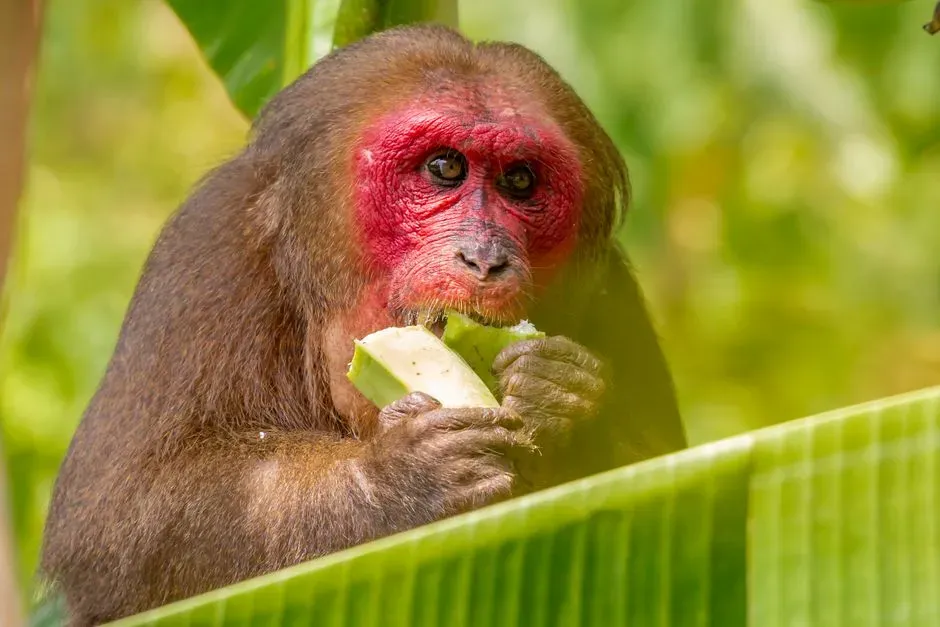
The bald uakari, sometimes called the red uakari for its striking crimson face, is restricted to specific flooded forest habitats in the western Amazon. Native to the western Amazon rainforest, the uakari monkey plays an important role in seed dispersal and is particularly crucial for its ability to transport seeds at a greater distance than smaller animals. Losing that seed dispersal role from a region has knock-on effects for forest regeneration long after the monkeys themselves are gone.
The pressures pushing it out of parts of its range are layered. Extensive deforestation has destroyed much of their natural habitat, making it difficult for the animal to forage and nest, and some of its populations have also been vulnerable to illegal hunting. In parts of Peru specifically, populations that were once locally common have become sparse enough that sightings during river expeditions have grown noticeably rarer over the past decade.
8. Scarlet Macaw: Replaced by Vultures in Degraded Forest
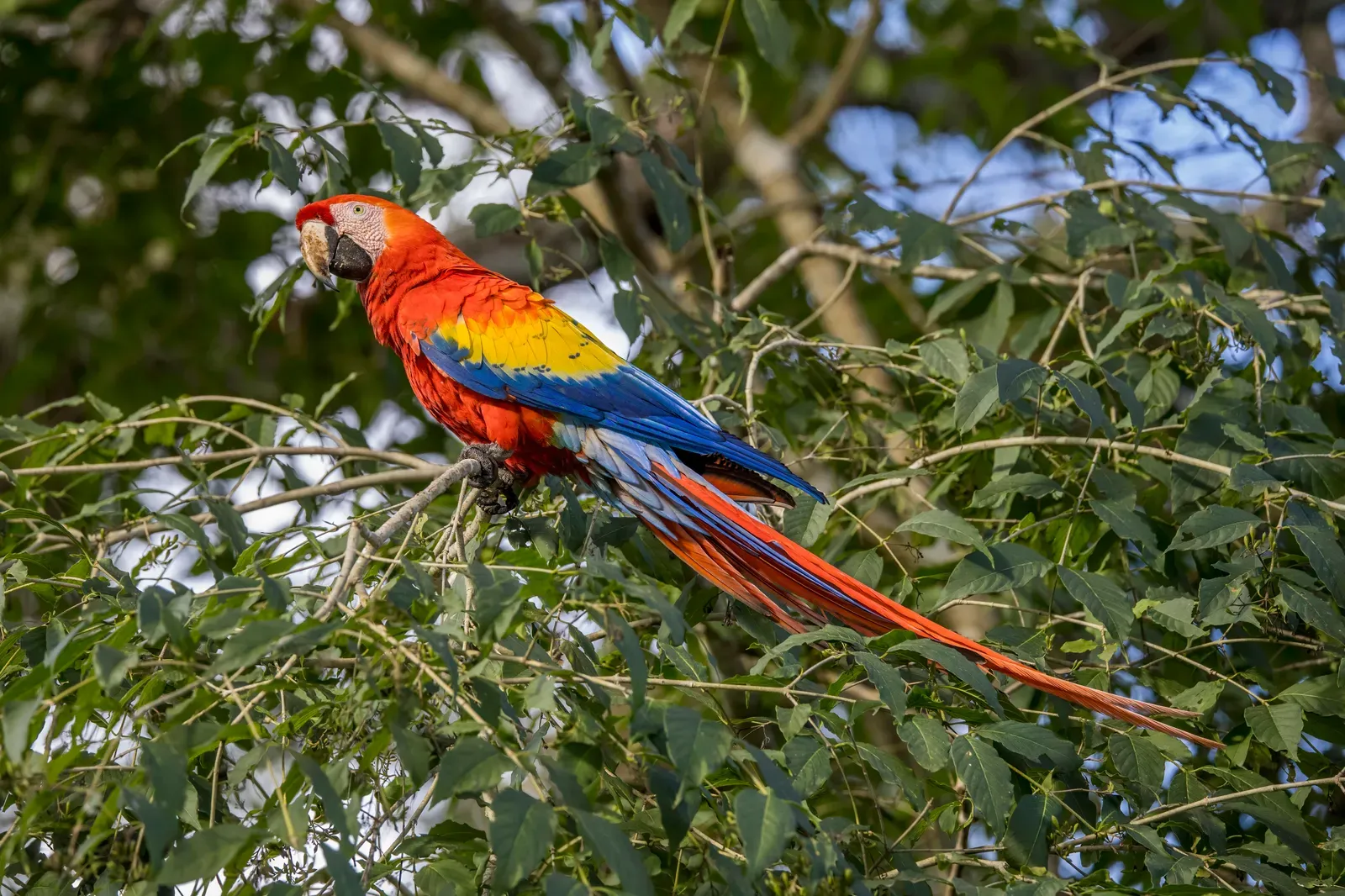
Scarlet macaws are among the most visually recognizable birds in the Amazon, their red, blue, and yellow plumage a familiar sight along river corridors. Yet in areas hit hardest by logging and burning, that color has been replaced by something far less vibrant. Scarlet macaws are ousted by vultures in degraded stretches of the rainforest.
This kind of replacement pattern, where a specialized native species is swapped out for a generalist scavenger, shows up repeatedly across the basin. With the loss of forest habitat, the rich tapestry of rainforest species is shredded, as individual species vanish and are replaced by more common, often invasive organisms. The macaw needs large hollow trees for nesting, and those trees are often the first to go when logging arrives, leaving the birds with nowhere to raise young even if food remains available nearby.
9. Manatee: An Aquatic Giant Erased From Many Amazon Tributaries
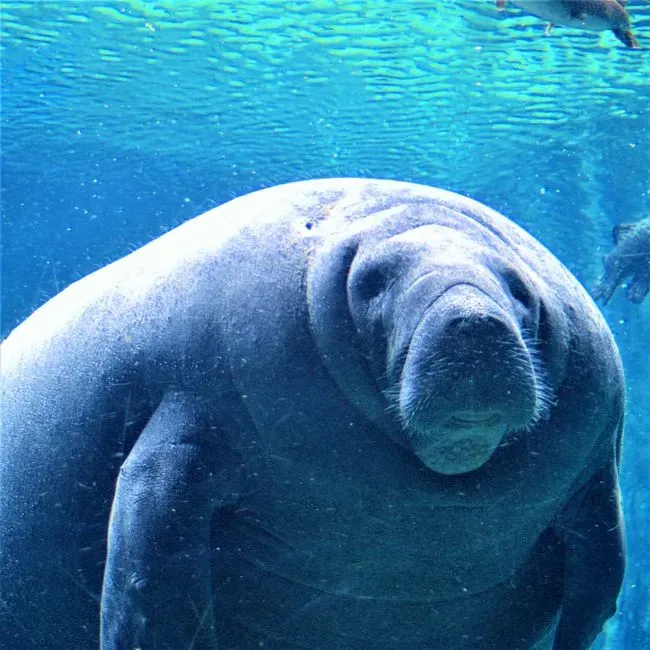
The Amazonian manatee, a gentle herbivore that once grazed river vegetation across much of the basin, suffered some of the same commercial hunting pressures that devastated giant otters and black caimans. Commercial hunting had especially severe impacts on large aquatic species, leading to the widespread collapse of populations of giant otter, black caiman, and manatee across the Amazon Basin. Its slow movement and reliance on surfacing to breathe made it an easy target for hunters working from boats.
Manatees reproduce slowly, typically producing a single calf every few years, which means populations hit hard by hunting decades ago have struggled to rebuild even where hunting has since stopped. In several tributaries where the species was once a reliable sighting for river communities, it has simply stopped appearing, its absence noted mostly through the memories of older residents rather than any formal survey. Where waterways remain undisturbed and connected to larger river systems, small populations persist, but many isolated stretches have not seen a manatee in generations.
What These Nine Disappearances Have in Common
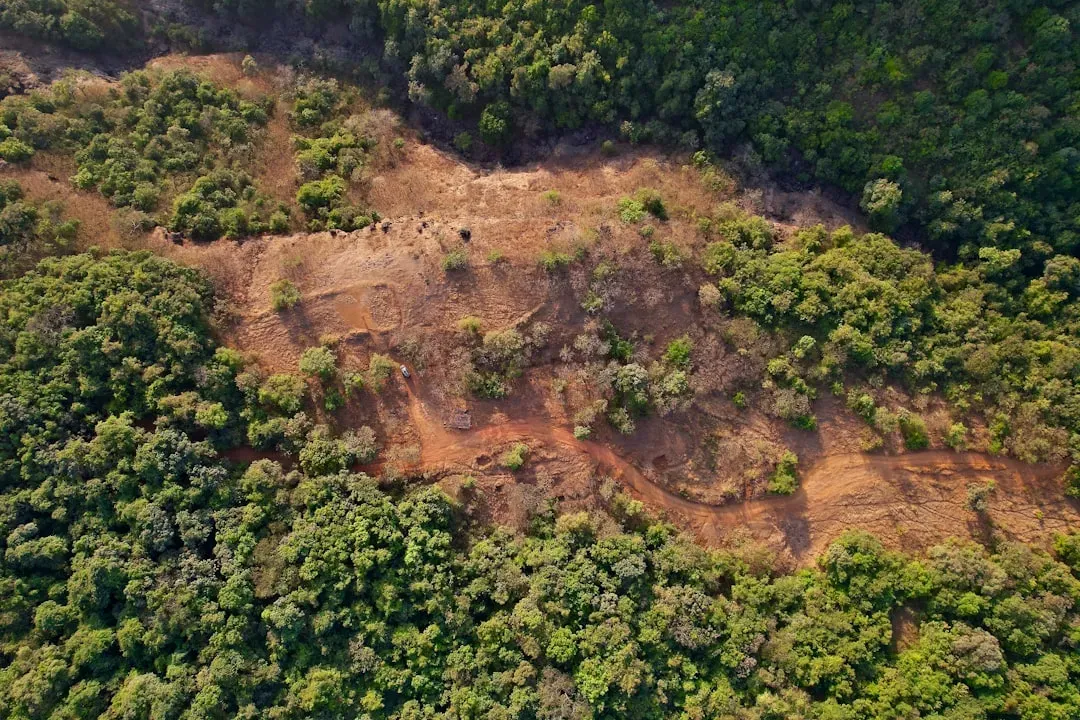
Looking across these nine cases, a pattern becomes hard to miss. Almost none of these species went globally extinct. Instead, they vanished from specific rivers, forest blocks, or regions while surviving, sometimes precariously, elsewhere in the basin.
That distinction matters because it points to solutions that are more local than global. Research shows the Brazilian Amazon has accrued a heavy vertebrate extinction debt, with more than 80 percent of extinctions expected from historical deforestation still impending, though this time lag provides a conservation opportunity to save some of the disappearing species if action is taken soon. The giant otter and black caiman recoveries prove that local extinction is not always permanent. What happens next in the remaining forest fragments and river systems will likely determine whether the other seven species on this list follow the same path back, or simply become another line in a growing ledger of quiet losses.
