

- These 6 Americas National Parks Rank Highest for Biodiversity - September 14, 2026
- Snowfall Is Declining Across 9 Andean Mountain Ranges, Data Shows - September 14, 2026
- 7 Electrical Upgrades That Can Help Homes Handle Extreme Heat and Storms - September 14, 2026
The search for another Earth has quietly become one of the most active corners of modern astronomy. Across the past few years, a combination of ground based spectrographs, space telescopes, and refined statistical models has narrowed a list of thousands of known exoplanets down to a much smaller, more intriguing group. These are worlds that sit in the so called habitable zone of their star, the region where temperatures could allow liquid water to exist on a rocky surface.
None of these planets have been confirmed to host life, and researchers are careful to stress that “Earth-like” mostly refers to size, temperature, and orbital distance rather than proven habitability. Still, the nine planets below represent the current shortlist that keeps showing up in peer reviewed catalogs and recent survey papers as the closest analogues to our own world.
TRAPPIST-1 e
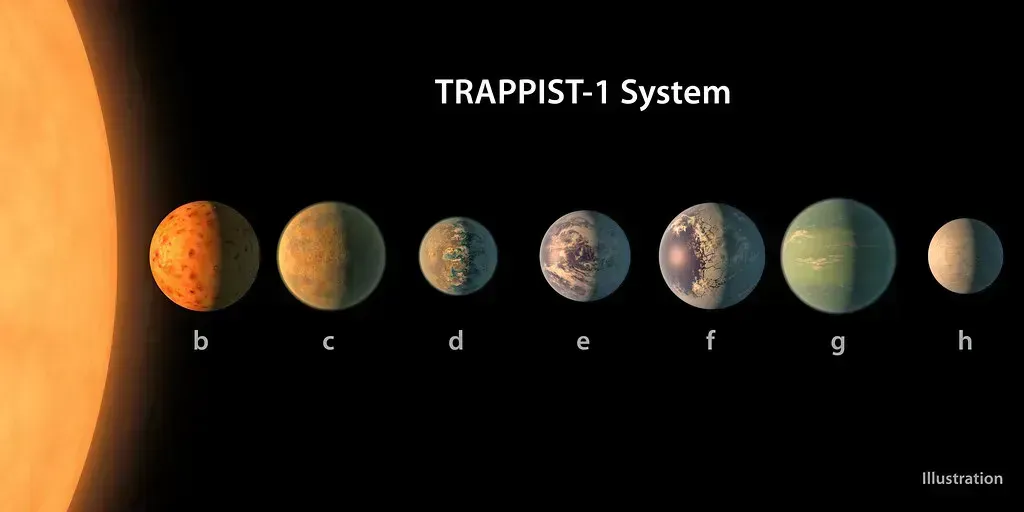
TRAPPIST-1 e orbits a small, cool red dwarf about 40 light years from Earth and is part of a tightly packed system of seven known planets. It is one of the planets most often cited in habitable zone catalogs because of its size, mass, and the amount of stellar energy it receives, which places it close to Earth’s own irradiation level. The catalog work identifying planets with irradiation similar to modern Earth lists TRAPPIST-1 e among transiting exoplanets that fit this profile.
Because TRAPPIST-1 e transits its star as seen from Earth, it has become a prime target for atmospheric study using instruments like the James Webb Space Telescope. Its rocky density estimate is consistent with an Earth-like composition rather than a gas rich world. The system’s proximity and the star’s small size make TRAPPIST-1 e one of the more observationally accessible candidates on this list.
TOI-700 d
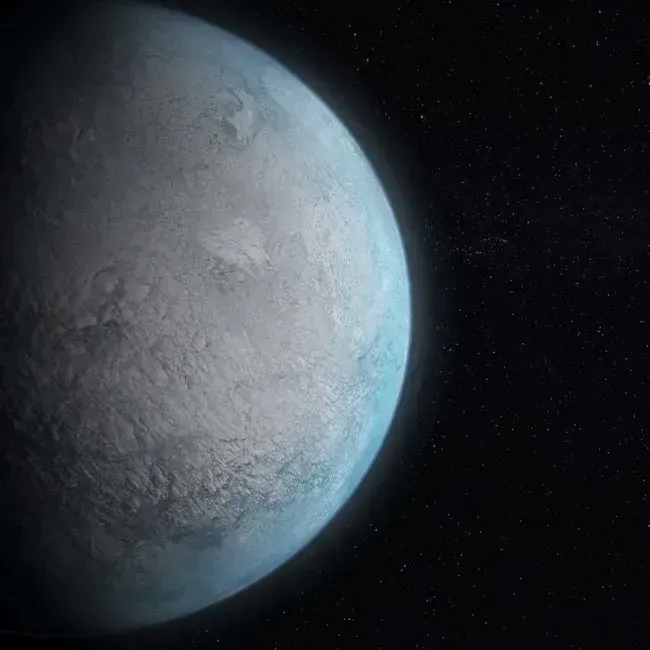
Identified through NASA’s Transiting Exoplanet Survey Satellite, TOI-700 d holds the distinction of being TESS’s first Earth-size exoplanet, which lies in the habitable zone of its host star TOI-700, an M dwarf. The planet is thought to be tidally locked, meaning one side permanently faces its star while the other remains in perpetual darkness.
It receives about 86 percent of the insolation that the Earth receives, a figure that puts it firmly within the range considered temperate rather than scorched or frozen. Researchers have noted that TOI-700 d orbits the brightest host star by far among known small habitable-zone planets, making it particularly attractive for follow-up observations. That brightness matters because it gives telescopes more light to work with when hunting for atmospheric signatures.
Kepler-1649c
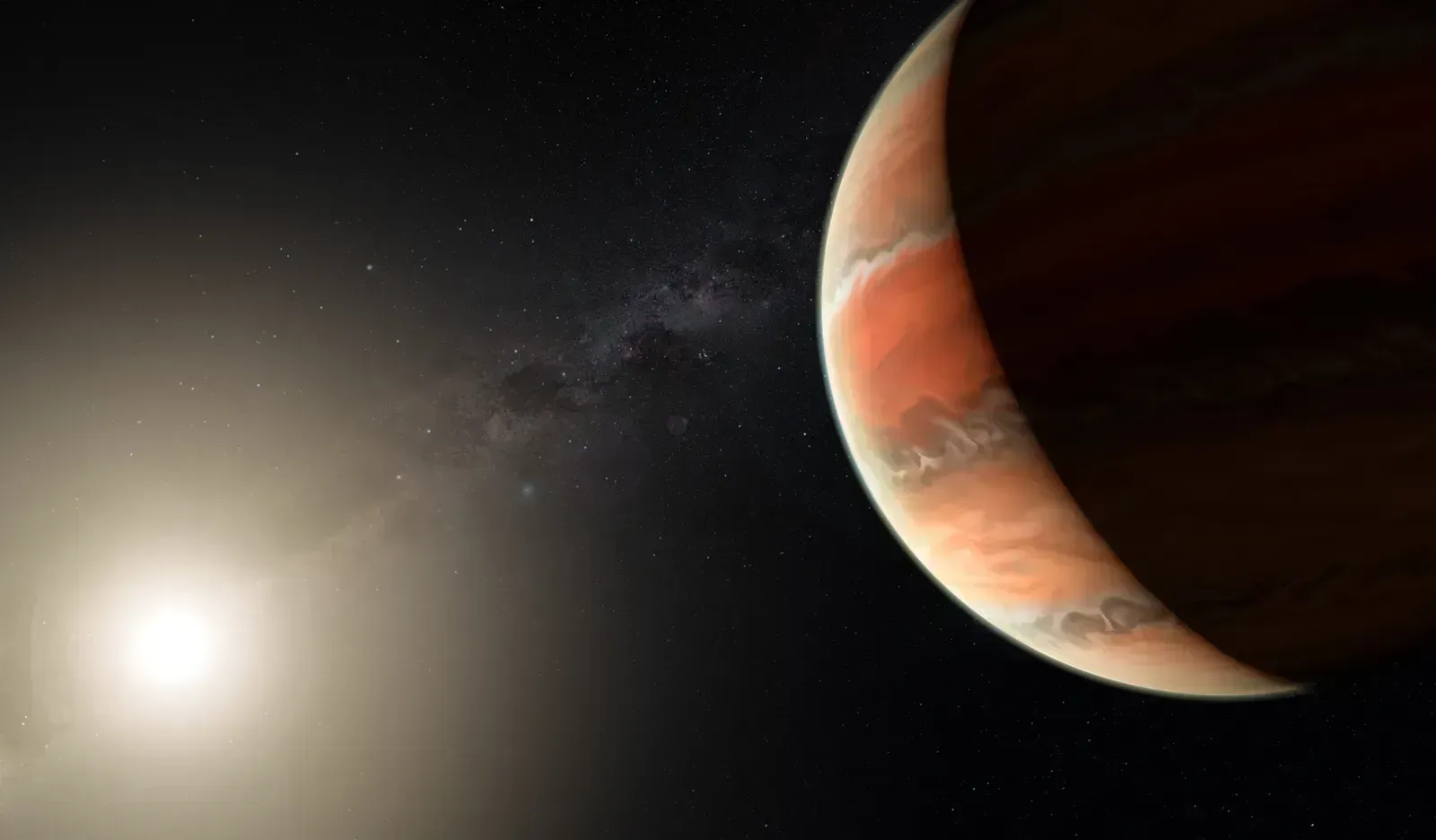
Kepler-1649c has an unusual origin story. The planet’s signal was originally misclassified by an automated computer algorithm and sat unnoticed in Kepler mission data for years before scientists caught the error. This exoplanet is in its star’s habitable zone, the distance where liquid water could exist on the planet’s surface, and is the closest to Earth in size and temperature found yet in Kepler’s data.
Its radius is remarkably close to our own world. This graphic compares the size of Earth and Kepler-1649c, an exoplanet only 1.06 times larger than Earth by radius. Sunlight reaching the surface is also within a familiar range, since while the star it orbits is much smaller than our Sun, it gets about 75 percent of the sunlight Earth does. Scientists caution that much remains unknown about its atmosphere, which could dramatically change surface conditions one way or another.
Proxima Centauri b
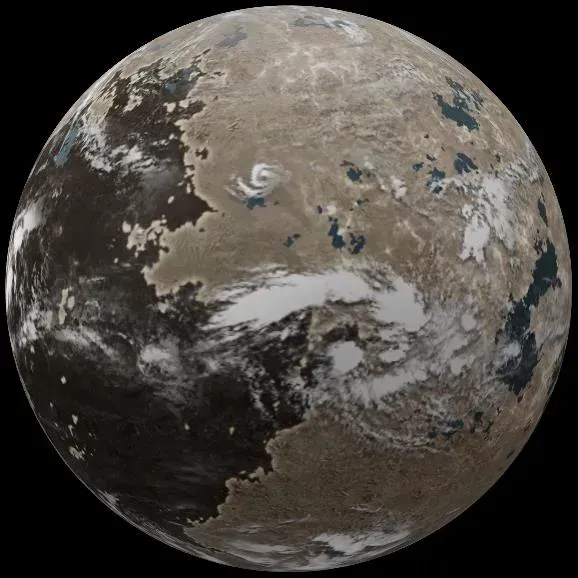
As the nearest known exoplanet to our solar system, Proxima Centauri b holds a special place in habitability discussions simply because of its proximity, roughly four light years away. It orbits the red dwarf Proxima Centauri, the closest star to the Sun, and sits within the calculated habitable zone despite the star’s dim and flare prone nature. Recent catalog work on rocky habitable zone planets continues to include it among the most Earth-similar targets in terms of stellar flux received.
Non-transiting exoplanets identified as receiving stellar insolation similar to Earth’s include Proxima Cen b, placing it alongside a short list of worlds that scientists consider genuinely comparable in terms of energy balance. Because Proxima Centauri b does not transit its star from our vantage point, direct imaging and future observatories will likely be needed to learn more about its atmosphere. Its short orbital period of roughly eleven days reflects how tightly it hugs its faint, cool star.
Teegarden’s Star b
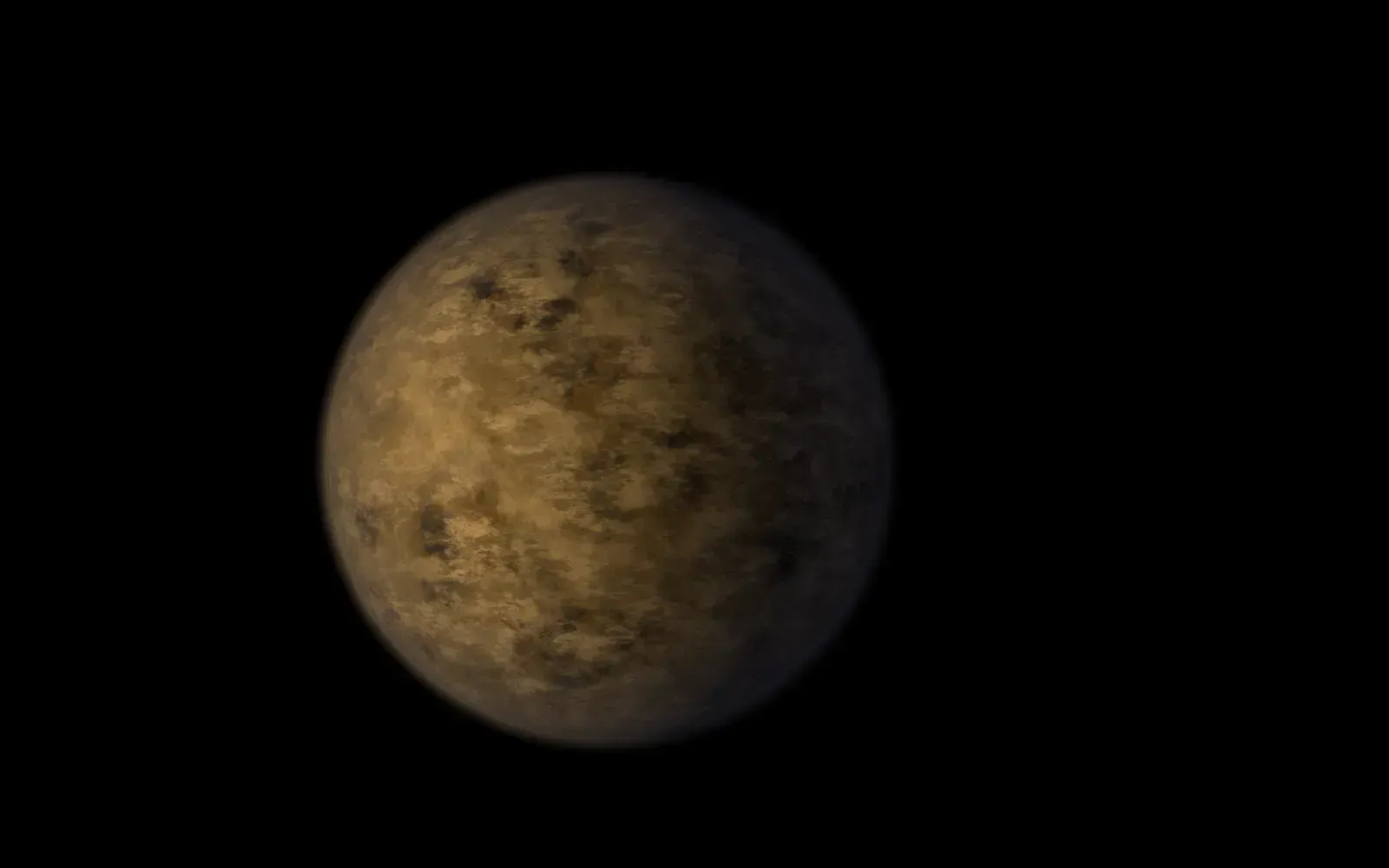
Teegarden’s Star b orbits one of the smallest and coolest stars known to host planets, located just a few parsecs from Earth. Multiple independent studies have ranked it near the top of Earth similarity indexes among all confirmed exoplanets. Both of Teegarden’s planets are super Earths, but Teegarden b is considered the most Earth-like planet, or maximum ESI value, discovered so far.
Interestingly, researchers have found a complication in classifying it neatly. Planet b receives nearly the same stellar flux as the Earth and therefore has a nearly identical equilibrium temperature, but is outside the conservative habitable zone. This apparent contradiction stems from how low mass stars trigger a runaway greenhouse effect at lower insolation levels than the Sun does, a nuance that shows how tricky habitability calculations can be around red dwarfs.
Kepler-442 b
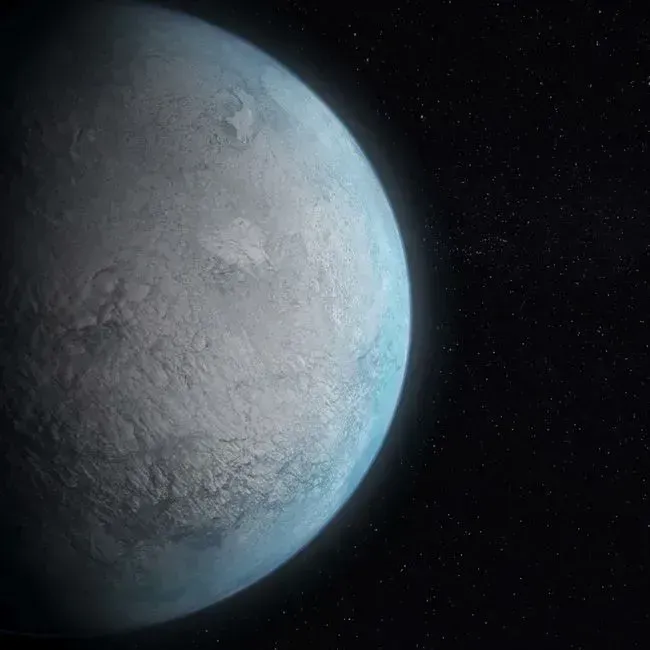
Kepler-442 b orbits a K type star, which burns somewhat cooler and dimmer than the Sun but still offers more Sun-like light than the red dwarfs favored by many other candidates on this list. It has consistently appeared in surveys of rocky planets that receive irradiation comparable to modern Earth. Kepler-442 b is listed among transiting exoplanets that receive stellar insolation similar to Earth’s, alongside TRAPPIST-1 e and TOI-715 b.
Its estimated mass suggests a solid, rocky composition rather than a thick gaseous envelope, based on models applied to planets of similar size orbiting similar stars. The K dwarf host is considered by some researchers to be a favorable type of star for habitability, since it burns steadily for a very long time without the intense flare activity common among smaller red dwarfs. That stability could, in theory, give any potential biosphere far more time to develop undisturbed.
GJ 1002 b
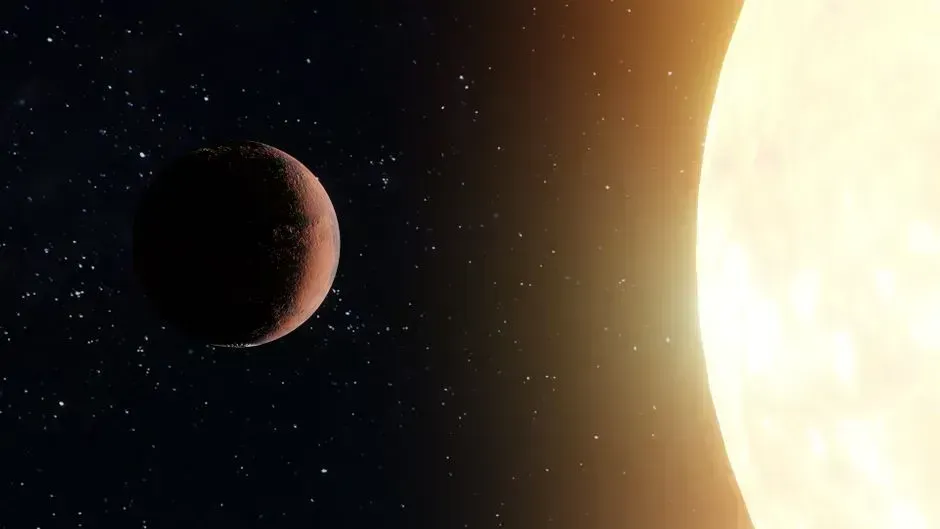
GJ 1002 b orbits a red dwarf located a little over fifteen light years from Earth, making it one of the closer entries on this list. Its detection relied on the radial velocity method, tracking the tiny gravitational tug the planet exerts on its host star rather than a direct transit. Non-transiting exoplanets receiving Earth-similar insolation include GJ 1002 b, alongside GJ 1061 d and Wolf 1069 b.
Because it does not transit as seen from our solar system, astronomers cannot yet measure its radius directly, which leaves some uncertainty around its exact bulk composition. Even so, mass estimates place it in the rocky, terrestrial category rather than among gas rich mini Neptunes. Its relatively short distance from Earth makes it a realistic target for future direct imaging missions designed to study reflected starlight from small planets.
Wolf 1069 b
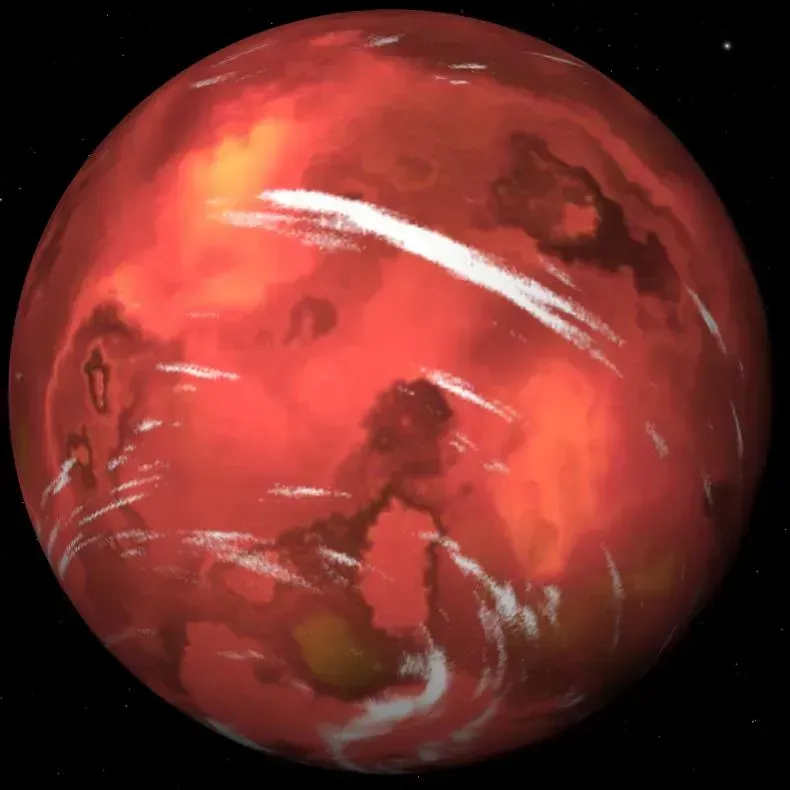
Wolf 1069 b circles a quiet red dwarf located around 31 light years away and stood out to researchers for its calm host star, which shows less flare activity than many other red dwarfs studied for habitability. This relative stability matters, since intense stellar flares can strip away planetary atmospheres over time, a fate suspected for some other red dwarf planets. Wolf 1069 b appears among the non-transiting exoplanets identified as receiving Earth-similar stellar insolation.
Mass estimates suggest the planet is close to Earth’s own mass, which places it in a size range considered favorable for retaining a rocky surface and a potential atmosphere. Its wide separation from the glare of its dim star also makes it a slightly easier target for spectroscopic study compared to planets orbiting brighter stars. Researchers continue to monitor the system for additional planets that might further complicate or support its habitability case.
GJ 3378 b
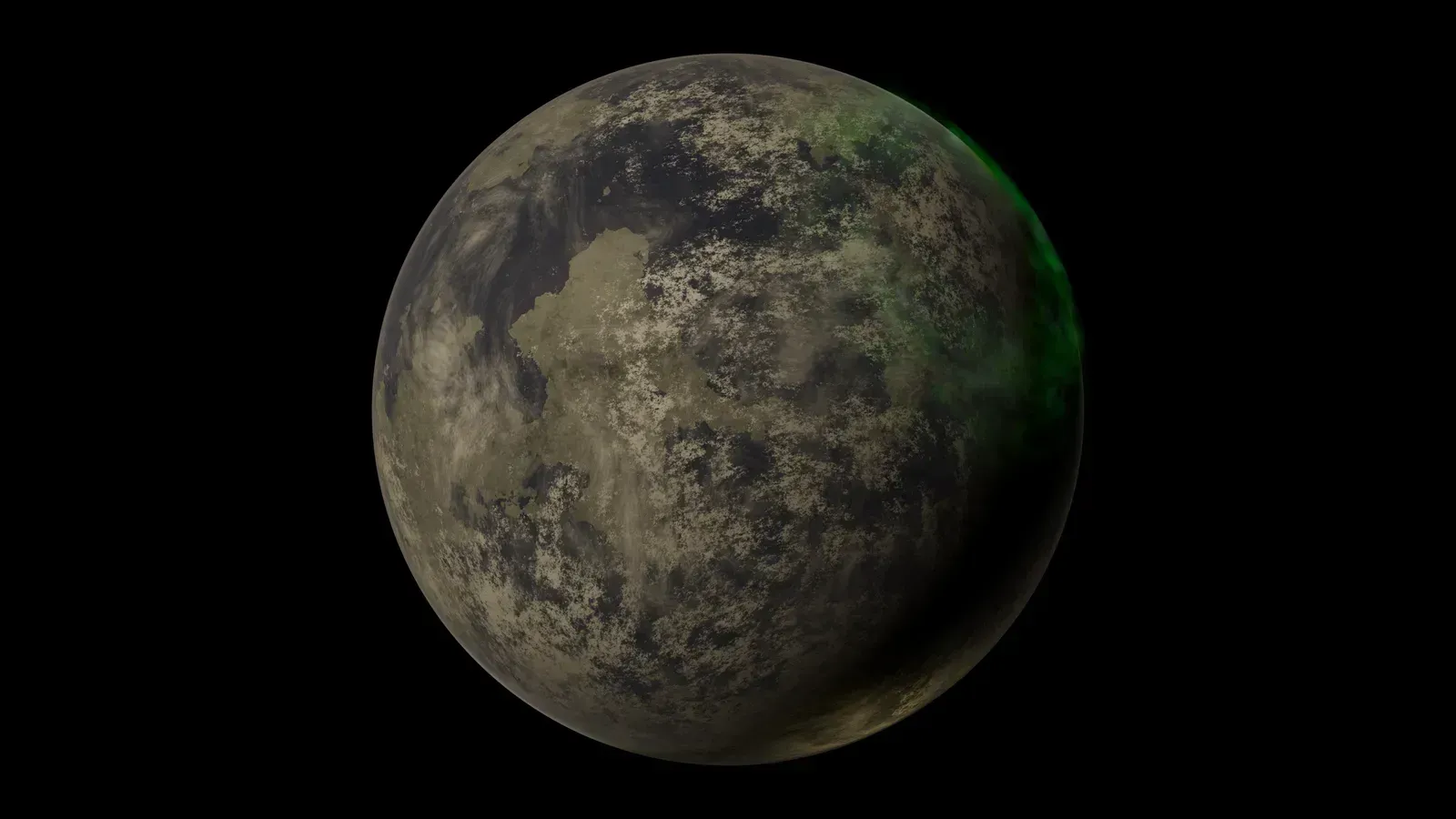
The newest addition to this shortlist, GJ 3378 b was confirmed in 2026 and quickly drew attention for how closely its energy budget matches Earth’s own. The planet has a minimum mass just over twice that of Earth and orbits its star at a distance that causes it to receive almost the same amount of starlight as Earth does. Researchers involved in the discovery, working with instruments including the Habitable Zone Planet Finder, described the planet’s insolation as strikingly similar to our own.
One team member’s assessment, shared through the discovery announcement, noted this super-Earth gets about 90 percent of the radiation from its host star as Earth gets from its sun, putting it right in the sweet spot. The planet joins a growing population of potential hosts for life in the nearby universe, as a team led by astronomers at the University of California, Irvine reported the discovery of the new Earth-like exoplanet orbiting a star about 25 light-years from our solar system, adding to the growing list of exoplanets that may be hospitable to life. Located just 25 light years away, it now ranks among the closest habitable zone candidates ever confirmed.
What Comes Next in the Search
Identifying these nine worlds is only the first step. Confirming whether any of them actually have atmospheres, let alone signs of biological activity, will require far more powerful instruments than what currently exists. The Target Star Catalog serves as a guide to intriguing nearby stars that astronomers want to study with future missions such as the Habitable Worlds Observatory, which will be built specifically to find and observe Earth-like exoplanets and search for signs of life.
That observatory is not expected to launch until sometime in the 2040s, which means patience remains a core requirement of this field. In the meantime, ground based spectrographs and existing space telescopes will continue refining mass, radius, and insolation estimates for these nine planets and any newly discovered candidates that join them. Researchers also select planets located near the inner and outer edges of the habitable zone to better understand where the limits of habitability lie, since new observations could refine or even reshape current theories about that zone.
