


- The Planet Where It Rains Liquid Glass – 7 Alien Worlds Defying Known Physics - November 14, 2026
- Stars Consuming Entire Worlds – 6 Planetary Systems Swallowing Their Own Worlds - November 14, 2026
- The Ground Liquefies Like Water – 6 Silent Fault Lines Geologists Watch Closely - November 14, 2026
Winter weather forecasts love to throw around terms like as if everyone instinctively knows what separates them. In reality, most people just hear “icy stuff falling from the sky” and brace for a bad commute. But these three phenomena form in different ways, behave differently on the ground, and even show up in different seasons.
Understanding what makes each one unique is not just trivia. It can change how you prepare your car, your walkway, or your travel plans on any given day.
How each one actually forms

Sleet starts as snow that melts partway down through a warm layer of air, then refreezes into small ice pellets before hitting the ground. Freezing rain follows a similar path but never gets the chance to refreeze in the air. Instead, it stays liquid until it touches a cold surface, where it instantly freezes into a glassy coating.
Hail, on the other hand, has nothing to do with layered temperature zones near the ground. It forms inside strong thunderstorms, where updrafts carry water droplets high into freezing altitudes and back down repeatedly, adding layers of ice each time like a snowball rolling through a slushy parking lot.
The season each one prefers
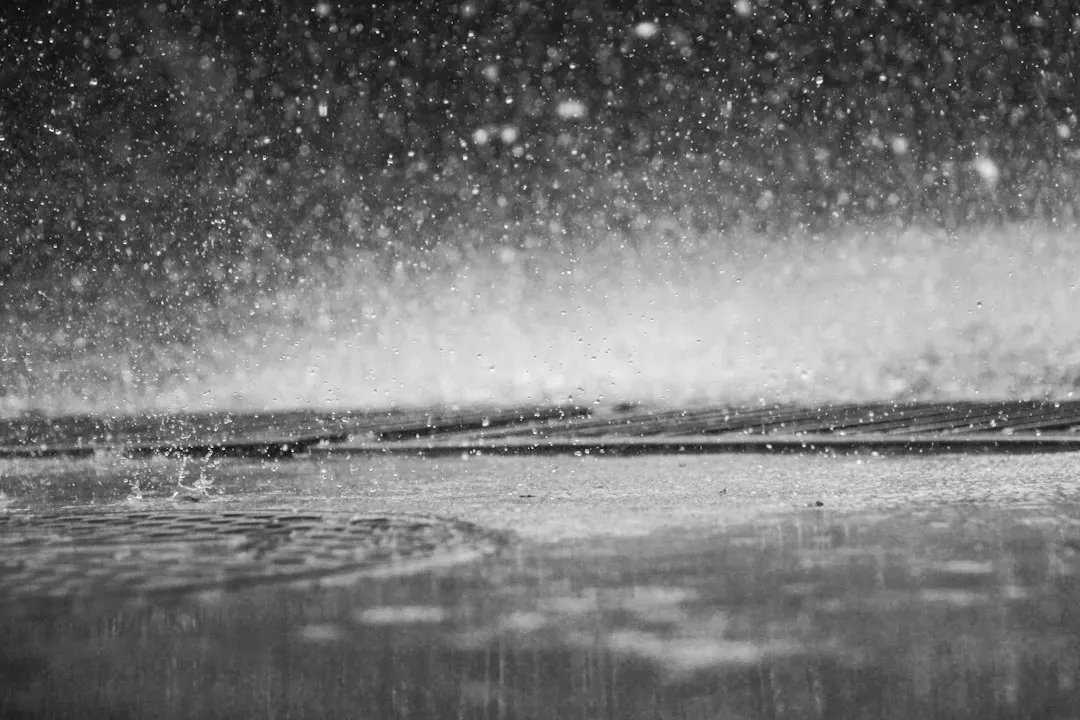
Sleet and freezing rain are cold weather specialists. They show up in late fall, winter, and early spring, usually tied to a specific setup where warm air sits above a shallow layer of freezing air near the surface.
Hail is a warm weather event almost everywhere in the world. It needs the kind of energetic, towering thunderstorms that typically build in spring and summer, which is why hail damage claims tend to spike during those months rather than in January.
What they look and feel like
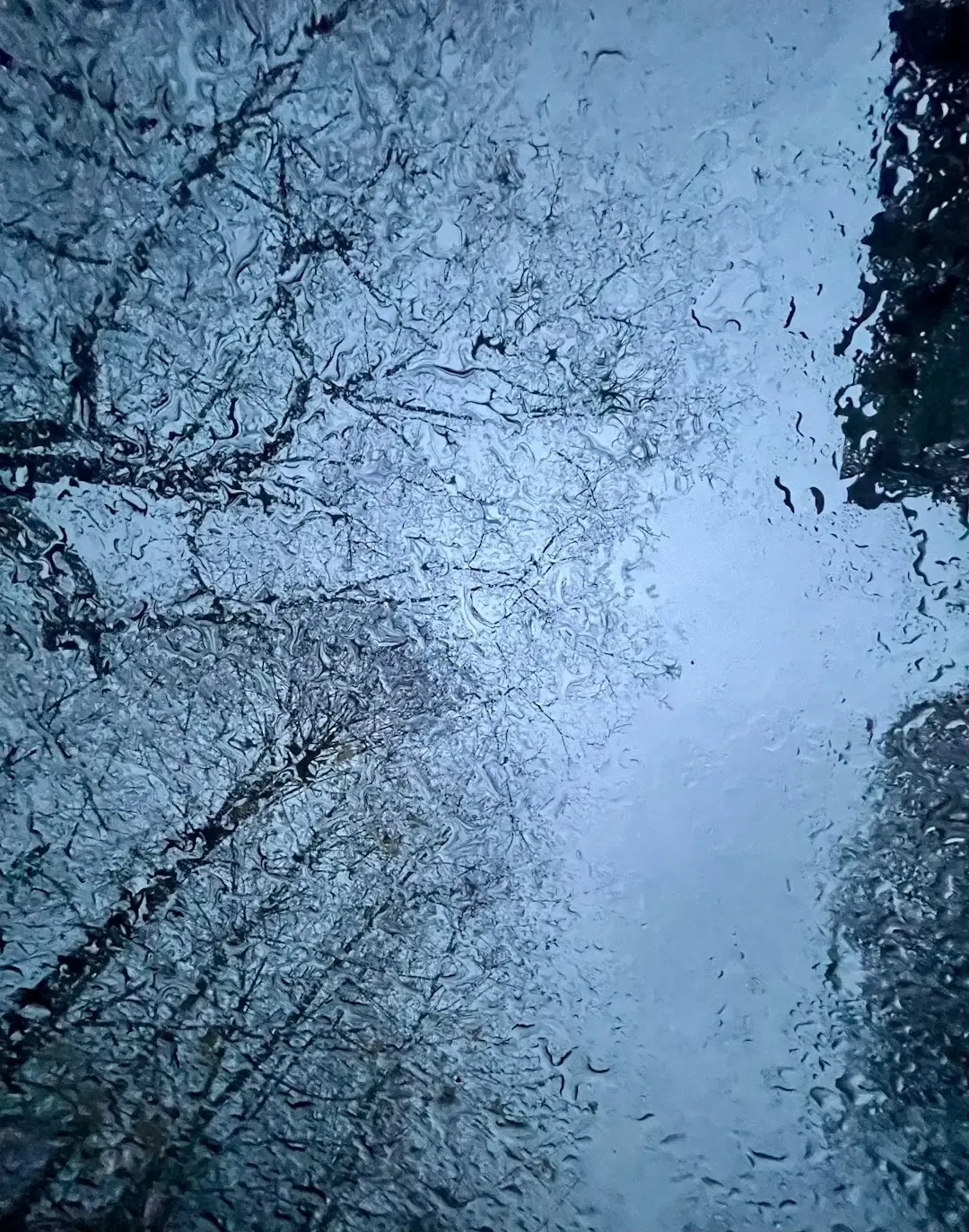
Sleet pellets are small, hard, and almost translucent, often described as tiny ice BBs that bounce slightly when they land. They rarely stick together and tend to pile up like coarse sand rather than fluffy snow.
Freezing rain looks deceptively harmless at first because it often just looks like rain. The danger shows up only after it lands, coating roads, power lines, and tree branches in a smooth, heavy sheet of ice that can be nearly invisible until someone slips on it.
The damage each one causes
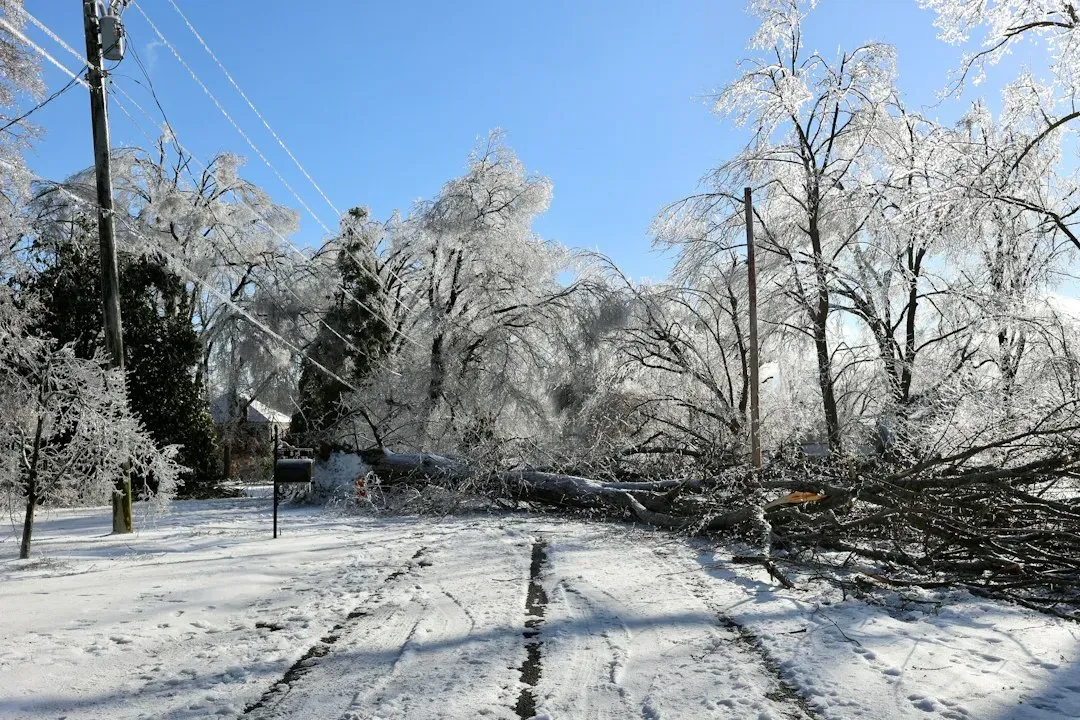
Freezing rain is notorious for taking down power lines and tree limbs once ice accumulation gets past a quarter inch or so, since the added weight becomes too much for branches and wires to bear. Entire regions have lost electricity for days during severe ice storms, with the 1998 ice storm across the northeastern United States and eastern Canada remaining one of the most cited examples of this kind of damage.
Hail’s damage story is different. It dents cars, shatters windows, and shreds crops within minutes, and in the United States it consistently ranks among the costliest weather hazards each year, with insurance industry estimates often placing hail losses in the billions of dollars annually.
How they affect driving conditions
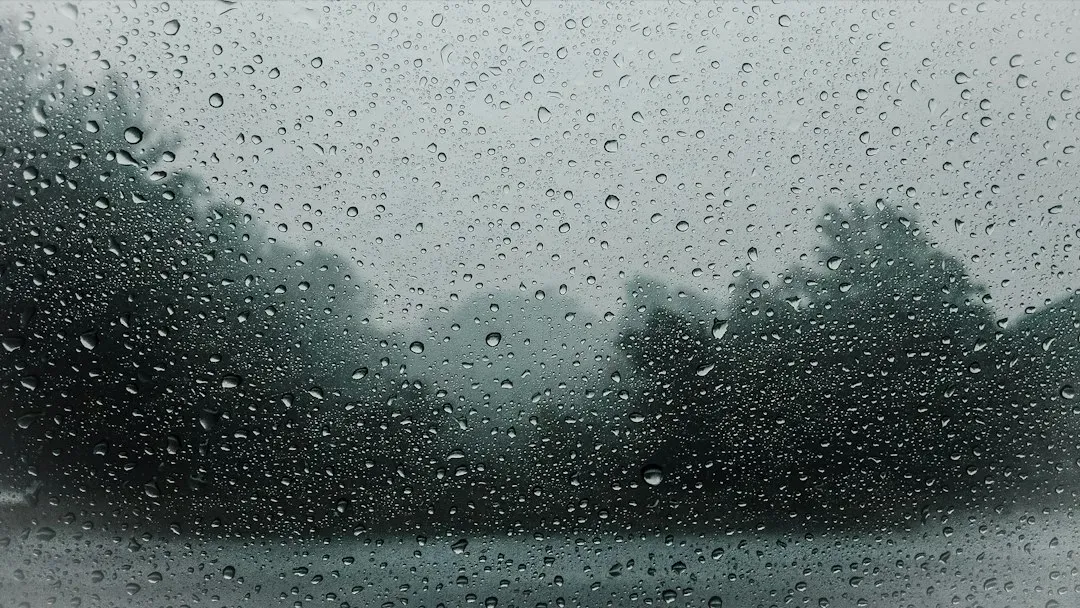
Sleet makes roads slippery but drivers can usually still feel some traction because the pellets do not bond into a smooth sheet the way freezing rain does. It is uncomfortable and reduces visibility, but it rarely creates the kind of glass like surface that catches drivers off guard.
Freezing rain is widely considered one of the most dangerous winter driving hazards precisely because roads can look wet rather than icy. Many accidents happen when drivers assume they are driving on rain soaked pavement, only to discover the surface has zero grip.
Size and structure differences
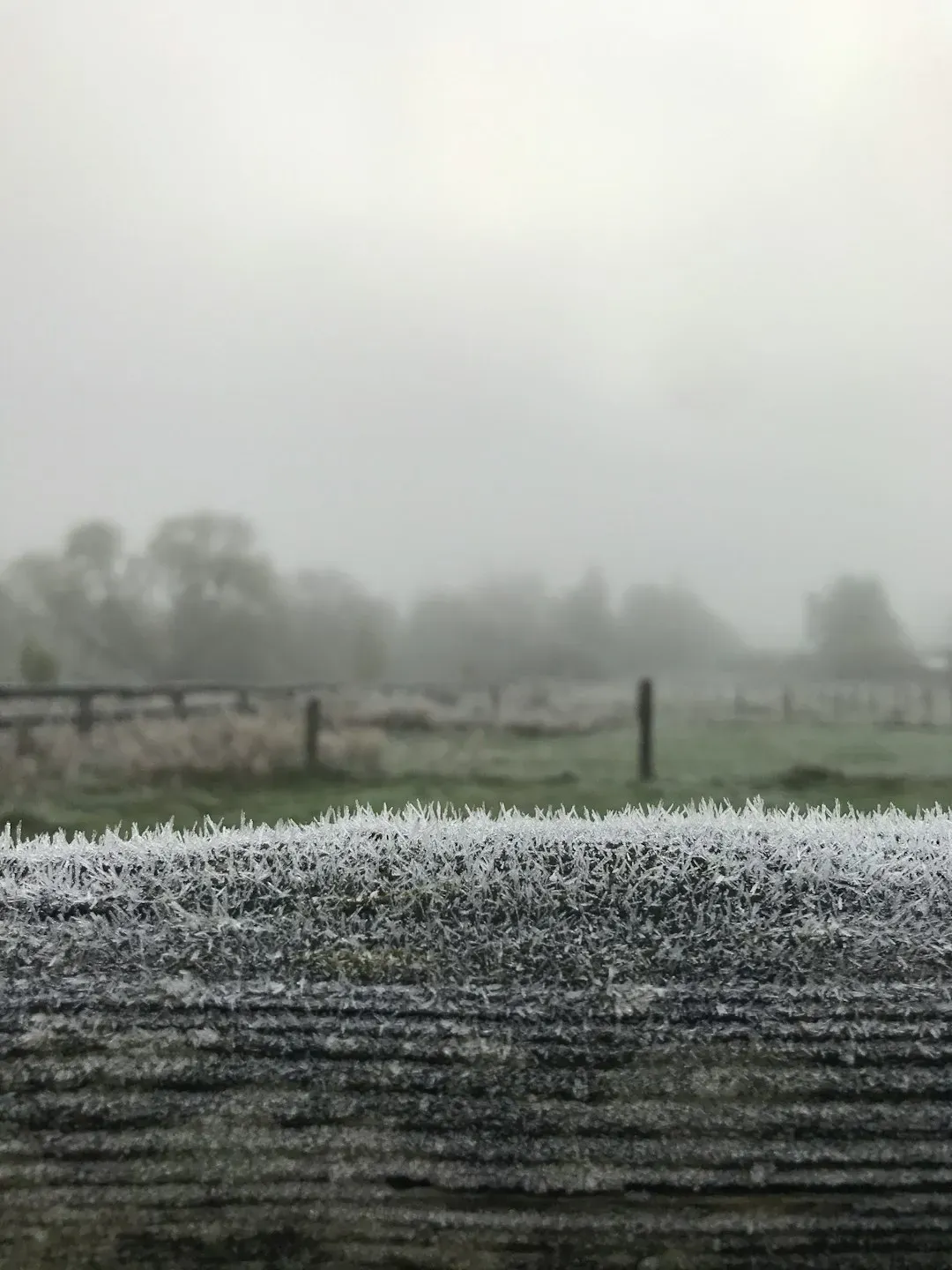
Sleet pellets are tiny, usually smaller than a pea, and fairly uniform in shape since they form through a single melt and refreeze cycle. Freezing rain does not have a solid structure at all until it lands, since it travels as liquid the entire way down.
Hailstones vary dramatically, ranging from pea sized to, in extreme cases, larger than softballs. The largest hailstone ever officially recorded in the United States fell in Vivian, South Dakota in 2010 and measured about eight inches in diameter, illustrating just how violent the internal winds of a severe thunderstorm can become.
How meteorologists forecast each type
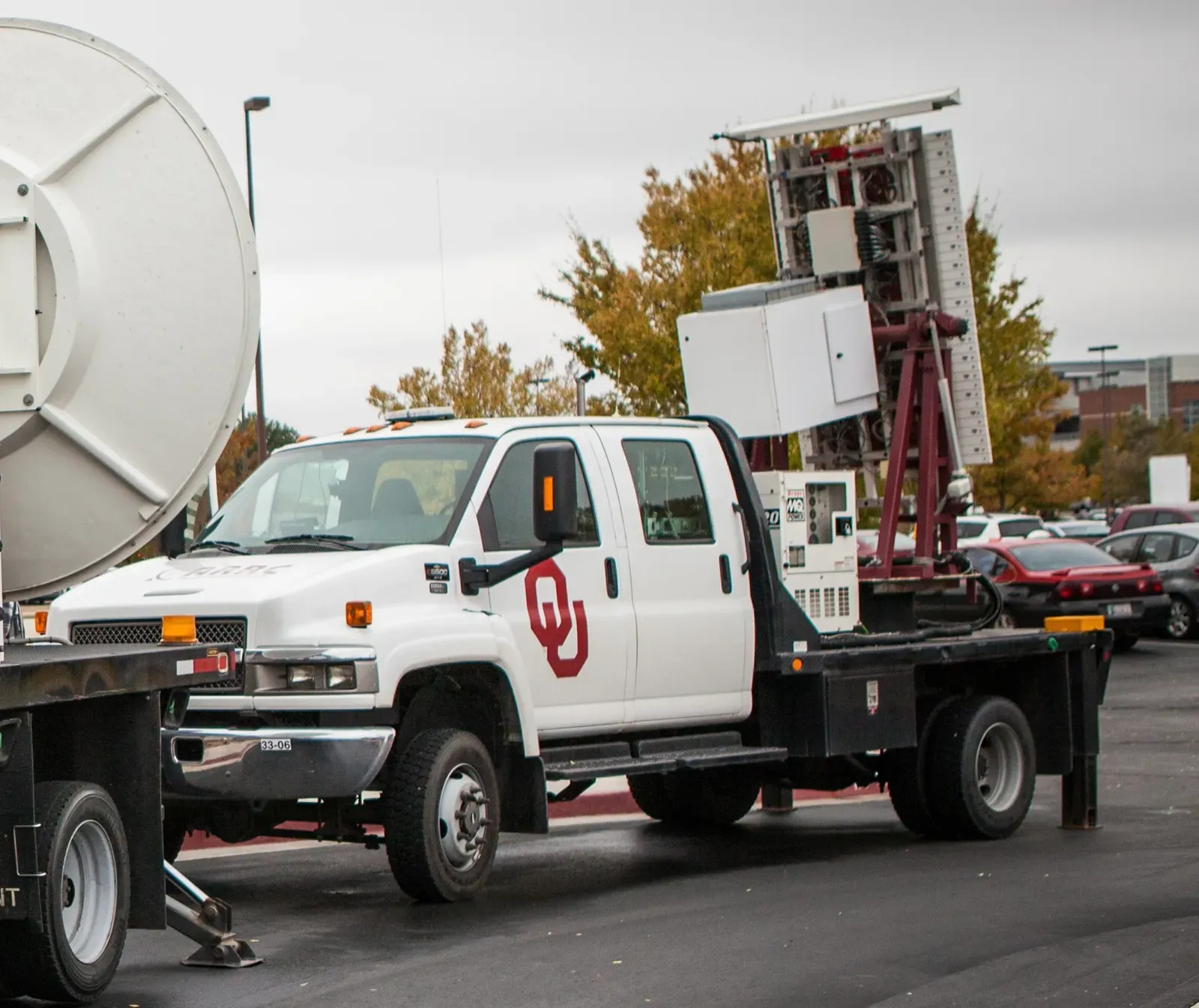
Forecasters rely on vertical temperature profiles of the atmosphere to predict sleet and freezing rain, since the key factor is whether a warm layer exists above a shallow freezing layer near the ground. Small shifts in that warm layer’s depth can be the difference between plain rain, freezing rain, or sleet, which is why winter storm forecasts sometimes change hour to hour.
Hail forecasting depends on completely different tools, focusing on storm intensity, updraft strength, and radar signatures that indicate large ice cores within a thunderstorm. Meteorologists at agencies like the National Weather Service issue severe thunderstorm warnings specifically when radar detects the kind of storm structure capable of producing damaging hail.
