
8. Mercury – zero moons
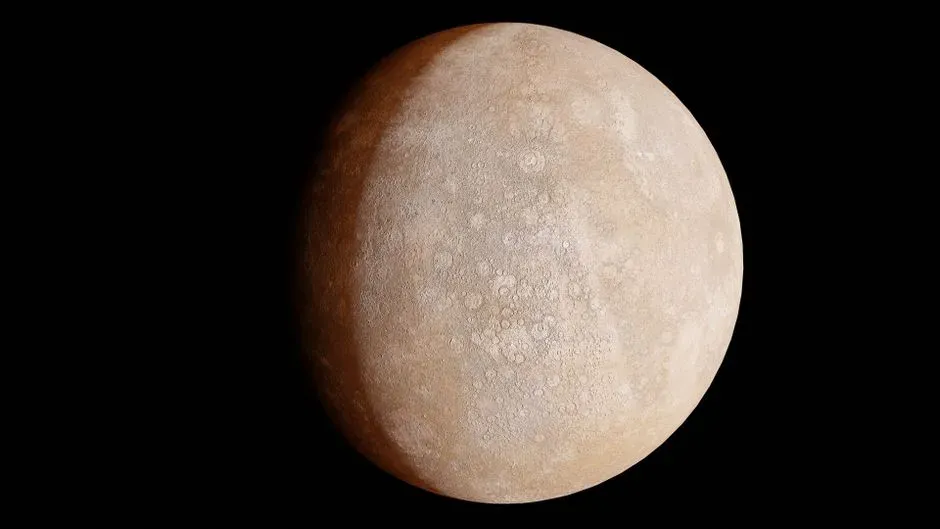
Mercury sits at the bottom of this list for a simple reason: it has no moons at all, and it never has. Venus has no moons because any moons it may have had were destroyed by tidal forces billions of years ago. Mercury faces a related problem, since its proximity to the Sun means its gravitational “sphere of influence,” known as the Hill sphere, is tiny.
Any object drifting close enough to be captured by Mercury would almost certainly get pulled away by the Sun’s much stronger gravity instead. The planet’s slow rotation and small size only add to the difficulty. Barring an extraordinary cosmic coincidence, Mercury is expected to remain moonless indefinitely.
7. Venus – zero moons
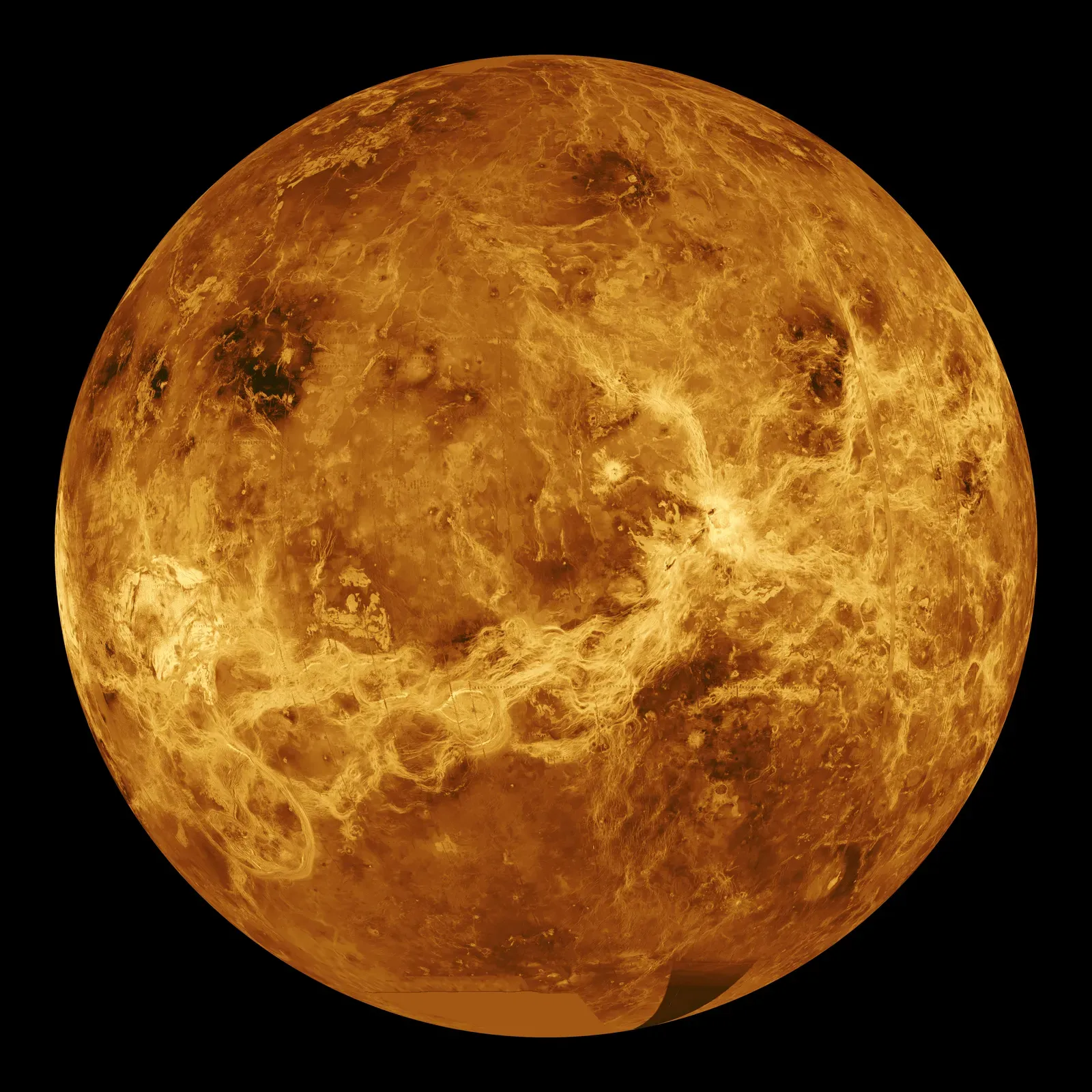
Venus ties Mercury at zero, though the reasons are a little different and arguably more interesting. Venus has no moons because any moons it may have had were destroyed by tidal forces billions of years ago, and Venus rotates extremely slowly and in reverse, with one Venus day equaling 243 Earth days. That bizarre rotation pattern makes stable orbits hard to maintain.
Any moon that formed would have been inside the synchronous orbit radius, causing it to spiral inward and impact the surface, and no mechanism currently exists to give Venus a stable new moon. So while Venus is often called Earth’s twin for its size, it shares none of Earth’s lunar company. It’s a lonely planet, orbit-wise, and likely to stay that way.
6. Earth – one moon
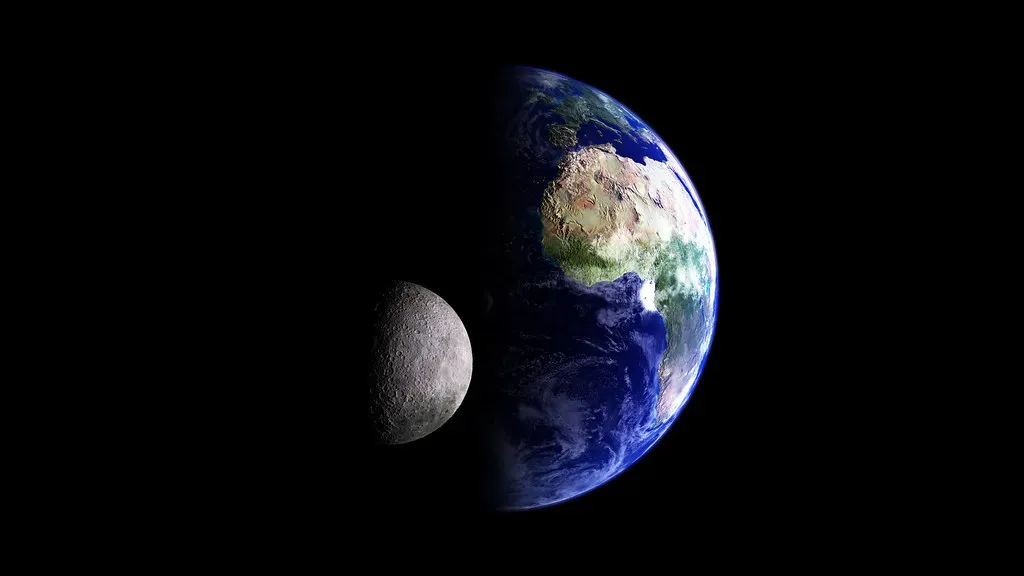
Earth’s single moon might look modest next to the outer planets, but it’s an unusually large satellite relative to its host planet. No other rocky planet in the solar system has a moon anywhere near this proportionally massive. The going theory is that a Mars-sized object collided with early Earth billions of years ago, and the debris eventually coalesced into what we now call the Moon.
Earth isn’t likely to gain new moons through natural discovery the way Jupiter or Saturn periodically do. Our neighborhood has been mapped closely enough, for centuries, that a hidden natural satellite orbiting Earth would be almost impossible to miss. So one it is, and one it will likely remain.
5. Mars – two moons
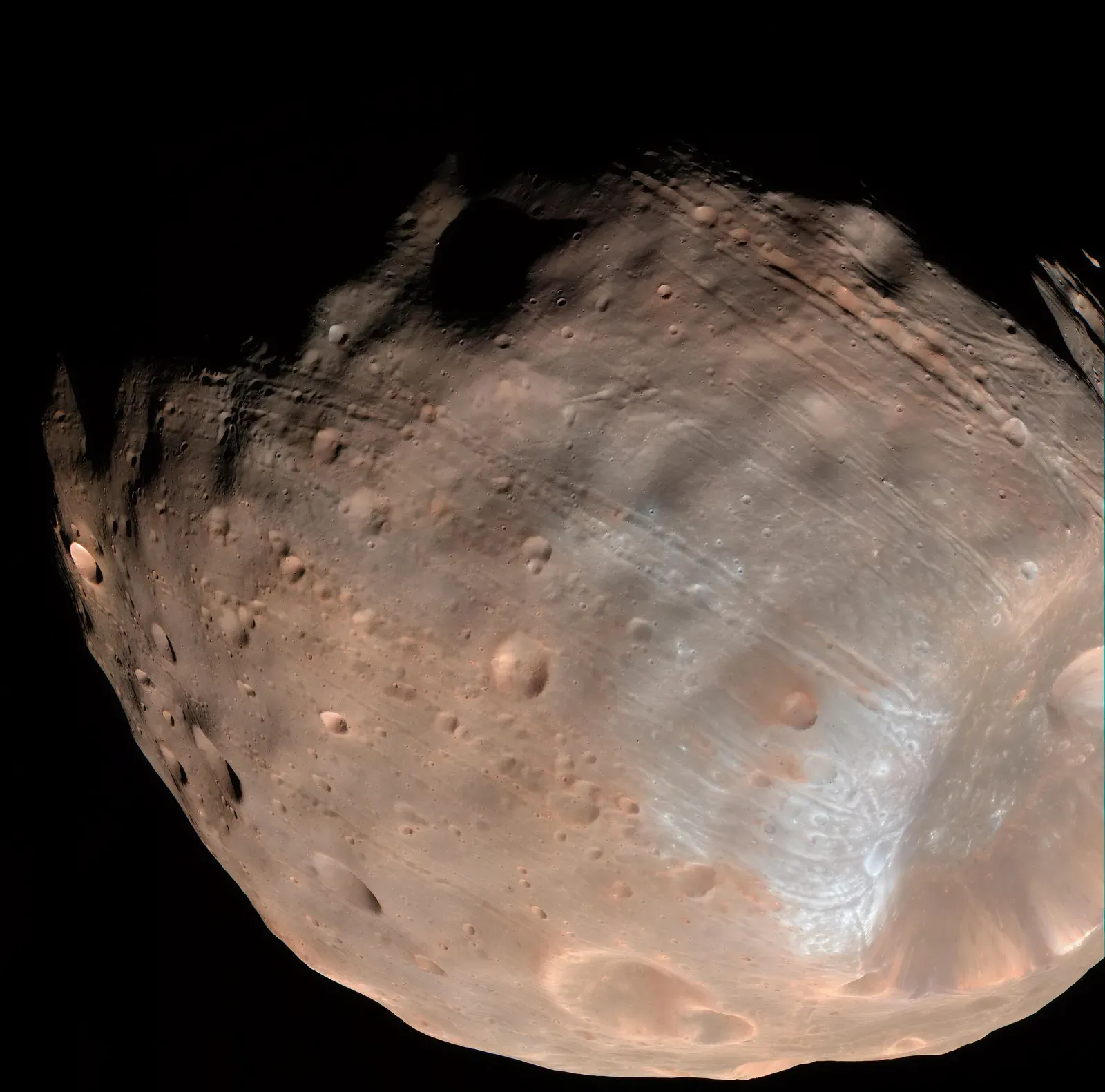
Mars has exactly two confirmed moons, Phobos and Deimos, and that figure has been settled science for well over a century now. Mars has 2confirmed moons according to current tracking, a number that hasn’t budged in recent survey rounds. Both moons are small, irregularly shaped, and widely believed to be captured asteroids rather than objects that formed alongside Mars.
Phobos is slowly spiraling inward and is expected, many millions of years from now, to either crash into Mars or break apart into a ring. Deimos, by contrast, is drifting slightly outward. Neither moon is large enough to appear round, and both look more like tumbled space rocks than proper satellites, which fits their probable origin story.
4. Neptune – around 16 to 18 known moons
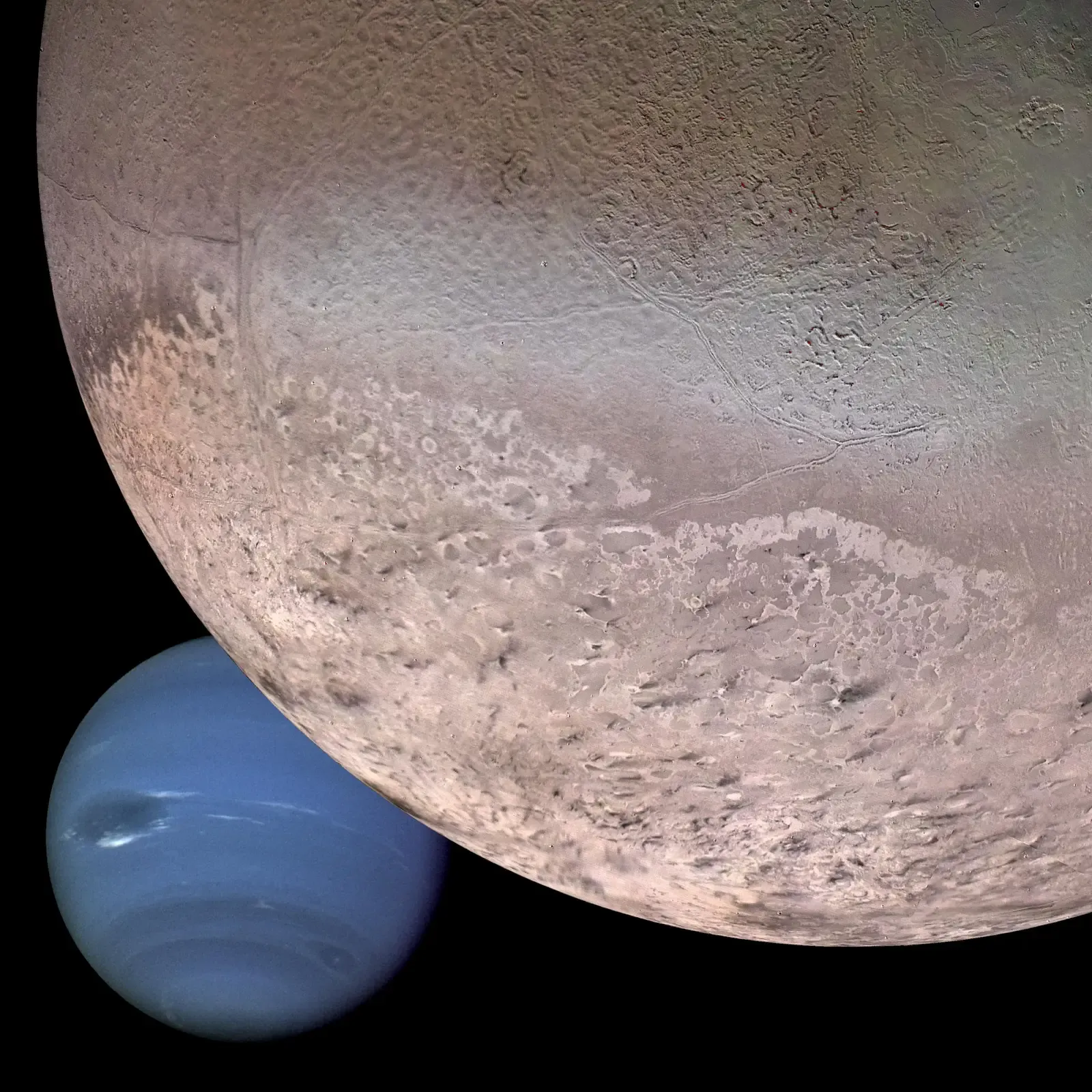
Neptune’s moon count depends slightly on which recent source you check, which is itself a small window into how fast this field moves. Earlier in February 2024, a new moon of Uranus and two new moons of Neptune were discovered bring the totals to 28 for Uranus and 16 for Neptune. More recent tracking puts the figure a bit higher, closer to eighteen, as additional faint satellites get confirmed.
Neptune’s dominant moon by far is Triton, and its behavior is genuinely strange. Neptune’s dominant moon, Triton, is 2,705 km across and orbits in retrograde, the opposite direction of Neptune’s rotation, which is a clear sign that Triton was captured from the Kuiper Belt rather than forming alongside Neptune. That capture event likely reshaped Neptune’s entire moon system, scattering earlier satellites in the process.
3. Uranus – 29 known moons
Uranus has quietly climbed the moon rankings in recent years as fainter satellites get picked out of increasingly detailed sky surveys. On August 19, 2025, the planet Uranus picked up a new moon for a total of 29, a moon rather small at around 6 miles in diameter, but it still counts. That discovery came courtesy of the James Webb Space Telescope, which has proven remarkably good at spotting objects too dim for older instruments.
Uranus has 29 confirmed moons, and its five largest, Miranda, Ariel, Umbriel, Titania, and Oberon, are all composed primarily of ice and rock. Unlike most other planets, Uranus’s moons don’t take their names from classical mythology. Unlike Jupiter and Saturn, whose moons are named after mythology, all Uranian moons are named after characters from Shakespeare and Alexander Pope.
2. Jupiter – 101 known moons
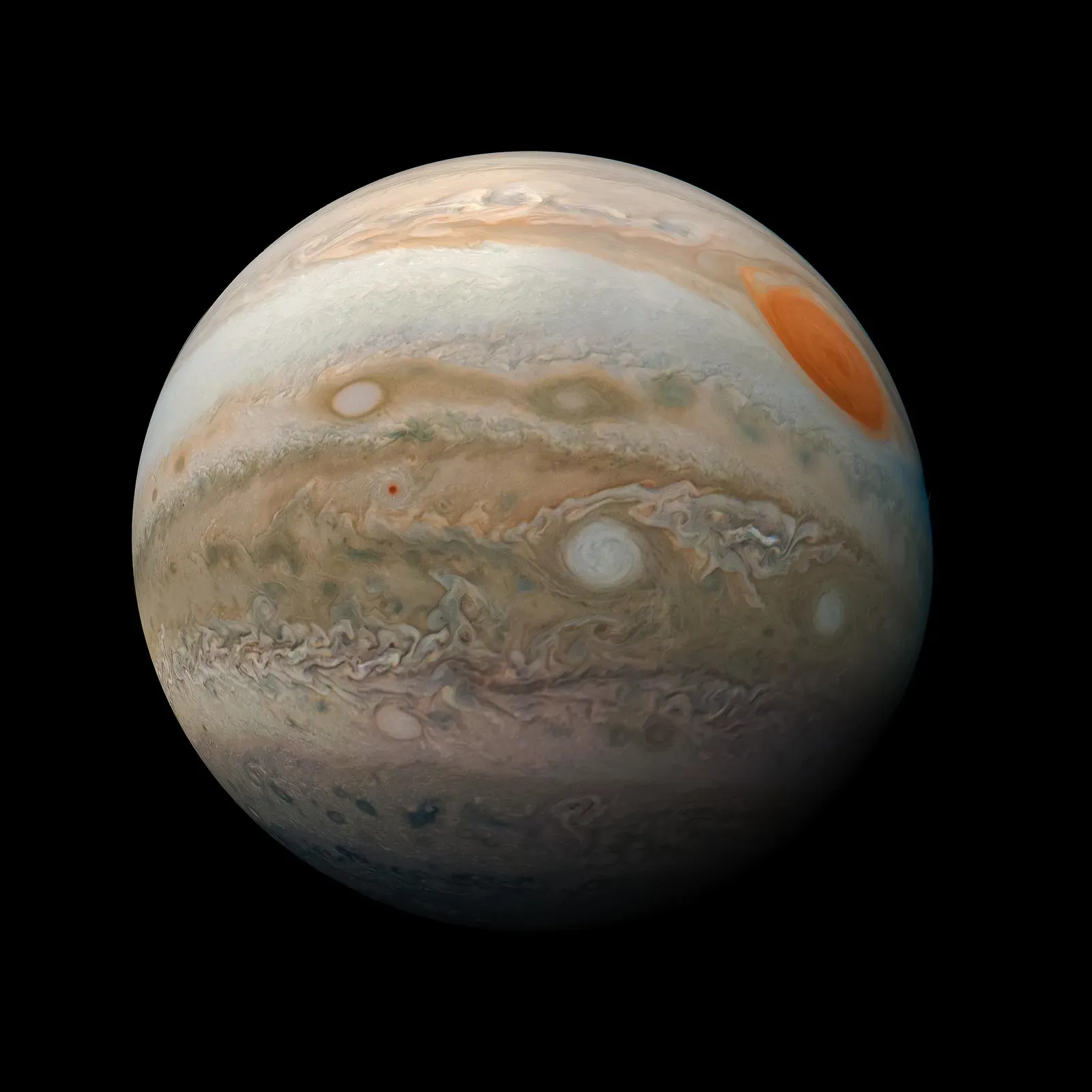
Jupiter has long been considered the solar system’s other moon giant, and in 2026 it finally crossed a symbolic threshold. Jupiter’s moon count has finally cracked 100, with the addition of four newly discovered moons. That puts its confirmed total at 101, a milestone that took decades of incremental discoveries to reach.
Most of those moons are tiny and irregular, nothing like the four famous Galilean satellites that Galileo spotted through his primitive telescope in 1610. Ganymede is Jupiter’s largest moon and the largest moon in the entire Solar System, measuring 5,262 kilometers across, and is bigger than the planet Mercury and the only moon known to have its own magnetic field. The other Galilean moons, Io, Europa, and Callisto, are large enough to be seen with basic binoculars, which is a fun fact worth trying on a clear night.
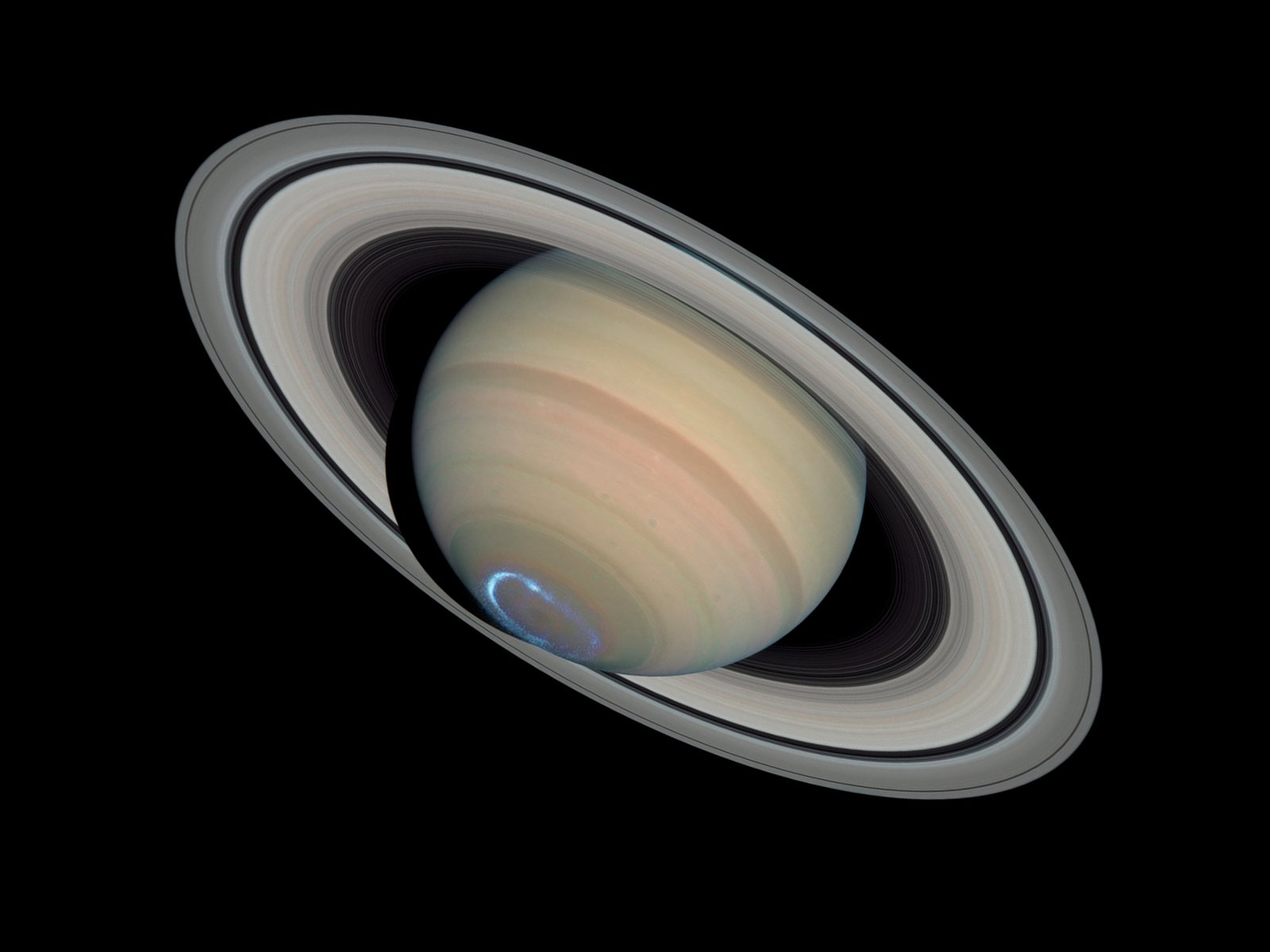
1. Saturn – 285 known moons
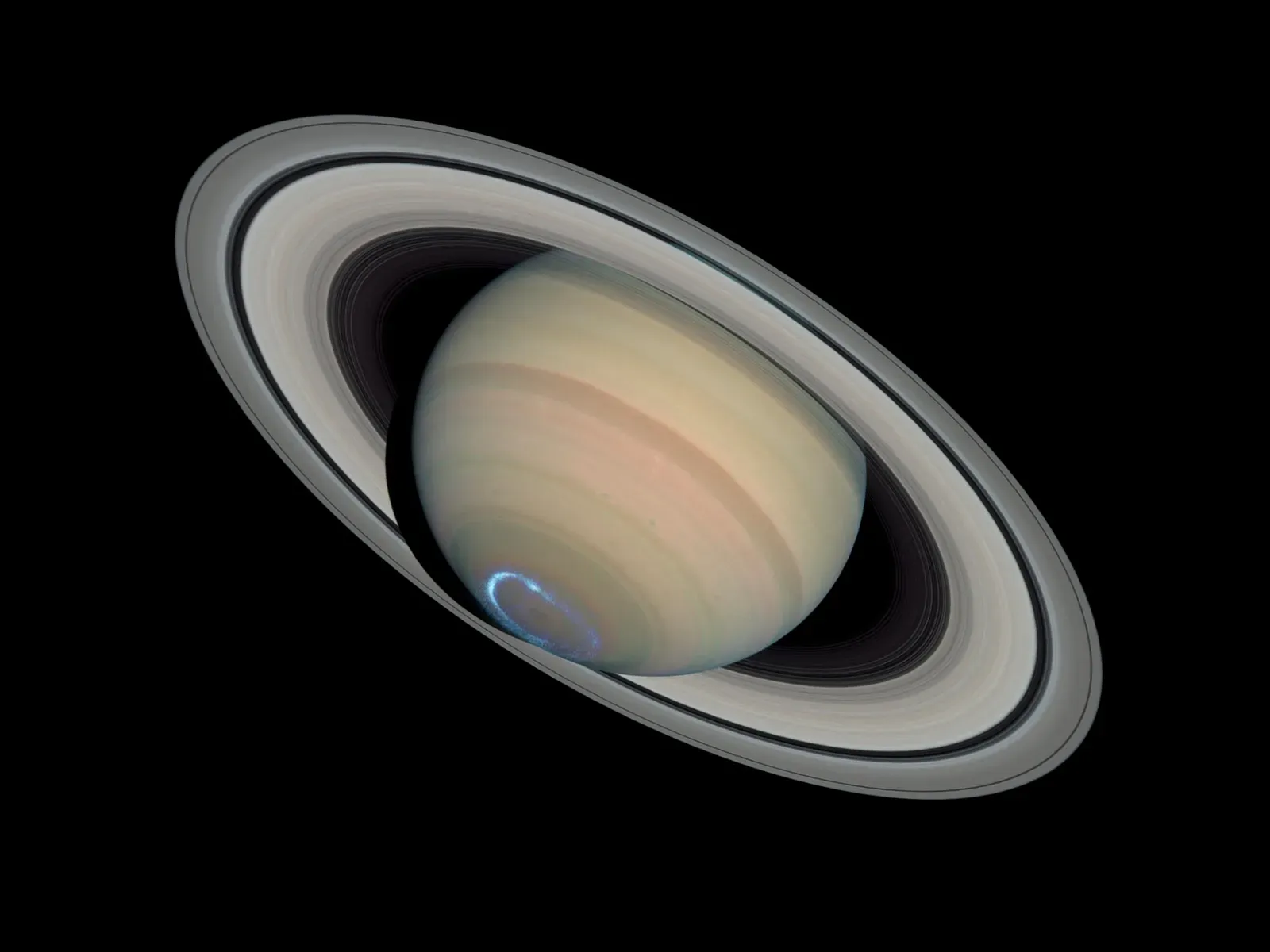
Saturn isn’t just ahead of the pack, it’s dominating it by a wide margin, and the gap keeps growing. The International Astronomical Union’s Minor Planet Center has confirmed the presence of 11 additional moons around Saturn, taking the total known Saturnian moons to 285, with four new satellites around Jupiter announced on the same day, bringing Jupiter’s total to 101. The jump to 285 followed an even bigger leap the year before.
A team of astronomers led by Edward Ashton and Brett Gladman, using the Canada France Hawaii Telescope on Mauna Kea in Hawaii, submitted observations of 128 newly identified Saturn moons, which the International Astronomical Union officially recognised on March 11, 2025, bringing Saturn’s total to 274. Most of these newly confirmed satellites are small, dark, and orbit backward relative to Saturn’s rotation, hinting at a violent collisional past rather than a calm formation alongside the planet. Some more recent trackers have already nudged the figure past 290, a reminder that this number is genuinely a moving target rather than a settled fact.
Why the numbers keep changing

- The Shoreline Sucked Dry in Seconds – 5 Tsunami Signals Beachgoers Mistake for Low Tide - November 14, 2026
- 9 Dark-Sky Destinations Around the World Where the Stars Look Unreal - November 14, 2026
- The Fault Line That Never Slips – 7 Locked Seismic Zones Overdue for a Massive Release - November 14, 2026
