

- Phantom Energy Sucking Power 24/7 – 7 Home Electronics Quietly Inflating Utility Bills - November 14, 2026
- A Million-Mile Storm Raging for Centuries – 6 Violent Weather Wonders in Our System - November 14, 2026
- Animals Flee Hours Before the Tremor – 7 Natural Warnings Before Disasters Strike - November 14, 2026
Boston’s 2030 plan raises the stakes
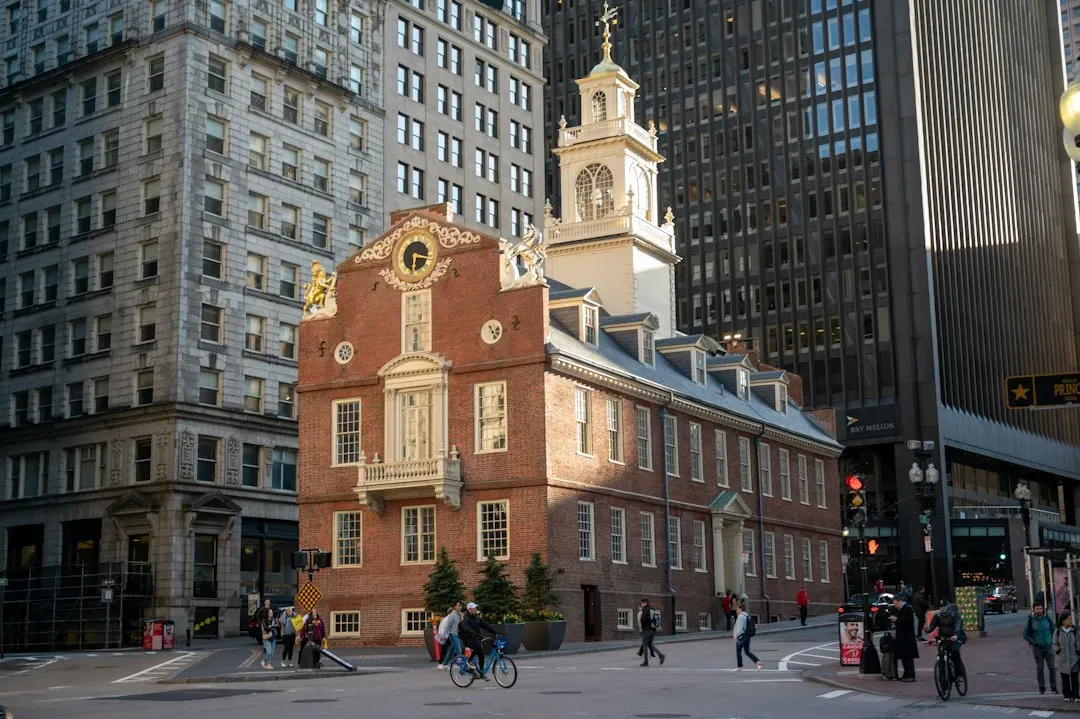
Boston offered one of the more concrete updates this year. Mayor Michelle Wu announced the release of Boston’s 2030 Climate Action Plan in April 2026, a roadmap for how the city will achieve net zero emissions by 2050 while cutting community-wide greenhouse gas emissions by half by 2030. That interim target matters because it forces accountability well before the headline 2050 deadline arrives.
The plan leans on tools already in motion, including the Building Emissions Reduction and Disclosure Ordinance and the Zero Emission Vehicle Roadmap. City modeling suggests full implementation of these programs is projected to reduce emissions by approximately 48 percent, which is close to the 2030 goal but still leaves a gap that newer strategies will need to close.
San Diego shows how easy it is to fall behind
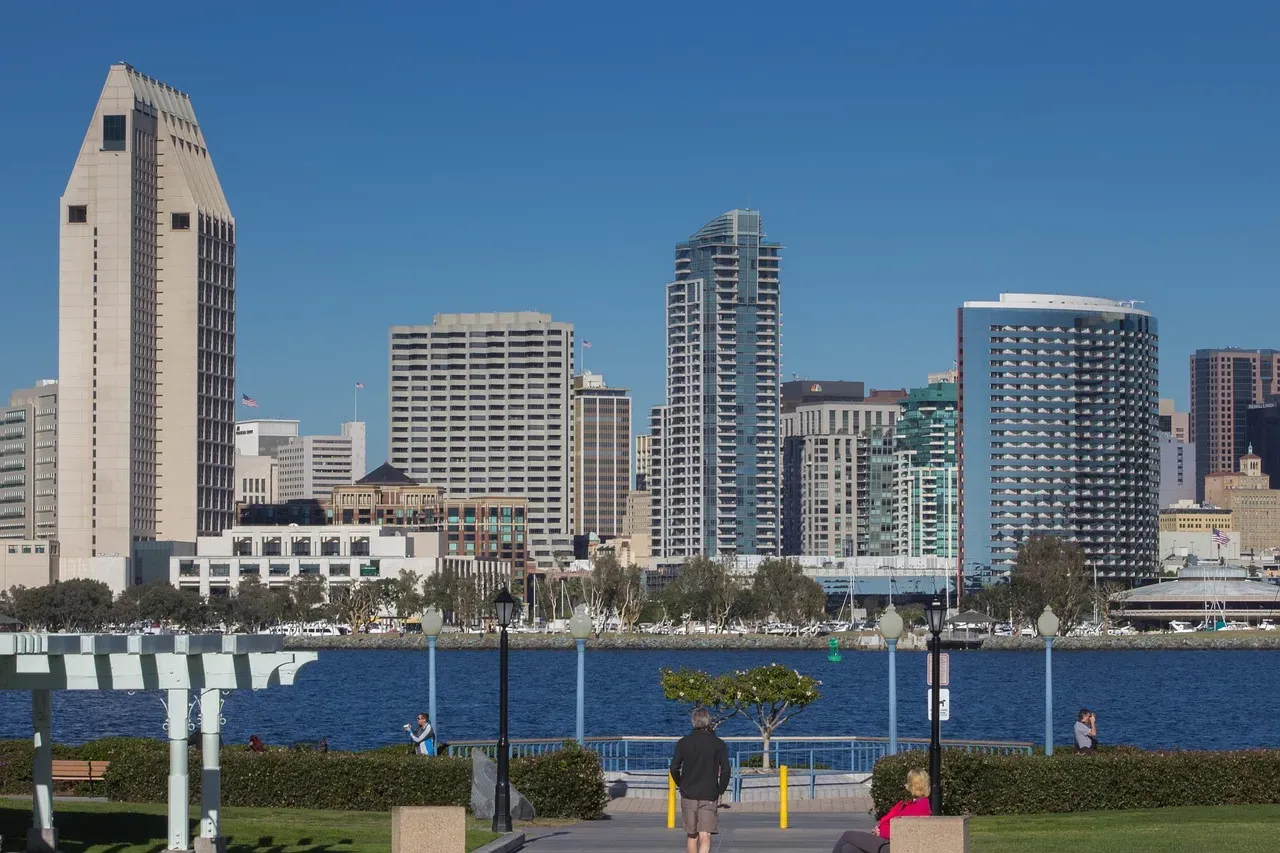
Not every city is on the encouraging side of the ledger. San Diego is falling behind in its progress toward achieving net zero greenhouse gas emissions, a goal it is legally required to meet by 2035, according to the city’s latest Climate Action Plan annual report. The city’s own sustainability office acknowledged the results were uneven.
The numbers tell a split story. Total emissions in 2024, the most recent year with complete data, fell by about 3% compared to 2023, mostly due to the growing supply of clean electricity like solar and wind power and a slight drop in natural gas usage in buildings. Still, emissions were 6% higher than they should have been if the city were on track, with a widening gap tied to continued dependence on fossil fuels, particularly for transportation, the city’s largest emissions source by far.
Transportation remains the toughest emissions category
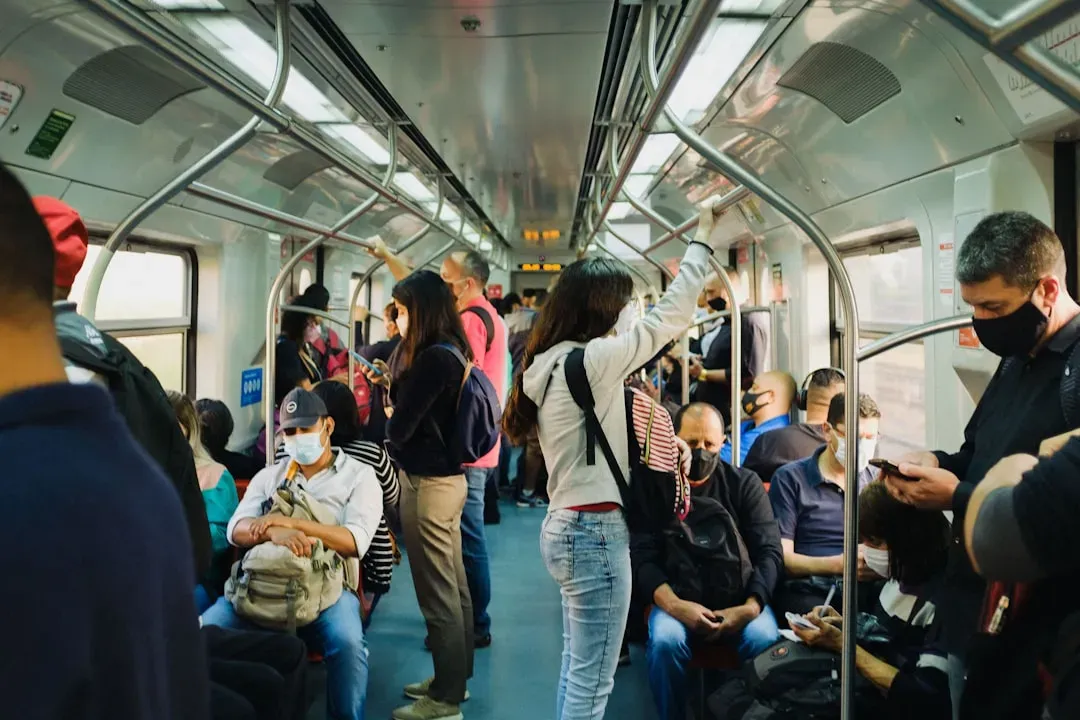
Across nearly every city examined, transportation stands out as the hardest sector to decarbonize. San Diego’s struggles are not unique. In Austin, officials have tied their strategy directly to getting people out of single-occupancy vehicles.
Austin’s Climate Equity Plan aims for 50% of trips within the city to use public transit, walking, biking or carpooling by 2030, with new investments in expanding light rail, building trails, and revitalizing sidewalks underway to encourage the shift. San Francisco has set an even higher bar, with a goal of 80% of all trips being low carbon, whether through the city’s transit system Muni, or biking and walking. Ridership numbers there have been respectable, with average weekday ridership for San Francisco’s Muni estimated at 445,000 boardings in 2024.
Building codes are becoming a real enforcement tool
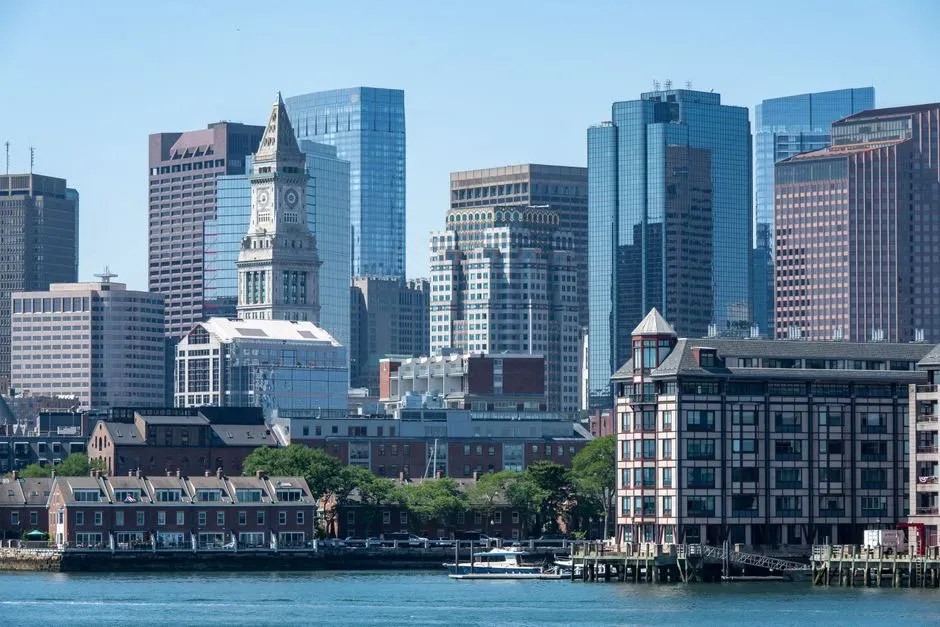
Cities have realized that voluntary pledges only go so far, which is why building performance standards have picked up momentum. Over 40 cities are expected to have these standards in place by 2026, compelling building owners to prioritize energy efficiency and emissions reduction measures, according to a report from JLL. That is a sharp jump from where things stood just a few years earlier.
Boston’s version has actual teeth behind it. Under Boston’s Building Emissions Reduction and Disclosure Ordinance, buildings over 35,000 square feet will face a fine of $1,000 per day starting next year if they do not comply with the city’s building performance standards. Fines like that shift building codes from aspirational language into something closer to a legal obligation, which is a meaningful change in how cities approach the problem.
Washington, D.C. illustrates the scale of remaining work
The nation’s capital has made real headway, but its own reporting shows just how much distance remains. The District has cut emissions by 36% between 2006 and 2021, a genuine accomplishment by any measure. Yet the arithmetic afterward is sobering.That still leaves more than 7 million metric tons of carbon emissions per year that the District needs to eliminate to achieve carbon neutrality by 2045. D.C.’s experience is a useful reminder that early wins, often from cleaning up the electricity grid, tend to be the easiest part. What comes next, deep retrofits of aging buildings and a wholesale shift in how people get around, is considerably harder.
Most large cities still lack a real target

It would be easy to assume that climate pledges are now standard practice among American cities. The data says otherwise. Of the 100 most populous cities in the United States, only 45 have established greenhouse gas reduction targets and corresponding baseline GHG inventories.
Even among cities that have set goals, the ambition often falls short of what scientists say is needed. Slightly less than half of large U.S. cities have established GHG reduction targets, and where the goals exist, they tend to align with the 80%-decrease-by-2050 mitigation pathway consistent with the Paris Climate Accord, but tend to fall short of the mitigation pathways that limit warming to 1.5°Celsius. That gap between stated ambition and scientific necessity is one of the more uncomfortable truths in this field.
Electricity procurement has become a quiet success story
While transportation lags, cities have found more traction in cleaning up their electricity supply, often through community choice aggregation programs. Boston’s version is a case in point. Boston has a Climate Action Plan with a goal of achieving carbon neutrality by 2050, and Boston Community Choice Electricity, the largest municipal aggregation in Massachusetts, is shifting the city’s electricity sources toward a supplier with higher renewable energy use at 39% for standard programs, which is helping keep residents’ bills at a lower cost.
Programs like this matter because they let cities move the needle on emissions without waiting for individual households to make costly upgrades on their own. It is one of the few climate levers where a city government can act somewhat independently of state or federal policy, and the results in places like Boston and San Diego suggest it is working, even if only partially.
Older Sun Belt and heartland cities are quietly setting dates too

The carbon-neutrality conversation is not confined to coastal cities with big sustainability departments. Smaller and mid-sized cities across the country have adopted similar frameworks, even if their progress gets less attention. Mesa, Arizona accepted its Climate Action Plan in 2021, setting goals of a 50% reduction in city operations emissions from a 2019 baseline by 2030 and carbon neutrality by 2050, along with targets for 100% renewable energy and diverting 90% of waste from landfills by 2050.
Charleston, South Carolina offers another example of a mid-sized city with a defined path. Its plan includes 12 strategies and 51 action items meant to put the city on a path to reduce emissions 56% by 2030 and reach net zero by 2050. These plans rarely make national headlines, but they represent the same basic bet that larger cities are making: that incremental, measurable steps now can add up to something significant later.
Science has moved the goalposts since many plans were written
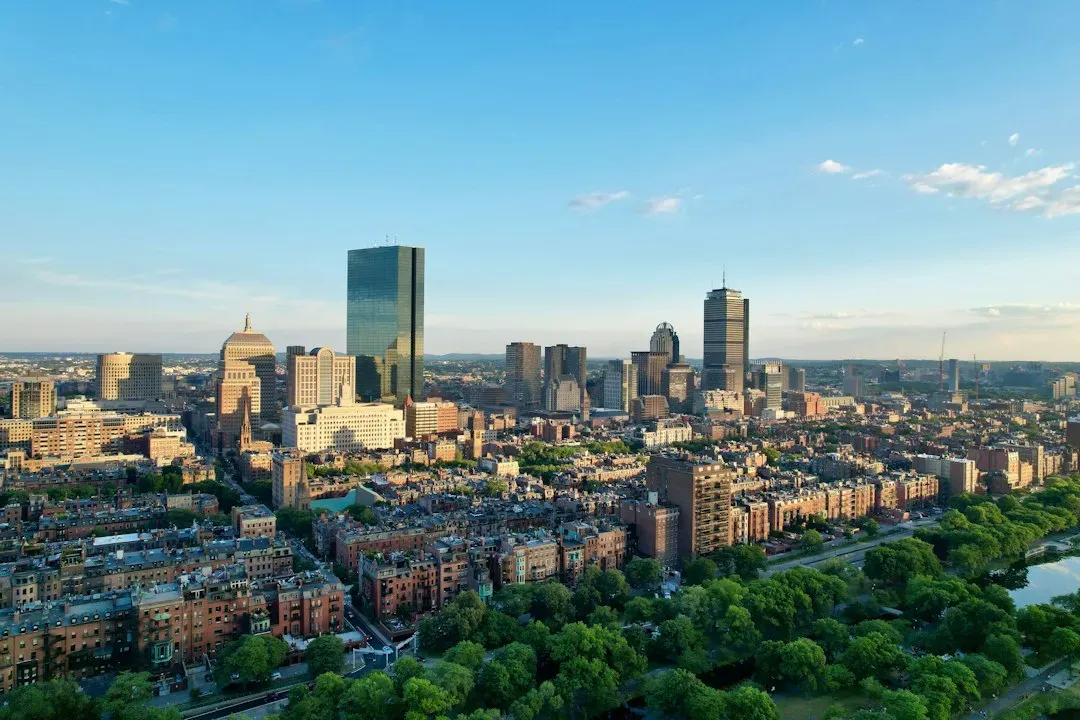
One complication that rarely gets discussed outside planning circles is that the scientific consensus shifted after many of these city plans were first written. Since 2018, the United Nations Intergovernmental Panel on Climate Change has recommended limiting global warming to 1.5 degrees Celsius, which requires cutting global emissions to net zero by 2050, with an interim reduction target of about 50% by 2030.
Many older municipal plans, drafted in the early 2010s or even before, were built around less ambitious reduction targets that predate this tightened science. Most cities haven’t adopted that updated target yet, which means a portion of the climate action plans still on the books may need revision even if cities hit every milestone they originally set. Boston’s 2026 update, with its explicit 50 percent by 2030 goal, reflects this newer, stricter benchmark.
Final Thoughts
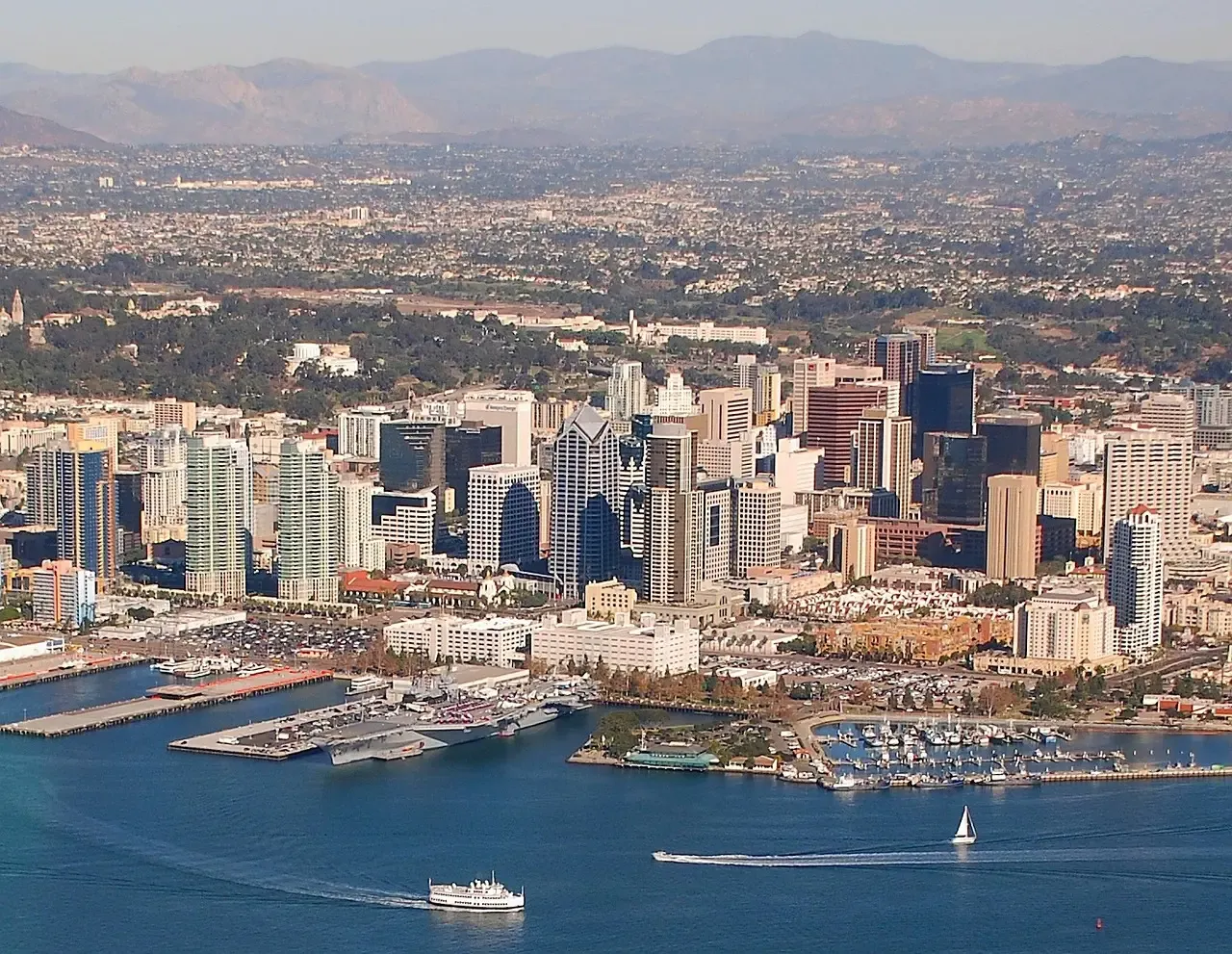
Carbon neutrality for American cities is not a fantasy, but it is also not on autopilot. Cities that pair specific ordinances, like building performance standards with real fines, with aggressive clean electricity procurement seem to be making the most tangible progress. Places that rely mostly on stated goals without enforcement mechanisms, as San Diego’s recent report suggests, tend to drift.
The next few years will likely separate cities that treat 2030 as a genuine checkpoint from those still treating it as a distant marker. Given how much of the remaining work involves transportation and building retrofits, both of which require sustained political will and money, the coming decade will say more about American urban climate policy than the last two combined.
