


- The Planet Where It Rains Liquid Glass – 7 Alien Worlds Defying Known Physics - November 14, 2026
- Stars Consuming Entire Worlds – 6 Planetary Systems Swallowing Their Own Worlds - November 14, 2026
- The Ground Liquefies Like Water – 6 Silent Fault Lines Geologists Watch Closely - November 14, 2026
Going solar seemed like a straightforward way to cut monthly energy costs and reduce reliance on the grid. The math on long-term savings looked solid, yet the day-to-day reality brought several surprises that no spreadsheet fully captured.
These experiences reflect common patterns reported by homeowners in recent years, backed by utility data, installer feedback, and industry reports from 2024 through 2026. Here are six aspects that stood out most.
Utility Bills Stay More Complicated Than Expected
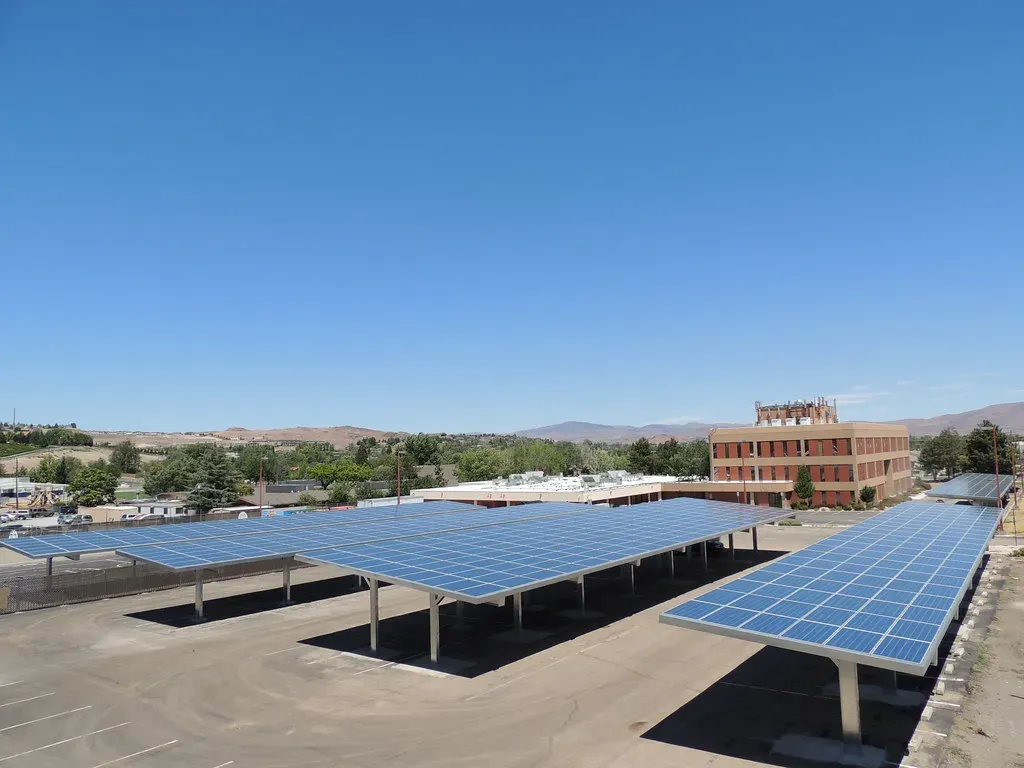
Many new solar owners open their first post-installation bill expecting a near-zero total, only to find fixed interconnection fees, minimum charges, or other line items that persist regardless of production. These costs can leave a small balance even when the system generates a surplus overall.
Net metering credits appear, yet the structure of the bill often requires careful reading to understand usage versus exports. Homeowners frequently note that the visual data in monitoring apps does not always align perfectly with the utility statement at first.
Regular Panel Cleaning Becomes a Real Consideration
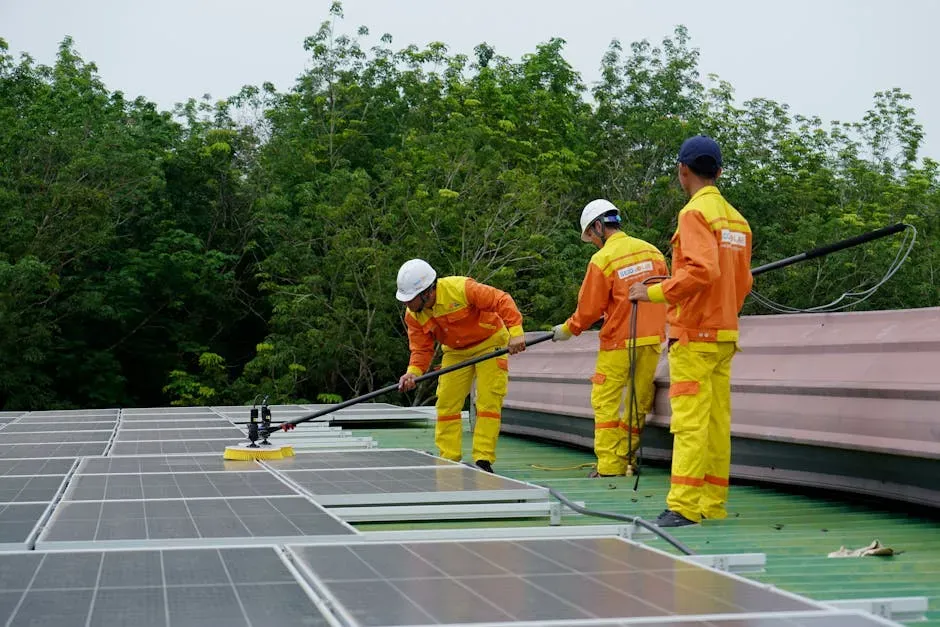
Dirt, pollen, bird droppings, and dust accumulate on panels and can reduce output noticeably over time. Studies indicate that cleaning can restore efficiency gains ranging from 5 to 30 percent depending on local conditions and soiling levels.
While rain helps in many climates, areas with heavy pollution or frequent bird activity often need manual attention once or twice a year. Skipping this step leads to gradual performance drops that monitoring apps eventually flag.
Homeowners Insurance Requires an Update
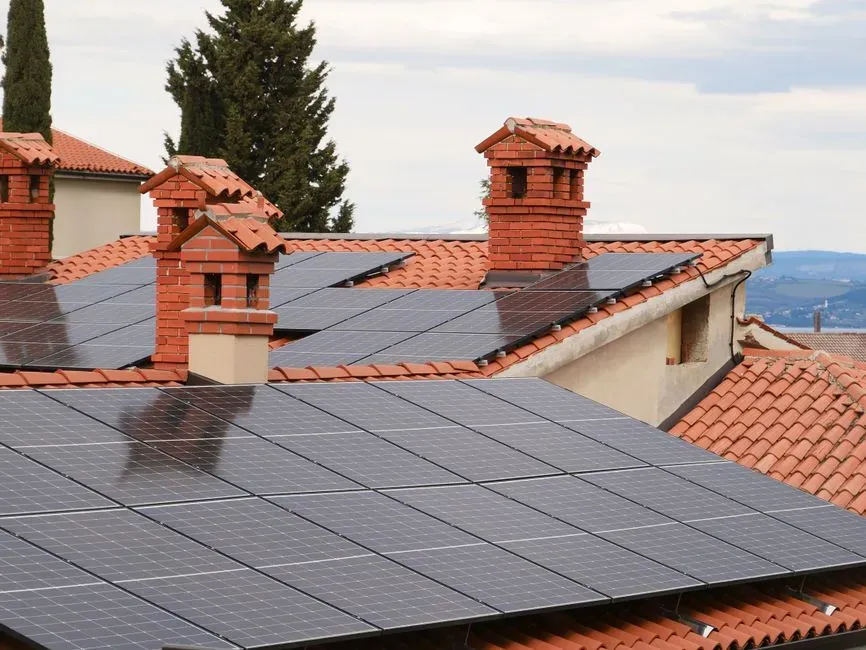
Adding solar panels increases the replacement value of the home, so dwelling coverage limits typically need adjustment to avoid being underinsured. Insurers generally treat the system as part of the structure rather than separate personal property.
Premium increases tend to be modest, often in the range of a few dollars to a couple hundred dollars annually, though exact amounts vary by location, system size, and carrier. Notifying the insurer promptly prevents coverage gaps during claims.
Inverter and Monitoring Issues Surface Over Time
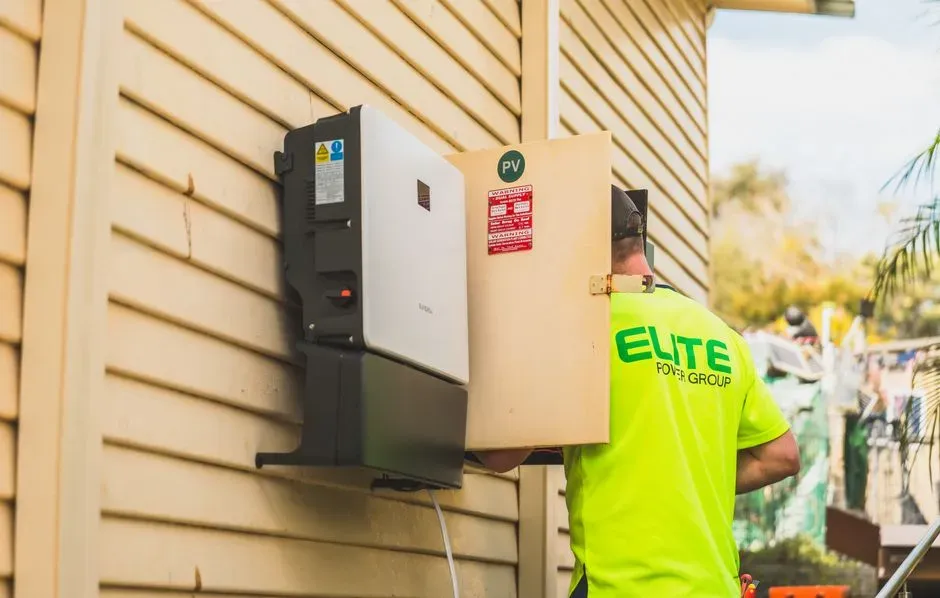
Inverters rank among the more common points of failure in residential systems, with reported rates around 4 to 6 percent in broader field analyses. Older microinverter setups in particular have shown reliability challenges after several years of service.
Monitoring apps sometimes stop reporting production accurately due to gateway problems or wiring quirks, leaving owners surprised when actual output differs from expectations. Professional troubleshooting often resolves these, yet the downtime can affect perceived savings.
Net Metering Policies Can Shift the Economics
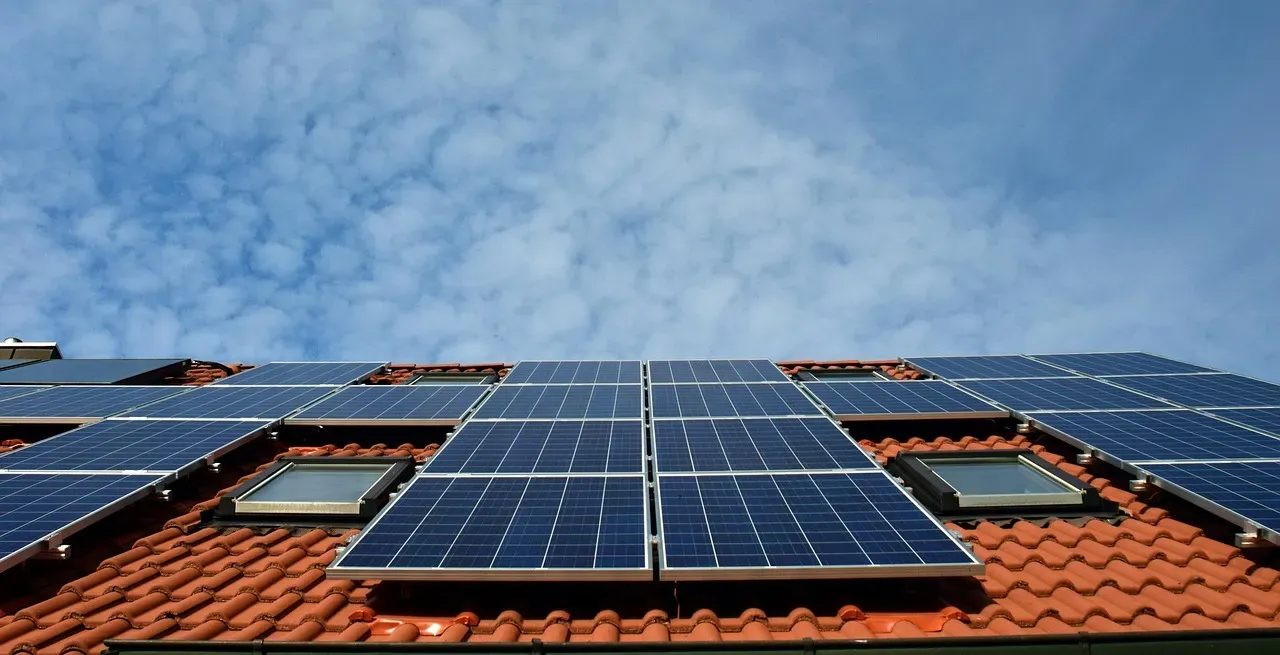
Export compensation rates have changed in several states, moving from full retail credit under traditional net metering to lower net-billing structures. New installations may receive only a fraction of the prior value for excess energy sent to the grid.
These policy adjustments extend payback periods for some households and make battery storage more attractive for self-consumption. Homeowners who installed earlier often benefit from grandfathered terms that newer systems do not receive.
Daily Energy Habits and Production Patterns Surprise
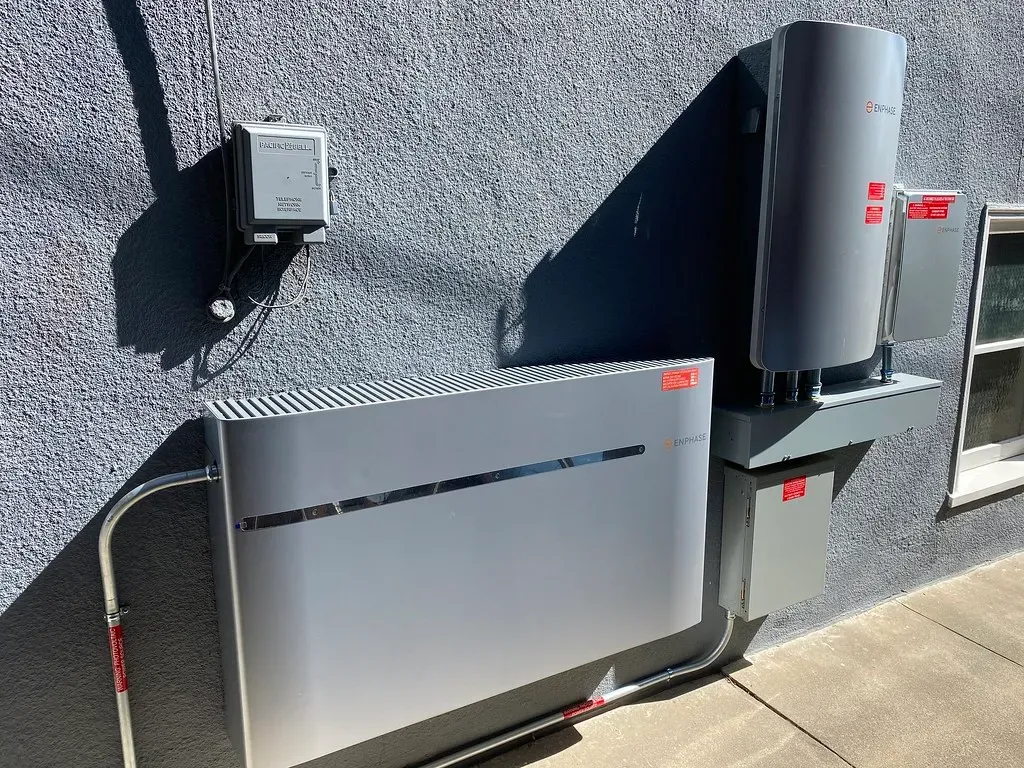
Systems frequently generate meaningful power even on overcast days, challenging the assumption that only bright sunshine counts. This steady output encourages shifting appliance use to daylight hours without much conscious effort.
At the same time, batteries or export limits during outages can behave differently than anticipated, sometimes requiring mode adjustments in the app. Owners report that seeing real-time data naturally alters routines around laundry, dishwashing, and EV charging.
Overall, the switch delivered the anticipated bill reductions for most, yet these practical details shaped the full experience. Planning for maintenance, insurance coordination, and policy awareness helps smooth the transition and maximizes the long-term benefits.
