

1. A massive star exhausts its nuclear fuel
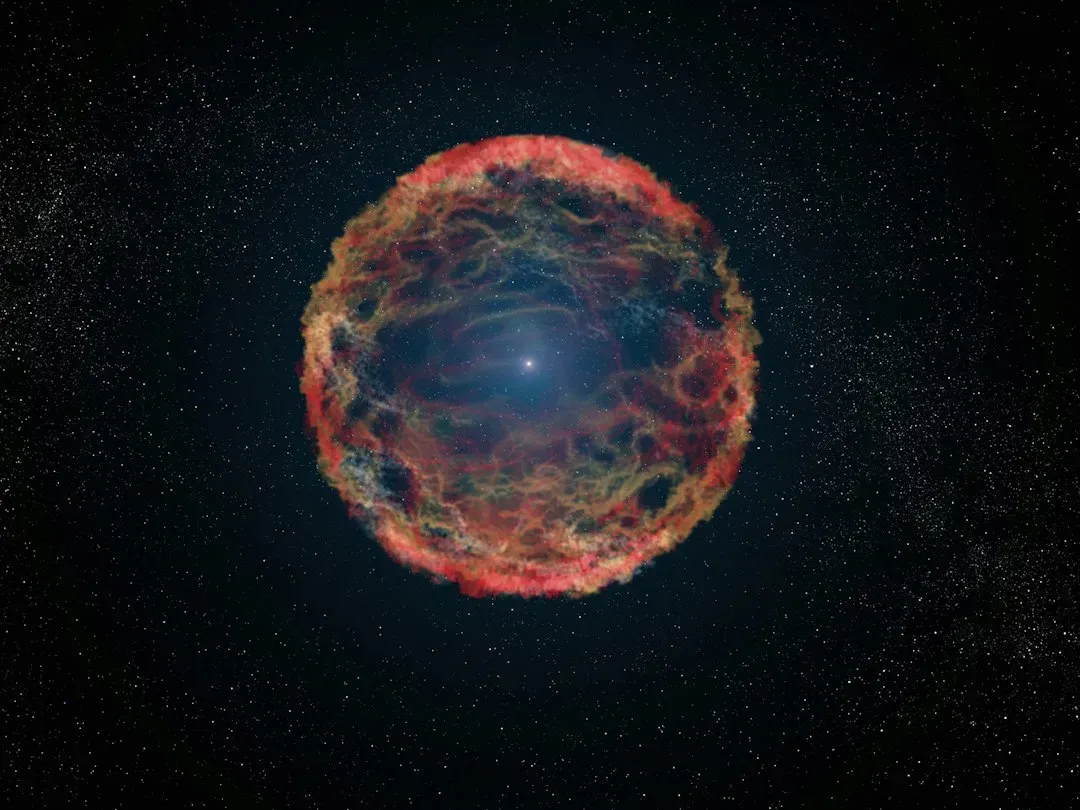
Stars survive by fusing lighter elements into heavier ones, and this process generates outward pressure that fights against the star’s own gravity. A star needs at least about eight to ten times the mass of the sun to eventually collapse into a black hole rather than a white dwarf or neutron star. Over millions of years, the star works through hydrogen, then helium, then progressively heavier elements like carbon, oxygen, and silicon.
Each stage of fusion produces less energy than the last, forcing the star to burn through material faster just to stay stable. By the time it reaches iron fusion, the star has hit a dead end, because fusing iron consumes energy instead of releasing it. This marks the beginning of the end, a star with an iron core sitting on borrowed time.
2. The iron core reaches a critical mass
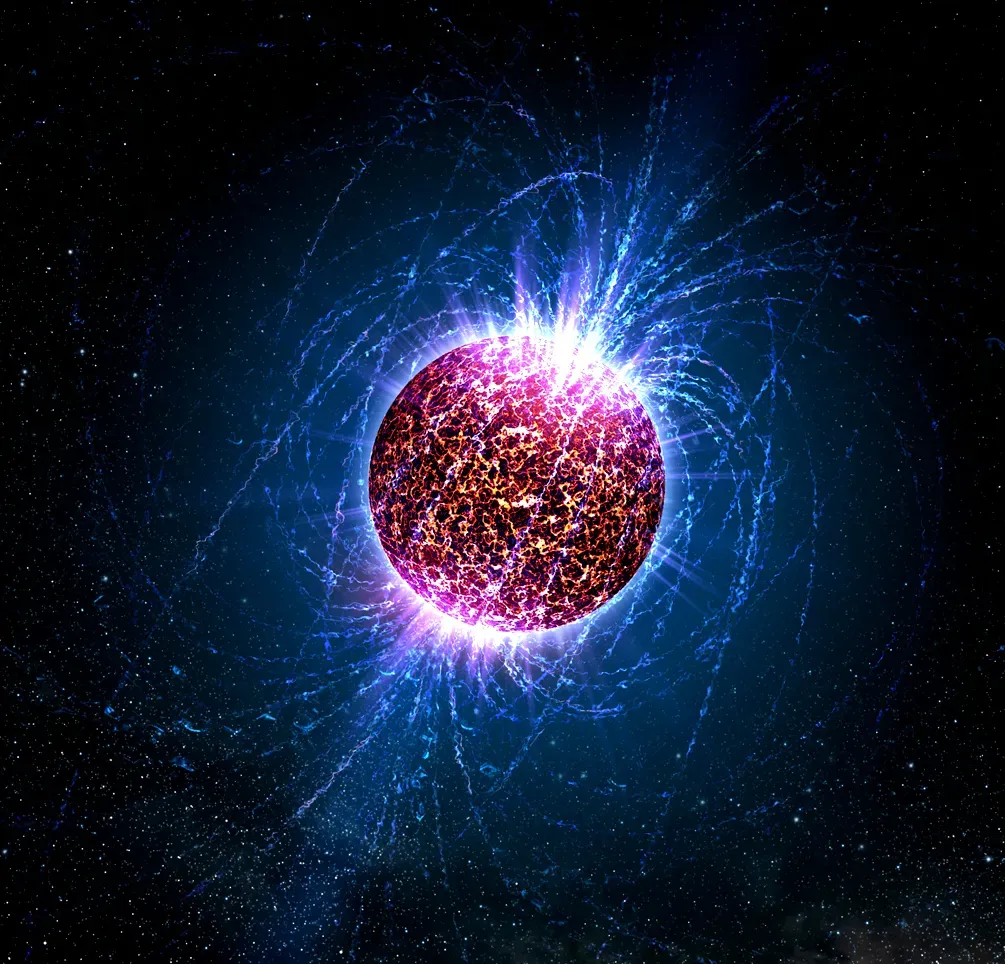
Iron cannot be fused into anything heavier in a way that produces net energy, so the core stops generating the outward pressure that has kept the star intact for its entire life. The core continues growing as surrounding layers dump more iron onto it, silently and steadily. Once the core surpasses what’s known as the Chandrasekhar limit, roughly 1.4 times the mass of the sun, electron degeneracy pressure alone can no longer hold it up.
This tipping point happens astonishingly fast compared to the star’s lifespan. What took millions of years to build collapses in a fraction of a second once the limit is crossed. The star has essentially run out of physical options to resist gravity.
3. Core collapse happens in a fraction of a second
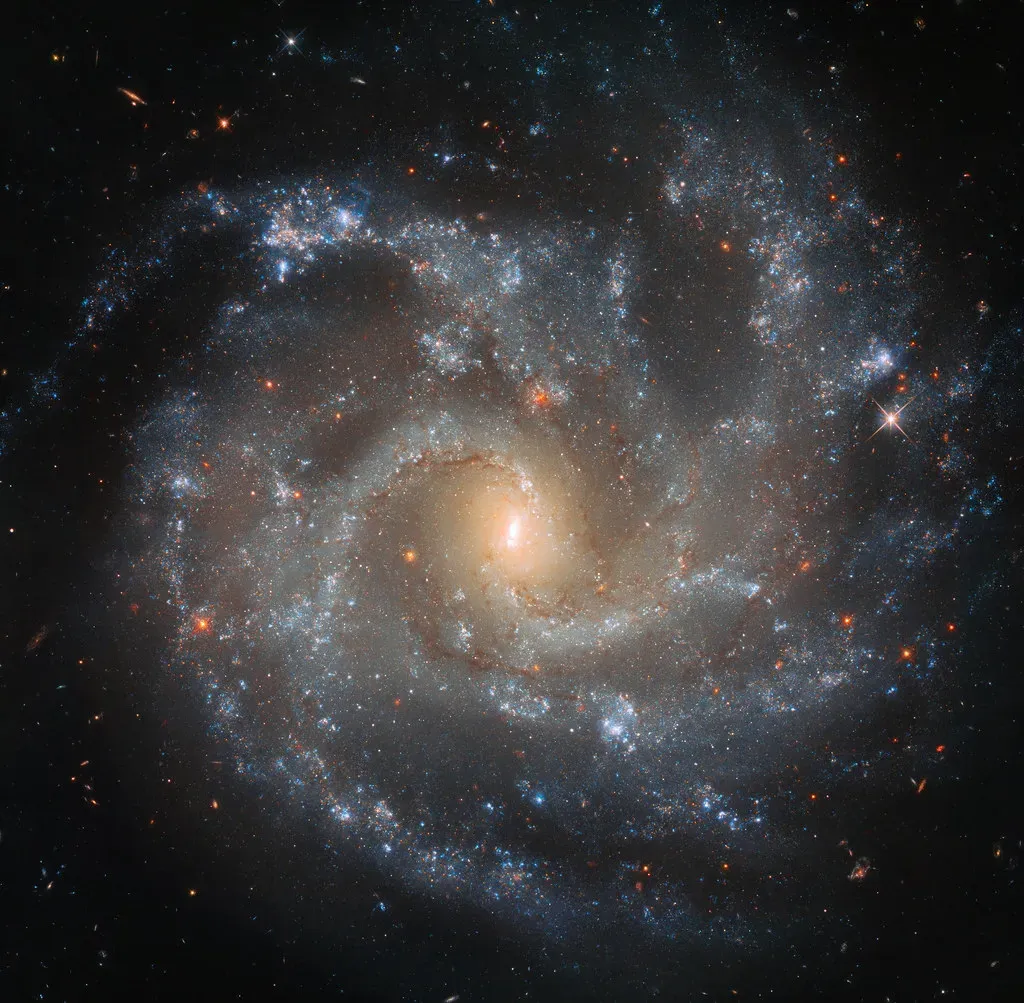
When the core finally gives in, it doesn’t collapse gently. Material at the center falls inward at roughly a quarter of the speed of light, and the core shrinks from a size comparable to Earth down to something only a few dozen kilometers across in about a quarter of a second. Electrons and protons get crushed together, forming neutrons and releasing an enormous burst of neutrinos.
This implosion happens so quickly that the outer layers of the star haven’t even noticed yet. They’re still sitting there, unsupported, about to experience one of the most dramatic reversals in astrophysics. The stage is now set for the star to tear itself apart.
4. A supernova explosion blows the star apart
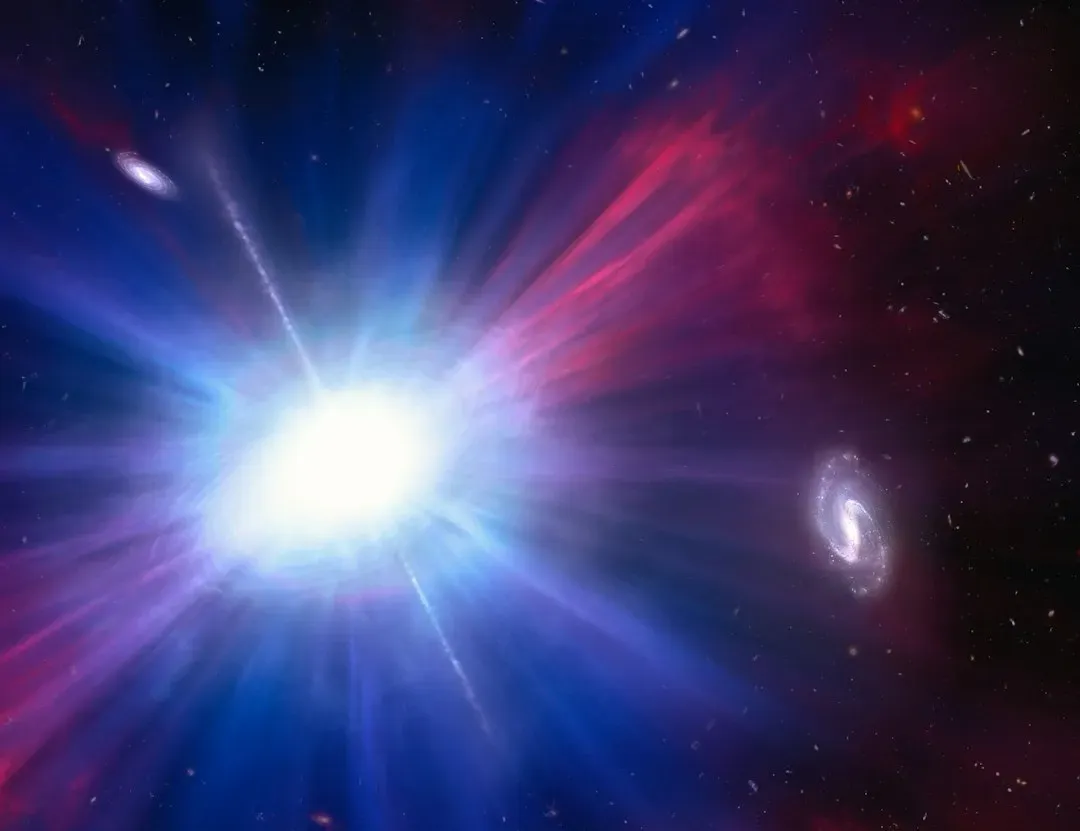
The collapsing core eventually becomes so dense that it stiffens and rebounds, creating a shockwave that slams into the infalling outer layers of the star. Combined with a flood of neutrinos depositing energy into the surrounding material, this shockwave reverses the collapse of the outer layers and blasts them outward. The result is a core collapse supernova, an explosion bright enough to briefly outshine an entire galaxy.
These explosions seed the surrounding galaxy with heavy elements forged during the star’s life and death, everything from calcium in bones to iron in blood ultimately traces back to events like this. Not every massive star produces a bright, visible supernova, though. Some more massive stars may implode with little fanfare in what’s sometimes called a failed supernova, sending material inward without a dramatic outward flash.
5. The remaining core continues collapsing past neutron star density
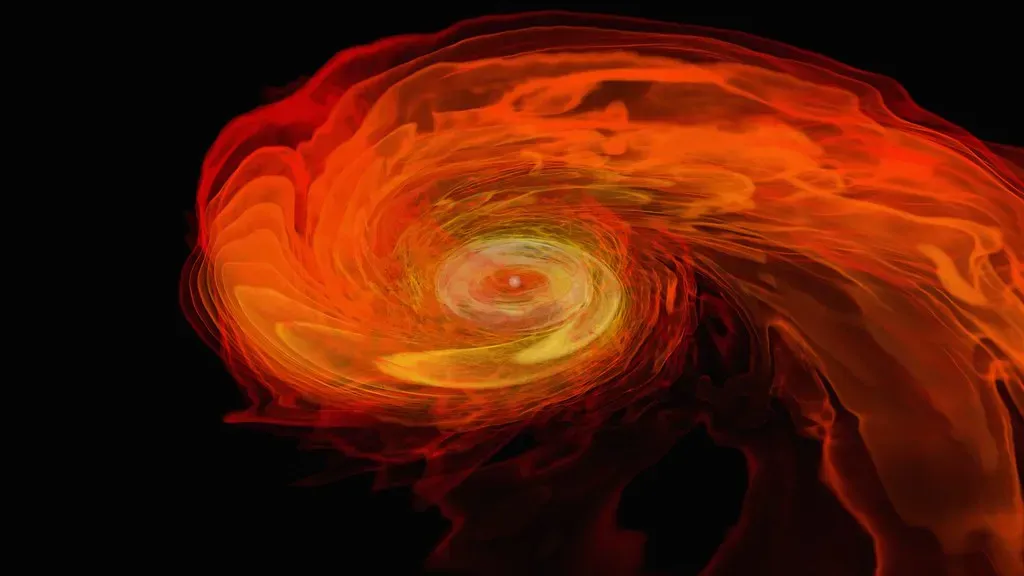
If the leftover core after the explosion (or failed explosion) is massive enough, typically above roughly two to three solar masses, not even the pressure that supports neutron stars can stop the collapse. Neutron stars are held up by neutron degeneracy pressure, essentially neutrons resisting being squeezed any closer together. When the remaining mass exceeds this neutron star limit, that resistance fails too.
There is no known force left in physics capable of halting the collapse at this point. Gravity simply wins outright, and the core keeps shrinking without any known point where it should stop. This is the moment where the object transitions from being an extremely dense star to something categorically different.
6. A singularity and event horizon form
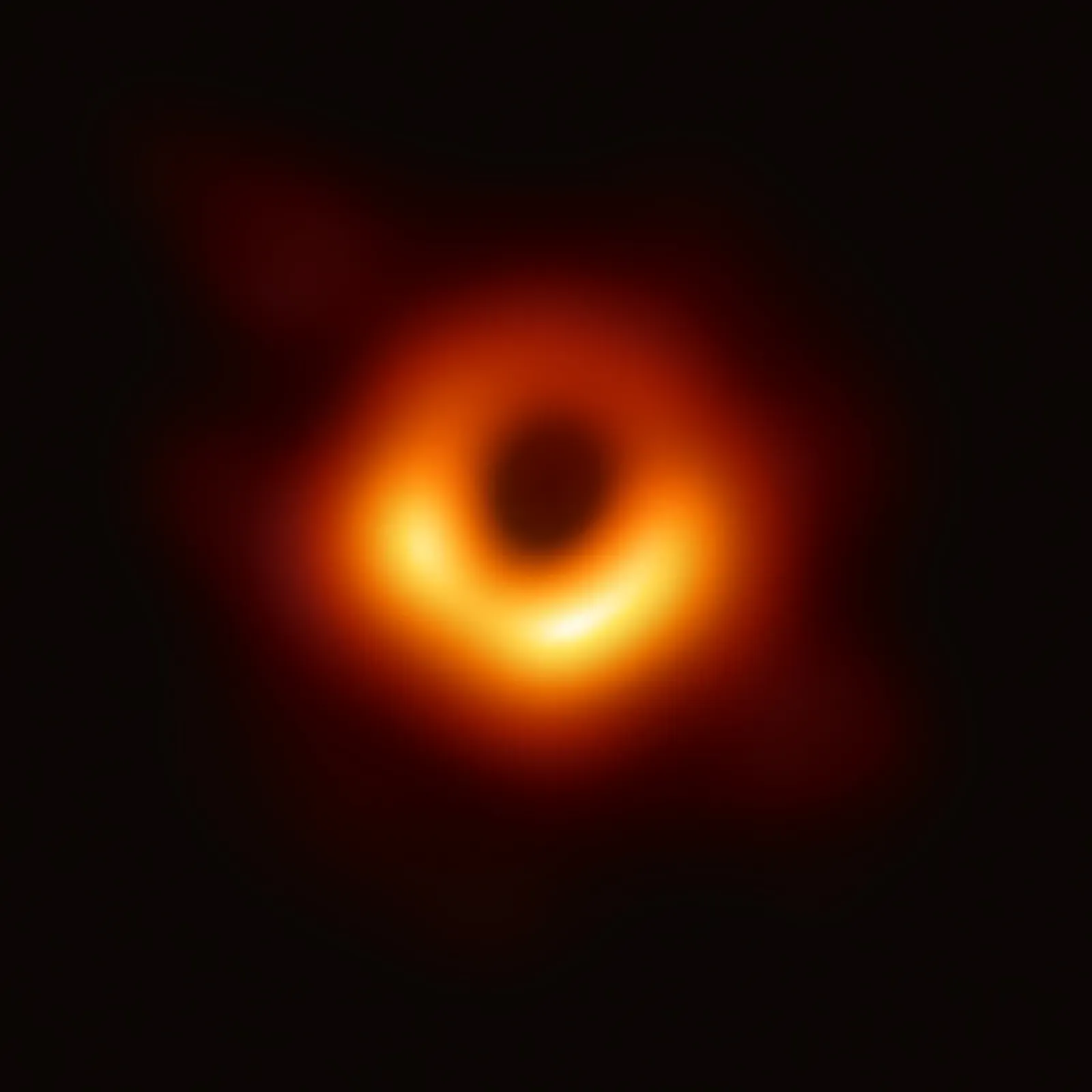
According to general relativity, the collapsing matter is crushed down toward a singularity, a point where density becomes theoretically infinite and our current physics equations stop giving meaningful answers. Surrounding this singularity, an event horizon forms, the boundary beyond which gravity is strong enough that not even light can escape. The size of this horizon depends on the object’s mass, described by what’s called the Schwarzschild radius.
For a black hole with the mass of our sun, that radius would be about three kilometers, though stellar black holes formed this way are typically several times more massive than the sun. Scientists cannot observe the singularity directly and likely never will, since anything that crosses the event horizon cannot send information back out. What we can observe is everything happening just outside that boundary.
7. The newborn black hole settles and begins interacting with its surroundings
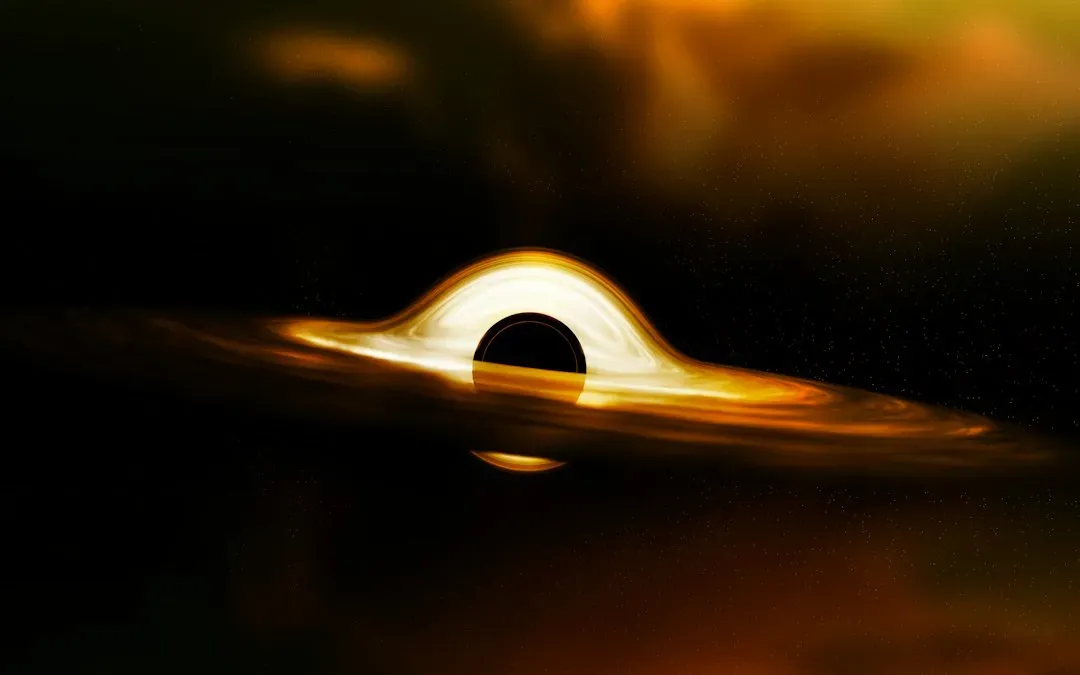
Once formed, a stellar black hole isn’t done evolving. It can pull in nearby gas and dust, forming a swirling accretion disk that heats up to extreme temperatures and emits X-rays detectable by observatories like NASA’s Chandra X-ray Observatory. If it’s part of a binary system, it may continue feeding off a companion star for millions of years, occasionally producing powerful jets of material blasted out at relativistic speeds.
Over cosmic timescales, some stellar black holes merge with others, events that have been directly detected through gravitational waves by observatories like LIGO and Virgo since 2015. These mergers offer some of the clearest confirmation that this entire formation process, from dying star to spacetime-warping object, actually happens exactly as theory predicts. Each newly formed black hole becomes a permanent fixture of its galaxy, quietly reshaping the space and matter around it for the rest of cosmic time.

- The Shoreline Sucked Dry in Seconds – 5 Tsunami Signals Beachgoers Mistake for Low Tide - November 14, 2026
- 9 Dark-Sky Destinations Around the World Where the Stars Look Unreal - November 14, 2026
- The Fault Line That Never Slips – 7 Locked Seismic Zones Overdue for a Massive Release - November 14, 2026
