

- Atlantic Hurricane Activity Has Often Rebounded After Strong El Niño Years, Records Show - November 15, 2026
- The Planet Where It Rains Liquid Glass – 7 Alien Worlds Defying Known Physics - November 14, 2026
- Stars Consuming Entire Worlds – 6 Planetary Systems Swallowing Their Own Worlds - November 14, 2026
1. Snow and ice closures
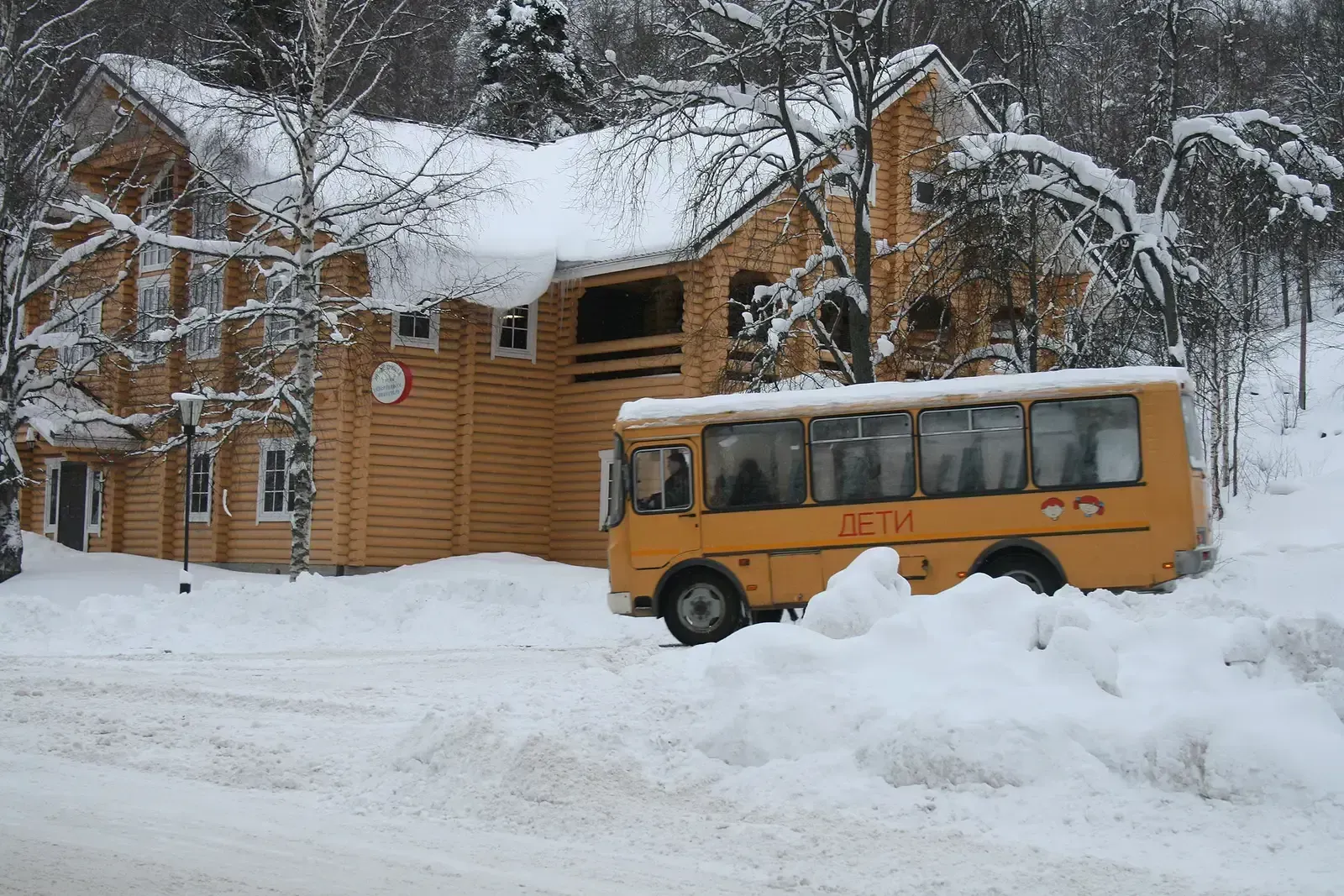
Snow days remain the most familiar weather policy, but the decision behind them is rarely as simple as measuring inches on the ground. Districts like Green Bay Area Schools in Wisconsin say there aren’t particular thresholds tied to snowfall amounts, and officials instead try to determine how hazardous the roadways are going to be and how dangerous conditions might be for kids outside or during transport. The same pattern holds in Colorado, where Durango School District 9-R has plow drivers and multiple agencies assess road risks starting around 4 a.m., with the superintendent and safety director making the final call based on input from more than 100 experts and direct road reports.
Timing matters as much as snow totals. In Stevens Point, Wisconsin, officials noted decisions to delay or cancel are made case by case, evaluating how long students would be exposed to the elements, particularly at bus stops. Once districts exceed their built-in snow day allowance, most states require makeup days, and some, like Wisconsin, mandate that after two snow days built into the calendar, the district needs to begin making up minutes or even whole days.
2. Extreme cold closures
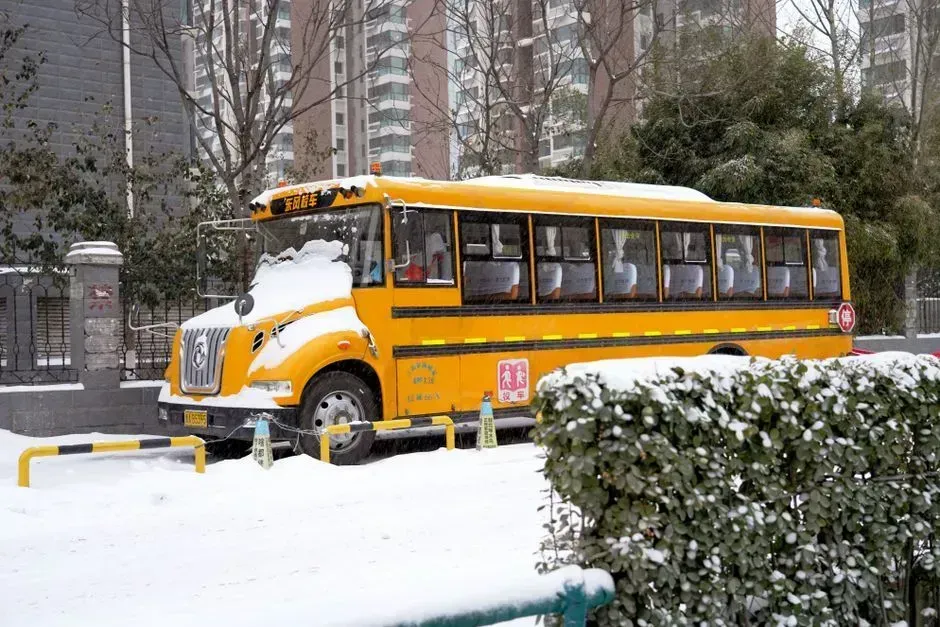
Cold weather closures follow a different logic than snow days, since roads can be perfectly clear while temperatures still pose a real danger. Nebraska districts have shifted how they evaluate this since the National Weather Service changed its terminology; as one report noted, Omaha Public Schools said a key factor was a cold weather advisory rather than a wind chill warning, since the weather service no longer issues wind-chill warnings and instead uses “cold weather alerts.”
Papillion La Vista Community Schools in Nebraska described a layered process, explaining that closure decisions go through a thorough evaluation led by the superintendent, including reviewing forecasts from the National Weather Service and a nearby Air Force base, consulting with district leadership and neighboring superintendents, and assessing road conditions. This kind of coordination across neighboring districts is common in extreme cold scenarios, since exposure time at bus stops becomes the central safety concern rather than road surface conditions alone.
3. Heat closures and early dismissals
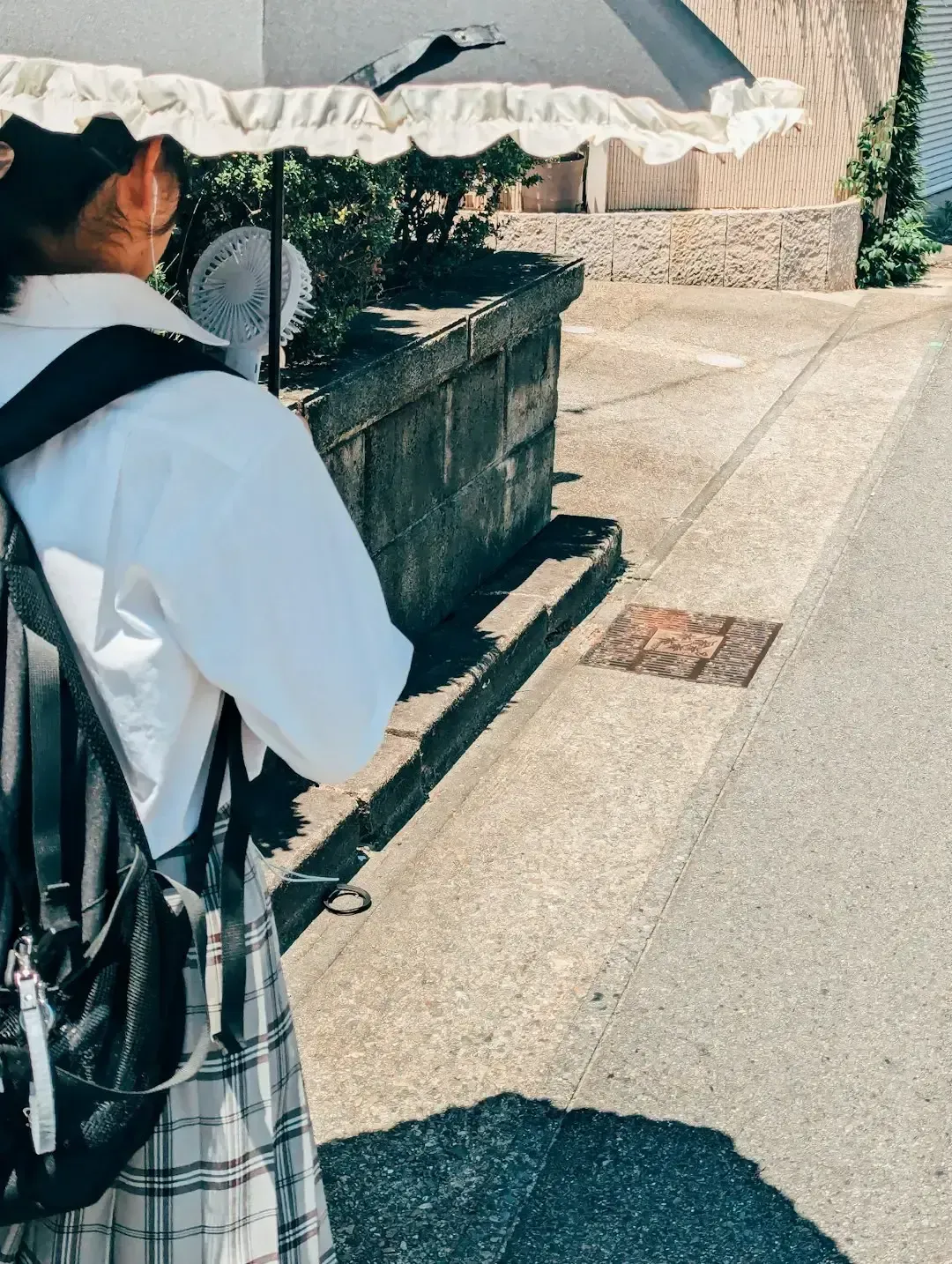
Heat closures have become one of the fastest-growing weather policy categories in the past two years, driven largely by aging school buildings without adequate cooling. During a heat dome that hit the Midwest and Mid-Atlantic in the opening days of the 2026-2027 school year, at least 18 school districts across eight states were impacted by soaring temperatures through Labor Day weekend. Milwaukee Public Schools canceled classes districtwide after the district said the decision followed guidance from the Milwaukee Health Department, on just the second day of the school year.
The underlying infrastructure problem is significant. In Milwaukee’s case, most MPS buildings lack central air conditioning, and the district’s facilities average roughly 85 years of age. Philadelphia has built specific temperature triggers into its policy, since about 52 district schools, nearly a quarter of Philadelphia’s buildings, still don’t have adequate cooling, so when a heat wave rolls in the district sends those students home to learn remotely, and if the temperature inside the building hits 90 degrees, school goes virtual.
4. State-mandated classroom temperature thresholds
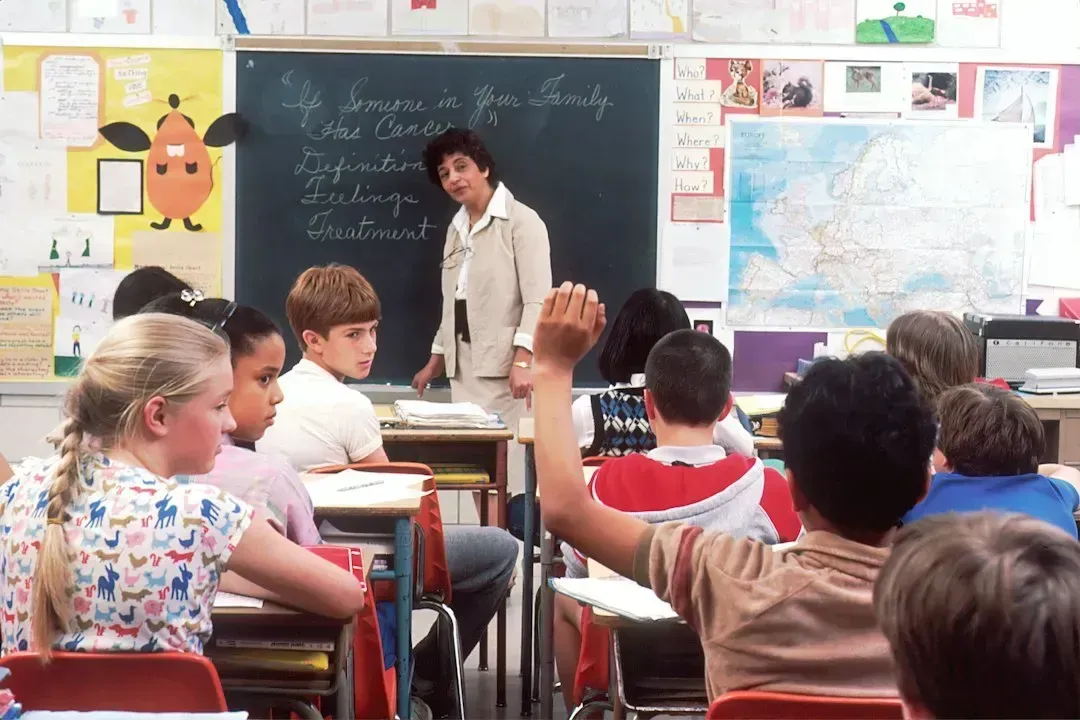
New York became one of the first states to move from informal heat guidance to a legally binding temperature standard. Under the new law, a new law sets 88 degrees as the maximum temperature for occupancy of all spaces used by students in public school buildings, beginning in September 2025. Below that ceiling, there’s also a lower action threshold, since the law establishes 88 degrees as the maximum temperature in classrooms and support service spaces, while districts are also mandated to take action once classroom temperatures reach 82 degrees.
The required response at 82 degrees is intentionally flexible rather than an automatic closure. New York City’s implementation guidance specifies that when classroom temperatures reach 82°F, schools must take action to alleviate heat-related discomfort, and if temperatures reach 88°F, schools must have a plan to relocate students and staff from classrooms. Acceptable mitigation steps, according to state officials, can include turning off overhead lights, pulling down shades or blinds, turning on fans, opening classroom doors and windows, turning off electronics, and providing water breaks.
5. Wildfire smoke and air quality closures
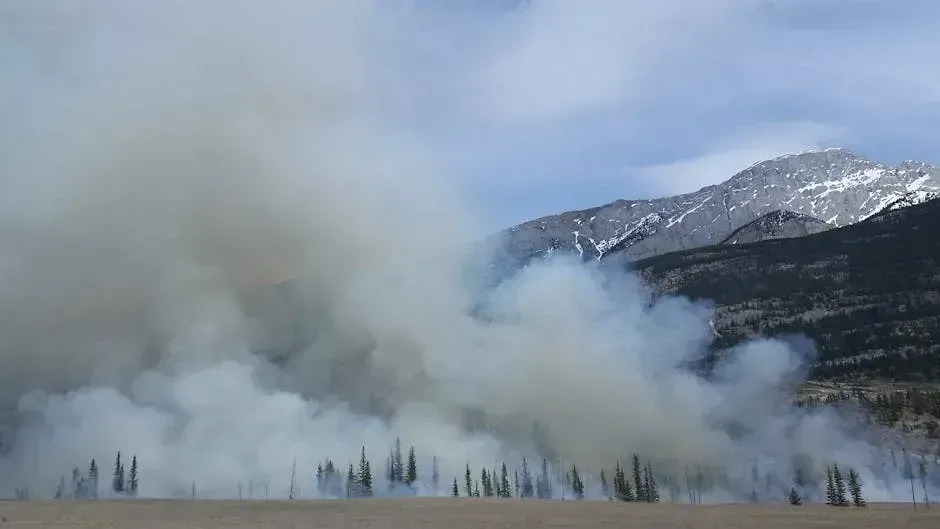
Air quality closures have grown from a mostly western concern into a policy that districts across the country now need on file. California’s guidance breaks decisions into tiers based on the Air Quality Index, with steps that escalate as conditions worsen, up to the point where air quality is “very unhealthy,” at which point schools should move all activities indoors or reschedule outdoor events, and if air quality is “hazardous,” close school if appropriate.
The reach of these closures has expanded well beyond wildfire-prone states. One recent account of a multi-state smoke event noted alerts stretched from the West Coast through the Midwest and even into the Eastern United States, with many states experiencing unhealthy air for several consecutive days, including Washington, Idaho, Montana, Colorado, and Midwestern cities like Chicago, Detroit, and Cleveland. Unlike snow, smoke rarely produces a clean binary decision, since the same building can be safe in the morning and unsafe by afternoon depending on wind shifts.
6. Remote learning versus traditional closure days

Perhaps the most contested policy shift in recent years involves whether a weather day should mean no school at all or a switch to remote learning. Maryland’s Frederick County Public Schools reversed course on this question, and reporting on the change noted this school year FCPS made changes to their prior snow day policy, namely that schools cannot have virtual learning days during inclement weather, a shift made following the virtual learning experience during COVID-19, when the state had previously approved districts implementing virtual snow day policies.
Not every district has the option either way. In parts of Ohio, some districts’ state-approved calendars simply don’t allow it, as one report noted plainly that not all districts use remote learning, since the district-submitted plan to the state does not allow for remote learning. The debate over remote days versus full closures now applies just as much to heat and smoke events as it does to snow, since districts with unreliable internet access at home face real equity concerns whenever they lean on virtual instruction as a weather substitute.
Taken together, these six policy areas show how much school weather planning has changed. Snow and cold closures still rely heavily on road conditions and bus safety, decisions that have been made roughly the same way for decades. Heat and air quality policies, by contrast, are newer additions built largely in response to climate patterns that didn’t require this level of formal planning a generation ago. Whether a district leans on remote instruction or a full closure often comes down to state rules, building infrastructure, and hard lessons learned from the pandemic years. For families, the practical takeaway is the same across every category: check the district’s specific published policy, since the criteria triggering a closure in one town can look completely different just a few miles away.