


- 8 Cities Where the Weather Changes So Fast Locals Carry Everything - November 11, 2026
- 10 Traditional Building Techniques From Hot Climates Architects Are Revisiting - November 10, 2026
- 2026 Atlantic hurricane season winding down? El Niño eases late-season storm threat - November 10, 2026
Spaceflight is one of the most photographed human activities ever. It’s also one of the most misread. Movies, cartoons and a few catchy slogans have left many of us with tidy ideas that don’t hold up against the physics.
Engineers who work on launch vehicles, spacecraft and the International Space Station run into these ideas constantly. Some are harmless. Others change how people think about cost, risk and what’s actually possible.
Astronauts Float Because Gravity Is Gone
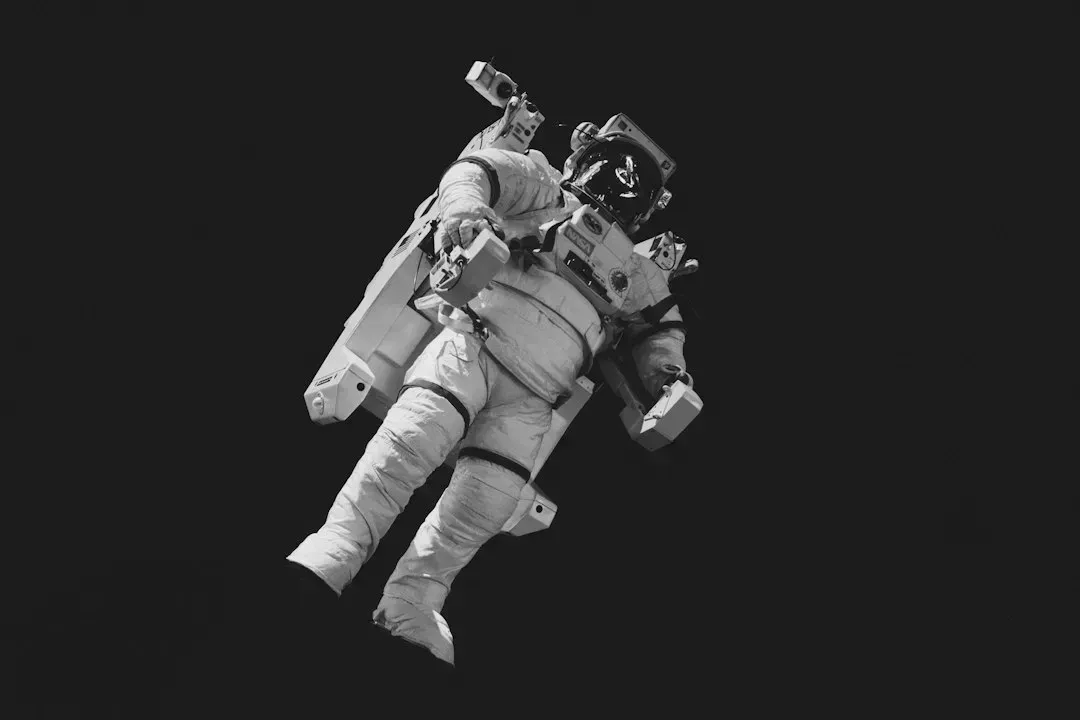
It looks like gravity switches off in orbit, but it doesn’t. At the altitude of the International Space Station, roughly 400 kilometers up, Earth’s pull is still about nine tenths of what we feel on the ground. Weightlessness comes from something else.
The station and everyone on board are in continuous free fall. They’re falling toward Earth, but they move sideways so fast that the ground keeps curving away beneath them. Nothing pushes back on their bodies, so they feel weightless.
Reaching Space Is Mostly About Speed, Not Height
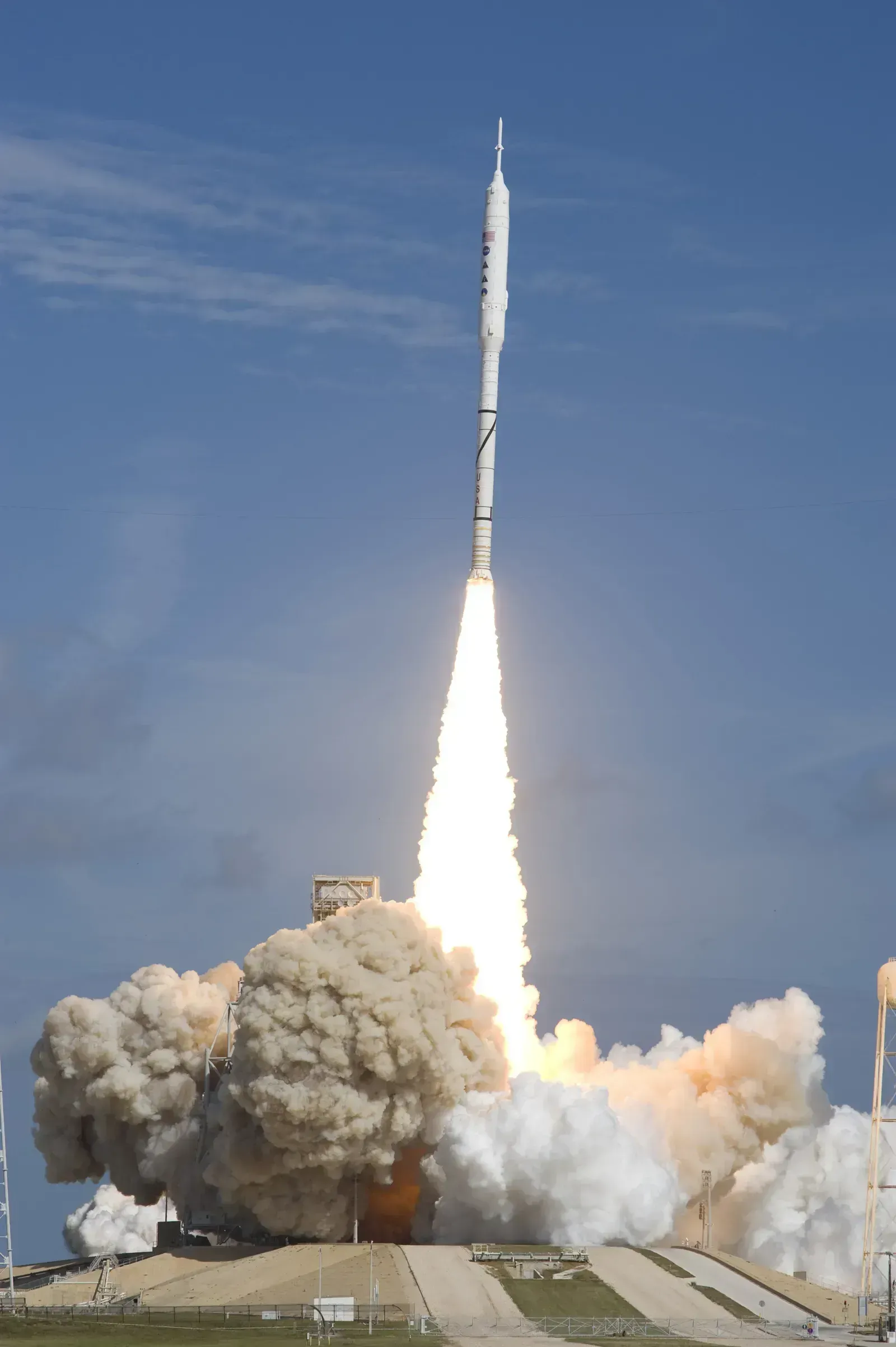
The internationally used boundary of space, the Kármán line, sits at about 100 kilometers. Rockets can cross it in minutes. That part is surprisingly easy compared with what comes next.
Staying in orbit takes a sideways speed of around 7.8 kilometers per second, or about 17,500 miles per hour. That’s why most of a rocket’s fuel goes into building horizontal speed rather than climbing. Going straight up and coming straight back down is a very different, much simpler trip.
Space Isn’t Simply Freezing Cold
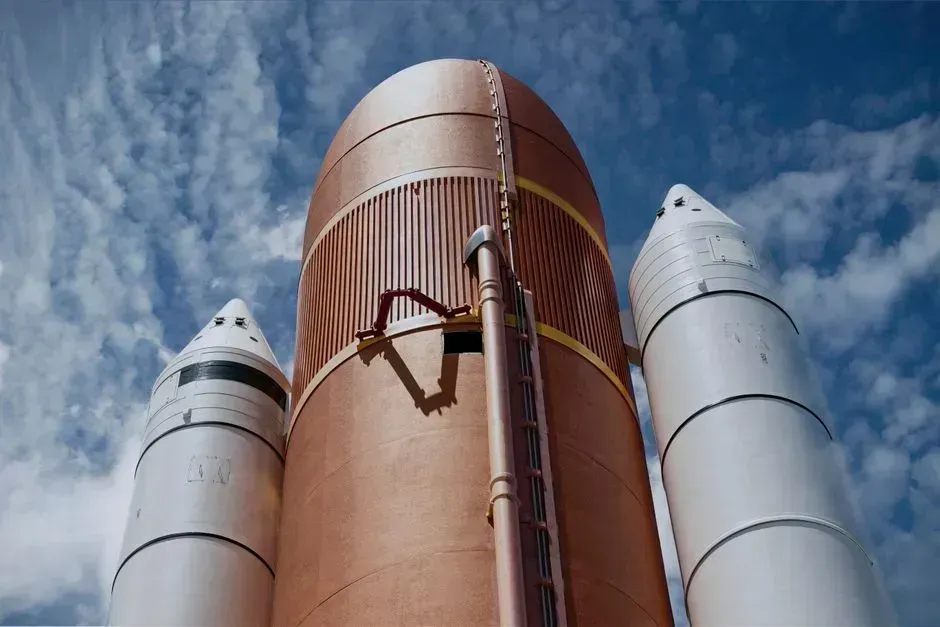
Popular imagery shows space as a deep freeze. In reality, a vacuum has no air to carry heat, so an object’s temperature depends on radiation from the Sun, Earth and the object itself. Something in direct sunlight can get extremely hot.
The same object can turn brutally cold within minutes when it passes into shadow. Spacecraft engineers spend a great deal of effort on thermal design, using insulation, radiators and heaters to keep hardware within a narrow working range. The ISS orbits Earth about every ninety minutes, so it cycles through sun and shade constantly.
Humans Don’t Explode in a Vacuum
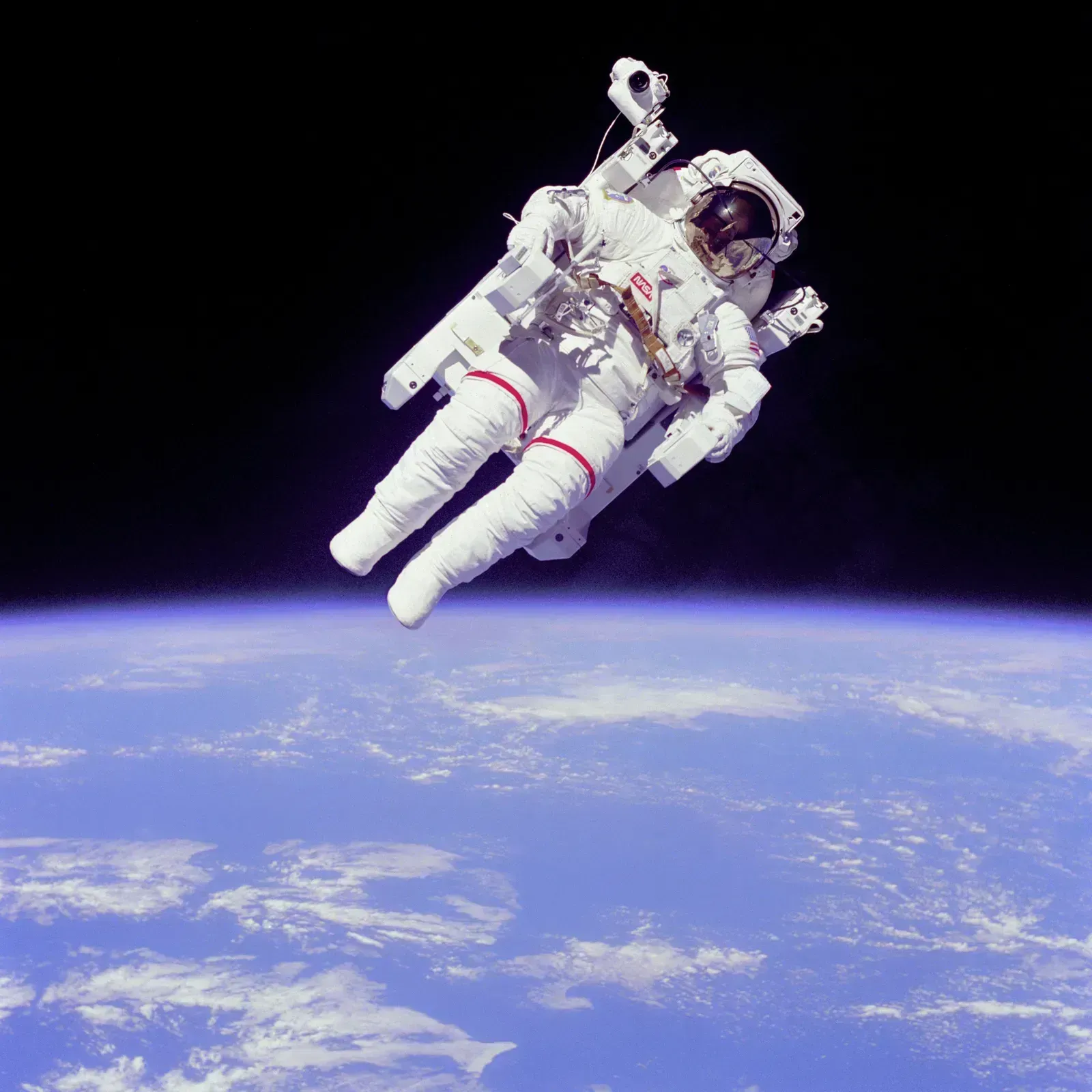
Film scenes of bodies bursting open when an airlock fails are fiction. Skin is tougher and more elastic than those scenes suggest. A person’s body would swell somewhat, but it would hold together.
The real danger is the lack of oxygen. Someone exposed to vacuum would lose consciousness quickly because the lungs can no longer supply oxygen to the blood. That’s why pressurized suits and cabins matter so much, and why spacewalk gear is built with layers of redundancy.
Life on the Station Isn’t Just Floating Around
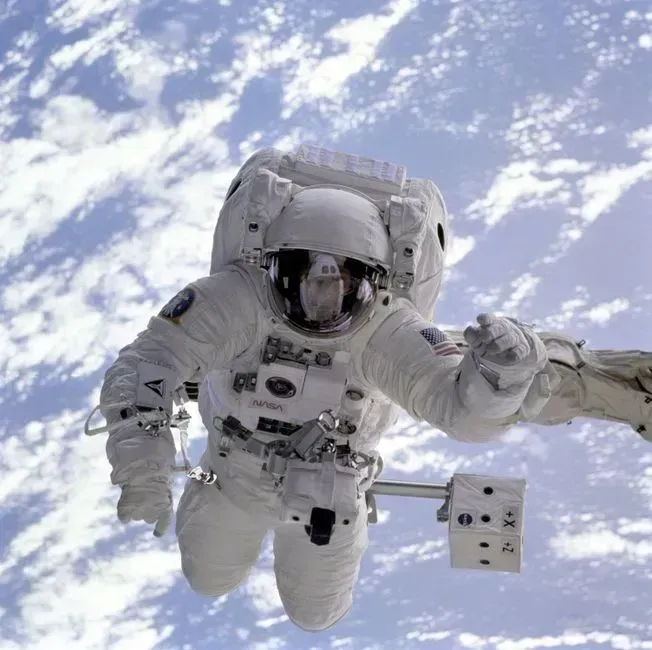
Video clips of astronauts drifting through modules can make the job look like a long vacation. Their days are actually tightly scheduled with science experiments, maintenance, repairs and communication with ground teams. Even a routine plumbing fix can take hours.
A big part of the schedule is exercise. NASA has long had crew members work out for about two hours a day, using treadmills, a resistance machine and a stationary bike. Without that, bones and muscles weaken in microgravity, which is a serious concern for long missions.
NASA’s Budget Is Not What Many People Imagine
Surveys have repeatedly shown that many Americans think NASA gets a large share of the federal budget. During the Apollo era, that was closer to true, with the agency’s share peaking at around four percent in the mid 1960s. Today it’s well under one percent of federal spending.
Engineers point out that this changes what can be done and how fast. Programs stretch across many years, and they have to balance human exploration, robotic science, aeronautics and Earth observation within a fairly modest slice of the national budget.
Going Back to the Moon Isn’t Just Repeating Apollo
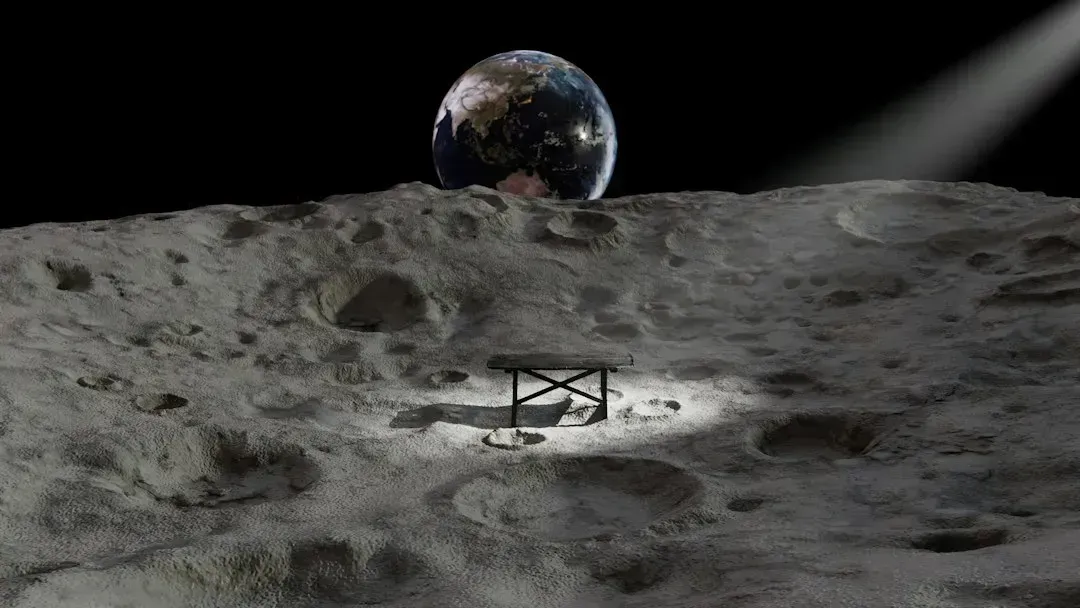
It’s tempting to assume that since we’ve done it before, returning should be easy. Apollo hardware was retired long ago, and the people, factories and supply chains that built it no longer exist in the same form. Modern missions have to be designed nearly from scratch.
The Artemis program also has different goals. Artemis I flew an uncrewed Orion capsule around the Moon in late 2022, testing the systems that will carry crews. The longer aim is a sustained presence, including exploration near the lunar south pole, where permanently shadowed craters are believed to hold water ice.
Orbital Debris Is a Real Operational Problem
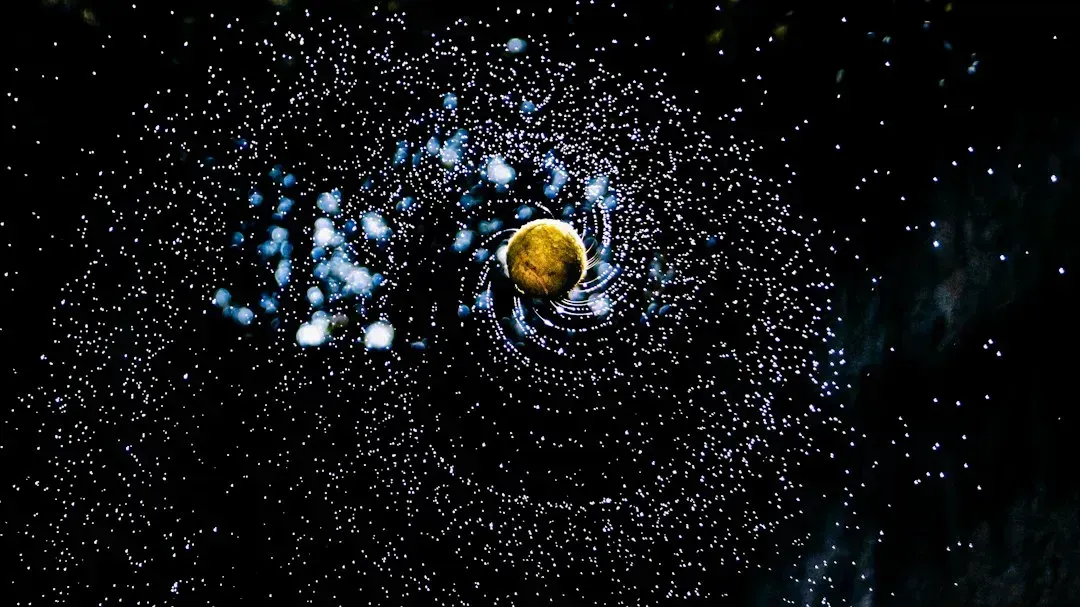
Space looks enormous, so collisions seem unlikely. Yet low Earth orbit is getting crowded, with tens of thousands of objects large enough to be tracked, from defunct satellites to fragments of old rockets. Even a paint fleck can do damage at orbital speeds.
The ISS occasionally fires its thrusters to dodge a piece of debris that’s predicted to pass too close. Ground teams track these objects continuously, and the decision to move the station is a routine, though careful, part of operations.
Voyager Really Did Leave the Solar System
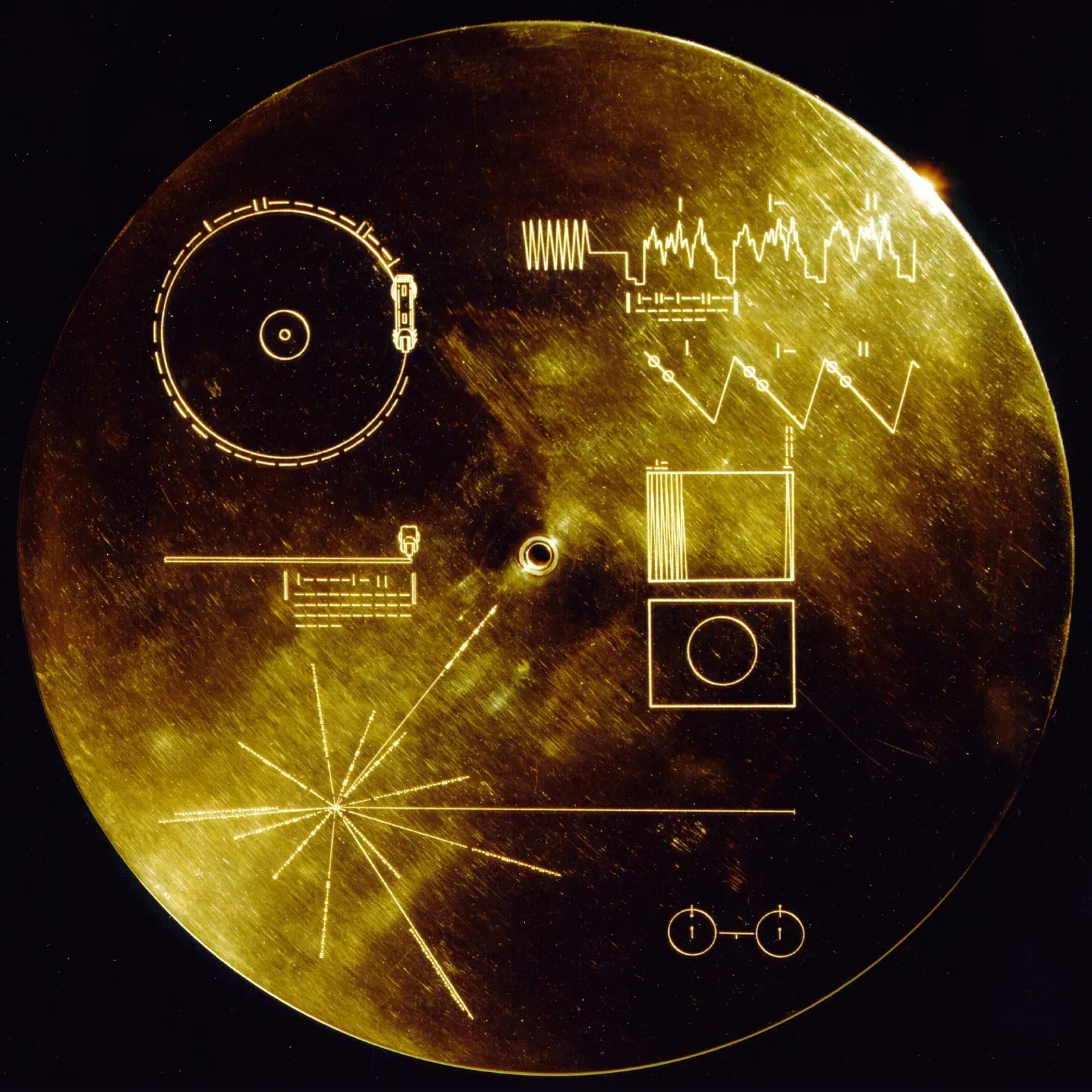
Some people think the Voyager probes are still wandering among the planets. They aren’t. Voyager 1 crossed into interstellar space in 2012, and Voyager 2 followed in 2018, both launched in 1977.
Leaving the heliosphere doesn’t mean reaching another star, though. The probes are still within the far outer reaches of the Sun’s gravitational influence, and it will take tens of thousands of years to pass anywhere near another star. Their power supplies keep shrinking, so instruments have been switched off over time to keep the mission going.
A Trip to Mars Can’t Leave Whenever You Like
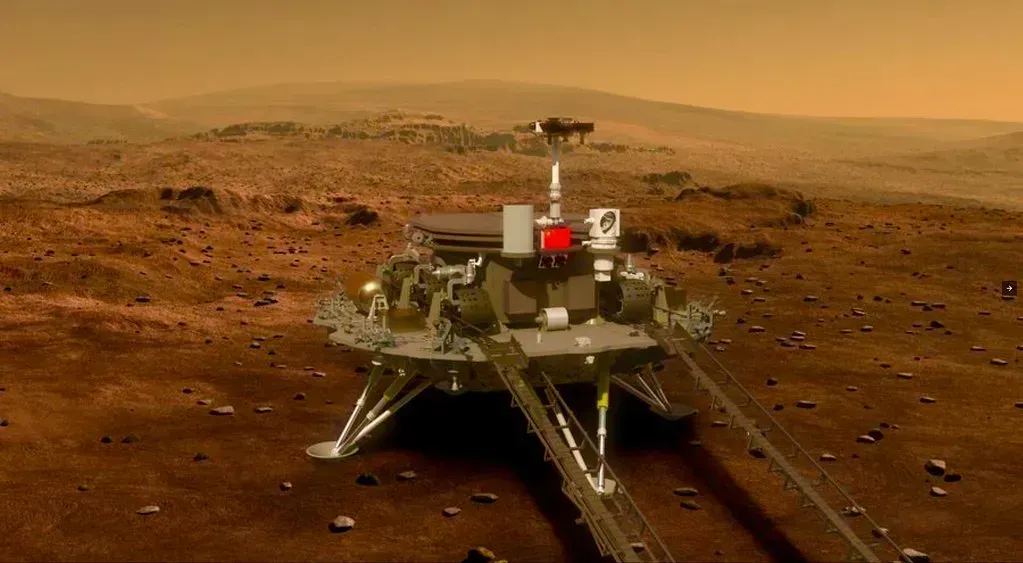
Mars is often portrayed as a quick hop. Missions can’t simply launch at any time, because Earth and Mars line up favorably only about once every 26 months. Those launch windows dictate the schedule for every Mars mission.
Even in a good window, the journey usually takes around seven months one way for a robotic spacecraft. A crewed mission would also have to plan for a long stay on the surface while waiting for the planets to realign for the return. That adds enormous demands for life support, radiation protection and supplies.
