


- Oceans Trapped Under 20 Miles of Ice – 5 Moons More Likely to Host Life Than Mars - November 12, 2026
- Record planetary extremes loom as the world’s largest climate summit begins - November 12, 2026
- Will travel insurance cover weather-related flight delays and cancellations? - November 11, 2026
Ask someone in certain cities what’s in their bag, and you’ll hear about a folded rain jacket, sunglasses, and maybe a spare sweater. They aren’t being overly cautious. The weather really can swing through several moods before lunch.
Some of these places are known for geography that stirs the air, while others sit where ocean, mountains, and fronts collide. Here are eight cities where a flexible wardrobe is simply part of daily life, based on well-documented climate patterns.
Denver, Colorado
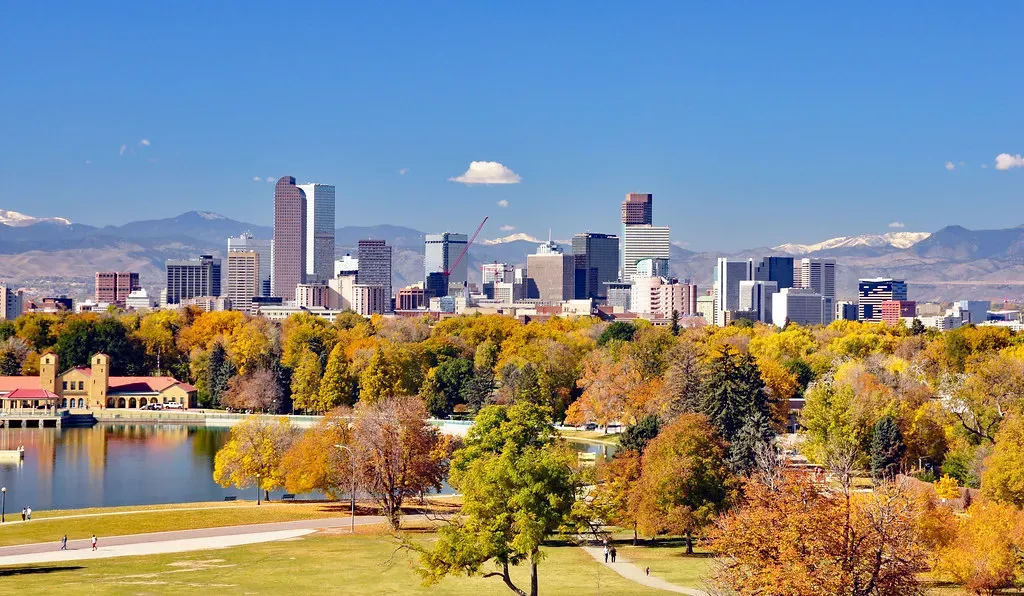
Denver sits at about one mile above sea level, right where the Rocky Mountains meet the Great Plains. The National Weather Service in Boulder has documented that this setting lets cold fronts and downslope winds change conditions quickly. Sunny, mild afternoons can give way to snow within hours, especially in spring.
The city’s record temperature swings are well known among forecasters. Large drops in temperature in a single day are not unusual, particularly in autumn and spring. Locals tend to keep layers, sunscreen, and a light shell within reach at nearly all times.
San Francisco, California

San Francisco’s famous fog, often called Karl, rolls in from the Pacific when warm inland air pulls cool marine air through the Golden Gate. The result is a city of microclimates. One neighborhood can be bright and warm while another, a few miles away, sits under gray cloud.
Summer is often the coolest and foggiest stretch, which surprises many visitors. Residents commonly dress in layers and shed or add them as they cross town. A windbreaker is the unofficial local uniform.
Seattle, Washington
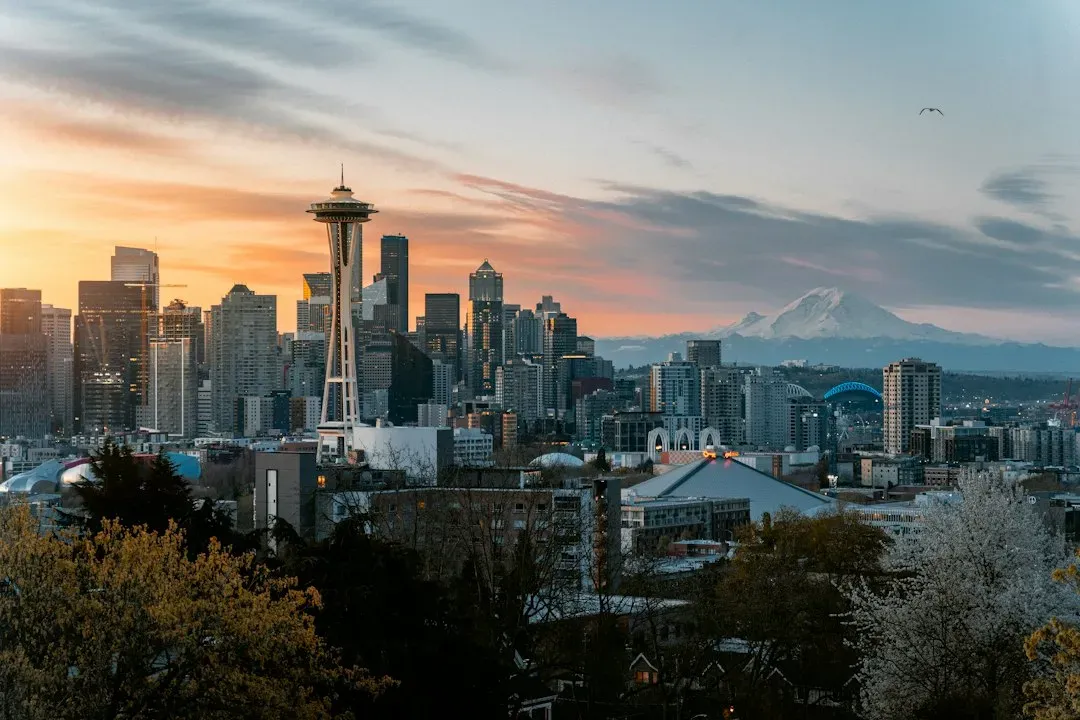
Seattle is known for drizzle, yet the city’s weather is subtler than constant rain. The Olympic Mountains and Cascades shape how marine air moves, so showers can come and go in quick bursts between breaks of sun. Many locals skip umbrellas for light rain and rely on hooded jackets instead.
Dry summers are a real feature of the climate, and the contrast with the wet season is strong. Still, even in warmer months, mornings can be cool and cloudy before clearing. A light layer stays in the bag year round.
Reykjavik, Iceland
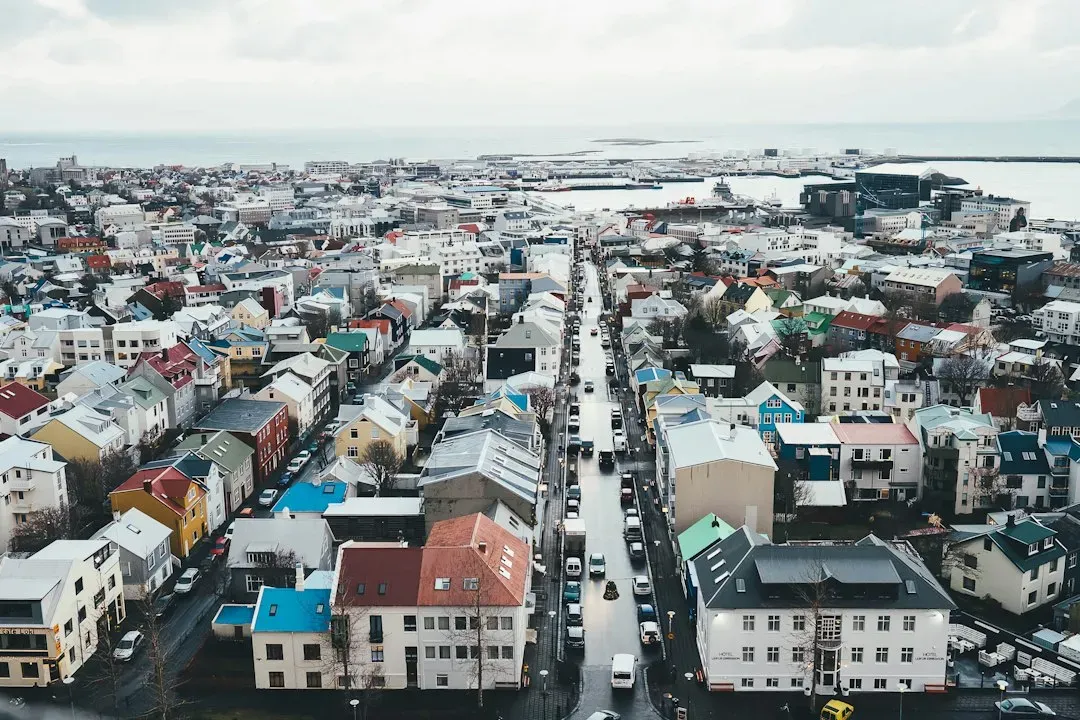
Reykjavik sits in the North Atlantic, where low pressure systems pass frequently. The Icelandic Meteorological Office regularly issues warnings for wind and sudden changes, even outside winter. A calm, bright morning may be followed by horizontal rain and gusts.
The Gulf Stream keeps winters milder than the city’s latitude suggests. That mildness comes with unpredictability, since temperatures hover near freezing and swing between rain and snow. Waterproof outer layers matter more here than heavy coats.
Wellington, New Zealand
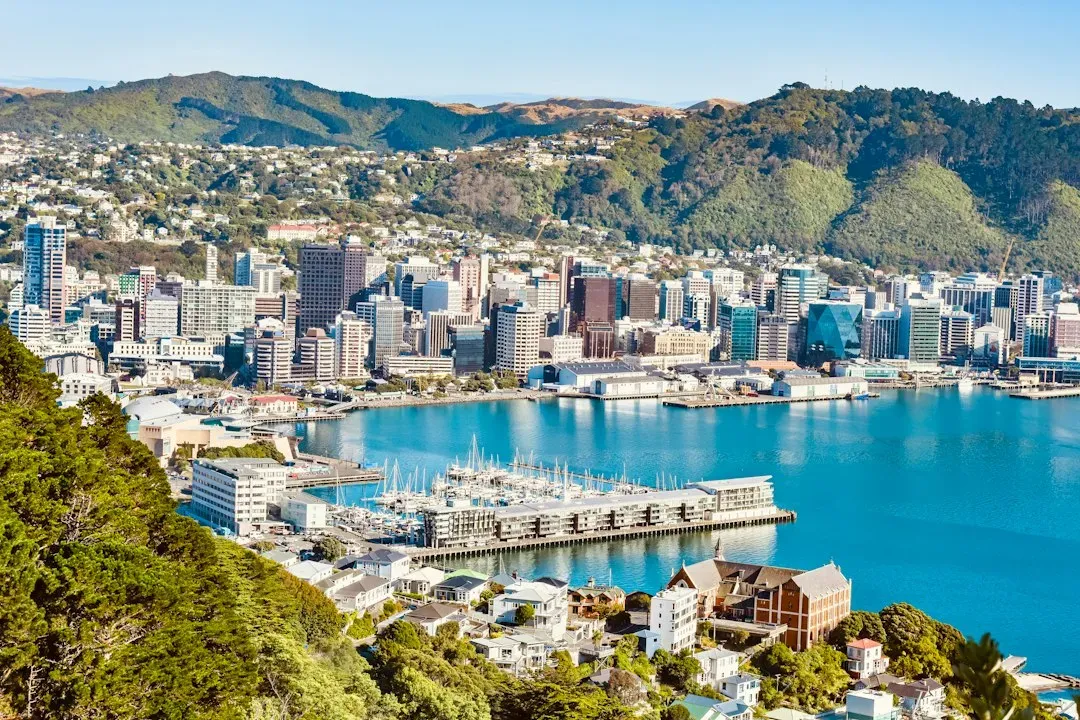
Wellington is famous for wind. It lies near the Cook Strait, which funnels air between the North and South Islands, and the city is often called the windiest in the world by residents and tourism bodies. MetService forecasts frequently highlight strong gusts and rapid changes as fronts cross the region.
Locals will tell you a sunny day can turn sharply cooler as the wind shifts. Wind resistant jackets, secure hats, and compact umbrellas that don’t flip inside out are popular. Layering is a habit, not a choice.
Melbourne, Australia
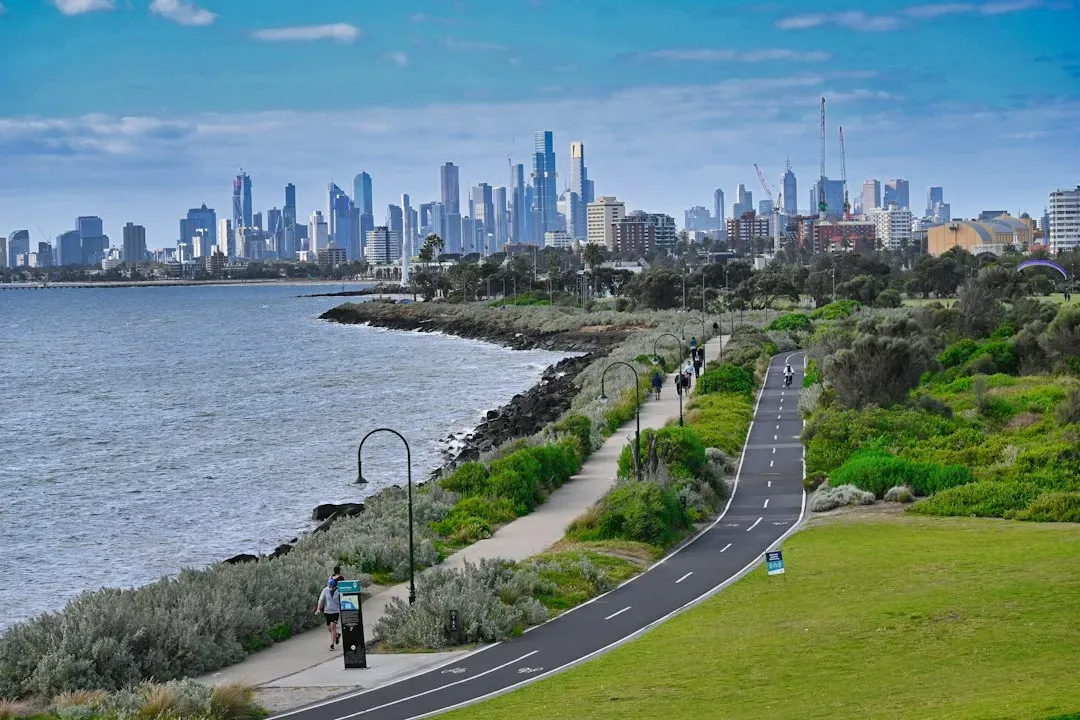
Melbourne has a long reputation for four seasons in one day. The Bureau of Meteorology notes that hot northerly winds from the interior can be replaced by a cool southerly change from the Southern Ocean, sometimes dropping temperatures sharply within hours.
This pattern is most dramatic in spring and summer. People commonly carry a light jacket even on forecast hot days, and an umbrella is rarely far away. The joke is widely shared, though it rests on real meteorology.
Edinburgh, Scotland

Edinburgh sits between the Firth of Forth and the Pentland Hills, and the Met Office describes Scotland’s weather as highly changeable thanks to Atlantic systems. Sunshine, showers, and wind often trade places within a single walk across the city. The sea haar, a cold coastal fog, can also roll in on warm days.
Visitors in the Old Town will notice how many locals pack compact waterproofs and scarves, even in summer. Wind funnels along the steep, narrow streets and makes it feel cooler than the thermometer says. Practical shoes help too.
Calgary, Alberta
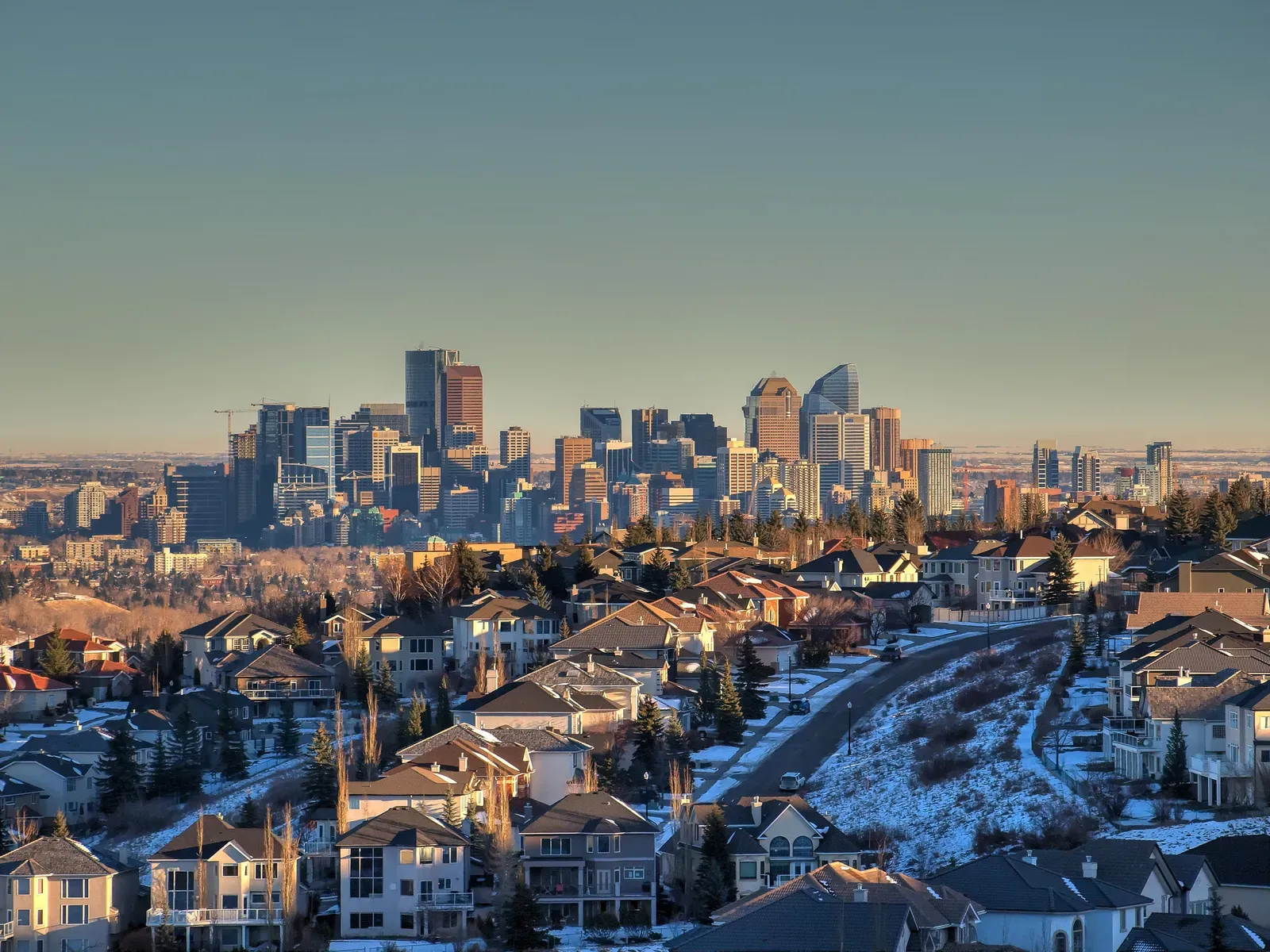
Calgary lies near the eastern edge of the Rockies, where chinook winds can lift temperatures dramatically in a short time. Environment Canada has recorded winter spells in which freezing weather turns mild within hours, then flips back again. These swings can melt snow and refreeze it in the same day.
Summer brings its own surprises, including sudden hailstorms that are a regular concern in southern Alberta. Locals often keep a winter hat in the car well into spring, along with sun protection. Flexibility is the safest packing plan.
