

A year feels like a fixed unit of time, but it’s really just the time a planet needs to circle the Sun once. On Earth that takes about 365 and a quarter days. Move closer to the Sun or farther out, and the answer changes a lot.
The gap between the shortest and longest planetary year is huge. Here is how long a year lasts on each of the eight planets, plus two dwarf planets that make the comparison more interesting. All figures are given in Earth time.
Mercury: A Year In 88 Days
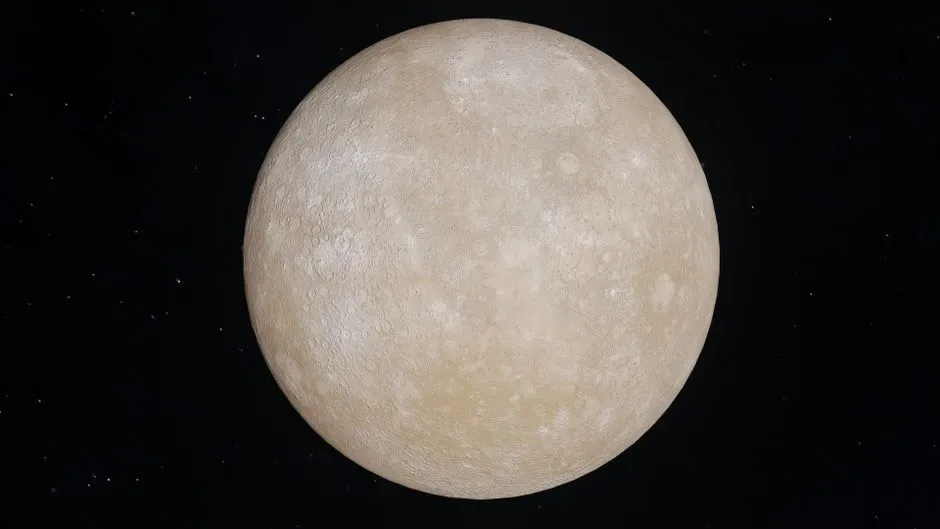
Mercury is the closest planet to the Sun and has the shortest year, at about 88 Earth days. It moves fast because the Sun’s gravity pulls hardest at close range, so it must travel quickly to stay in orbit. Its average orbital speed is well above that of any other planet.
Its days are odd too. Mercury spins three times for every two trips around the Sun, a pattern known as a spin orbit resonance. One sunrise to the next lasts about 176 Earth days, which means a single Mercury day lasts twice as long as its year.
Venus: 225 Days And A Backwards Spin
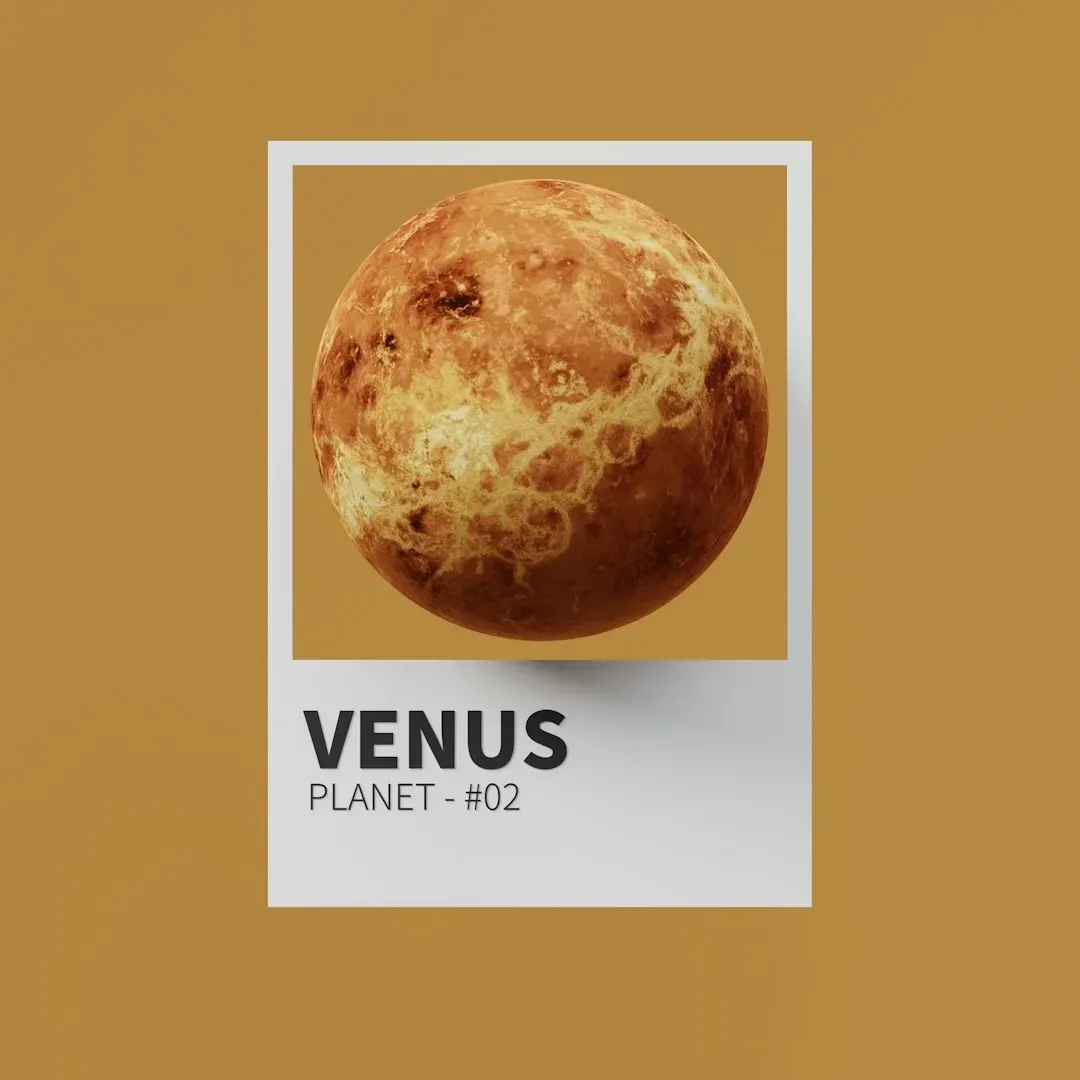
Venus orbits the Sun in roughly 225 Earth days. That’s shorter than Earth’s year but far longer than Mercury’s. Its orbit is also the most nearly circular of any planet.
Here is the curious part. Venus rotates so slowly, and in the opposite direction to most planets, that one spin takes about 243 Earth days. Its day is therefore longer than its year, a fact NASA lists among its basic planetary data.
Earth: The Familiar 365.25 Days
Earth takes about 365.25 days to orbit the Sun. That extra quarter day is why our calendar adds a leap day roughly every four years. Without it, the seasons would slowly drift against the calendar.
Earth sits in a spot where liquid water can exist on the surface, and its year length is part of the steady rhythm of seasons. It serves as the yardstick for every other number in this article. When you read that another planet’s year is long or short, you’re comparing it to this one.
Mars: Nearly Two Earth Years
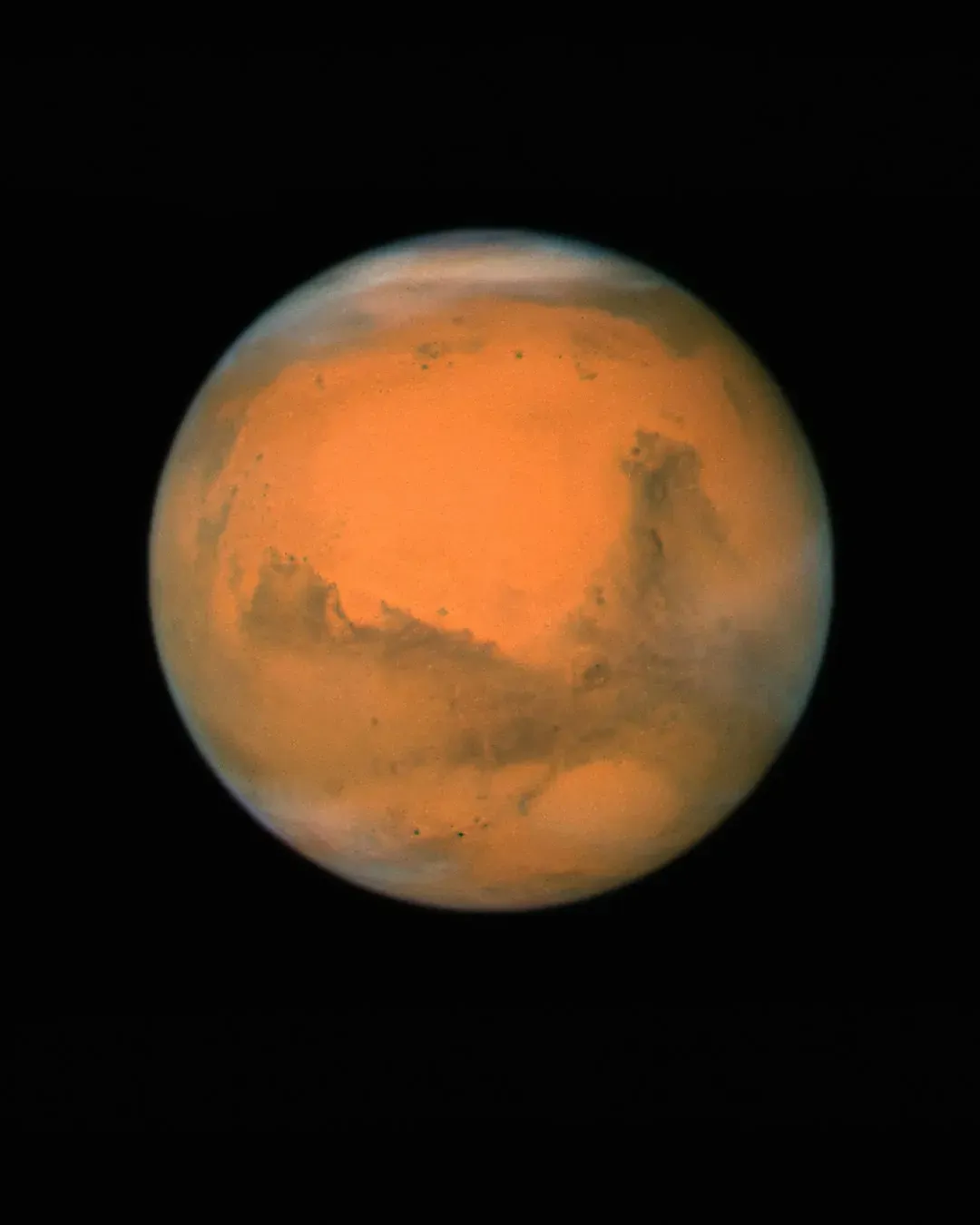
A Martian year lasts about 687 Earth days, or roughly one and seven eighths of ours. Mars is farther from the Sun, so it has a longer path and a slower pace. Its day is only slightly longer than an Earth day, around 24 hours and 40 minutes.
Seasons on Mars last much longer than on Earth. Its axial tilt is similar to ours, so it has familiar seasonal swings, but each one drags on for months. Its fairly elongated orbit also makes the seasons uneven in length.
Jupiter: About Twelve Earth Years
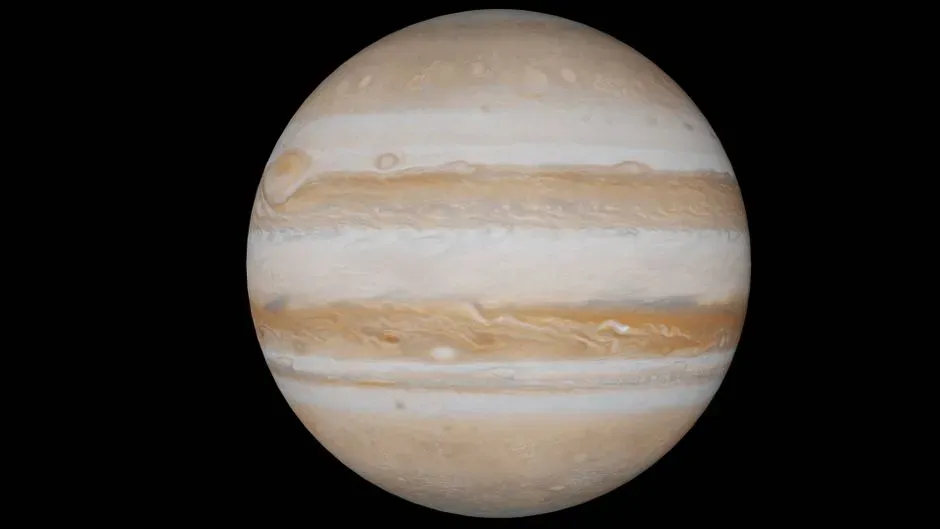
Jupiter needs close to 11.9 Earth years to complete one orbit. That’s about 4,333 Earth days. The giant planet is more than five times farther from the Sun than Earth is, so it travels a much bigger circle at a lower speed.
Meanwhile, Jupiter’s days are the shortest of any planet, at just under 10 hours. In one Jupiter year, the planet spins more than 10,000 times. Its seasons are also mild, because its axis is tilted by only about three degrees.
Saturn: Roughly 29 Years Per Lap
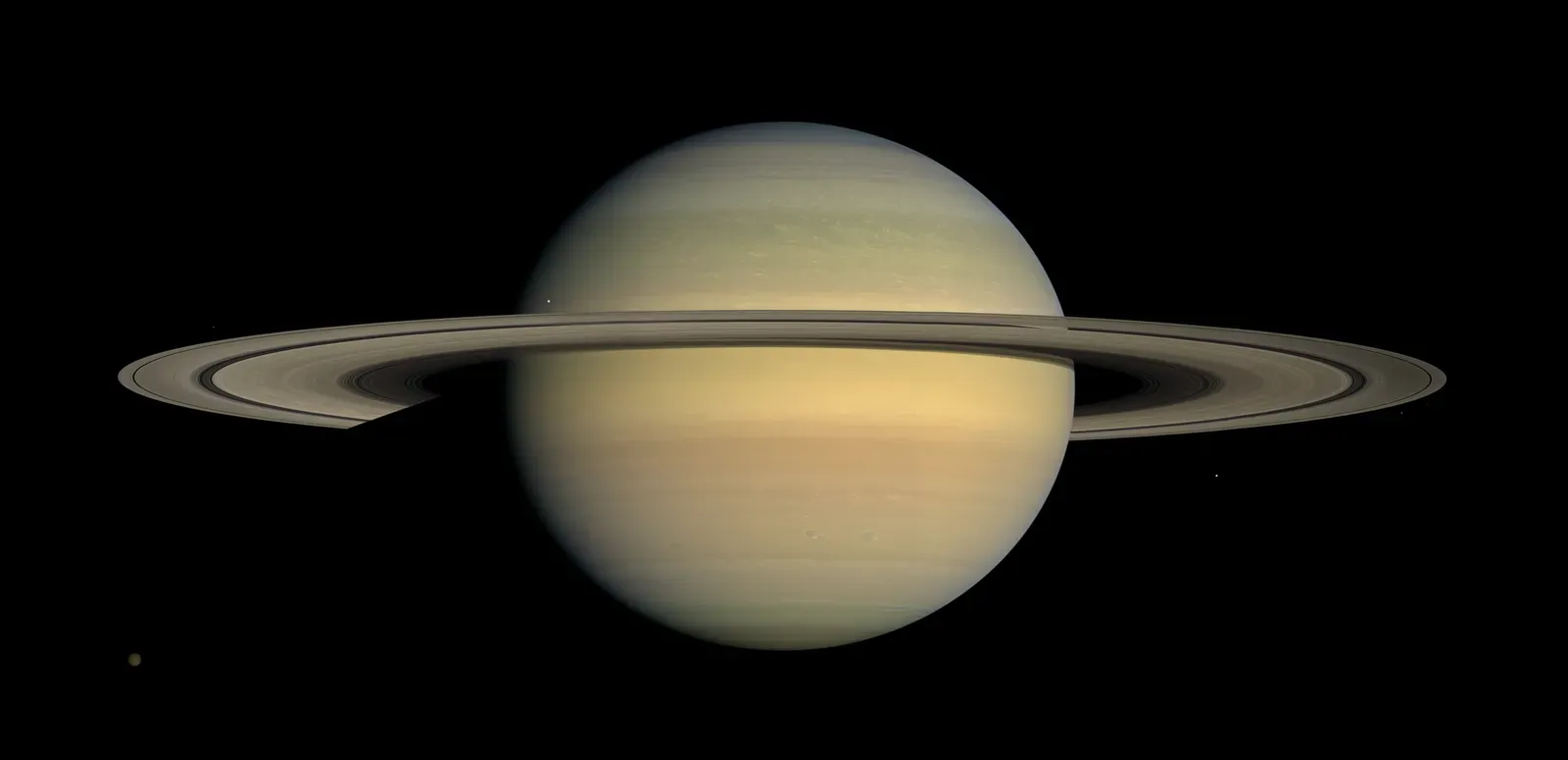
Saturn takes about 29.4 Earth years to go around the Sun once. Someone born when Saturn was at a given point in its orbit would see it return to that spot around their late twenties. Astronomers have long tracked this cycle, and it was one of the clearest hints that the outer solar system is vast.
Saturn’s rings are tilted along with the planet, and its tilt is a bit larger than Earth’s. As it orbits, we see the rings from changing angles. Every 13 to 15 years, they appear edge on from Earth and almost vanish from view.
Uranus: An 84 Year Journey On Its Side
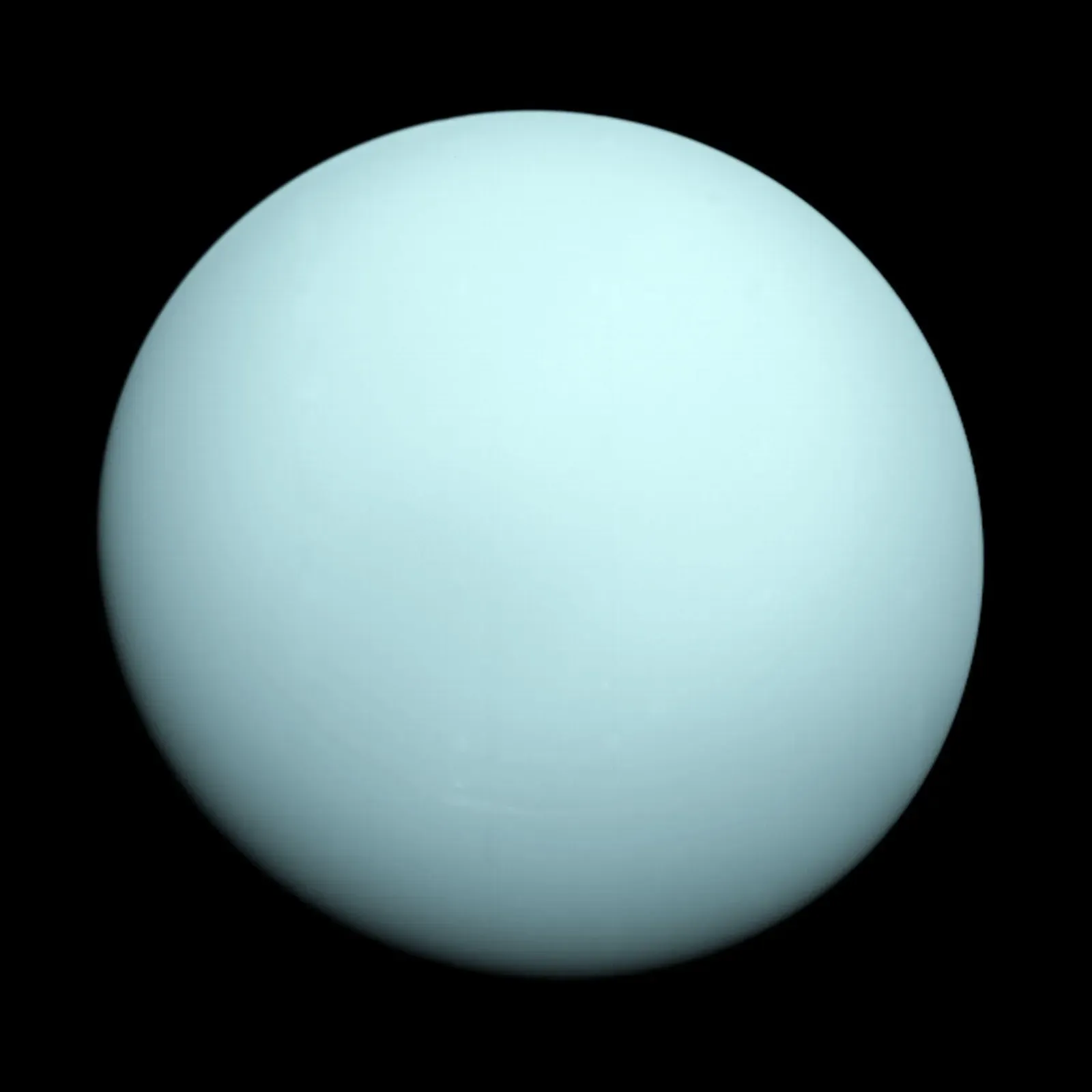
Uranus completes one orbit in about 84 Earth years. That’s close to a long human lifetime. Because it was discovered in 1781, it has now circled the Sun more than two and a half times since then.
Its tilt of roughly 98 degrees makes it unusual, as it rolls around the Sun almost on its side. Each pole gets about 42 years of sunlight followed by about 42 years of darkness. Seasons on Uranus are therefore among the most extreme in the solar system.
Neptune: The 165 Year Marathon
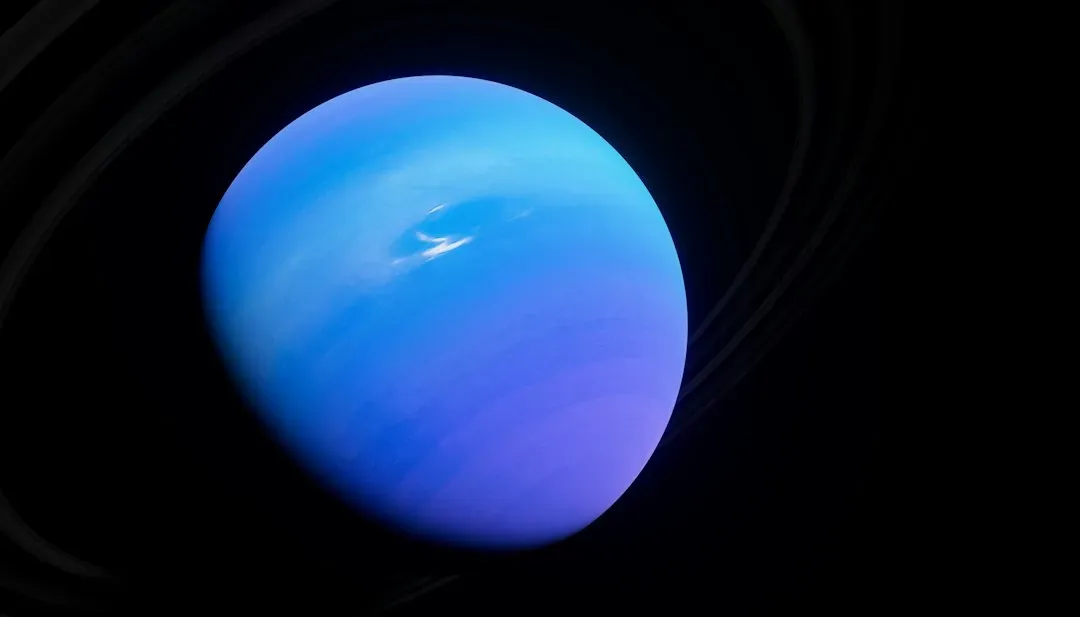
Neptune has the longest year of any planet, at about 164.8 Earth years. It’s roughly 30 times farther from the Sun than Earth, and the Sun looks like a very bright star from there. Its orbital speed is slow compared to the inner planets.
Neptune was found in 1846, and it finished its first full orbit since discovery in 2011. That is a neat way to grasp the scale. A whole human era passes during one of its years, and each season lasts more than 40 Earth years.
Bonus Entry: Pluto And Its 248 Year Orbit
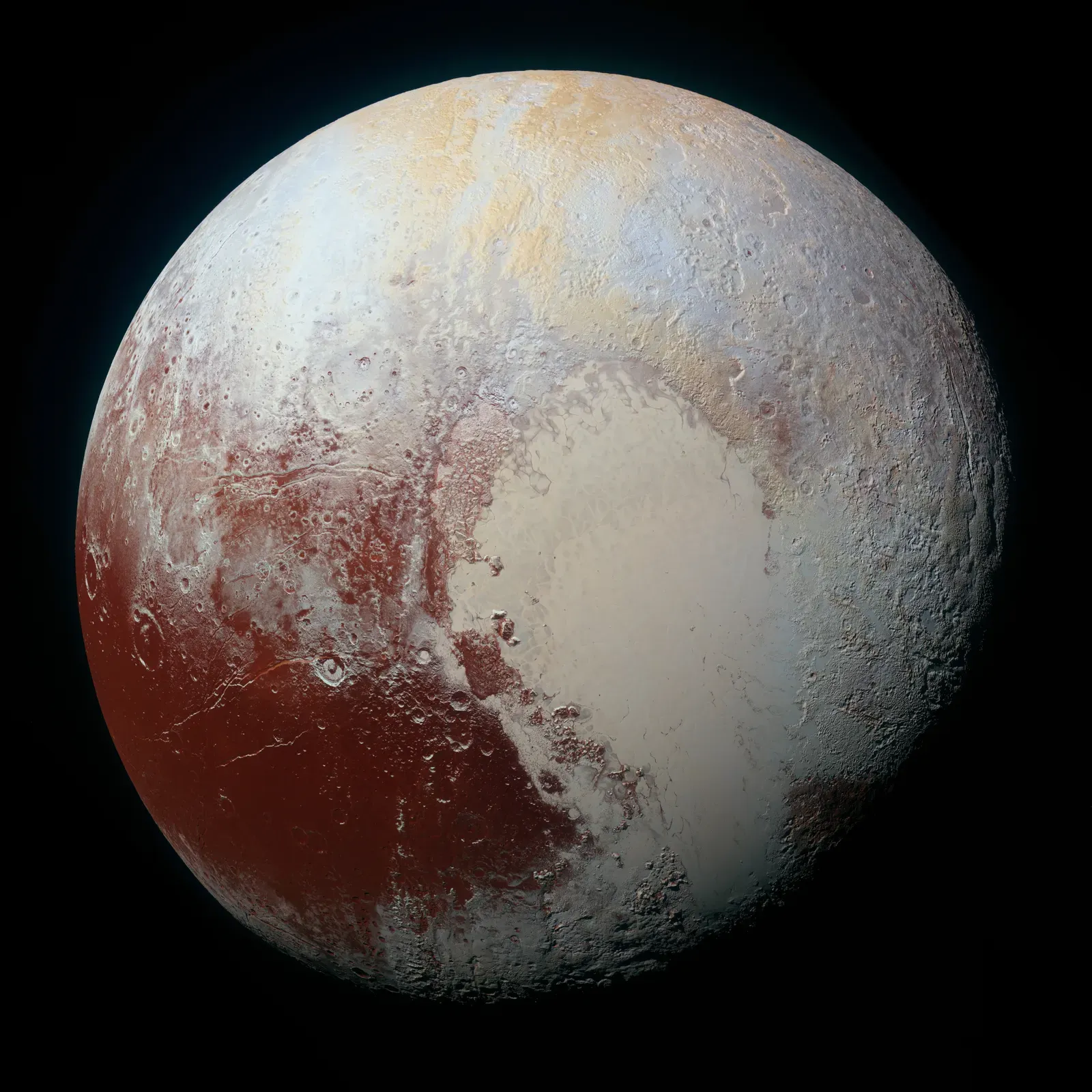
Pluto isn’t one of the eight planets, having been reclassified as a dwarf planet in 2006. Still, it makes a fine comparison. Its year lasts about 248 Earth years, which is even longer than Neptune’s.
Pluto was discovered in 1930, and it hasn’t yet completed a single orbit since. Its path is also tilted and stretched, so it sometimes moves closer to the Sun than Neptune does. NASA’s New Horizons flyby in 2015 gave us our first close look at this distant world.
Bonus Entry: Ceres And Its 4.6 Year Orbit
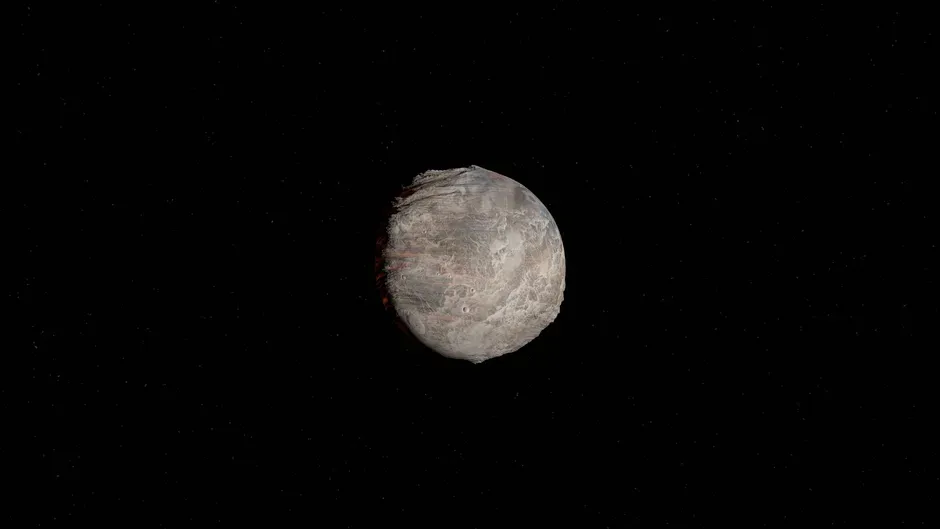
At the other end of the scale is Ceres, a dwarf planet in the asteroid belt between Mars and Jupiter. It orbits the Sun in about 4.6 Earth years. That sits neatly between the years of Mars and Jupiter.
NASA’s Dawn spacecraft orbited Ceres from 2015 to 2018, studying its surface and bright salt deposits. Ceres reminds us that orbit length depends on distance rather than on whether an object counts as a full planet. The farther from the Sun, the longer the year.
Put side by side, these numbers show one clear pattern. Orbital periods grow steadily with distance from the Sun, from Mercury’s 88 days to Neptune’s roughly 165 years. A birthday on Neptune would be a once in a lifetime event, and then some.
The next time you mark another trip around the Sun, remember it’s a local measurement. Your age in Mercury years would be enormous, and in Neptune years it would be a fraction of one.

- Why Flash Droughts Are Now Developing Twice as Fast as Decades Ago - November 12, 2026
- Iran war contributes to global fall in fossil fuel emissions, with a caveat - November 12, 2026
- Asteroid 2024 YR4 Once Had a 3% Chance of Hitting Earth – How Astronomers Ruled It Out - November 12, 2026
