

For a few weeks in early 2025, one small rock drifting through space became the most closely watched object in planetary defense. Scientists had pegged it as the riskiest asteroid of its size ever tracked, and the headlines followed.
The story didn’t end with a bang. It ended with careful measurements, a lot of telescope time, and a slow drop in the odds. Here’s how that happened, step by step.
A Late December Discovery
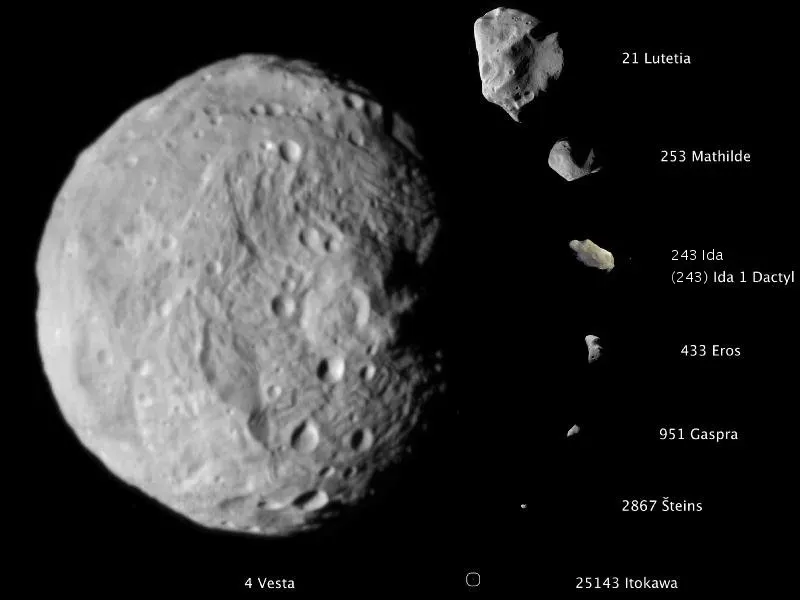
Discovered at the end of December 2024, asteroid 2024 YR4 at first seemed a serious threat to Earth. Early estimates put the chance of an impact on December 22, 2032 as high as 3.1 percent.
That was the highest probability ever recorded for an object of this size. A figure like that sounds tiny, yet in asteroid tracking it was enough to trigger international attention and a formal response.
Why the Odds Looked So High at First
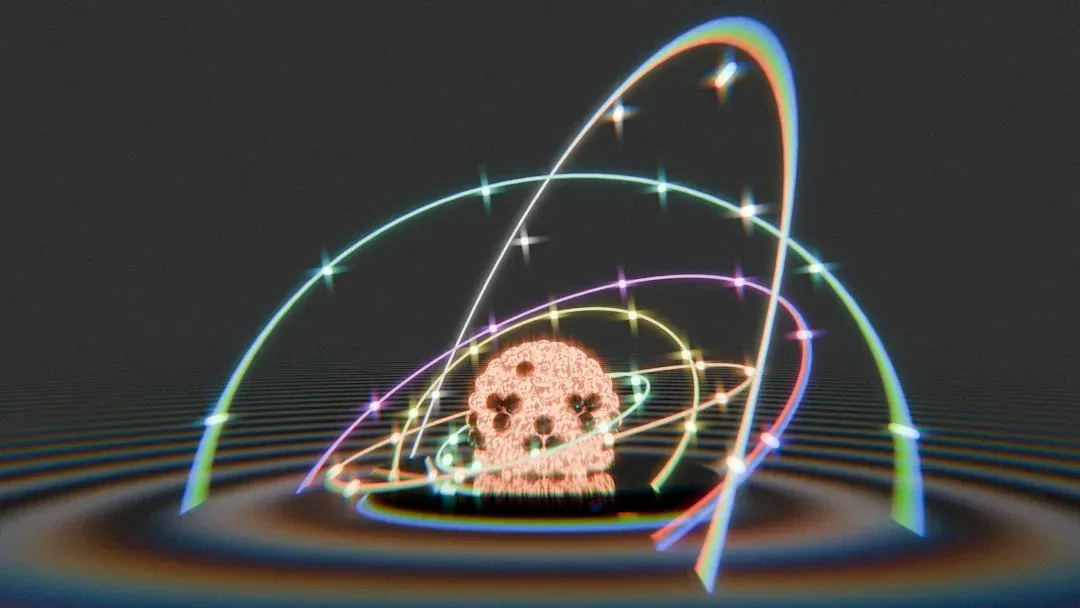
A newly found asteroid has only a short stretch of observations behind it. With so little data, its future path isn’t a single line but a wide cone of possible positions. Earth happened to sit inside that cone.
That’s why the early numbers climbed instead of falling. As the cone narrowed around a fixed path, Earth stayed inside it for a while, so the percentage rose. Once Earth fell outside the narrowing cone, the odds dropped fast.
A Global Network Joins the Hunt
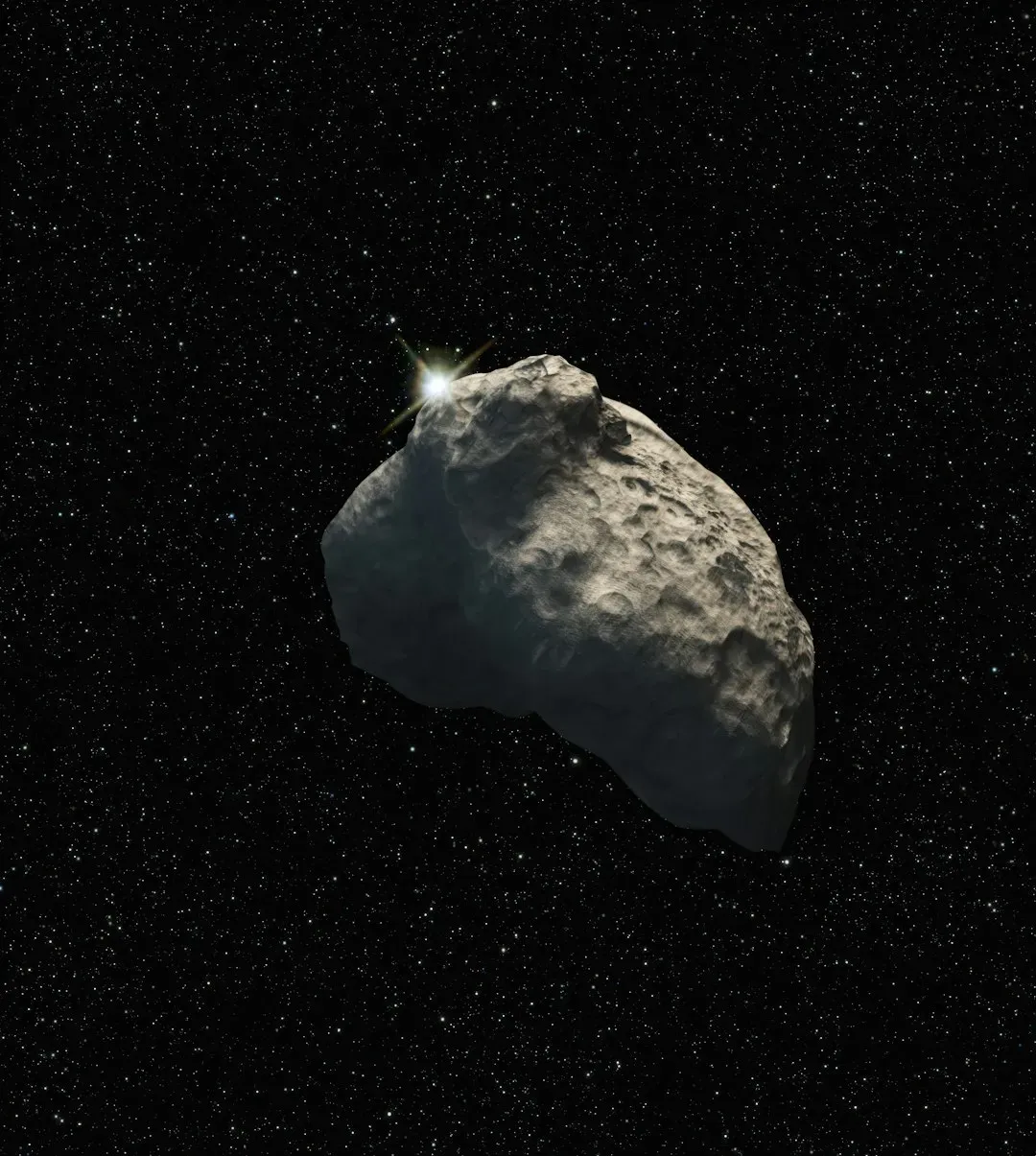
Because early orbital data suggested a potential Earth encounter, observatories worldwide contributed follow up observations. Each new position measurement helped trim the uncertainty in the orbit.
Weather and moonlight mattered too. Ground telescopes need dark skies to spot faint asteroids, and around a full moon the sky becomes too bright to detect them. Astronomers had to wait for darker nights before the next round of data could arrive.
How Earth Was Taken Off the List
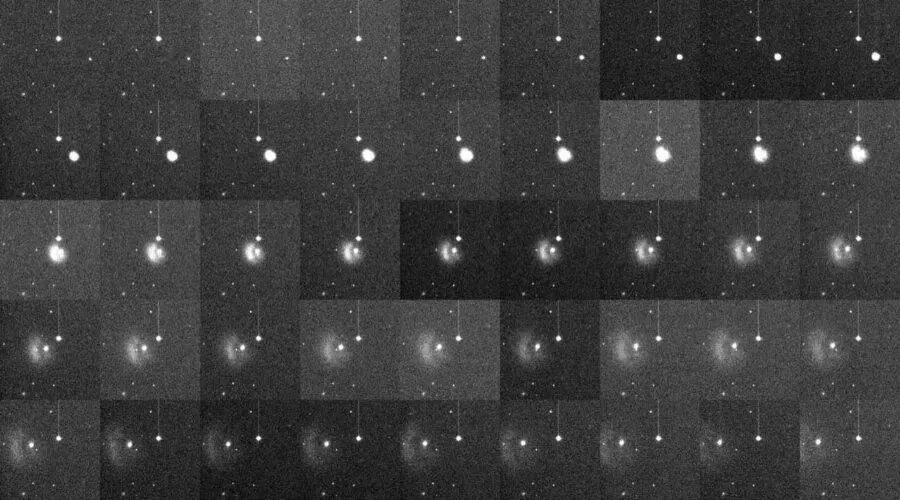
The decisive progress came in February 2025. NASA reported that observations made overnight on February 19 to 20 had cut the chance of Earth impact on December 22, 2032 to 0.28 percent.
Soon after, NASA’s Center for Near Earth Object Studies concluded the asteroid posed no significant threat to Earth in 2032 and beyond. Later, additional tracking reduced the chance of intersecting Earth to below the one in 1,000 threshold used for the Torino Scale’s Level 0, the rating for no hazard. The Center now lists the probability at about one in 20,000.
A New Worry Appears at the Moon
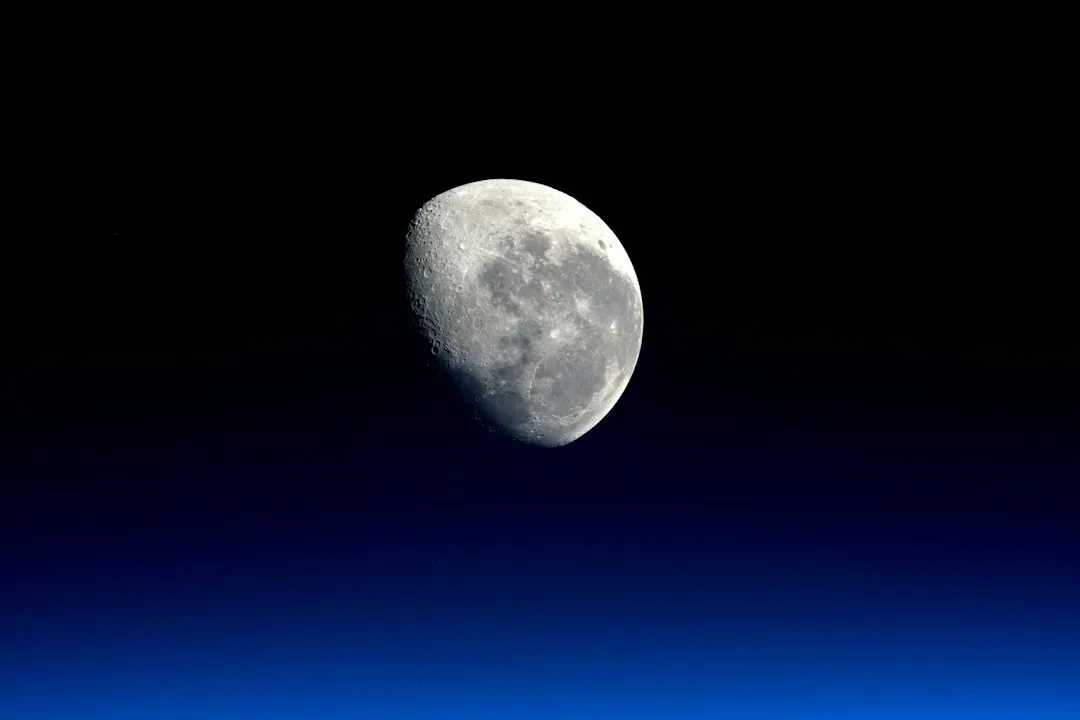
Ruling out Earth didn’t close the case. A very small chance remained that the asteroid could hit the Moon on December 22, 2032, at that point 1.7 percent.
The number then crept upward. On April 2, 2025, NASA said new data from the Webb space telescope and ground telescopes suggested a 3.8 percent chance of a moon strike. By June 2025, the figure had reached 4.3 percent.
What Webb Revealed About Its Size and Makeup

Webb did more than track the object. It measured 2024 YR4 at roughly 60 meters across, about 197 feet. That helped scientists judge what an impact could actually do.
Other work filled in the picture. Ground telescopes found that the asteroid spins once about every 20 minutes, which helped Webb get a steady brightness reading. Spectroscopy identified it as an S type, ordinary chondrite asteroid, likely a solid rock.
The Problem of a Fading Target
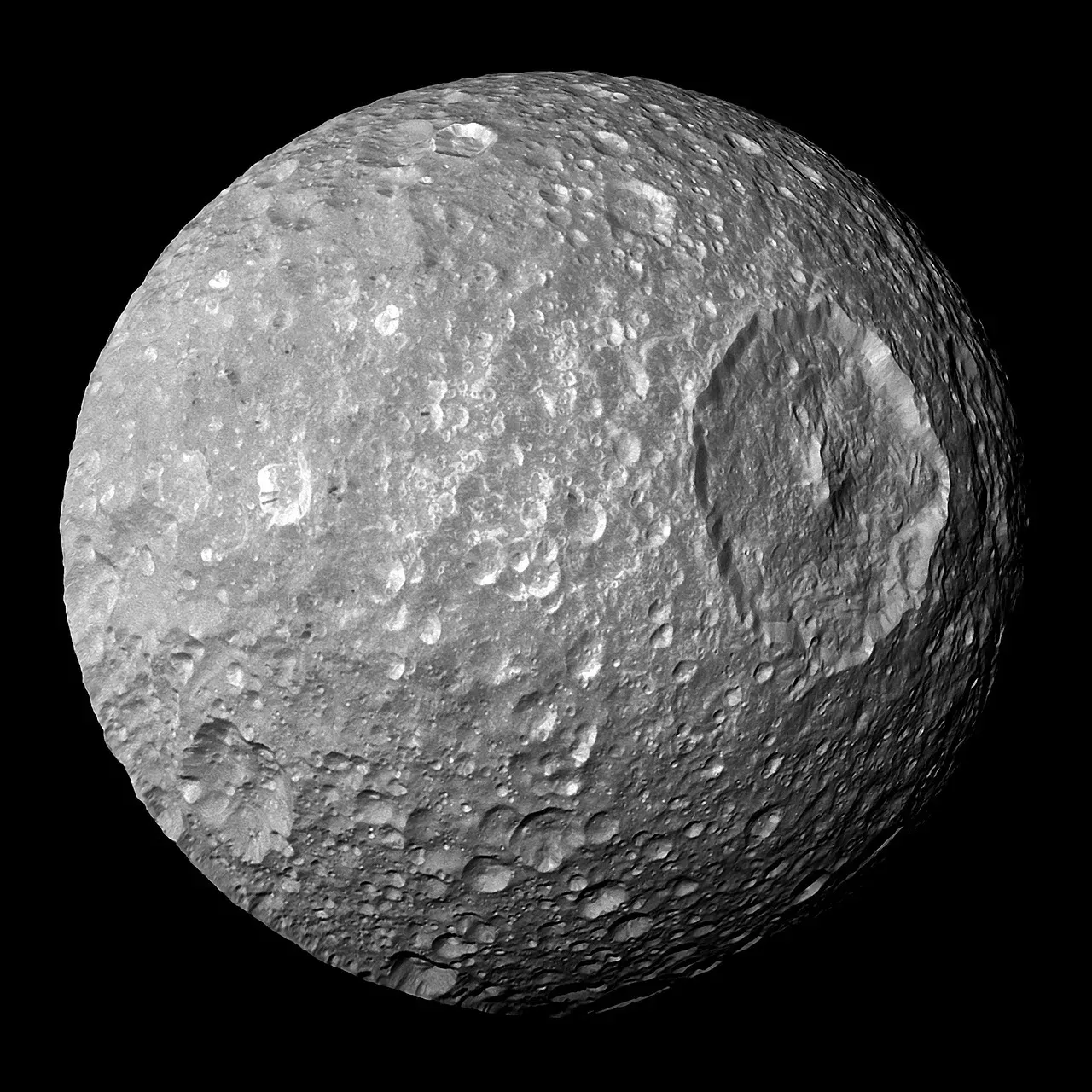
As 2025 went on, the asteroid moved away from us. It became increasingly faint and eventually disappeared from the reach of most ground telescopes.
That left a gap in the data. Without more observations, astronomers expected it to stay unobservable until it returned to a better viewing geometry in 2028. Waiting that long would have left the Moon question open for years.
Two Narrow Windows in February 2026
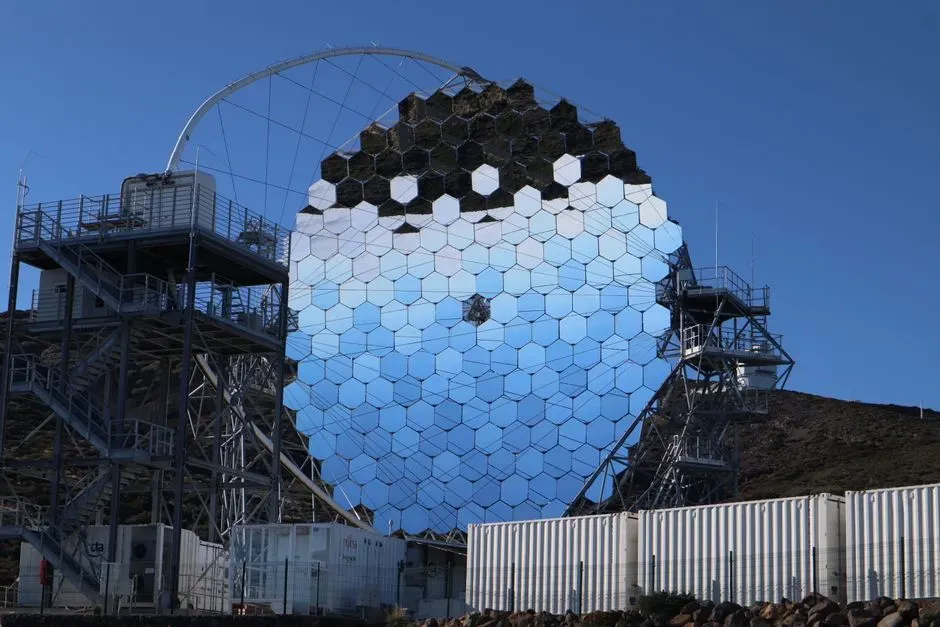
Researchers at the Johns Hopkins University Applied Physics Laboratory spotted an opportunity. They realized Webb could observe 2024 YR4 between February 18 and February 26, 2026.
It wasn’t easy. Webb’s field of view is extremely narrow, and finding a faint object millions of kilometers away demanded highly accurate predictions. Planning was coordinated among ESA’s Near Earth Object Coordination Centre, NASA’s Center for Near Earth Object Studies, and the Webb mission.
The Moon Impact Is Ruled Out
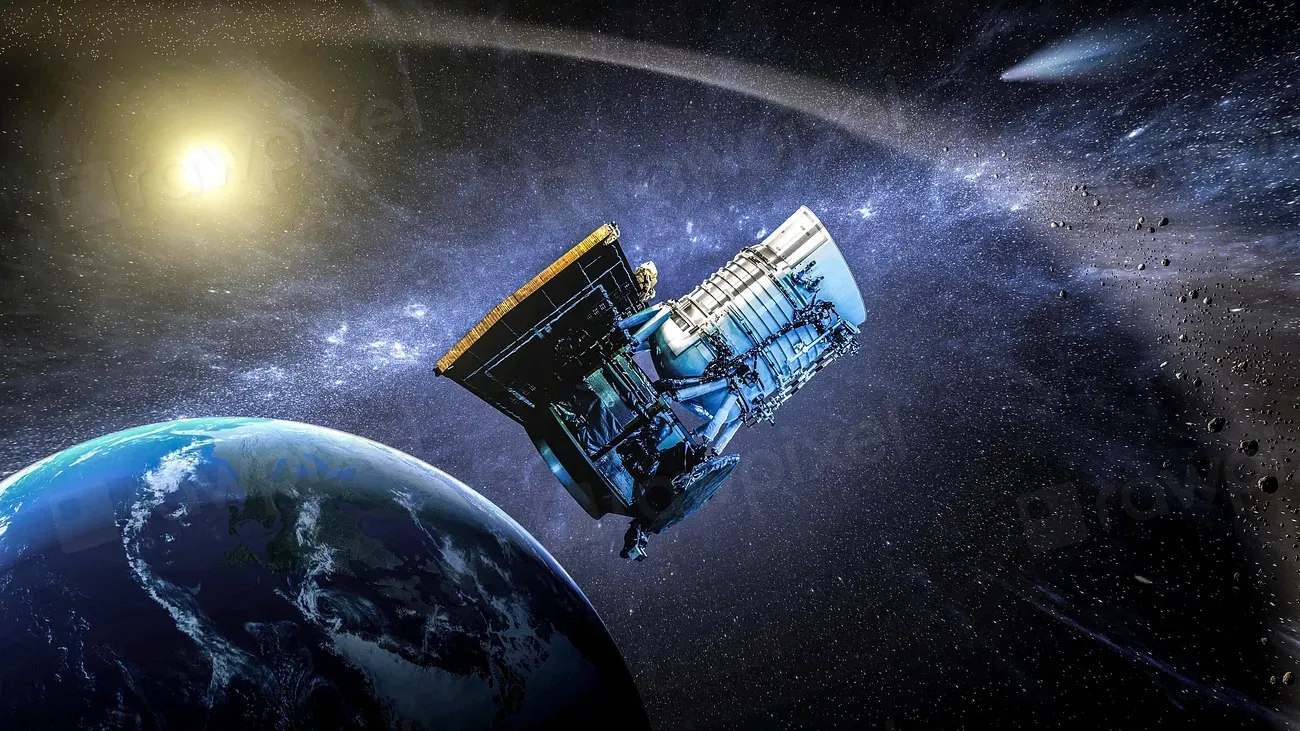
The gamble worked. By comparing the asteroid’s position against background stars, the team measured its orbit accurately enough to rule out a lunar impact in 2032.
NASA announced the result on March 5, 2026. The asteroid will pass safely, beyond 20,000 kilometers (12,400 miles) from the Moon.
What the Episode Tested
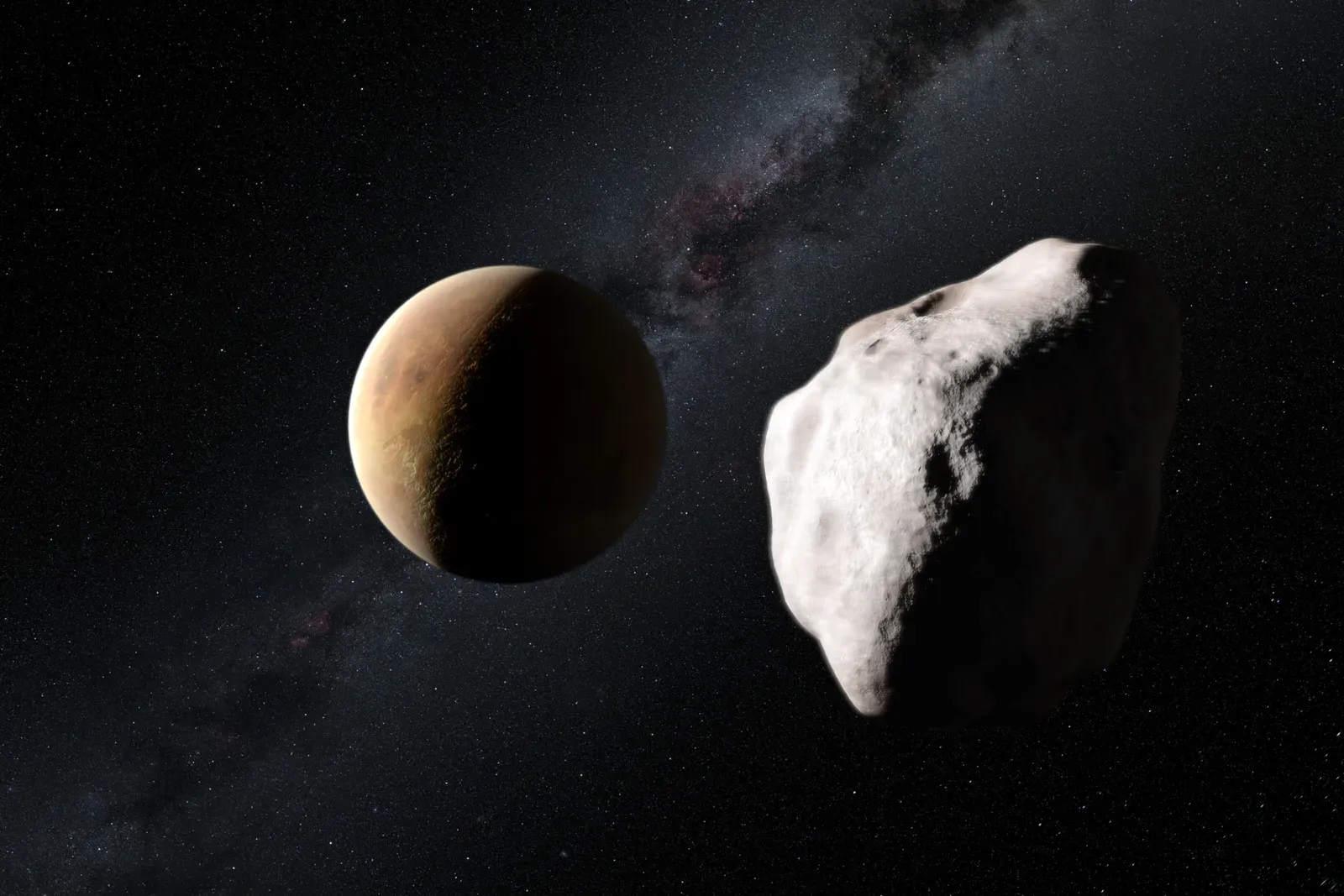
NASA described the case as an opportunity to test planetary defense science and notification processes. Astronomers also noted that the observations served as a trial run for any future dangerous objects.
The sequence, from a 3.1 percent Earth risk to a confirmed miss of both Earth and the Moon, shows how orbit predictions tighten as data accumulates. 2024 YR4 will still make its pass in December 2032, but without any threat attached.

- The Shoreline Sucked Dry in Seconds – 5 Tsunami Signals Beachgoers Mistake for Low Tide - November 14, 2026
- 9 Dark-Sky Destinations Around the World Where the Stars Look Unreal - November 14, 2026
- The Fault Line That Never Slips – 7 Locked Seismic Zones Overdue for a Massive Release - November 14, 2026
