

Almost everyone has a lightning rule they picked up as a kid. Some came from a grandparent, some from a camp counselor, and some from a movie. Many of them sound sensible, which is a big part of why they stick around.
The National Weather Service and other atmospheric scientists have spent decades testing these ideas against real strike data. A good number don’t hold up. Here are nine of the most persistent ones, and what the evidence says instead.
Lightning Never Strikes the Same Place Twice
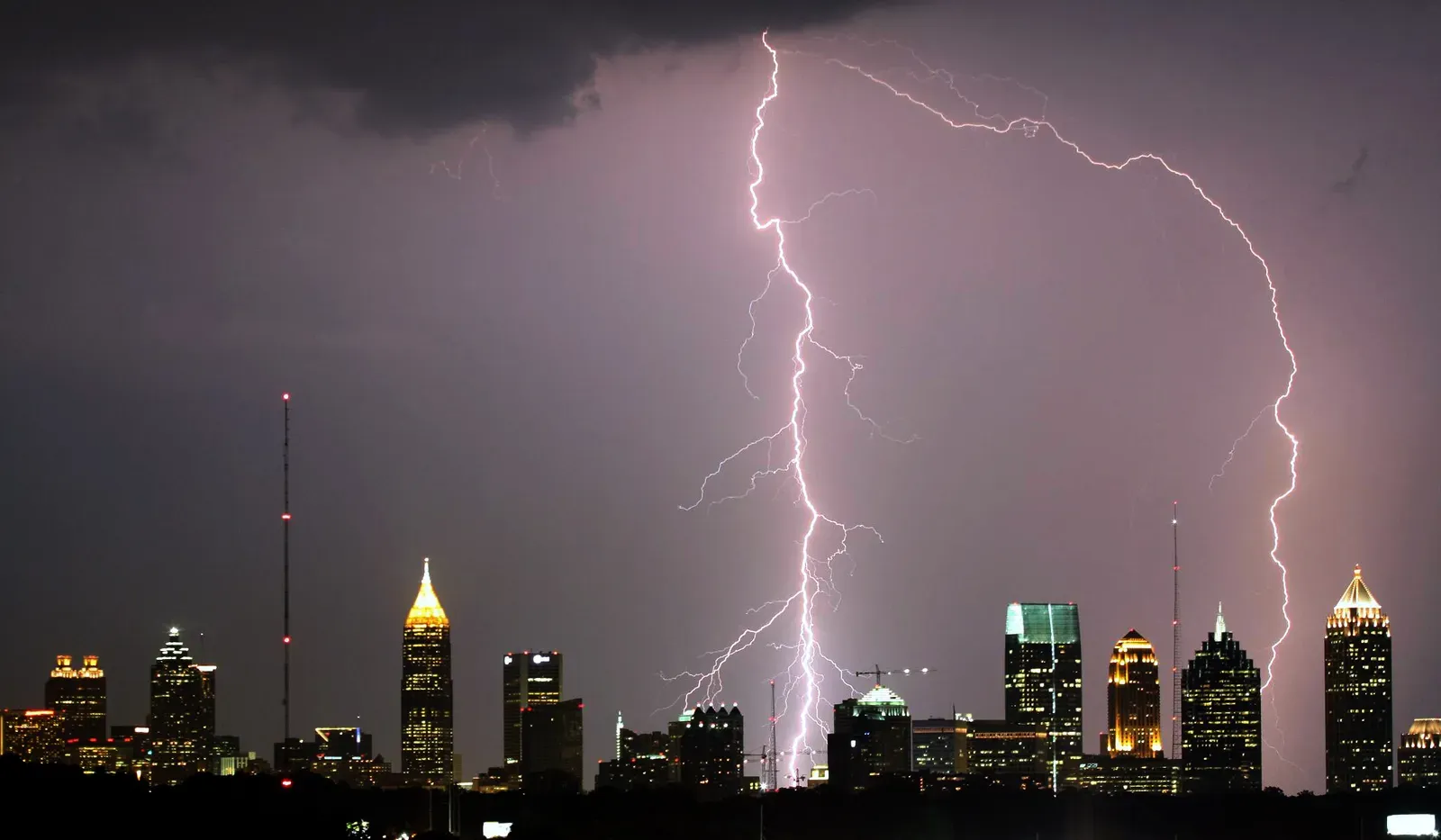
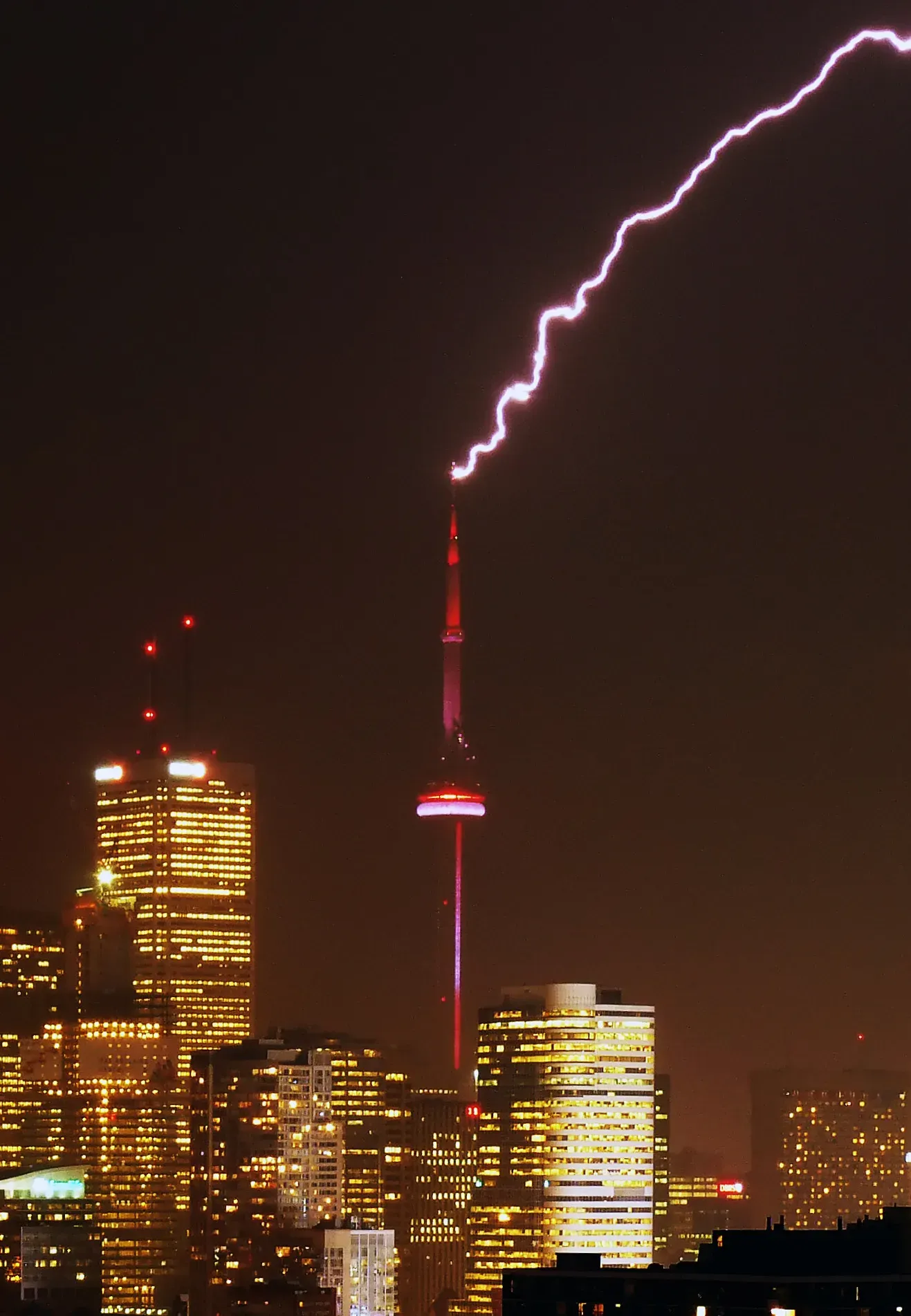
This is probably the most repeated saying about lightning, and it’s plainly wrong. Tall, pointed, or isolated objects get hit again and again. The Empire State Building is struck around twenty times in a typical year, sometimes several times during a single storm.
The reason is simple physics. A strike follows the easiest path between cloud and ground, and a tall structure keeps offering that path. Lightning rods exist precisely because a place will be hit repeatedly. People are no different, and a few individuals have been struck more than once in their lives.
Rubber Tires Keep You Safe in a Car
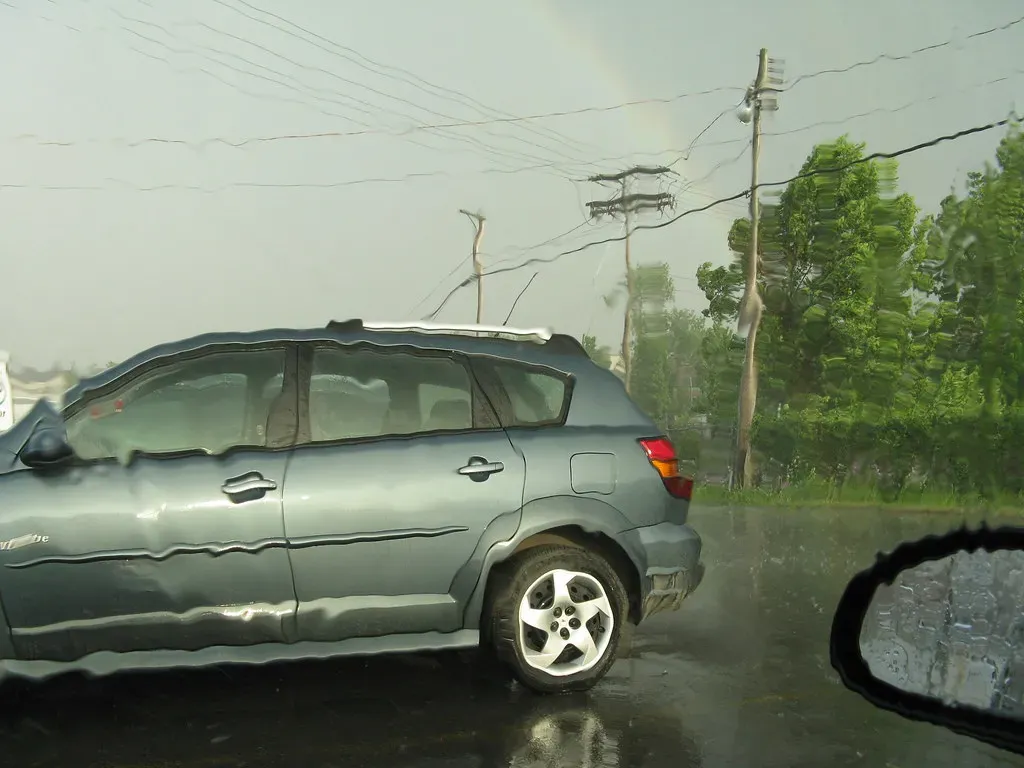
Cars are a good place to be in a thunderstorm, but not because of the tires. Rubber is a poor barrier against a bolt that has just crossed miles of air. The protection comes from the metal body, which carries the current around the passengers and into the ground.
That also explains why not every vehicle is safe. Convertibles, motorcycles, and vehicles with fiberglass or canvas tops don’t offer the same shielding. Inside a hard topped car, keep the windows shut and avoid touching metal parts like door handles or the radio.
Heat Lightning Is a Special Kind of Harmless Lightning
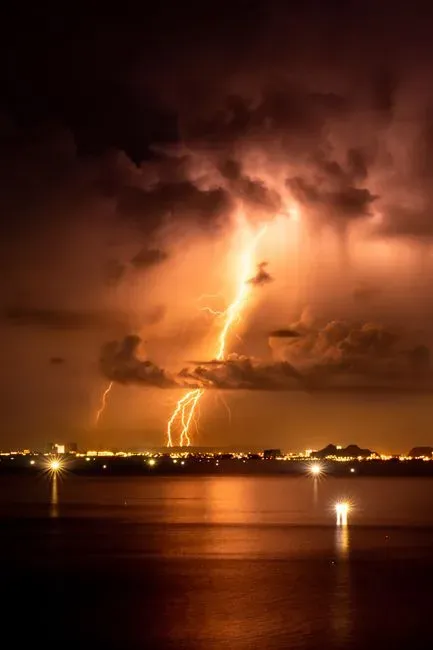
On a warm summer night you may see flashes on the horizon with no thunder at all. People call this heat lightning, as if the heat itself produced it. In reality it’s ordinary lightning from a thunderstorm too far away for the sound to reach you.
Thunder generally can’t be heard beyond about ten miles, while the flash can be seen from much farther off. So the storm is real, just distant. If the flashes are getting closer, it may be heading your way.
Lightning Only Strikes When It’s Raining Overhead
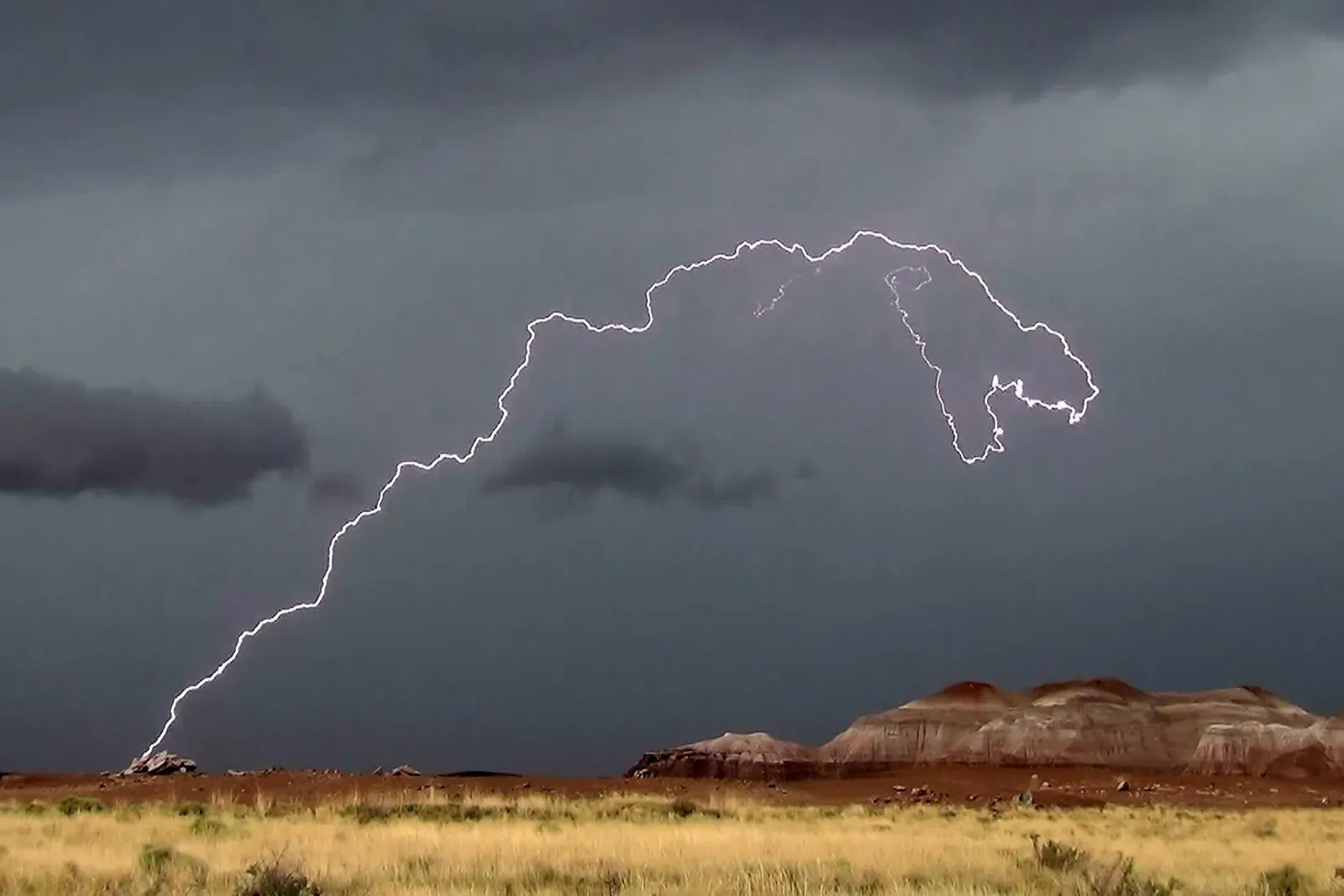
Many people wait for the first raindrops before heading indoors, which is a risky habit. Lightning can travel outward from a storm and hit the ground miles from the rain. These are often called bolts from the blue, because they seem to come out of clear sky.
The National Weather Service has long advised a simple rule: when thunder roars, go indoors. If you can hear thunder, you’re close enough to be struck. It also recommends waiting about thirty minutes after the last rumble before going back outside.
People Struck by Lightning Carry an Electric Charge
Some bystanders hesitate to help a lightning victim because they think touching the person will shock them. It won’t. A person who has been struck does not hold a charge, and it’s safe to give aid right away.
This matters because the main cause of death in a strike is cardiac arrest. Prompt CPR can save a life, and calling emergency services should happen at once. Of course, the rescuer still needs to be out of danger, so move the person to shelter if the storm is still overhead.
Metal Objects and Jewelry Attract Lightning
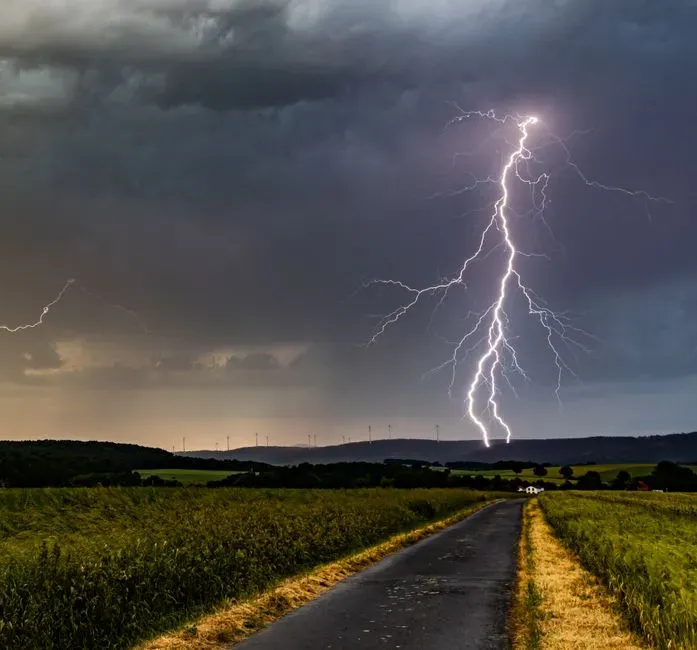
Belt buckles, phones, and necklaces get blamed a lot. Meteorologists point out that metal doesn’t draw lightning toward you in any meaningful way. What matters far more is height, isolation, and how open the ground is around you.
Metal can still make an injury worse. If current passes through the body, a metal item may cause burns where it touches the skin. Even so, taking off your jewelry is no substitute for getting to proper shelter.
Standing Under a Tree Is a Fair Way to Wait Out a Storm
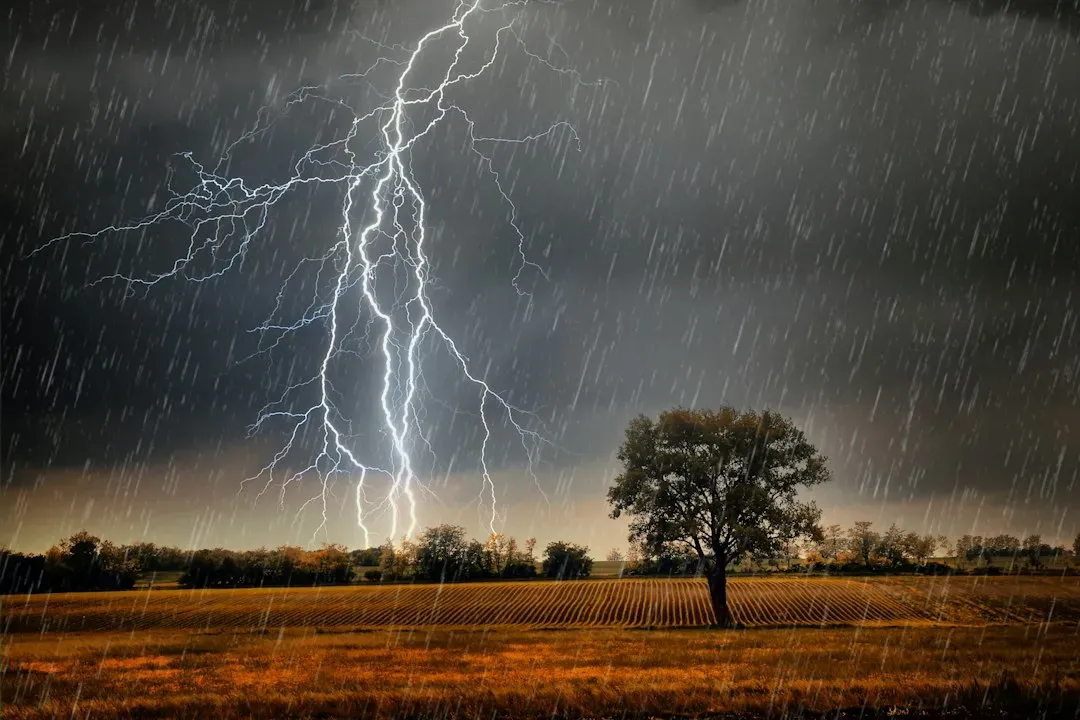
It feels natural to duck under the nearest tree when the sky opens up. It’s also one of the more dangerous choices you can make. Trees are tall and often stand alone, so they make appealing targets, and the current can jump from the trunk to anyone nearby.
Being near a tree has been one of the common circumstances in lightning deaths and injuries. A sturdy building or a hard topped vehicle is far better. If neither is available, going lower and away from isolated tall objects is still safer than sheltering beneath one.
Once You’re Indoors, You’re Completely Safe
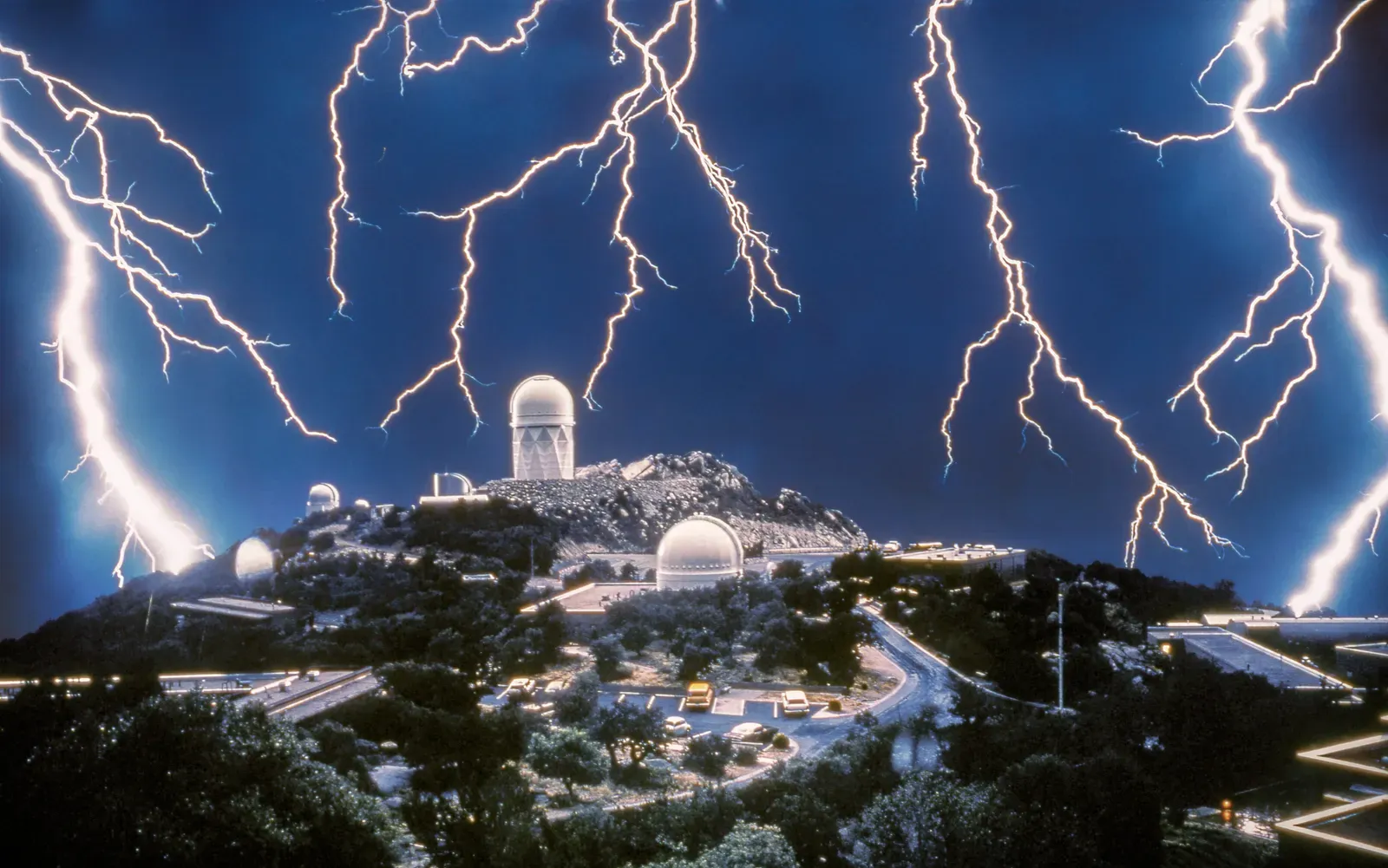
A solid building is the right place to be, yet it isn’t a perfect shield. Lightning can travel through wiring and plumbing, and it can reach you through those systems. That’s why the National Weather Service advises staying away from showers, sinks, and baths during a storm.
Corded phones are another known risk, since current can run along the line. Cordless and cell phones are fine as long as they aren’t plugged in or charging. Unplugging electronics or using surge protection helps protect your devices too.
Lightning Usually Kills the People It Strikes
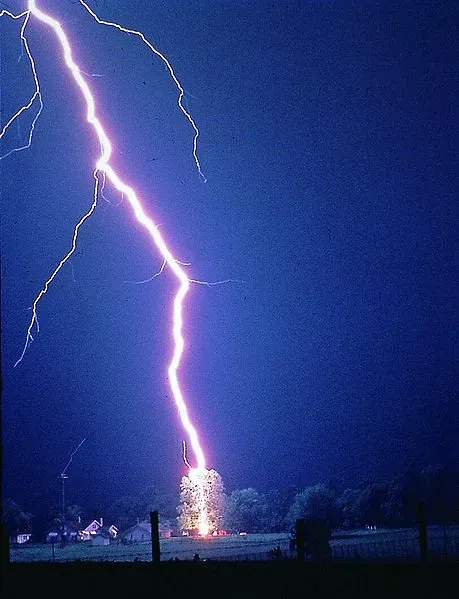
The idea that a strike is almost always fatal is a myth. According to the National Weather Service, about nine out of ten people who are struck survive. That’s an encouraging fact, but it comes with a catch.
Survivors often live with lasting problems, including memory trouble, chronic pain, dizziness, sleep disruption, and changes in mood. These effects can appear well after the incident and are sometimes missed. Anyone who has been hit should get medical care, even if they feel fine at first.

- Blue whales vanish from the Galápagos, and scientists suspect El Niño - November 11, 2026
- 8 Famous Battles That Were Decided by the Weather - November 11, 2026
- Black Sunday 1935: 9 Photos From the Worst Dust Storm of the Dust Bowl Era - November 11, 2026
