

- Phantom Energy Sucking Power 24/7 – 7 Home Electronics Quietly Inflating Utility Bills - November 14, 2026
- A Million-Mile Storm Raging for Centuries – 6 Violent Weather Wonders in Our System - November 14, 2026
- Animals Flee Hours Before the Tremor – 7 Natural Warnings Before Disasters Strike - November 14, 2026
There’s something almost instinctive about the way food habits shift the moment the air changes. A cool morning breeze in September and suddenly pumpkin everything appears on menus nationwide, while the first real heat wave of June sends people scrambling for the nearest ice cream stand. These patterns aren’t random. They’re woven into regional history, agricultural cycles, and decades of marketing that turned certain foods into unofficial seasonal markers.
Across the country, people time their cravings almost as reliably as they check the weather forecast. Below are eight food traditions that Americans consistently associate with specific seasons, along with a look at why these connections have stuck around for so long.
1. Pumpkin spice everything in early fall
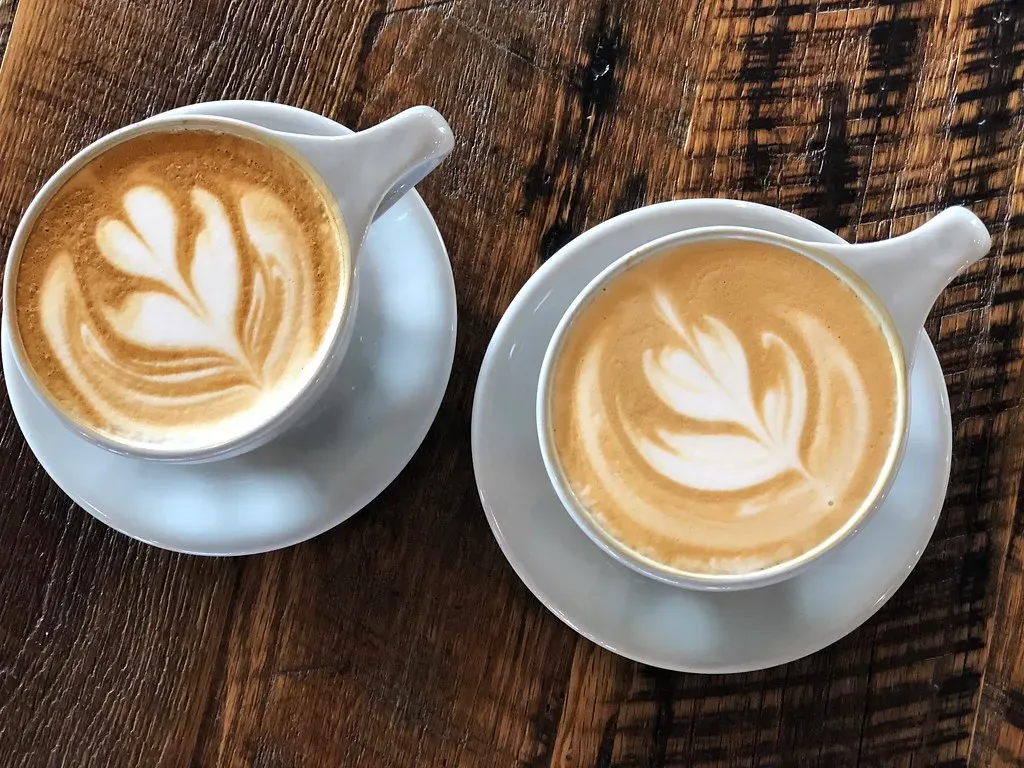
The moment temperatures dip below the seventies, pumpkin spice products flood grocery store shelves and coffee shop menus. Starbucks introduced its Pumpkin Spice Latte back in 2003, and the drink has since become something of a cultural signal that fall has officially started. Retailers now often release pumpkin spice items in late August, well before actual autumn weather arrives in most parts of the country.
What makes this tradition interesting is how disconnected it’s become from the actual pumpkin harvest, which typically peaks in October. The blend of cinnamon, nutmeg, clove, and ginger has taken on a life of its own, showing up in everything from cereal to dog treats. It’s less about the vegetable itself and more about the emotional association with cooler air and shorter days.
2. Comfort stews and soups when the cold sets in
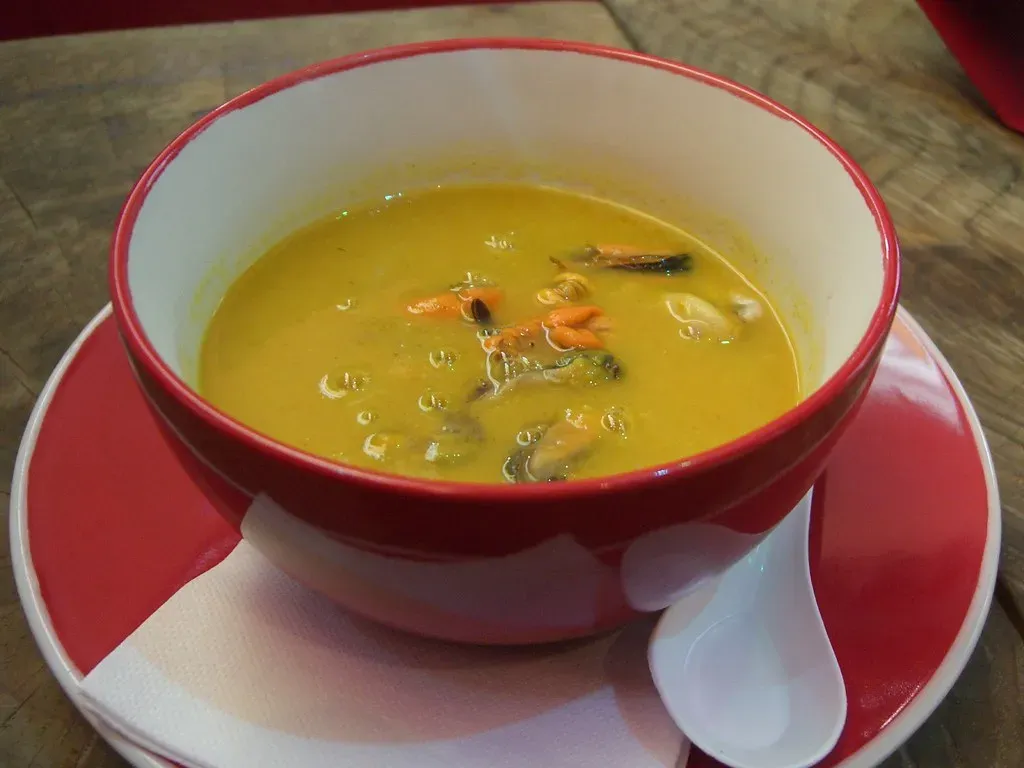
As soon as temperatures drop into the forties and below, kitchens across the country start smelling like simmering broth. Chili, beef stew, and chicken noodle soup become weekly staples in many households once winter weather arrives, particularly in colder regions like the Midwest and Northeast. These dishes tend to use root vegetables and slow cooking methods that align naturally with shorter days and less outdoor activity.
Part of the appeal is practical. Slow cooked meals require less attention during busy holiday months and often taste better the next day. There’s also a physiological piece to this; warm, calorie dense meals help the body regulate temperature during cold spells, which may explain why these dishes remain popular even as convenience food options expand.
3. Barbecue and grilling once the weather warms
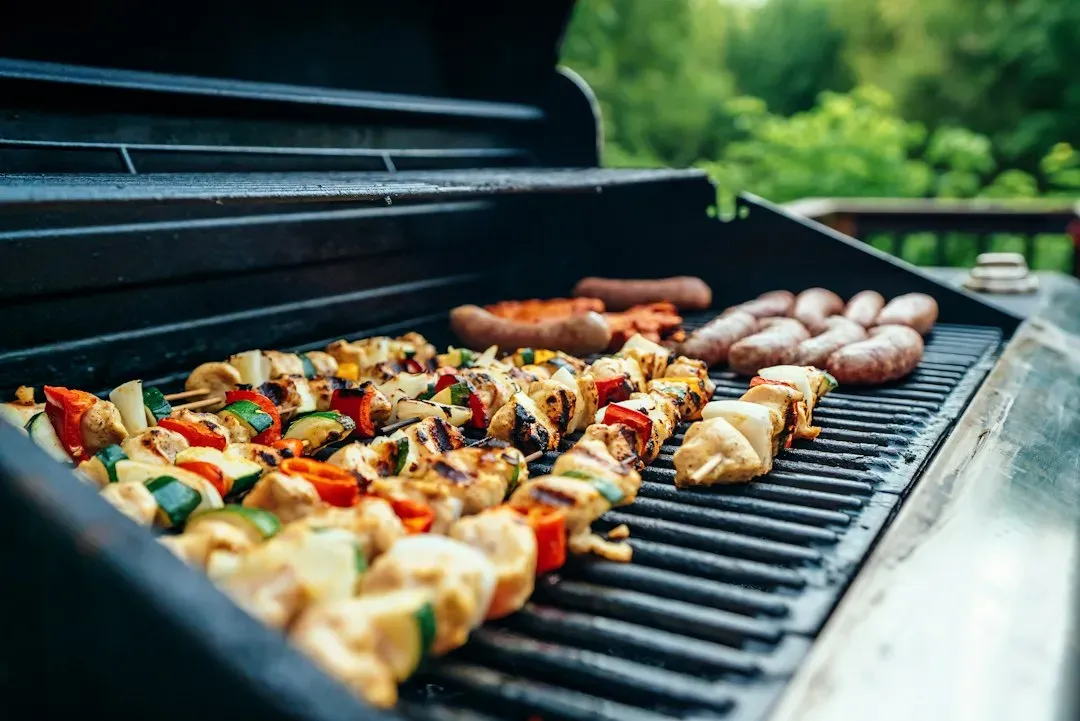
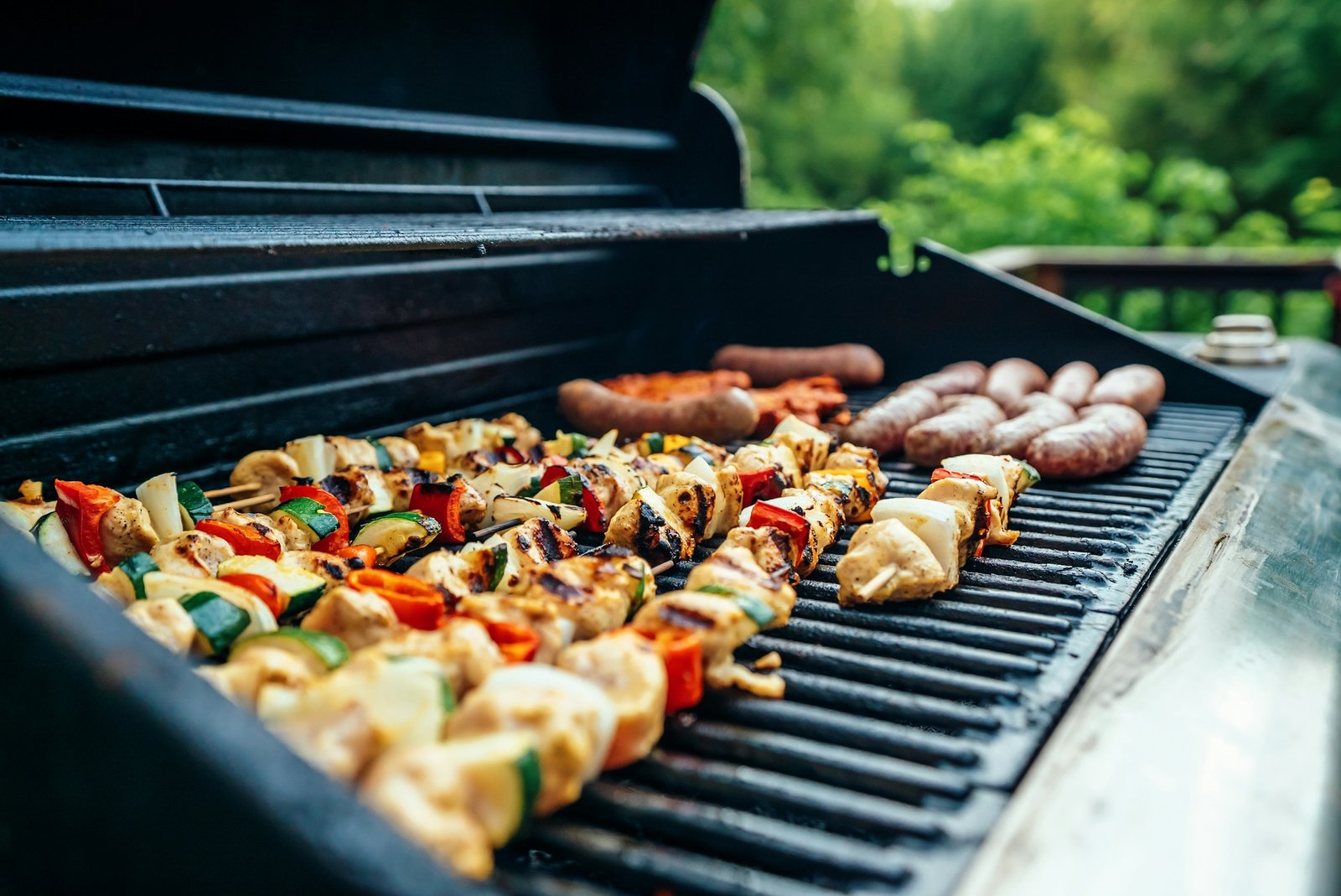
Memorial Day weekend unofficially kicks off grilling season for much of the country, and outdoor cooking remains one of the most consistent seasonal food habits in America. The Hearth, Patio & Barbecue Association has reported that the vast majority of American households own a grill, and usage spikes dramatically between May and September. Warmer weather simply makes outdoor cooking more comfortable, and it pairs naturally with backyard gatherings and holiday weekends.
Regional grilling styles vary significantly, from Kansas City style ribs to Texas brisket to Carolina style pulled pork. Despite these differences, the underlying seasonal trigger is the same: once temperatures climb reliably above sixty degrees, propane and charcoal sales rise right alongside them. It’s one of the clearest examples of weather directly shaping what shows up on dinner plates.
4. Iced beverages and frozen treats in peak summer

When heat waves push temperatures into the nineties, cold drinks and frozen desserts become far more than a treat. Ice cream sales in the United States tend to climb sharply during summer months, with July historically marking one of the strongest sales periods for the industry. Lemonade stands, sno cones, and iced tea also see predictable seasonal spikes as people look for quick ways to cool down.
This pattern isn’t just about taste preference. Cold foods and drinks help the body manage heat stress, which is part of why sales data consistently mirrors temperature trends rather than calendar dates alone. Even in years with unusually cool summers, ice cream demand tends to track closely with actual heat rather than the season on paper.
5. Apple picking and cider drinking as leaves turn
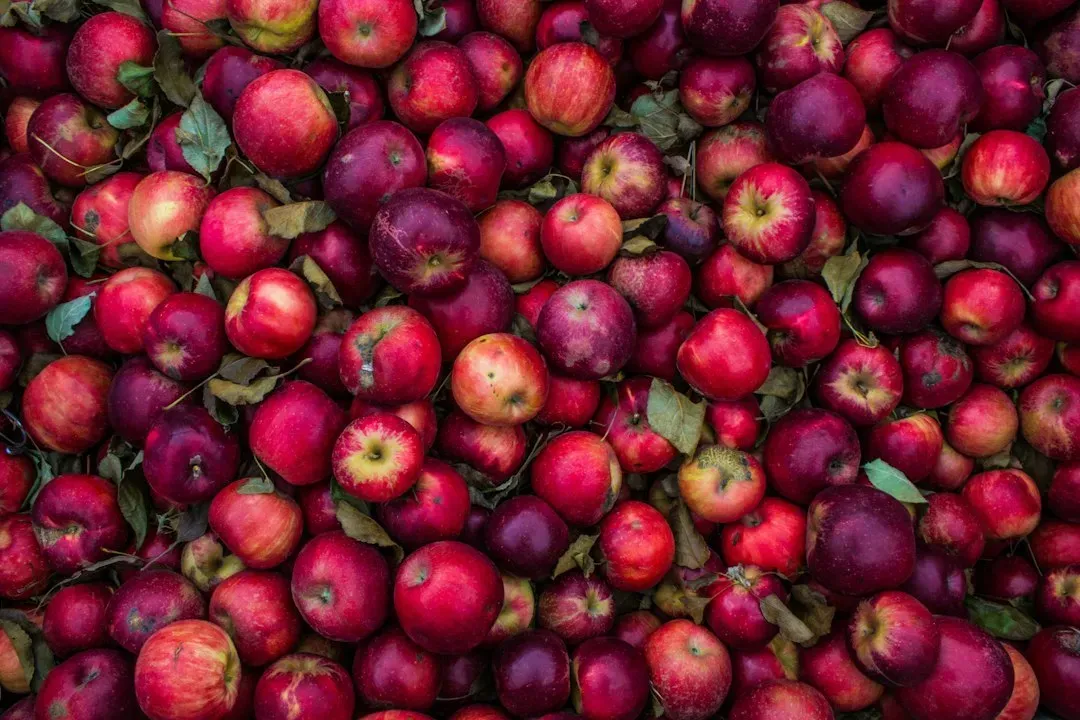
Once nighttime temperatures start dropping into the fifties, apple orchards across states like New York, Michigan, and Washington open their doors for pick your own season. Fresh apple cider, both the sweet unfiltered kind and its harder fermented cousin, becomes a common feature at farmers markets and fall festivals. This tradition ties directly to harvest timing, since most apple varieties reach peak ripeness between September and November depending on the region.
Hard cider has also seen a notable resurgence in recent years, with craft cideries expanding across the country. The seasonal appeal isn’t purely nostalgic either; cooler storage conditions in fall naturally extend the shelf life of fresh pressed cider, which historically made it a practical autumn staple long before it became a trendy activity.
6. Citrus fruit consumption during winter months
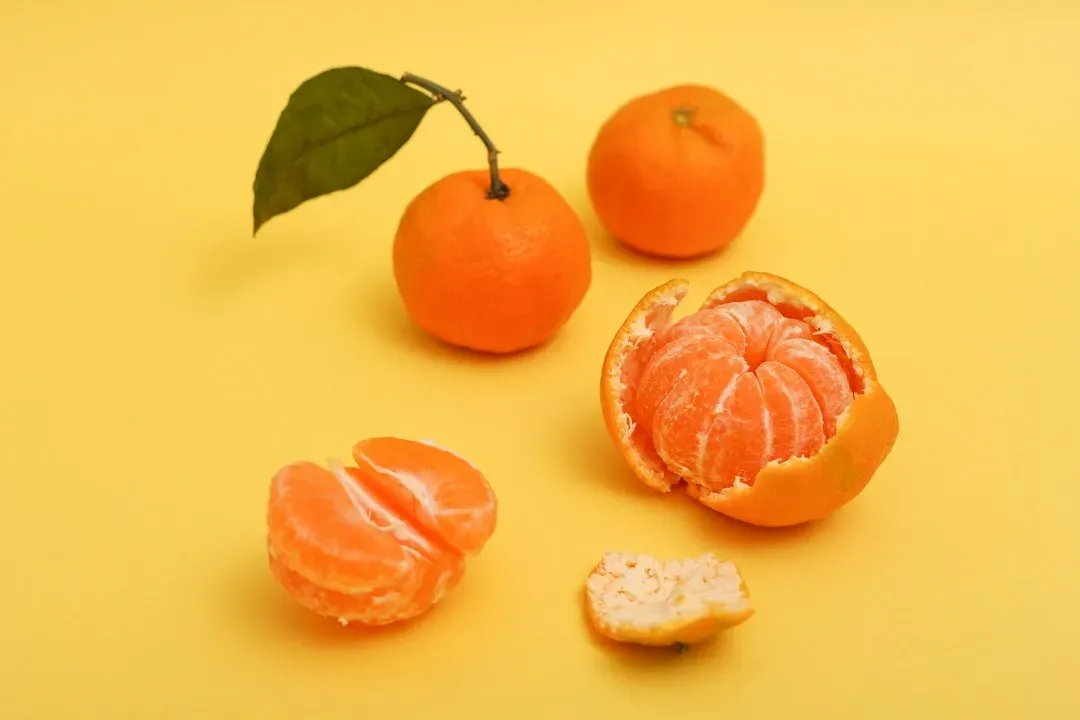
Oranges, grapefruits, and clementines see a sharp uptick in American households once winter arrives, and this pattern has strong agricultural roots. Florida and California citrus harvests typically peak between November and February, meaning winter is genuinely when this fruit is freshest and most affordable. Many families also associate citrus with immune support during cold and flu season, even though the actual health benefits are more modest than commonly believed.
Clementines in particular have become something of a holiday staple, often appearing in stockings or as party snacks around Christmas and New Year celebrations. Grocery stores lean into this timing heavily, with citrus displays expanding noticeably from November through January before shrinking back down as spring produce takes over shelf space.
7. Fresh salads and lighter fare in spring
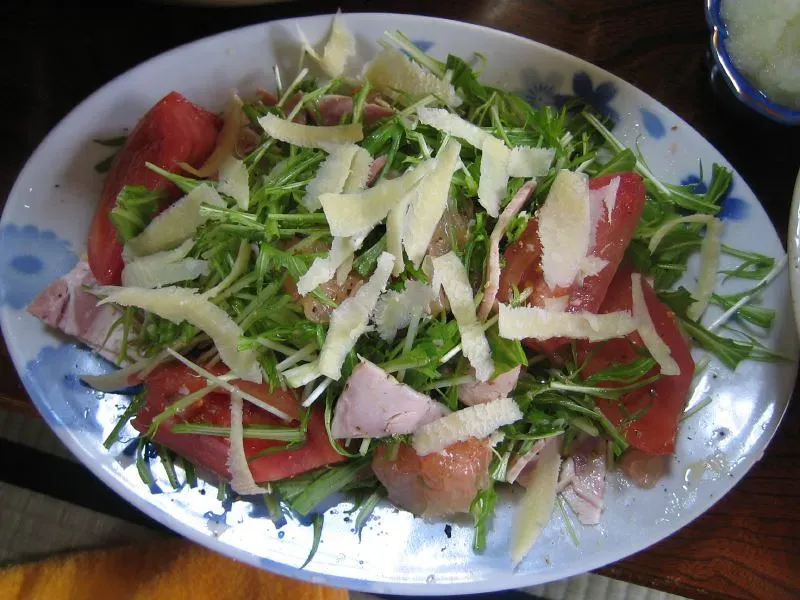
As temperatures climb out of winter lows, many Americans naturally shift toward lighter meals featuring fresh greens, berries, and lean proteins. This isn’t purely a diet trend; spring produce like asparagus, strawberries, and leafy greens genuinely reach peak freshness and lower prices during March through May in most growing regions. Farmers markets typically see their first major seasonal offerings during this window, encouraging home cooks to lighten up their meal planning.
There’s also a behavioral pattern at play here tied to increased daylight and outdoor activity. As people spend more time outside and less time craving heavy comfort food, lighter meals fit more naturally into daily routines. Restaurants often update spring menus specifically to reflect this shift, rotating out winter stews in favor of salads and grilled vegetable dishes.
8. Holiday baking traditions tied to the winter chill
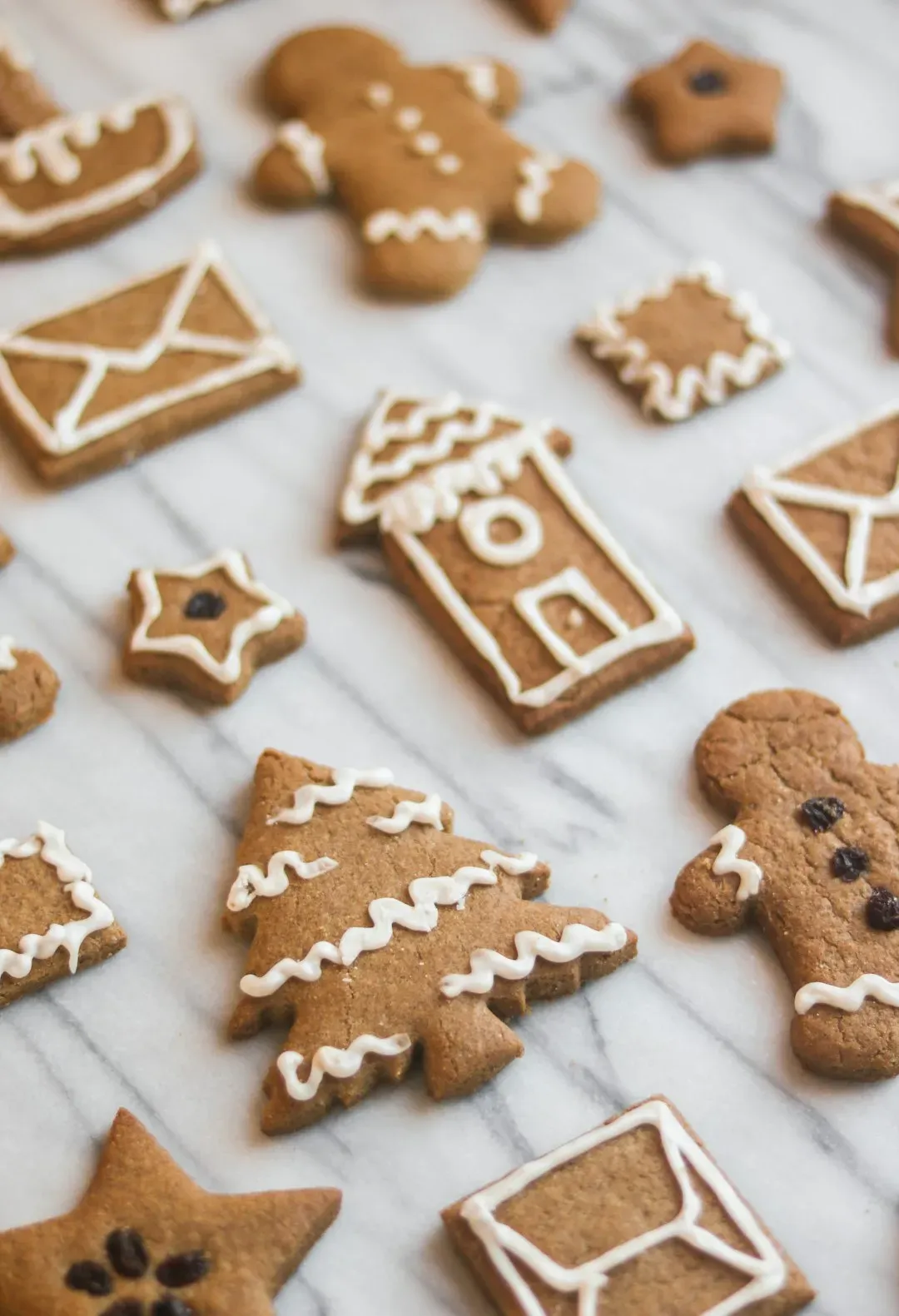
Once temperatures drop and the holiday season approaches, home baking activity rises substantially across the country. Cookies, pies, and spiced breads become common in kitchens from late November through December, partly driven by holiday gatherings and partly by the simple comfort of oven heat during cold weather. Ingredients like cinnamon, nutmeg, and molasses show up repeatedly during this period, echoing many of the same warming spices found in fall pumpkin products.
Flour and sugar sales in the United States reliably spike during the final weeks of the year, reflecting how deeply baking is tied to winter tradition rather than everyday cooking habits. This pattern holds fairly steady year over year, suggesting it’s less about trends and more about a long standing cultural rhythm tied to cold weather and holiday gatherings.
Taken together, these eight patterns show how closely food habits track the literal temperature outside, not just the calendar date. Whether it’s the smell of soup simmering on a cold evening or the first cold brew of a humid July afternoon, weather continues to shape what lands on American tables season after season.
