

On paper, a time of use plan sounds almost too simple. Electricity costs less when demand is low and more when everyone is home cooking dinner, so you shift some chores and pocket the difference. Many utilities across the United States offer these plans, and some regions have made them the default for residential customers.
The reality is more textured. Whether a plan saves money depends on your habits, your home, the season and the exact rate design. Here are six lessons that matter before you sign up or stay put.
The Price Gap Is the Whole Game
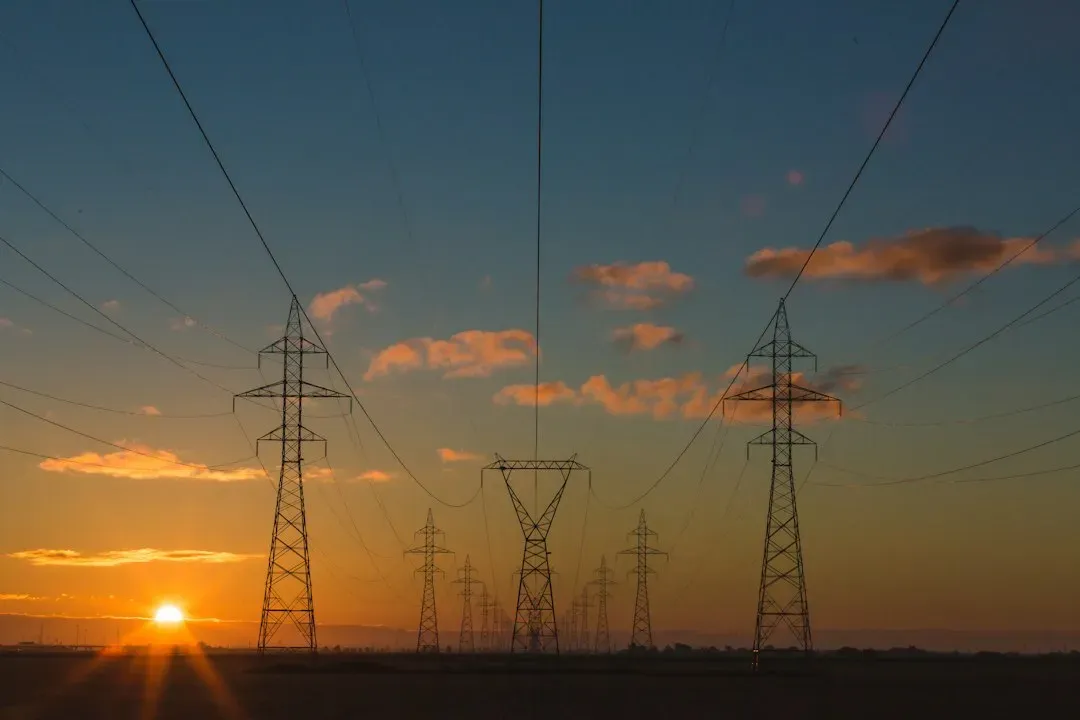
A time of use plan splits the day into periods, usually off peak, mid peak and peak, and charges a different price per kilowatt hour in each. The savings come from the gap between those prices. If the peak rate is only slightly higher than the off peak rate, there isn’t much to gain by shifting your usage.
In California, for example, the large investor owned utilities have commonly used a late afternoon to evening peak window, often 4 p.m. to 9 p.m. Your own utility’s tariff sheet is the only reliable source for your exact hours and prices. Check it before you assume any rule of thumb applies to you.
Your Household Schedule Matters More Than Your Appliances

The shiftable load in a home is smaller than most people expect. Laundry, dishwashing and electric vehicle charging can move to later hours with little pain. Cooking, lighting, TVs and a lot of cooling happen when you’re actually home, and that is often exactly when peak pricing applies.
Households where people are out during the day and use most energy late at night tend to benefit more. Families home all afternoon and evening have a harder time. A quick look at your hourly usage, which many utilities provide through online accounts, will show how much of your demand falls in the expensive window.
Electric Vehicles and Batteries Change the Math

Charging an electric vehicle is probably the single easiest way to take advantage of cheap overnight power. A car can charge for hours without anyone noticing, and that is a large block of electricity moved out of peak time. Many utilities even offer separate EV rates built around this idea.
Home batteries go a step further by storing cheap or solar generated power for use during the peak window. They carry a significant upfront cost, though, and the payback depends heavily on local rates and incentives. For homes with solar, rule changes such as California’s move to net billing in 2023 made storing your own power during the day for evening use more relevant than before.
Summer and Winter Can Behave Differently

Many time of use tariffs use different prices and peak hours by season. Summer rates often run higher, since air conditioning drives demand on hot afternoons and evenings. A plan that looks like a bargain in spring can feel very different in July.
Because of this, a single month’s bill is a poor test. Look at a full year of usage if you can, and compare it against what the standard tiered or flat rate would have cost. Some utilities offer bill comparison tools or a trial period that can help with that.
Comfort Shifts Can Cost You in Other Ways
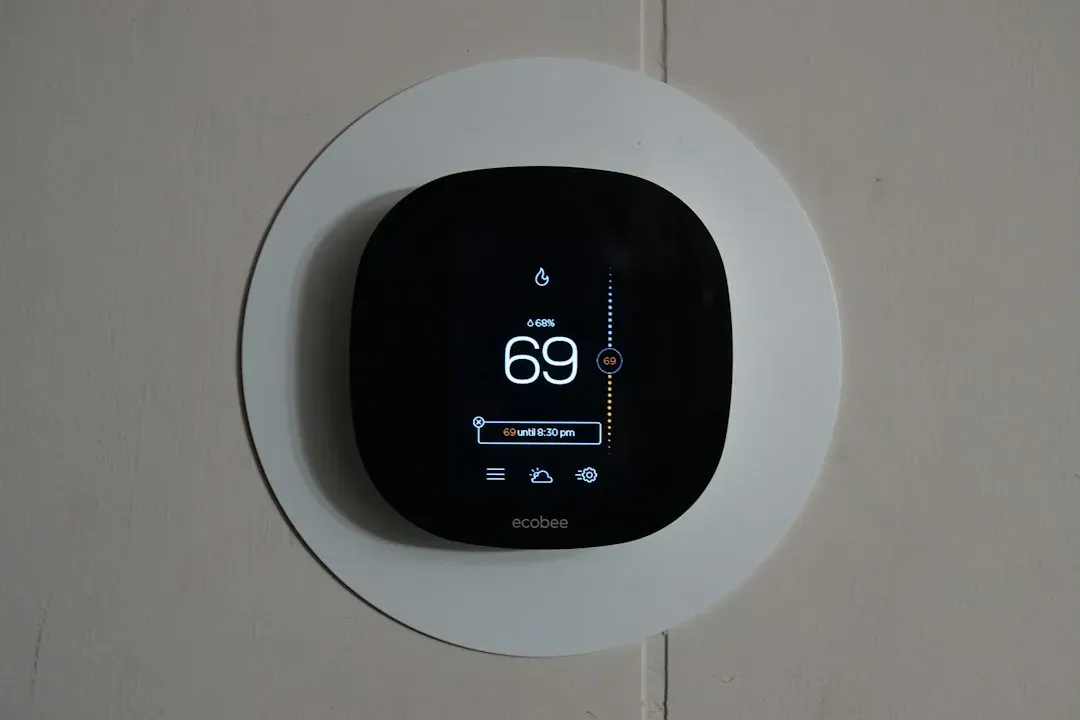
Pre cooling a house before the peak window starts is a common tip, and it can work well with a smart thermostat. Even so, it requires a reasonably well insulated home. In a leaky house the cool air disappears quickly, and the air conditioner may end up running harder overall.
There’s also the plain matter of effort. Running the dishwasher at 10 p.m. and delaying the dryer is fine for a week, but it gets old. Automation, such as scheduled charging and thermostat programming, tends to hold up better than good intentions.
Switching Isn’t Always Permanent, but Read the Fine Print

Most utilities that offer time of use plans let customers move back to another rate option, though rules differ by company and state. Some have limits on how often you can change, and a few charge fees or require you to stay on a plan for a set period. Regulators in each state oversee these tariffs, so the details are public.
Check for fixed monthly charges, demand charges and any minimum bill as well, since these can shrink or erase savings from shifting usage. If you’re unsure, ask your utility for a bill comparison based on your actual past usage. That number is more useful than any general claim about how much people save.

- The Shoreline Sucked Dry in Seconds – 5 Tsunami Signals Beachgoers Mistake for Low Tide - November 14, 2026
- 9 Dark-Sky Destinations Around the World Where the Stars Look Unreal - November 14, 2026
- The Fault Line That Never Slips – 7 Locked Seismic Zones Overdue for a Massive Release - November 14, 2026
