

Sixty-two degrees Fahrenheit is about 16.7 degrees Celsius. On a thermostat it looks like a modest, frugal setting, the kind of number you pick when the heating bill arrives and you decide to deal with it.
Living at that temperature all winter is a different matter. The savings are real, but they come with side effects that don’t show up on the thermostat display. Here are seven worth knowing about.
It Sits Below the Health Benchmark
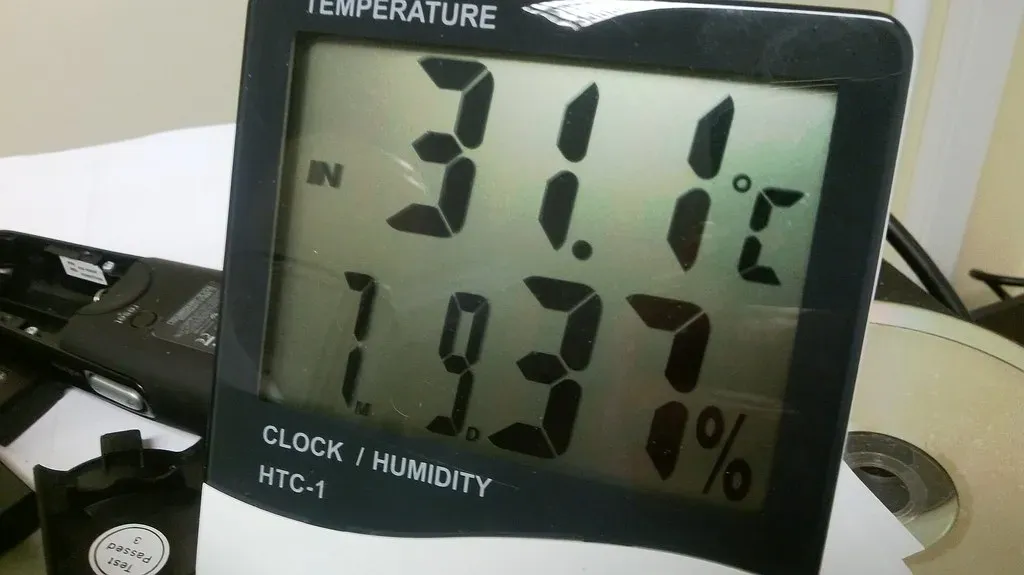
The World Health Organization’s housing guidance recommends keeping indoor temperatures above 18 degrees Celsius. The guideline calls a minimum of 18°C widely accepted, and that works out to roughly 64 degrees Fahrenheit.
At 62, you’re under that line by a couple of degrees. Research on cold indoor temperatures below 18 degrees links them to higher cardiovascular risk, and the WHO treats them as a marker of unhealthy housing. A small gap, but it matters most when it lasts for months.
Sleep and Comfort Take a Hit

Bodies work toward an internal temperature and spend energy to hold it. Each person has a set point, an ideal internal temperature the body keeps trying to maintain. A cool room can pull you away from it, especially when you’re sitting still.
In practice, that means extra layers, heavier blankets and slippers indoors. Some people sleep well in a cool bedroom. Still, a whole house at 62 is a different thing from one chilly bedroom, and the cold follows you from room to room.
Condensation Becomes a Bigger Chore
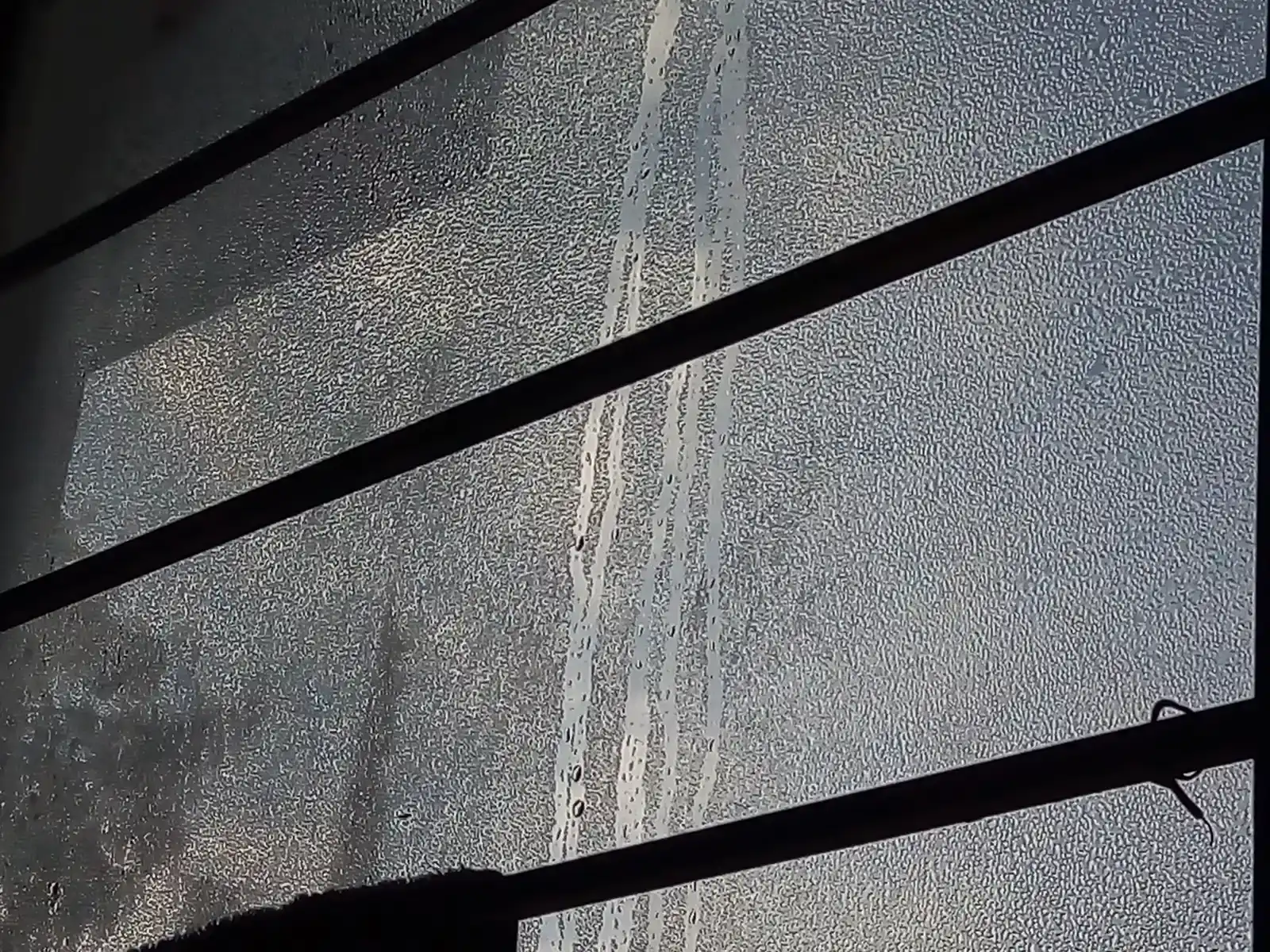
Cold surfaces collect moisture. Warm, moist air hitting a cold wall or window produces condensation. Cooking, showers and drying laundry all add water vapor to the air.
Mold then follows where condensation lingers. Cooking, drying laundry and showering release moisture that gathers on cold surfaces and can lead to mould. I’d treat window wiping and bathroom fans as part of the deal, not optional extras.
Humidity Matters More Than the Number

It’s tempting to blame temperature alone for mold, though the picture is more nuanced. A 2022 laboratory study on a common indoor mold found that moisture plays a more important role than temperature in indoor mold prevention.
So a 62 degree house isn’t doomed, but it does leave less margin. Cool walls make humid air more likely to drop its water. Keeping humidity in check, with ventilation or a dehumidifier, becomes a real job rather than a nice idea.
You May Feel More Vulnerable to Colds
Many people feel they catch more bugs in a cold house, and there’s a plausible mechanism. A 2007 Mount Sinai study suggested cold makes it harder to clear viruses.
The explanation involves mucus. Its viscosity increases at lower temperatures, which impairs how well it fights airborne viruses. That’s a single study cited by a home advice site, so treat it as a clue rather than a verdict.
The Savings Are Smaller Than You’d Hope
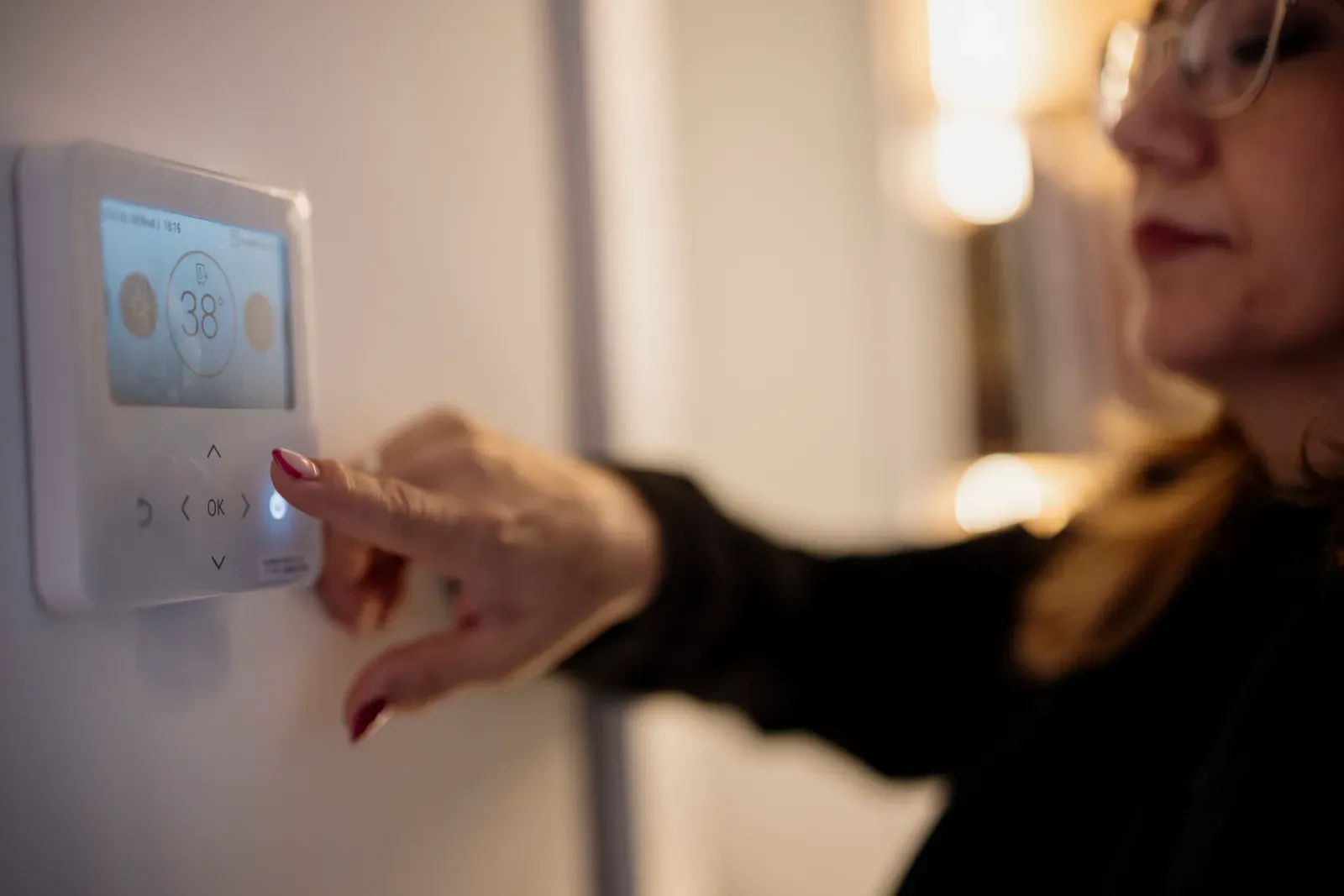
Lowering the thermostat does save money, but gains shrink as you go. The UK’s Energy Saving Trust advises finding the lowest comfortable temperature, which for most people falls between 18°C and 21°C.
Its calculation also shows how modest one degree can be. Dropping a thermostat from 22°C to 21°C saves roughly £90 a year in Great Britain. Savings depend on your climate, insulation and energy prices, so what you’d save at 62 may be less dramatic than expected.
Not Every Household Member Can Handle It
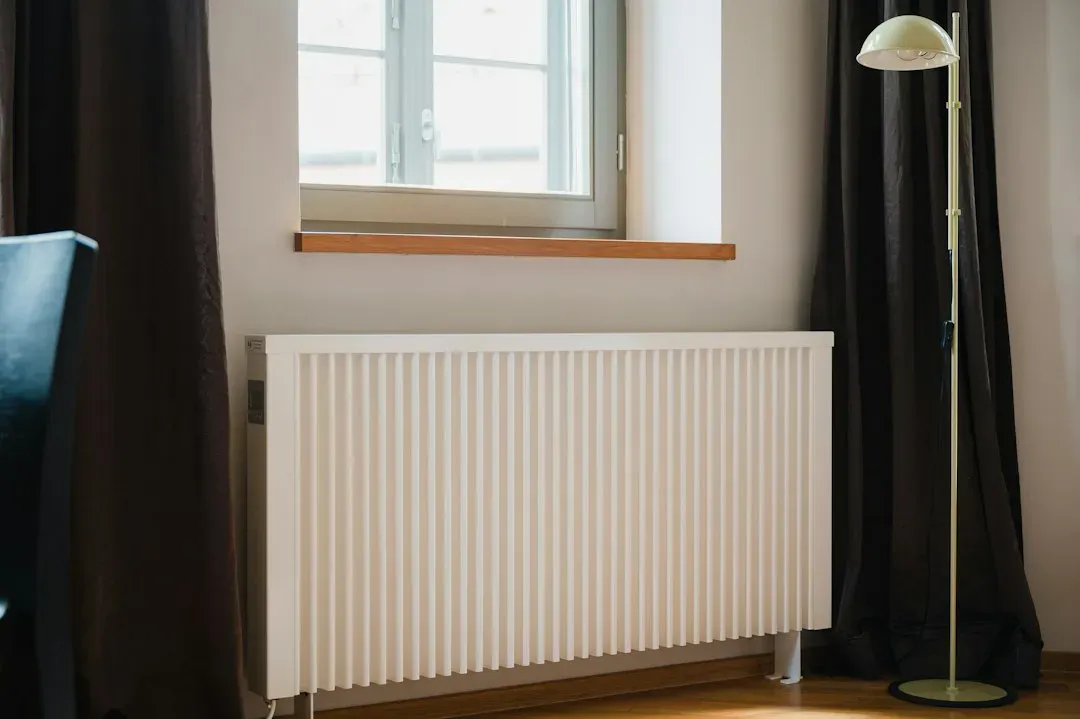
A temperature that suits a healthy adult may not suit everyone under the same roof. The WHO recommends at least 18 degrees, and ideally 21 if elderly people or babies are present.
That’s the real catch with a one number policy. Colder conditions pose particular danger to older adults, infants and people with chronic illnesses. If a guest, relative or newborn joins the household, 62 probably needs to go up.
Where 62 Degrees Fits
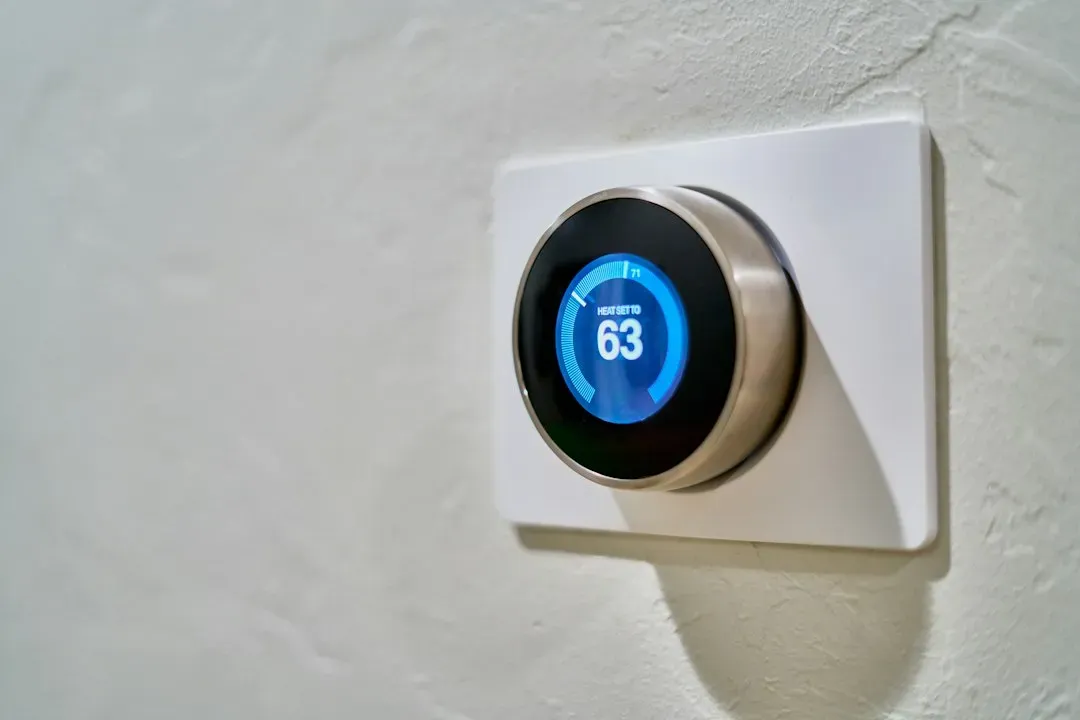
The thermostat reading is only part of the story, because rooms rarely match it. A nationwide Japanese survey of 2,190 homes found average winter temperatures of 16.8°C in living rooms and 12.8°C in bedrooms.
Bedrooms, bathrooms and far corners can run colder than the main living area. If you choose 62, measure the coldest rooms, watch humidity, and raise the setting whenever someone vulnerable is home.

- I Asked AI and a Waste Auditor How to Cut My Household Trash – Where They Disagreed - November 12, 2026
- Einstein’s equations suggest gravity can reconnect like the sun’s magnetic field - November 12, 2026
- This Map Shows Which States Get the Most Severe Storms Each Year – And It’s Not What You’d Expect - November 12, 2026
