

I figured rainwater collection would be simple. Put a barrel under a downspout, wait for a storm, and enjoy free water for the garden. That plan lasted about one good rain.
What followed was a season of small surprises, some annoying and some genuinely useful. Here’s what I learned, along with the facts that explain why it happened.
Roof Material Changes Everything
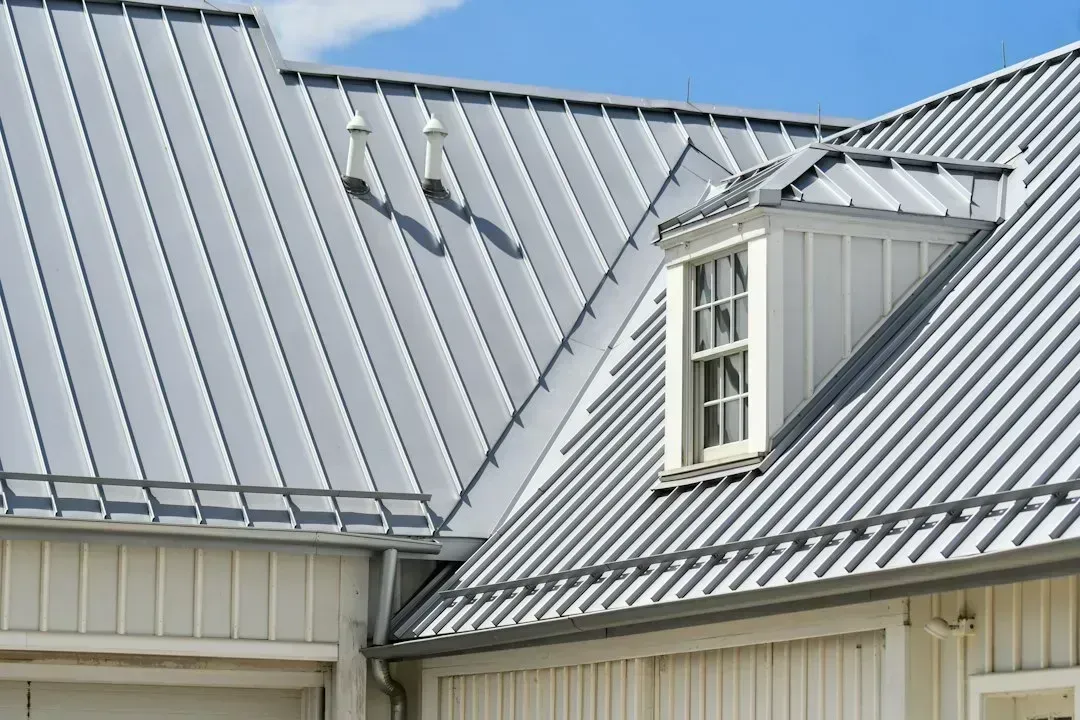
I assumed any roof would give me the same water. It doesn’t. Asphalt shingles can shed small particles and compounds, while metal roofs are generally considered cleaner for collection.
Because of this, I stopped thinking of the barrel as a clean source and started thinking of it as garden water. Public health agencies like the CDC advise that collected rainwater is not safe to drink without proper treatment. That single fact shaped every decision I made afterward.
The First Flush Matters More Than Expected
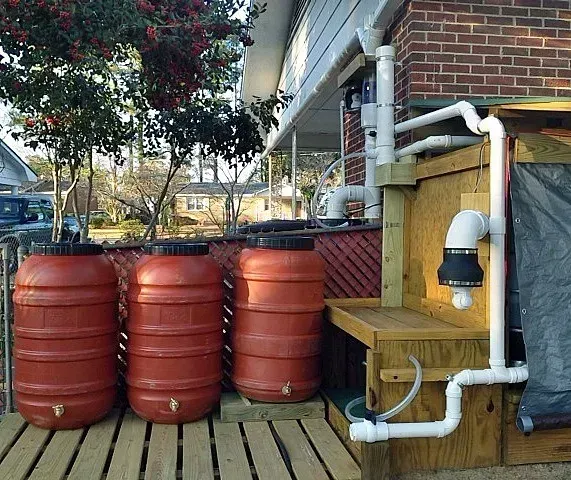
The first stretch of rain after a dry spell washes off dust, bird droppings, pollen, and leaves. All of that ends up in your barrel unless you divert it. Many guides recommend a first flush diverter to discard that initial dirty runoff.
I added a simple diverter and the water looked noticeably clearer afterward. It’s a small, inexpensive piece of hardware, yet it made the biggest visible difference. I wish I’d installed it from day one.
Mosquitoes Find an Open Barrel Fast
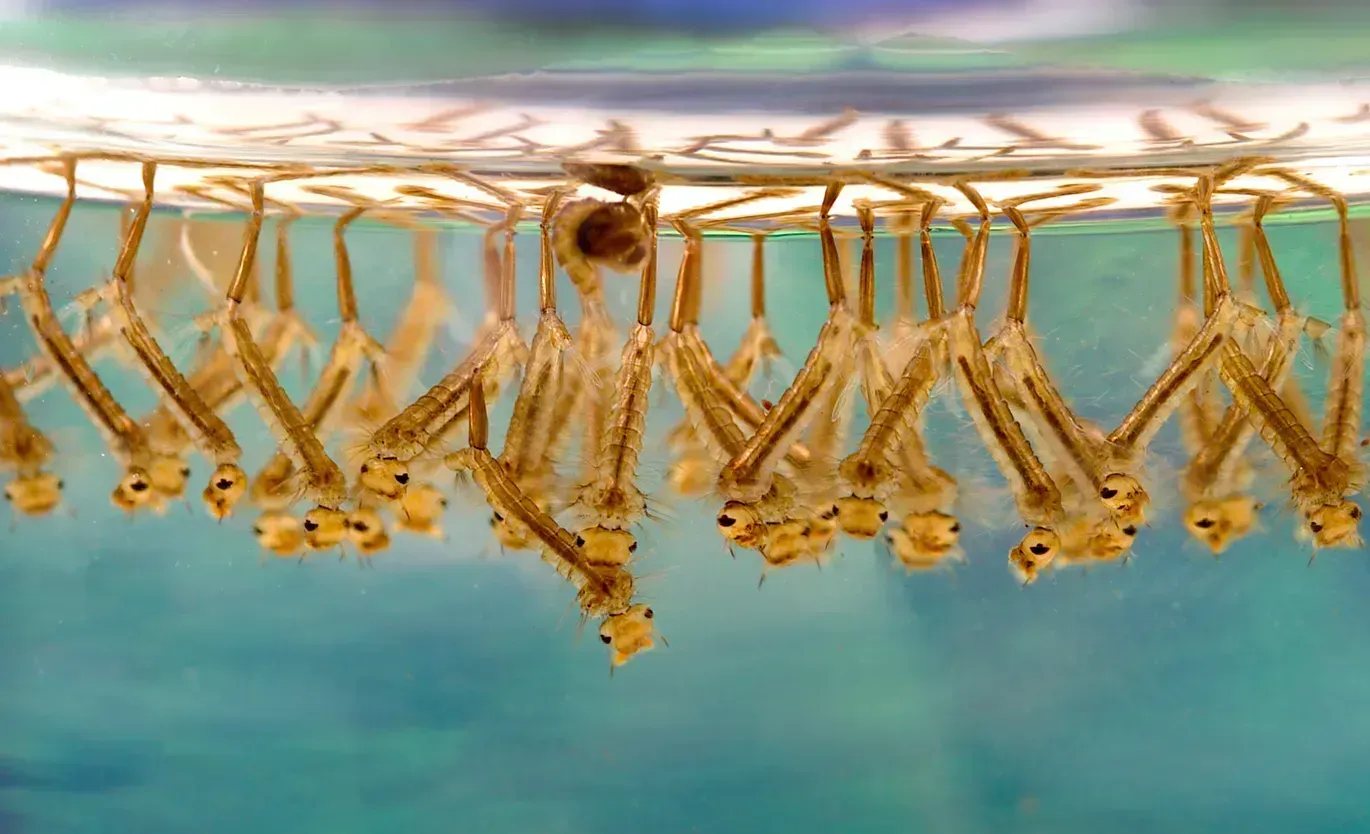
Within a couple of weeks, I spotted wriggling larvae. Standing water is exactly what mosquitoes look for, and an uncovered barrel is an easy target. The CDC notes that mosquitoes can lay eggs in containers holding even small amounts of water.
A tight lid and fine mesh screens over every opening solved it. I also checked the overflow outlet, which I’d forgotten about. Anything that lets a mosquito in will eventually be used.
Barrels Fill Faster Than You’d Guess
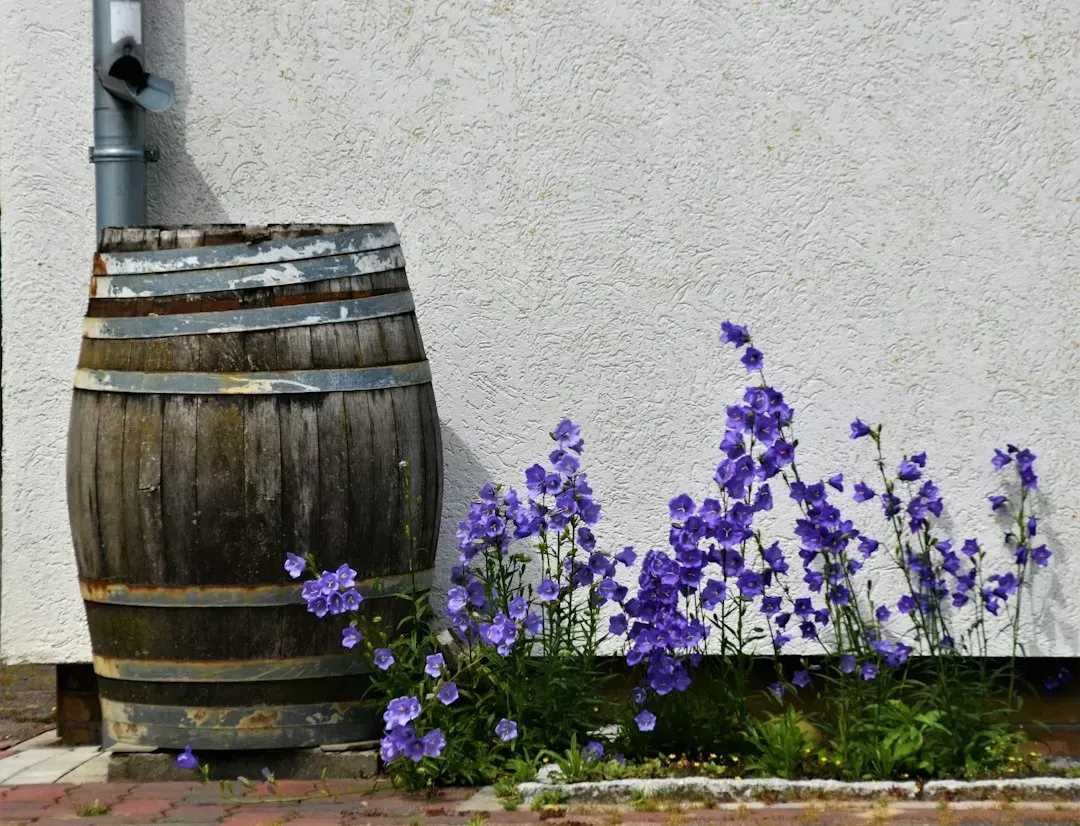
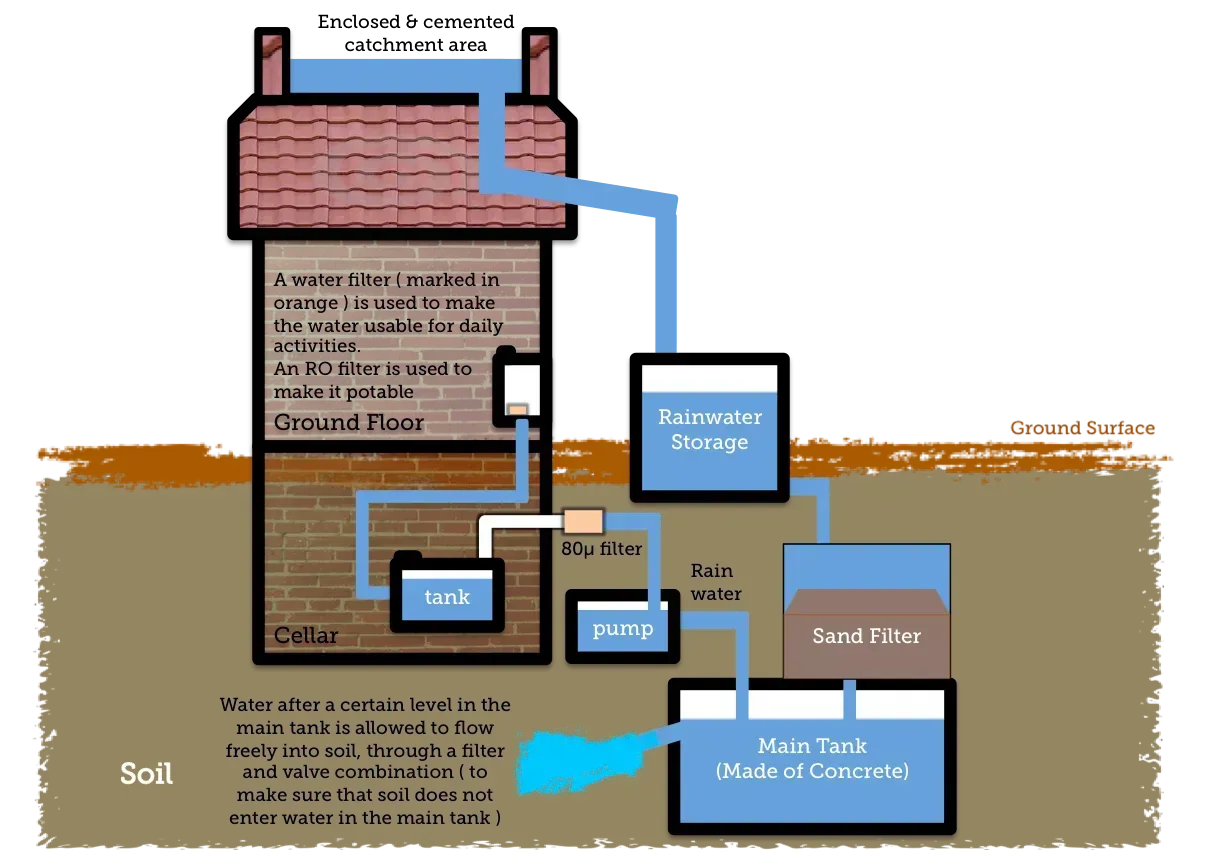
A common rule of thumb says one inch of rain on one square foot of roof yields about six tenths of a gallon of water. That means a modest roof can produce hundreds of gallons from a single storm. My fifty-five gallon barrel overflowed in under an hour.
So the real challenge wasn’t collecting water, it was storing it. I ended up connecting a second barrel and directing the overflow away from my foundation. Without that, I’d have created a puddle problem next to the house.
Local Laws Can Apply
I hadn’t thought to check regulations. In the United States, rules vary by state, and some places set limits or require specific uses for collected water. Many states have loosened restrictions over the years, but the details still differ by location.
A quick look at my state and local rules saved me from guessing. If you’re planning a setup, check with your local water authority or extension office first. It takes a few minutes and avoids headaches later.
Sunlight and Heat Affect Water Quality
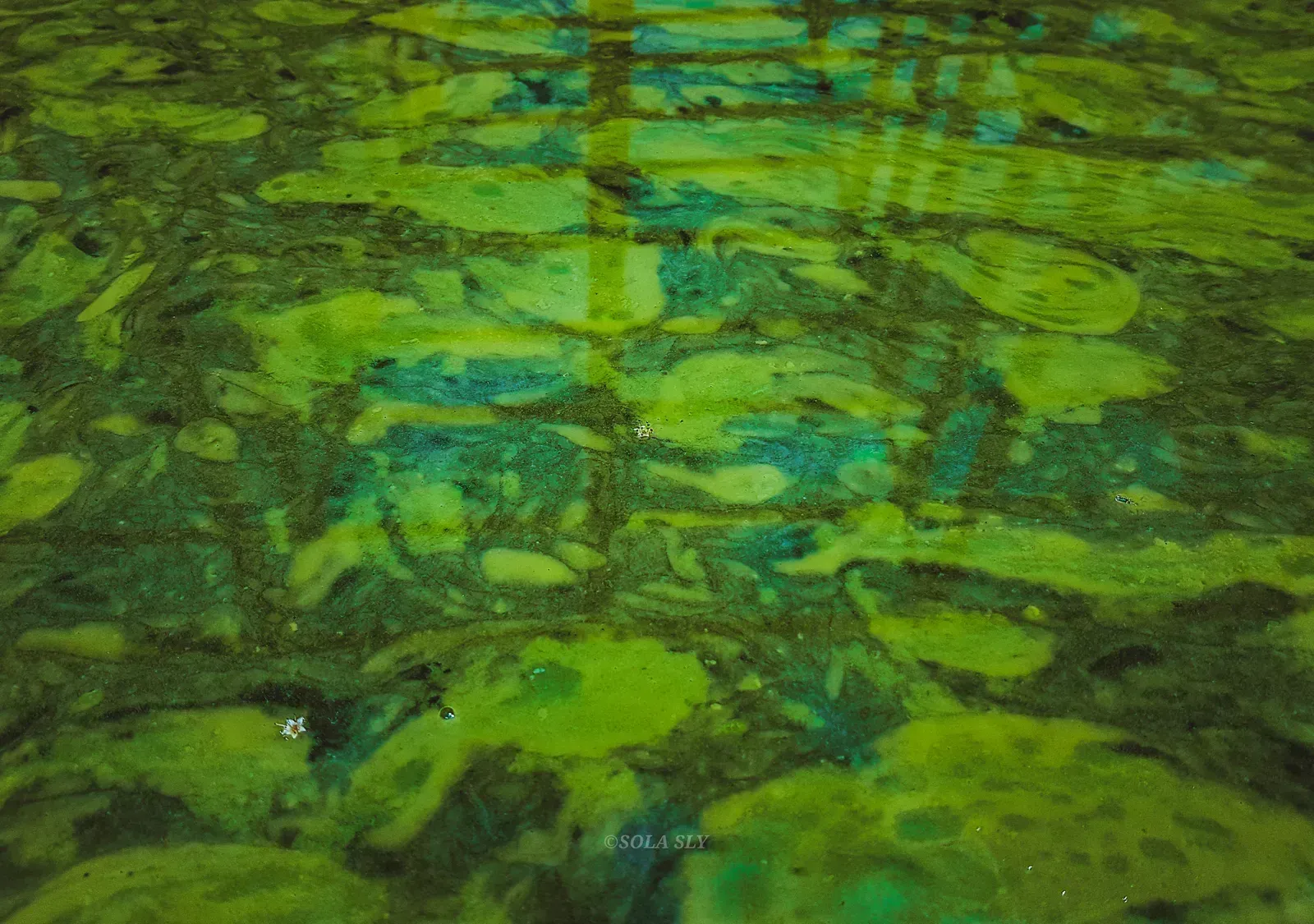
My first barrel was translucent, and algae showed up quickly. Light feeds algae growth, so opaque containers work better for storage. Warm weather speeds up the problem, and stagnant water can start to smell.
Switching to a dark, food grade barrel and placing it in partial shade helped a lot. I also learned to use the water regularly rather than letting it sit for weeks. Fresh turnover kept things much more pleasant.
Plants Respond Differently to Rainwater
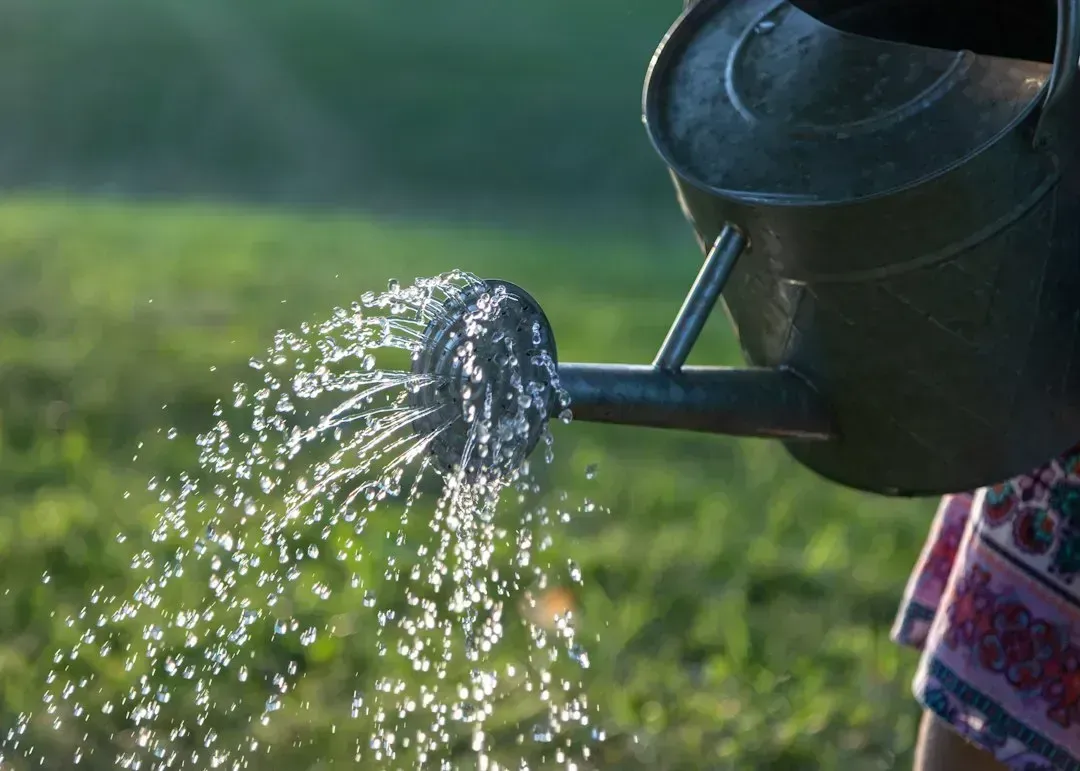
I noticed my vegetable beds seemed happier. Rainwater is naturally soft and free of the chlorine found in many municipal supplies, which some gardeners prefer for sensitive plants. Still, I kept my watering at the soil level and avoided spraying edible leaves directly.
That caution comes from the same concern about roof contaminants. Extension services generally suggest watering the soil rather than the foliage of crops you’ll eat raw. It’s a simple habit, and it let me use the barrel confidently all season.

- I Asked AI and a Waste Auditor How to Cut My Household Trash – Where They Disagreed - November 12, 2026
- Einstein’s equations suggest gravity can reconnect like the sun’s magnetic field - November 12, 2026
- This Map Shows Which States Get the Most Severe Storms Each Year – And It’s Not What You’d Expect - November 12, 2026
