

- NASA invites students to design a moon base in $1 million challenge - November 11, 2026
- Why Some People Can Feel a Storm in Their Joints, According to Experts - November 11, 2026
- 7 Foods That Taste Better on a Rainy Day, According to Chefs - November 11, 2026
Niagara Falls looks like nature at full volume, yet much of the river never goes over the edge. Engineers upstream send a large share of the water through tunnels and canals to power stations, and they change how much each hour of the day.
The reason is a mix of electricity, tourism and treaty law. Here’s how the system works, and why the “cut by half” figure is real but needs some context.
A Treaty Sets the Rules
The rules come from the 1950 Niagara River Water Diversion Treaty between the United States and Canada. It ended the limits set by the Boundary Waters Treaty of 1909 and replaced them. The new limits set what could be taken from the river for power generation.
The stated aim was scenic. The treaty was meant to protect the falls’ natural beauty and keep an “unbroken curtain of water” flowing over them. The International Niagara Board of Control monitors the treaty.
The Numbers Behind the Cut
The key figures are minimum flows over the falls. During daylight in the tourist season (April 1 to October 31), at least 100,000 cubic feet per second must go over the falls. At night and in the off season, the minimum is 50,000. That is where the “half” comes from.
The natural flow is about twice the daytime minimum. The treaty let the two countries divert up to half of the river’s roughly 200,000 cubic feet per second natural flow during daytime in the tourist season. So the overnight minimum is half of the daytime minimum, and about a quarter of the river’s natural flow.
Why Night and Winter Get Less Water
The logic is simple: fewer people are watching. The treaty allows more diversion at night in summer, and during winter, when there are even fewer tourists. Power plants can then take more water when the view matters least.
The schedule is specific. More water is diverted between 10:00 pm and 7:00 am, which fills reservoirs overnight and lets more water go over the falls during the day. From November 1 to March 31, extra water is diverted for power around the clock.
Where the Diverted Water Goes
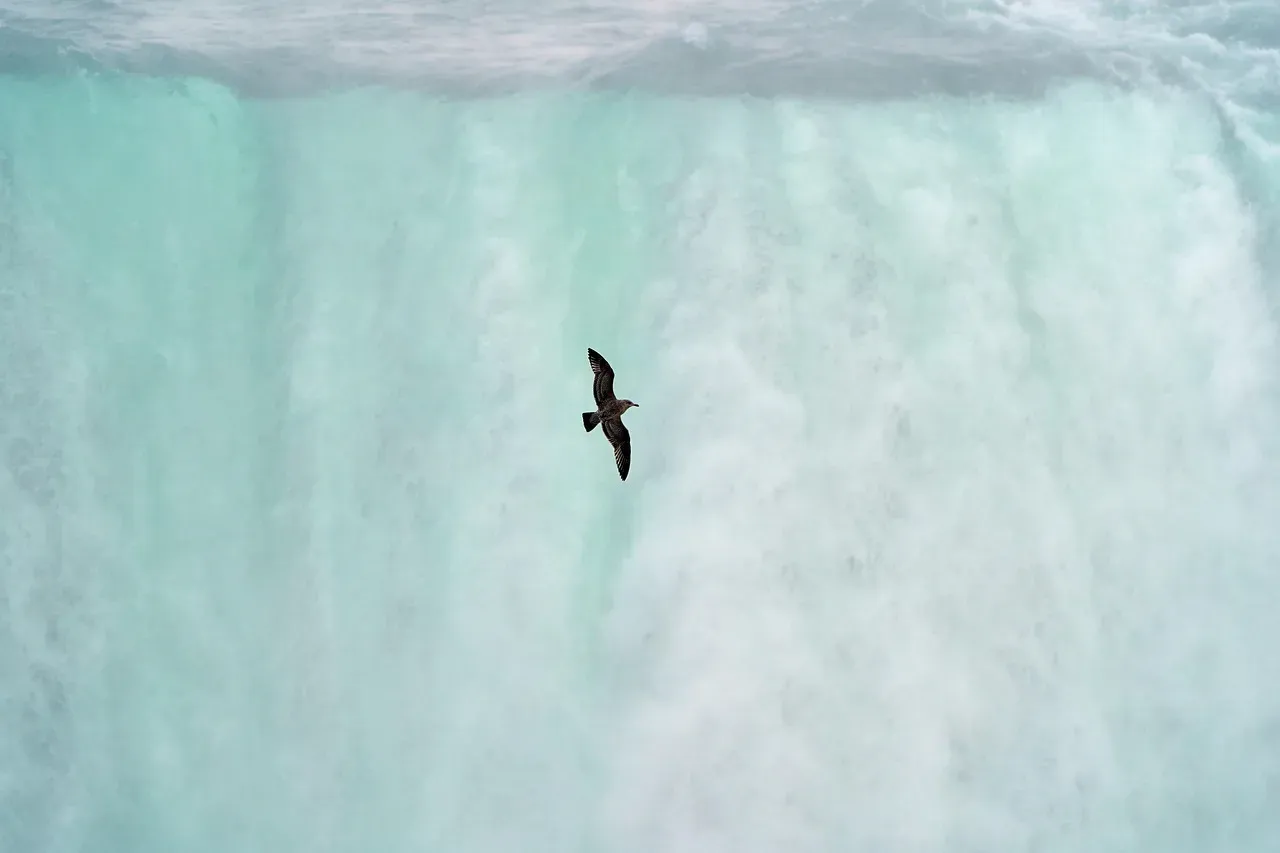
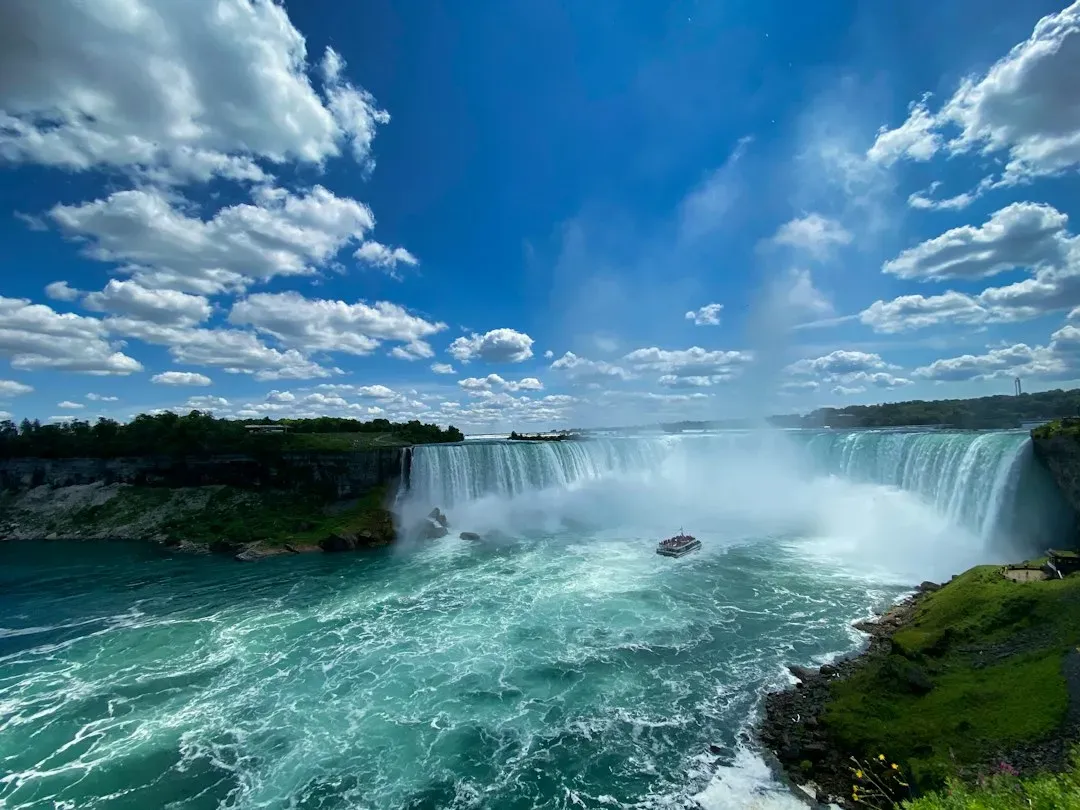
The water leaves the river above the falls and rejoins it below. On the American side, intakes feed tunnels, and three tunnels on the Canadian side run under the city of Niagara Falls, Ontario. The water drives turbines and is then returned to the lower river.
The International Control Dam helps steer this. The weir lets water from the upper river be diverted into the intakes for the American and Canadian power stations. Engineers adjust the flow using 18 gates upstream.
The Power Stations Behind the Curtain
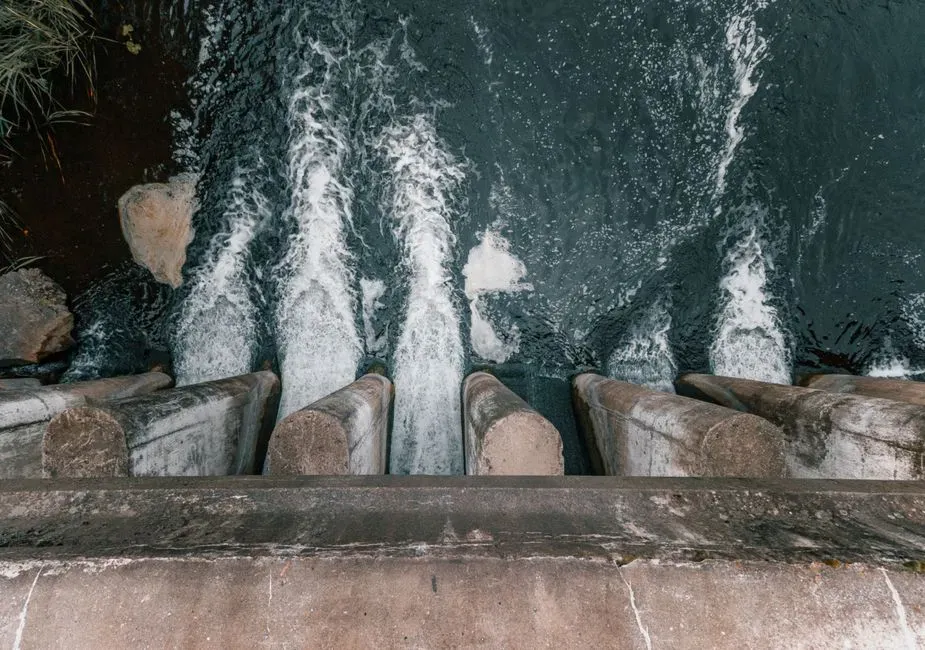
On the Canadian side, the Sir Adam Beck stations together produce up to 1,962 MW. A reservoir holds water diverted at night for use during the day. Ontario Power Generation controls the diversions and shares the water with the New York Power Authority under the treaty’s terms.
On the U.S. side, the New York Power Authority’s project sits at the end of long underground conduits. When it opened in 1961, it was the largest hydropower facility in the country. Treaty limits can also constrain output: at times of low river flow, generation is cut below capacity to maintain the minimum flow over the falls.
Is the Falls “Turned Off” at Night?
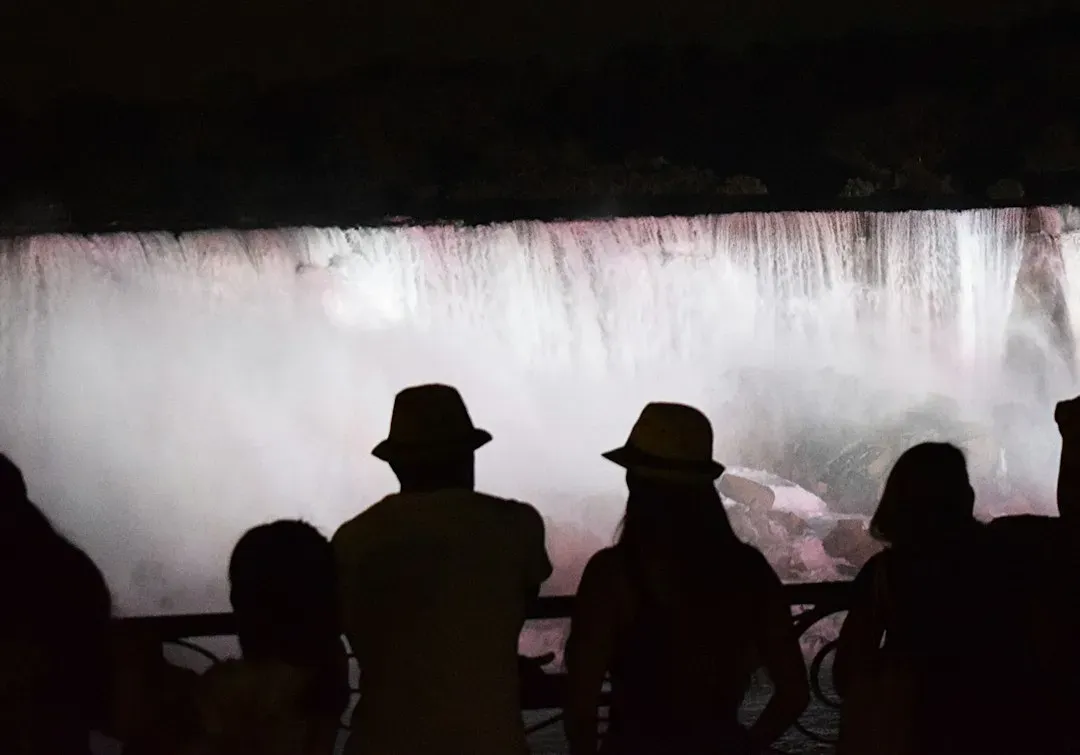
No. The falls keep flowing, only thinner. The volume is significantly reduced each night for hydroelectric generation, but the water never stops. The treaty minimum guarantees a continuous flow.
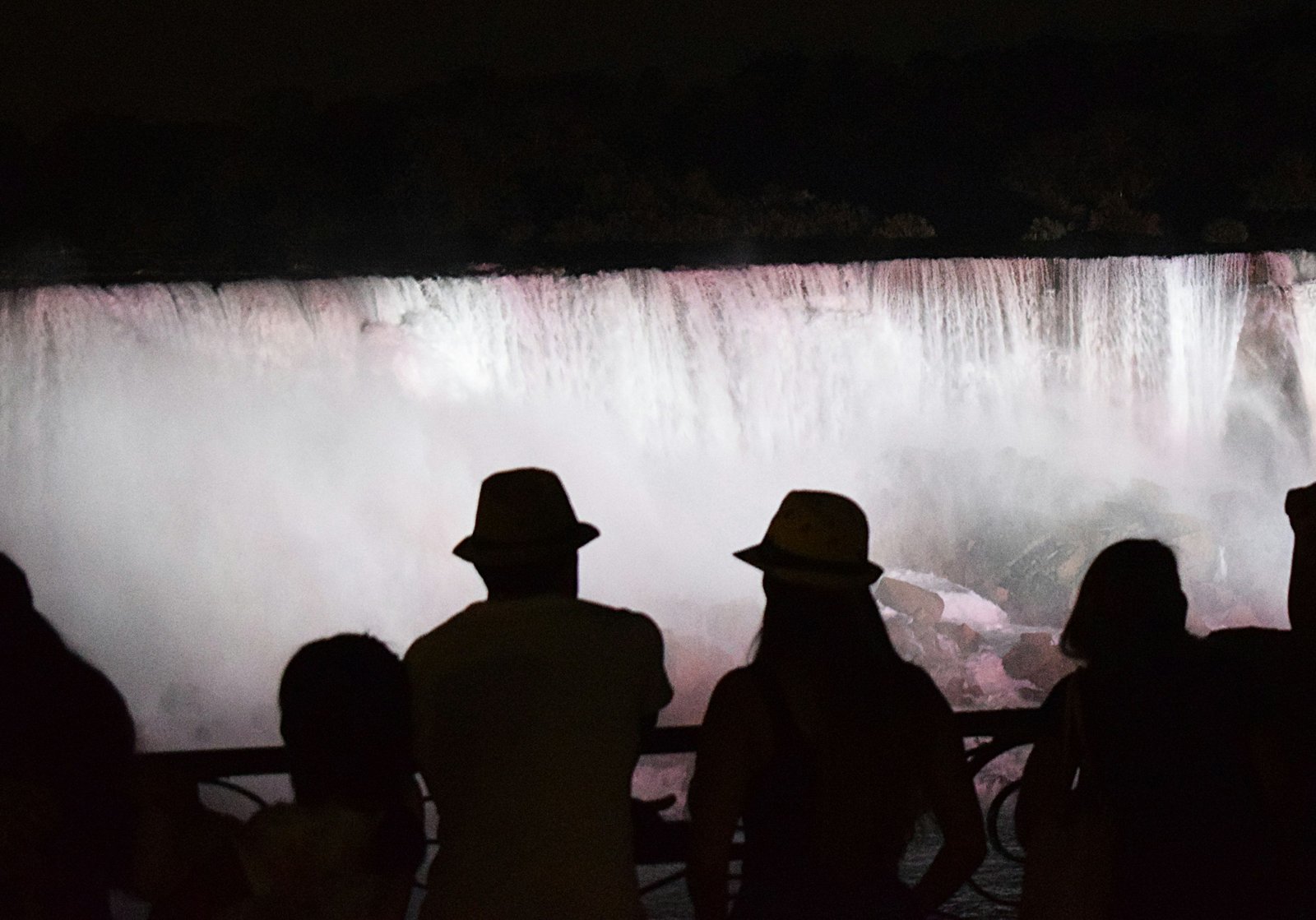
Visitors who see it at night may barely notice. The falls look somewhat thinner at 2:00 AM, but the average visitor won’t see a dramatic difference. Even the reduced flow is huge by most standards.
Shaping the Crest to Hide the Cuts
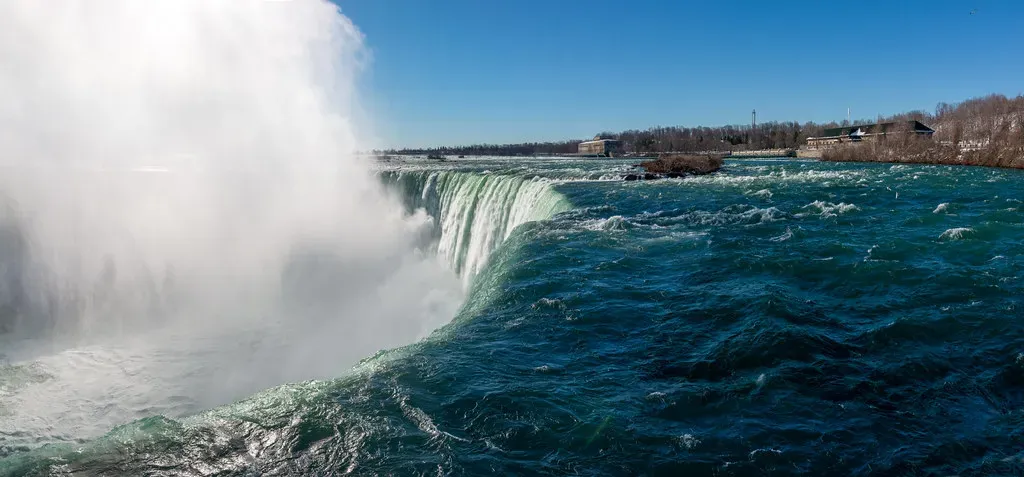
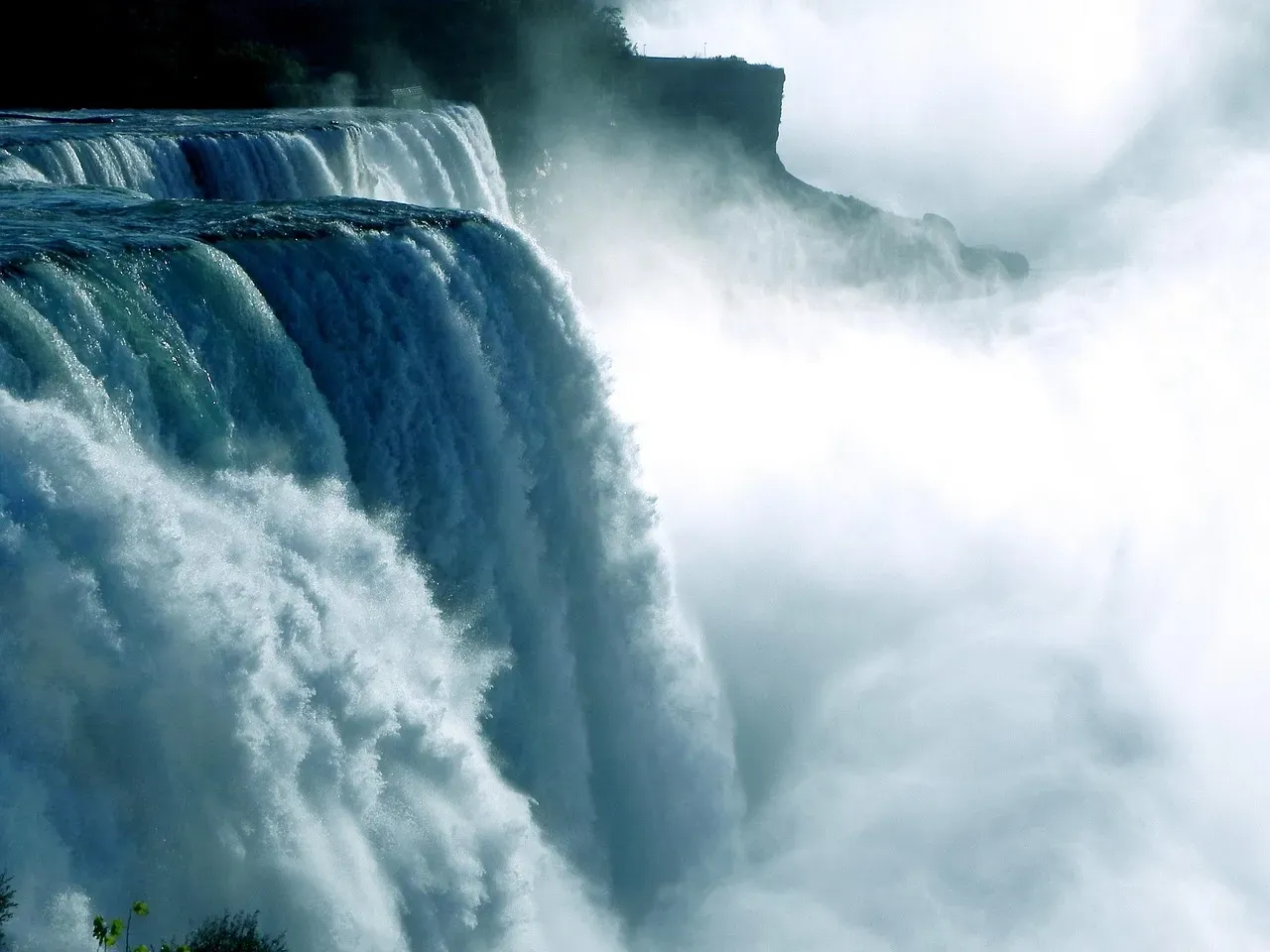
The treaty came with an engineering fix for appearances. Canadian engineers reshaped the brink of Horseshoe Falls, shrinking it by hundreds of feet to create an unbroken crestline under a thin, uniform curtain of water. The aim was to keep the impression of volume with less water.
The falls are still powerful. Horseshoe Falls is the most powerful waterfall in North America by flow rate. In summer, at least 2,800 cubic metres per second go over the falls, roughly 90 percent of it over Horseshoe Falls.
Erosion and the 1969 Experiment
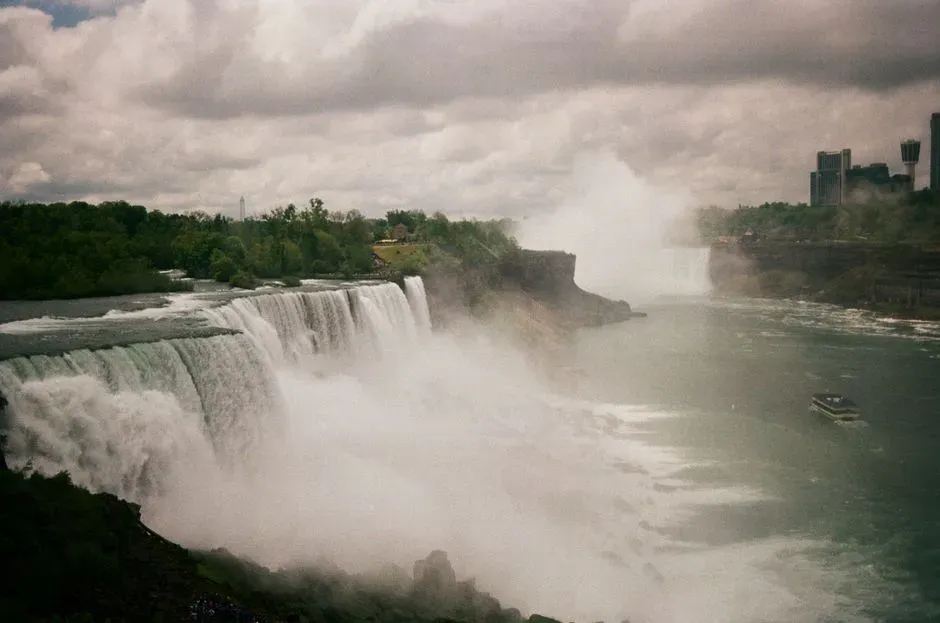
Diversion has had a side effect on the landscape. The falls have retreated about seven miles since they formed, and diversion has cut the rate of erosion by more than 85 percent. Treat that figure as an older estimate from a Smithsonian article, not a new measurement.
The American Falls have also been turned off on purpose. In 1969 they were shut off for a six-month geological study, using a temporary rock dam. The episode shows how far human control over the river extends.
Conclusion
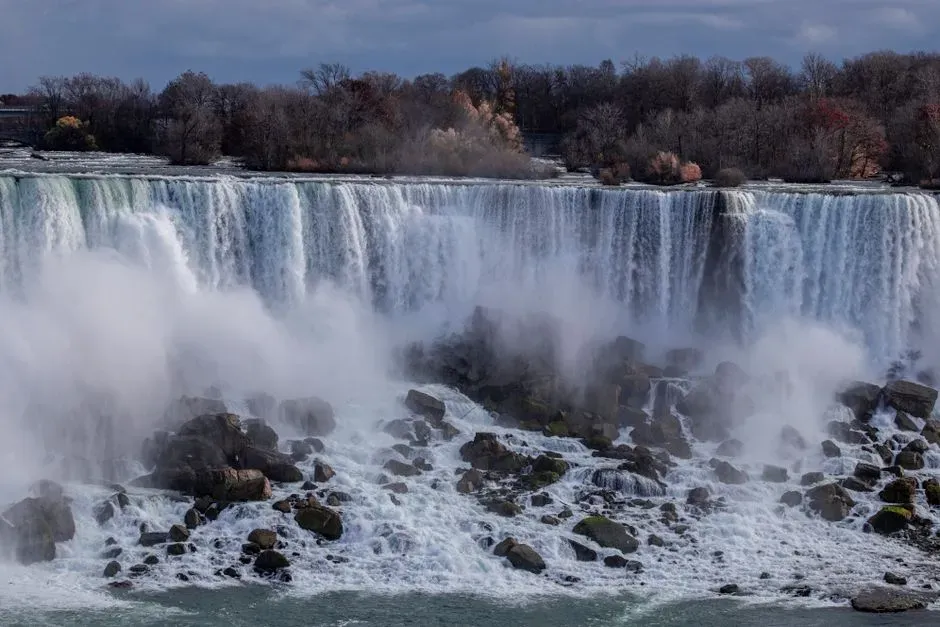
The “up to half” cut is real, though it’s best described as a drop from the 100,000 cubic feet per second daytime tourist-season minimum to the 50,000 minimum at night and in winter. Behind it are a 1950 treaty, two large hydropower systems and a long effort to balance electricity against scenery.
Niagara is part wonder and part working machine, and it’s both at once.
