


- 9 Items Experienced Skywatchers Bring Along That Beginners Always Wish They’d Packed - November 12, 2026
- I Moved to Tornado Alley in Oklahoma – 7 Things I Did Not Anticipate About Storm Season - November 12, 2026
- VR tool shows how rising seas could flood Fort Lauderdale - November 12, 2026
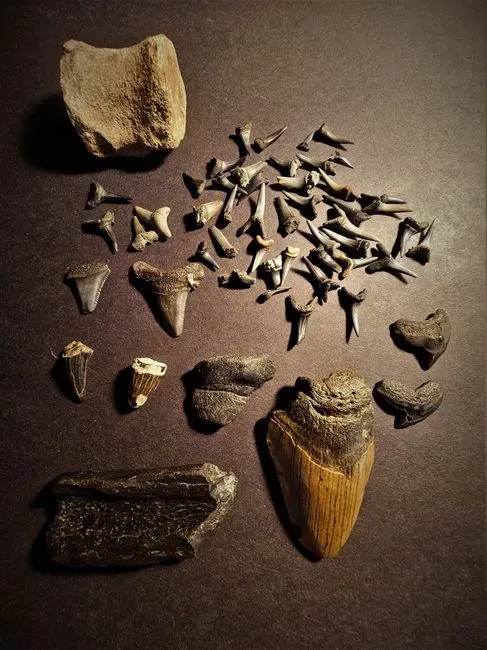
Scientists have uncovered an ancient shark “graveyard” in the middle of the Egyptian desert. Fossilized teeth from seven shark species were found in the Abu-Tartur Plateau in Egypt’s Western Desert, offering new insight into the region’s watery past.
The name sounds dramatic, but the reality is quieter and arguably more interesting. The site doesn’t record a single mass death. It records a long stretch of time in which a warm sea left its traces in the rock.
Where the Teeth Were Found
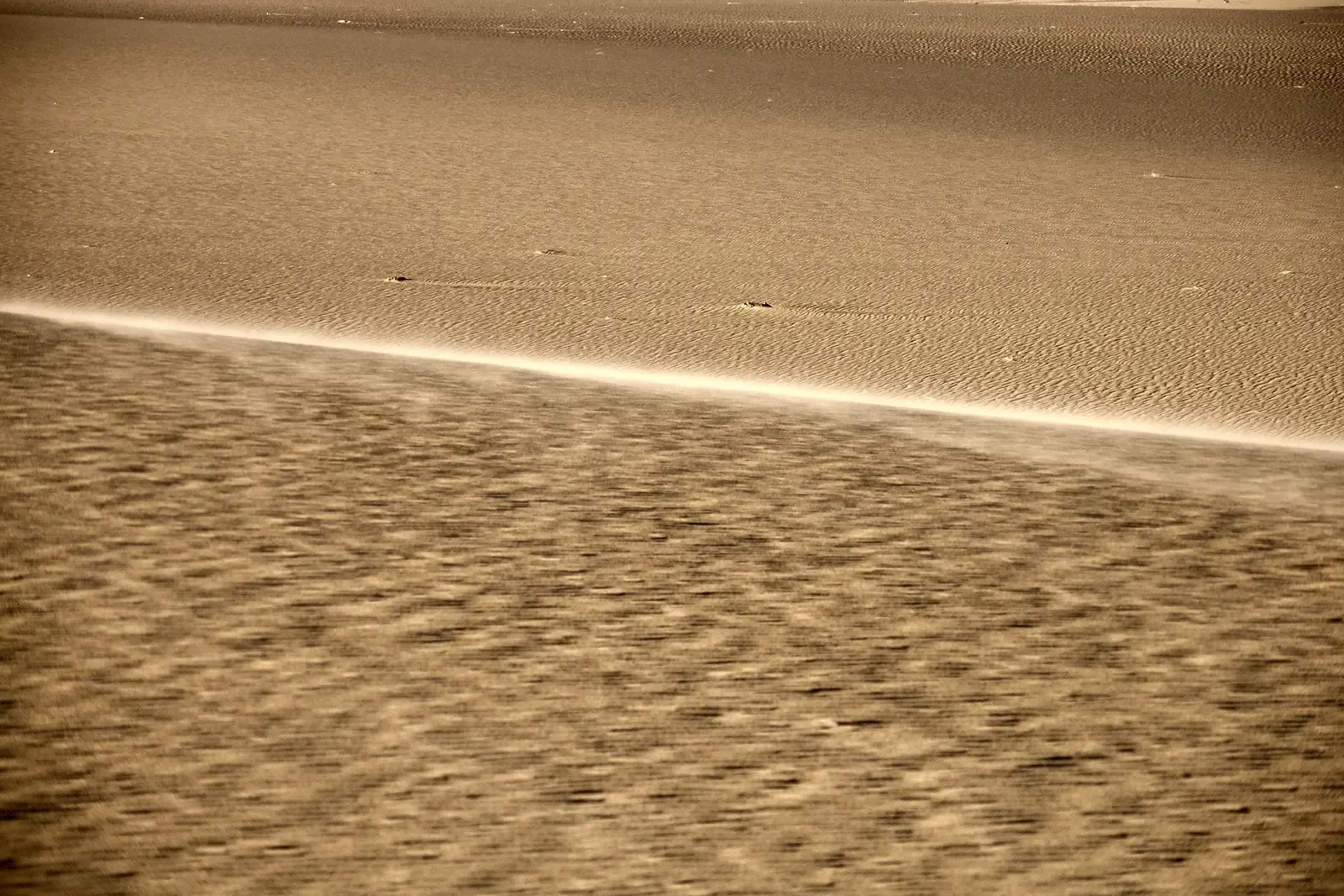
The fossils came from the Abu-Tartur Plateau in Egypt’s Western Desert, within the phosphate-rich Duwi Formation. An international group of scientists made several trips to the plateau between 2020 and 2022.
The team was led by Cairo University’s Dr. Tarek Yassin. The study appeared in the journal Cretaceous Research. One report gives the publication date as August 18, 2026.
What the Researchers Actually Recovered
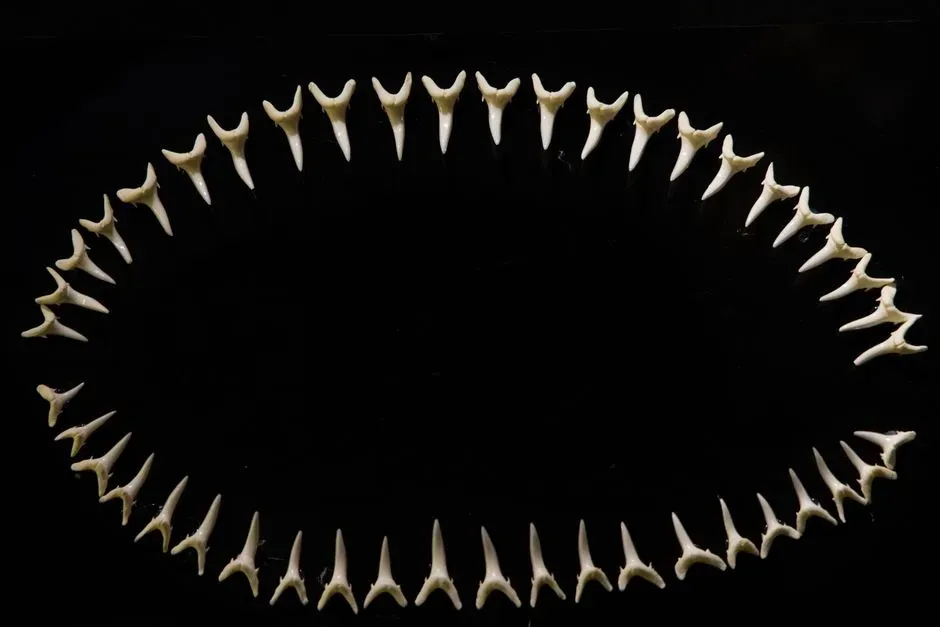
Yassin and colleagues had previously found teeth from two types of mackerel shark. The 2020 to 2022 expeditions then turned up 14 more fossilized teeth from at least five additional species. That brings the total to seven species at one location.
Yassin said that finding teeth from seven species was particularly remarkable, because they all came from the same location in the middle of an entire plateau. The evidence is teeth, not whole skeletons. Teeth are what sharks leave behind in quantity.
The Species on the List
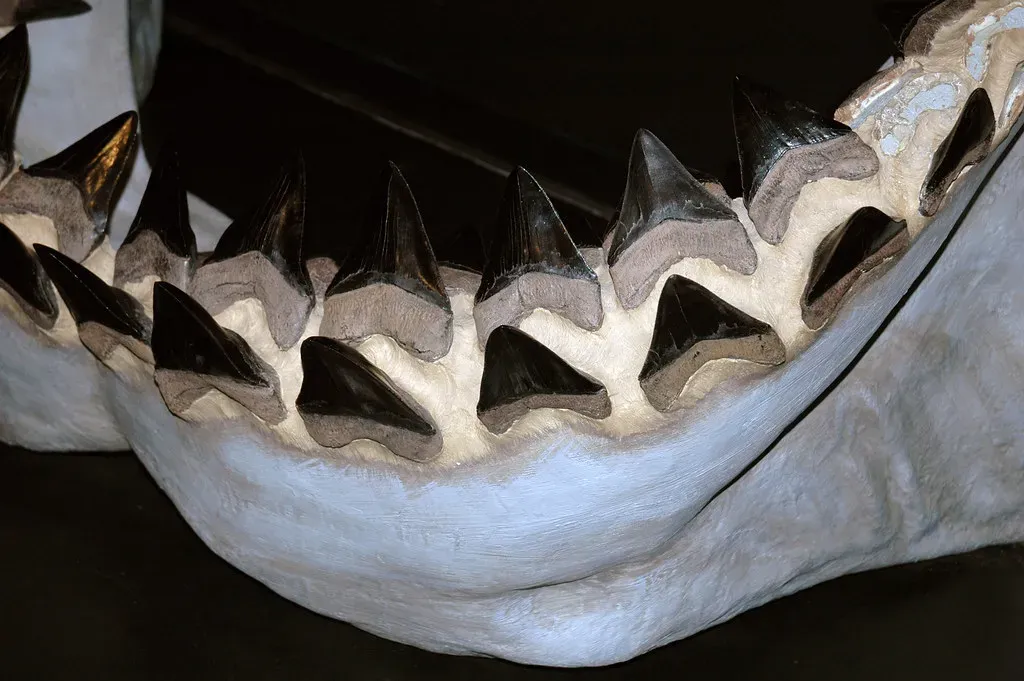
One report names the five newly identified species as Cretalamna cf. maroccana, Scapanorhynchus cf. raphiodon, Serratolamna cf. serrata, Squalicorax bassanii and Squalicorax pristodontus. The “cf.” in these names means the match is tentative. It marks a close comparison, not a certain identification.
Two of these species are new to the country. Serratolamna cf. serrata and Squalicorax bassanii are new records for Egypt. Some popular coverage describes the group as including a relative of the modern goblin shark and a crow shark. Those are an ancient relative of today’s deep-sea goblin shark and an extinct crow shark.
A Possible First for Africa
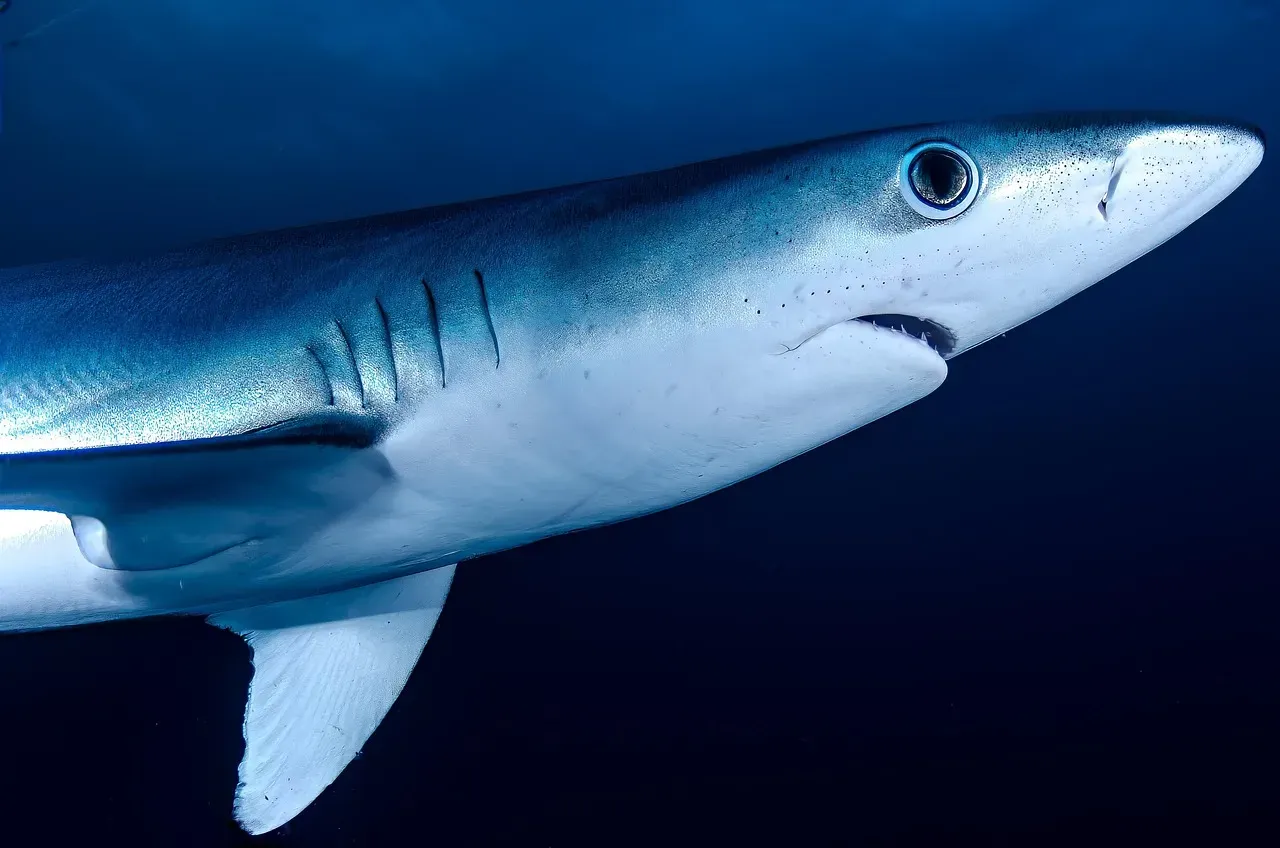
Scapanorhynchus is the standout. The researchers say Scapanorhynchus cf. raphiodon may be the first known occurrence of the species in Africa, and could be its youngest known fossil record. The wording is cautious, and it should be.
Such claims depend on how well the teeth match known material elsewhere. Those comparisons use global records of isolated shark teeth, which is standard practice because teeth are the most commonly preserved shark elements. More specimens could refine the picture.
Why It Isn’t a Mass Death Site
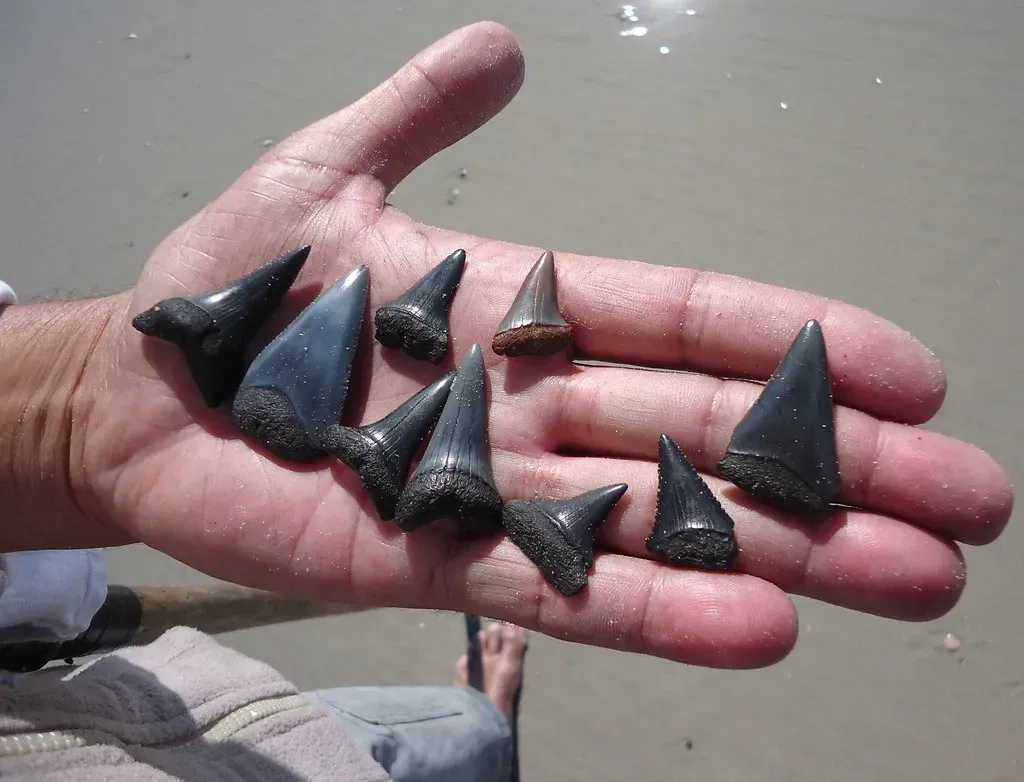
The scientists explain that the “shark graveyard” was not caused by a sudden disaster. The phrase is a media label. It doesn’t imply a single catastrophic death event.
The teeth built up slowly. Because they accumulated over such a long period, the species might not have lived in the sea at the same time. Think of a seafloor collecting shed teeth for ages, with the layers later mixing them together.
When Did This Sea Exist?
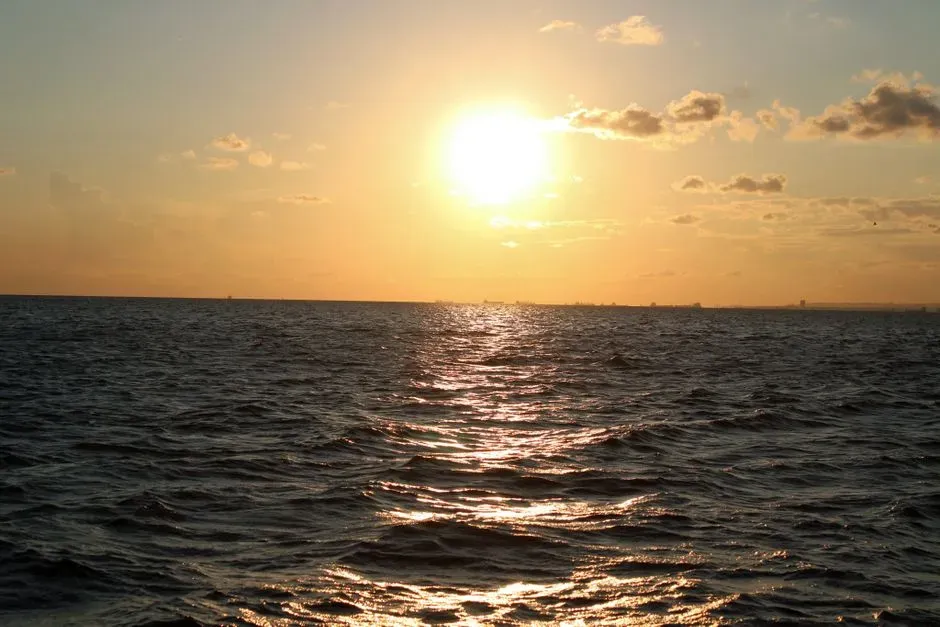
Reports differ on the age. One says the teeth date back 70 to 80 million years. Others describe a fossil assemblage of about 100 million years. I’d treat the exact figure with caution, since the sources don’t agree.
What is consistent is the period. The finds shed light on the marine food web of the Late Cretaceous, when Earth was warmer and sea levels were higher than today. Those conditions let shallow seas spread into regions that are dry now, including parts of Egypt’s desert.
What It Says About Ancient Marine Life
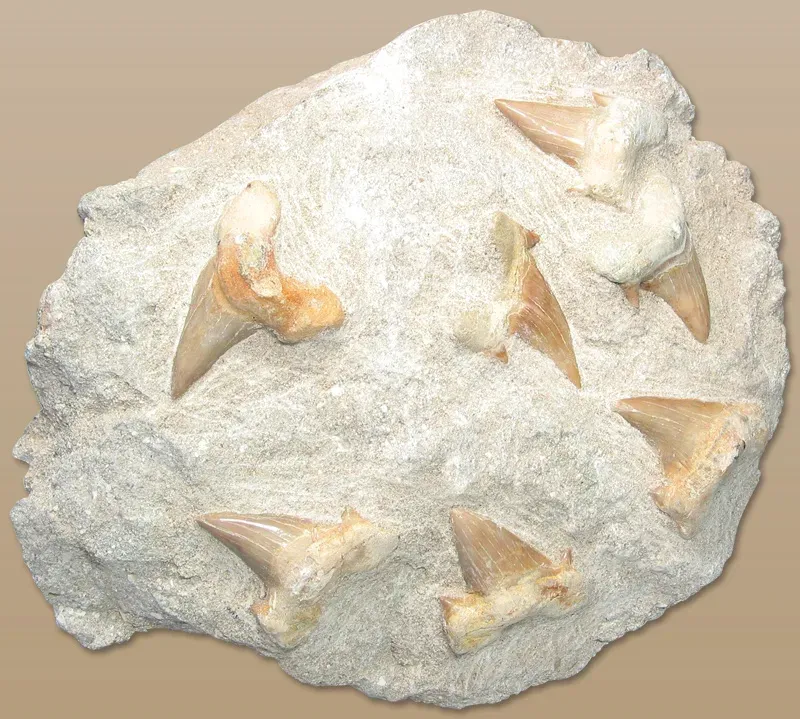
The shark variety hints at a productive ecosystem. The assemblage adds data about marine life at the end of the Cretaceous and supports an emerging picture of highly productive shelf ecosystems along the ancient northern African margin. Predators this varied usually need plenty of prey beneath them.
The rock itself fits that story. The teeth were found in dark, phosphate-rich rocks. That setting is consistent with the nutrient-rich sea described in the research summaries.
What Comes Next
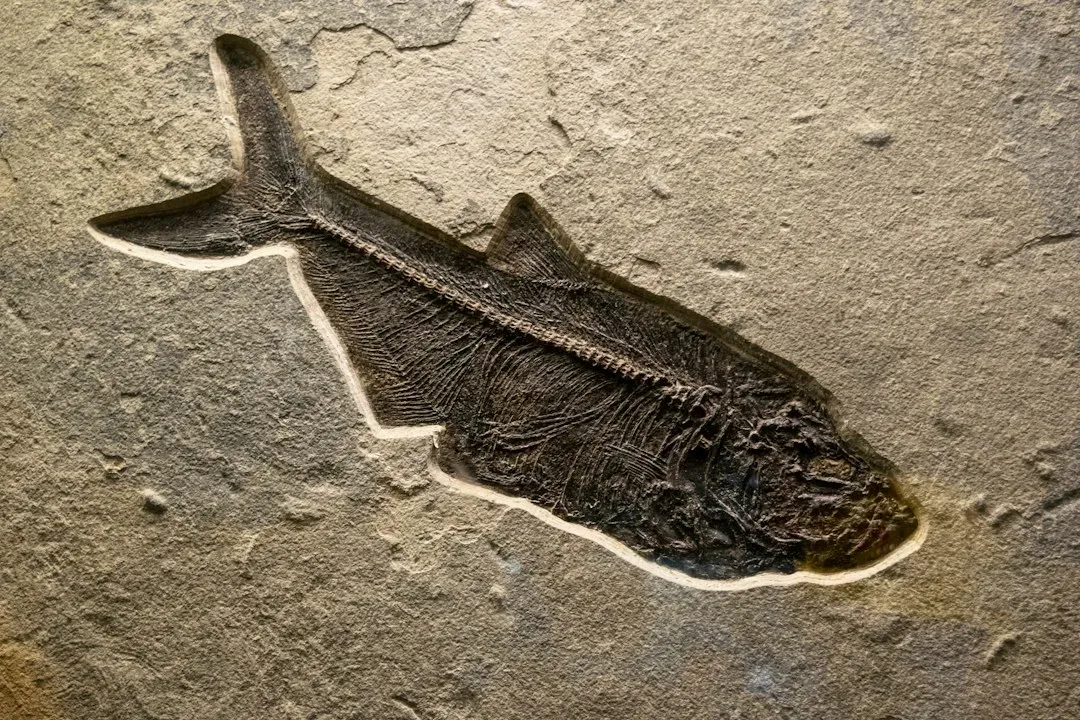
Scientists are continuing to explore the plateau and surrounding areas for more fossils and a better view of the ecosystem that once thrived there. Continued work in the Duwi Formation could also clarify how shark species were distributed across ancient seas in Egypt and elsewhere in Africa.
For now, the find is a modest but real addition to a thinly documented record. It gives paleontologists more evidence for tracking where ancient species lived and how marine habitats shifted over time.
Conclusion
The Abu-Tartur teeth show that a landscape of sand and heat was once a sea with many kinds of sharks. The “graveyard” is really a slow archive, built up over a long span of time. Some details, including the exact age and the Scapanorhynchus identification, remain open to refinement.
Deserts can look permanent. This one holds a reminder that coastlines move, and the rock keeps a record of where they were.
