

Smart thermostats come with a big promise. Put one on the wall, and your heating bill supposedly shrinks while you do nothing. I wanted to know how much of that holds up once you look past the packaging.
The research is more modest than the marketing, and also more useful. Here are the six findings that mattered most.
The Independent Average Is Modest
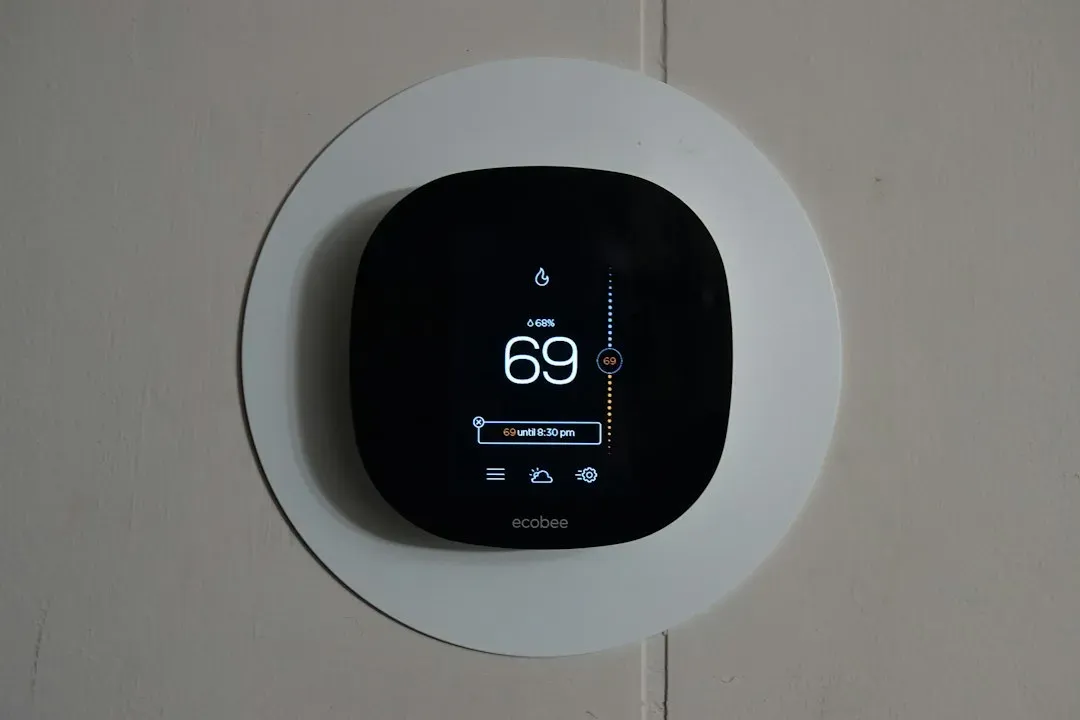
The most widely cited figure comes from the EPA. It found that a smart thermostat meeting Energy Star standards can reduce a user’s annual heating and cooling costs by about 8%. That is a real saving, though not a dramatic one.
In dollar terms, that translates to an average of $50 in annual savings for the typical homeowner. So a smart thermostat is more of a slow payback than a bill slasher for many households.
Manufacturer Claims Run Higher
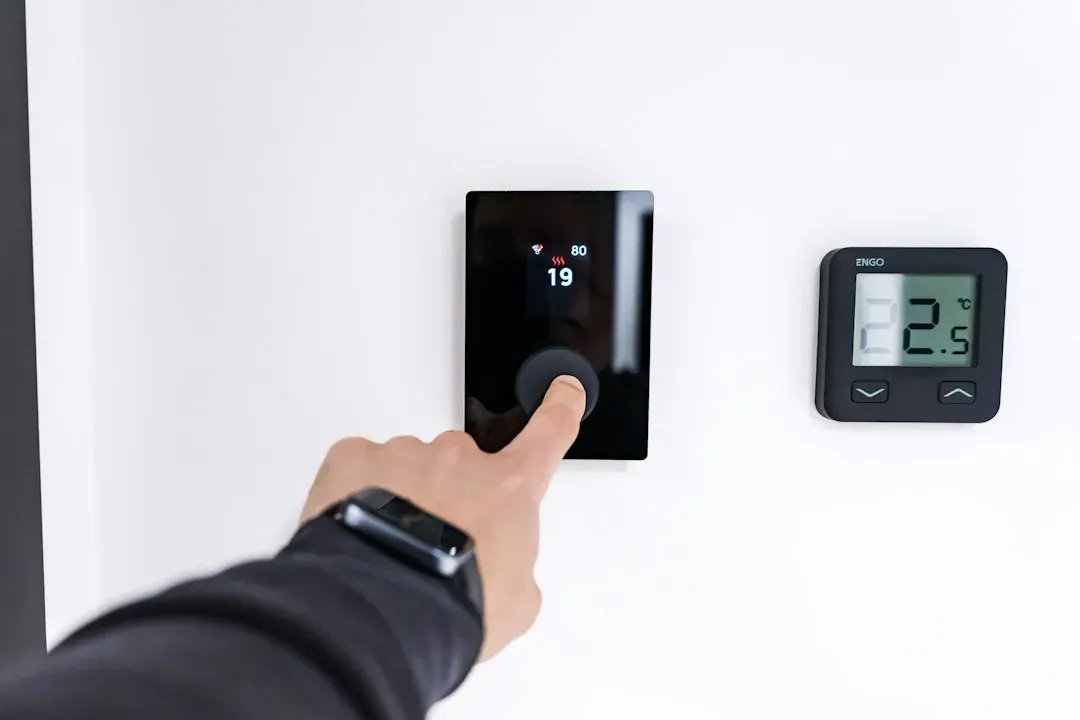
Brands tend to publish bigger numbers. Google Nest says its users save around 10% to 12% on heating and about 15% on cooling, with estimated average annual savings of roughly $131 to $145. Another example is an ecobee analysis showing customers saved up to 26% on their heating and cooling costs.
These figures aren’t necessarily wrong, but they come from the companies’ own studies. Higher figures reported by individual manufacturers are their own study results, not EPA-verified. It’s worth treating them as best-case examples.
Certification Sets a Floor
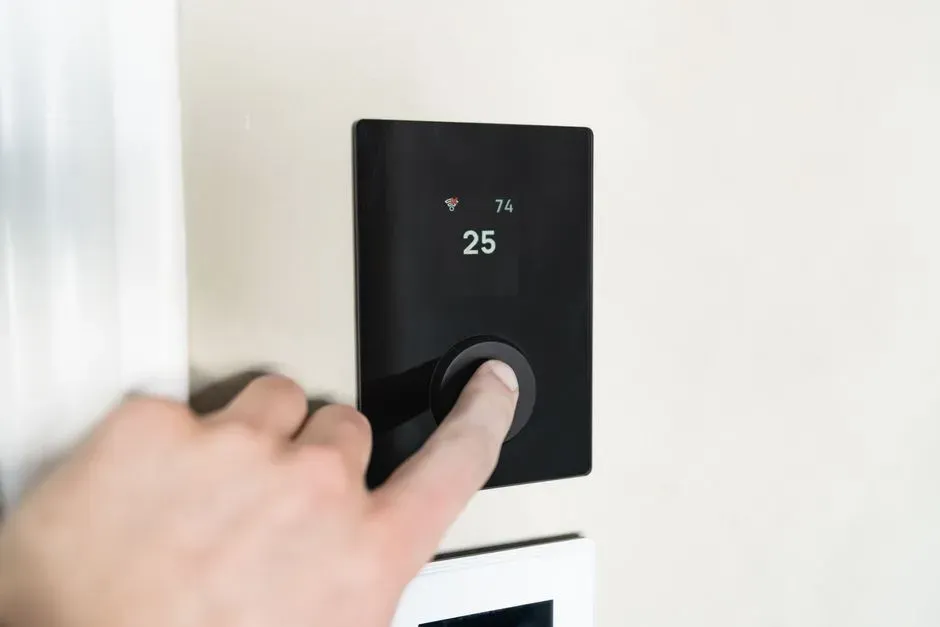
Energy Star certification gives you a baseline you can check. The ENERGY STAR Connected Thermostat v2.0 spec requires certified models to demonstrate a minimum of 8% heating savings and 10% cooling savings through third-party field data. That is a useful screen when you’re comparing models.
The data also has to be realistic. According to one 2026 overview, the data must come from real residential installations, not lab tests, and cover at least one full heating and one full cooling season.
Setbacks Do Much of the Work
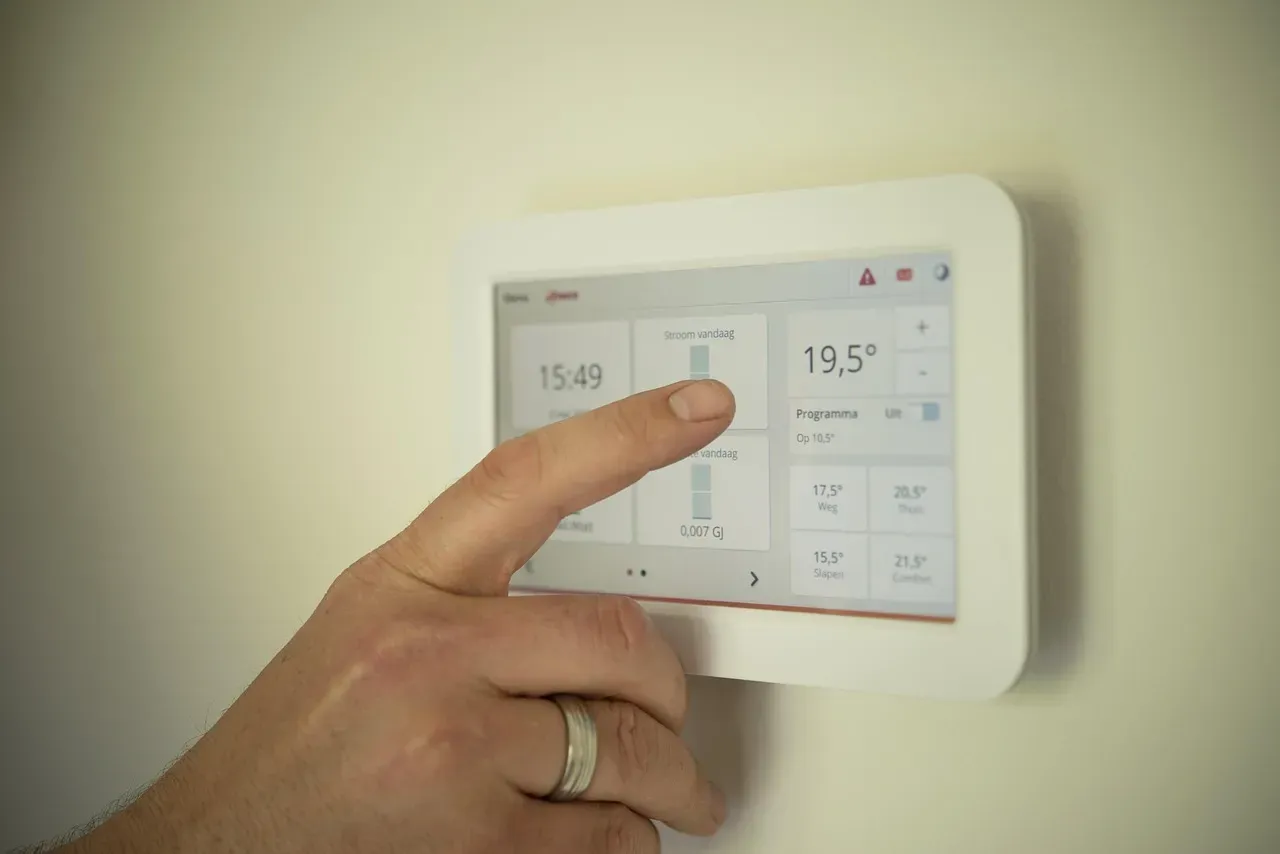
Much of the saving comes from a simple habit: turning the heat down when nobody needs it. The Department of Energy says setting your thermostat back 7 to 10 degrees for eight hours a day can save up to 10% a year on heating and cooling. You can do that with any thermostat, if you remember.
That’s where smart models earn their keep. They can save money, especially when they automate setbacks, occupancy control, and away periods. The device does the remembering for you.
Your Home and Habits Change the Result
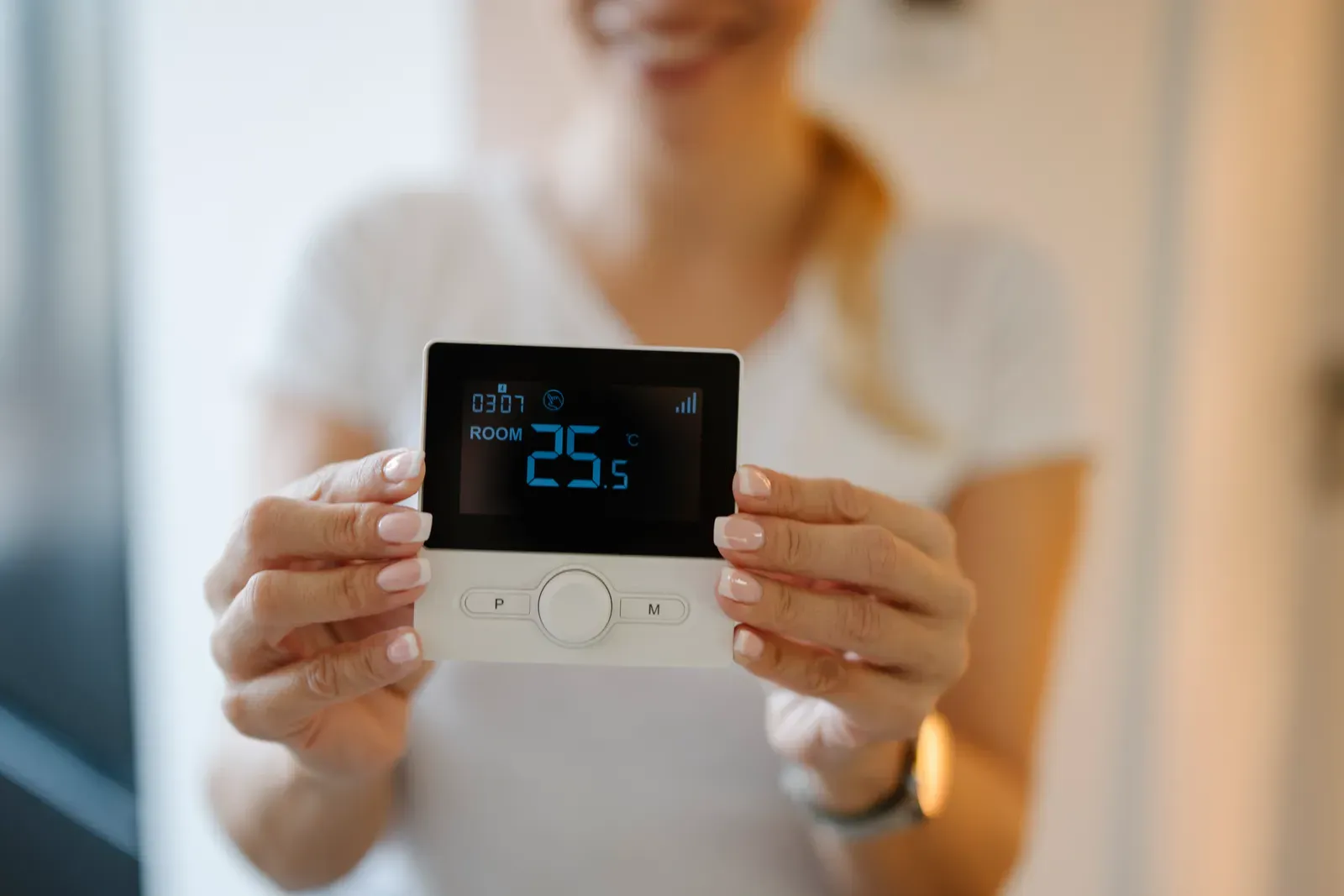
Savings aren’t the same for everyone. Actual per-home savings vary widely by climate, HVAC system, and prior thermostat usage. Someone who already keeps the heat low at night gains less than someone who leaves it at one temperature all day.
Engagement matters too. A National Renewable Energy Laboratory modeling study of home energy management systems found the highest predicted savings went to occupants who weren’t energy conscious beforehand but were highly engaged with the controls afterward. The smart thermostat accounted for most of the savings in that setup.
A Thermostat Can’t Fix Everything
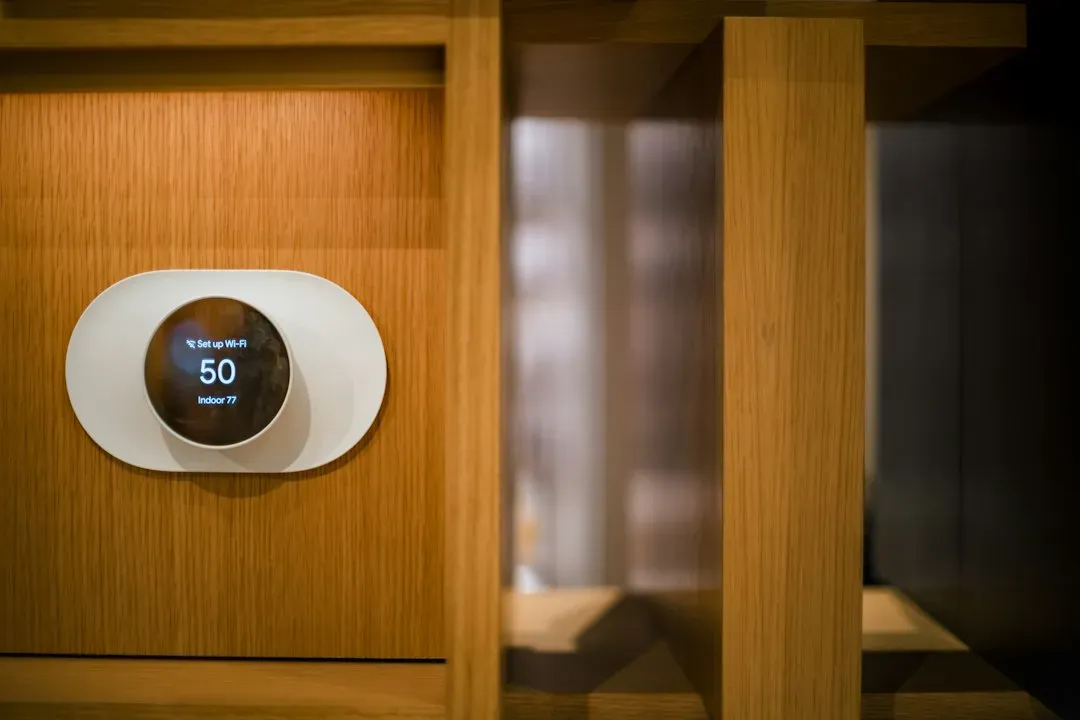
A smart thermostat isn’t a cure for a leaky house. One 2026 analysis notes that many homeowners buy one expecting magic while ignoring duct issues, bad schedules, comfort overrides, or system problems. If heat escapes through poor insulation, a clever schedule only goes so far.
Compatibility counts as well. Check that the model works with your heating system, and consider professional installation if you’re unsure. If users don’t use a thermostat’s tools, or use them incorrectly, the thermostat will fail at saving energy. The same logic applies here: a smart device only pays off when it’s set up and used properly.

- Blue whales vanish from the Galápagos, and scientists suspect El Niño - November 11, 2026
- 8 Famous Battles That Were Decided by the Weather - November 11, 2026
- Black Sunday 1935: 9 Photos From the Worst Dust Storm of the Dust Bowl Era - November 11, 2026
