

- 9 Items Experienced Skywatchers Bring Along That Beginners Always Wish They’d Packed - November 12, 2026
- I Moved to Tornado Alley in Oklahoma – 7 Things I Did Not Anticipate About Storm Season - November 12, 2026
- VR tool shows how rising seas could flood Fort Lauderdale - November 12, 2026
You don’t need a big tube on a tripod to enjoy these four planets. Mercury and Mars are naked-eye objects, Uranus is a borderline naked-eye target, and Neptune only needs a decent pair of binoculars. The real tools are a clear horizon, a little timing, and some patience.
October 2026 is a good month to try, so this guide uses what’s in the sky right now. Details shift slightly depending on your latitude, so treat the times as a starting point and check a local planner before you head out.
Why Binoculars Beat a Telescope for This Job
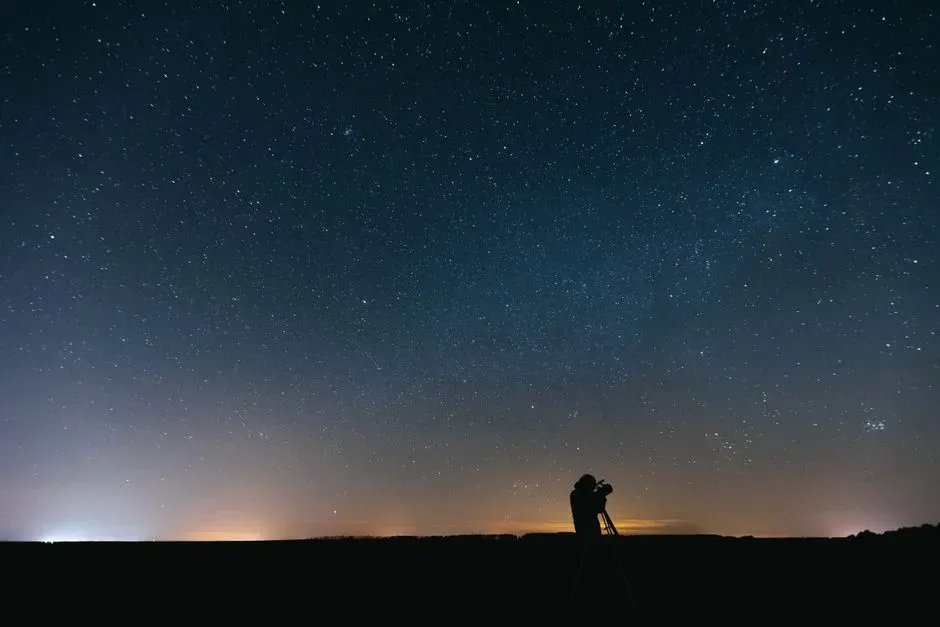
A telescope’s narrow field makes faint, dim planets hard to find. Binoculars show a wide patch of sky, which lets you match star patterns against a chart. For Neptune, the magnitude is about 7.7, which is challenging but within range of 7×50 binoculars.
Planet-hunting apps and printable finder charts do the rest. For Uranus and Neptune, one guide notes you will need a detailed finder chart, a pair of binoculars, or a telescope. In practice, a chart plus binoculars is the lighter-weight option.
Mercury: Hard, but Not Impossible Right Now
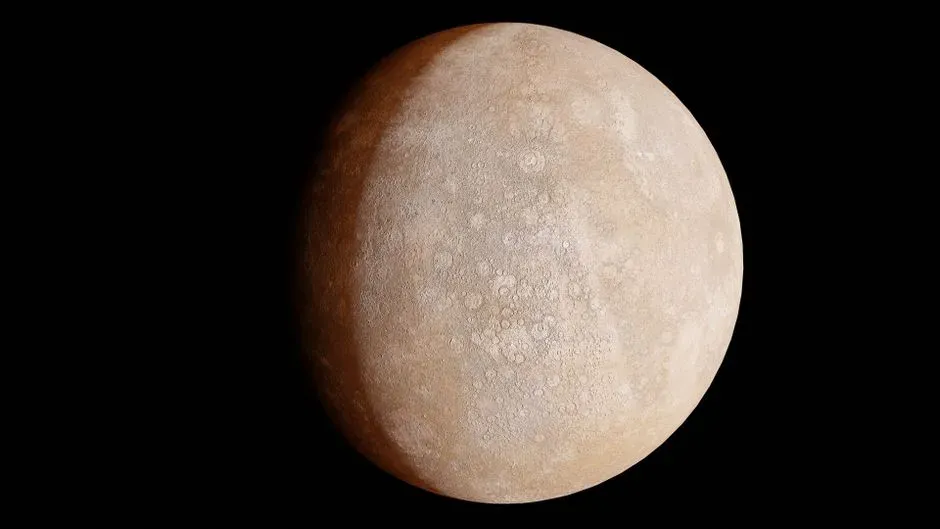
Mercury is famously elusive. One planet guide calls it the toughest of the five naked eye planets to find in the night sky. This month it’s an evening target, and Mercury reaches its greatest eastern elongation on October 12, which is today.
Mercury is a tricky target for observers in the Northern Hemisphere. Manitoba’s museum notes that the angle of the evening planets’ orbits nearly mirrors our horizon in the fall, so it hugs the skyline. Star Walk adds that Mercury and Venus are visible after sunset mainly from the Southern Hemisphere. If you’re in the north, you’ll need luck. If you’re in the south, your odds are much better.
How to Actually Catch Mercury
Start with the horizon. Look west or southwest, and pick a spot without buildings or trees in the way. Guides suggest beginning about 30 to 45 minutes after sunset. Look for a steady, semi-bright point shining through the twilight.
Binoculars can help, but be careful. Stop using them before the Sun rises if you’re ever trying a morning view. The window is closing too. Mercury disappears as it heads toward superior conjunction after the first two weeks of October. Another evening or morning window will come later, so don’t be discouraged if clouds win this round.
Mars: The Easy Reddish Dot Before Dawn
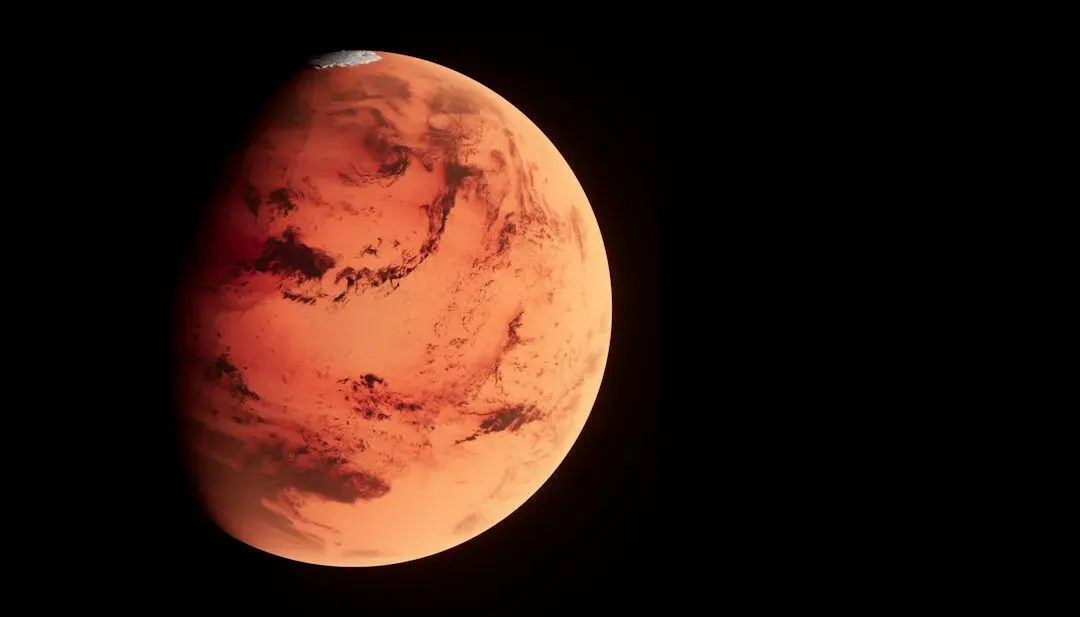
Mars is the most rewarding of the four right now, if you can get up early. It rises just after midnight in the first half of the month and reaches its highest point as twilight approaches. Look to the east or south-southeast before sunrise, where it sits in Leo.
Its colour helps. One guide describes it as visible above Jupiter with a reddish hue. Mars is also on the way up in brightness. It’s slowly building toward its January 2027 opposition, so every week this autumn gets a little better.
Mars and the Beehive Cluster
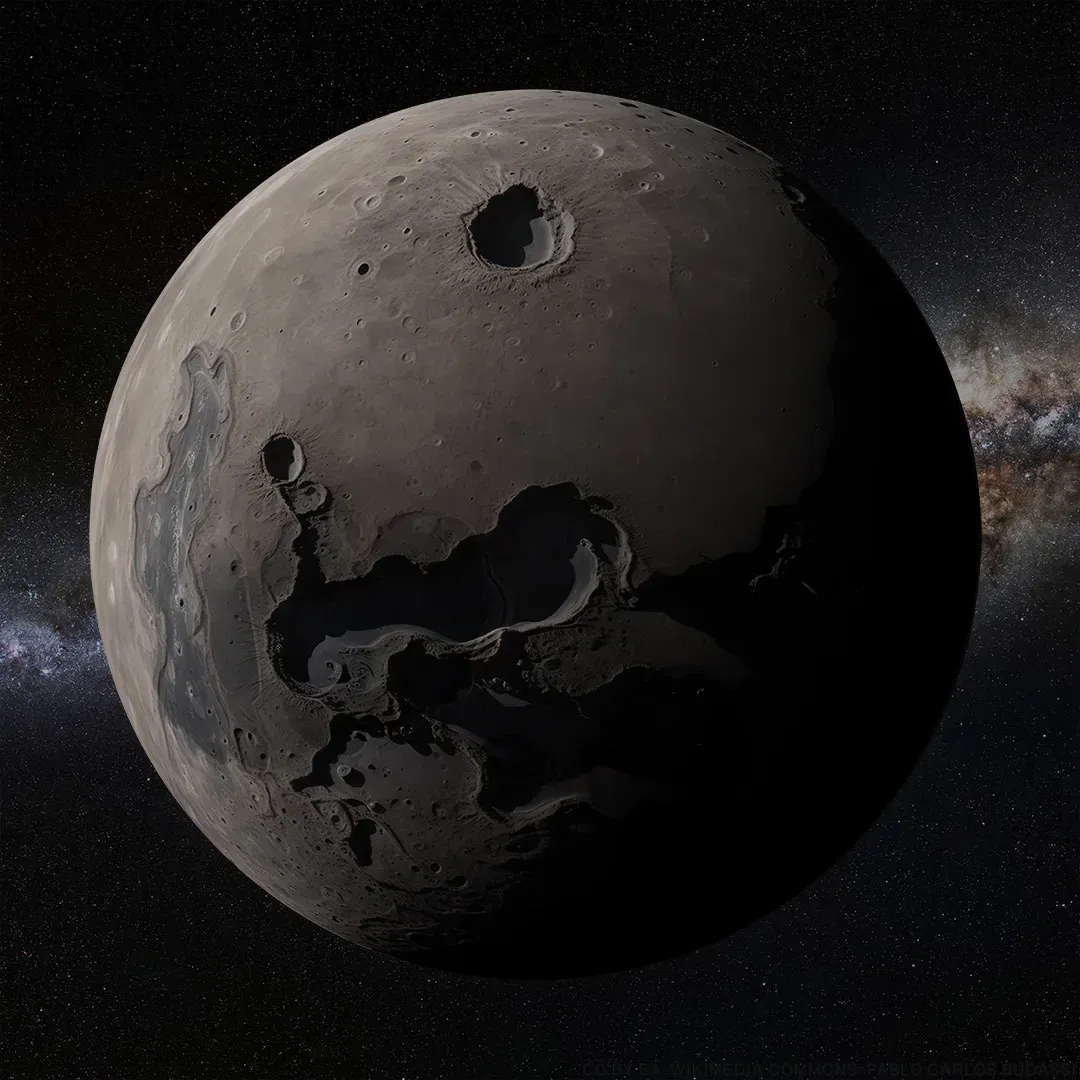
This month Mars has a special companion. Mars will spend much of October near the Beehive Cluster (M44), passing through the star cluster on the 11th. Astronomy magazine calls the encounter a magnificent transit of the Beehive Cluster.
The Beehive is faint to the naked eye, so binoculars are the right choice here. Even after the closest pass, you can keep watching Mars drift away from the cluster over the following mornings. The movement is easy to see if you sketch or photograph the field from one morning to the next.
Uranus: A Naked-Eye Challenge Under Dark Skies
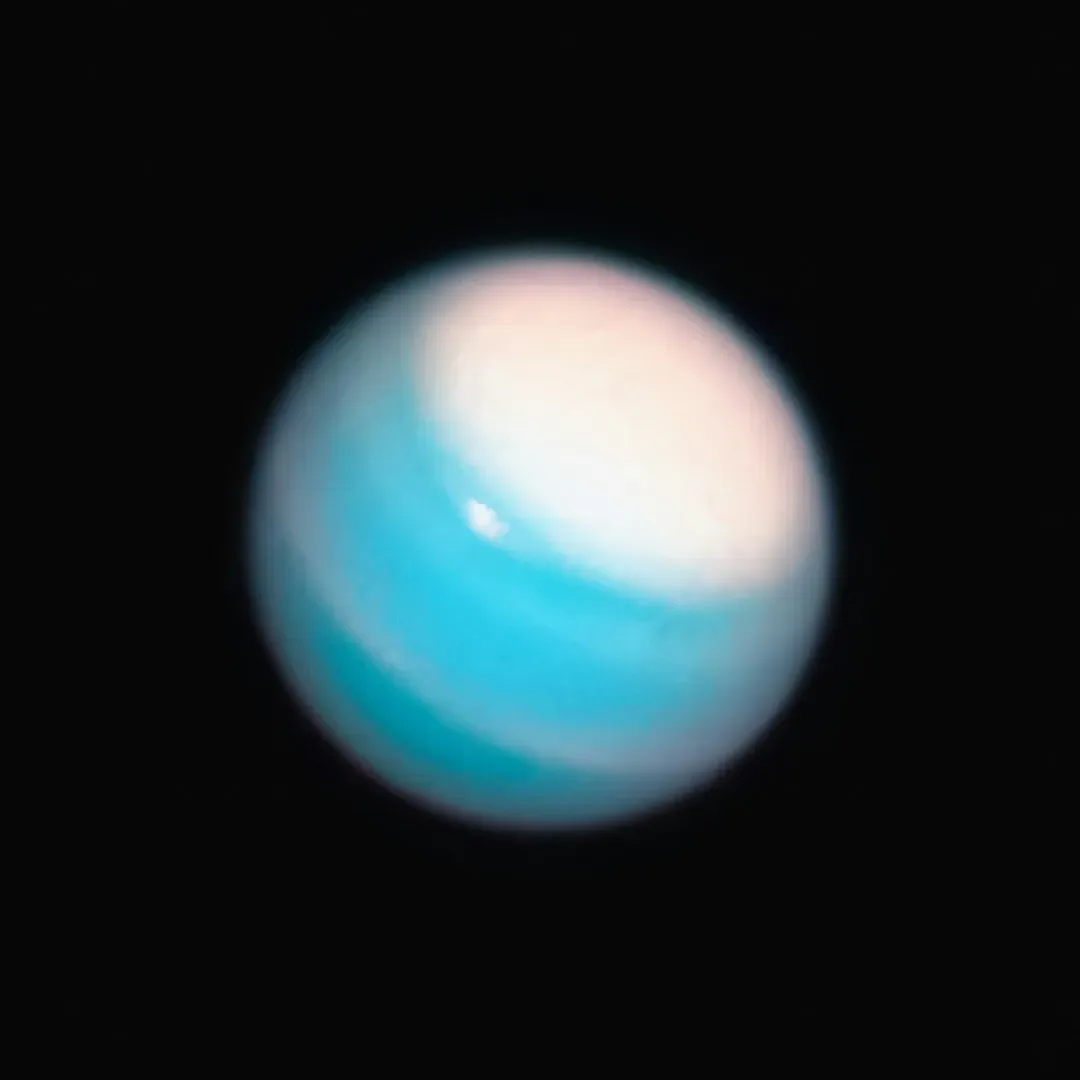
Uranus is technically visible without optics. The Manitoba Museum says it’s bright enough to be seen with the unaided eye from a dark location, but most people will need at least binoculars. Light pollution is the main obstacle, so go somewhere dark if you can.
Timing is on your side this month. Uranus reaches opposition on October 28, its brightest night of the year, according to Farmers’ Almanac. Another guide says it’s south in Taurus, visible all night long by month’s end, which means no more painfully early alarms for this one.
Finding Uranus With Binoculars
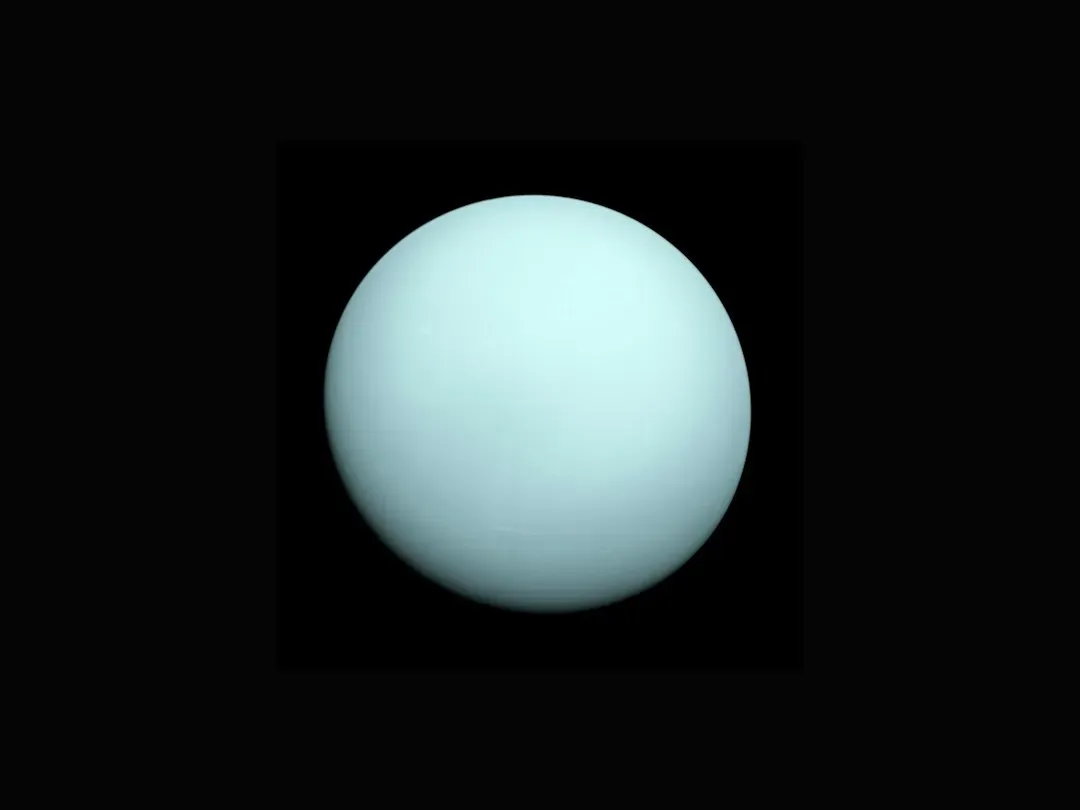
The star map is simple. Uranus spends October roughly mid-way between the Pleiades star cluster and the bright star Aldebaran in Taurus. Find those two landmarks first, then sweep slowly between them and compare what you see to a chart.
Don’t expect much colour. One observing guide describes it as a faint bluish-green disk when viewed through magnification, but in binoculars it’s just a star-like dot that doesn’t match your chart’s stars. Confirm it by returning a few nights later and noticing it’s moved slightly against the background.
Neptune: Binoculars, a Chart, and Some Patience
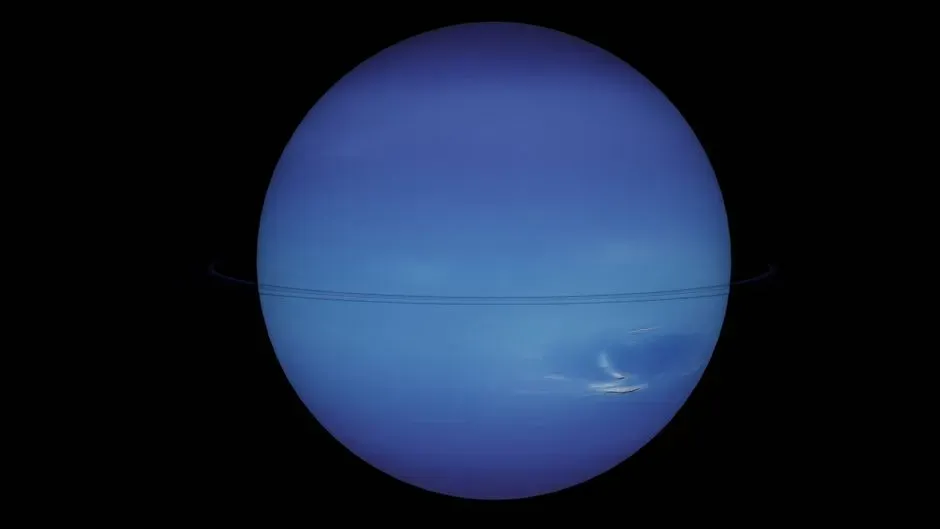
Let’s be honest here: Neptune won’t be a naked-eye object. Time and Date’s sky guide describes it as very faint, use binoculars. It’s also well placed. It was a few days past opposition as October opened, and it’s best to view the planet around midnight, when it stands high in the south.
The trick is a star pattern. Astronomy magazine points to a parallelogram of 4th- and 5th-magnitude stars: 27, 29, 30, and 33 Piscium. Neptune stands 3.6° northeast of 29 Psc on Oct. 1, which is within one binocular field. Saturn also helps as a signpost: Saturn is 8° east of the ice giant. Use a tripod or lean against a wall to steady your view.
Planning Your Planet Nights
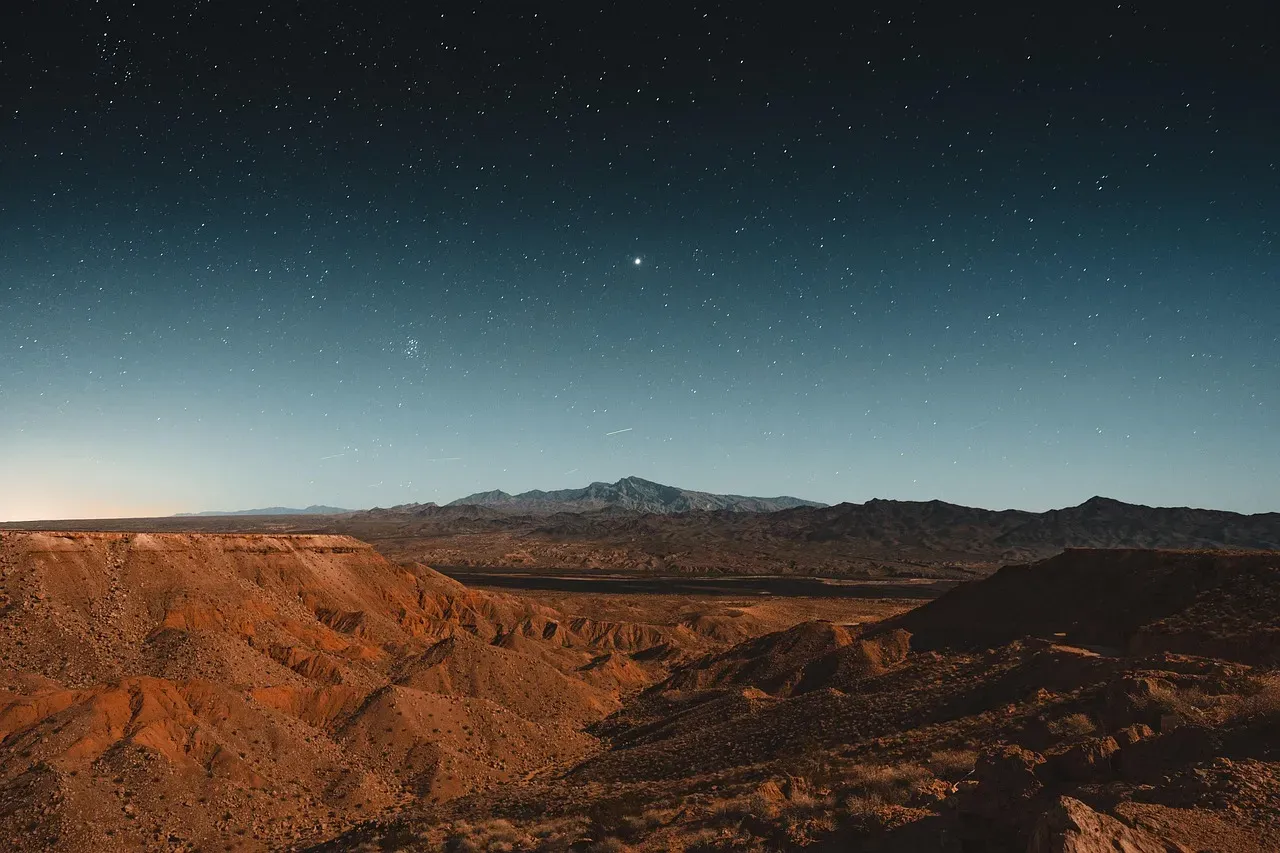
You can group these targets into two sessions. In the evening, try Mercury low in the west right after sunset, then turn to the east and south for Neptune. Late at night or just before dawn, switch to Uranus in Taurus and Mars near Leo. Star Walk’s summary sorts them similarly: evening for Saturn and Neptune; late evening to dawn for Uranus; before dawn for Mars and Jupiter.
A few habits make a big difference. Give your eyes at least 15 to 20 minutes to adjust to the dark. Use a red light for reading charts. Finally, check the Moon’s phase, since moonlight washes out faint targets like Neptune, which sits close to the nearly full Moon around October 23. The Moon also provides handy markers, though. On 5 October, Mars appeared just 40 arcminutes south of a 31%-lit waning crescent Moon, an easy way to confirm you’ve got the right dot.
Conclusion
You can see all four of these worlds from home with minimal gear: your eyes for Mars and Mercury, a pair of binoculars for Uranus and Neptune, and a good chart. The telescope can stay in the closet, though Neptune will never be more than a faint blue-grey point at this magnification. Mars gets brighter heading toward its January 2027 opposition, and Uranus peaks at the end of this month.
Pick one clear night, head outside, and find just one of them. Seeing a planet you’ve only read about, with nothing but your own eyes or a pair of binoculars, tends to stick with you.
