


- 9 Clothing Choices Meteorologists Make That Keep Them Comfortable in Any Weather - November 11, 2026
- Lake Powell Nears Record-Low Levels, But the Reservoir Still Holds Significant Water - November 11, 2026
- Up to 120 meteors an hour: The Geminids peak in mid-December. How to watch - November 11, 2026
Some numbers in astronomy are so large they stop meaning anything. The density of a neutron star is one of them, yet it can be made concrete with a simple kitchen measurement.
A teaspoon holds about five cubic centimeters. Fill it with the material at the heart of one of these stars, and the contents would outweigh every building on Earth put together. The figures hold up under scrutiny, and the physics behind them is stranger than the headline.
Doing the teaspoon math
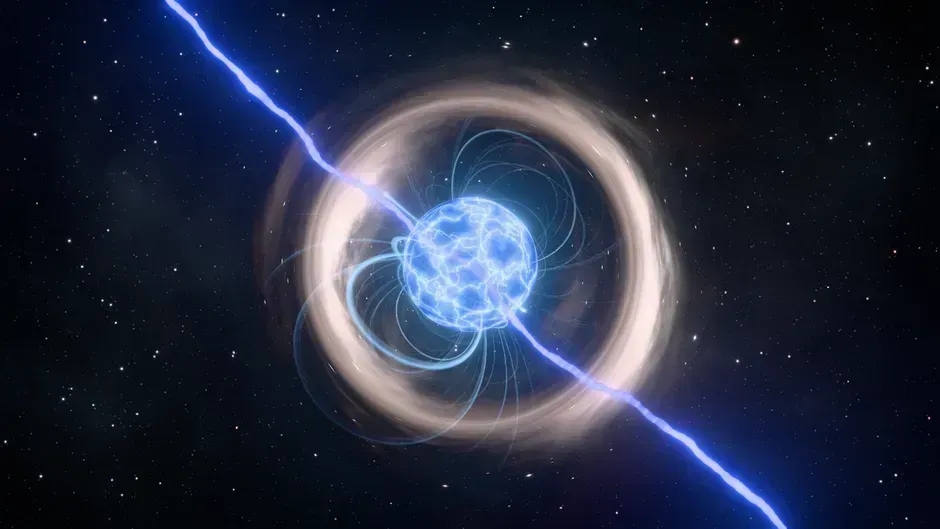
Ordinary atomic nuclei have a characteristic density, often called nuclear saturation density, of roughly 2.7 times ten to the fourteenth grams per cubic centimeter. A neutron star is essentially one giant object packed at or above that level. Multiply by five cubic centimeters and a teaspoon comes to well over a billion metric tons.
Deeper in the star the matter gets squeezed to several times that density. So a billion tons is a fair floor, not a ceiling, and a few billion tons is closer to the truth for the core. Another common comparison says that the entire human population, squeezed to this density, would fit inside something like a sugar cube.
How a star ends up this crushed
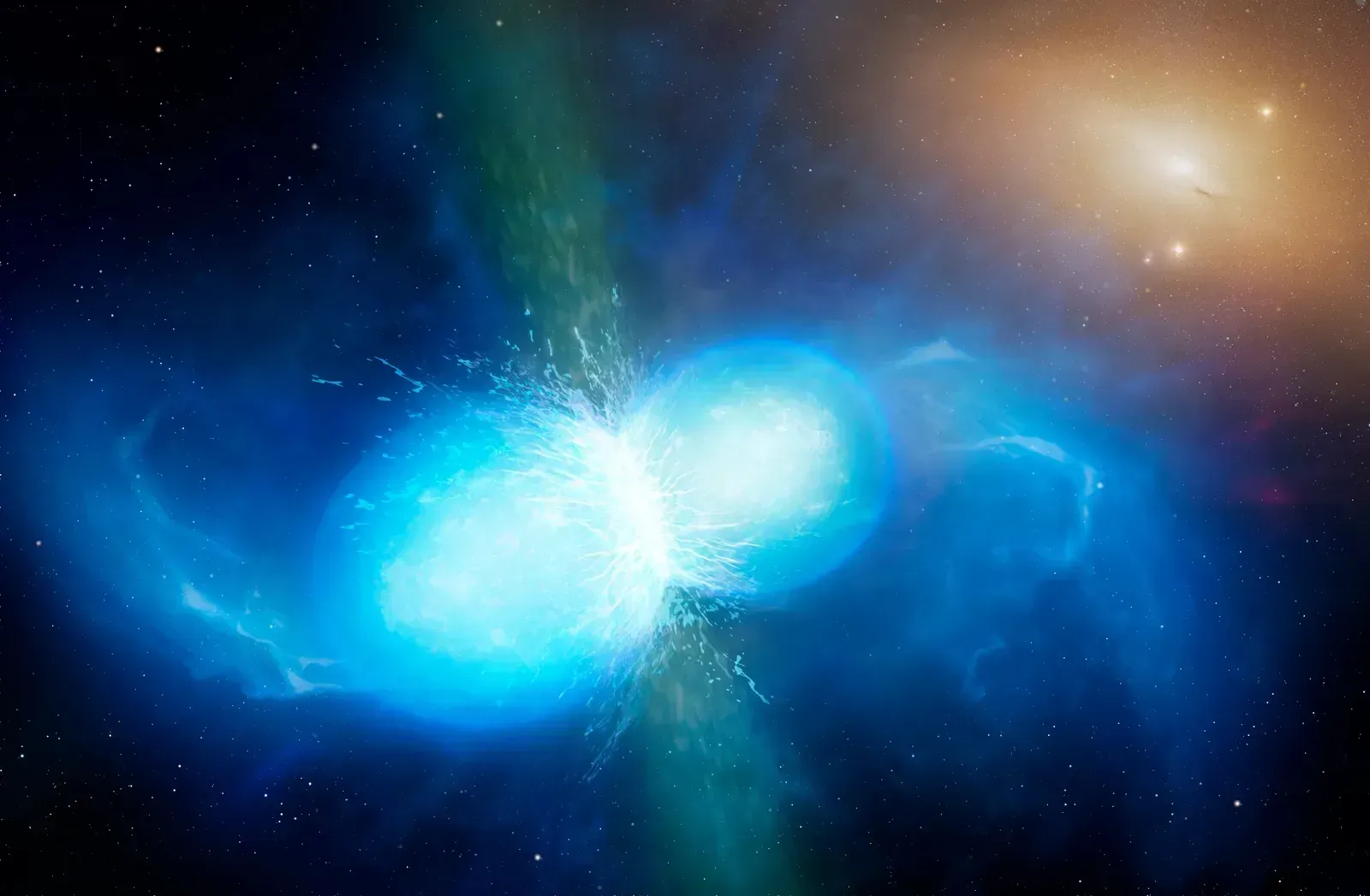
Neutron stars are the leftovers of massive stars. When a star above roughly eight times the mass of the Sun runs out of fuel, its core can no longer hold up against gravity and it collapses within moments. The outer layers are blown away in a supernova.
What remains is a core about the mass of one and a half Suns. Gravity forces electrons into protons, producing neutrons and a flood of neutrinos. The collapse stops only when the neutrons themselves resist further squeezing.
Size and gravity at the surface
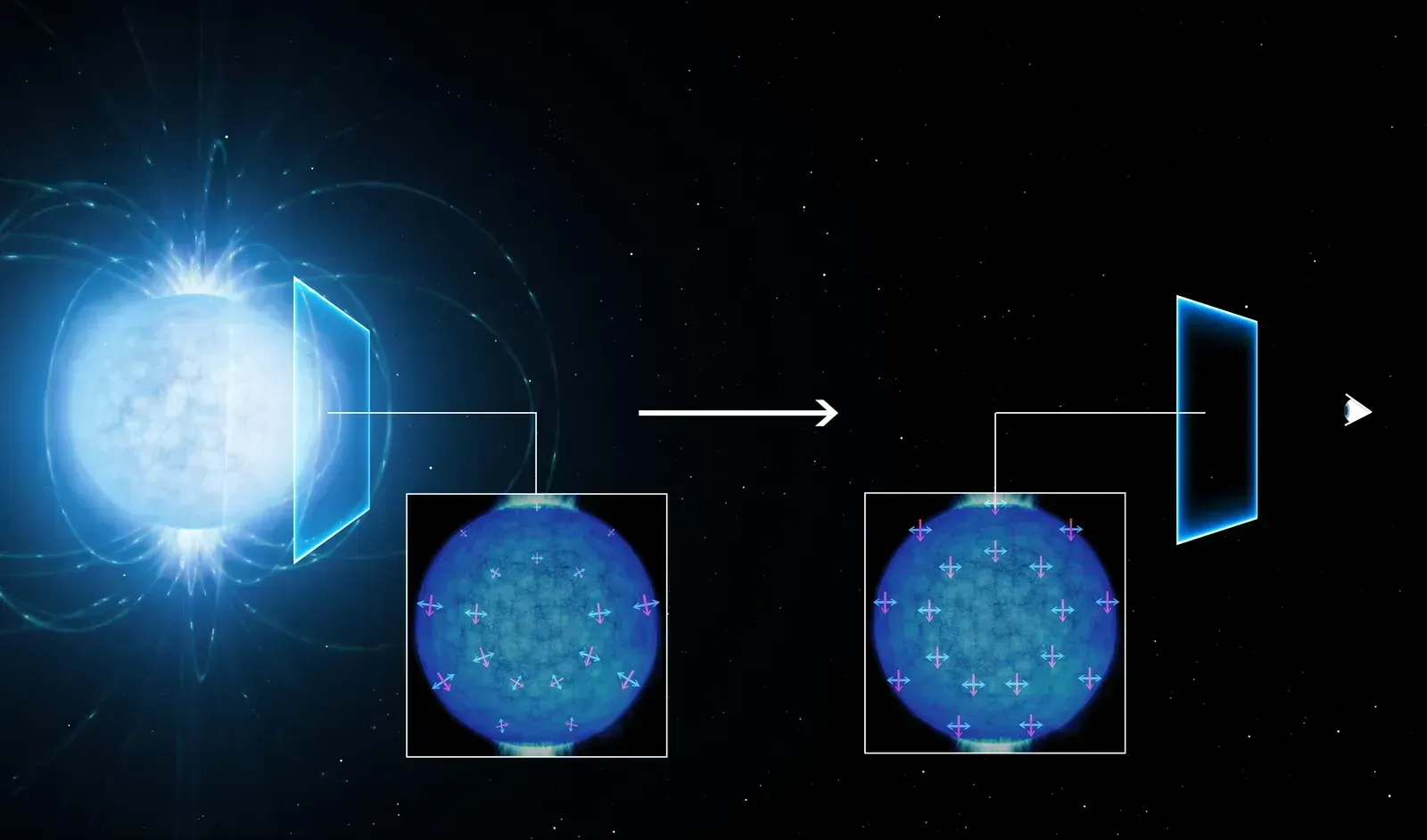
A typical neutron star holds around one and a half times the mass of the Sun in a sphere only about twenty kilometers across. That’s about the width of a mid sized city. The Sun, by comparison, is more than a million kilometers wide.
Surface gravity is correspondingly extreme, on the order of a hundred billion times what we feel on Earth. An object dropped from a modest height would hit the surface at a large fraction of the speed of light. Even the star’s shape is almost perfectly spherical, because any mountain on it would be only a fraction of a millimeter tall.
Layers of a very strange object
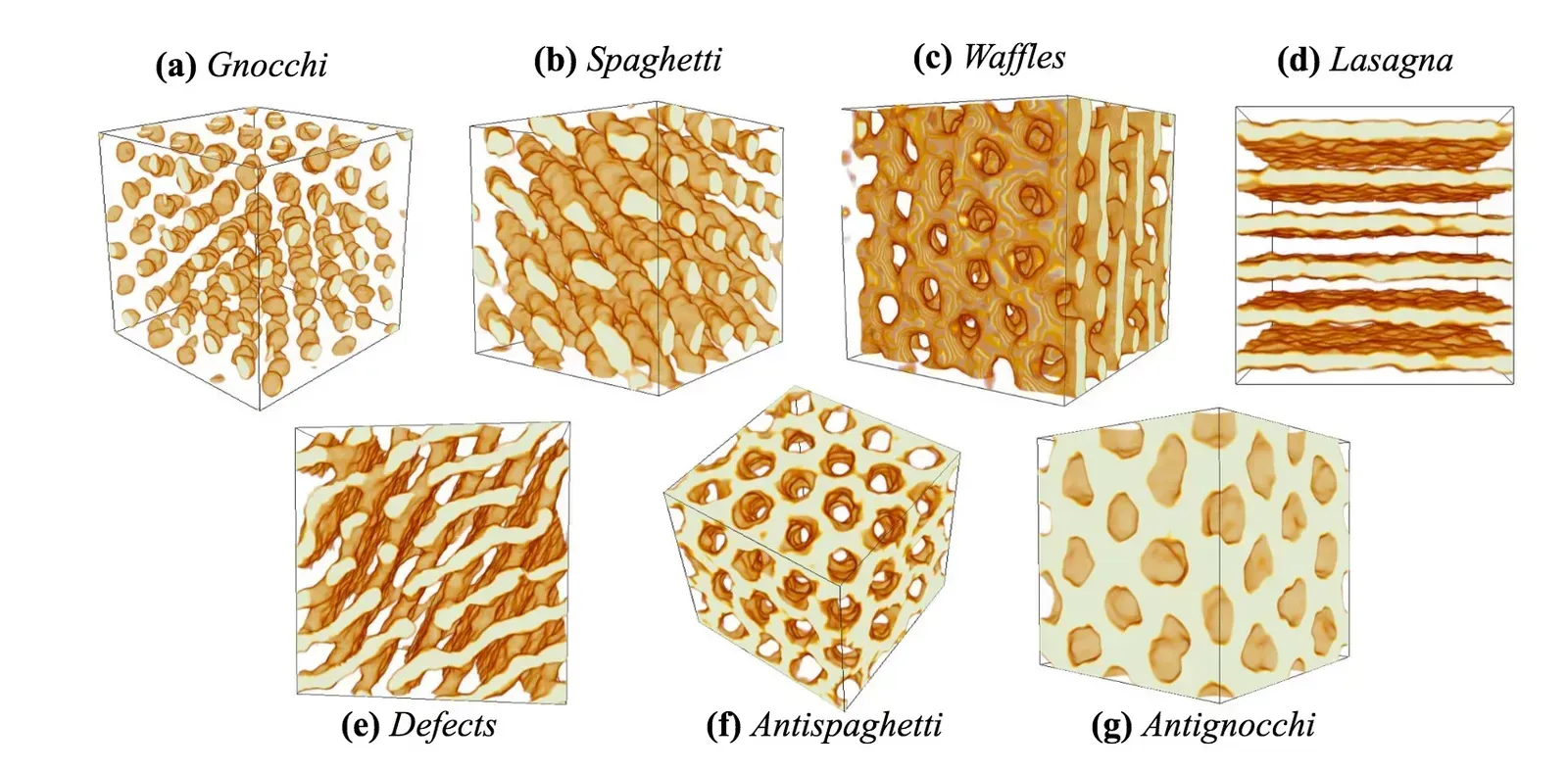
Despite the name, a neutron star isn’t made of neutrons throughout. Its outer crust is a lattice of atomic nuclei bathed in electrons, a bit like a metal but far more compressed. Further in, neutrons begin to leak out of the nuclei, and the inner crust becomes a mix of nuclei and free neutrons.
Theorists have suggested the lower crust may form shapes nicknamed nuclear pasta, where matter arranges into sheets and tubes. Below the crust lies a fluid core of neutrons with a smaller share of protons, electrons and muons. This fluid is thought to be a superfluid, flowing without friction.
What lives in the innermost core
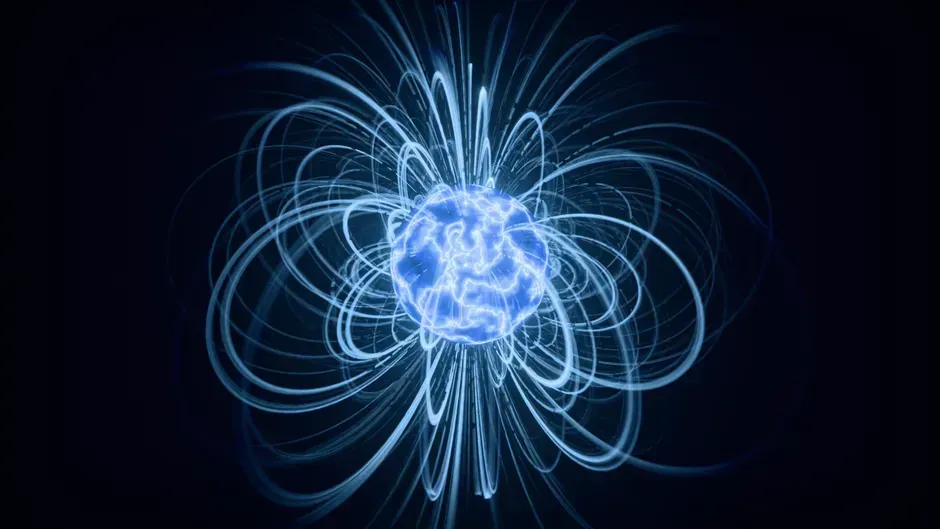
Here the honest answer is that nobody knows. At several times nuclear density, physicists have proposed that heavier particles called hyperons might appear. Others suggest that neutrons dissolve into a soup of free quarks.
The difficulty is that no laboratory on Earth can recreate these conditions, and the underlying theory is hard to calculate. Neutron stars are therefore the only natural test bench for how matter behaves at such pressures. Each new measurement narrows the options without fully settling the question.
Measuring the unmeasurable with NICER
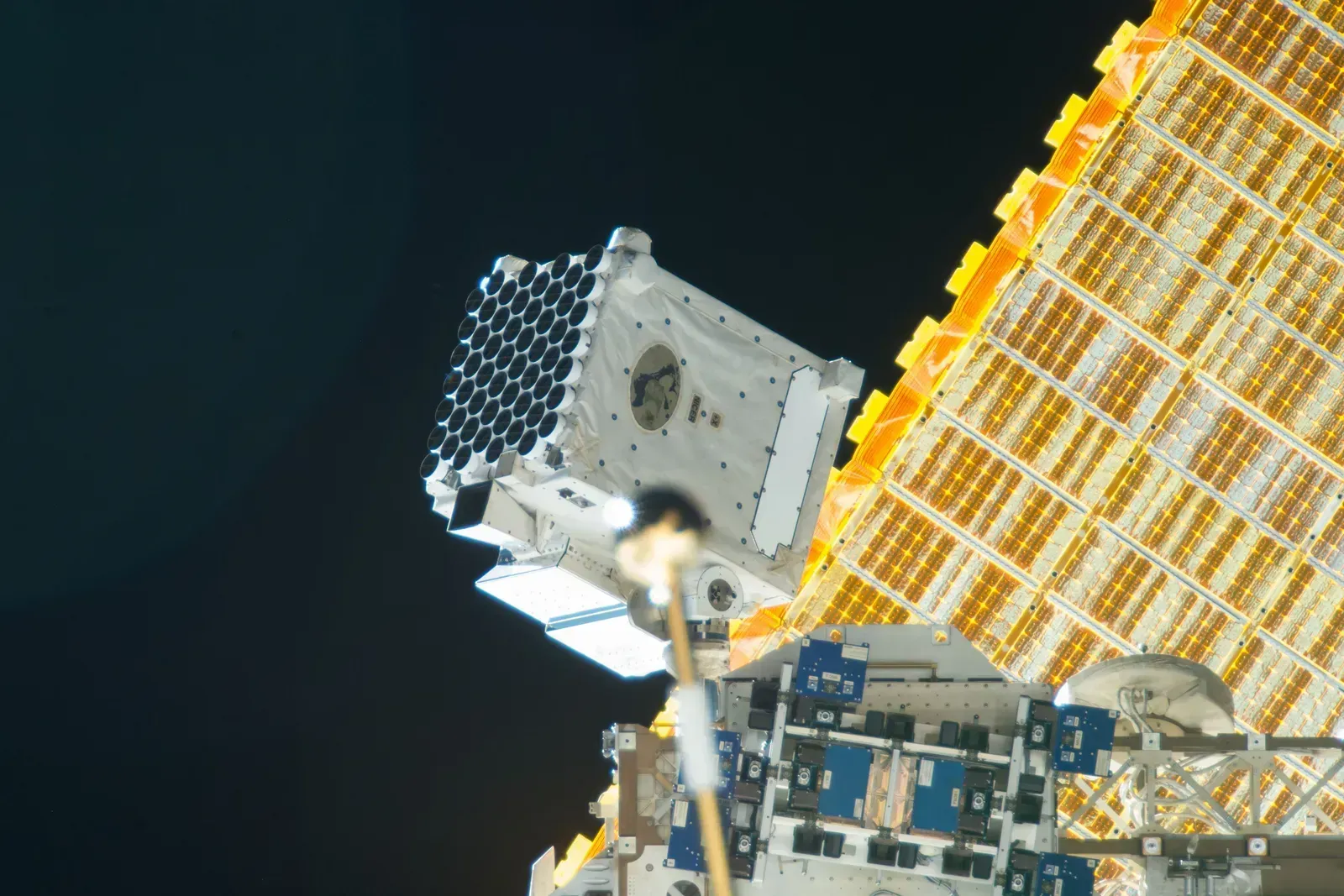
NASA’s NICER instrument on the International Space Station tracks X rays from hot spots on spinning neutron stars. Because gravity bends light around the star, the pulse shape reveals both mass and radius. Earlier results covered the pulsars J0030+0451 and J0740+6620, which is among the heaviest known, at about two Suns.
In 2024, researchers reported results for PSR J0437-4715, the closest and brightest millisecond pulsar. The analysis gave a mass of about 1.4 solar masses and a radius near eleven and a half kilometers. Radii in this range favor equations of state that are neither extremely stiff nor extremely soft.
Ripples from colliding stars
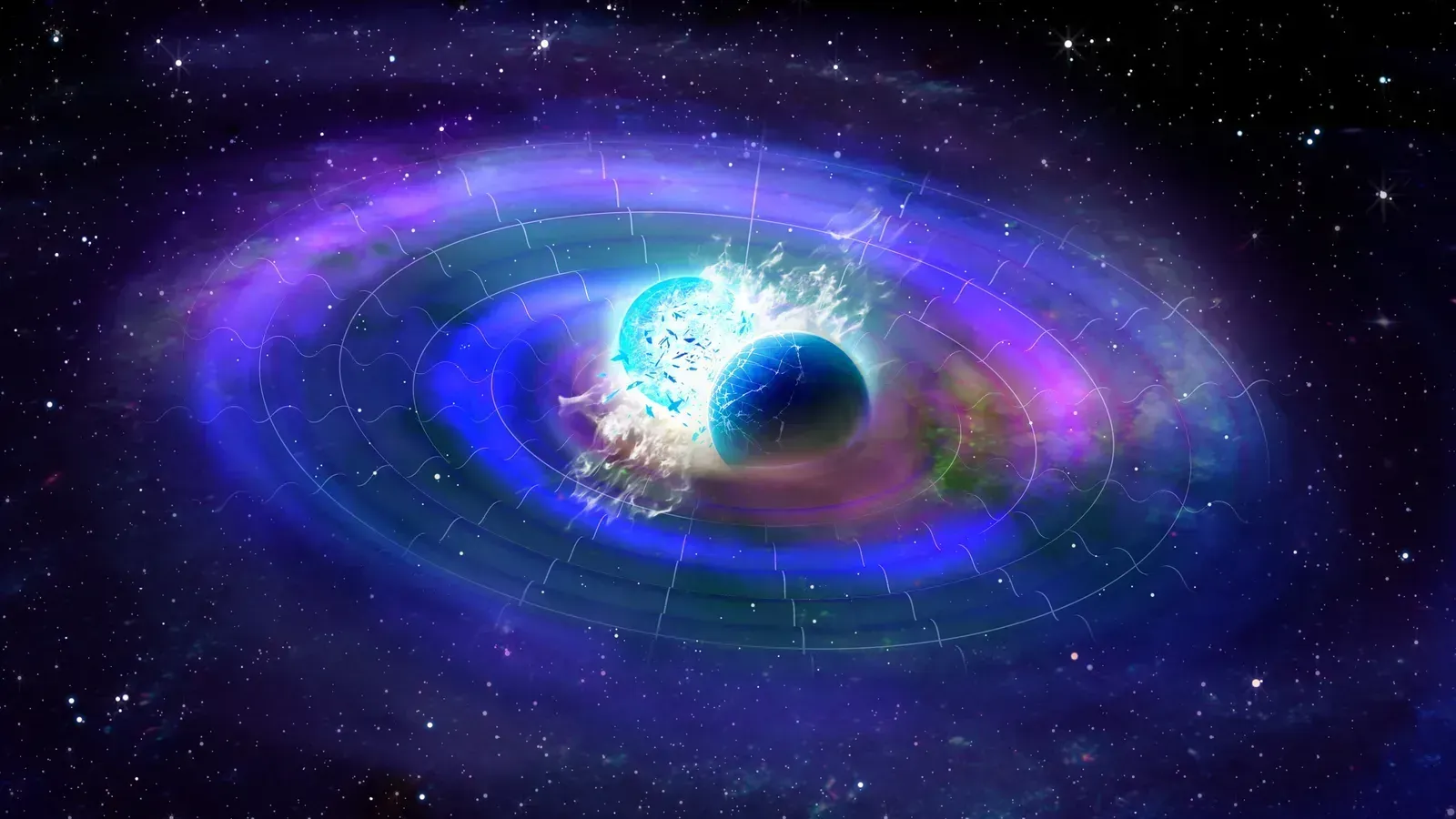
Gravitational waves offer a second route. In 2017, the LIGO and Virgo detectors recorded two neutron stars merging, an event known as GW170817. The way the stars deformed each other’s shape before merging, called tidal deformability, set limits on how squeezable the matter is.
The same event produced a kilonova, a glow powered by freshly made heavy elements. Mergers like this are now believed to be a major source of metals such as gold and platinum. Combined with the NICER results, these signals give astronomers an independent cross check.
The heaviest stars and the edge of collapse
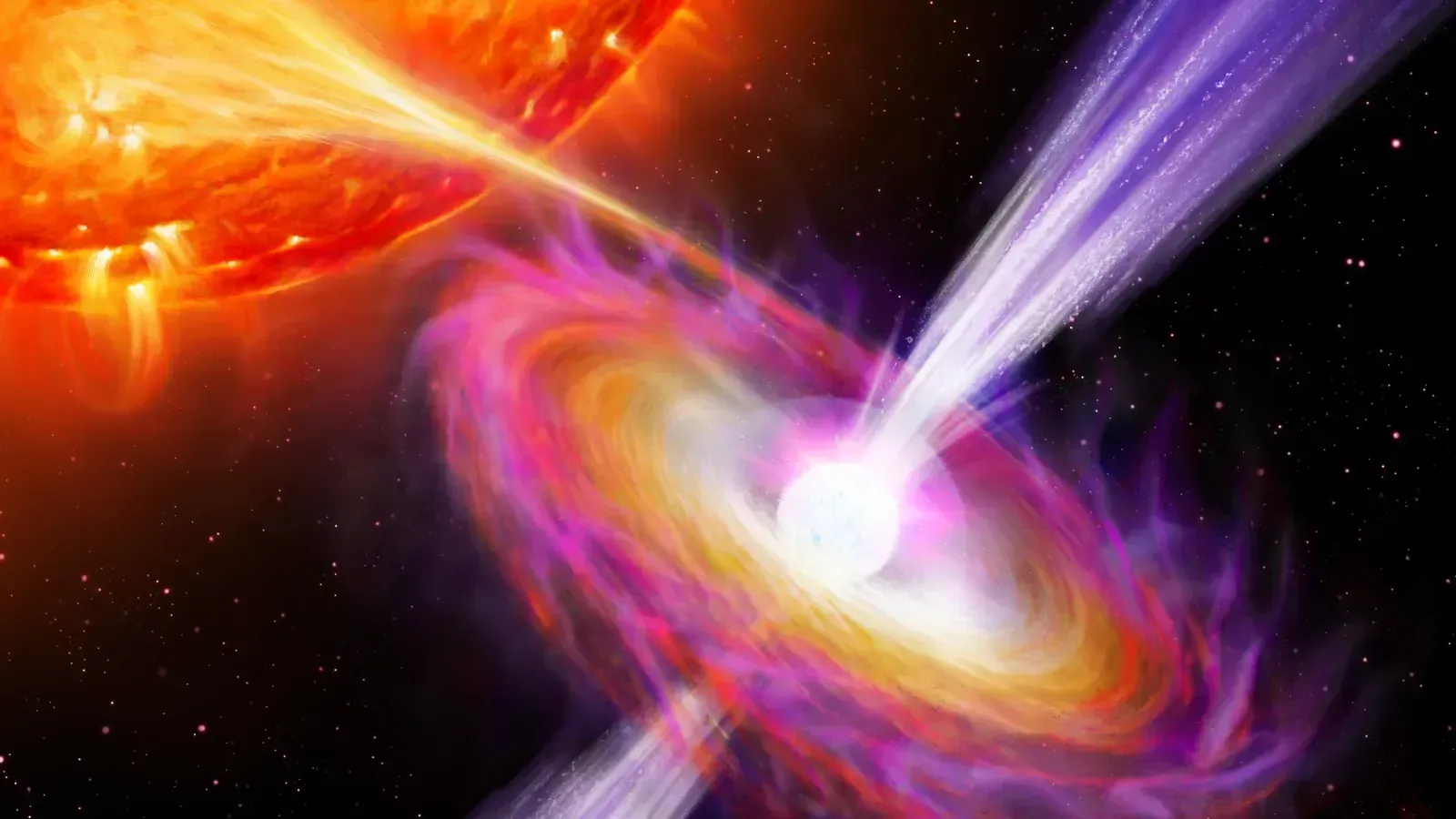
There is a maximum mass beyond which a neutron star collapses into a black hole. Estimates generally land between about two and a little over two and a half solar masses, depending on the unknown core physics. The heaviest confirmed examples sit close to that range, including J0740+6620 and the black widow pulsar J0952-0607, estimated at roughly two and a third Suns.
Every heavier star found rules out softer models of dense matter, since a soft interior could not support that weight. This is why mass measurements of fast spinning pulsars matter so much. They test the boundary between neutron star and black hole directly.
Final thoughts
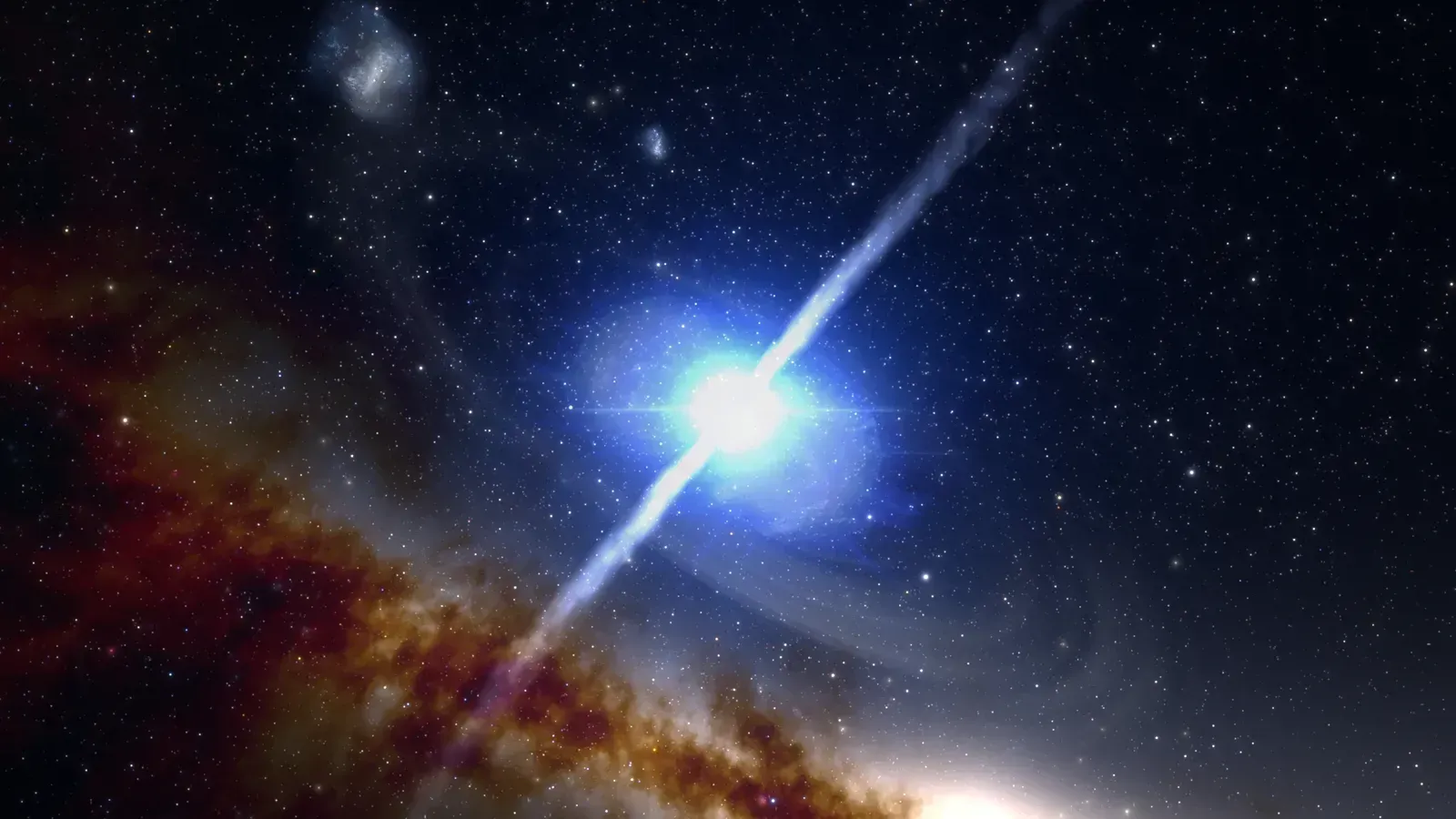
A teaspoon of neutron star matter weighs billions of tons because gravity has packed a stellar core into a ball the size of a city. Measurements from NICER and gravitational wave detectors have pinned down the radius to within about a kilometer or two. What the innermost core is made of remains an open question.
