
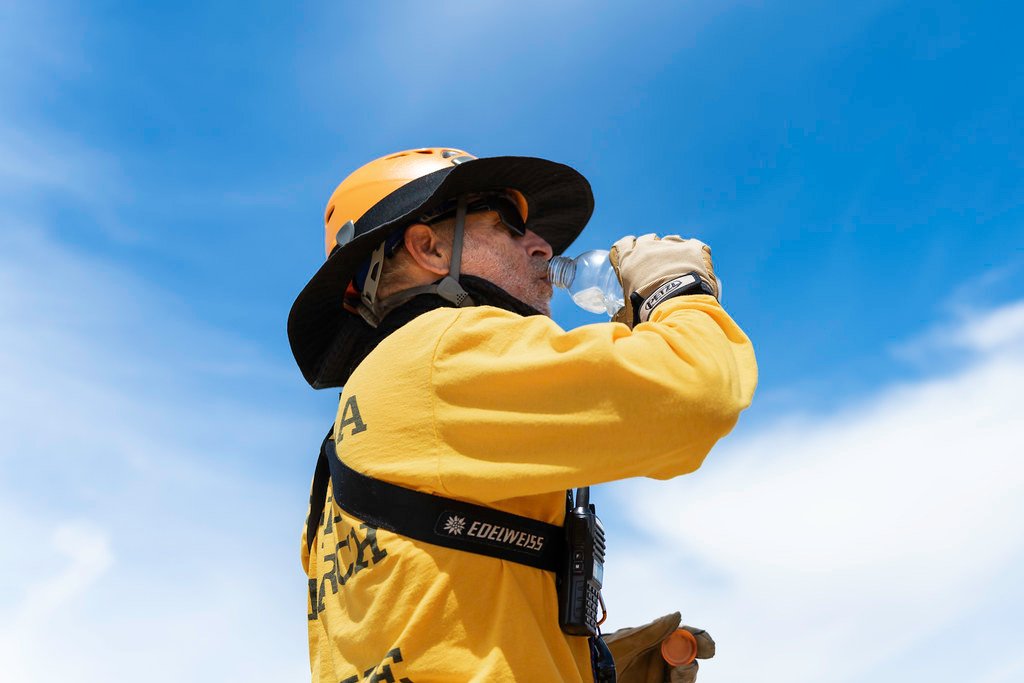

- Will travel insurance cover weather-related flight delays and cancellations? - November 11, 2026
- 8 Cities Where the Weather Changes So Fast Locals Carry Everything - November 11, 2026
- 10 Traditional Building Techniques From Hot Climates Architects Are Revisiting - November 10, 2026
Two afternoons can share the same temperature on the thermometer and feel completely different. One is dry and bearable, while the other leaves your shirt stuck to your back. The gap comes down to how much moisture is already in the air.
Your body has one main tool for shedding heat when it’s warm outside, and that tool depends on the air’s willingness to take on more water. When the air is already loaded, the tool works poorly. Here’s how that plays out, from the physics of a single drop of sweat to the heat indexes used in forecasts.
Sweat Is a Cooling System, Not Just Moisture

Your body keeps its core temperature close to 37 degrees Celsius, or about 98.6 degrees Fahrenheit. When you heat up, the brain signals millions of sweat glands in your skin to release fluid. The sweat itself doesn’t cool you much while it sits there.
The cooling happens when that liquid turns into vapor. Evaporation pulls energy from the skin’s surface, and that energy loss lowers your skin temperature. Sweat that drips off or soaks into clothing without evaporating does very little cooling work.
What Humidity Actually Measures
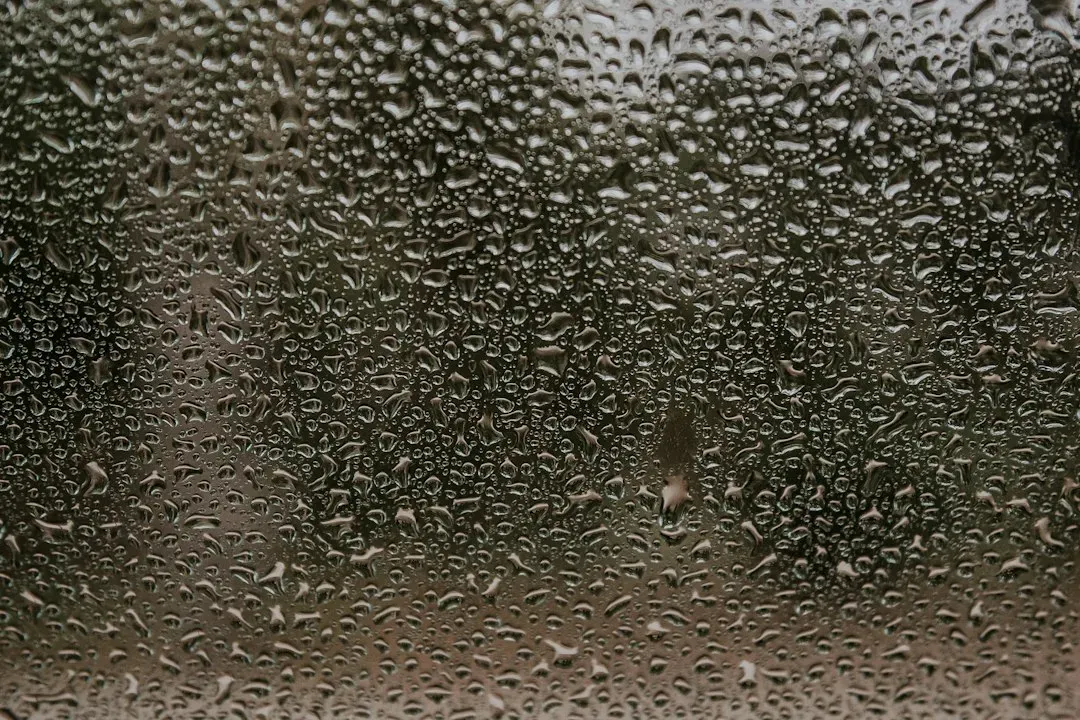
Humidity describes how much water vapor the air holds. Relative humidity expresses that amount as a share of the most the air could hold at its current temperature. Warm air can hold more water vapor than cold air, so the same relative humidity means more moisture on a hot day.
Dew point is often a better guide to comfort. It’s the temperature at which the air would become saturated, and a higher dew point means more actual moisture is present. The U.S. National Weather Service notes that dew points in the upper 60s Fahrenheit and above tend to feel muggy.
Why Moist Air Slows Evaporation

Evaporation is a two way traffic of water molecules leaving the skin and returning from the air. In dry air, far more molecules leave than come back. In humid air, the return traffic grows, so the net loss of moisture from your skin shrinks.
The result is that sweat lingers on the surface. Less evaporation means less heat carried away, and your skin stays warmer. At very high humidity, evaporation can nearly stall, and sweat just pools and drips.
The Heat Index and Apparent Temperature
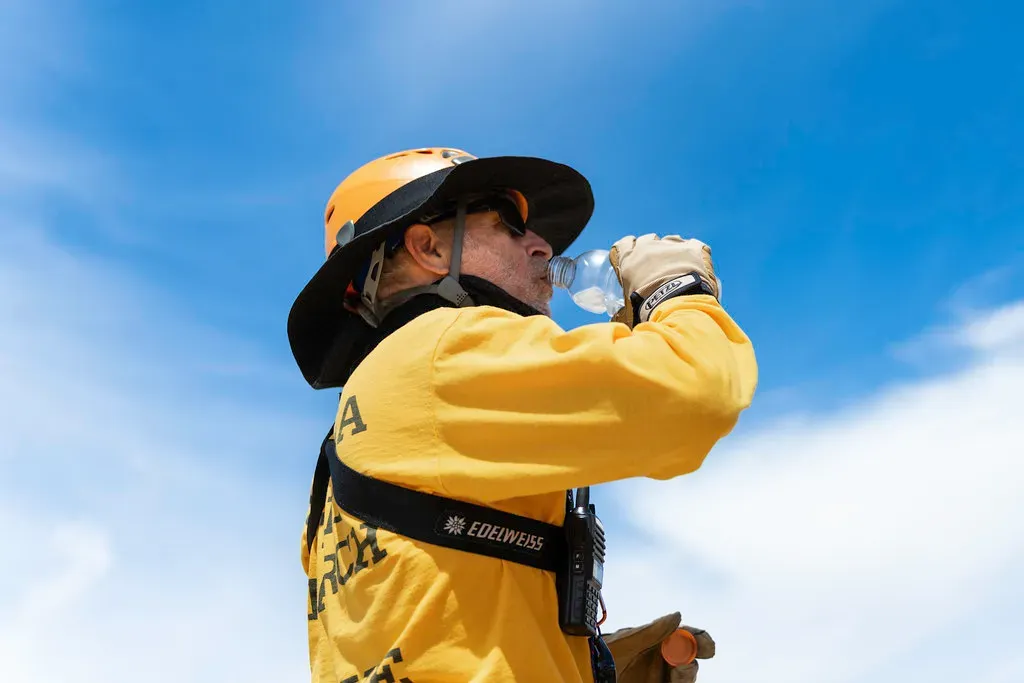
Forecasters use the heat index to put a number on this effect. The National Weather Service describes it as what the temperature feels like when relative humidity is combined with the actual air temperature. For example, a day of 90 degrees Fahrenheit with high humidity can register as well over 100 on the index.
The index assumes shade and light wind, so direct sun can push the felt temperature even higher. It’s a useful guide, though it’s built on a model of an average person, not on how you in particular will react. Age, fitness, and acclimatization all shift the real experience.
Wet Bulb Temperature and Human Limits
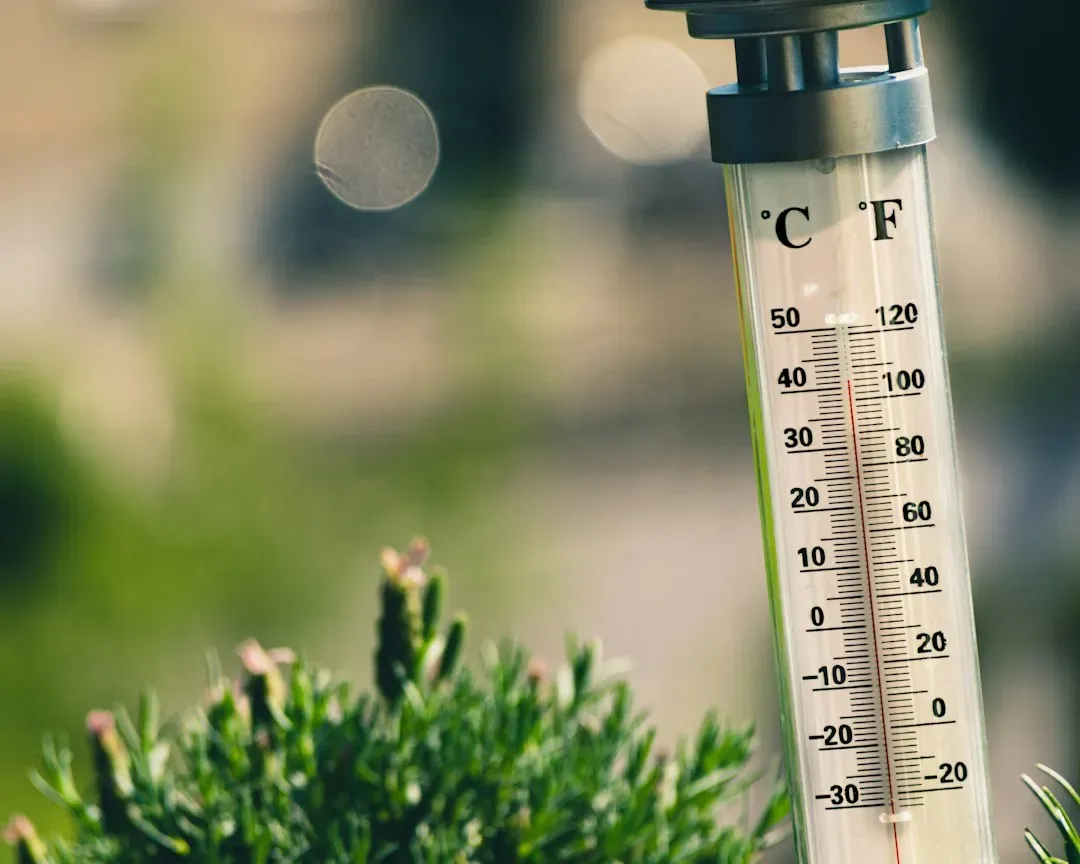
Scientists also use wet bulb temperature, which reflects the cooling a wet surface can achieve through evaporation. A wet bulb reading of 35 degrees Celsius was long treated as the theoretical limit of survivability for healthy people at rest. That’s the point where the body can no longer shed heat to the environment.
More recent lab work from Penn State researchers suggests the real threshold may be lower for young, healthy adults, often in the range of 30 to 31 degrees Celsius in humid conditions. Limits are lower still for older people and those with health conditions. This research shows how central evaporation is to survival in extreme heat.
Health Risks When Sweat Can’t Do Its Job

When cooling falls short, core temperature climbs. The U.S. Centers for Disease Control and Prevention lists heat cramps, heat exhaustion, and heat stroke as the main heat illnesses. Heat stroke is a medical emergency that can damage the brain and other organs.
Humid heat is especially risky at night. If the air stays warm and moist after sundown, the body gets little chance to recover. Public health agencies stress that older adults, young children, outdoor workers, and people with chronic illness face the highest risk.
Why Fans Help Less in Muggy Weather
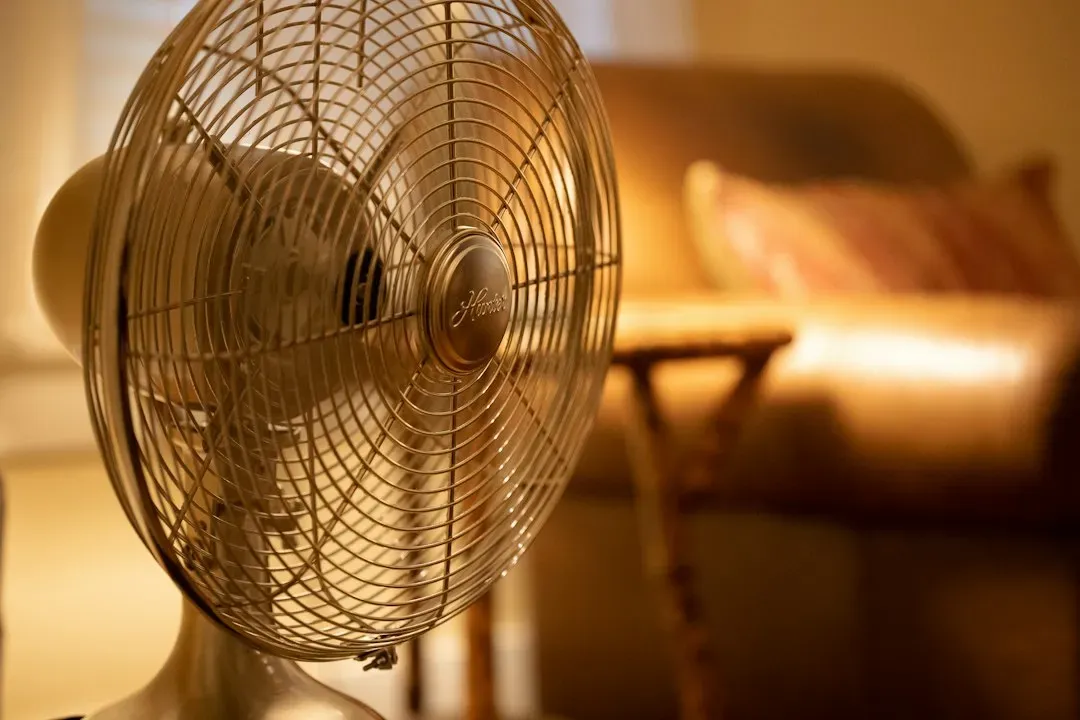
A fan doesn’t cool the air. It moves air across your skin, which sweeps away the thin layer of humid air next to it and speeds evaporation. In dry heat that works nicely.
In very humid or extremely hot conditions, the benefit fades. Research on electric fans in heat waves, including work from the University of Sydney, has found that fans can raise heat strain at very high temperatures. Air conditioning helps in humidity partly because it removes moisture as it cools.
Climate Trends and Rising Humid Heat

A warming atmosphere holds more water vapor, roughly seven percent more for each degree Celsius of warming, according to basic atmospheric physics. That means humid heat events tend to intensify as temperatures climb. The Intergovernmental Panel on Climate Change has reported increases in hot extremes and humid heat stress across many regions.
The World Meteorological Organization and others reported that 2024 was the warmest year on record. Heat stress affects many tropical and subtropical regions, including parts of South Asia, the Gulf, and the southeastern United States.
Practical Ways to Stay Cooler in Humid Heat
Because evaporation is the bottleneck, the best strategies either help it along or bypass it. Lightweight, loose clothing that wicks moisture lets sweat evaporate rather than soak in. Drinking fluids regularly replaces what you lose, and shifting strenuous work to early morning or evening cuts exposure.
Cooling the body directly also works when evaporation can’t. Cool showers, wet cloths on the neck and wrists, and time in air conditioned spaces all lower body temperature. Health agencies advise checking on vulnerable neighbors and recognizing early signs like dizziness, nausea, and a rapid pulse.
