

Every server turns electricity into computation, and almost all of that electricity ends up as heat. For decades that was a manageable side effect. Artificial intelligence is changing the math.
Chips are getting hungrier, racks are getting denser, and cooling has moved from a background utility to a design constraint. Here’s what the evidence from 2024 to 2026 says about how big the problem is and how the industry is responding.
Why Heat Is Now a Central Problem
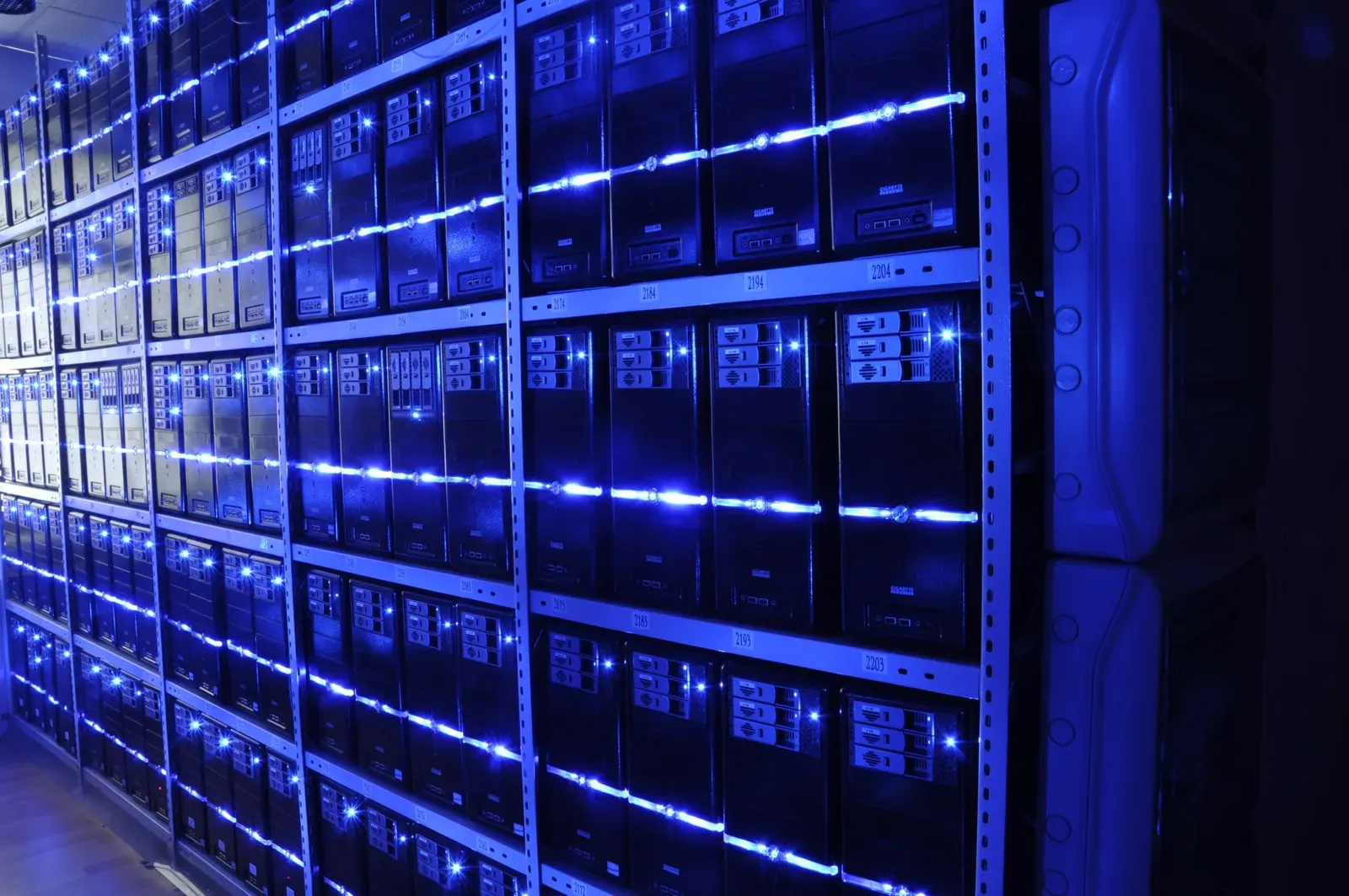
Heat has always come with computing. All IT equipment generates heat during operation, and keeping temperatures in a typical range of roughly 68 to 77°F is critical for preventing equipment failure. If a facility can’t remove heat as fast as it’s produced, hardware throttles or fails.
What’s new is scale and concentration. One analysis argues that cooling is now a strategic design constraint that determines how much AI capacity can be deployed. That’s an industry view, but it matches what operators report about retrofits and new builds.
How Much Power Data Centers Use
The IEA estimates that data centres accounted for about 1.5% of global electricity consumption in 2024 (roughly 415 TWh), and demand could roughly double to about 945 TWh by 2030 in its central scenario. That share is small globally, but it’s concentrated in a few regions.
The United States shows the effect most clearly. The IEA found that data centre loads alone contributed around half of the country’s entire increase in electricity consumption in 2025. Since nearly all of that power becomes heat, it must be removed somewhere.
Where Cooling Fits in the Energy Bill
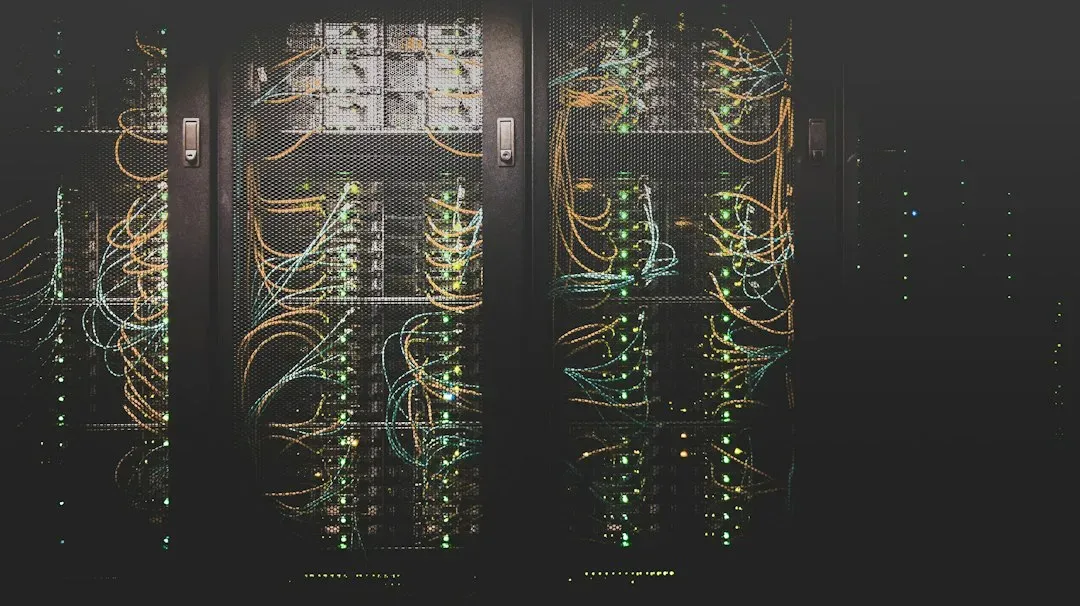
Cooling is a major slice of the total. According to the IEA, the share of cooling systems in total data centre consumption varies from about 7% for efficient hyperscale facilities to over 30% for less efficient enterprise ones. That gap shows how much design and operations matter.
The Congressional Research Service puts it in broader terms. It notes that roughly one half or more of data center power demand comes from the IT equipment itself, and much of the rest is for cooling. So any gain in cooling efficiency translates directly into lower bills and less strain on the grid.
AI Racks Are Packing in More Power
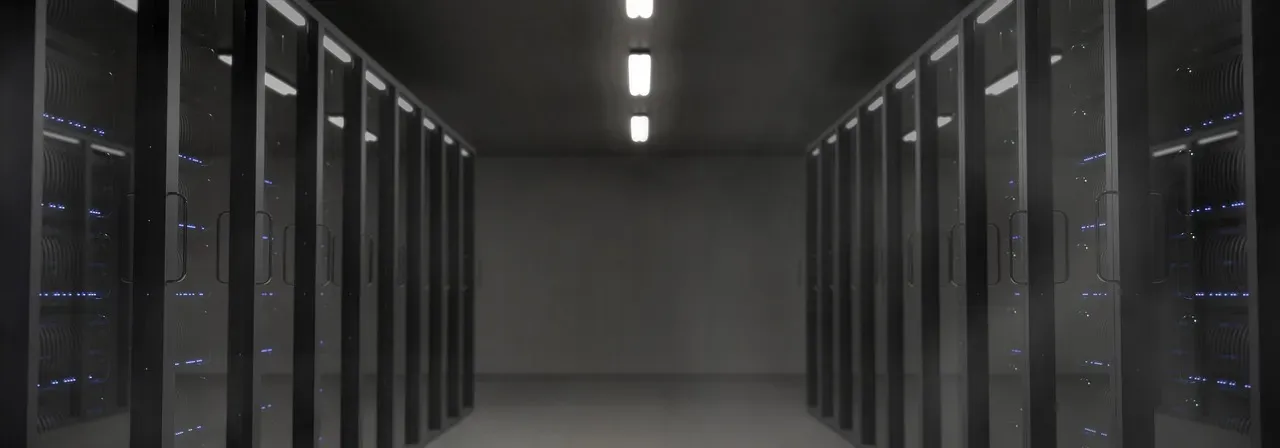
The clearest sign of the challenge is rack density. Traditional structures generally operate in the 5 kW to 15 kW per rack range, while configurations built for advanced AI can already exceed 100 kW. Nvidia’s DGX GB200, for example, draws approximately 120 kW per rack.
Averages are climbing too, though sources differ on exact figures. A 2024 McKinsey report, as cited by Network World, found that average rack density more than doubled in two years, from 8 kW to 17 kW, with a projection of 30 kW by 2027. Schneider Electric’s 2026 blog reports a rise from about 16 kW to 27 kW, which suggests the trend is steep even if the measurements vary.
Why Air Cooling Is Hitting Its Limits
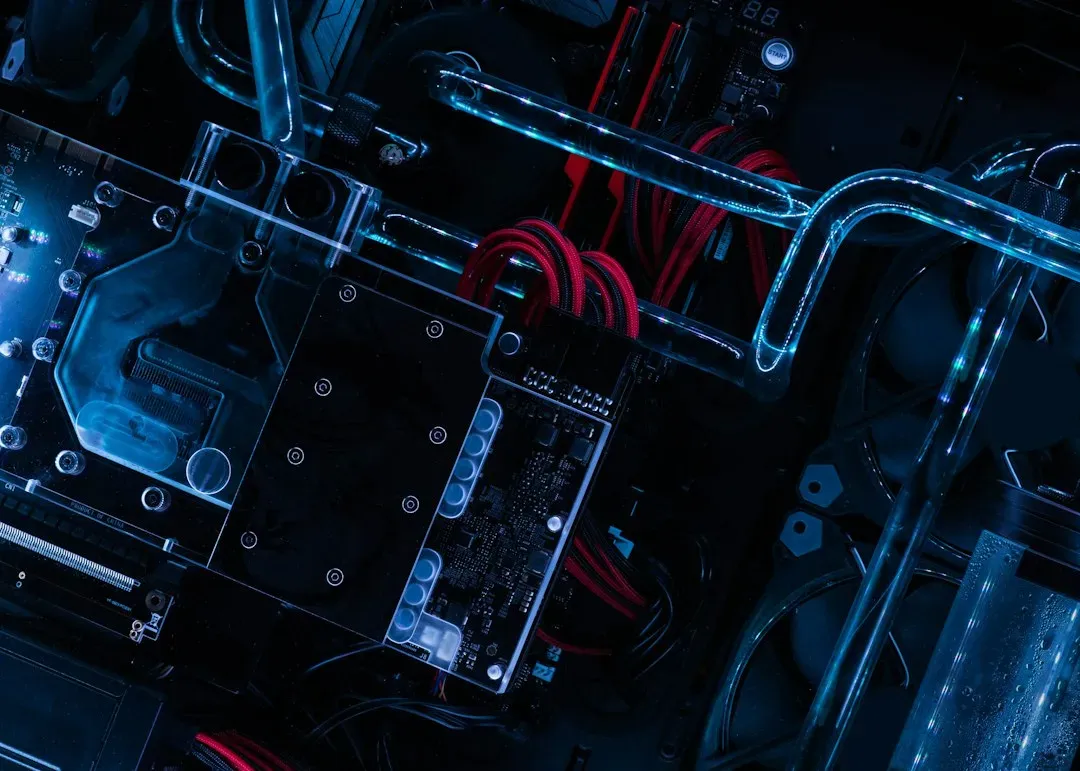
Air is a poor carrier of heat compared with liquid. Uptime Institute’s Bizo said that above 50 kW, cooling with air becomes increasingly impractical because of space limits in the rack and chassis, which mandates direct liquid cooling. Other estimates give slightly different thresholds, but they cluster in the same range.
JLL’s Andrew Green was blunt about it, saying that rack densities have gone beyond what’s possible with the physics of air cooling. Air still has a role in lower density halls. It just can’t carry the newest AI hardware alone.
The Rise of Liquid Cooling
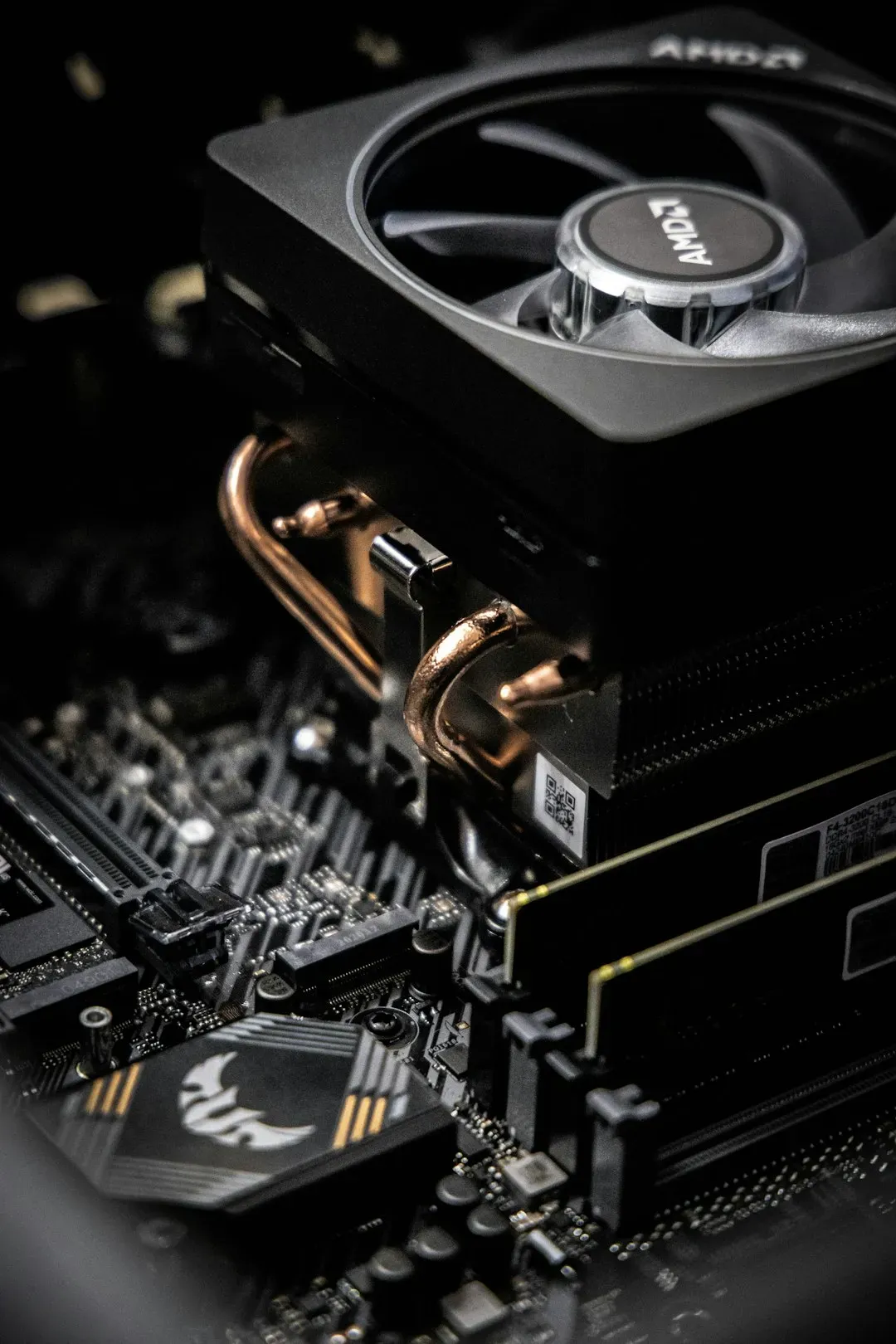
The industry is moving fast. A TrendForce survey estimates that liquid cooling’s share in AI chips will reach 53% in 2026, up from roughly 33% in 2025. Dell’Oro Group’s January 2026 report, cited by Network World, found that the market nearly doubled in 2025, approaching $3 billion.
The main approaches are direct-to-chip cooling and immersion. One technical guide notes that the fluid can be single-phase, staying liquid and pumped to a heat exchanger, or two-phase, turning to vapor before condensing and returning to the tank. Many operators also use hybrids, since they can apply the most efficient technology to specific rack densities and heat loads.
Retrofits, Capacity and Real Constraints

Switching technologies isn’t simple. Analysts note that many facilities built for general-purpose cloud or enterprise computing weren’t designed for today’s AI densities, and retrofitting can be expensive and technically challenging.
That creates a gap between empty space and usable space. In one reported case, a buyer seeking 5 MW at 140 to 160 kW per rack approached more than ten North American operators. Nearly every operator had space, but almost none could support that density with direct liquid cooling. Another Schneider Electric figure says only about one in five operators feel prepared for 50 to 70 kW racks, though that comes from a vendor’s blog.
Efficiency Gains and What Comes Next
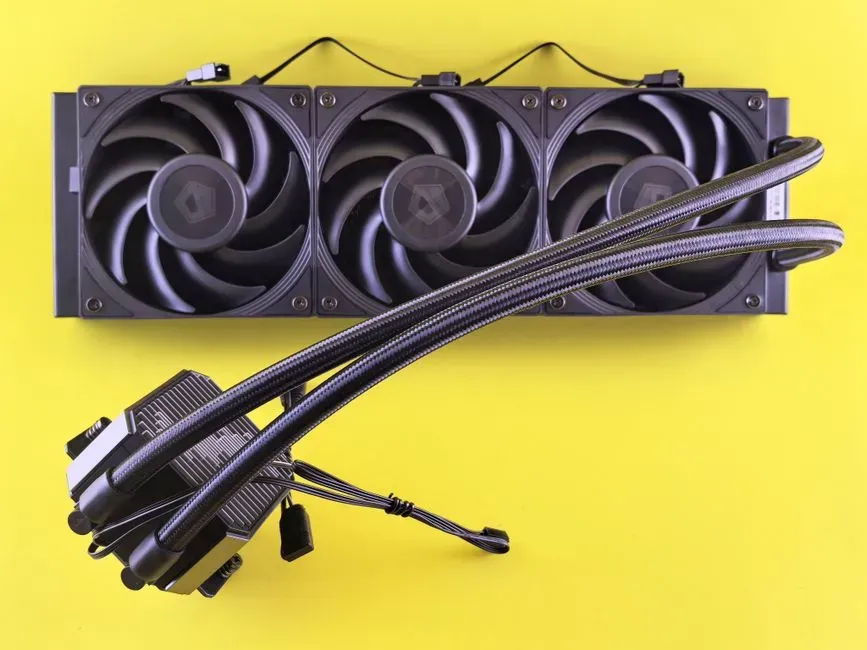
Better cooling can ease the load. A summary of IEA 4E EDNA work reports that liquid cooling can reduce cooling related energy by 30% to 40% and total facility energy by 10% to 21%. That summary comes from a secondary statistics site, so treat the ranges as indicative.
Warmer coolant helps as well. At CES in January 2026, Nvidia said Vera Rubin supports liquid cooling at 45 degrees Celsius, high enough to reject heat through dry coolers using ambient air rather than mechanical chillers. Less reliance on chillers could trim both power and water needs, though results will depend on climate and design.
Conclusion
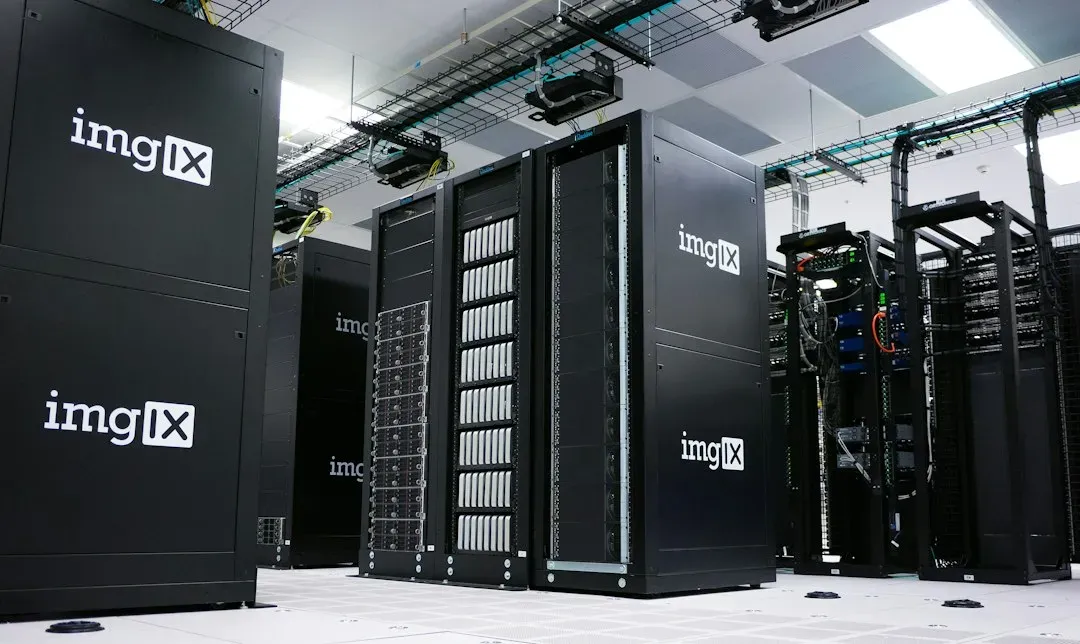
The is real and tied directly to AI. Rack densities have risen sharply, air cooling is running out of headroom, and liquid cooling is moving from niche to mainstream. Meanwhile, the grid has to supply the electricity behind all that heat.
The numbers vary by source, and some forecasts come from vendors with something to sell. Still, the direction is consistent across the IEA, consultancies and operators. The next phase of computing will be built as much around moving heat as around making chips faster.

- 9 Wildfire-Season Routines Many California Residents Follow - November 10, 2026
- Most US states face earthquake risk as major fault lines span the country - November 10, 2026
- The Joplin Tornado of 2011 Killed 158 People and Led to New Warning Language - November 10, 2026
