

In much of California, fire season no longer has a tidy start and end date. Dry vegetation, hot spells and strong offshore winds can line up in ways that make a regular weekday feel different. Many residents have built small habits around that reality.
None of these routines are exotic. They’re mostly practical checks and a bit of planning, repeated until they feel normal. Here are nine that come up again and again across the state.
Checking Red Flag Warnings and the Daily Forecast

Many Californians glance at the National Weather Service forecast the way people elsewhere check for rain. A Red Flag Warning means weather conditions, such as low humidity and gusty winds, favor rapid fire growth. When one is issued for their area, people tend to change their plans.
That might mean skipping a backyard barbecue, postponing yard work with power tools, or avoiding parking on dry grass. These small choices matter because everyday sparks have started wildfires before. Checking the forecast takes under a minute, which is probably why it sticks.
Keeping a Fire Tracking App on the Phone
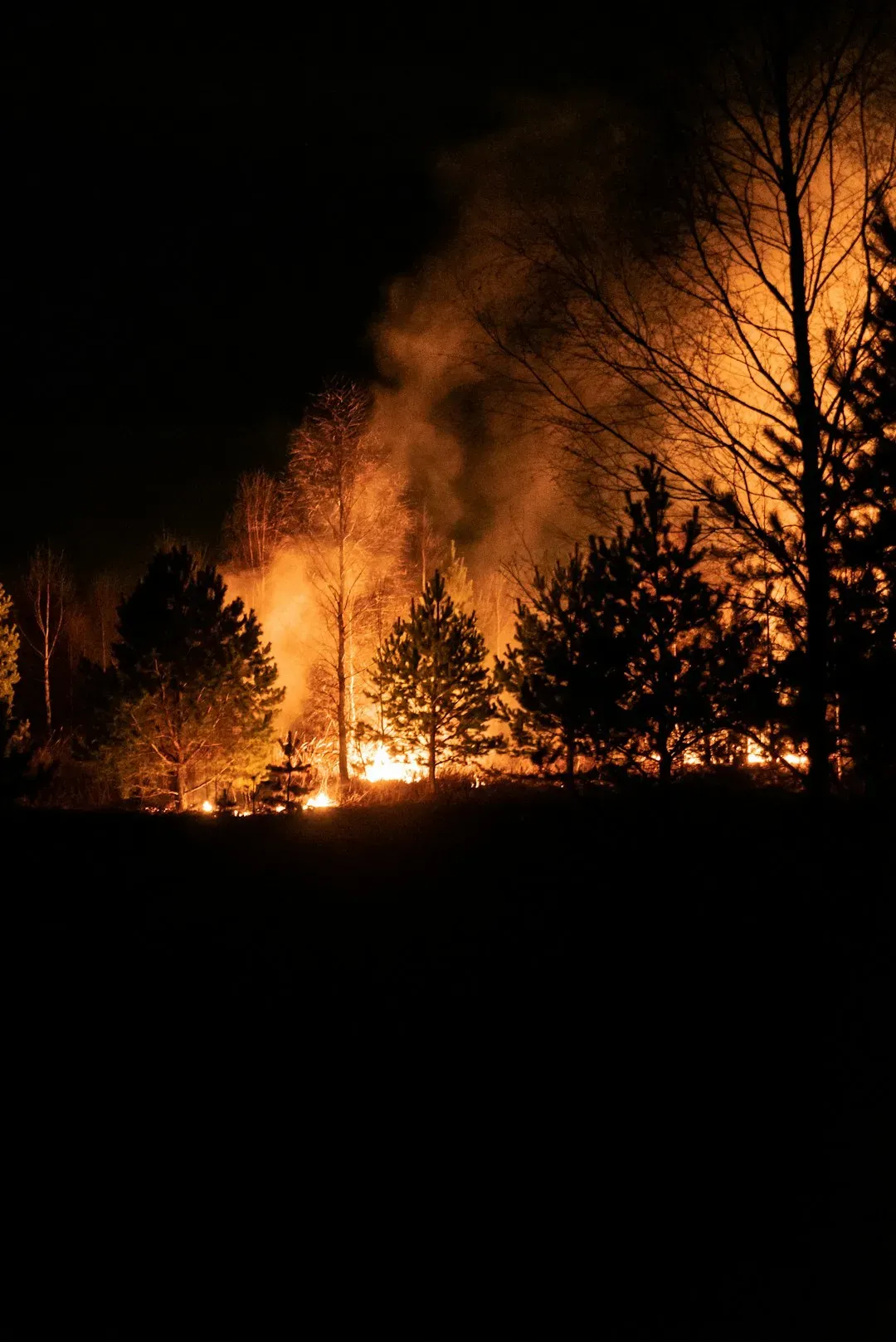
Apps like Watch Duty, a nonprofit service that reports fire activity, have become common on California phones. Residents use them to see where a fire is, which direction it’s moving, and which roads are affected. Many people find it quicker than waiting on a news broadcast.
Alerts can be set for chosen locations, such as home, a parent’s house or a workplace. Still, it’s smart to treat an app as one source among several. Official evacuation orders come from local authorities, so people also keep county alerts switched on.
Signing Up for Local Emergency Alerts
Most California counties run their own alert system, and residents are encouraged to register phone numbers and email addresses. Those systems can send evacuation warnings and orders directly to registered contacts. Wireless emergency alerts also reach phones in affected areas without needing to sign up.
Plenty of people make a point of registering a landline replacement or work number as well. Renters and new arrivals often miss this step, since registration usually doesn’t carry over when you move. A quick annual check of your details keeps the information current.
Packing and Refreshing a Go Bag
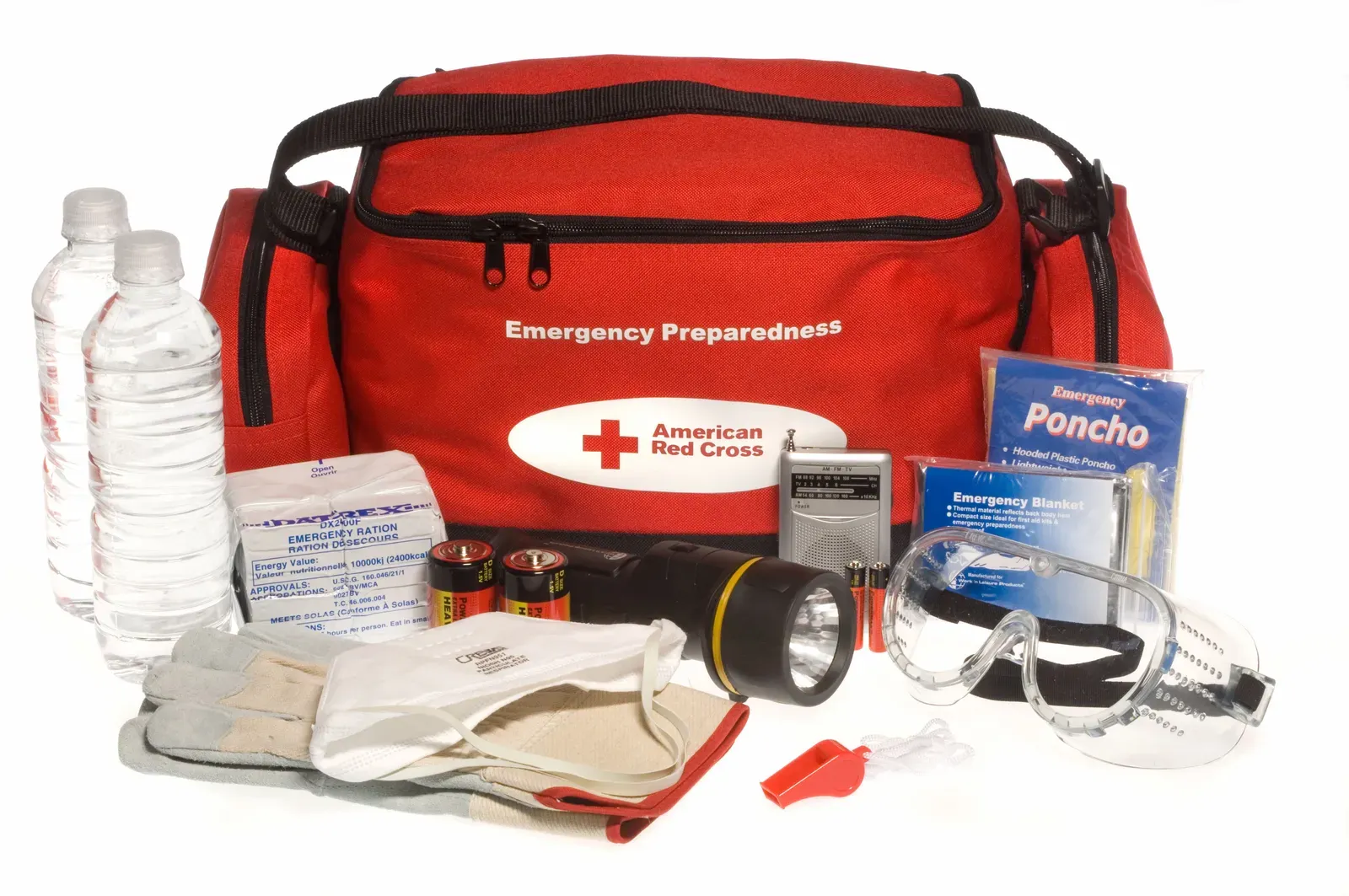
A go bag is a ready to grab kit, and in fire country it’s close to a household staple. Typical contents include water, nonperishable food, a flashlight, a first aid kit, medications, copies of important documents, phone chargers and a change of clothes. Official guidance from Cal Fire and Ready for Wildfire also stresses planning for pets and anyone with medical needs.
The routine part is the refresh. Many families check the bag at the start of fire season, swapping out expired food and updating medication supplies. Some keep a cheaper duplicate of key items in the car, so they’re covered if they’re away from home.
Clearing Defensible Space Around the Home
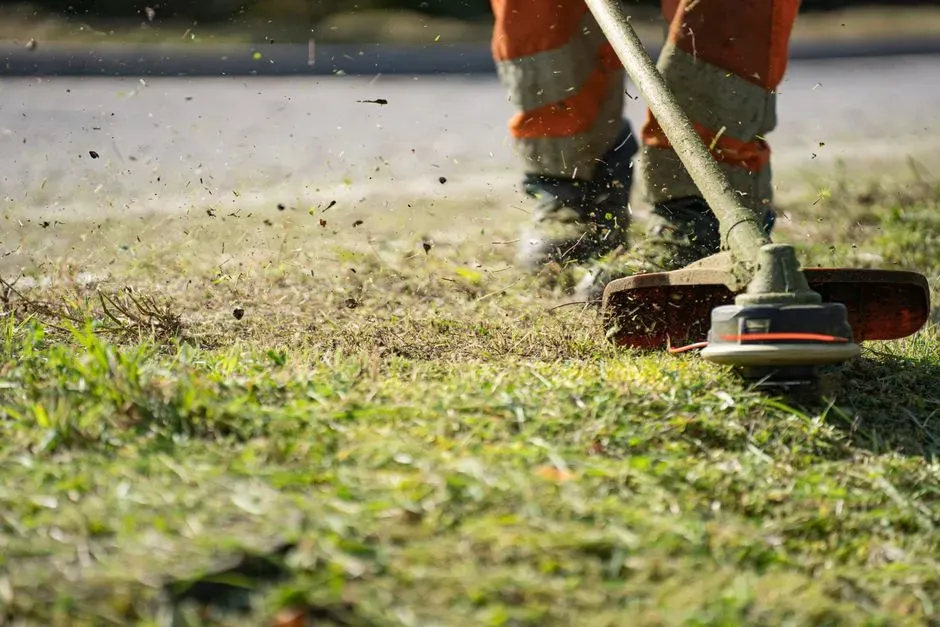
Defensible space is the buffer between a building and the vegetation around it. California law requires property owners in designated fire hazard areas to maintain it, generally out to one hundred feet or to the property line. Cal Fire describes zones that call for trimming grass, removing dead plants and spacing trees and shrubs.
Many homeowners treat this as a seasonal chore, often finishing in late spring before grasses dry out. Raking pine needles from roofs and gutters is part of it, along with moving firewood away from the house. Local fire departments frequently inspect and will explain what’s needed.
Hardening the House Against Embers

Wind-blown embers are a major way homes ignite, sometimes well ahead of the flame front. For that reason, residents pay attention to details like vents, gutters, roofing and the area right next to the walls. Building rules in high risk zones call for ember resistant vents and fire rated roofing materials in new construction.
Owners of older homes often upgrade piece by piece. Common steps include fitting fine metal mesh over attic and crawlspace vents and replacing wooden fencing that touches the house with noncombustible material. State officials have also been developing rules about keeping the first few feet around a building free of flammable items, so this is a space to watch.
Watching Air Quality and Using Filtered Indoor Air

Smoke can travel hundreds of miles, so air quality matters even for people nowhere near a fire. Many residents check the federal AirNow map or sensor networks such as PurpleAir before deciding whether to exercise outdoors. On smoky days, they close windows and run air purifiers or HVAC systems with good filters.
Public health agencies note that a properly fitted N95 respirator can reduce exposure to fine smoke particles when you have to be outside. Ordinary cloth or surgical masks don’t filter those particles well. Families with children, older adults or anyone with asthma or heart conditions tend to be especially careful.
Learning Evacuation Routes and Zones
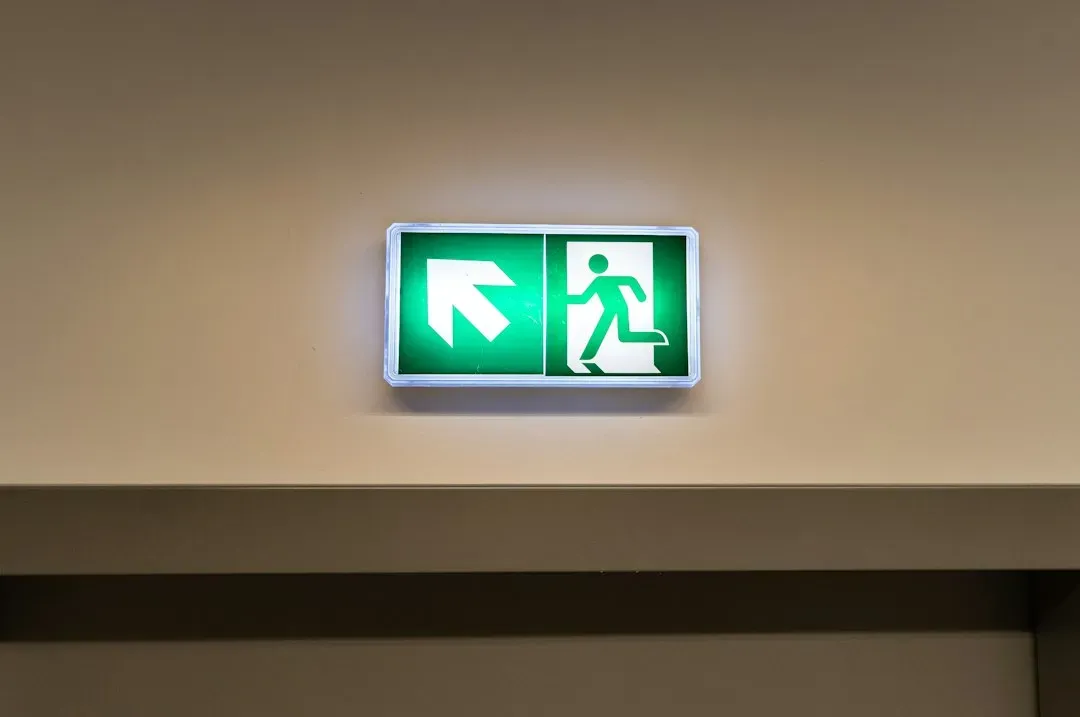
Knowing more than one way out of a neighborhood is a habit that fire survivors often urge on others. Many counties now use zone based systems, like Genasys Protect, that let people look up their evacuation zone by address. Learning that zone name ahead of time saves confusion when an alert reads in terms of zones rather than street names.
Some families drive the alternate routes once a year, just to see how they feel. They also agree on a meeting place and arrange for someone to pick up kids or relatives if roads are tied up. Keeping the gas tank at least partly full during fire season is another quiet precaution.
Reviewing Insurance and Documenting Belongings

Insurance has become a bigger part of wildfire preparation in California, as several insurers have reduced coverage or stopped renewing policies in high risk areas. Some homeowners have turned to the California FAIR Plan, the state’s insurer of last resort, though it typically offers more limited coverage. Because of that, many people read their policies more closely each year, checking limits and what’s covered for temporary housing.
A common routine is making a home inventory, often by walking through with a phone camera and narrating what’s in each room. Storing the video and key paperwork in cloud storage means it survives even if the house doesn’t. Filing the details away before an emergency makes a claim far less painful later.

- The Shoreline Sucked Dry in Seconds – 5 Tsunami Signals Beachgoers Mistake for Low Tide - November 14, 2026
- 9 Dark-Sky Destinations Around the World Where the Stars Look Unreal - November 14, 2026
- The Fault Line That Never Slips – 7 Locked Seismic Zones Overdue for a Massive Release - November 14, 2026
