

- Phantom Energy Sucking Power 24/7 – 7 Home Electronics Quietly Inflating Utility Bills - November 14, 2026
- A Million-Mile Storm Raging for Centuries – 6 Violent Weather Wonders in Our System - November 14, 2026
- Animals Flee Hours Before the Tremor – 7 Natural Warnings Before Disasters Strike - November 14, 2026
On the afternoon of March 18, 1925, a single storm system began tearing across the Midwest. It didn’t stop until it had passed through three states.
The tornado is still the deadliest in United States history. The details of its path, its speed, and the towns it hit explain why that record has held for a century.
Where and When It Began
The tornado is generally traced to the area near Ellington in Reynolds County, Missouri. It touched down in the early afternoon, shortly after one o’clock local time.
The Ozark hills there are rough, rural country with scattered farms. Early damage included destroyed homes and farm buildings, and the tornado grew in strength as it moved northeast.
A Path of About 219 Miles
The National Weather Service lists the track at roughly 219 miles. That is the longest continuous tornado path on record in the United States.
Most tornadoes travel only a few miles before they weaken and lift. This one stayed on the ground across Missouri, Illinois, and Indiana, which is why it earned the name Tri-State Tornado.
Moving at Highway Speed
Covering that distance in about three and a half hours means the storm moved quickly. Its average forward speed is usually given as about 62 miles per hour, and parts of its journey were faster.
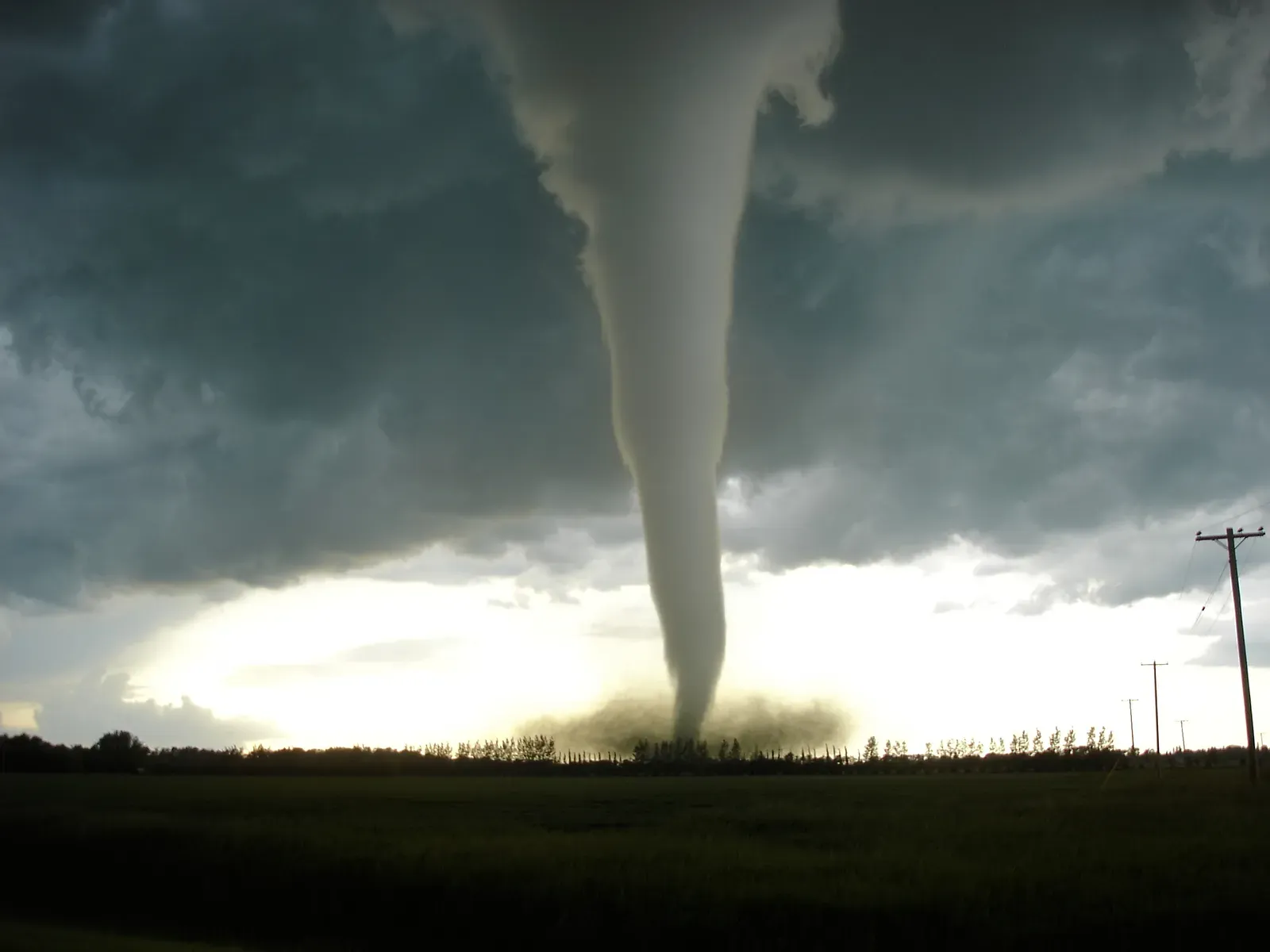
The speed left people almost no time to react. Many residents had no chance to reach shelter before the funnel arrived, and the storm often looked like a dark mass of cloud and debris rather than a clear funnel.
Crossing the Mississippi Into Illinois
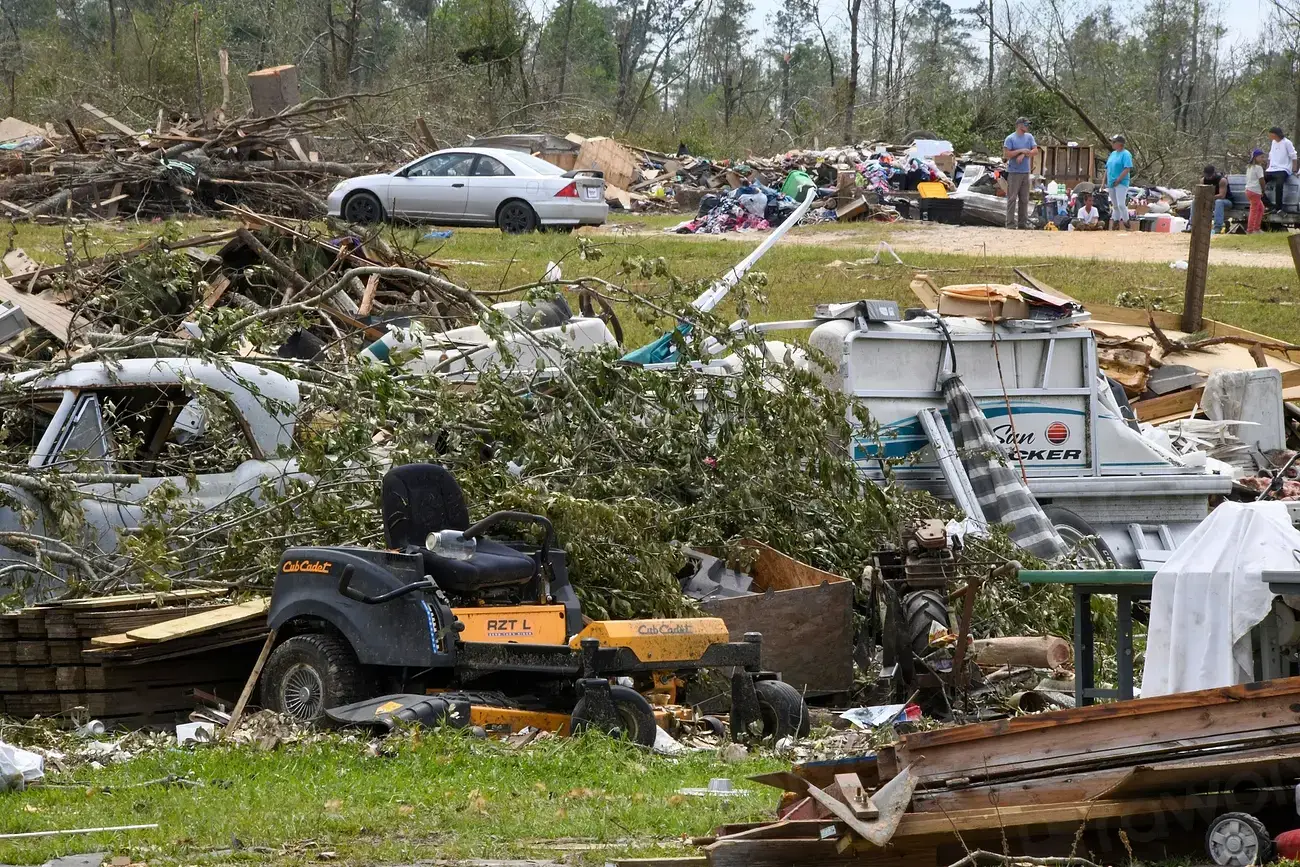
After crossing Missouri, the tornado went over the Mississippi River and entered southern Illinois. Small communities in the path were hit hard, including Gorham, which suffered heavy losses.
Illinois took the worst of it. Of the 695 deaths usually attributed to the storm, about 613 were in Illinois, far more than in the other two states combined.
Murphysboro and Other Hard Hit Towns
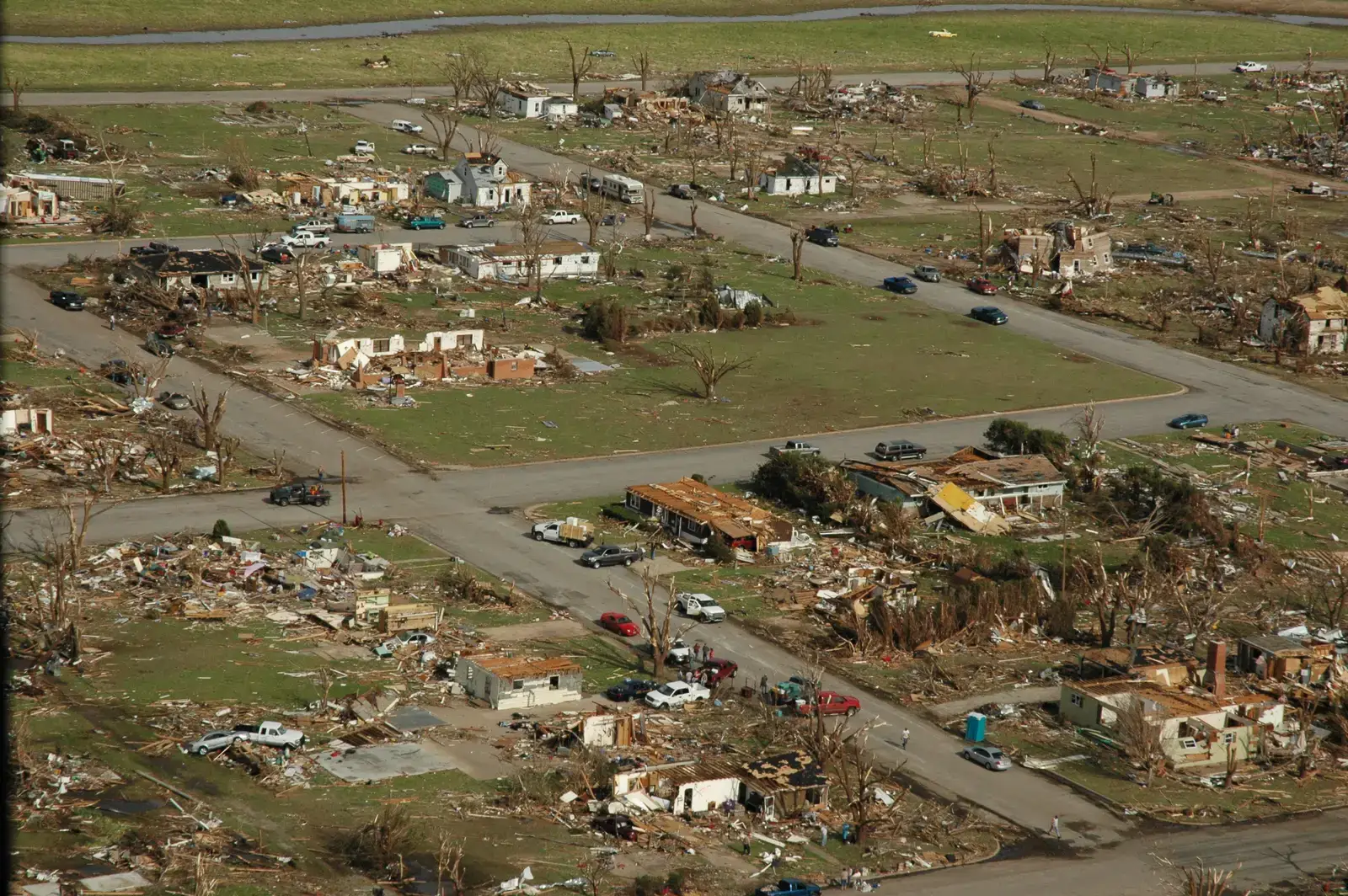
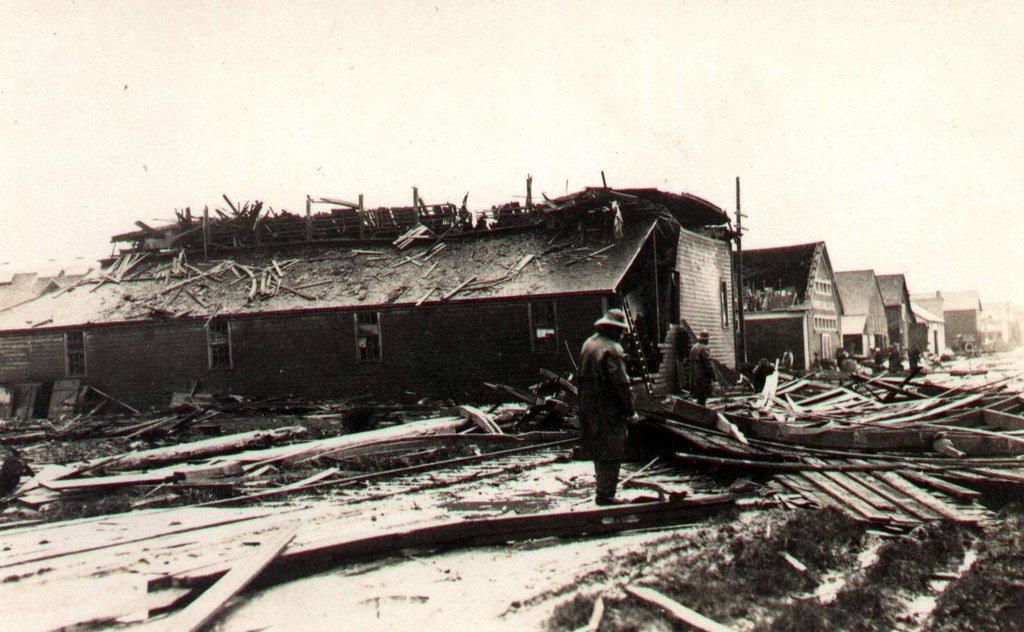
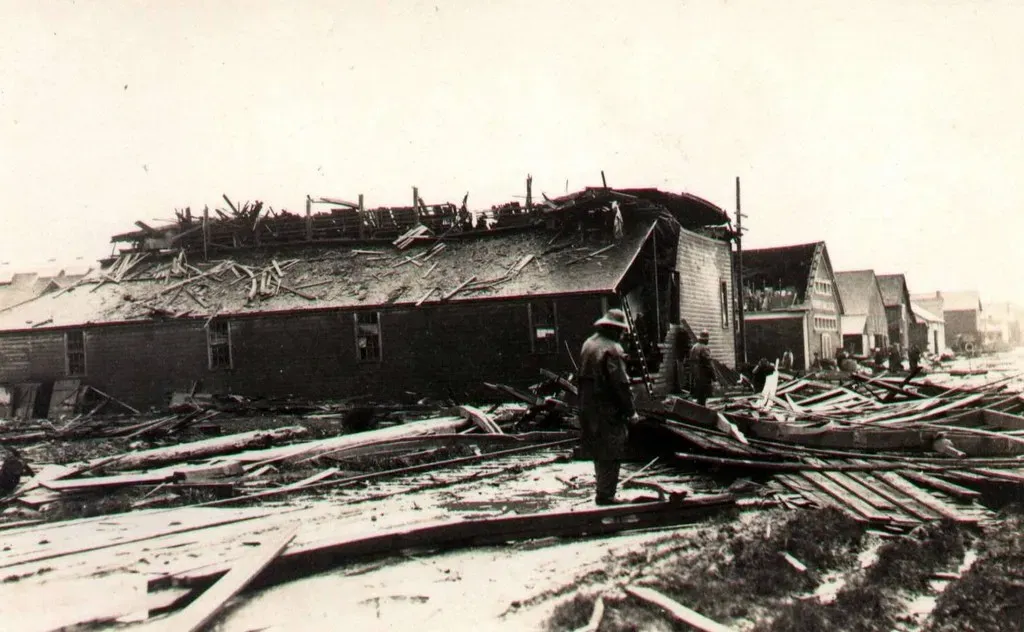
Murphysboro, Illinois, recorded the highest death toll of any single community in a U.S. tornado, with 234 people killed. Large parts of the town were flattened, and fires added to the destruction.
Other places suffered badly too. De Soto lost dozens of residents, including many schoolchildren, and West Frankfort, a mining town, recorded well over a hundred deaths.
The Final Stretch Through Indiana
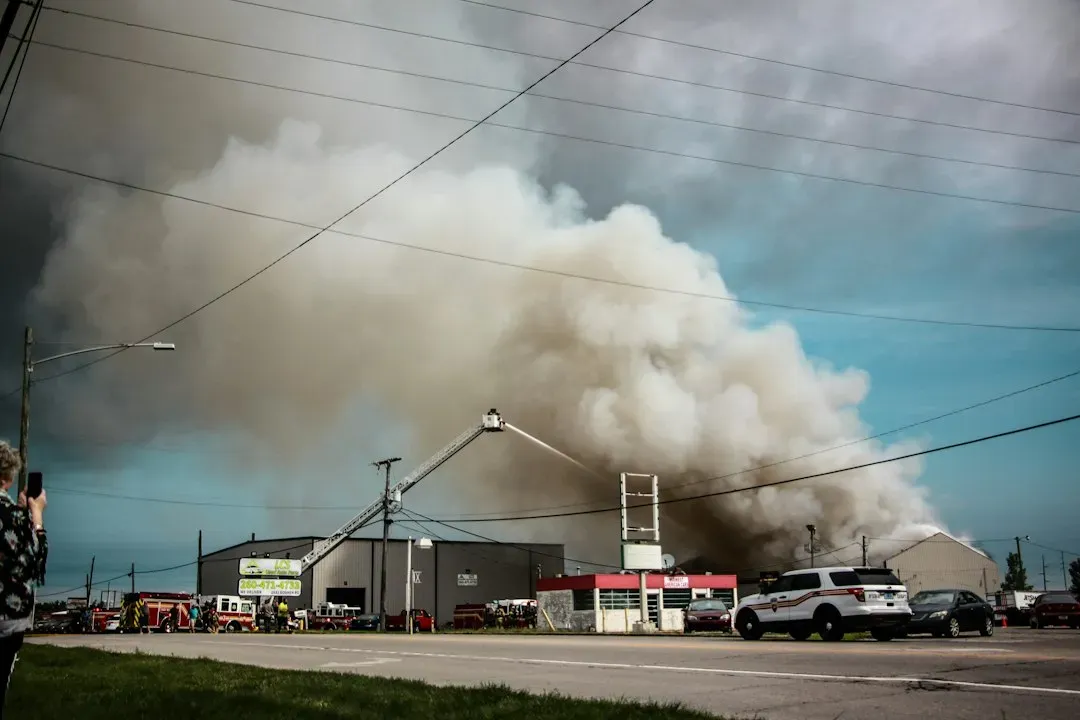
The storm then crossed into southwestern Indiana and kept going. Griffin and Owensville were among the communities hit before it reached the area near Princeton.
Indiana’s death toll was about 71. The tornado is generally said to have dissipated in the late afternoon, close to four thirty, after its long run.
Casualties and Damage
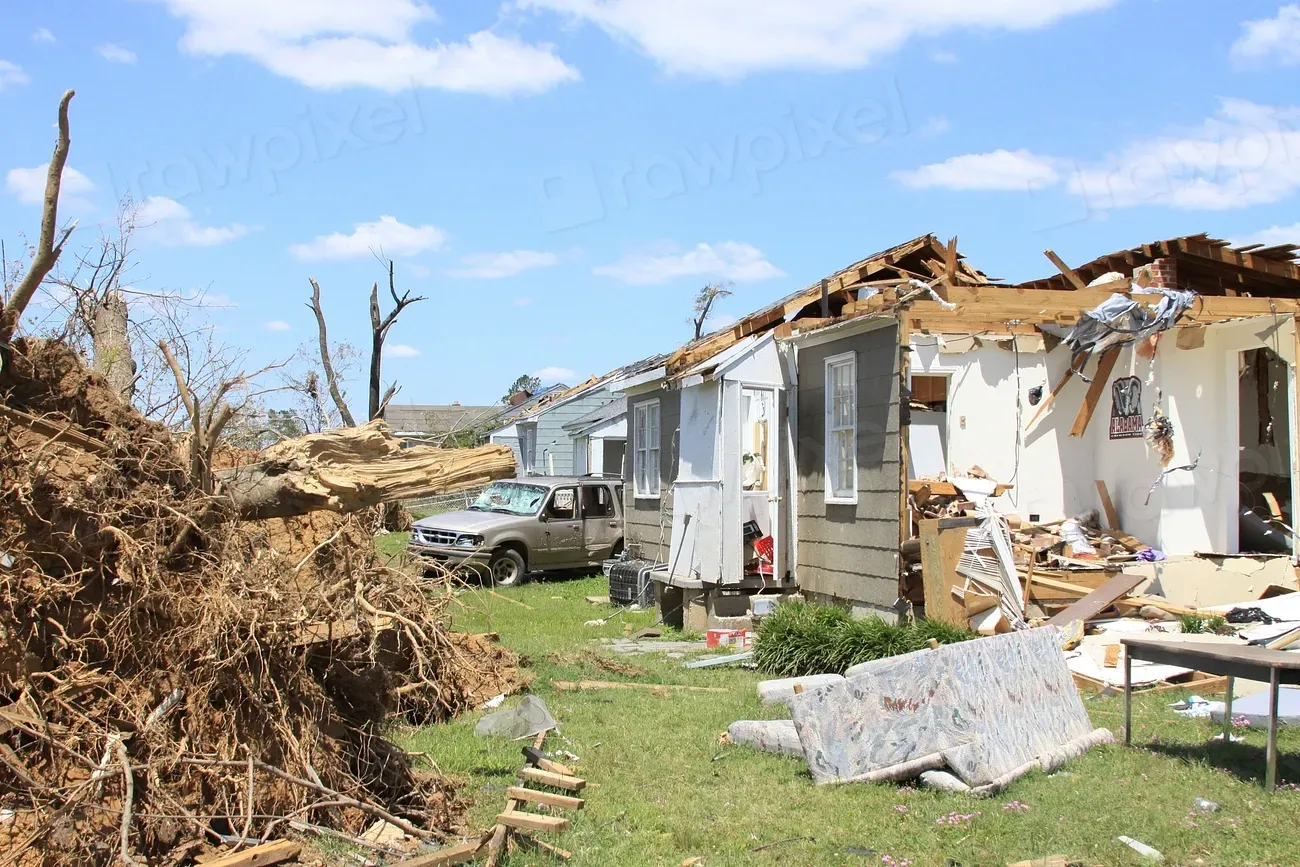
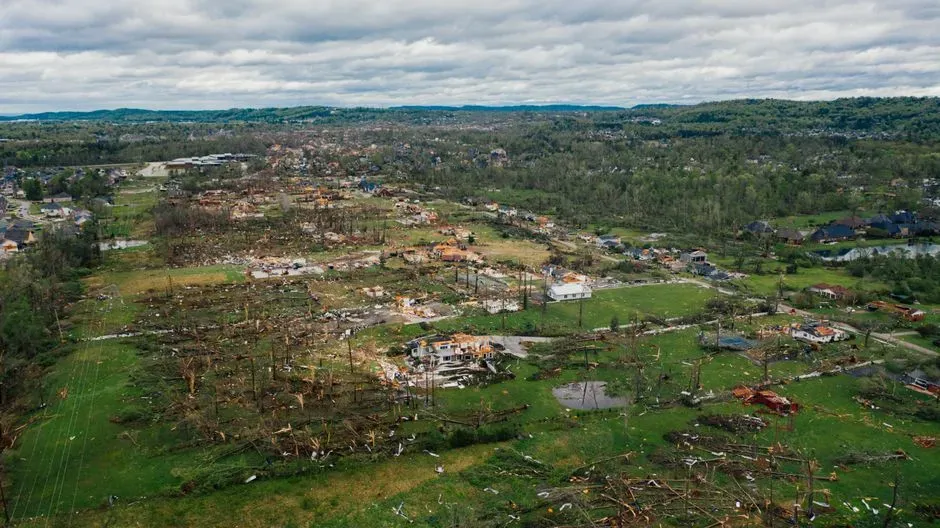
Along with the 695 deaths, roughly 2,000 people were injured. The tornado often measured a mile wide, so it damaged a broad area and not just a narrow strip.
Many victims were miners, farmers, and families in small towns where buildings were lightly built. Entire neighborhoods were destroyed, and relief efforts continued for weeks.
Strength and Classification
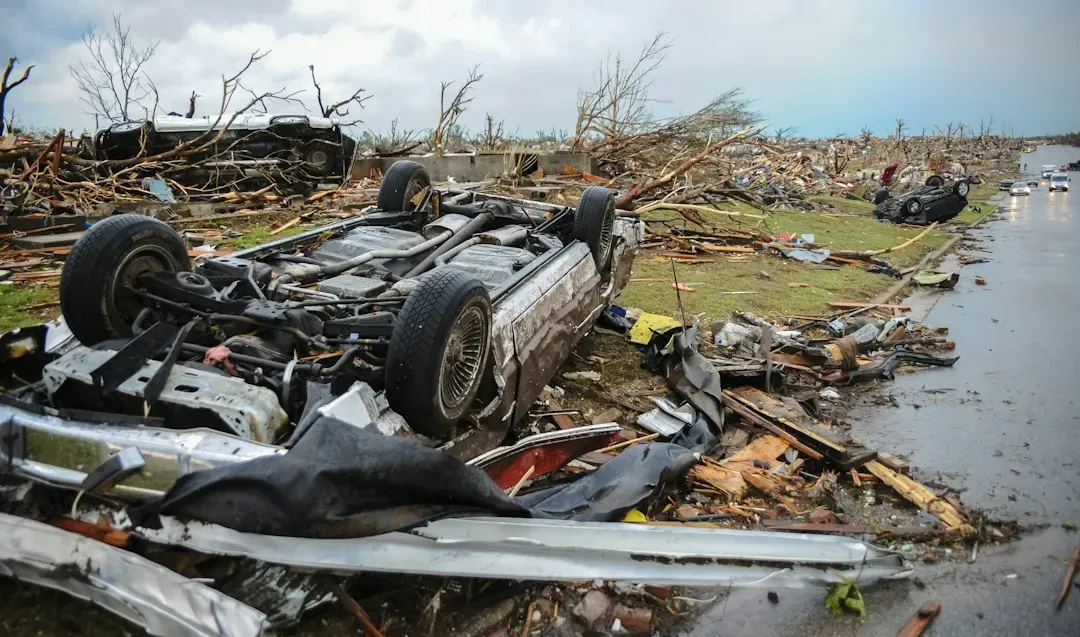
The tornado happened long before the Fujita scale existed. Later researchers who reviewed damage records classified it as an F5, the top category.
Some researchers have raised the possibility that the track was produced by more than one tornado in a series. Even so, the 1925 event is still commonly treated as one continuous storm in official records, because the surviving evidence shows damage along an unbroken path.
Forecasting in 1925
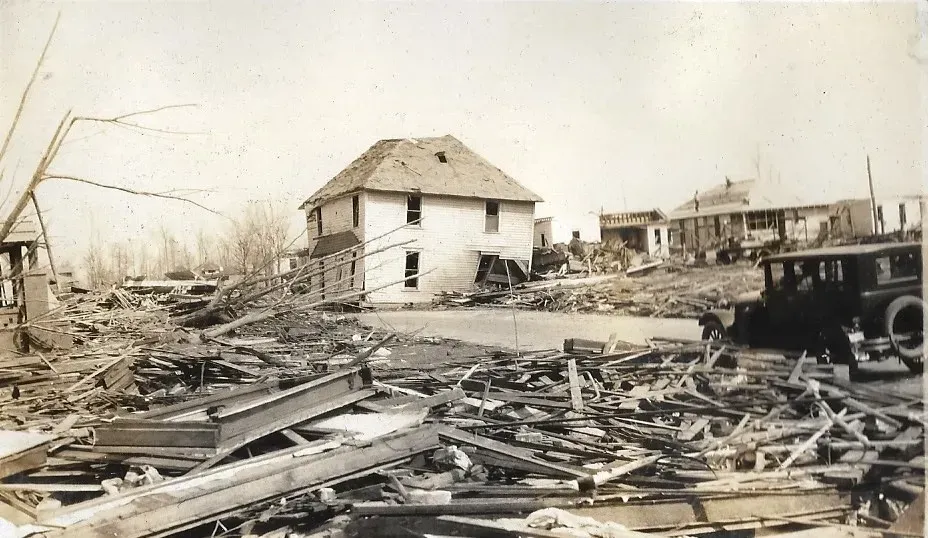
Warnings were not possible in the way they are today. Forecasters at the time avoided using the word tornado in public forecasts, partly out of concern about causing panic.
There was no radar and no modern warning network. People often learned of the danger only when the storm was already on top of them, which helps explain how many lives were lost.
