

Minnesota winters still bite, but they don’t bite quite like they used to. Data shows climate change has warmed Minnesota’s winters about 5 to 6 degrees overall since 1970. The 2023 to 2024 season went further, becoming the warmest meteorological winter on record for most locations in Minnesota.
Warmer doesn’t mean drier, though. Higher temps don’t mean less snow; in fact, the opposite is often true. For people who own homes here, that mix of thaws, heavy slush and refreezing is changing what maintenance looks like.
Tightening Up Attic Insulation and Air Sealing
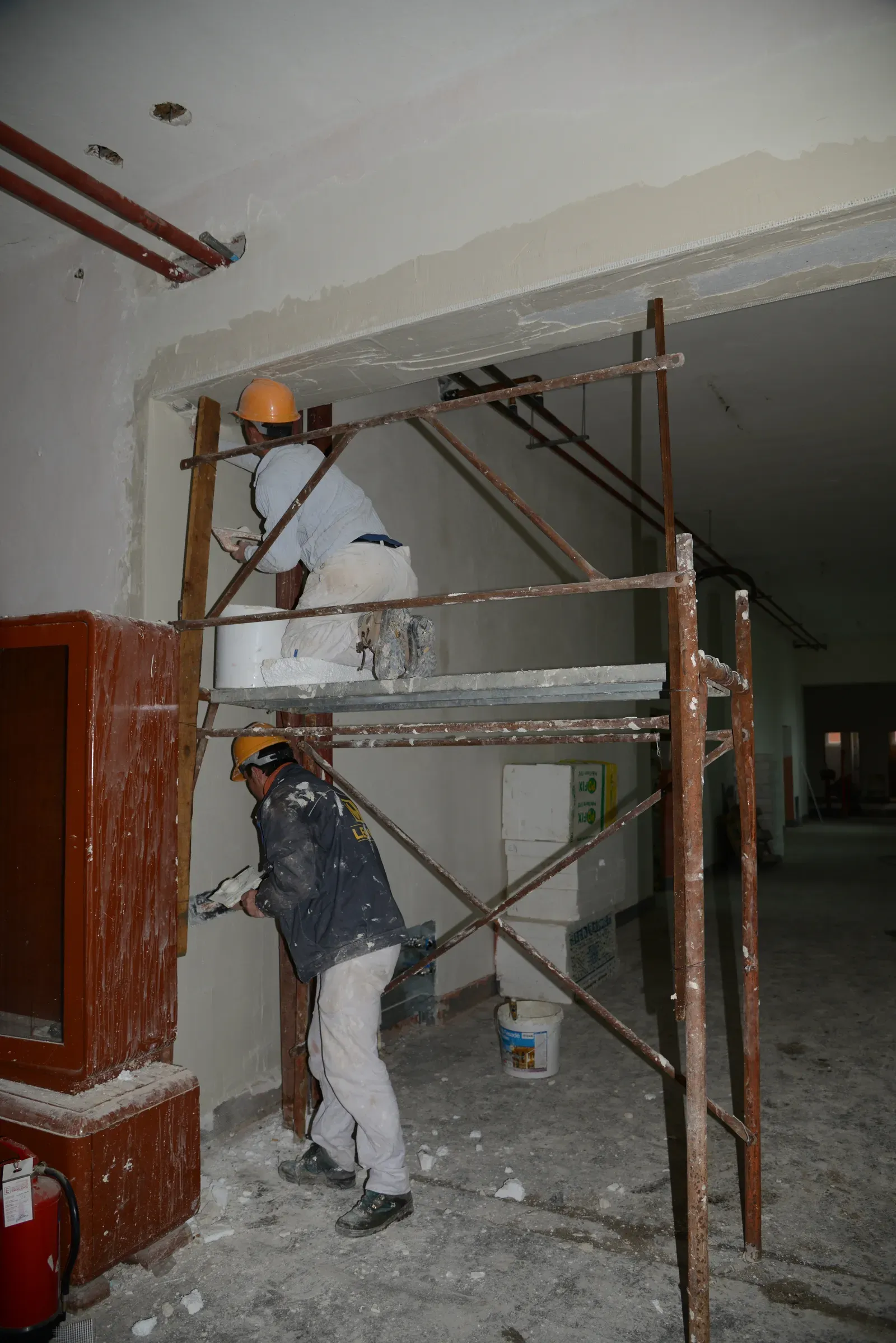
Attic work is where many homeowners start. More homeowners are upgrading attic insulation, sealing air leaks, and winterizing basements to hold heat more effectively and keep moisture out. It’s a sensible first step because it addresses heat loss and moisture at once.
The logic holds even in a milder winter. A leaky ceiling still lets warm indoor air reach the roof deck. That sets up trouble when snow sits on top, which leads straight to the next item.
Preventing Ice Dams Before They Form
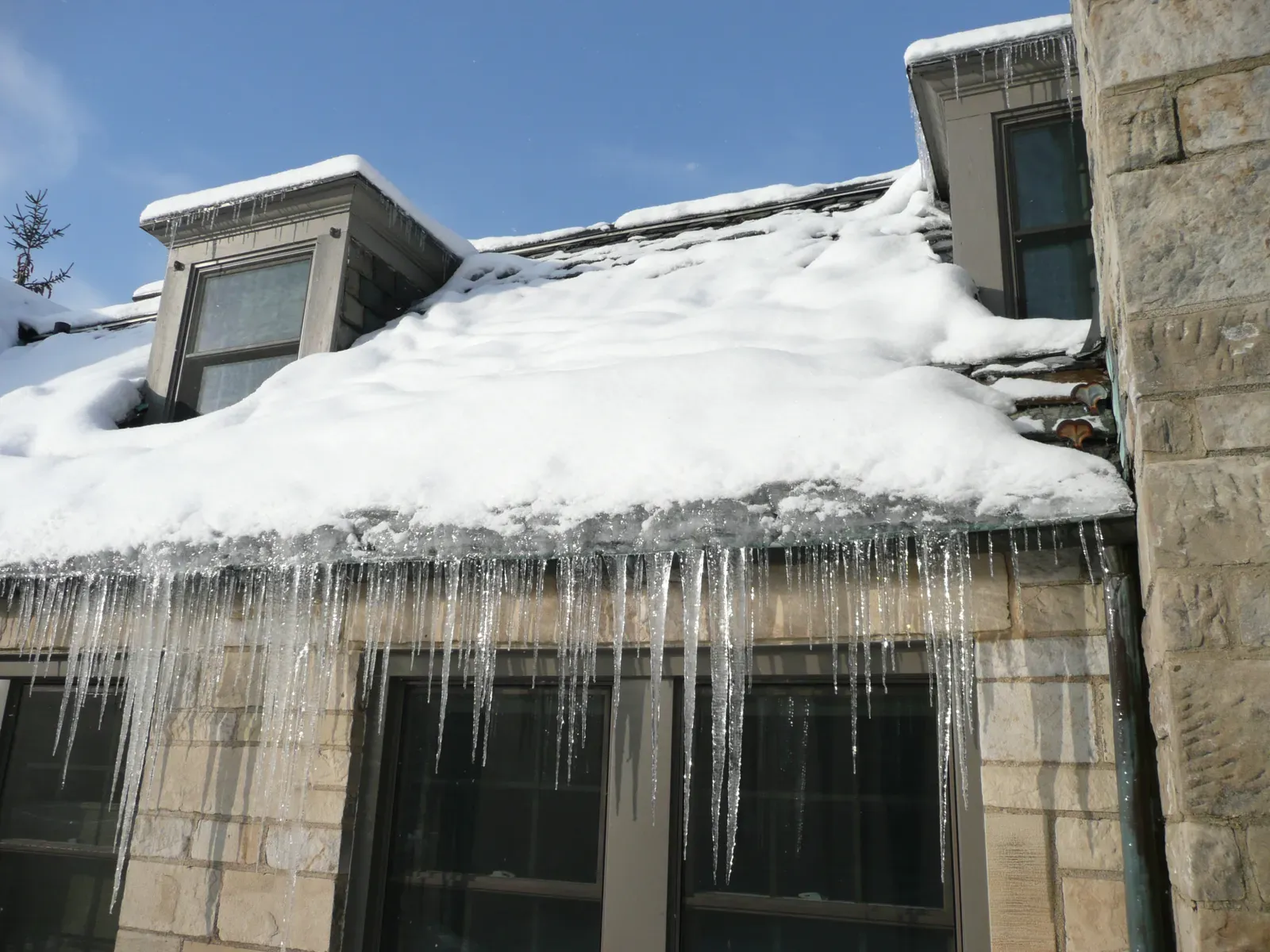
Ice dams thrive on the swing between thaw and freeze. These trends accelerate freeze thaw cycles and spawn destructive ice dams. A winter that hovers near freezing can be harder on a roof than one that stays deeply cold.
Many homeowners are now treating ice dam prevention as a year round job. Better attic insulation and ventilation keep the roof surface cooler and more even. Roof edge snow removal after a heavy storm is another common habit, though it’s worth doing safely or hiring someone.
Upgrading to Larger Gutters and Downspouts
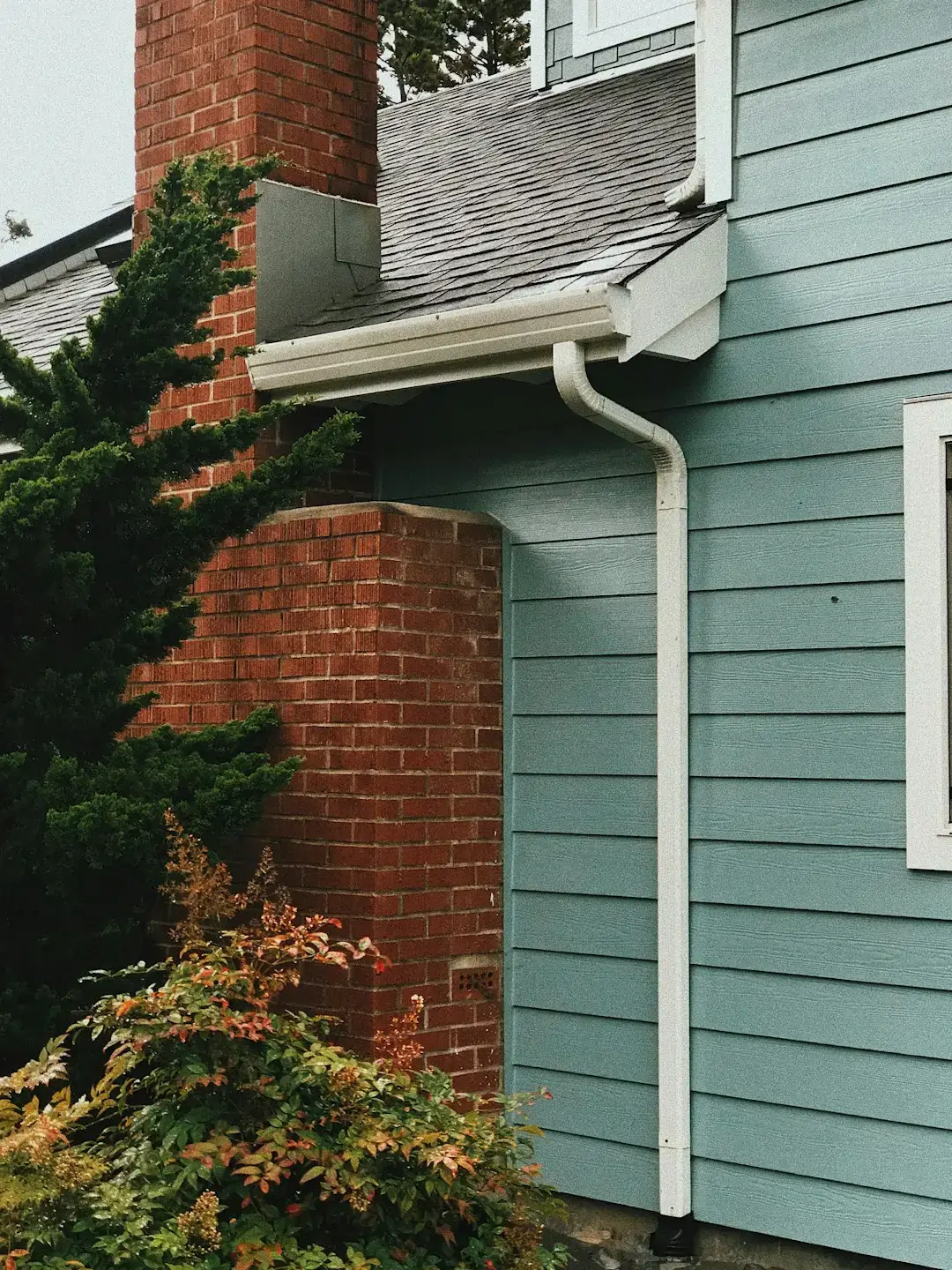
Gutters that were fine in the 1990s can struggle now. State records show an average warming of 3 °F since 1895, along with heavier rain events that push drainage systems to their limits. Winter rain and fast snowmelt add to the load.
One response is to go bigger. A roofing contractor reports that many homeowners now opt for six inch troughs with oversized downspouts that can move forty percent more water than legacy five inch systems. That figure comes from a company that sells these upgrades, so treat it as a rough guide.
Regrading the Yard to Move Water Away
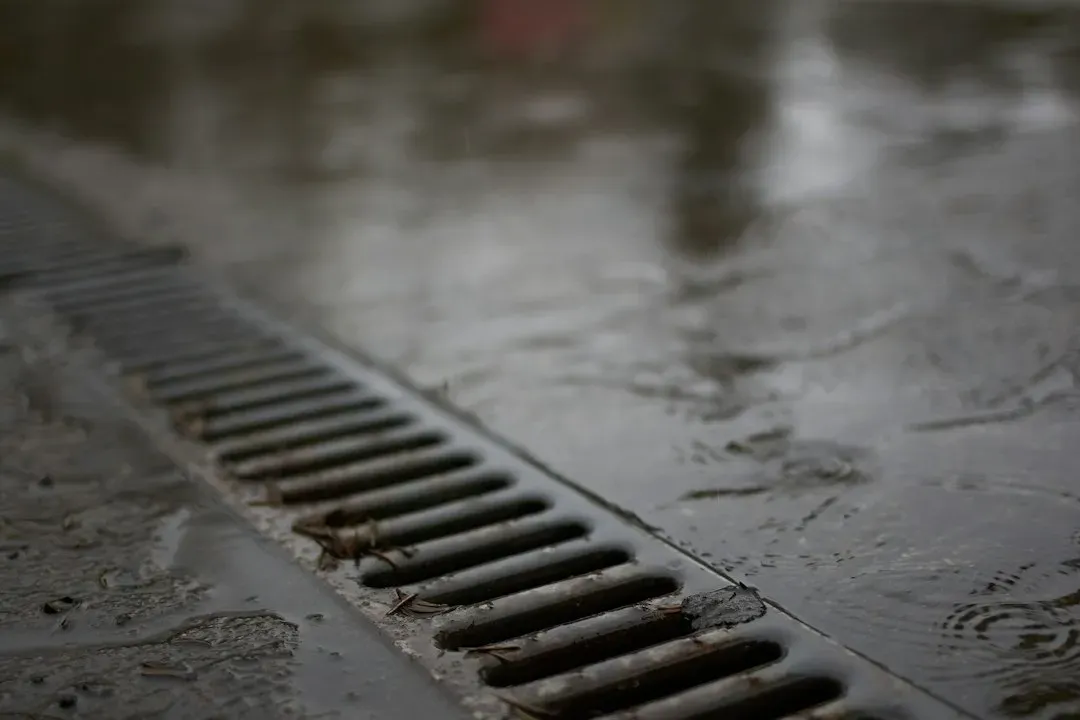
Water has to go somewhere, and homeowners are paying more attention to where. Wetter winters mean more melting snow and rainwater around the home. A yard that slopes toward the foundation turns that meltwater into a basement problem.
Regrading soil so it falls away from the house is a common fix. Extending downspouts several feet from the walls helps too. These are modest jobs compared with foundation repair, which is the point.
Adding Sump Pumps and Basement Waterproofing

The state is getting wetter over the long run. Overall Minnesota is about 3 degrees warmer and 3 inches wetter than 1900. More moisture in the ground raises the odds of seepage.
That’s pushing more people toward sump pumps, interior drain systems and sealed basement walls. Battery backups are a popular add on, since storms can knock out power just when a pump is needed. Local contractors can tell you what suits your soil and water table.
Protecting Roofs and Siding From Constant Moisture
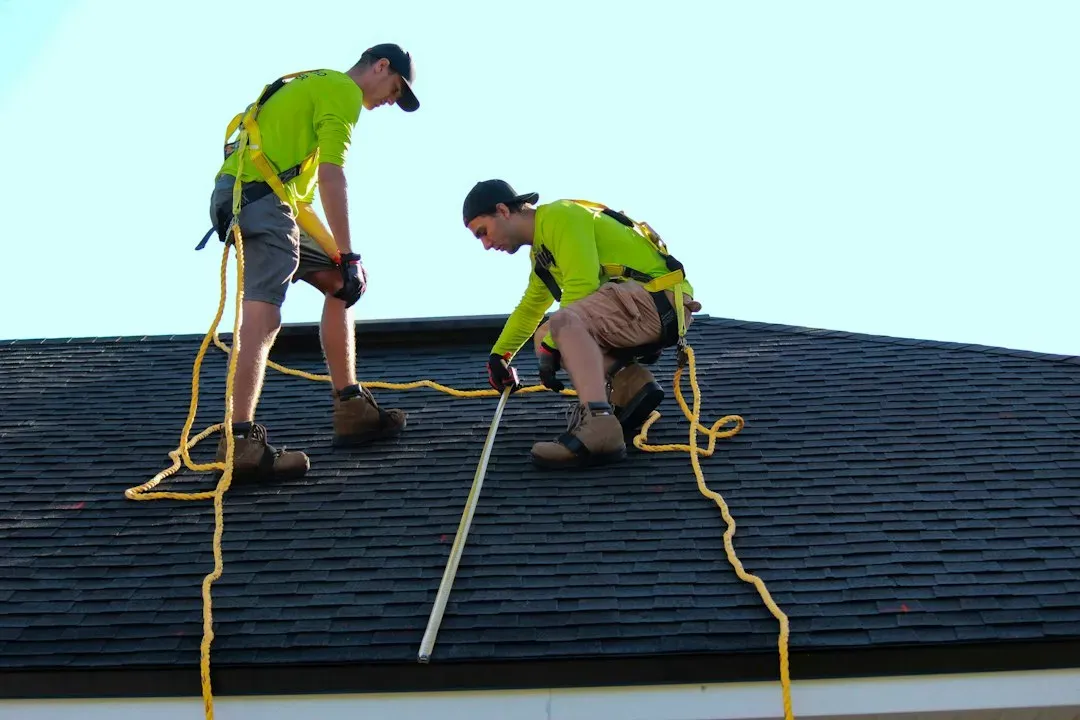
Exteriors take a beating when dry cold gives way to damp. A warmer, wetter Minnesota means more roof leaks, siding rot, and basement seepage. Wood that stays wet doesn’t last as long.
Homeowners are responding with better flashing, sealed seams and moisture resistant materials when they replace siding or roofing. Regular inspections after thaws catch small leaks early. It’s less glamorous than a new kitchen, yet it protects the whole structure.
Preparing for Heavier, Wetter Snow
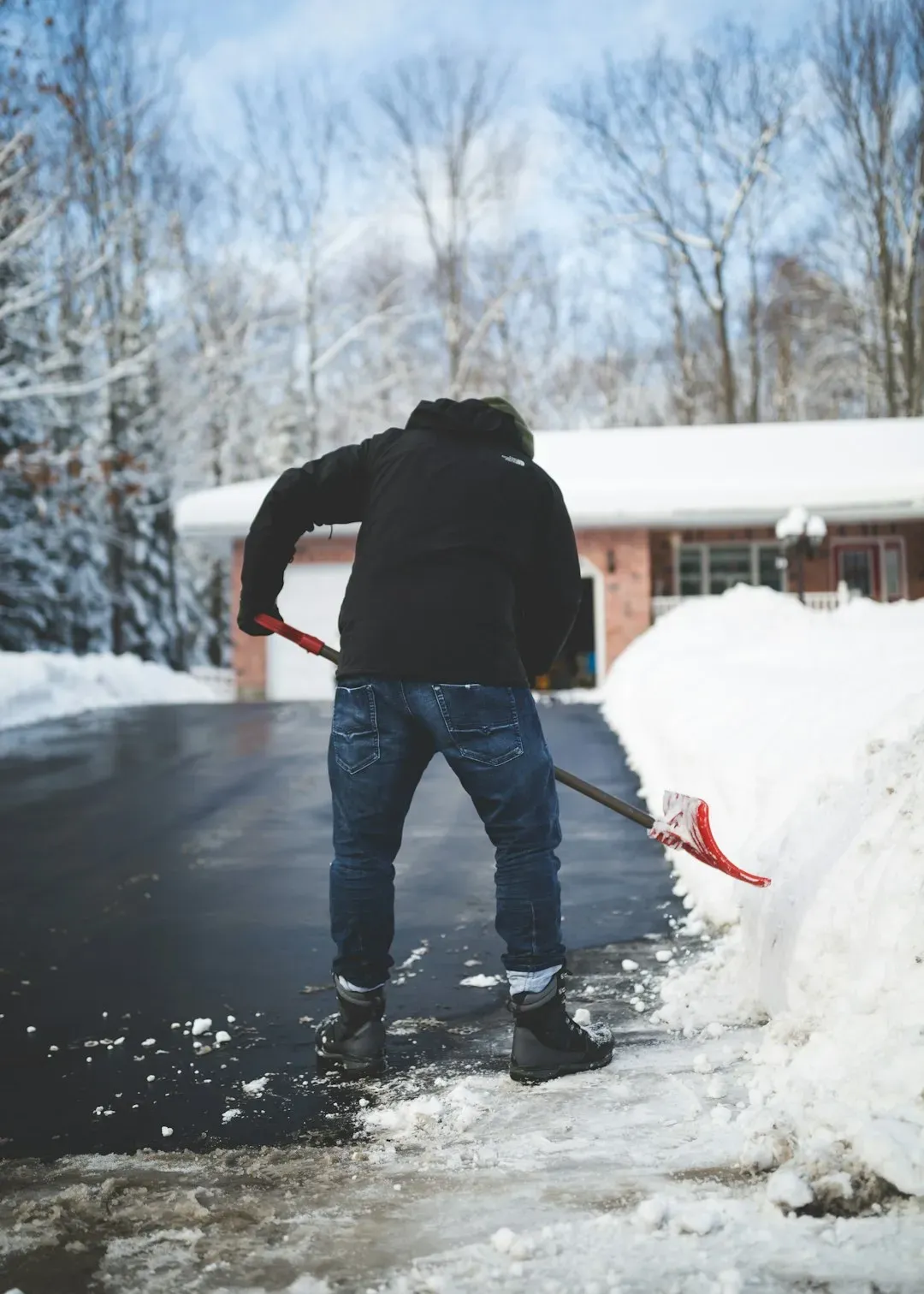
Fewer cold days haven’t erased big storms. Warmer air holds more moisture, so winter storms now deliver heavy, wet snow that rapidly freezes overnight. Wet snow is harder to shovel and puts more weight on roofs and tree limbs.
Some homeowners now trim overhanging branches before winter. Others invest in sturdier snow shovels, or a snowblower built for heavy, wet snow, and keep ice melt on hand for the refreeze. Observed records also show more days with heavy snow during warming winters, so the preparation isn’t wasted.
Rethinking Heating Systems and Energy Use

Milder winters change the heating equation, though not by as much as you might think. On average, Minnesota winters are about 15% less intense than they were in the 1950s and 1960s. That’s a real shift, but cold snaps still happen.
Homeowners are weighing efficient furnaces, cold climate heat pumps and smart thermostats, often alongside insulation upgrades. Reducing heat loss first lets them choose smaller, more efficient equipment. Costs and incentives vary, so quotes and current utility programs are worth checking.
Managing Indoor Humidity and Ventilation
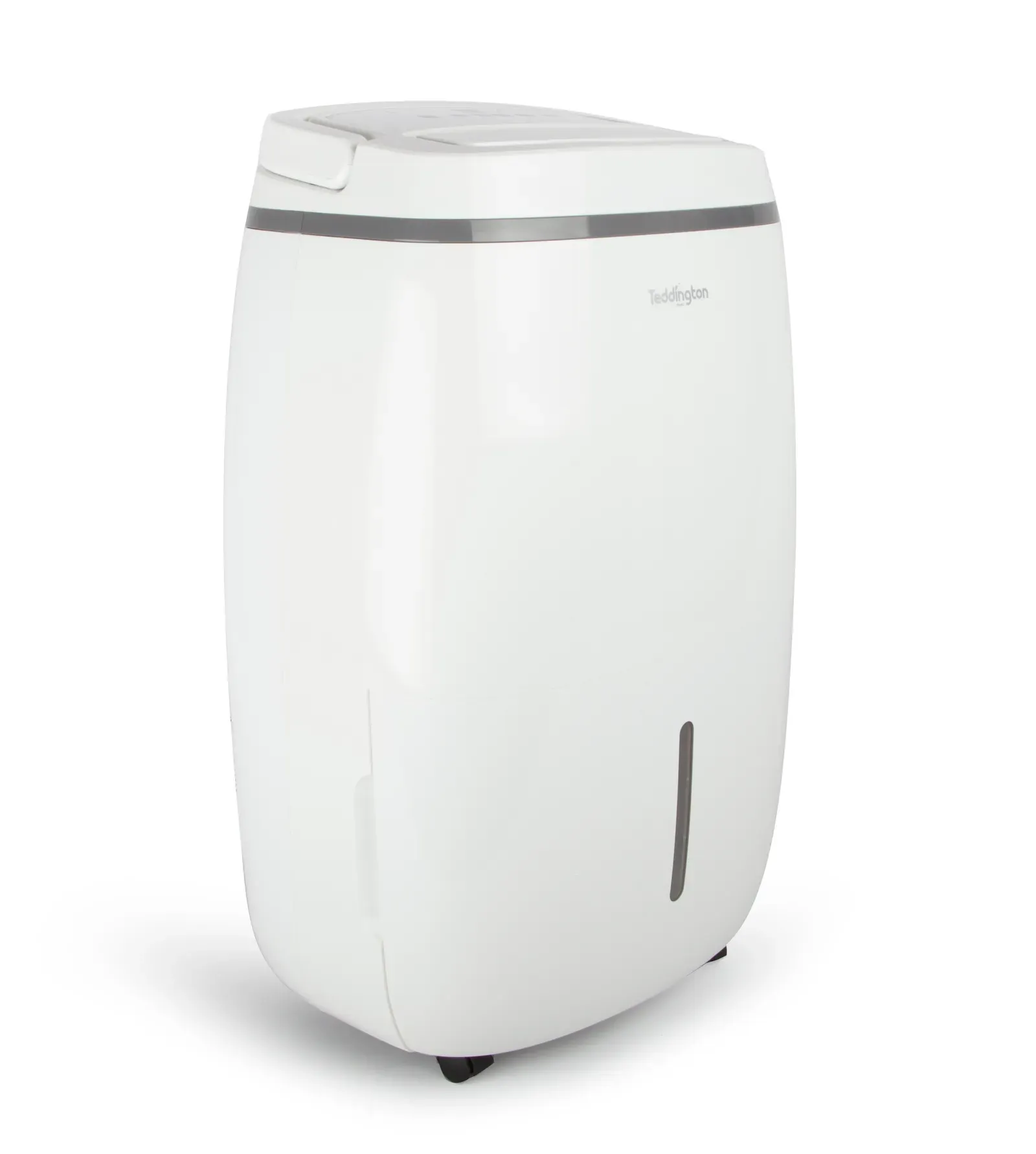
A tighter, better insulated house can trap moisture. Add damp outdoor conditions and you get condensation on windows, musty basements and, sometimes, mold. Homeowners are responding with dehumidifiers, working bathroom fans and kitchen vents that actually exhaust outdoors.
Some are also adding humidity monitors, which are inexpensive and easy to use. Keeping indoor humidity in a moderate range helps protect both the building and air quality. The goal is to seal air leaks without sealing in moisture.
Choosing Landscaping That Handles Wet and Swingy Weather

Yards feel the changes too. Gardeners have watched big, juicy tree buds bursting out across Minnesota during an unseasonably warm February, which leaves plants exposed if cold returns. Early growth followed by a hard freeze can damage them.
Homeowners are adding rain gardens, native plants that tolerate both wet soil and dry spells, and mulch to slow runoff and protect roots. Soil that drains well near the foundation helps the house as well as the plants. Local resources like University of Minnesota Extension are good places to check what suits your area.

- Blue whales vanish from the Galápagos, and scientists suspect El Niño - November 11, 2026
- 8 Famous Battles That Were Decided by the Weather - November 11, 2026
- Black Sunday 1935: 9 Photos From the Worst Dust Storm of the Dust Bowl Era - November 11, 2026
