


- Record planetary extremes loom as the world’s largest climate summit begins - November 12, 2026
- Will travel insurance cover weather-related flight delays and cancellations? - November 11, 2026
- 8 Cities Where the Weather Changes So Fast Locals Carry Everything - November 11, 2026
Most of us don’t think much about where breakfast comes from. The coffee, the toast, the orange juice all show up reliably, and the price tag rarely hints at the weather behind it.
Over the past few years, though, a run of poor harvests and record prices has made that link harder to ignore. Researchers who study crops, soils and growing seasons keep returning to the same group of familiar foods, and here are ten of them.
Coffee
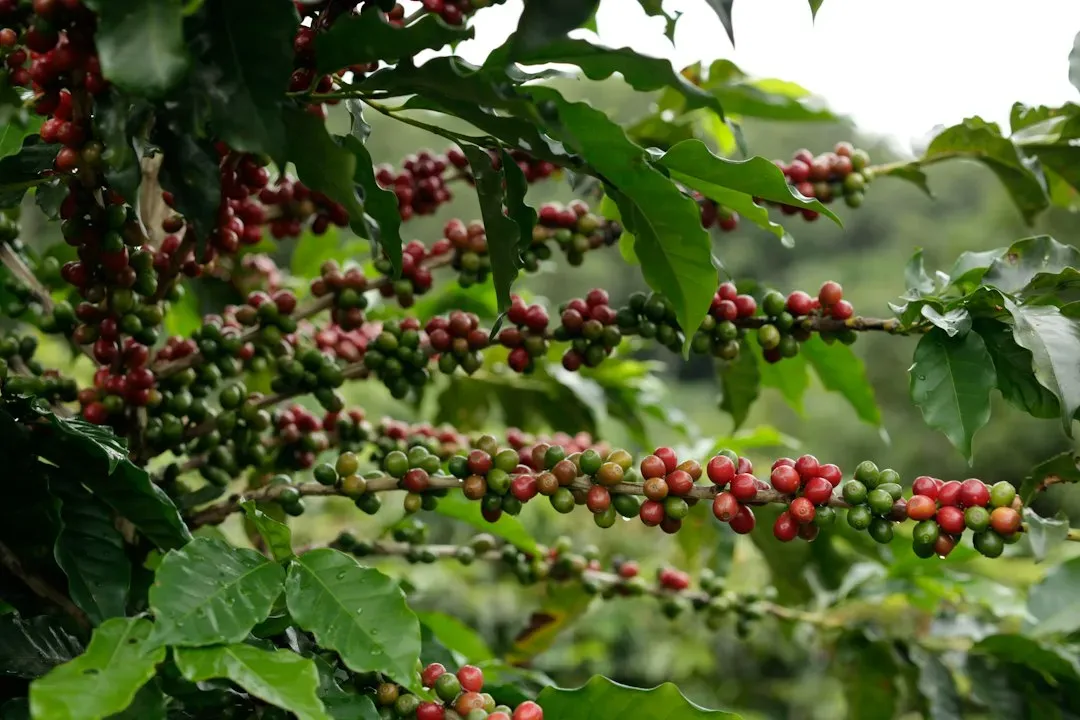
Arabica, the species behind most of the coffee people drink, grows best within a fairly narrow band of temperature and rainfall. Researchers have warned for years that warming could shrink the land suited to it, including in Ethiopia, where the species originated. Heat, erratic rain and new pest pressure all make the job harder for farmers.
The market has already shown the strain. Drought and frost in Brazil, the world’s largest producer, helped push arabica prices to record highs in early 2025. Climate is rarely the only cause of a price spike, yet it keeps showing up as a common thread.
Chocolate
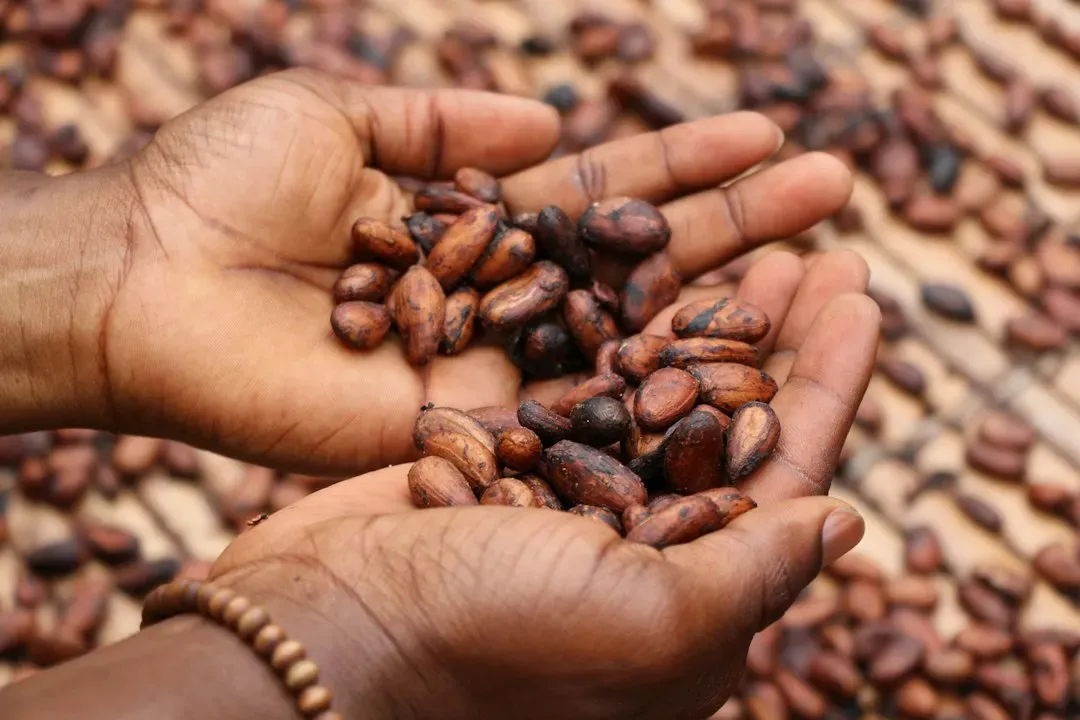
Cacao trees are fussy. They like steady warmth, humidity and shade, and most of the world’s supply comes from a small area of West Africa, mainly Ivory Coast and Ghana. That concentration means one bad season in the region can ripple across the globe.
Cocoa prices climbed to unprecedented levels in late 2024 after poor harvests. Erratic weather and tree disease were widely cited as drivers, and researchers say hotter, drier spells will keep testing the crop. Prices eased later, though the underlying fragility hasn’t gone away.
Wheat
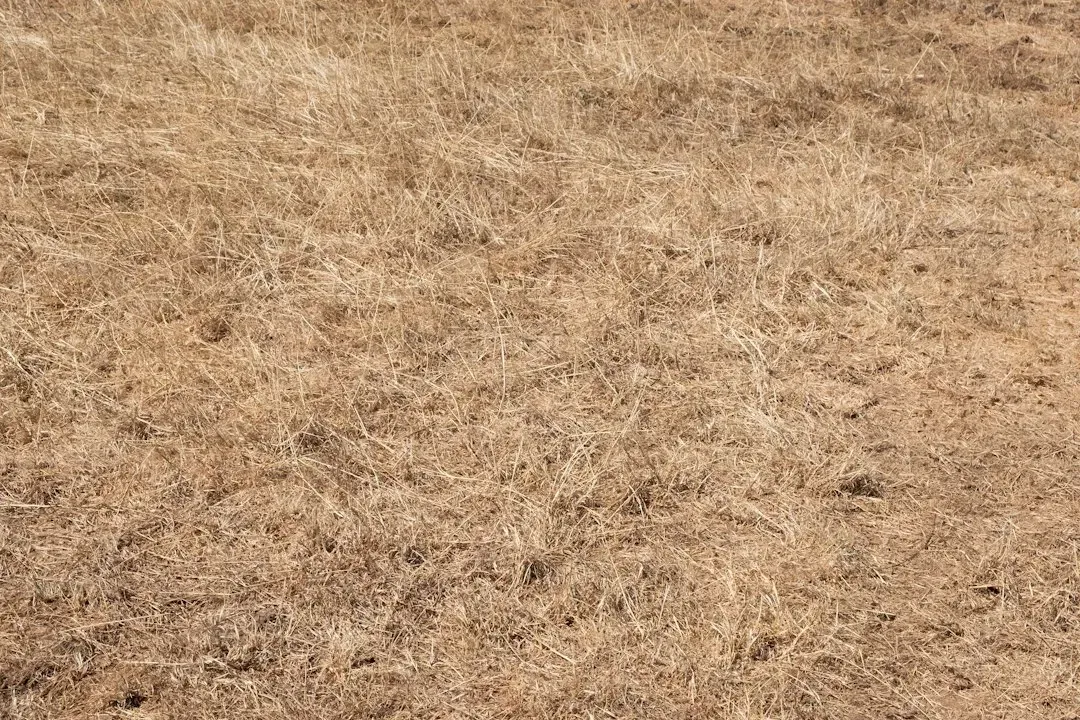
Wheat feeds a huge share of the planet, and it doesn’t love extreme heat during the grain filling stage. A widely cited multi model study estimated that each degree Celsius of warming could cut global wheat yields by roughly six percent. That’s a sizable figure for a staple that sits behind bread, pasta and noodles.
A severe heat wave in India in 2022 hit wheat yields and led the government to restrict exports. It was a reminder that weather shocks in one country can quickly become a global trade story. Breeders are working on more heat tolerant varieties, but progress takes years.
Rice
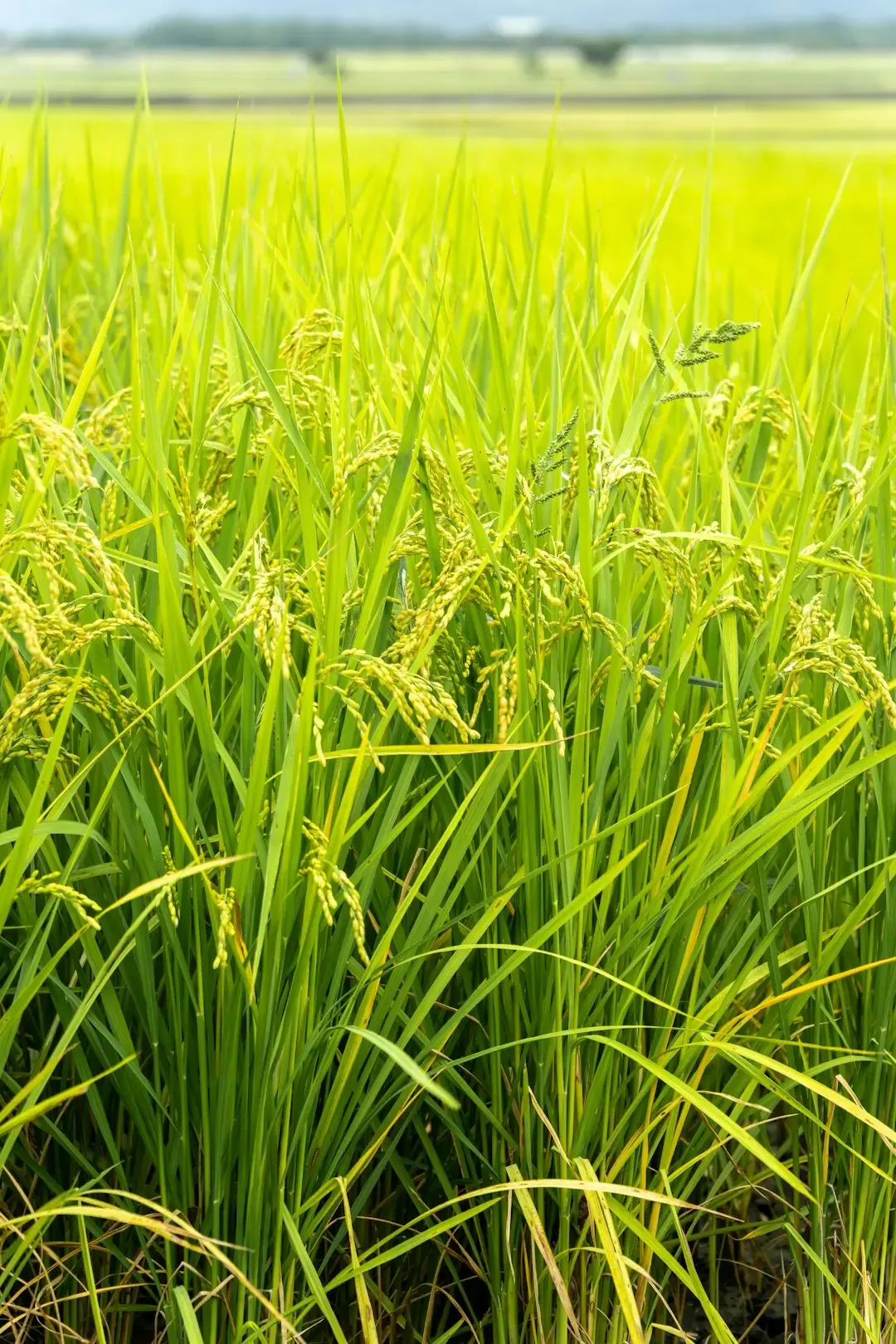
Rice is the main food for more than half the world’s population, so even small losses matter. Research has found that warmer nights can reduce yields, because the plant burns more energy while it’s resting. Flooding, drought and rising seas near river deltas add further risk.
Rice is also part of the climate equation itself, since flooded paddies release methane. In 2023, India restricted some rice exports amid price and weather concerns, which rattled import dependent countries. Scientists are looking at water saving methods that could help both the harvest and emissions.
Bananas
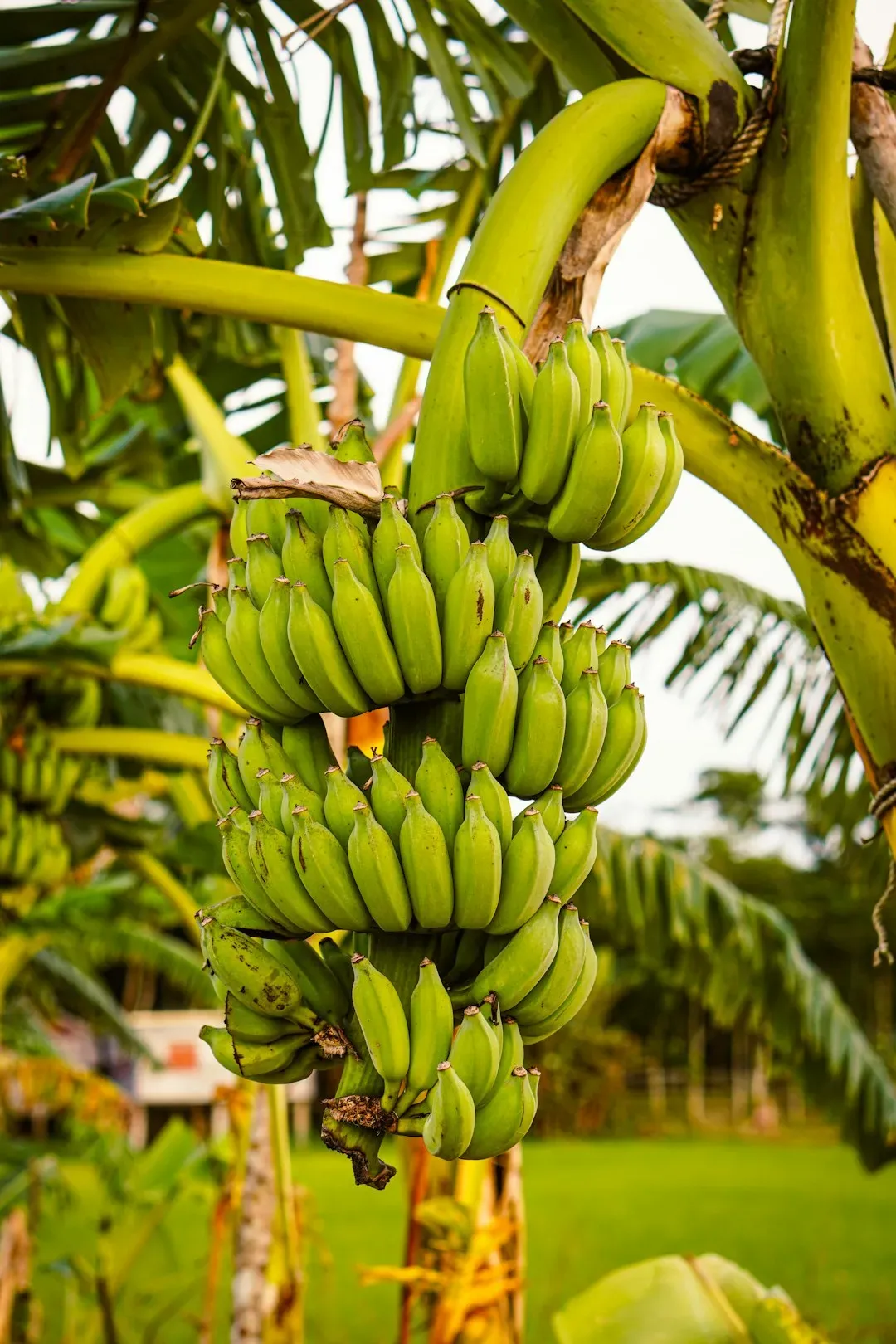
The banana in most supermarkets is a Cavendish, and nearly all of them are genetically near identical. That uniformity makes the crop exposed to disease, and warmer, wetter conditions can help some pathogens spread. Fusarium wilt tropical race 4 has been confirmed in Colombia, Peru and Venezuela, major banana growing regions in Latin America.
Stronger storms and longer dry periods are a separate worry for growers in the tropics. Researchers who model export crops suggest that some current growing areas may become less suitable over time. Cheap bananas depend on a delicate balance that’s easy to overlook.
Olive Oil
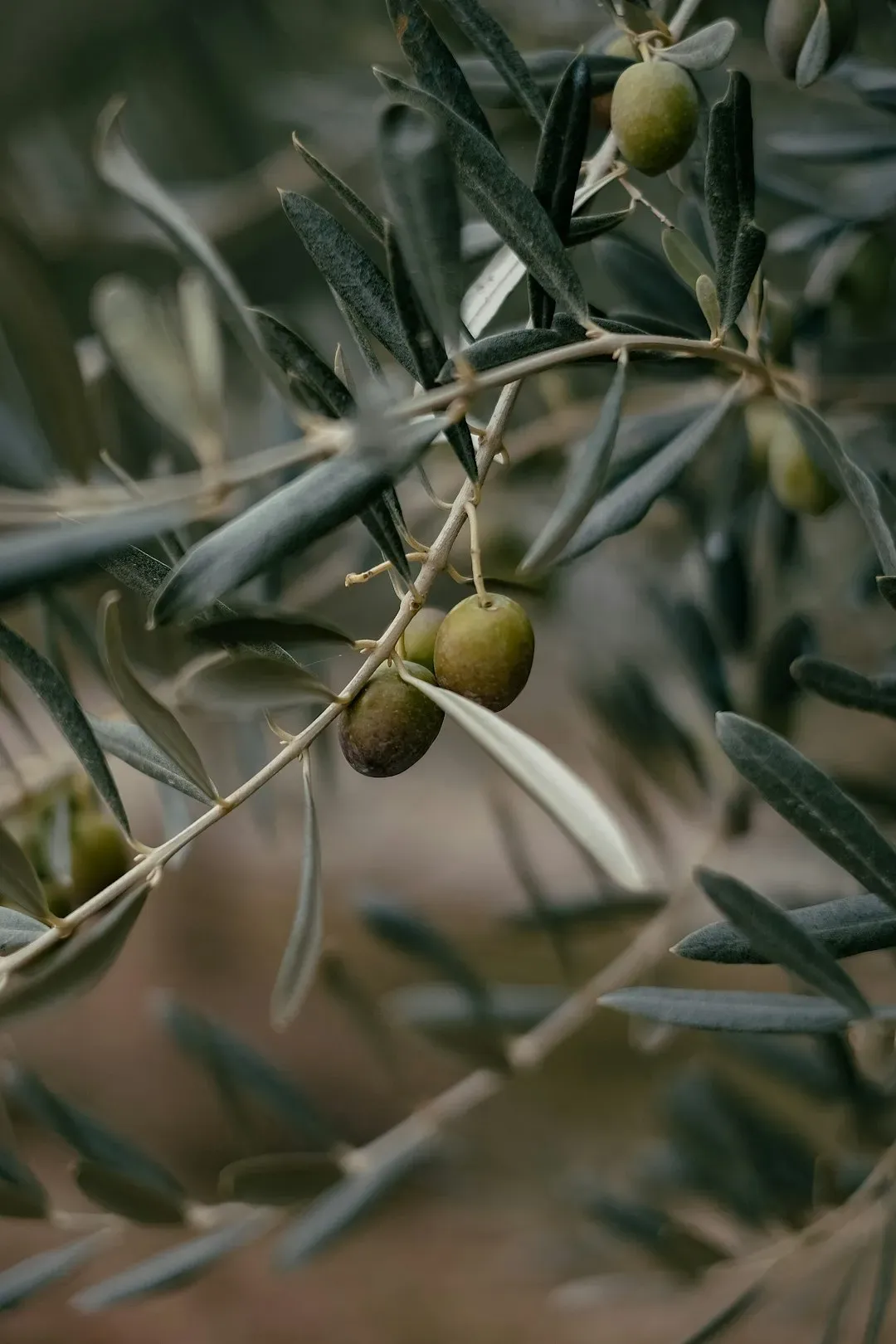
Spain is the world’s biggest olive oil producer, and it has endured severe drought and heat in recent years. Olive trees are tough, yet flowering and fruit set suffer when extreme heat arrives at the wrong moment. Water shortages in Mediterranean regions add to the pressure.
Prices rose sharply in 2023 and 2024 as harvests shrank, and shoppers noticed the cost at the shelf. Better rainfall later brought some relief to supply and prices. Scientists still describe the Mediterranean as a climate hotspot, so the long term outlook for the region’s olives remains uncertain.
Maple Syrup

Maple syrup depends on a particular weather pattern, with freezing nights followed by thawing days in late winter. That cycle drives the sap flow. Research in North America indicates that warming is shifting and compressing the tapping season in many areas.
Quebec supplies the majority of the world’s maple syrup, so conditions there matter a great deal. Yearly output swings widely with the weather, which makes it hard to read a single season as a trend. Even so, researchers expect the traditional sugaring window to keep moving earlier.
Potatoes
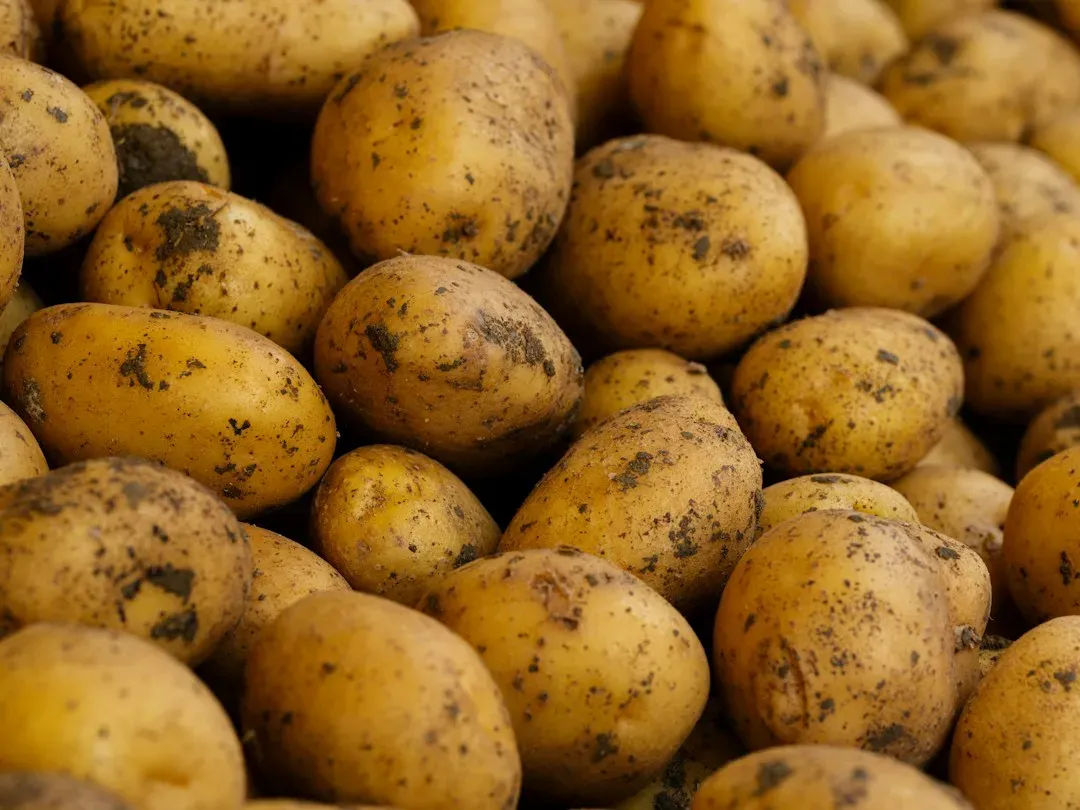
Potatoes are a cool season crop at heart. Hot weather can interfere with tuber formation, and drought stress lowers both yield and quality. Studies of future growing conditions point to heat as a real constraint in many warm regions.
Disease adds another layer. Late blight, the pathogen behind the Irish famine, thrives in mild, damp conditions, and shifting weather patterns can change where it strikes. Breeders are developing more resilient varieties, and potatoes are often described as a useful food security crop for exactly that reason.
Orange Juice

Orange juice has become a case study in how several pressures can pile up. Florida’s citrus industry has shrunk dramatically because of hurricanes and citrus greening, a bacterial disease spread by insects. Warmer conditions can also favor the pests that carry it.
Brazil, the largest supplier, then faced heat and drought, and orange juice futures reached record highs in late 2024. Consumers saw the effect in higher prices for a pantry staple. Citrus growers are testing new rootstocks and disease management, though no quick fix has emerged.
Wine Grapes
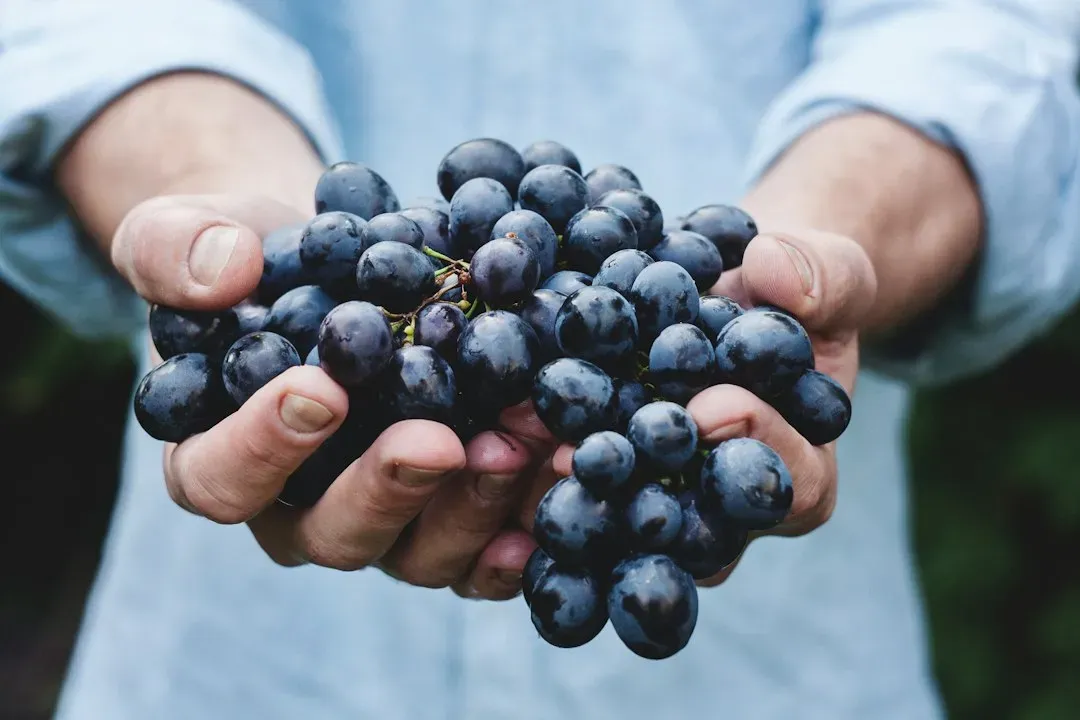
Wine grapes are sensitive to temperature, which shapes sugar, acidity and flavor. Research on viticulture suggests that many traditional wine regions face higher heat stress, and that some of today’s well known areas could become less suitable for their classic varieties. Growers are already harvesting earlier in many places.
Weather extremes matter too. Spring frosts, hail, wildfires and drought have all hit vineyards in recent seasons, and 2024 saw some of the smallest global wine output in decades according to the International Organisation of Vine and Wine. Producers are experimenting with different grape varieties, new sites at higher elevation and altered vineyard practices to adapt.
