


- Will travel insurance cover weather-related flight delays and cancellations? - November 11, 2026
- 8 Cities Where the Weather Changes So Fast Locals Carry Everything - November 11, 2026
- 10 Traditional Building Techniques From Hot Climates Architects Are Revisiting - November 10, 2026
Ask anyone who has fished the Northeast coast for a few decades, and they’ll likely mention a fish that wasn’t there when they started. Ocean warming rarely announces itself. It shows up in a trawl net, a lobster trap, or a charter boat’s catch.
The Northeast is a useful place to watch this happen. Warming there is occurring faster than the global average, especially in the Gulf of Maine. The nine species below show how differently the shift plays out from one animal to the next.
Black Sea Bass
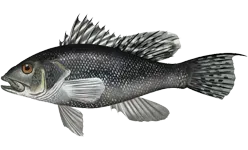
If any fish has become the face of this story, it’s black sea bass. The species has expanded its range by roughly 140 miles north. Once a rarity north of Cape Cod, it’s now increasingly common in Gulf of Maine waters off Massachusetts, New Hampshire and Maine.
A 2025 paper in Frontiers in Marine Science notes a rapid northward shift in its center of biomass, which has increased fishing activity within the northern stock. The shift has created friction, because low quotas in northern states compared with the fish’s abundance led to a high rate of regulatory discarding. Some lobster fishers also worry the newcomer eats juvenile lobsters, a concern documented in a survey of the industry.
American Lobster
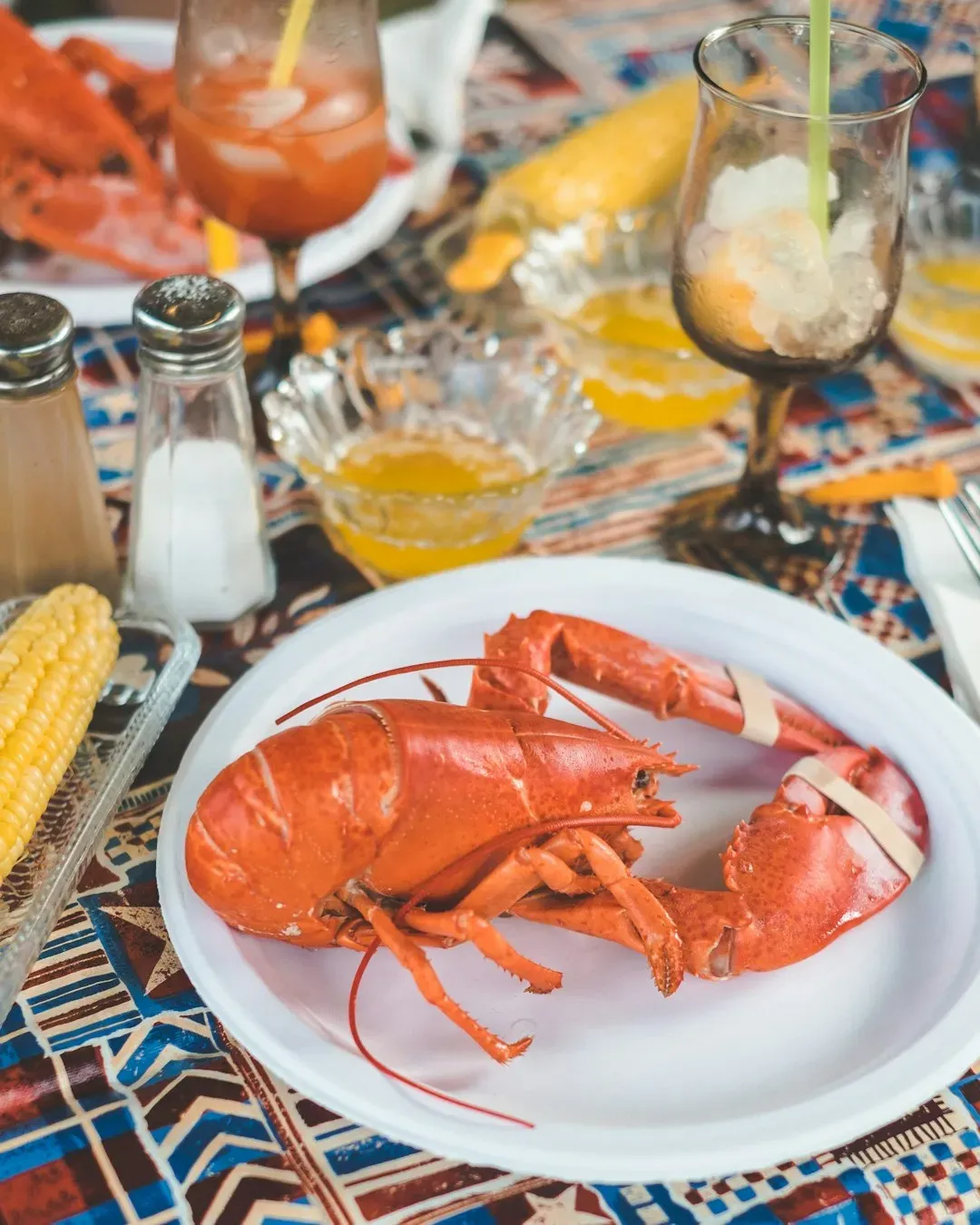
Lobsters haven’t packed up and walked north, exactly. Fewer juveniles now survive to adulthood in southern New England, while the number has risen sharply in the Gulf of Maine. The result looks like a northward move on a map.
NOAA reports that lobsters have shifted about 120 miles north since the 1970s, moving into deeper water in the fall. Maine’s fishery has felt the benefit, and its landings surged to more than 124 million pounds between 1994 and 2014. Models suggest deep areas of the Gulf of Maine will become increasingly suitable as lobster habitat.
Atlantic Cod
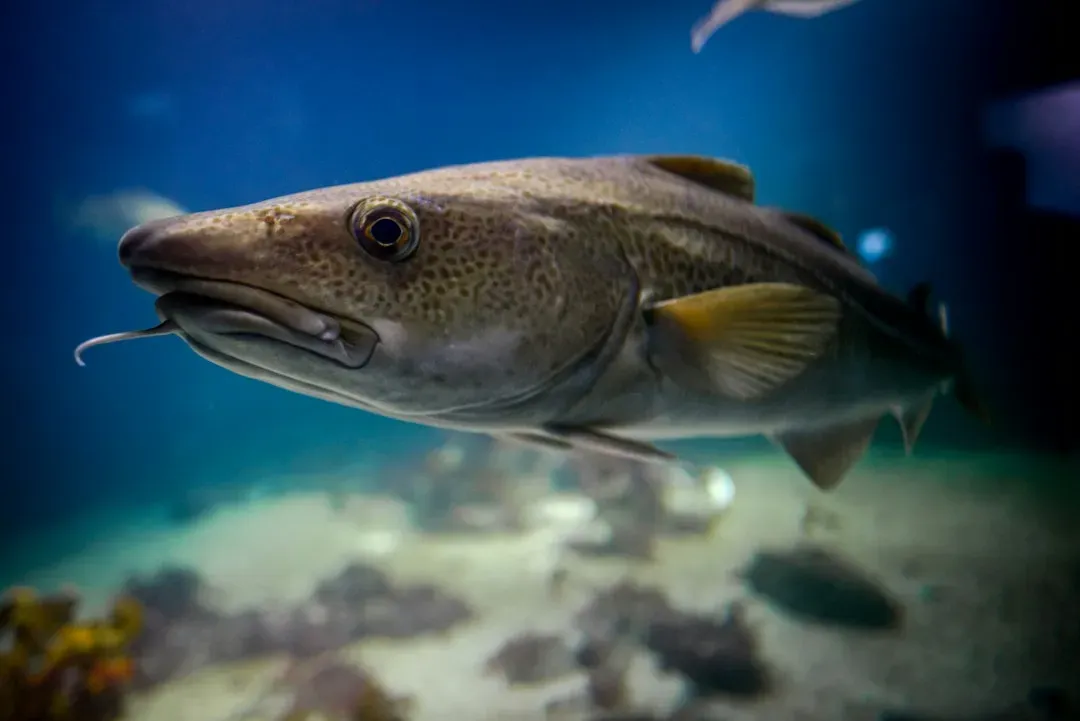
Cod is the cold water classic, and it has been retreating. Since the 1970s, Atlantic cod have contracted their range northward by about 80 miles. Warming is only part of the story, since fishing pressure has also hit stocks hard.
Still, temperature matters. Research on the region links a warm spell tied to a northward shift in the Gulf Stream to reduced recruitment and increased mortality in the cod stock. Projections for the Gulf of Maine are not kind either, with some work suggesting species currently living there may not remain in these waters under continued warming.
Summer Flounder
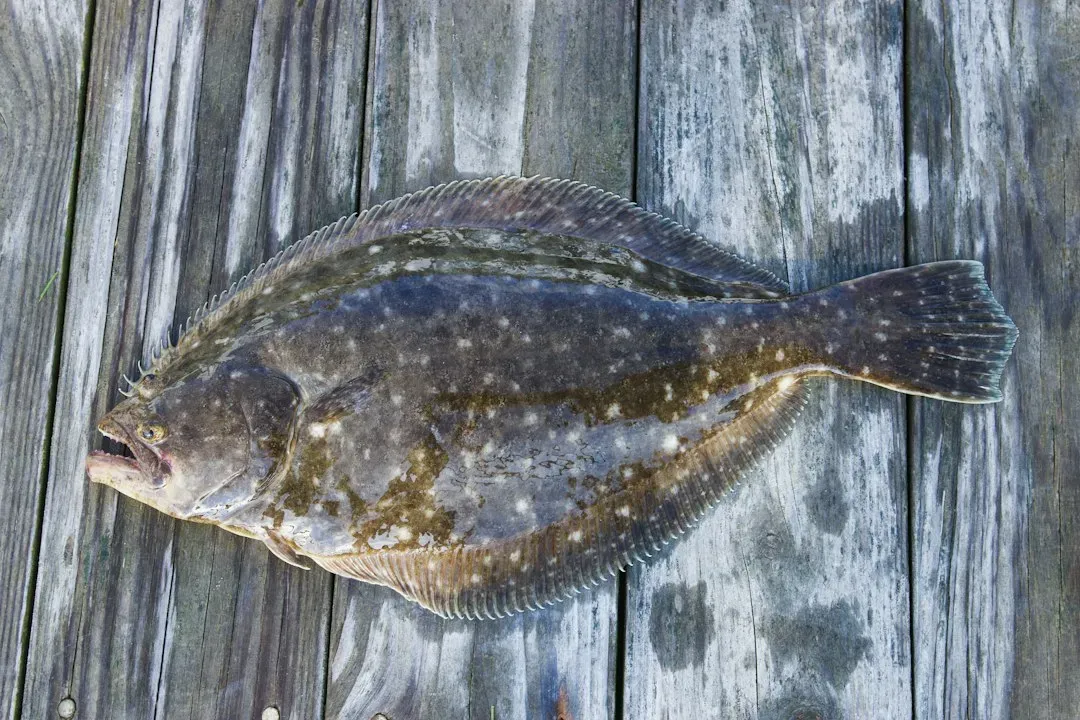
Summer flounder, or fluke, used to be tied closely to the waters off the Carolinas and Virginia. Rutgers marine biologist Malin Pinsky’s team found that summer flounder and black sea bass, once common off Cape Hatteras, are now more abundant off New Jersey. That’s a big move for a fish with a long regulatory history.
The paperwork has struggled to keep up. A Rhode Island charter captain described how Mid Atlantic vessels holding the quotas now have fewer fish in their waters and have moved up the coast to fish. Meanwhile New England boats have the fish nearby but little allocation.
Scup
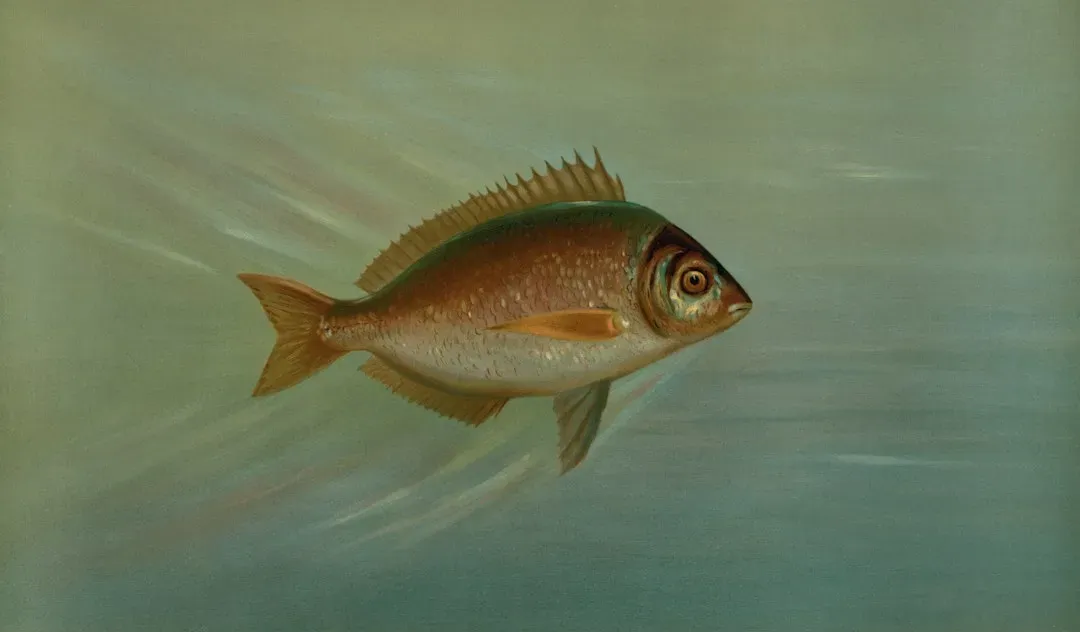
Scup, sometimes called porgy, tends to get less attention than its neighbors. Even so, NOAA’s modeling group lists it alongside black sea bass and summer flounder as species that have moved north. They’ve shifted away from southeastern habitat into northern regions where catch limits may be lower and processing infrastructure is lacking.
In Rhode Island, one local observer counted scup among the warm water fish that are now present in abundance. The pattern is familiar. A fish arrives, anglers notice, and management systems built around old ranges need time to catch up.
Sea Scallops
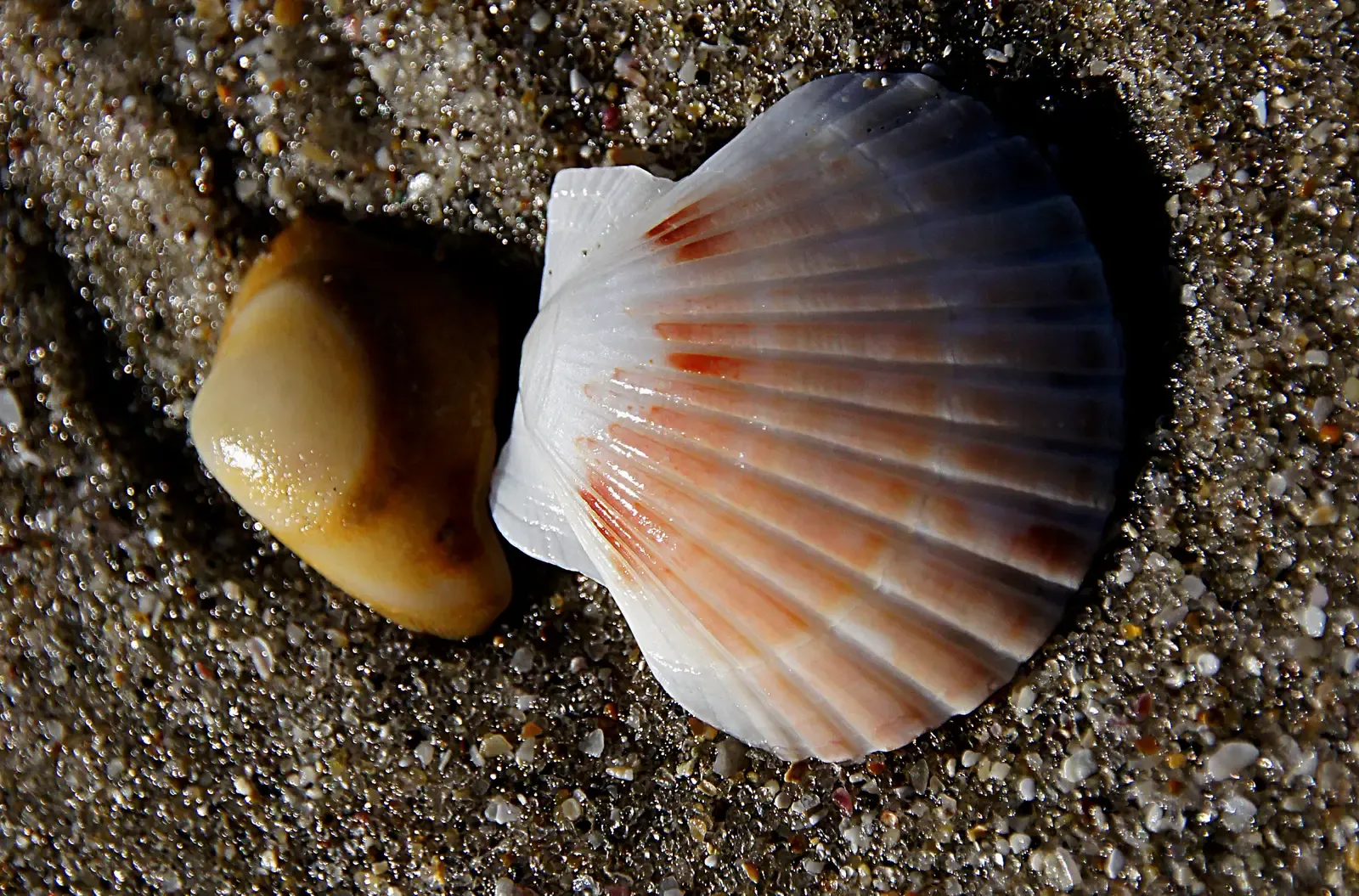
The Atlantic sea scallop fishery is among the most valuable on the East Coast, so its direction matters. A study cited by NOAA projects that scallops will likely follow lobsters in shifting away from Mid Atlantic and southern New England grounds in coming decades. The models cover habitat through the rest of the century.
The results show a clear northerly shift in sea scallop distribution, with declining habitat suitability in the Mid Atlantic, southern New England and Georges Bank. These are projections, not observed catch records, so the pace could differ from what the models suggest.
Haddock
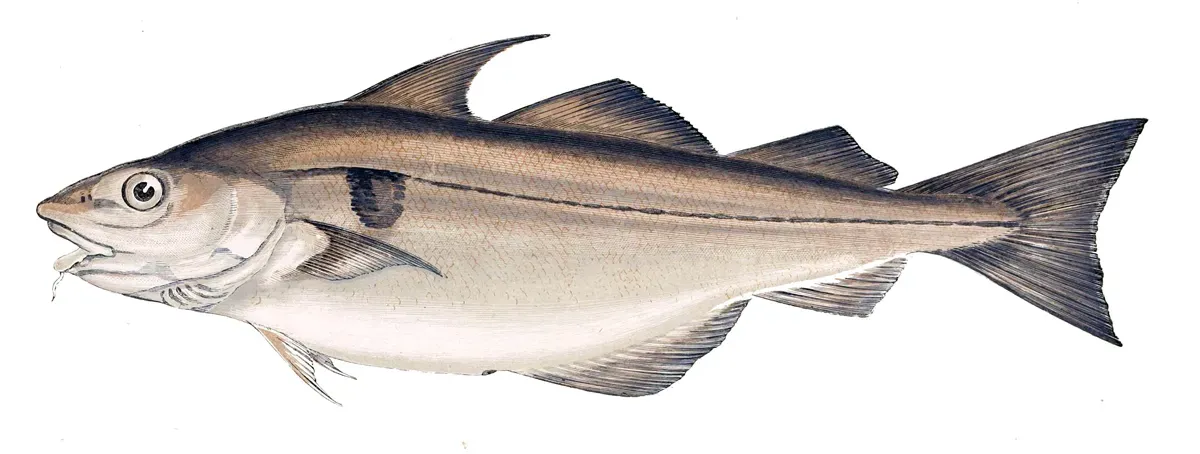
Haddock offers a more mixed picture, which makes it interesting. The Gulf of Maine Research Institute explains that warming may lower abundance around Georges Bank near Cape Cod, while creating opportunities in the eastern Gulf of Maine and further north along the Scotian Shelf.
That kind of redistribution is typical of what researchers see. Many species will change their distribution under continued warming as they try to stay within waters that overlap their preferred temperatures. For haddock, the question is less about disappearing and more about where fishing boats will need to go.
Atlantic Bluefin Tuna
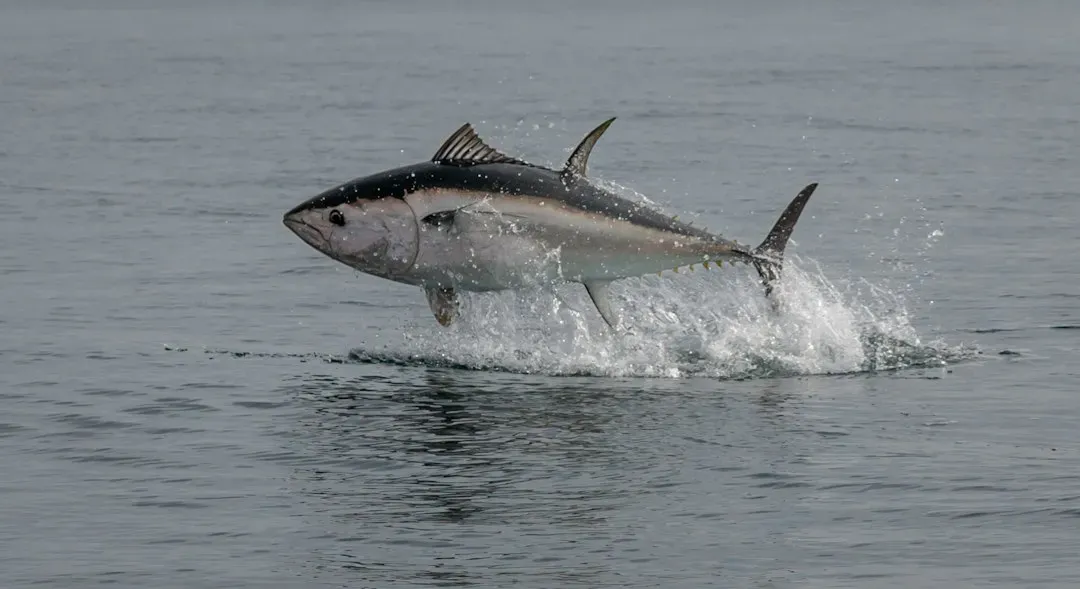
Highly migratory fish respond quickly, since they can cover huge distances. A NOAA Fisheries study using recreational catch data from 2002 through 2019 found that catches of large and small bluefin tuna are shifting northward at roughly four to ten kilometers per year.
The researchers tied the spatial changes to increasing water temperatures across a region spanning Maine through Virginia. The study also noted that these species are generally arriving earlier in the year as ocean temperatures warm. That timing change matters for anglers and for the businesses that depend on them.
Surf Clams
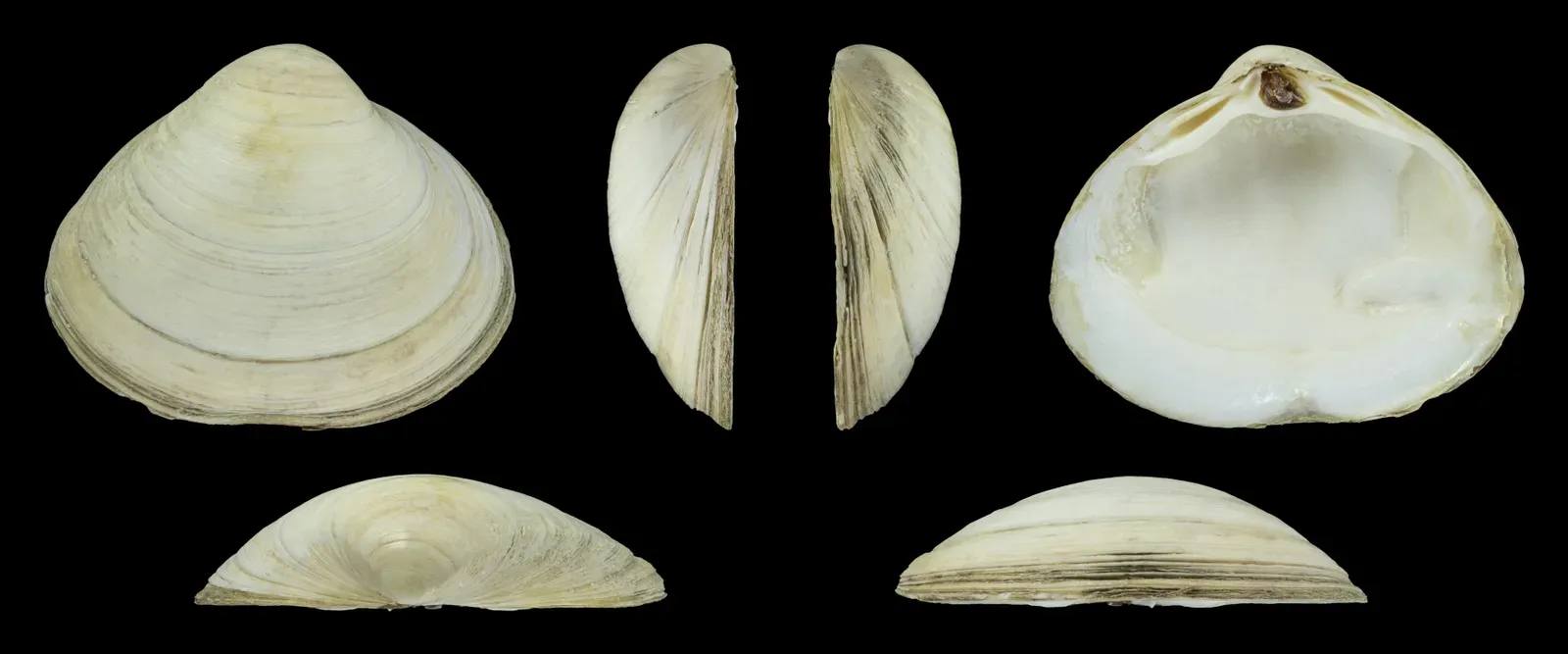
Surf clams don’t get the headlines, though they’re a major commercial species. Researchers writing in National Fisherman note that long term shifts are already evident for surf clams moving north, alongside black sea bass establishing themselves in the southern Gulf of Maine.
Because clams can’t swim off to cooler water, the change comes through where young clams survive and settle. Detailed catch and survey figures are better found in NOAA stock assessments, and the exact pace of the shift is still being studied.
