


- NASA invites students to design a moon base in $1 million challenge - November 11, 2026
- Why Some People Can Feel a Storm in Their Joints, According to Experts - November 11, 2026
- 7 Foods That Taste Better on a Rainy Day, According to Chefs - November 11, 2026
Most winter breakdowns don’t start with a dramatic skid. They start with a car that won’t move, a dead phone, or a long wait on a road nobody else is using. The gear that helps in those moments is usually cheap and small, and it’s easy to forget until you need it.
Government safety agencies and automotive groups have published similar checklists for years, and the advice is consistent. Here are eight items worth keeping in your trunk or back seat before the first real snowfall.
An Ice Scraper and Snow Brush
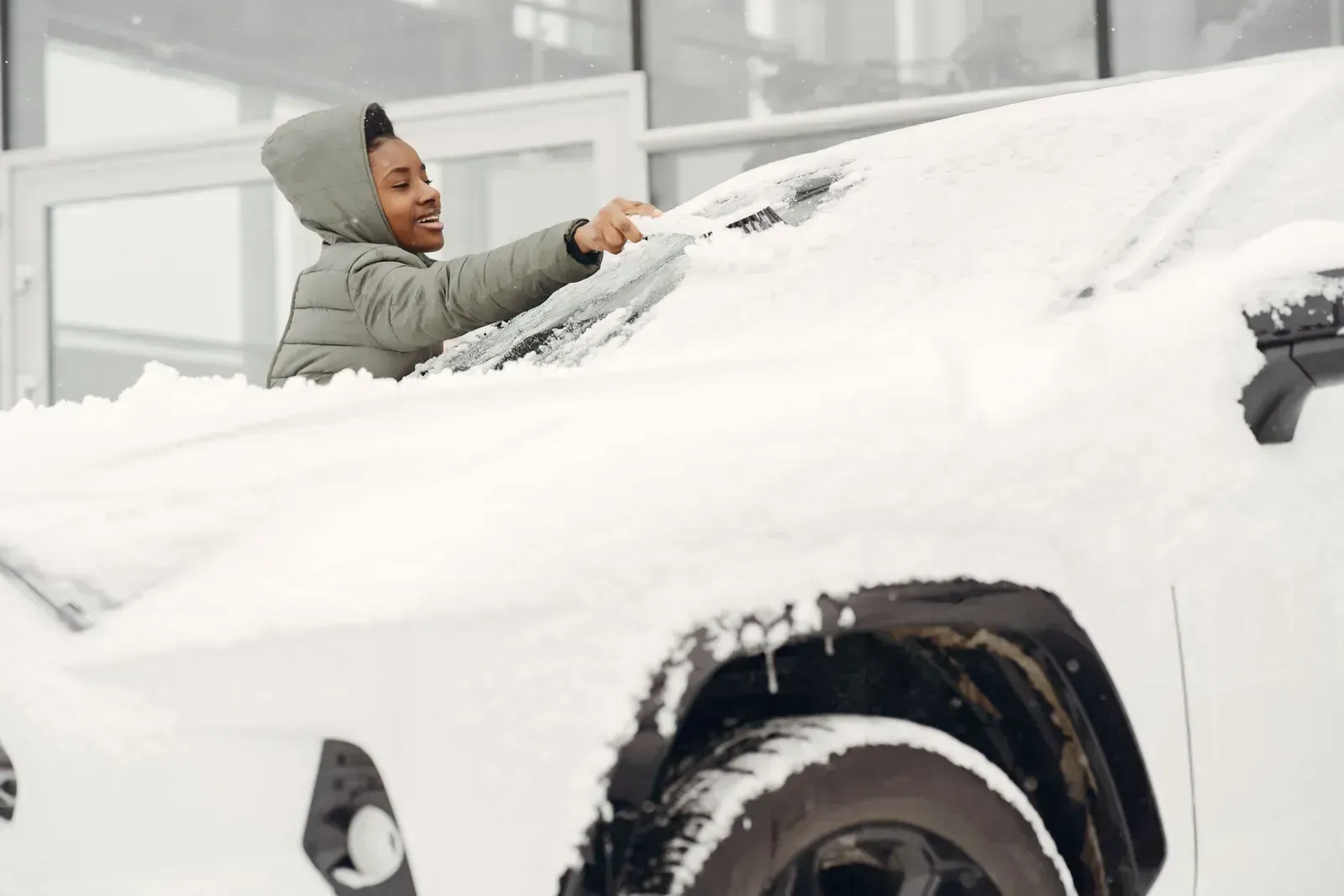
Clearing every window, mirror, and light is a basic safety step, not a courtesy. Driving with a small peephole in a frosted windshield cuts your view of pedestrians and other cars. A long-handled brush also lets you reach the roof, which matters more than most people think.
Snow left on the roof can slide onto your windshield when you brake, or fly off and hit the car behind you. Some states fine drivers for it, and the AAA recommends clearing the whole vehicle before leaving. Keep the scraper inside the cabin, since one buried in a frozen trunk isn’t much use.
A Small Shovel
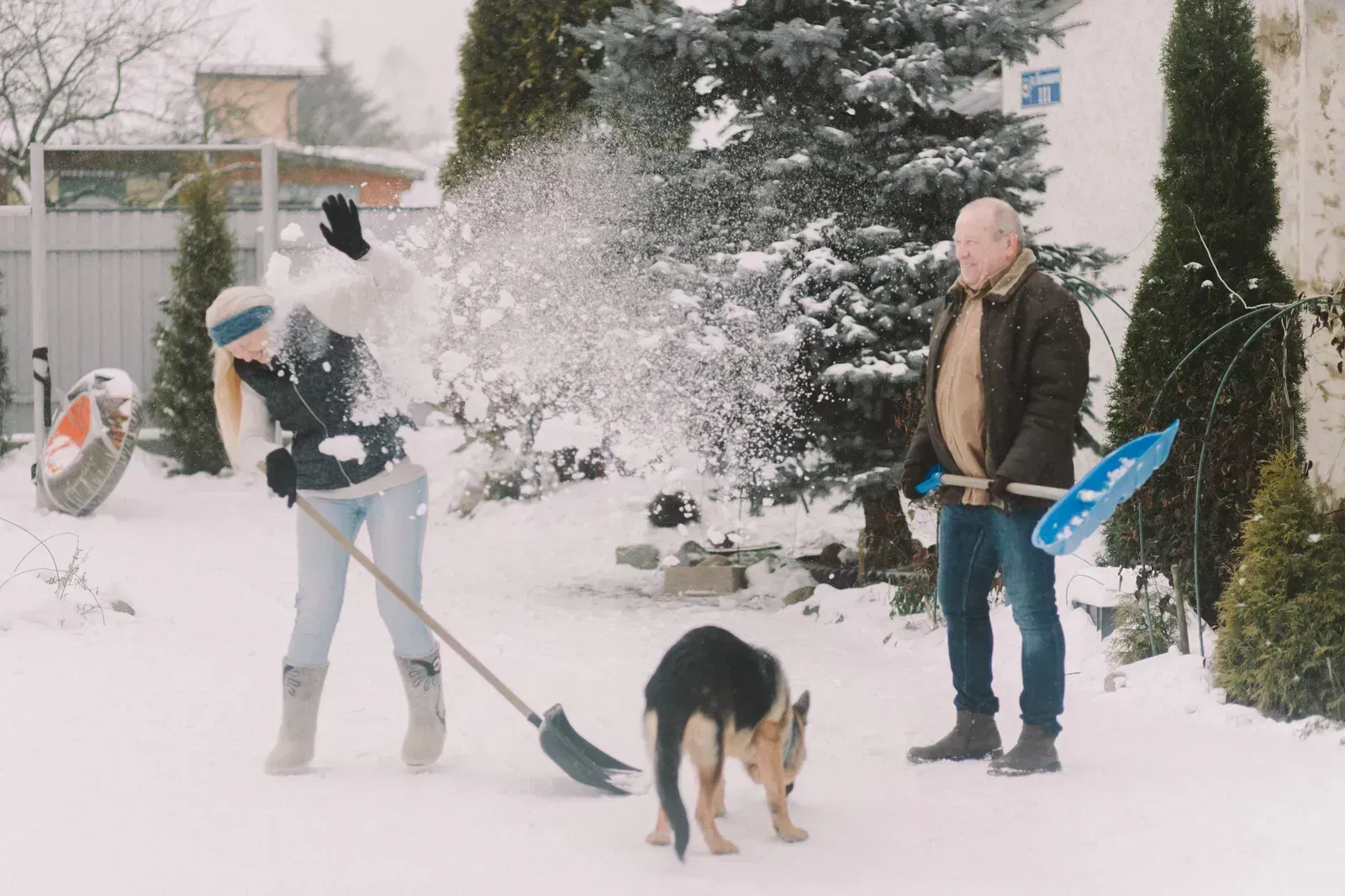
A compact folding shovel can turn a stuck car into a ten minute problem. Plowed snow often leaves a heavy ridge behind parked cars, and spinning your tires only digs you in deeper. Digging out around the wheels and under the bumper gives the tires something to grip.
The National Weather Service lists a shovel among its recommended winter car supplies. Pick a sturdy metal or hard plastic one rather than a flimsy toy. If space is tight, a collapsible model fits behind a seat.
Traction Aids Like Sand or Cat Litter
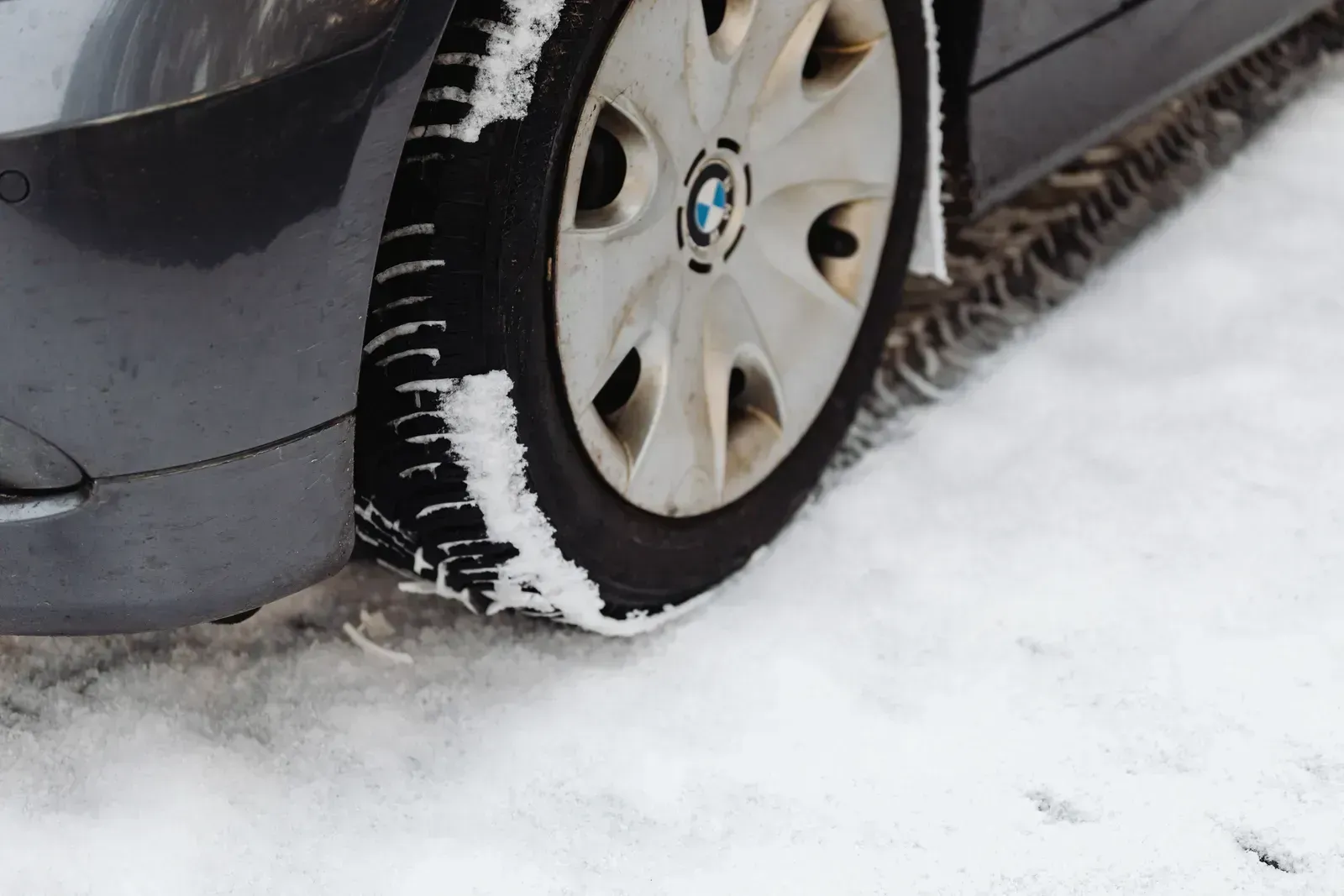
When tires lose grip on ice, a little grit under them can help a lot. Sand, cat litter, or purpose made traction mats all work. Pour or place them in front of the drive wheels, then ease forward gently.
The National Weather Service and many state transportation departments suggest carrying sand or kitty litter for this reason. A small bag also adds a bit of weight in the trunk, which some drivers like in rear wheel drive cars. Choose a plain, non clumping type if you go the litter route.
Jumper Cables or a Portable Jump Starter
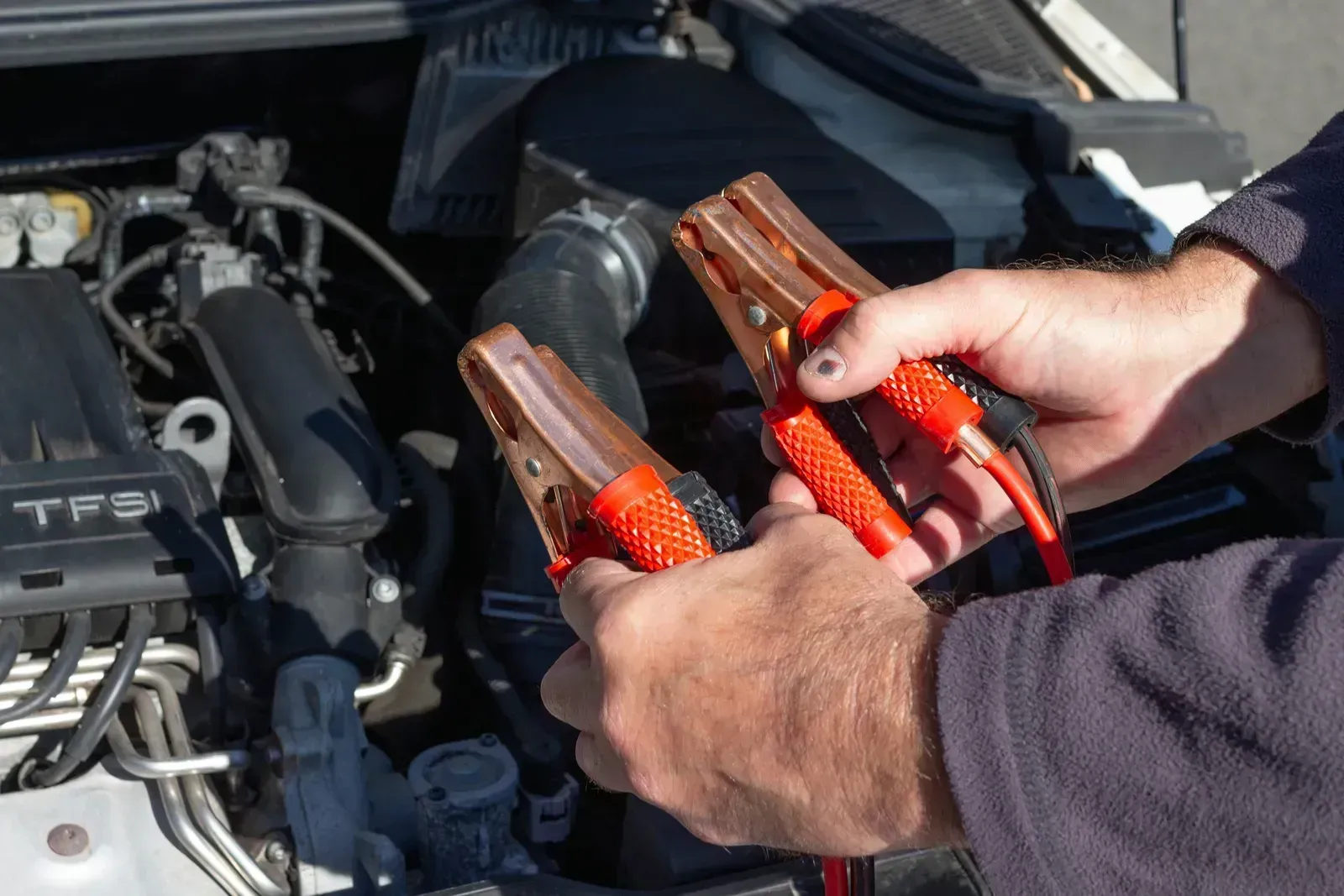
Cold weather is hard on batteries. Low temperatures slow the chemical reaction inside, and the engine needs more power to turn over thick, cold oil. That’s why dead batteries are one of the most common winter roadside calls.
Traditional cables need a second car, which isn’t always around. A portable lithium jump starter works alone, and many models also charge a phone. Whichever you choose, check that it’s charged and read the instructions before you need them.
A Fully Charged Phone and a Car Charger
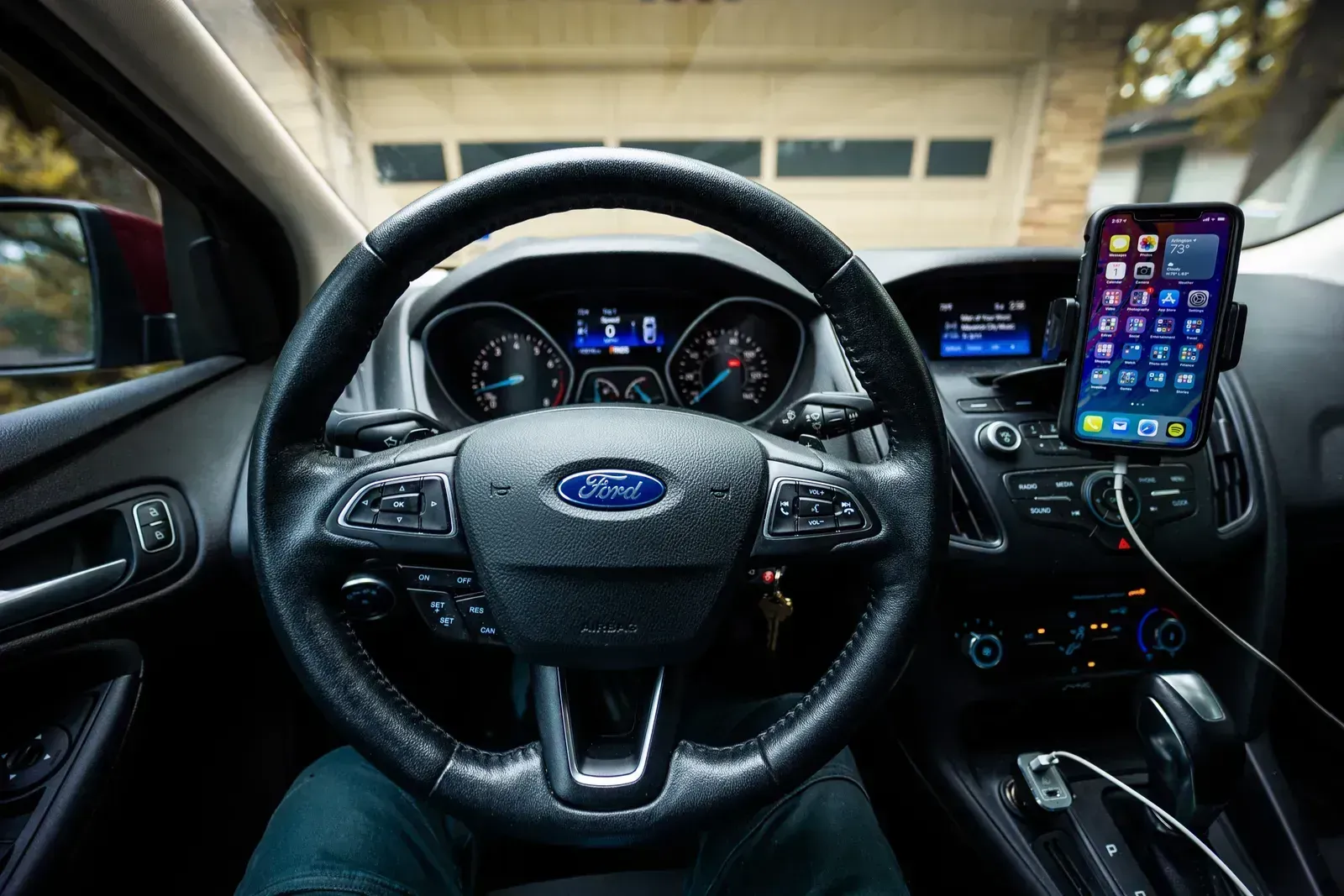
Your phone is your link to roadside help, maps, and emergency services. Cold drains batteries quickly, so a phone that looked fine at home can die during a long delay. A car charger or a charged power bank keeps it alive while you wait.
Keep the cable inside the cabin where it’s easy to grab. If you’re stranded, the National Weather Service advises staying with the vehicle unless help is clearly close. Having a way to call, and to share your location, makes that choice much safer.
Warm Blankets and Extra Clothing

If the engine stops or you can’t run it safely, the cabin loses heat fast. A wool or fleece blanket, a spare coat, gloves, a hat, and dry socks give you a real buffer. Layers are better than one bulky item, because you can adjust as needed.
Federal guidance on winter driving routinely lists blankets and warm clothing among the basics. Store them in a plastic bag or bin so they stay dry. Wet clothing in a cold car is worse than no extra clothing at all.
Flashlight, Flares, and Reflective Triangles
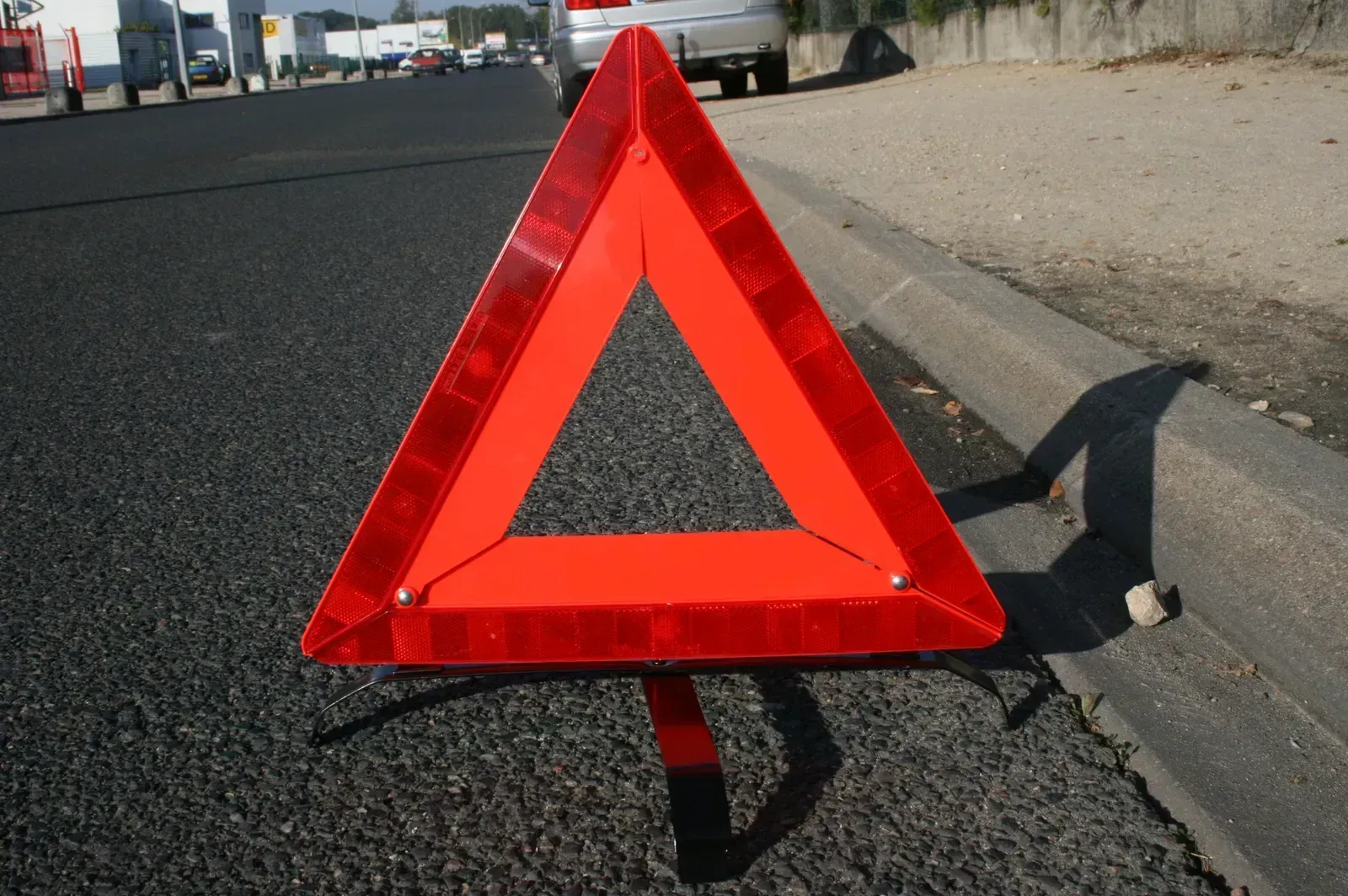
Winter darkness comes early, and snowfall cuts visibility even more. A flashlight with fresh batteries helps you check tires, find items, or signal for help. An LED headlamp is a handy alternative because it leaves both hands free.
Reflective triangles or road flares make a disabled car easier to see from a distance. This matters on a snowy shoulder, where drivers may spot you late. Place them behind the vehicle only if it’s safe to step out, and stay clear of traffic.
Water, Snacks, and a First Aid Kit
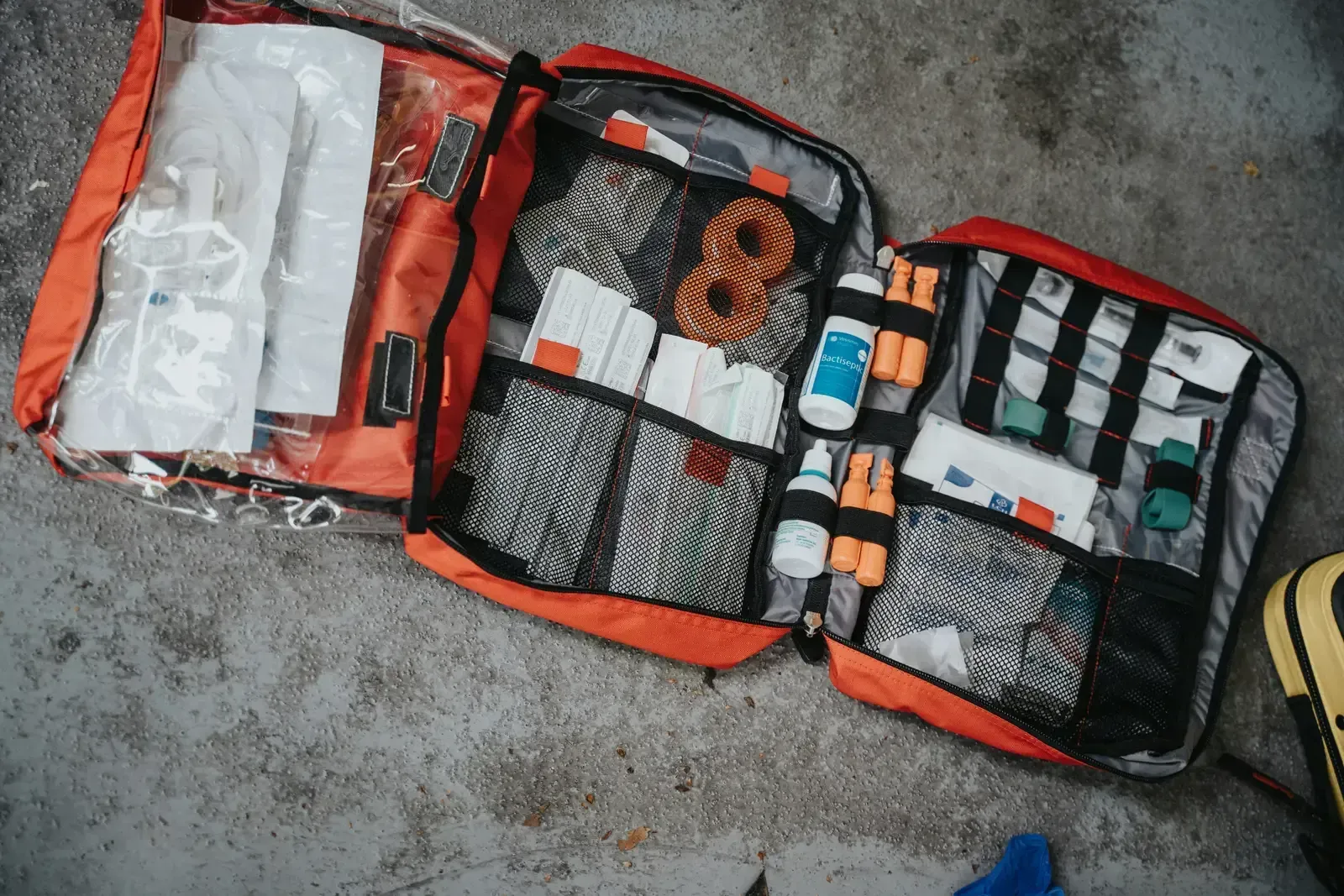
A long delay on a closed highway can last hours. Bottled water and non perishable snacks like granola bars or nuts help you stay alert and warm. Choose items that won’t spoil or burst in freezing temperatures, and rotate them each season.
A basic first aid kit covers minor cuts, scrapes, and other small injuries until help arrives. The Red Cross and other safety groups recommend keeping one in every vehicle. Add any personal medications you might need if you were stuck for an extended time.
