

- Phantom Energy Sucking Power 24/7 – 7 Home Electronics Quietly Inflating Utility Bills - November 14, 2026
- A Million-Mile Storm Raging for Centuries – 6 Violent Weather Wonders in Our System - November 14, 2026
- Animals Flee Hours Before the Tremor – 7 Natural Warnings Before Disasters Strike - November 14, 2026
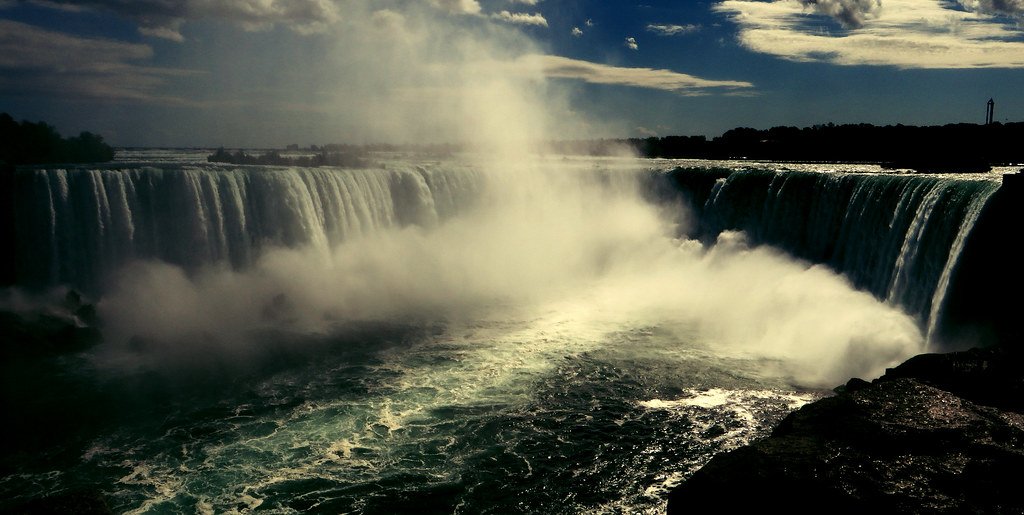
Starting Nov. 1, the minimum required water flow over the falls was cut in half, allowing more water to be diverted to hydroelectric power plants in New York and Canada. It sounds alarming, yet it’s an annual routine, not a surprise emergency. The falls don’t disappear, but they do get noticeably thinner.
The reasons go back decades and involve two countries, a treaty and a lot of engineering. Here’s how the system works and why it exists.
The Seasonal Cut in Plain Numbers
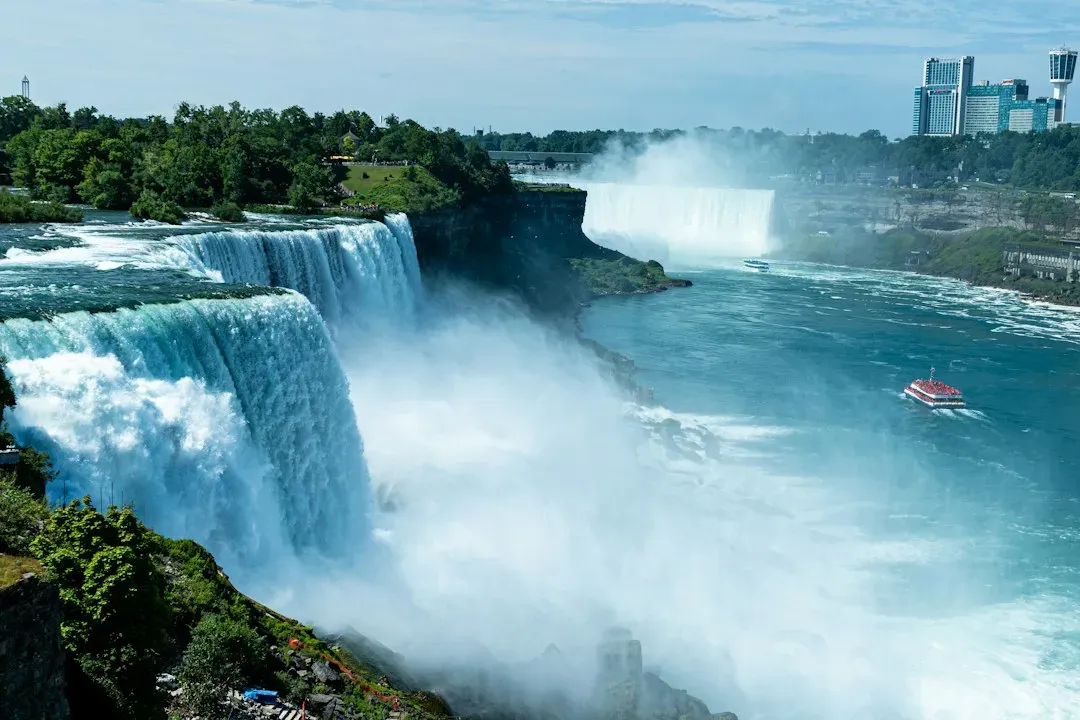
The minimum amount of water required to flow over Niagara Falls was cut in half, dropping from 100,000 cubic feet per second to 50,000 cubic feet per second. That’s a legal floor, not a forecast of what the river will actually do on a given day. Real flow depends on conditions upstream too.
The change is built into the rules. The peak tourist window runs from April 1 to September 15, with daytime hours carrying the higher requirement. Outside those times, the lower minimum applies.
The 1950 Treaty Behind It All
The rules date back to 1950, when the United States and Canada signed a treaty designed to preserve the scenic beauty of the waterfalls while allowing both countries to use the river to generate electricity. In other words, the two goals were meant to coexist. Neither side wanted a pretty falls with no power, or power with no falls.
The treaty is still in place today. Its text limits diversions that would drop the flow over the falls below set thresholds. Any time the falls flow is below the treaty minimum, it is reported to the International Niagara Committee.
Where the Water Goes
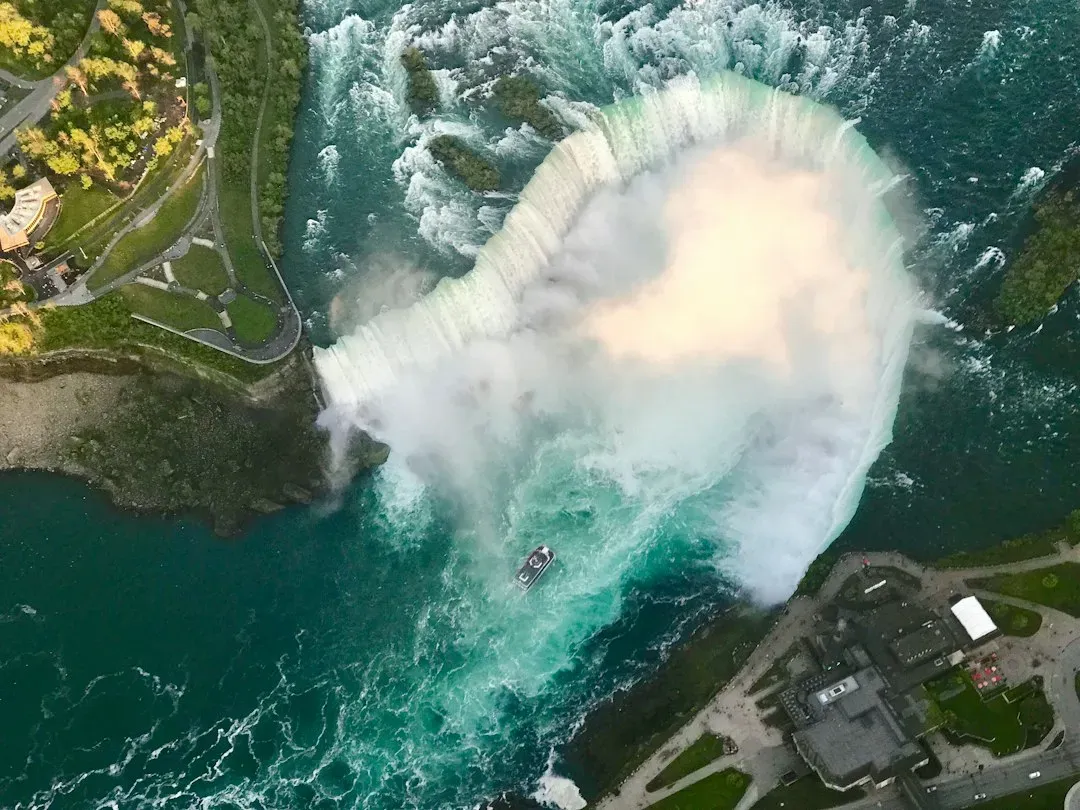
The river isn’t pumped away. Intakes upstream send water through tunnels and pipes to power stations. Underground pipelines carry it to the New York Power Authority’s hydroelectric project, 4.5 miles downstream. On the Canadian side, three tunnels divert water under the city of Niagara Falls, Ontario.
After it spins turbines, the water rejoins the river below the falls. So the volume of the Niagara River doesn’t change. It simply takes a shortcut around the cliff and drops through generators instead.
How Much Is Actually Left for the Falls
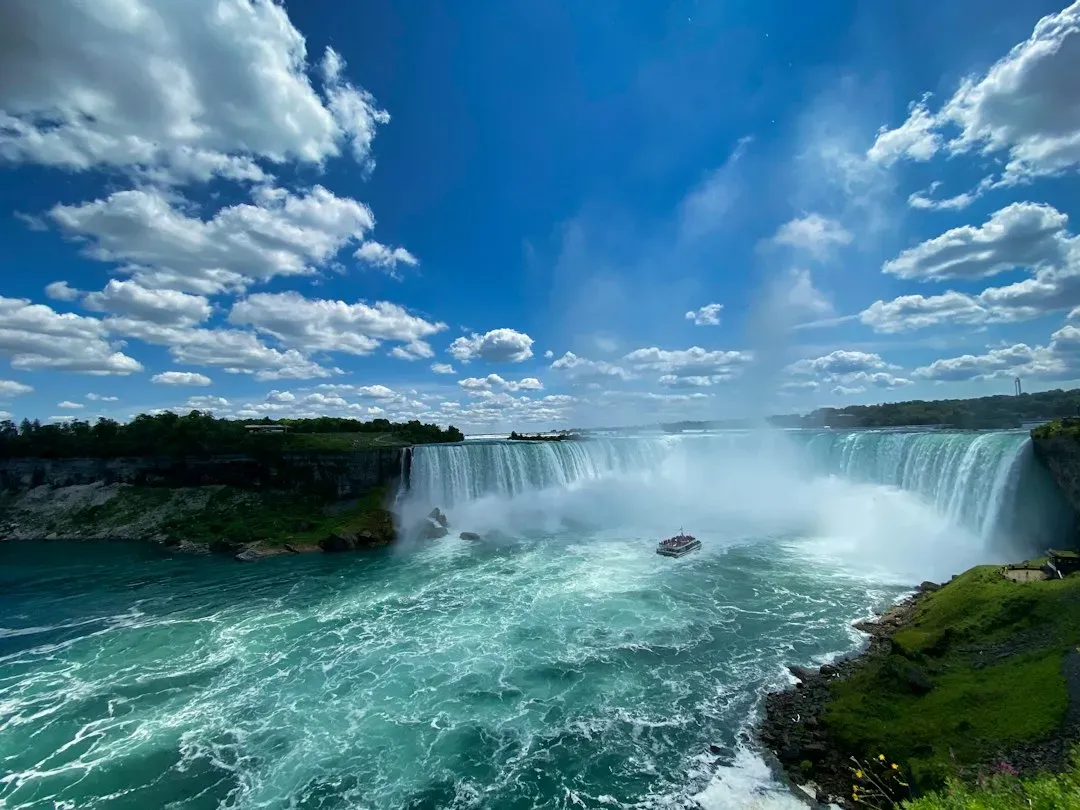
The official guidance is a little confusing, so here’s a simple way to see it. Even at the best of times, during tourist hours, only half of the water intended for the falls actually plunges over the brink. In the evening or winter, you’re seeing one quarter.
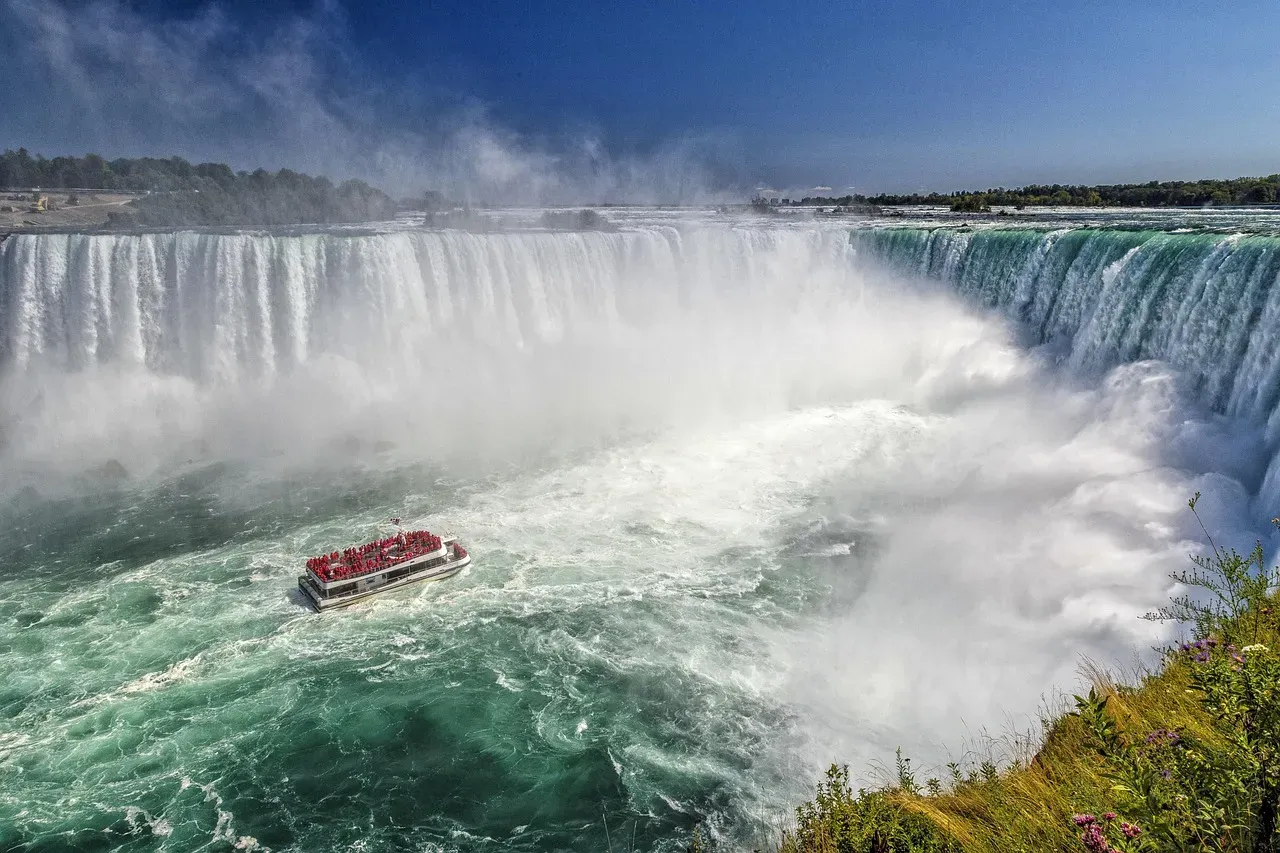
Most of the flow that does go over lands in Horseshoe Falls. Approximately 90% of the Niagara River, after around half the water (75% at night and in winter) is diverted for hydropower generation, flows over Horseshoe Falls. The American side gets the smaller remainder.
The Control Works That Manage the Flow
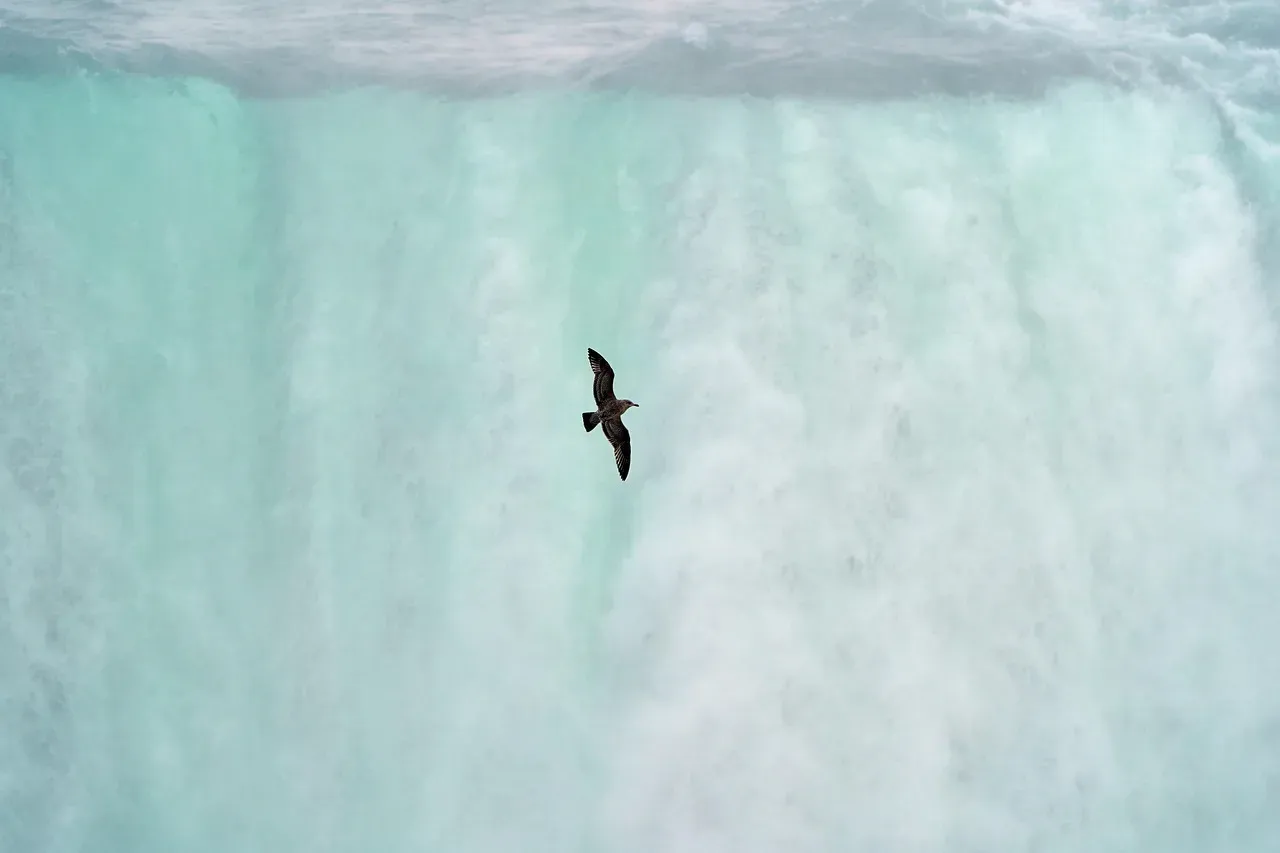
People don’t just open a valve and hope. A structure about half a mile upstream from Horseshoe Falls, the International Niagara Control Works, features 18 gates that can be adjusted to regulate the river’s flow and water levels. It works alongside the power intakes.
Oversight is shared too. The treaty is monitored by the International Niagara Board of Control, part of the International Joint Commission, using a NOAA gauging station above the falls. That keeps both countries accountable to the same numbers.
Why Night and Winter Get the Biggest Cuts
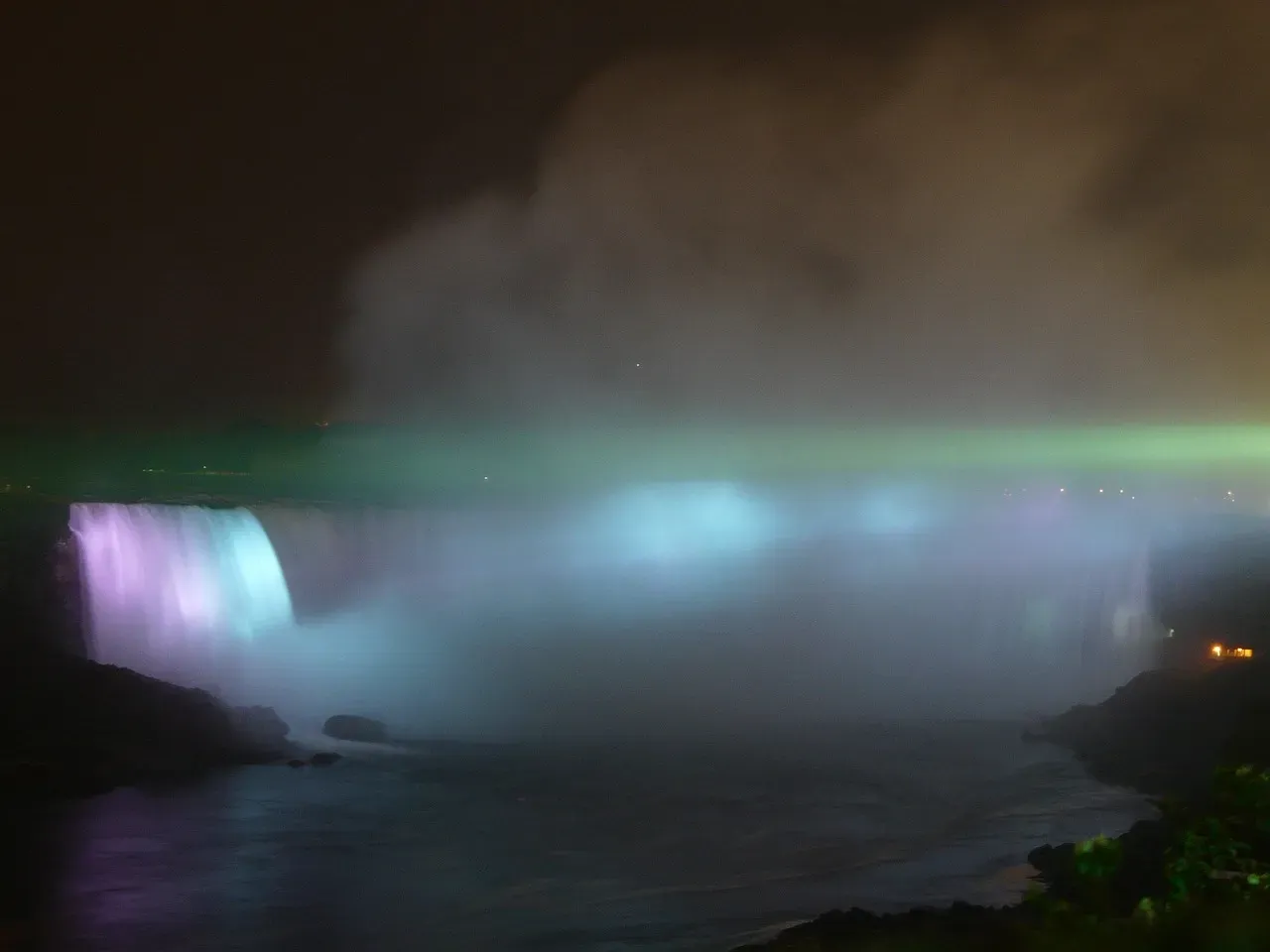
The logic is tourism. The treaty allows higher diversion at night when tourists are fewer and during the winter months when there are even fewer tourists. Few people are watching the falls at 3 a.m., so the water is put to work.
There’s also a daily rhythm. More water is diverted at night, between 10:00 pm and 7:00 am, filling reservoirs overnight and allowing more water over the falls in daytime hours for tourists. The show is scheduled around the visitors.
Beauty Engineered by Design
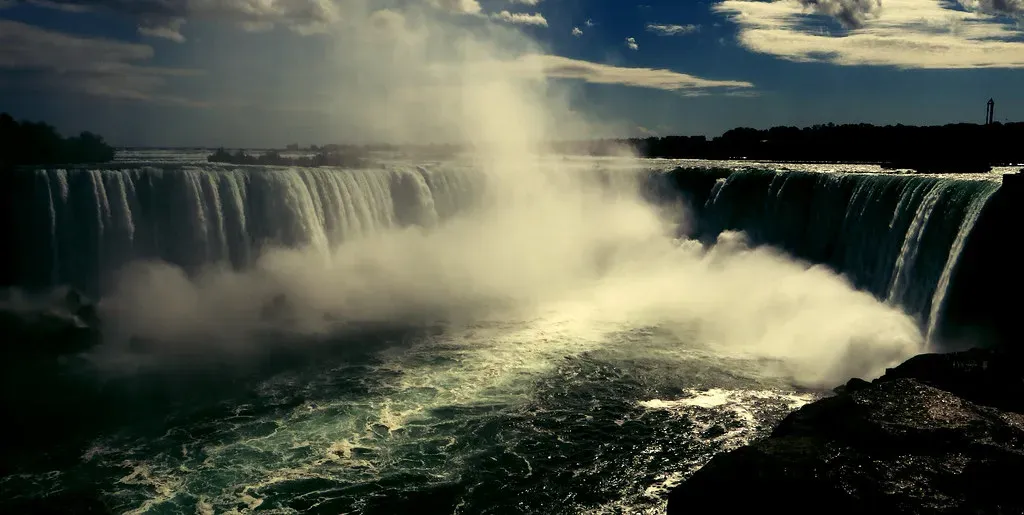
Preserving the look of the falls took more than flow rules. Engineers excavated and deepened the flanks of Horseshoe Falls and reduced its lip length by several hundred feet to give the impression of more water volume flowing over an unbroken crestline. The goal was a solid curtain of water, even with less of it.
Historian Macfarlane, quoted by History.com, explained the worry behind this. Too much diversion would mean thin flows and exposed rock instead of a solid curtain. That’s the outcome the treaty tries to prevent.
Erosion, and the Time the Falls Were Turned Off
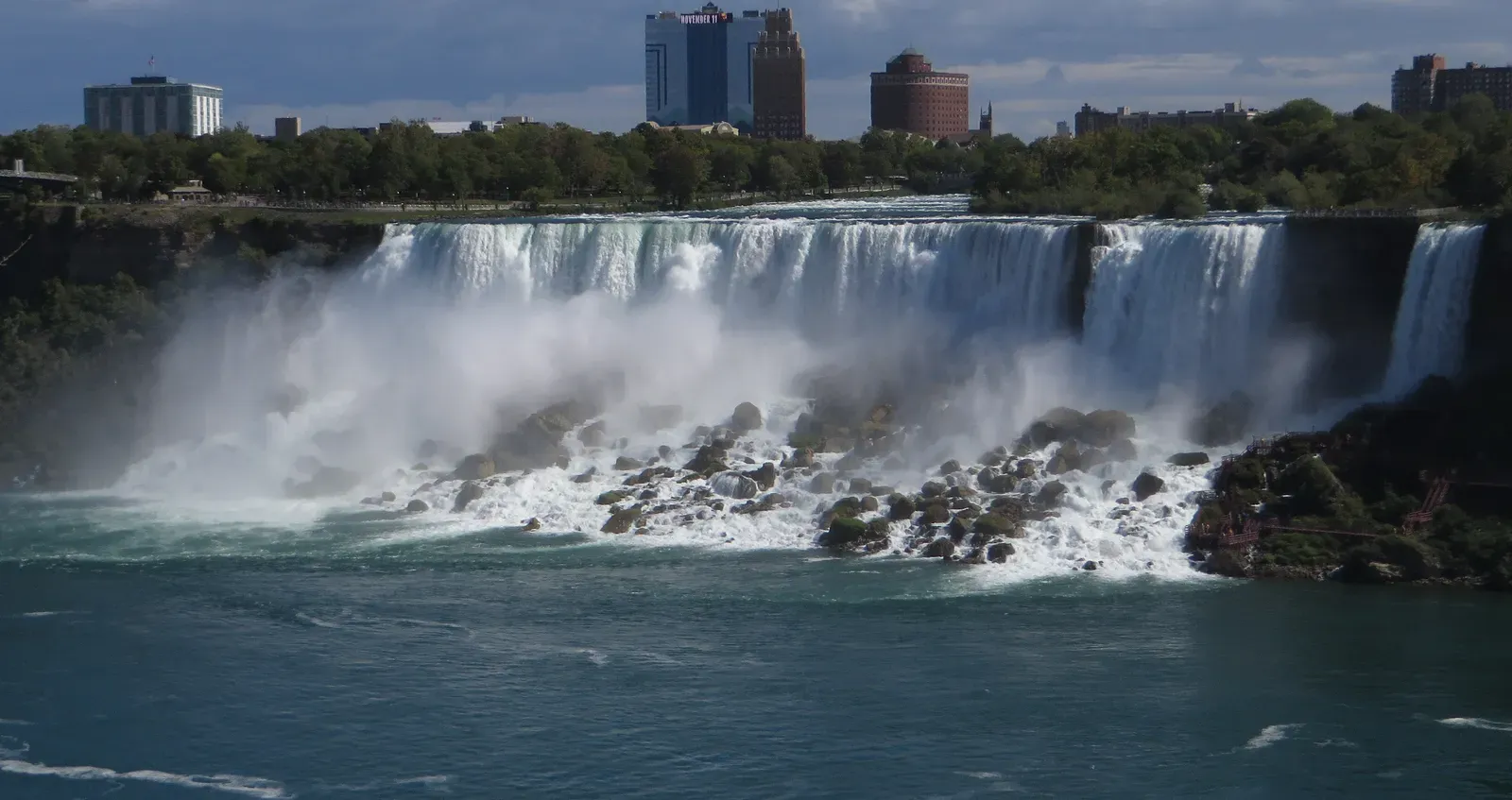
Diversion has an odd side effect. In the early debates, factory owners argued the diversions were helping the falls. Reducing the water flow over the lip reduced the erosion that caused the falls to move back an average of about 4½ feet a year. That was a historical argument, so treat it as context, not a current measurement.
The most dramatic intervention came in 1969. The Army Corps built a cofferdam that diverted the Niagara River over Horseshoe Falls, shutting off the American Falls completely for diagnosis. For five months, the New York side was left a 100-foot-high dry cliff.
Conclusion
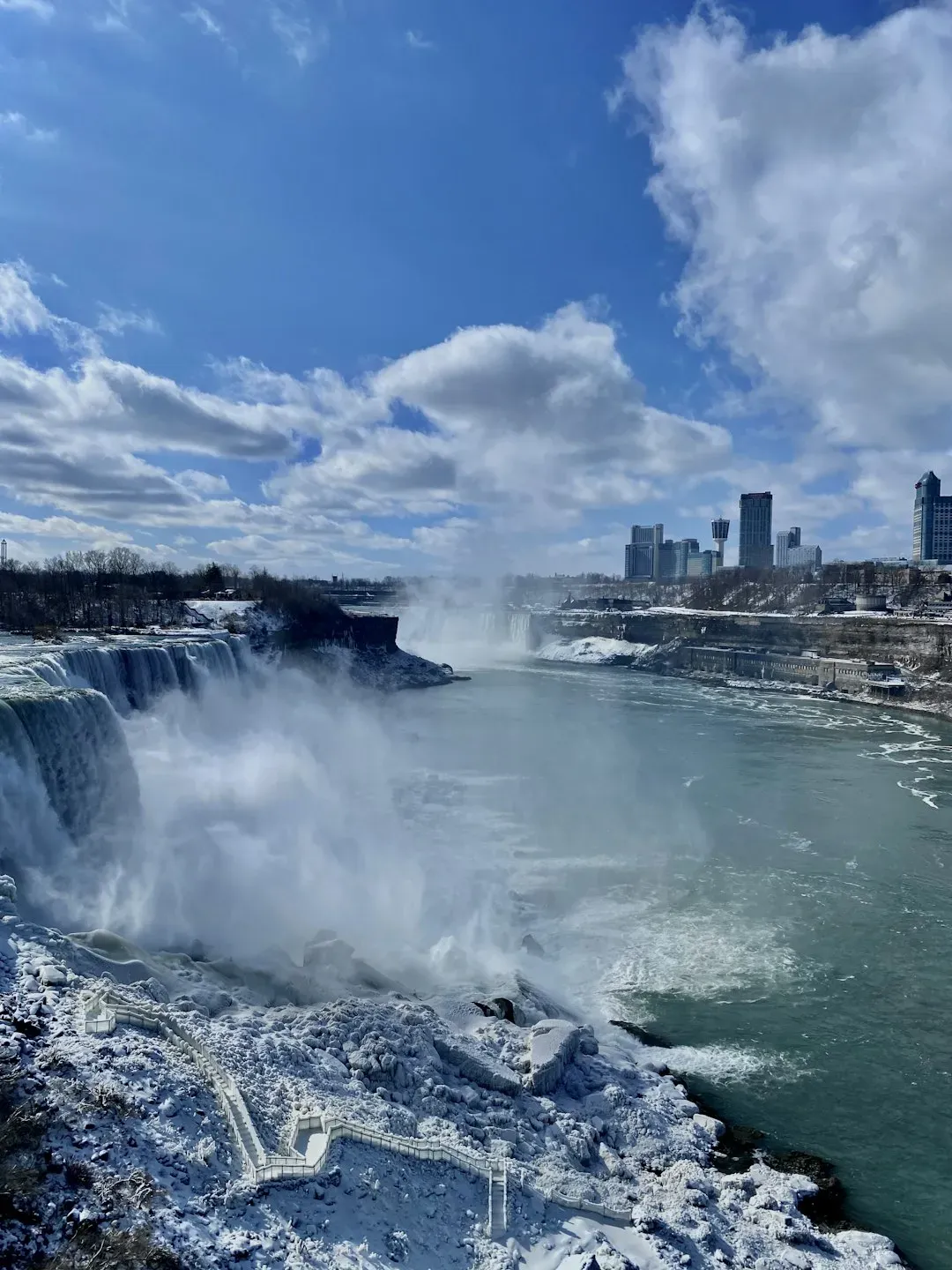
The halved winter flow isn’t a sign that something’s broken. It’s a deliberate trade-off written into a treaty that’s more than 70 years old, balancing a world-famous view against a lot of clean electricity. If you visit in winter or after dark, you’re seeing a legitimately smaller falls, though still a powerful one.
Niagara has never been purely natural for long. It’s a river people have been tuning for generations, and the dial moves every November.
